
What Vaccinations Are Required for Rwanda Travel? Complete 2026 Guide
Rwanda Travel Vaccinations are an important part of preparing for a safe and well-planned trip to Rwanda, especially for travellers visiting the country for gorilla trekking, wildlife safaris, chimpanzee tracking or a wider East African journey. While Rwanda does not require every visitor to receive the same vaccinations, travellers should understand the current yellow fever entry rules, keep routine immunisations up to date and seek professional advice about recommended vaccines such as hepatitis A, typhoid and hepatitis B. Malaria prevention is also essential for many visitors because malaria transmission occurs in Rwanda, while additional health precautions may depend on age, medical history, travel route and the areas being visited.
This distinction between a vaccine being required and a vaccine being recommended is extremely important for travellers planning a Rwanda safari. A vaccination may be strongly advised by a doctor because it reduces the risk of illness during travel without being an immigration requirement at Kigali International Airport. Conversely, a yellow fever vaccination certificate may be required because of where the traveller has recently been, even when yellow fever vaccination would not normally be recommended solely for travel within Rwanda. This means two tourists arriving on the same flight can have different documentation requirements depending on their earlier travel routes. Someone travelling directly from a country without yellow fever transmission may not need the certificate for Rwanda entry, while someone who has recently travelled through Uganda, Kenya, the Democratic Republic of the Congo or another country Rwanda currently identifies as yellow fever endemic may need to present valid evidence of vaccination. Rwanda Biomedical Centre maintains a current traveller-health notice explaining these requirements and stresses that the list of affected countries can change according to the epidemiological situation.
For this reason, travellers should treat vaccination planning as part of the wider preparation for their safari rather than something to check at the airport. International travel-health guidance recommends arranging a pre-travel health consultation several weeks before departure where possible. This gives enough time to review routine immunisations, complete vaccines that require more than one dose, discuss malaria prevention, consider medical conditions that affect vaccine suitability and obtain the appropriate vaccination certificate if one is required. TravelHealthPro currently recommends arranging such an appointment roughly four to six weeks before travel, while CDC advises travellers to consult a healthcare professional at least about a month before departure when possible. Even travellers booking Rwanda at short notice should still seek professional travel-health advice because useful preventive measures may still be available close to departure.
Is Yellow Fever Vaccination Required for Rwanda?
Yellow fever is the vaccination that causes the greatest confusion for travellers planning Rwanda. The most accurate answer is that it is not universally required for every tourist entering Rwanda. Rwanda Biomedical Centre states that a yellow fever vaccination certificate is not required from travellers arriving from countries that are not yellow fever endemic and do not have an active yellow fever transmission outbreak. However, the certificate becomes mandatory for travellers arriving from yellow-fever-endemic countries or from countries experiencing active yellow fever transmission. Rwanda’s current official traveller information therefore bases the requirement largely on the traveller’s recent country of origin and travel history rather than simply on nationality.
This means that someone flying directly to Kigali from a country with no yellow fever transmission risk may not need to show a yellow fever certificate at immigration or health screening. CDC, for example, currently states that a traveller going directly from the United States to Rwanda is not required to have a yellow fever vaccination certificate for entry. CDC also notes that yellow fever vaccination is generally not recommended simply because someone is travelling in Rwanda, although there can be individual circumstances where a travel-health professional reaches a different conclusion after assessing risk.
The situation changes when the traveller has recently been in another African or South American country where yellow fever transmission is recognised. Rwanda Biomedical Centre currently identifies countries including Uganda, Kenya, Burundi, the Democratic Republic of the Congo, Ethiopia, Ghana, Nigeria, Senegal and several other African states, together with a number of South American destinations, within the yellow fever risk framework. Because this list is dynamic, travellers should not rely on an old blog post or a list saved years earlier. A safari that combines Rwanda with Uganda or Kenya deserves particular attention because the traveller’s route can trigger Rwanda’s certificate requirement even if the journey originally began in Europe, North America, Asia or another low-risk region.
When Does a Yellow Fever Certificate Become Valid?
Rwanda’s official health guidance states that travellers going to yellow-fever-endemic countries should be vaccinated at least ten days before travel. This timing matters because the international certificate does not become valid immediately after the first vaccination. Rwanda Biomedical Centre also explains that a traveller arriving from a relevant risk country with a certificate issued less than ten days after vaccination may be subject to additional public-health measures until the certificate becomes valid.
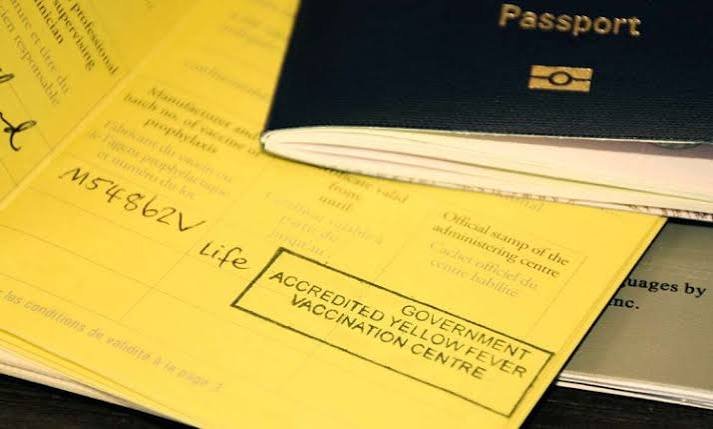
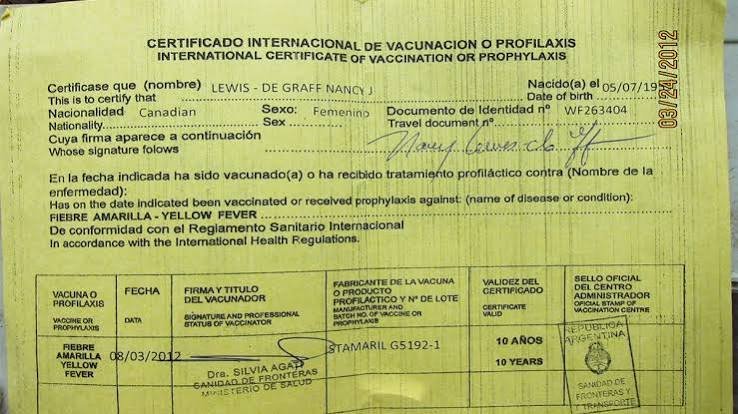
For travellers who already received a valid yellow fever vaccination in the past, another important point is that an International Certificate of Vaccination or Prophylaxis for yellow fever is generally considered valid for life under the International Health Regulations. TravelHealthPro notes that since the international rule change in 2016, a valid yellow fever certificate cannot normally be rejected merely because more than ten years have passed since the vaccination became effective. This is particularly useful for experienced Africa travellers who still have an older but valid yellow fever certificate and may incorrectly believe they need another vaccination simply because ten years have elapsed.
Travellers who have lost their certificate, have medical reasons why yellow fever vaccination may not be appropriate or are uncertain whether an old vaccination record is internationally valid should consult a registered yellow fever vaccination centre before departure. The yellow fever vaccine is a live vaccine and is not suitable for every traveller, so decisions about vaccination should be made with a qualified health professional rather than based only on a country’s border rule.
Do I Need Yellow Fever Vaccination If I Fly Directly to Rwanda?
Travellers arriving directly from countries that Rwanda does not classify as yellow fever endemic and that are not experiencing an active yellow fever outbreak generally do not need a yellow fever vaccination certificate to enter Rwanda. This is one of the most useful distinctions for tourists coming directly from Europe, North America, parts of Asia, the Middle East or other non-risk regions. Rwanda Biomedical Centre explicitly states that travellers arriving from non-endemic countries without an active yellow fever transmission outbreak are not required to present the certificate.
However, the word “directly” should be considered carefully. Travellers with an itinerary involving an overnight stay, extended transit or recent visit in a yellow-fever-risk country may face different requirements from someone simply changing planes under conditions that do not constitute entry into the risk country. Because flight routes and transit rules can be complicated, especially on multi-country African holidays, travellers should discuss their exact itinerary with a travel-health clinic or verify the latest guidance before departure.
The easiest way to avoid confusion is to look at the entire journey rather than only the country printed on the passport. Rwanda’s yellow fever requirement is tied to exposure geography and recent travel history. A British, American, German or Canadian citizen can still be required to show a yellow fever certificate when entering Rwanda if that person has recently travelled in a country where Rwanda applies the certificate requirement.
Do I Need Yellow Fever Vaccination If I Travel From Uganda to Rwanda?
Travellers entering Rwanda after visiting Uganda should pay particular attention to the yellow fever requirement because Rwanda currently includes Uganda among countries with yellow fever risk. A visitor completing a Uganda safari and then crossing into Rwanda should therefore expect yellow fever vaccination documentation to be relevant to the Rwanda entry process. This is especially important for popular combined itineraries involving Bwindi Impenetrable National Park, Queen Elizabeth National Park, Kibale Forest and then Rwanda’s Volcanoes National Park or Kigali.
The requirement should be considered before the entire East African journey begins rather than on the day of the Rwanda border crossing. A traveller who knows the itinerary will move from Uganda into Rwanda can arrange vaccination sufficiently early for the certificate to become valid. This is one reason combined Rwanda and Uganda safaris require slightly more health planning than a traveller flying directly into Kigali from a non-yellow-fever-risk country.
The same principle applies to tourists using the East Africa Tourist Visa. The regional visa simplifies immigration between Rwanda, Uganda and Kenya, but it does not replace public-health rules. Holding an East Africa Tourist Visa does not exempt a traveller from yellow fever certificate requirements that apply because of the countries visited.
Do I Need Yellow Fever Vaccination If I Travel From Kenya to Rwanda?
Kenya is also currently included in Rwanda Biomedical Centre’s published yellow fever risk list. Travellers who spend time in Kenya before continuing to Rwanda should therefore consider the yellow fever vaccination certificate requirement when organising the trip. This can affect travellers combining a Maasai Mara safari with gorilla trekking in Rwanda, as well as visitors travelling through Nairobi before entering Rwanda.
A Rwanda and Kenya itinerary is a popular combination because it offers two very different wildlife experiences, but vaccination planning should be completed before departure. Travellers should not assume that entering Rwanda with a regional travel document or arriving on a short flight from Nairobi removes the public-health requirement.
Because yellow fever rules can be updated in response to outbreaks, travellers should verify the requirement again close to departure even when the safari was booked many months earlier.
What Routine Vaccinations Should Be Up to Date Before Rwanda?
Even when no additional vaccine is legally required for entry, travellers should make sure their routine vaccinations are current. CDC advises Rwanda-bound visitors to be up to date with vaccines that form part of normal immunisation schedules, including protection against measles, mumps and rubella, diphtheria, tetanus and pertussis, polio, influenza and chickenpox where appropriate. Age and health can also affect recommendations for other routine vaccines.
Routine vaccination is easy to overlook because travellers often concentrate on diseases they associate specifically with Africa. In reality, familiar infections such as measles can present a meaningful travel risk when someone is not adequately immunised. CDC currently highlights increasing measles activity internationally and advises international travellers to be fully vaccinated against measles according to current recommendations.
TravelHealthPro similarly recommends that visitors to Rwanda review their standard immunisation history before travel, including measles, mumps and rubella together with diphtheria, tetanus and polio according to the traveller’s national immunisation programme.
A travel-health consultation therefore should not begin with the assumption that the traveller needs exotic new vaccinations. The first step is often simply establishing whether protection that should already exist is complete and current.
Is Hepatitis A Vaccination Recommended for Rwanda?
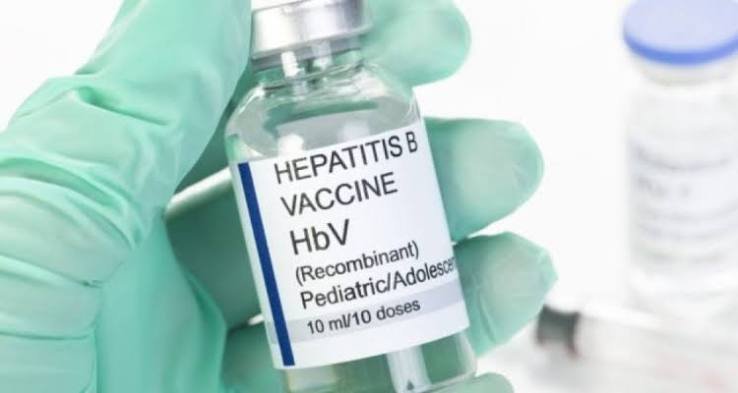
Hepatitis A vaccination is widely recommended for travellers to Rwanda who are not already protected. CDC currently recommends hepatitis A vaccination for unvaccinated travellers aged one year and older visiting Rwanda and provides specific guidance for younger infants travelling internationally. TravelHealthPro likewise recommends hepatitis A vaccination for previously unvaccinated travellers.
Hepatitis A is spread largely through contaminated food, water or contact with an infected person. The fact that someone is staying in a high-end lodge or travelling on a luxury safari does not necessarily remove the potential exposure completely. Travellers still eat in restaurants, pass through airports, stop during road transfers and encounter different food-handling environments during a holiday.
Vaccination should therefore be considered as part of general travel preparation rather than something needed only by backpackers or travellers staying in basic accommodation. Food and water hygiene remains important even after vaccination because no travel-health strategy should depend on one preventive measure alone.
Is Typhoid Vaccination Recommended for Rwanda?
Typhoid vaccination is recommended for many travellers visiting Rwanda. CDC currently recommends it for most travellers, while TravelHealthPro also places typhoid among the vaccines commonly recommended for Rwanda-bound visitors, particularly where travel circumstances increase exposure to potentially contaminated food or water.
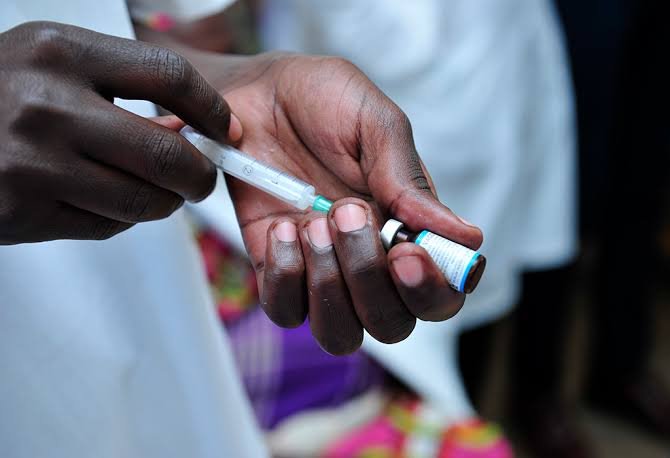
Typhoid vaccination does not provide complete protection, which means travellers should still pay attention to food and water hygiene. Drinking safe water, choosing food that has been properly prepared and maintaining good hand hygiene remain important even for vaccinated visitors.
For an organised Rwanda safari, the level of risk can vary according to itinerary. Someone spending a few nights in Kigali and high-standard safari lodges may have a different exposure pattern from a long-term traveller using basic accommodation, eating frequently in informal settings or spending extended periods in rural communities. A travel-health professional can consider these differences when advising whether vaccination is appropriate.
Is Hepatitis B Vaccination Recommended for Rwanda?
Hepatitis B vaccination can also be relevant to Rwanda travel. CDC currently recommends vaccination for unvaccinated travellers younger than 60 going to Rwanda and states that unvaccinated travellers aged 60 or older may also receive the vaccine. TravelHealthPro advises considering hepatitis B vaccination for travellers whose activities, health circumstances or length of stay increase the possibility of exposure.
Hepatitis B is transmitted through infected blood and certain body fluids. Travel-related risk can increase if someone requires unexpected medical or dental treatment, has sexual exposure, works in healthcare or undertakes other activities involving blood contact.
Many adults are already protected because hepatitis B vaccination forms part of routine immunisation programmes in numerous countries. The useful step before a Rwanda holiday is therefore to check existing records rather than automatically assuming another vaccine is required.
Is Rabies Vaccination Needed for Rwanda?
Rabies vaccination is not a universal entry requirement for Rwanda, but pre-exposure vaccination may be recommended for certain travellers. CDC reports that dogs infected with rabies are found in Rwanda and notes that rabies is also present in some terrestrial wildlife. It advises considering pre-exposure vaccination according to the traveller’s expected activities and the likelihood of being able to obtain rapid post-exposure treatment if an incident occurs.
For a conventional guided Rwanda safari, most travellers have limited direct contact with domestic animals, but risk can change for people spending extended periods in rural areas, working with animals, cycling, running, volunteering or travelling far from major medical facilities. Children may also deserve particular consideration because they can be more likely to approach animals and may not always report a small scratch or bite immediately.
Pre-exposure vaccination does not mean an animal bite can be ignored. Anyone bitten, scratched or exposed to the saliva of a potentially rabid animal still needs urgent medical advice. The benefit of vaccination is that it can simplify post-exposure management and provide additional protection when access to treatment is uncertain.
Is Cholera Vaccination Required for Rwanda?
Cholera vaccination is not generally an entry requirement for ordinary tourism in Rwanda and is not routinely necessary for most conventional safari travellers. CDC currently notes that cholera transmission has been present in a limited area of Rwanda’s Western Province and describes cholera as rare among travellers, while stating that vaccination may be considered for people going to areas of active transmission whose circumstances increase risk.
TravelHealthPro similarly advises that cholera vaccination is generally considered for travellers with higher-risk activities or conditions, such as people working in outbreak settings or those who may have poor access to safe water and medical care.
A tourist staying in established hotels and safari lodges therefore should not interpret the existence of cholera in a country as meaning that every visitor requires a cholera vaccine. The decision should be based on current outbreak information and the traveller’s actual itinerary.
Good food and water hygiene remains essential regardless of vaccination status.
Do I Need a Meningitis Vaccine for Rwanda?
Rwanda lies within the broader region where meningococcal disease can occur, but meningococcal vaccination is not a universal immigration requirement for ordinary Rwanda tourism. TravelHealthPro describes Rwanda as part of the extended meningitis belt of sub-Saharan Africa and recommends meningococcal ACWY vaccination for travellers whose health, work, length of stay or close contact with local communities places them at increased risk.
A short, privately guided luxury safari may not create the same exposure as an extended stay involving crowded living conditions or prolonged close contact with communities. The decision therefore belongs in an individual travel-health assessment rather than a simple rule that every visitor must have the vaccine.
Travellers should be particularly careful about online articles that describe recommended vaccines as legally required. Rwanda’s immigration authorities do not normally ask every safari tourist to present evidence of meningitis vaccination simply to enter the country.
What About Measles Vaccination?
Measles deserves particular attention because international cases have been rising. CDC currently advises that all international travellers be fully vaccinated against measles according to age-appropriate recommendations and highlights measles as a current global travel concern.
TravelHealthPro likewise advises Rwanda travellers to ensure their measles, mumps and rubella vaccination is up to date.
This is especially relevant for families travelling with children. Parents should not assume that a child’s routine vaccination schedule automatically provides the protection needed at the planned travel age without checking. International travel can sometimes change the timing considerations for infant vaccination, which is why families should consult a paediatric or travel-health professional before departure.
For gorilla trekking travellers, avoiding infectious illness also has a conservation dimension because mountain gorillas are genetically close to humans and vulnerable to human respiratory infections. Travellers who are unwell around the time of a trek should disclose symptoms to their safari operator or park authorities rather than attempting to conceal illness simply because a permit has already been purchased.
Is COVID-19 Vaccination Required for Rwanda Travel?
COVID-19 vaccination should be separated into two questions: whether it is required for entry and whether it is medically recommended. Current CDC travel-health guidance advises eligible travellers to remain up to date with COVID-19 vaccination, but routine Rwanda tourism should not be described as requiring every visitor to present COVID-19 vaccination merely because they are entering the country.
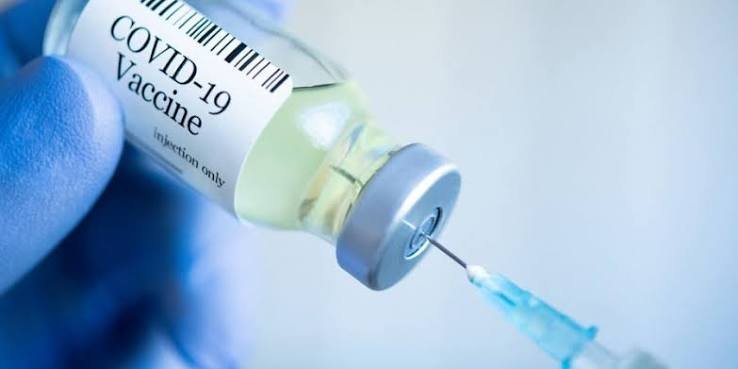
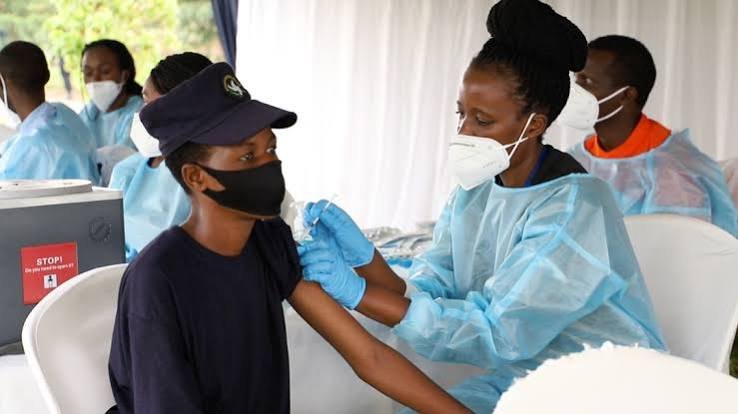
Travel requirements introduced during the height of the pandemic changed substantially over time, which is why old articles can be misleading. Travellers researching Rwanda should always check the latest entry rules rather than relying on material published during 2020, 2021 or 2022.
The broader lesson is useful for every travel vaccination: medical recommendations can remain important even after an immigration certificate requirement has been removed.
Do I Need a Polio Vaccine Before Visiting Rwanda?
Travellers should make sure routine polio vaccination is up to date according to their national immunisation schedule. CDC includes polio among the routine vaccinations travellers should review before visiting Rwanda, while TravelHealthPro includes diphtheria, tetanus and polio as part of routine pre-travel immunisation assessment.
Whether an individual adult needs an additional booster depends on prior vaccination history and current medical guidance rather than simply on the fact that Rwanda appears on the itinerary. A travel-health professional can review childhood vaccination records and determine whether anything further is appropriate.
Travellers who cannot find their vaccination records should not guess. A clinic can advise on how incomplete or uncertain immunisation histories should be handled.
Do I Need a Tetanus Booster for Rwanda?
Tetanus vaccination should be current before travel because the bacteria responsible for tetanus occur in soil and can enter the body through wounds. TravelHealthPro recommends that travellers complete routine tetanus vaccination and notes that a booster may be considered for people travelling where medical facilities may be limited when sufficient time has passed since the previous dose.
This is relevant to Rwanda safari activities because hiking, cycling, walking through forests and travelling in rural areas can create opportunities for cuts or injuries even when the holiday is professionally organised.
Tetanus is not a Rwanda border vaccination requirement, but being adequately protected is a sensible part of routine travel preparation.
Is Influenza Vaccination Worth Considering?
Influenza occurs worldwide, including tropical destinations, and vaccination may be appropriate depending on the traveller’s age, health and normal national vaccination recommendations. CDC includes influenza among routine vaccines travellers should keep current.
This is particularly relevant for Rwanda travellers planning gorilla or chimpanzee trekking because respiratory illness can affect both personal health and wildlife conservation considerations. A traveller who develops fever, coughing or other significant respiratory symptoms shortly before a primate trek should communicate with the operator and follow local guidance.
Vaccination cannot prevent every respiratory illness, but maintaining routine immunisation and avoiding travel while significantly unwell contributes to safer tourism.
Is Malaria Vaccination Required for Rwanda?
Malaria is extremely important for Rwanda travel, but tourists should understand that malaria prevention is not primarily handled through the standard travel-vaccination process. CDC currently recommends prescription malaria-prevention medicine for travellers going to Rwanda and identifies malaria transmission throughout the country. The principal malaria species is Plasmodium falciparum, and chloroquine resistance is recognised.
TravelHealthPro likewise currently classifies Rwanda as a high malaria-risk destination and recommends appropriate antimalarial medication together with mosquito-bite prevention.
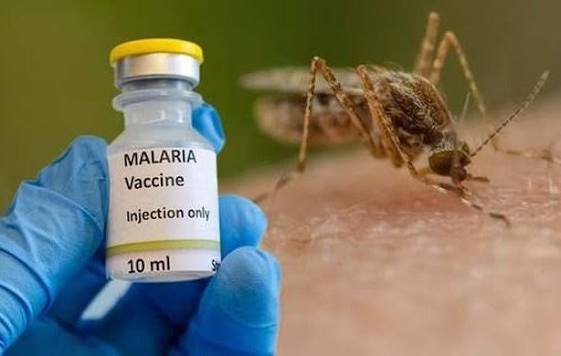
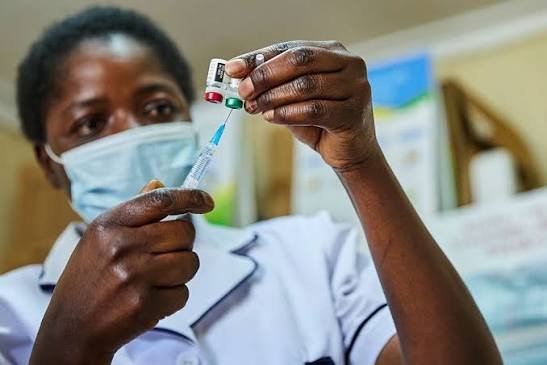
This means a traveller can be fully vaccinated according to every recommended schedule and still need a separate conversation with a medical professional about malaria tablets. Depending on the person’s medical history, age, pregnancy status, medications and itinerary, a clinician may consider options such as atovaquone-proguanil, doxycycline or mefloquine. Travellers should not select antimalarial drugs simply by copying what a friend took because these medicines have different contraindications, dosing schedules and potential side effects.
Mosquito avoidance remains important even when taking preventive medication. Malaria tablets substantially reduce risk but do not provide perfect protection, and mosquitoes in Rwanda can transmit other infections for which routine travellers may have no vaccine.
Why Mosquito Protection Still Matters Even After Vaccination
A Rwanda travel-health plan cannot be reduced to vaccines because several mosquito-borne illnesses are managed mainly through bite prevention. TravelHealthPro notes that Rwanda has risks associated with mosquito-borne diseases and that vaccination is not routinely available or appropriate for every one of them. CDC currently also highlights suspected Rift Valley fever cases in Rwanda, noting that the infection can spread through mosquito bites or contact with infected animals and animal products.
Using effective insect repellent, sleeping in appropriately protected accommodation, wearing suitable clothing when mosquitoes are active and following local public-health advice therefore remain important throughout the safari.
This applies even at comfortable hotels and lodges. High-end accommodation can reduce exposure through better building design and mosquito controls, but it cannot eliminate every mosquito.
What Should Gorilla Trekking Travellers Know About Vaccinations?
Gorilla trekking is one of the main reasons international visitors travel to Rwanda, and health preparation deserves particular attention because tourists spend time relatively close to mountain gorillas. The vaccinations needed for entry do not change simply because someone holds a gorilla trekking permit, but travellers should arrive in good health and take infectious-disease precautions seriously.
The physical environment around Volcanoes National Park is also different from an urban Kigali holiday. Trekkers can spend several hours walking through vegetation, mud and uneven terrain, so routine tetanus protection and general health preparation are particularly sensible.
Travellers who are planning to combine Rwanda gorilla trekking with Uganda should also remember the yellow fever issue because entering Rwanda after time in Uganda can create a vaccination-certificate requirement. A traveller flying directly into Rwanda from a non-yellow-fever-risk destination may face different documentation requirements from someone following a Rwanda-Uganda-Rwanda safari.
What Vaccinations Are Important for Chimpanzee Trekking in Rwanda?
Chimpanzee trekking in Nyungwe National Park involves similar general travel-health principles. There is no special “chimpanzee trekking vaccine” required simply because a visitor is entering the forest, but routine immunisations should be current and recommended travel vaccines should be considered according to the traveller’s risk profile.
Visitors should also consider malaria prevention, mosquito protection and general food and water safety during a longer journey through southwestern Rwanda.
Someone combining Nyungwe with Lake Kivu or a multi-country overland safari may have a different health profile from a traveller spending only a few days in Kigali, which is why personalised travel-health advice remains more valuable than a single universal vaccine list.
Do Children Need Different Vaccinations for Rwanda?
Children need special consideration because vaccination schedules are age dependent. CDC advises international travellers to be adequately protected against routine diseases and provides specific international-travel guidance for infants and children, including measles and hepatitis A considerations.
Parents should discuss Rwanda travel with a paediatric healthcare professional or travel clinic early enough to adjust vaccination timing where appropriate. A child may be too young for a vaccine given routinely at an older age, or international travel may lead a clinician to recommend an earlier dose under established guidance.
Families should also remember that vaccination requirements are separate from activity age limits. A teenager may meet Rwanda’s entry requirements but still need to satisfy the minimum age established for specific wildlife activities.
What About Pregnant Travellers?
Pregnant travellers should seek individual medical advice before deciding on vaccinations or malaria-prevention medication because pregnancy can affect which vaccines and medicines are suitable.
This is particularly important with yellow fever vaccination because it is a live vaccine and decisions about administering it require a careful assessment of disease risk, certificate requirements and possible vaccine-related risks. TravelHealthPro stresses that yellow fever vaccination is not suitable for everyone and should be assessed by appropriately trained health professionals.
A pregnant traveller whose itinerary would trigger a yellow fever certificate requirement should therefore discuss the route with a specialist rather than simply receiving the vaccine without evaluation or arriving at the border without appropriate documentation.
Malaria prevention also requires personalised medical advice in pregnancy because malaria can be particularly serious and not every preventive medicine is suitable.
What About Travellers Over 60?
Age can affect vaccination decisions even when the immigration rule itself does not change. TravelHealthPro notes that the risks and benefits of yellow fever vaccination deserve particular assessment in older travellers because serious vaccine-related adverse events, although rare, become more important in certain age groups.
An older traveller should therefore not receive a yellow fever vaccine solely because a friend says it is “required for Africa.” The decision should take into account whether the itinerary actually triggers Rwanda’s certificate requirement, the person’s health history and the professional risk assessment.
The same principle applies to other travel vaccines. Older travellers may benefit from additional protection, but medical conditions and existing medications can influence what is appropriate.
What If I Cannot Receive the Yellow Fever Vaccine?
Some travellers cannot safely receive yellow fever vaccination because of medical contraindications. In such cases, the correct approach is not to ignore the issue but to seek advice from a registered yellow fever vaccination centre before travel.
A medical professional can determine whether a formal exemption or other documentation is appropriate and explain how the destination’s border authorities may treat it. Travellers should understand that a medical waiver does not automatically guarantee entry into every country under every circumstance because border authorities retain responsibility for public-health enforcement.
Anyone whose itinerary passes through a yellow-fever-risk country before Rwanda should address this issue early enough to consider alternative flight routes if necessary.
What If I Arrive in Rwanda Without a Required Yellow Fever Certificate?
Rwanda Biomedical Centre states that travellers arriving from yellow-fever-endemic countries or countries with active transmission are expected to present valid vaccination evidence. Its current traveller notice explains that people arriving without valid documentation may face public-health intervention, which can include vaccination on entry under applicable circumstances. Travellers unwilling to comply with required preventive measures can face entry restrictions.
This is a situation worth avoiding through advance planning. Receiving vaccination at a border is not an ideal substitute for completing it before travel because the certificate requires time to become valid and the traveller may be subject to additional measures.
Anyone travelling through multiple African countries should therefore keep the original yellow fever vaccination certificate with their passport rather than packing it in checked luggage.
Are There Current Disease Outbreaks Travellers Should Know About?
Travel-health conditions can change independently of immigration rules. As of the current 2026 guidance, CDC reports suspected Rift Valley fever cases in Rwanda and advises travellers to reduce mosquito exposure and avoid unsafe contact with livestock, blood, body fluids and animal products.
TravelHealthPro also currently notes an ongoing clade I mpox outbreak relevant to its Rwanda guidance and advises travellers to monitor updated health information.
These developments illustrate why vaccination and health planning should be reviewed shortly before departure rather than completed once when the safari is booked and forgotten. An itinerary arranged six or twelve months earlier can still be perfectly valid while the public-health advice has changed.
Tourists do not need to become anxious about every disease reported in the region, but they should rely on current official guidance and seek medical advice when their activities or health status create additional risk.
How Early Should I Get Vaccinated Before Rwanda?
Travellers should ideally begin reviewing vaccination requirements around four to six weeks before departure, although earlier consultation can be helpful for people with complicated medical histories or itineraries involving several countries. TravelHealthPro recommends planning a pre-travel appointment roughly four to six weeks in advance where possible, while CDC recommends seeing a healthcare professional at least about a month before travel.
This gives enough time for vaccines that require multiple doses and ensures that yellow fever vaccination can become valid before it is needed for border entry.
However, travellers who book at short notice should not assume it is too late to obtain useful protection. A travel-health professional can still review risks, provide vaccines that remain beneficial and prescribe malaria-prevention medication where appropriate.
Should I Carry My Vaccination Records to Rwanda?
Travellers whose route requires a yellow fever certificate should carry the official vaccination certificate because it can be requested during the entry process. A photograph stored on a phone should not automatically be assumed to replace the required international document.
It is sensible to keep the certificate with essential travel documents rather than inside checked luggage because health screening normally takes place before checked baggage has become useful for document retrieval.
Travellers can also keep a separate digital copy in case the original is lost, but the original certificate remains the important document where formal proof is required.
Other routine vaccination records are not normally requested from every tourist at immigration, but keeping an accessible summary can be useful if medical treatment becomes necessary during the journey.
Are Vaccinations Included in the Rwanda Visa Requirements?
Vaccination rules and visa rules should be understood as separate parts of entry preparation. A traveller may have a perfectly valid Rwanda visa or qualify for visa on arrival but still need to satisfy yellow fever health-document requirements because of the route taken before arrival.
Similarly, having a yellow fever certificate does not replace a visa, passport or other immigration requirement.
Travellers combining several African countries should therefore prepare immigration documents and health documents as two related but distinct parts of the journey.
This is particularly relevant to the East Africa Tourist Visa because the regional visa facilitates movement between Rwanda, Uganda and Kenya but does not eliminate health-entry rules at each border.
Do Luxury Safari Travellers Need the Same Vaccinations?
Luxury travel does not create a separate vaccination category. Someone staying in high-end Kigali hotels, luxury gorilla lodges and premium safari camps is subject to the same Rwanda entry-health rules as someone travelling on a budget.
The level of exposure to particular infections can differ according to accommodation, food sources, length of stay and activities, but luxury surroundings do not eliminate disease risk entirely.
A high-end traveller still needs to consider yellow fever documentation when arriving from a risk country, should keep routine vaccines current and should discuss malaria prevention with a healthcare professional.
The advantage of high-quality accommodation lies in comfort, service standards and often improved environmental controls, not exemption from public-health recommendations.
What Vaccinations Are Required for a Short Rwanda Safari?
A short three-day or four-day Rwanda safari does not automatically create a different legal vaccination requirement from a longer trip. Yellow fever certificate rules depend mainly on the traveller’s recent country of origin and exposure history rather than how many nights will be spent in Rwanda.
A traveller flying directly from a non-yellow-fever-risk country for a short Kigali and gorilla trekking trip may not need a yellow fever certificate for entry. Someone arriving after a safari in Uganda may require the certificate even if the Rwanda portion lasts only two nights.
Recommended vaccinations can also remain relevant on a short trip because infections do not require a traveller to remain in a country for weeks before exposure becomes possible.
The health consultation should therefore consider itinerary and activities as well as length of stay.
What Vaccinations Are Required for a Two-Week Rwanda Safari?
A two-week journey may include several environments, such as Kigali, Akagera National Park, Nyungwe National Park, Lake Kivu and Volcanoes National Park. The legal yellow fever rule remains connected to travel history, but a longer and more varied itinerary can make recommended health precautions more relevant.
Travellers may eat in more locations, undertake more outdoor activities, encounter more mosquitoes and spend longer periods away from major medical centres than someone visiting Kigali for a short business trip.
Hepatitis A and typhoid vaccination, routine vaccine review, malaria prevention and personalised consideration of rabies or other vaccines therefore deserve careful discussion before a longer safari.
What Vaccinations Are Required for Rwanda and Uganda Together?
A combined Rwanda and Uganda safari makes yellow fever planning particularly important because Rwanda currently identifies Uganda as a yellow-fever-risk country. Travellers intending to visit Uganda before entering or re-entering Rwanda should arrange appropriate yellow fever documentation well in advance.
The traveller should also review recommended vaccines that apply to both destinations rather than treating each country as an entirely separate medical consultation. A travel-health professional can evaluate the whole itinerary and help avoid unnecessary duplicate vaccinations.
Malaria prevention is another major consideration because both countries have transmission risk, making antimalarial planning and mosquito protection important throughout the route.
What Vaccinations Are Required for Rwanda and Kenya Together?
A Rwanda and Kenya safari has similar considerations because Kenya appears in Rwanda’s current yellow fever risk list. A visitor spending time in Kenya before entering Rwanda should expect proof of yellow fever vaccination to be relevant under Rwanda’s current rules.
This matters for travellers pairing gorilla trekking with the Maasai Mara, Amboseli or other Kenyan safari destinations.
The order of travel can affect entry requirements, which is why the route should be discussed at the travel-health consultation. A person flying directly to Rwanda first and later going to Kenya may encounter a different sequence of document checks from someone visiting Kenya before Rwanda.
What Vaccinations Are Required for Rwanda, Uganda and Kenya?
Travellers combining all three countries should plan health documentation around the most demanding part of the route rather than assuming the regional visa covers vaccination requirements.
Yellow fever documentation becomes especially important because Uganda and Kenya are countries that Rwanda currently identifies within the yellow fever risk framework.
A well-prepared traveller should therefore complete the travel-health consultation before the multi-country safari begins, carry the original international yellow fever certificate where applicable and make sure routine immunisations and recommended travel vaccines have been reviewed.
The same consultation should cover malaria prevention throughout the journey because malaria risk does not stop at national borders.
What Vaccinations Are Required for Rwanda Travel in 2026?
What Vaccinations Are Required for Rwanda Travel in 2026? The most important mandatory vaccination-related entry rule concerns yellow fever. Rwanda currently requires a valid yellow fever vaccination certificate from travellers arriving from yellow-fever-endemic countries or countries experiencing active yellow fever transmission. Travellers arriving from non-endemic countries without an active outbreak are not normally required by Rwanda to present a yellow fever certificate solely for entry.
Beyond the legal entry requirement, travellers should make sure their routine vaccinations are up to date. Current CDC guidance recommends reviewing protection against diseases including measles, mumps and rubella, tetanus, diphtheria, pertussis, polio, influenza and chickenpox according to the traveller’s normal immunisation schedule. CDC also recommends hepatitis A vaccination for unvaccinated travellers, recommends hepatitis B vaccination for many unvaccinated travellers and recommends typhoid vaccination for most visitors to Rwanda. Rabies vaccination can be considered for travellers whose activities or remote travel increase exposure risk.
Cholera vaccination is not routinely needed for most tourists, although it may be considered for travellers going into active transmission areas under higher-risk circumstances. Meningococcal vaccination may also be considered for particular travellers according to duration, health and activities rather than being a universal Rwanda entry requirement.
Malaria deserves separate attention because Rwanda has malaria transmission and CDC recommends prescription preventive medicine for travellers. Malaria prevention is therefore an important part of preparing for Rwanda even though it should not be described simply as another required travel vaccine.
Final Answer: What Vaccinations Are Required for Rwanda Travel?
What Vaccinations Are Required for Rwanda Travel? For most ordinary tourists, Rwanda does not require a broad set of compulsory vaccines at the border. The principal vaccination certificate that can become mandatory is the yellow fever certificate, and whether you need it depends largely on where you are arriving from and where you have recently travelled. Rwanda currently requires proof of yellow fever vaccination for travellers arriving from yellow-fever-endemic countries or countries with active yellow fever transmission, while visitors coming from non-endemic countries without an active outbreak are generally not required to show the certificate.
If you are travelling directly from a non-yellow-fever-risk country, you may therefore enter Rwanda without needing yellow fever vaccination solely for the purpose of satisfying Rwanda’s border rule. CDC currently states that yellow fever vaccination is generally not recommended simply for travel to Rwanda itself and confirms that it is not required for direct travel from the United States, although individual medical circumstances can still affect advice.
If your journey includes Uganda, Kenya, the Democratic Republic of the Congo, Burundi or another yellow-fever-risk country before entering Rwanda, the situation changes. Rwanda’s current official health notice identifies numerous such countries, and travellers following multi-country African itineraries should plan to carry valid yellow fever documentation where required.
Other vaccines are generally best understood as recommended travel-health protection rather than universal immigration requirements. Hepatitis A is widely recommended for unvaccinated travellers, typhoid is recommended for most travellers, hepatitis B is recommended or considered for many unvaccinated visitors, and rabies vaccination may be appropriate for people whose activities or remote travel increase the chance of animal exposure or make rapid post-exposure treatment difficult. Routine vaccinations, particularly measles protection, should also be current before departure.
Travellers should also remember that vaccines do not address every important health risk. Malaria occurs throughout Rwanda, and current CDC guidance recommends prescription malaria-prevention medication for travellers. Mosquito-bite precautions remain important because other mosquito-borne infections can occur as well.
The best approach is to arrange a travel-health consultation around four to six weeks before departure whenever possible, taking the entire itinerary rather than Rwanda alone to the appointment. Tell the health professional whether you will travel through Uganda, Kenya, Tanzania, the Democratic Republic of the Congo or another country before or after Rwanda because that routing can significantly change vaccination and certificate requirements.
Travellers should also recheck official advice shortly before departure. Public-health circumstances can change because of outbreaks, and Rwanda Biomedical Centre specifically notes that its yellow fever country list is dynamic. Current 2026 travel-health information also highlights evolving regional concerns such as suspected Rift Valley fever cases and other outbreak monitoring, reinforcing why older travel blogs should not be the final source for medical preparation.
For a well-planned Rwanda safari, vaccination preparation is usually straightforward. Confirm whether your route triggers the yellow fever certificate requirement, make sure routine immunisations are current, discuss hepatitis A, typhoid and other recommended vaccines with a healthcare professional, arrange appropriate malaria prevention and carry any required vaccination certificate together with your travel documents. Once these preparations are handled early, travellers can focus on the experiences that bring them to Rwanda, from mountain gorilla trekking in Volcanoes National Park and wildlife safaris in Akagera to chimpanzee trekking in Nyungwe, Lake Kivu and Kigali.