

Do I Need a Visa to Visit Rwanda? Complete 2026 Travel Guide
Do I Need a Visa to Visit Rwanda? The answer depends on the passport you are travelling with, but Rwanda has one of the more flexible visitor-entry systems in Africa because citizens of all countries can currently obtain permission to enter upon arrival without having to secure a conventional visa from a Rwandan embassy before travelling. Some visitors still need a tourist visa and pay the standard visitor fee, while others qualify for free entry under Rwanda’s visa-waiver arrangements. Citizens of qualifying African Union, Commonwealth and La Francophonie countries can receive the applicable entry permission upon arrival with the visa fee waived for a 30-day visit, citizens of East African Community member states receive free entry under the regional arrangement, and a separate group of nationalities benefits from visa-free entry for up to 90 days. Travellers who do not fall within an exemption can ordinarily obtain the standard tourist visa when they arrive at Kigali International Airport or at an authorised land border, making advance embassy applications unnecessary for most conventional holiday visitors.
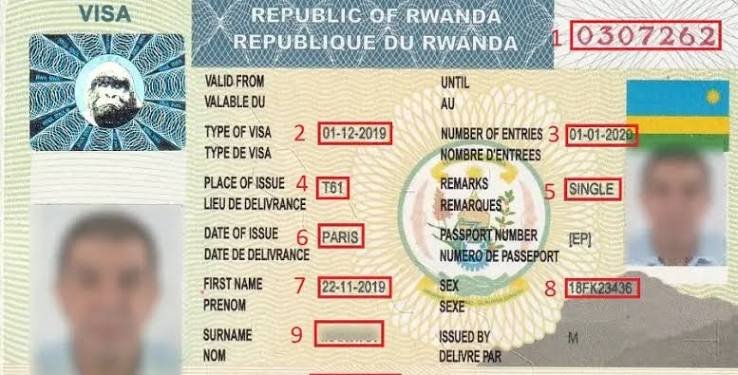
This flexible system is especially helpful for tourists visiting Rwanda for mountain gorilla trekking, wildlife safaris in Akagera National Park, chimpanzee trekking in Nyungwe National Park, holidays around Lake Kivu or city stays in Kigali. In many destinations, a traveller must first determine whether an embassy visa is required, submit documents several weeks before departure and wait for approval before confidently booking the rest of the holiday. Rwanda has simplified this process substantially by allowing citizens of all countries access to the visa-on-arrival system. The main question is therefore not simply whether a traveller needs a visa, but which entry arrangement applies to the passport being used, whether a visa fee must be paid, how long the visitor may remain and whether the planned itinerary involves leaving Rwanda and returning later.
Understanding this distinction before booking a safari helps prevent confusion. A traveller can legally need immigration permission while paying no visa fee because their nationality falls under a waiver arrangement. Another traveller may obtain almost exactly the same entry permission at Kigali International Airport but pay USD 50 because their passport is not covered by a waiver. Someone planning to cross into Uganda and return to Rwanda may require a different arrangement again. For this reason, tourists should avoid assuming that the experience of a friend, travel blogger or online forum participant will automatically apply to them. Rwanda’s immigration framework is generous, but the exact conditions depend on nationality, purpose of travel, number of intended entries and duration of stay.
Do All Travellers Need a Rwanda Visa?
Not every visitor needs to pay for a conventional Rwanda tourist visa. Rwanda distinguishes between travellers covered by visa-waiver arrangements and those who require a paid visitor visa. This is one of the most important facts to understand when asking Do I Need a Visa to Visit Rwanda? because the word “visa” is often used loosely in travel discussions. A person may receive an entry visa or visitor permission on arrival without paying for it, while another traveller must purchase the standard holiday visa. Both travellers still pass through immigration and must satisfy Rwanda’s entry requirements.

Rwanda’s current immigration system allows citizens of every country to obtain entry permission upon arrival. This has been the national policy since January 2018 and means that a tourist who is not visa exempt does not ordinarily need prior embassy approval simply to take a holiday in Rwanda. The traveller can normally arrive at Kigali International Airport or an authorised land border, present an acceptable travel document, complete the immigration process and pay the relevant visa charge if one applies.
The major benefit of this approach is predictability. International tourists can plan gorilla trekking, accommodation and flights without worrying that their passport nationality automatically requires a lengthy embassy procedure. However, travellers should still research the exact category that applies to them because visa-on-arrival eligibility and visa-free travel are not the same thing. Everyone may be able to obtain entry on arrival, but not everyone receives that entry free of charge.
What Is the Difference Between Visa-Free Entry and Visa on Arrival?
Visa-free entry generally means the traveller is admitted under an arrangement that does not require payment of the ordinary tourist visa fee for the permitted period. Visa on arrival means the traveller does not need to obtain the visa before travelling because the process can be completed at the border. A country can therefore offer visa on arrival to everyone while simultaneously providing completely free entry to certain nationalities.
This distinction explains many apparently conflicting reports about Rwanda travel. One tourist might say that Rwanda does not require a visa, while another might say that they paid USD 50 when they arrived. The first person may hold a passport qualifying for a waiver, while the second may be from a country that does not receive the same exemption. Neither traveller is necessarily mistaken.
For tourism planning, the most useful approach is to begin with nationality. Once the traveller knows whether their passport qualifies for a waiver, it becomes much easier to determine the likely cost and length of stay. Travellers who are not exempt can then decide whether to obtain the visa on arrival or apply online before departure.
Can Everyone Get a Rwanda Visa on Arrival?
Rwanda currently allows citizens of all countries to receive a visa on arrival without completing a prior visa application. This is one of the country’s most traveller-friendly immigration policies and makes Rwanda particularly accessible for international tourism. A visitor arriving for gorilla trekking, sightseeing, a wildlife safari or another legitimate short-term tourism purpose can normally complete the required immigration process at the point of entry.
The visa-on-arrival policy applies not only at Kigali International Airport but also at Rwanda’s recognised land borders. This matters considerably for tourists combining Rwanda with Uganda, Kenya or other destinations in the region. A visitor can arrive in Rwanda by road and still use the arrival framework rather than being required to fly into Kigali simply to receive a visa.
Although advance approval is not generally required for ordinary tourism, this does not mean visitors can arrive without proper documentation. A valid travel document is still essential, and immigration officers retain responsibility for determining whether the traveller meets the conditions for admission. A visa-on-arrival policy makes obtaining the visa easier; it does not eliminate border control.
How Much Does a Rwanda Tourist Visa Cost?
A traveller who does not qualify for a visa waiver and wants to enter Rwanda for an ordinary holiday currently pays USD 50 for the standard single-entry visitor visa. This visa is generally valid for 30 days and is suitable for the majority of conventional Rwanda holidays. A traveller planning to remain inside Rwanda throughout a seven-day, ten-day, two-week or even several-week itinerary can usually use the single-entry option as long as the entire stay remains within the authorised period.

Rwanda also offers a multiple-entry visitor visa that currently costs USD 70 and may be valid for 90 days. This option is useful for travellers who intend to enter Rwanda, leave the country and return during the same wider African journey. Someone who arrives in Kigali, spends several days in Rwanda, crosses into Uganda for another safari and then comes back to Kigali before flying home needs to think about the number of entries rather than simply buying whichever visa is cheapest.
The difference between the two prices is relatively small compared with the overall cost of an international safari. Choosing the correct entry arrangement is therefore more important than saving a few dollars. A visa that does not match the itinerary can create complications at a later border crossing, while a properly selected visa allows the holiday to proceed smoothly.
Which Travellers Receive Free Entry for 30 Days?
Rwanda currently provides an important visa-fee waiver to eligible citizens of countries belonging to the African Union, Commonwealth and La Francophonie. Under this arrangement, qualifying travellers can receive the relevant visa upon arrival without paying the ordinary fee for a stay of 30 days.
For many international tourists, this means the effective cost of entering Rwanda is zero. A traveller may still be required to pass through immigration, have their passport checked and receive the appropriate entry permission, but the USD 50 standard tourist visa fee does not apply.
This waiver is particularly useful for short Rwanda safaris because 30 days is more than enough time for most tourism itineraries. A comprehensive trip combining Kigali, Akagera National Park, Nyungwe National Park, Lake Kivu and Volcanoes National Park can normally be completed comfortably inside this period.
Travellers should still confirm that their nationality qualifies rather than relying solely on the fact that their home country has historical or linguistic connections to one of these organisations. Immigration rules apply according to official membership and current Rwanda policy, so checking before departure remains sensible.
What Are the Rules for East African Community Citizens?
Citizens of East African Community member states benefit from a particularly favourable Rwanda entry arrangement. Under the current immigration framework, eligible EAC citizens can receive an entry pass or visitor permission free of charge upon arrival and may remain for up to six months.
This makes regional travel to Rwanda significantly easier and supports tourism movement across East Africa. Someone travelling from another EAC country for a holiday in Kigali, a weekend around Lake Kivu, a conference or a longer tourism experience does not face the same standard visa cost as many international visitors.
However, regional free movement should not be confused with entering without identification. Travellers still need an acceptable travel document and must complete immigration procedures at the border. Entry privileges simplify the process but do not eliminate the requirement to establish identity, nationality and lawful purpose of travel.
For tourism operators planning regional itineraries, this distinction is important. A client from an EAC country may not need the same visa budget as a traveller arriving from a non-exempt country, even if both clients are following exactly the same safari route.
Can Some Travellers Stay in Rwanda Visa Free for 90 Days?
Yes. Rwanda also grants visa-free entry for up to 90 days to citizens of a separate group of countries covered by special arrangements. These visitors do not pay the ordinary tourist visa fee for the applicable stay.
The 90-day arrangement can be particularly valuable for long-stay tourists, people visiting family or travellers using Rwanda as part of an extended African journey. While most safari holidays are considerably shorter than three months, the longer permitted period gives travellers substantial flexibility.



Visa-free admission still does not provide permission to work. A tourist may legally remain in Rwanda for the permitted visitor period but cannot simply accept employment because they happen to have a long visa-free stay. Anyone travelling for work, long-term residence or another specialised purpose should use the appropriate immigration category rather than relying on tourism status.
Because nationality agreements can evolve, travellers planning future journeys should verify that their passport remains covered when they are ready to travel.
Do I Need to Apply for a Rwanda Visa Before My Trip?
For an ordinary tourism trip, most travellers do not need to complete a visa application before travelling because Rwanda allows citizens of all countries to receive visas on arrival. Someone booking a safari therefore does not normally need to delay the holiday while waiting for a conventional embassy visa.
Nevertheless, Rwanda also allows eligible visitors to apply online before departure. Some travellers prefer this because they like to have immigration arrangements completed before boarding an international flight. Others prefer visa on arrival because it reduces the amount of advance paperwork.
Neither approach is automatically better for every tourist. The right choice depends on personal preference, nationality and the complexity of the itinerary. Someone taking a straightforward seven-day holiday may be comfortable handling everything at Kigali International Airport, while a traveller organising a complicated multi-country journey may prefer to have documentation confirmed earlier.
What matters most is using official Rwanda government immigration channels. Travellers should be cautious with commercial visa-processing websites that resemble government portals but charge substantial additional service fees.
What Passport Validity Do I Need to Visit Rwanda?
Rwanda’s visitor visa requirements currently state that travellers should hold a genuine acceptable travel document valid for at least six months. This requirement is important regardless of whether the visitor pays for a visa or receives free entry.
A traveller who qualifies for a visa waiver should therefore not assume that passport validity is irrelevant. Visa-free travel removes the ordinary visa charge or application requirement; it does not allow entry using an invalid or insufficiently valid passport.
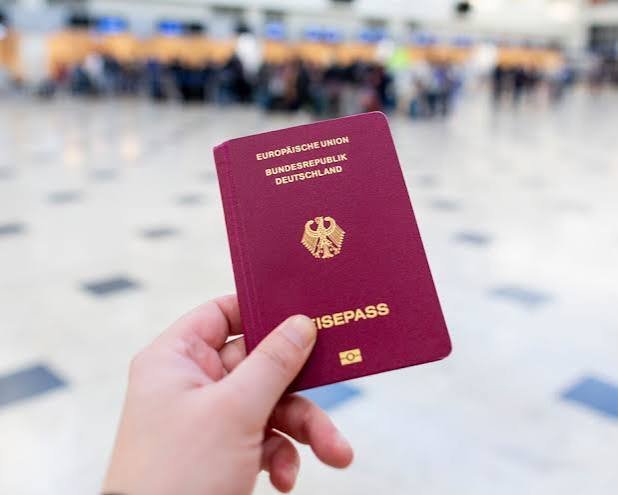
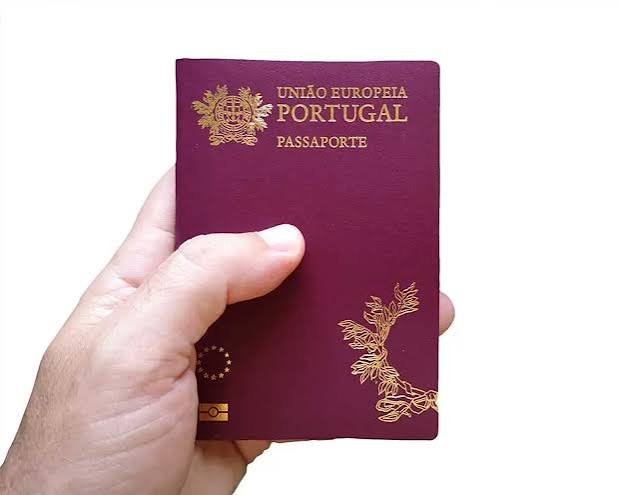
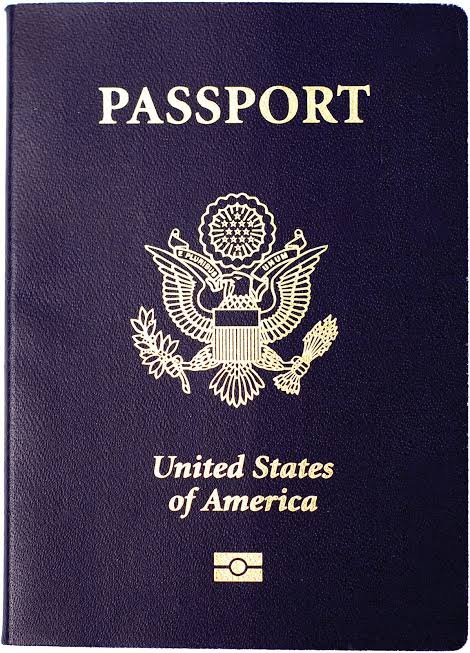
Checking passport expiry should be one of the earliest stages of planning a Rwanda safari. International flights, gorilla permits and luxury lodges can represent significant financial commitments, so discovering shortly before departure that the passport does not meet entry requirements can be expensive.
Travellers renewing their passport after making reservations should also ensure that any bookings connected to passport details are updated where necessary.
Do I Need Proof of Accommodation to Enter Rwanda?
Tourists should be able to provide information about where they intend to stay if immigration requests it. For most organised safari travellers, this is easy because accommodation forms part of the confirmed itinerary.
A visitor arriving in Kigali might have a hotel reserved for the first night before continuing to Volcanoes National Park, Akagera, Nyungwe or Lake Kivu. Keeping the hotel confirmation and safari itinerary accessible can make arrival formalities easier.
Travellers do not need to carry an enormous folder of documents, but relying entirely on internet access can create avoidable inconvenience. Keeping essential booking details available offline on a phone or as a simple printed copy is practical, especially after a long international flight.
The objective is simply to demonstrate that the trip is genuine, organised and consistent with the visitor status being requested.
Do I Need an Onward or Return Ticket?
Tourists should have a clear plan for leaving Rwanda at the end of their authorised visit. For most visitors arriving by air, a return or onward flight confirmation provides straightforward evidence of this intention.
Not every traveller leaves Rwanda by air. Someone taking a regional safari may continue overland into Uganda or another neighbouring country, and in that case a confirmed itinerary can help explain the travel plan.
Airlines may also have their own document-verification procedures before boarding. A traveller who is legally eligible for visa on arrival may still be asked by the airline to demonstrate that Rwanda permits that form of entry and that onward travel has been arranged.
Keeping flight confirmations and the safari itinerary readily accessible therefore reduces unnecessary discussion at both departure and arrival airports.
Do I Need a Visa to Visit Rwanda for Gorilla Trekking?
Visitors coming specifically for gorilla trekking follow the same general immigration rules that apply to other tourists. There is no separate immigration visa that must be purchased simply because the traveller plans to trek mountain gorillas in Volcanoes National Park.
The Rwanda visa and the gorilla permit are completely different documents. The visa provides permission to enter and remain in Rwanda according to immigration rules, while the gorilla permit provides access to a scheduled gorilla trekking experience inside Volcanoes National Park.
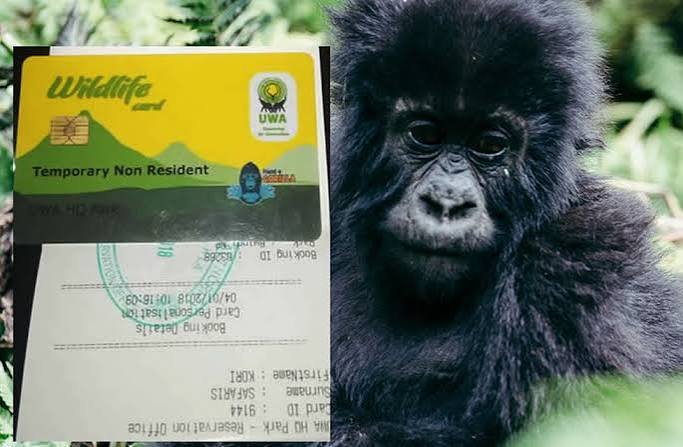
A traveller may therefore qualify for free entry into Rwanda but still need a gorilla trekking permit. Another traveller may need to pay for both a visa and the permit. The two costs should never be confused.
This distinction is especially important when budgeting because the immigration visa is relatively inexpensive compared with the conservation permit and overall safari package. Visitors should secure gorilla trekking availability well in advance even when they intend to obtain their Rwanda visa only upon arrival.
Does Visa on Arrival Mean I Can Book Rwanda at the Last Minute?
Rwanda’s flexible immigration system makes last-minute travel easier from a visa perspective because eligible tourists do not normally need to wait several weeks for embassy processing. Someone finding an attractive flight shortly before departure may still be able to travel because visa on arrival is available to all nationalities.
However, tourism availability can be much more restrictive than immigration. Gorilla permits, sought-after lodges, private guides and certain holiday-season accommodations may sell out months ahead.
This means that the ability to receive a visa at Kigali International Airport should not be interpreted as a reason to delay planning the safari itself. Immigration may be simple while the experiences the traveller actually wants are already fully booked.
For gorilla trekking in particular, confirming permit availability before purchasing non-refundable international flights is a much more important planning consideration than obtaining the ordinary tourism visa several months in advance.
Do I Need a Visa If I Enter Rwanda From Uganda?
Travellers entering Rwanda overland from Uganda are subject to the same fundamental nationality-based visa rules as tourists arriving by air. Rwanda’s visa-on-arrival framework applies at authorised land border posts, so a person who is not visa exempt can normally obtain the appropriate visitor visa when entering by road.
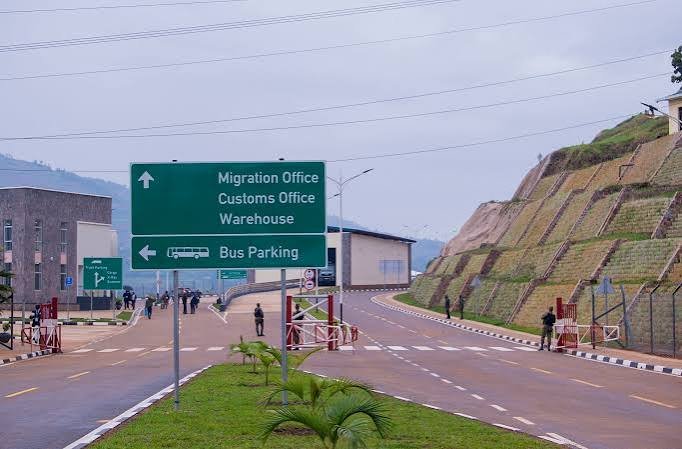
This is particularly useful for tourists combining gorilla trekking in Uganda with Rwanda or creating a wider safari involving both countries. It allows the journey to continue naturally across the region without requiring every international tourist to obtain a Rwanda embassy visa before beginning the trip.
A traveller qualifying for free Rwanda entry can use the corresponding arrangement at the border, while a non-exempt traveller may need to pay the standard visa fee.
The practical issue is therefore nationality and intended number of entries rather than whether arrival is by aeroplane or safari vehicle.
Do I Need a Multiple-Entry Visa If I Leave Rwanda and Return?
A traveller using an ordinary single-entry Rwanda visa should pay close attention to any itinerary that involves crossing an international border and later returning to Rwanda. Once a single-entry permission has been used and the traveller leaves, it should not be assumed that the same visa automatically covers another entry.
For example, someone might fly into Kigali, travel through Rwanda, cross into Uganda and later return to Kigali for the flight home. The traveller should ensure that the immigration arrangement supports that second entry.
A multiple-entry Rwanda visitor visa may be suitable in some situations, while the East Africa Tourist Visa may be more appropriate when the itinerary involves Rwanda, Uganda and Kenya.
Travellers who receive visa-free entry under their nationality arrangements should also confirm how repeated entries are treated rather than assuming that every waiver functions exactly like a multiple-entry visa.
What Is the East Africa Tourist Visa?
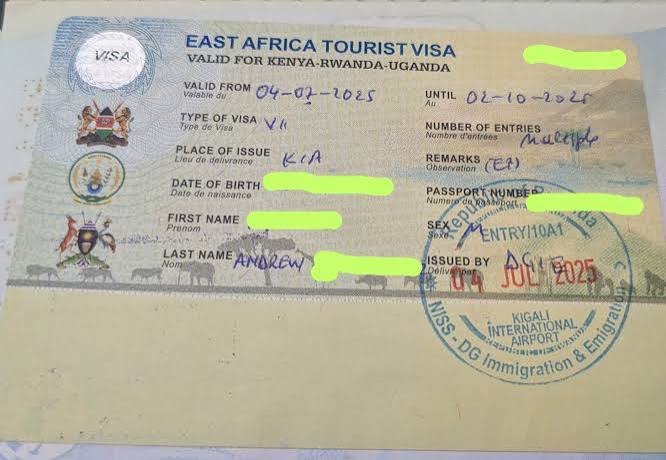
The East Africa Tourist Visa is designed for international tourists travelling through Rwanda, Uganda and Kenya during the same journey. Under the current arrangement, the visa costs USD 100 and supports multiple entries within the participating countries during its 90-day validity period, provided the traveller remains within the regional arrangement.
This visa can be particularly useful for a classic East African safari. A visitor may begin in Rwanda with gorilla trekking, continue to Uganda for primate and wildlife experiences and finish in Kenya with a Maasai Mara safari without purchasing a completely separate standard tourism visa every time a participating border is crossed.
However, the East Africa Tourist Visa is not automatically the cheapest choice for everyone. A traveller whose nationality already qualifies for free entry into Rwanda or another participating country should compare the available arrangements before paying USD 100.
The regional visa is therefore best viewed as an itinerary tool rather than simply a visa upgrade.
Should I Choose the East Africa Tourist Visa or a Rwanda Visa?
The answer depends on where the traveller intends to go after Rwanda. Someone spending the entire holiday inside Rwanda usually has little reason to purchase an East Africa Tourist Visa because a standard Rwanda entry arrangement is simpler and, for many nationalities, cheaper or completely free.
Someone combining Rwanda, Uganda and Kenya may benefit much more from the regional visa, especially when the itinerary involves several international crossings.
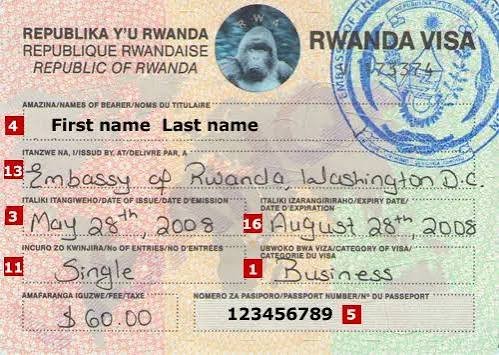
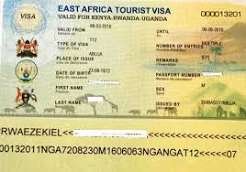
The key is to calculate the full route before selecting the immigration option. Buying the cheapest visa without considering the journey can lead to additional charges later, while buying the regional visa unnecessarily can waste money for a traveller who would have qualified for free national entry.
Safari planning and visa planning should therefore happen together.
Do I Need a Visa If I Am Only Transiting Through Kigali?
Transit arrangements depend on whether the traveller needs to formally enter Rwanda. A passenger who remains within an international transit environment and continues to another flight may face different requirements from someone who must collect baggage, leave the airport or spend time in Kigali.
Rwanda has a specific transit visa category for travellers who require formal entry while passing through the country. This category currently allows a short stay not exceeding 72 hours under the applicable conditions.
Someone planning to spend several days sightseeing in Kigali before continuing elsewhere should not automatically assume that a transit arrangement is sufficient. Once the stay becomes a tourism visit rather than a simple connection, the ordinary visitor category may be more appropriate.
Travellers with complicated airline connections should confirm the requirements with both the airline and Rwanda Immigration before departure.
Does a Rwanda Tourist Visa Allow Me to Work?
An ordinary Rwanda holiday visa is intended for tourism, sightseeing, social visits and other permitted short-term purposes. It does not authorise employment.
This distinction is important because the ease of obtaining a tourist visa may give some travellers the impression that they can enter Rwanda first and begin working immediately. Tourism permission should not be used as a substitute for the immigration authorisation required for employment.
Someone travelling for a holiday can participate in normal safari activities, stay in hotels, visit national parks and explore the country, but employment or activities requiring another immigration category must be handled under the appropriate rules.
The same principle applies to the East Africa Tourist Visa, which exists specifically to facilitate tourism within the participating countries rather than employment.
Can I Extend My Stay in Rwanda?
Rwanda allows visa extensions in certain circumstances, but visitors should address the issue before their current immigration permission expires.
A traveller enjoying Rwanda and deciding to remain longer should not simply stay beyond the authorised period and assume the matter can be resolved when leaving the country. Immigration status should be kept valid throughout the visit.
Someone who already knows before travelling that a longer stay is planned should research the appropriate immigration category from the beginning rather than relying on an extension as part of the original plan.
Tourists whose stays become longer because of unexpected circumstances, such as health problems or travel disruption, should contact the immigration authorities promptly.
Do Children Need a Visa to Visit Rwanda?
Children travelling to Rwanda also need appropriate travel documentation and entry permission according to their nationality and passport circumstances.
Parents should pay particular attention to passport validity because children’s passports often have shorter validity periods than adult documents. A family may have organised every safari detail correctly but still face problems if one child’s passport does not meet entry requirements.
Immigration permission should also be separated from tourism activity age requirements. A child may be legally allowed to enter Rwanda while being too young to participate in a particular wildlife activity.
Families should therefore check both immigration rules and individual activity requirements when designing the itinerary.
Does My Rwanda Visa Include National Park Entry?
A Rwanda tourist visa only provides immigration permission to enter the country. It does not include admission to national parks, gorilla trekking, chimpanzee trekking, game drives, accommodation or transportation.

This is particularly important for travellers creating a safari budget. The amount paid at immigration should never be mistaken for a tourism package fee.
National park experiences have their own charges and booking procedures, and specialised activities can require permits secured well before arrival.
The visa simply allows the traveller to begin the Rwanda journey legally. Everything from the first hotel night to the final national park experience forms a separate part of the tourism arrangements.
Do I Need a Yellow Fever Certificate to Get My Rwanda Visa?
Visa rules and health-entry rules are separate. A traveller may be perfectly eligible for visa-free entry or visa on arrival but still need to satisfy health requirements based on travel history.
Yellow fever vaccination documentation can be required depending on the countries through which a visitor has travelled before entering Rwanda. This is particularly relevant to multi-country African itineraries.
Someone travelling directly from a country without the relevant risk profile may face different requirements from another passenger who spent time in a yellow-fever-risk destination immediately before Rwanda, even when both passengers hold the same nationality.
Travellers should therefore review health requirements separately rather than assuming the visa alone is sufficient for entry.
Can Health Screening Affect Entry Even If I Have a Visa?
Yes. Immigration permission and public-health screening are separate legal and administrative processes.
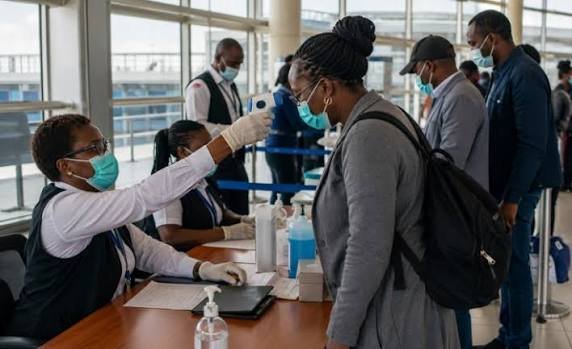
Regional disease outbreaks can result in additional screening, health declarations or temporary border measures even when Rwanda’s normal tourism visa policy remains unchanged.
This matters particularly for travellers creating itineraries months in advance. A visa policy may remain stable while health-entry procedures change shortly before the trip.
Checking official travel and health information close to departure is therefore sensible, especially for travellers crossing several African borders.
Is It Safe to Use an Online Visa Agent?
Travellers should be cautious when using private websites that offer to arrange Rwanda visas for a significantly higher price than the official government fee.
Rwanda’s immigration authorities warn that there is no single affiliated agent authorised to apply for visas on behalf of visitors and that third-party agents may charge more than the official visa price.
For an ordinary tourist eligible for visa on arrival, paying a large processing fee may provide little benefit. Some travellers could even pay an agent despite qualifying for completely free entry.
Using official Rwanda immigration channels is therefore the safest way to understand whether a fee is actually required.
Can I Apply for the Visa Online Instead?
Yes. Travellers who prefer having their immigration paperwork arranged before departure can use Rwanda’s official online application system where applicable.
This option can be reassuring for first-time visitors to Africa who prefer having every document organised before boarding the flight. It can also be convenient for people managing complicated itineraries.
The existence of online applications does not change the fact that Rwanda permits citizens of all countries to obtain visas on arrival. It simply provides an alternative.
The most important issue is making sure the online application is made through a legitimate Rwanda government service rather than an expensive unofficial imitation.
Is Rwanda Easy to Visit for First-Time Africa Travellers?
From an immigration perspective, Rwanda is comparatively straightforward because its visa-on-arrival policy removes one of the biggest uncertainties international travellers sometimes face when planning Africa trips.

A first-time visitor can concentrate on the tourism arrangements rather than navigating a complicated embassy procedure. Kigali International Airport is also a manageable gateway for travellers continuing to other parts of the country.
This does not mean travel preparation should be ignored. Passport validity, health requirements, accommodation details and the correct visitor status still matter.
What Rwanda’s policy does is reduce unnecessary administrative barriers, making the country particularly attractive for travellers who want a well-organised introduction to East Africa.
Do I Need a Visa for a Short Rwanda Weekend?
The length of the holiday does not automatically eliminate immigration requirements. A traveller visiting Rwanda for only two or three days still enters under the relevant nationality-based arrangement.
Someone qualifying for free entry may pay nothing, while a non-exempt traveller may still need the standard visitor visa even though the trip is extremely short.
The tourist visa fee is therefore not calculated per day. A traveller staying for three nights can pay the same standard single-entry fee as someone staying for several weeks under the same immigration category.
For short trips, this makes checking nationality exemptions particularly valuable because eligible visitors may be able to enjoy a Kigali weekend or short gorilla safari without any ordinary tourist visa charge.
Do I Need a Visa for a Two-Week Rwanda Safari?
A standard two-week Rwanda safari fits comfortably inside the normal 30-day single-entry visitor period.
A traveller entering once and remaining entirely within Rwanda would normally require only the applicable single-entry arrangement. Someone whose nationality qualifies for free 30-day entry would use that waiver instead.
Two weeks provides enough time for an exceptionally complete Rwanda journey, potentially combining Kigali, Akagera, Nyungwe, Lake Kivu and Volcanoes National Park without creating any immigration difficulty related to trip length.
The main issue would arise only if the itinerary crosses into another country and returns to Rwanda, in which case the number of entries needs to be considered.
Do I Need a Visa for Rwanda If I Hold More Than One Passport?
Dual nationals should consider which passport provides the most suitable entry arrangement and ensure that the same document is used consistently where required during travel.
One passport may qualify for a Rwanda visa waiver while another may require payment of the ordinary visitor fee. Using the passport with more favourable conditions can therefore simplify the trip.
However, travellers should avoid switching passports casually during immigration procedures without understanding the implications. Airlines, entry records and onward destinations may all rely on the document used earlier in the journey.
The best approach is to decide which passport will be used for Rwanda before travelling and ensure its validity meets the required standard.
What Happens If My Passport Expires Soon?
A passport approaching expiry can create a problem even when the traveller is otherwise eligible for visa on arrival.
Rwanda’s visitor visa rules require an acceptable travel document with at least six months of validity. A traveller whose passport does not meet that condition should renew it before the trip rather than hoping immigration will make an exception.
This is particularly important for expensive safari holidays. Gorilla trekking permits, luxury accommodation and international airfare can all be difficult or costly to change.
Checking the passport before confirming non-refundable arrangements is therefore one of the simplest forms of travel protection.
Should I Carry Printed Travel Documents?
Digital confirmations are widely accepted throughout modern travel, but having essential information available offline remains practical.
A traveller arriving after a long international flight may discover that mobile data is not active yet, an email application is refusing to load or the phone battery is nearly empty. Keeping basic accommodation, flight and safari information accessible without internet can prevent unnecessary inconvenience.
A small printed itinerary is particularly useful for overland journeys where travellers may cross borders away from major airports.
The objective is not to carry excessive paperwork, but simply to make sure important travel details remain available when needed.
Do I Need a Visa to Visit Rwanda From Europe?
European travellers are covered by the same general principle that Rwanda allows citizens of all countries to obtain visas upon arrival.
Whether a particular European passport receives free entry or requires payment depends on the nationality and any applicable waiver arrangement.
Travellers should therefore avoid treating Europe as one visa category. A passport from one European country can have different Rwanda entry privileges from another because the countries may belong to different international arrangements.
The traveller’s actual nationality, rather than where the flight departed from, determines the visa treatment.
Do I Need a Visa to Visit Rwanda From North America?
Travellers from North America can also use Rwanda’s visa-on-arrival framework. The amount payable depends on the passport being used and whether that nationality falls under one of Rwanda’s waiver arrangements.
The fact that a traveller lives in Canada, the United States or another North American country is less important than the citizenship shown in the passport presented to immigration.
Visitors should therefore check rules by nationality rather than relying solely on country of residence.
This is especially relevant for permanent residents who hold passports from countries different from the country where they live.
Do I Need a Visa to Visit Rwanda From Africa?
Many African travellers benefit from Rwanda’s generous visa-waiver framework, particularly because Rwanda provides fee-free arrangements for qualifying African Union nationals and regional privileges for East African Community citizens.
However, African nationality does not eliminate the need for proper travel documentation.
Visitors should carry the acceptable passport or regional travel document appropriate to their circumstances and pass through official immigration control.
The policy nevertheless makes Rwanda highly accessible for intra-African tourism and supports easier movement for holidays, conferences and regional safari combinations.
Is Rwanda’s Visa Policy Good for Multi-Country Safaris?
Rwanda’s immigration framework works particularly well for multi-country tourism because travellers can obtain entry upon arrival and can also consider the East Africa Tourist Visa when visiting Rwanda, Uganda and Kenya.
This allows safari planners to design journeys around wildlife geography and traveller interests rather than allowing visa complexity to dominate the route.
A holiday might begin with gorilla trekking in Rwanda, continue through Uganda for chimpanzees and savannah wildlife and finish with a Kenyan safari.
The traveller simply needs to choose an immigration arrangement that matches the number and sequence of border crossings.
Do I Need a Visa to Visit Rwanda in 2026?
Do I Need a Visa to Visit Rwanda in 2026? For many travellers, some form of visitor permission is still required, but Rwanda makes obtaining it exceptionally straightforward because citizens of every country can currently receive visas on arrival without submitting an advance application. The actual cost and permitted stay depend on nationality.
Travellers who are not covered by a waiver can currently obtain the ordinary holiday visa for USD 50 for single entry, normally valid for 30 days, or USD 70 for multiple entries, normally valid for 90 days. Visitors from qualifying African Union, Commonwealth and La Francophonie countries receive the applicable 30-day fee waiver, while East African Community citizens benefit from the regional free-entry arrangement. Other nationalities are covered by separate 90-day visa-free agreements.
Anyone travelling through Rwanda, Uganda and Kenya during the same journey can also consider the East Africa Tourist Visa, currently priced at USD 100 and designed for regional tourism.
The important point is that Rwanda does not generally require ordinary tourists to obtain a traditional embassy visa before travelling. Visa on arrival is available to citizens of all countries, and visitors who prefer advance processing can use the official online application system.
Final Answer: Do I Need a Visa to Visit Rwanda?
Do I Need a Visa to Visit Rwanda? The most accurate answer is that it depends on your nationality, but you do not normally need to arrange a traditional Rwanda tourist visa at an embassy before travelling. Rwanda currently allows citizens of every country to obtain visas upon arrival at Kigali International Airport and recognised land borders, making the country remarkably accessible for international visitors.
If your passport is not covered by a visa-waiver arrangement, the standard single-entry holiday visa currently costs USD 50 and is generally valid for 30 days. A multiple-entry visitor visa costs USD 70 and can be valid for 90 days. These options are suitable for travellers who need paid visitor permission and are coming for holidays, sightseeing, safari travel or other permitted short-term purposes.
Many travellers pay no visa fee at all. Eligible nationals of African Union, Commonwealth and La Francophonie countries benefit from a fee waiver for the applicable 30-day entry, while East African Community citizens receive free entry under the regional arrangement. Rwanda also maintains separate agreements providing 90-day visa-free entry to citizens of certain countries.
Travellers planning a regional safari through Rwanda, Uganda and Kenya can consider the East Africa Tourist Visa, which currently costs USD 100 and supports multiple entries within the participating countries during its validity period. This can be particularly convenient for itineraries that cross several borders before returning to Rwanda.
Regardless of whether the visa is free or paid, visitors should travel with an acceptable passport or travel document valid for at least six months and should be prepared to provide basic information about their visit if immigration requests it. Accommodation confirmations, onward travel details and a safari itinerary can be useful, especially for travellers entering overland or following a multi-country route.
Health-entry requirements should also be checked separately because visa eligibility does not automatically satisfy vaccination or disease-screening rules. Travellers moving through several African countries should pay particular attention to any vaccination documentation required because the conditions may depend on recent travel history rather than nationality alone.
For most tourists, Rwanda’s visa policy should therefore not be a major obstacle to visiting the country. The system is designed to make tourism relatively easy while still maintaining normal immigration controls. Once you have confirmed which arrangement applies to your passport, the remaining planning can focus on the experiences that make Rwanda such a distinctive destination, from mountain gorilla trekking in Volcanoes National Park and Big Five wildlife viewing in Akagera to chimpanzee tracking in Nyungwe, relaxing along Lake Kivu and exploring Kigali.
The most important advice is to check the official Rwanda Immigration rules shortly before departure because visa agreements, fees and border procedures can change. When current rules are followed, however, travelling to Rwanda is generally straightforward, and for many visitors the process is as simple as arriving with a valid passport, completing immigration formalities and beginning the safari.