Ultimate Gorilla Trekking Rwanda for Photographers: Capturing the Soul of Mountain Gorillas in the Wild
Introduction: A Photographer’s Dream Gorilla Adventure in Rwanda
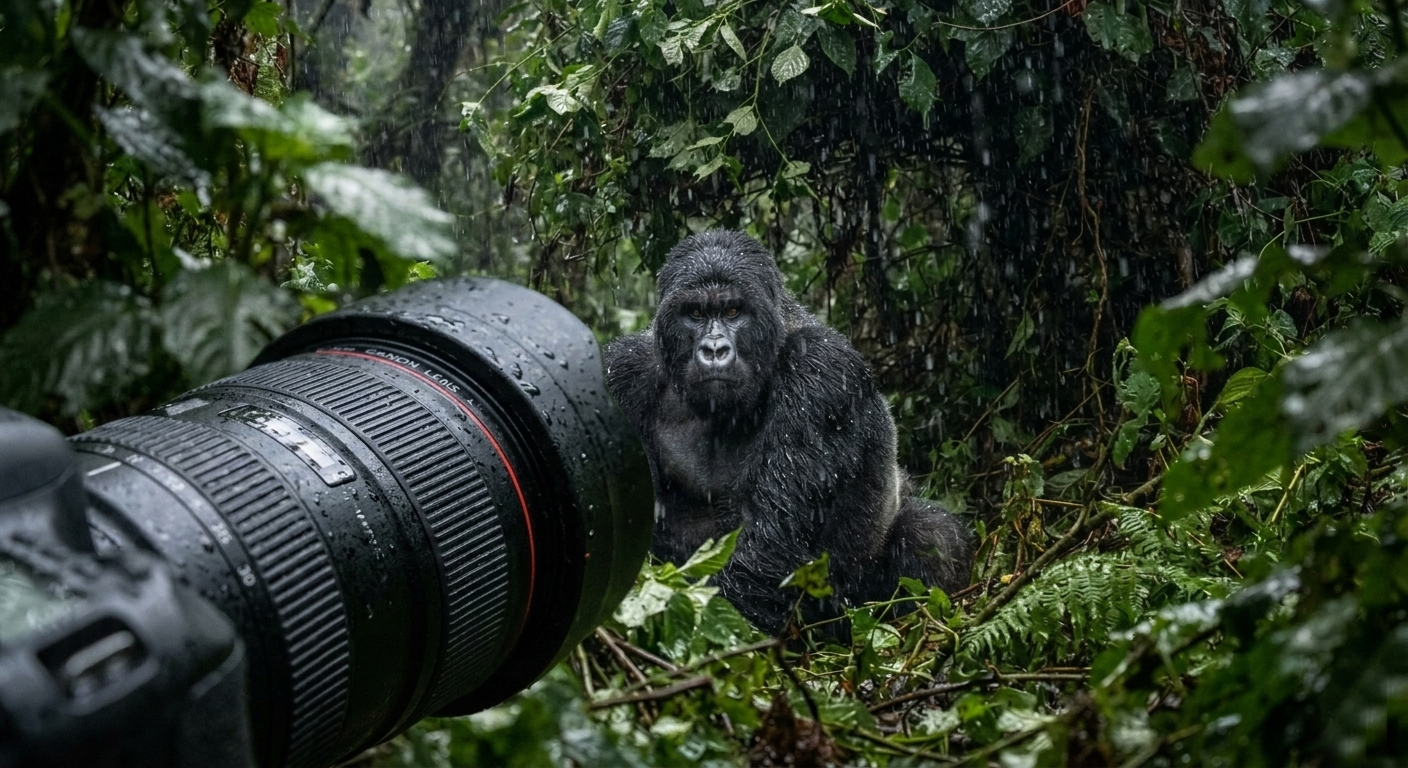
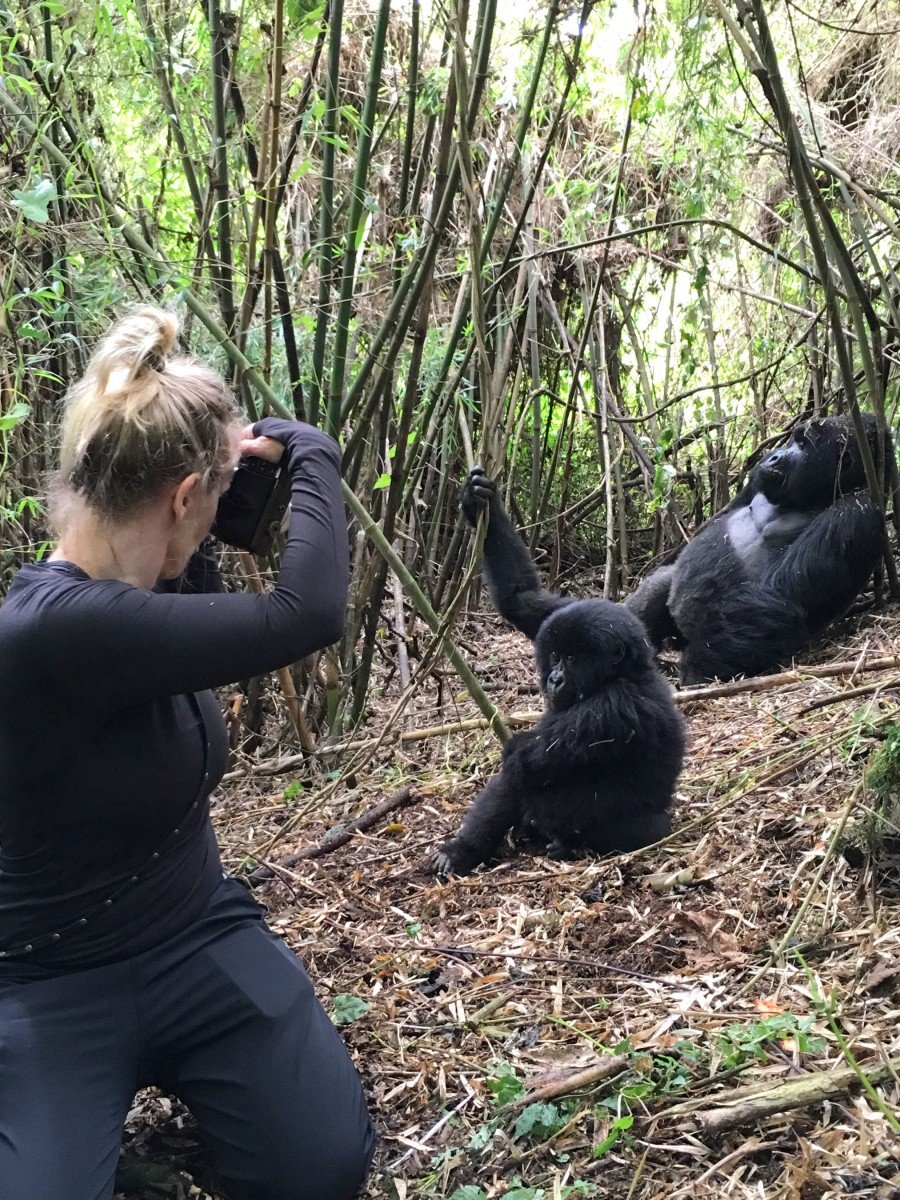
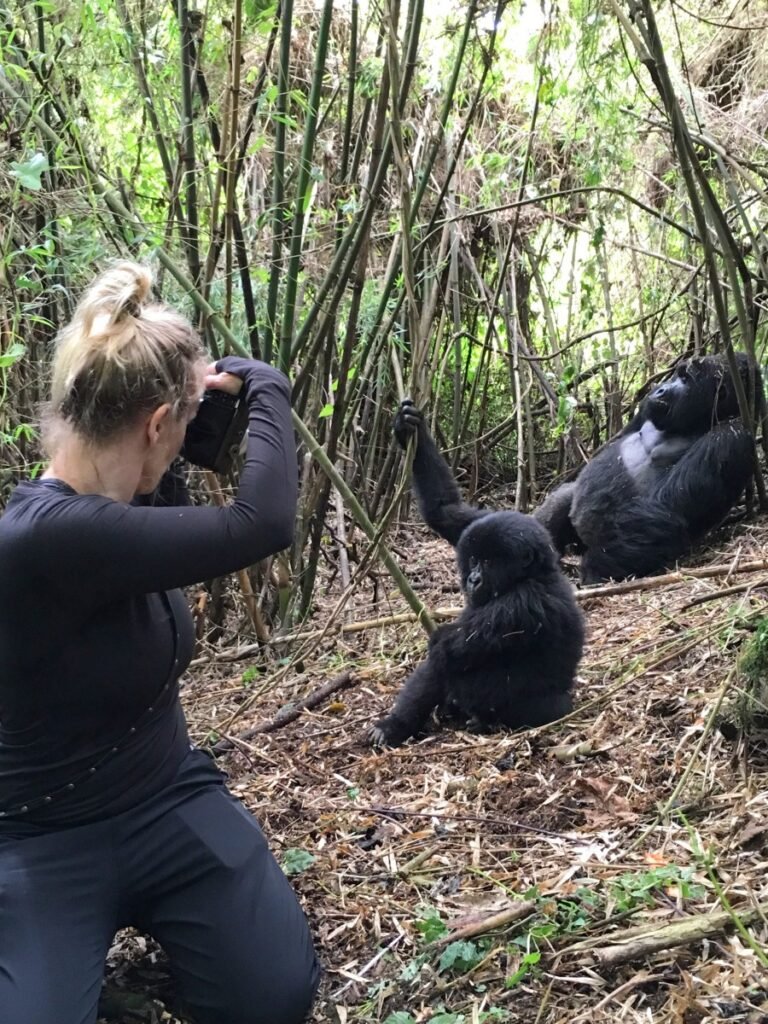
Gorilla Trekking Rwanda for Photographers is about capturing moments that tell powerful stories, and few wildlife experiences offer a more extraordinary opportunity than photographing mountain gorillas in their natural habitat. A Gorilla Trekking Rwanda for Photographers safari provides photographers with the rare chance to enter the ancient forests of Volcanoes National Park, observe endangered mountain gorillas up close, and create images that showcase the beauty, emotion, and personality of these remarkable animals.
Rwanda is one of the world’s most exceptional destinations for wildlife photography because it combines accessibility, professional guiding, incredible landscapes, and unforgettable encounters with mountain gorillas. Unlike traditional wildlife photography where animals are often viewed from a distance, gorilla trekking creates an intimate experience where photographers can observe family interactions, expressions, behaviours, and the unique personalities of individual gorillas.
Every moment inside Volcanoes National Park presents a photographic opportunity. The mist rising between volcanic mountains, sunlight filtering through the rainforest canopy, a silverback watching over his family, young gorillas playing among vegetation, and the quiet connection between humans and wildlife all create powerful storytelling possibilities.
A successful photography-focused gorilla safari requires careful planning. Camera equipment, trekking conditions, lighting, conservation guidelines, and the choice of guide all influence the quality of the final images. With the right preparation, a Gorilla Trekking Rwanda for Photographers experience becomes much more than a wildlife trip; it becomes a journey to capture some of the most meaningful images in the natural world.
Whether you are a professional wildlife photographer, a passionate amateur, or simply someone who wants to document an extraordinary adventure, Rwanda provides an incredible setting for creating unforgettable photographs.
Why Rwanda Is Perfect for Wildlife Photography
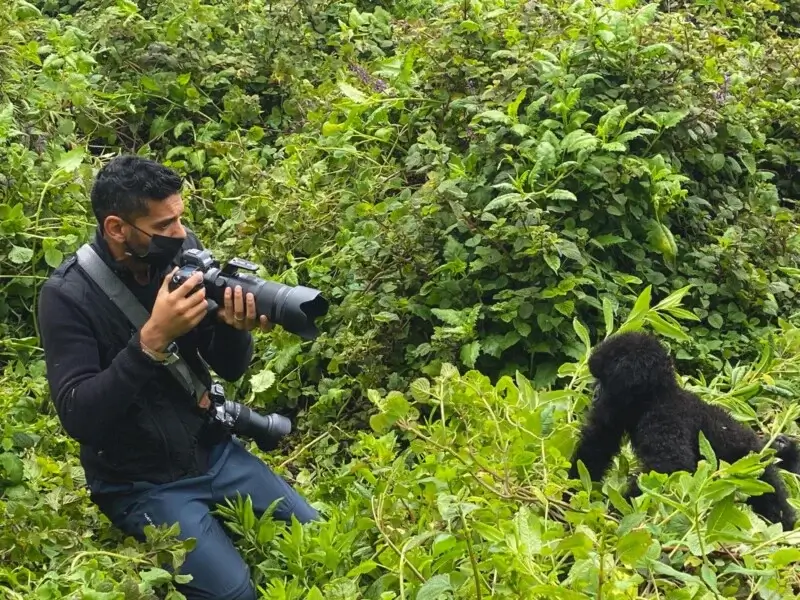
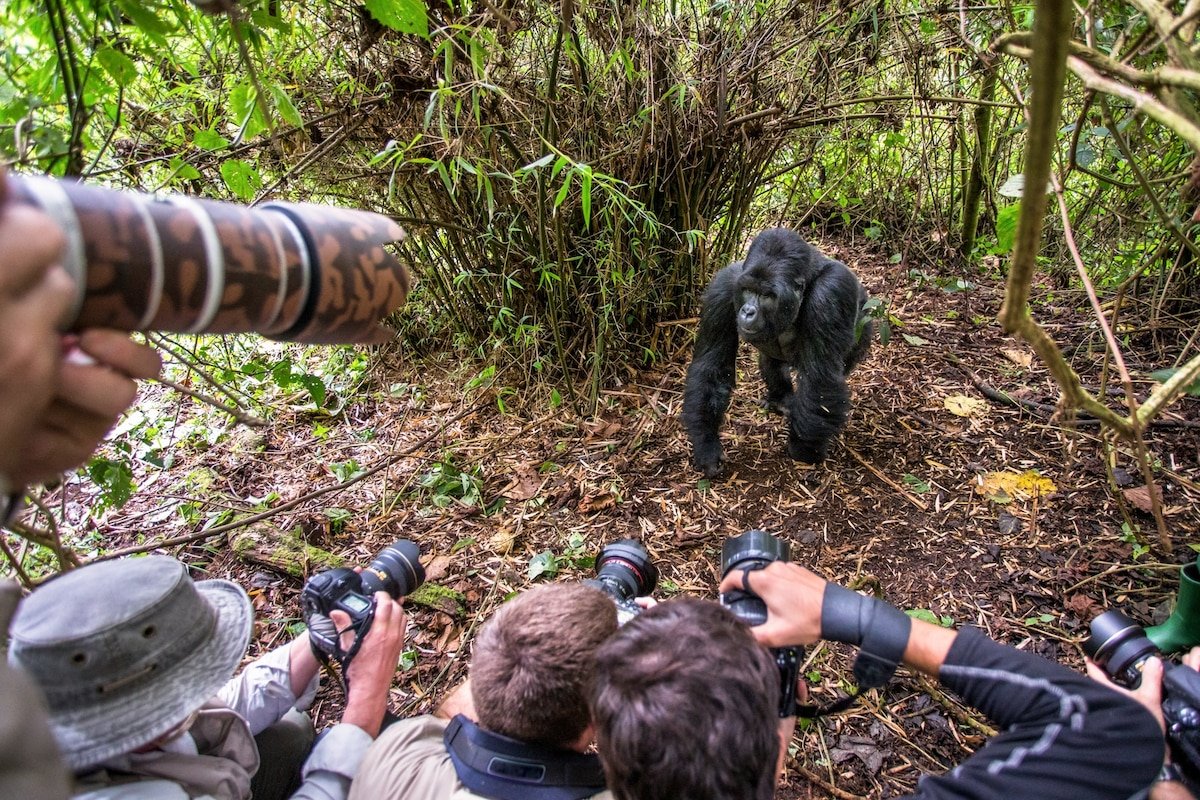
Rwanda has become one of Africa’s premier destinations for photographers because it offers a rare combination of exceptional wildlife, beautiful landscapes, and organised tourism services.
The country’s mountain gorillas are the main attraction, but the photographic opportunities extend far beyond the gorilla encounter. Rwanda’s volcanic landscapes, dense forests, colourful birdlife, local communities, and cultural experiences provide countless subjects for creative storytelling.
Volcanoes National Park is particularly attractive because of its dramatic environment. The park’s bamboo forests, ancient vegetation, misty mountains, and volcanic scenery create a unique atmosphere that enhances every photograph.
Another advantage of Rwanda is accessibility. Volcanoes National Park can be reached within a few hours from Kigali, allowing photographers to spend more time focusing on photography rather than long travel arrangements.
Professional guides and trackers also play an important role. Their knowledge of gorilla behaviour and forest conditions helps photographers understand where and when to prepare for meaningful moments.
What Makes Gorilla Trekking Rwanda for Photographers Unique?
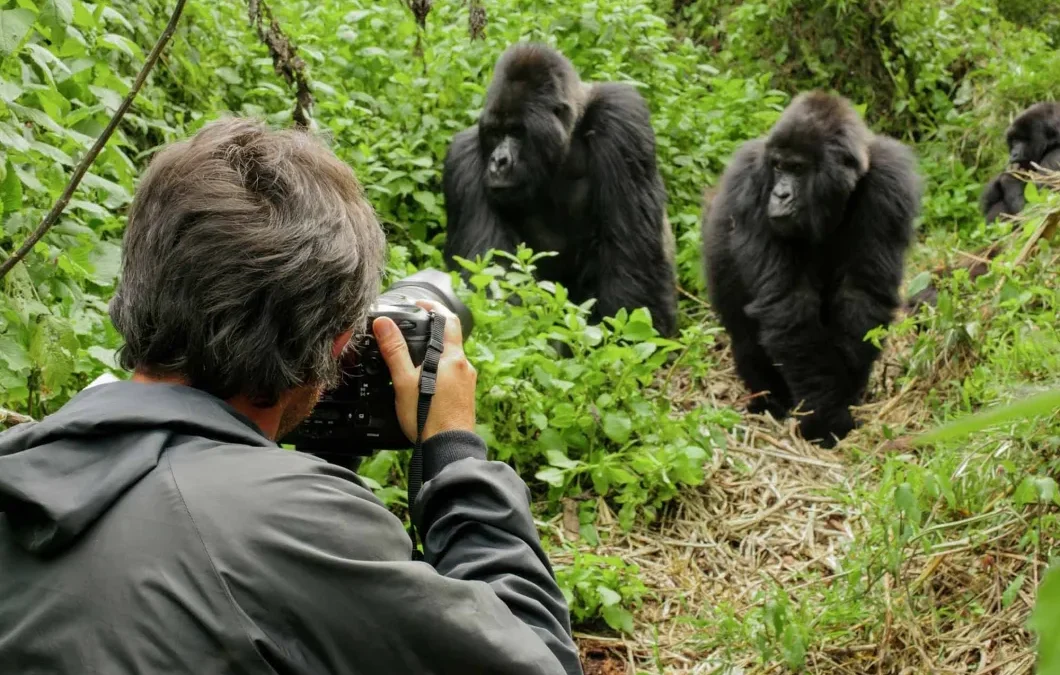
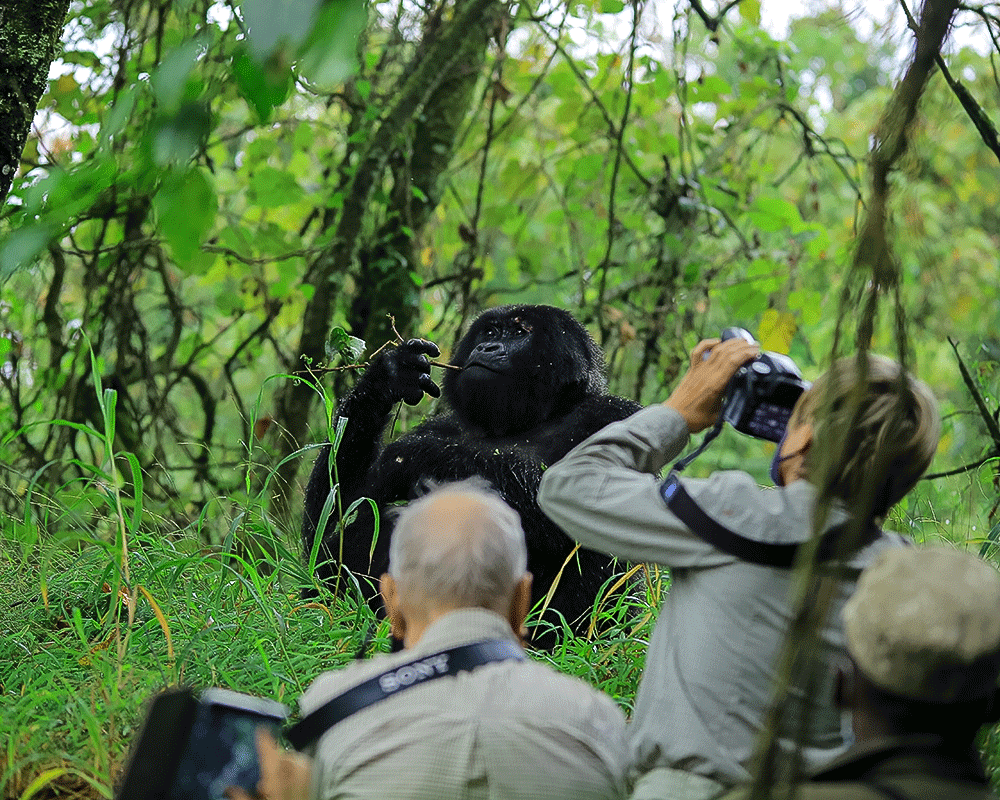
A Gorilla Trekking Rwanda for Photographers safari is different from a regular gorilla visit because it focuses on capturing the full story of the experience.
Photographers are not only looking for a clear image of a gorilla; they are searching for emotion, behaviour, composition, lighting, and moments that communicate the character of these incredible animals.
Each gorilla family offers different photographic opportunities. Some groups may have playful young gorillas, while others may provide powerful images of dominant silverbacks, family interactions, or quiet moments within the forest.
The limited time spent with gorillas makes preparation essential. Photographers must understand their equipment, anticipate behaviour, and work efficiently while respecting conservation rules.
The experience also encourages photographers to capture the relationship between wildlife and environment. Images of gorillas surrounded by rainforest vegetation, volcanic landscapes, and natural surroundings often create the strongest visual stories.
Understanding Photography Rules During Gorilla Trekking
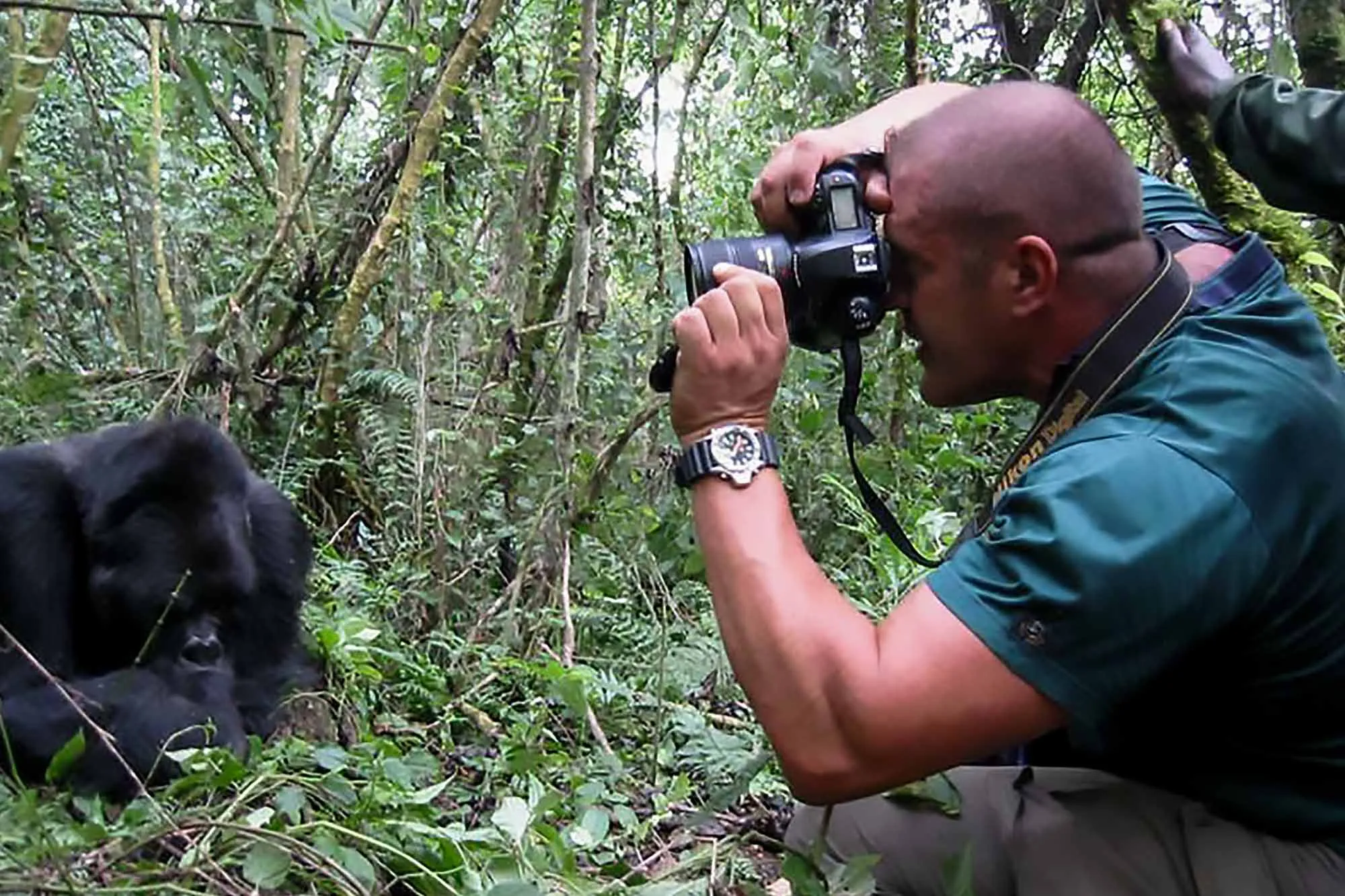
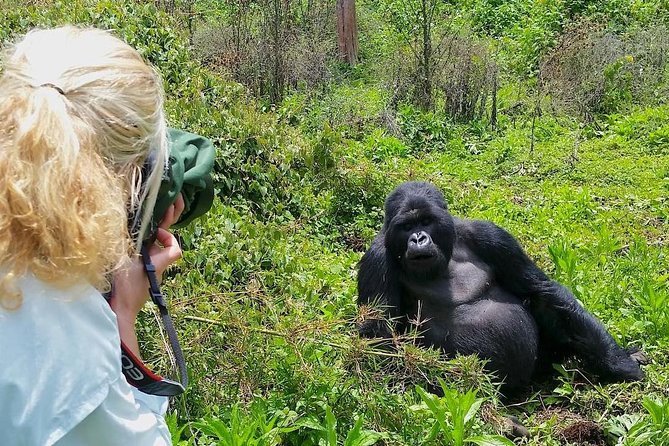
Photography during gorilla trekking is allowed, but it must always follow conservation guidelines designed to protect both visitors and mountain gorillas.
Visitors are required to maintain the recommended distance from gorillas and avoid behaviours that could disturb them. Guides provide instructions throughout the experience to ensure respectful interactions.
Photographers should remember that the welfare of the gorillas always comes first. The goal is to capture beautiful images while preserving the natural behaviour of these endangered animals.
Experienced guides help photographers position themselves appropriately, understand gorilla movements, and take photographs without interfering with the animals.
Responsible photography contributes to conservation by helping people around the world appreciate the importance of protecting mountain gorillas.
Best Camera Equipment for Gorilla Trekking Rwanda for Photographers
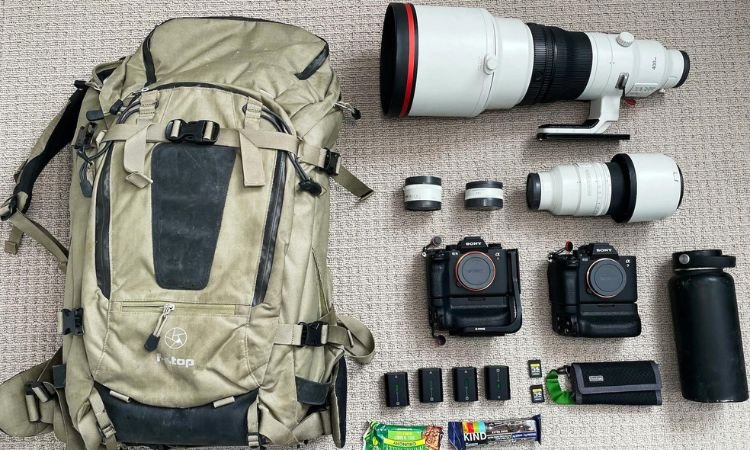
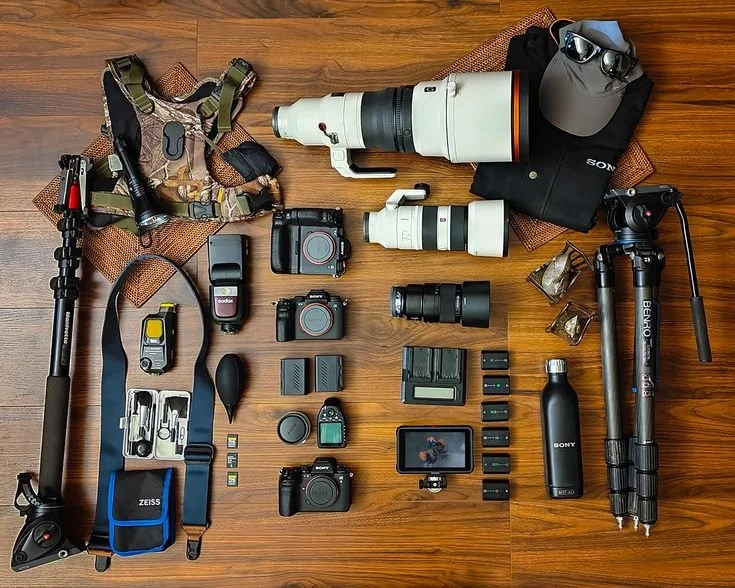
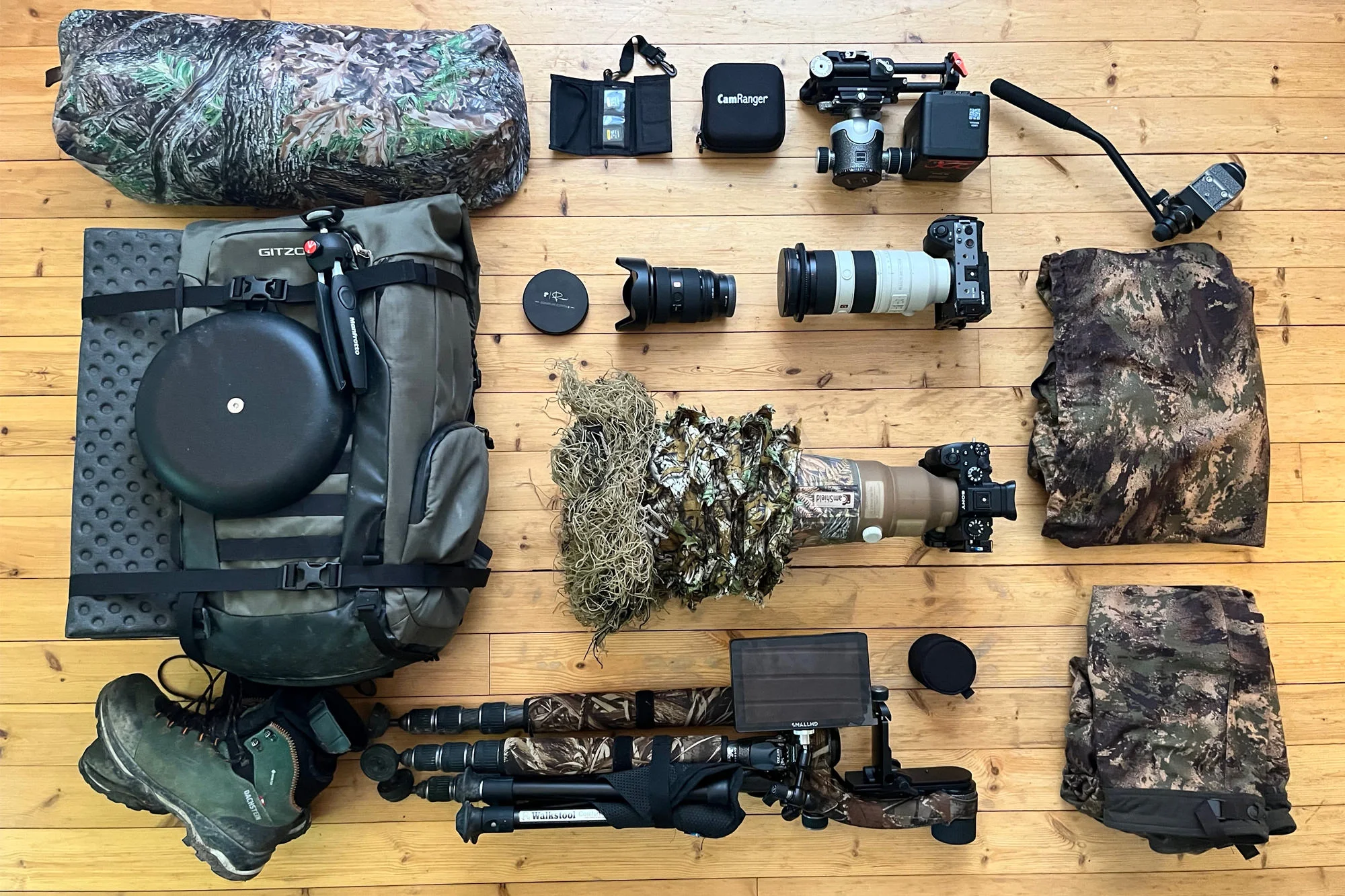
Choosing the right equipment can significantly improve the photography experience. Since gorilla trekking takes place in a rainforest environment, photographers should consider equipment that performs well in changing conditions.
A versatile camera body combined with a quality zoom lens is often preferred because photographers need flexibility when gorillas are nearby but movement is restricted. A telephoto lens can help capture detailed expressions while maintaining respectful distance.
Weather protection is also important. Rainforest conditions can be unpredictable, so camera covers, waterproof bags, and protective equipment are valuable additions.
Photographers should also carry extra batteries and memory cards because opportunities inside the forest cannot be repeated easily.
The best equipment is not always the largest or most expensive. Understanding your camera and being prepared for changing conditions are equally important.
Photography Opportunities During the Gorilla Trek
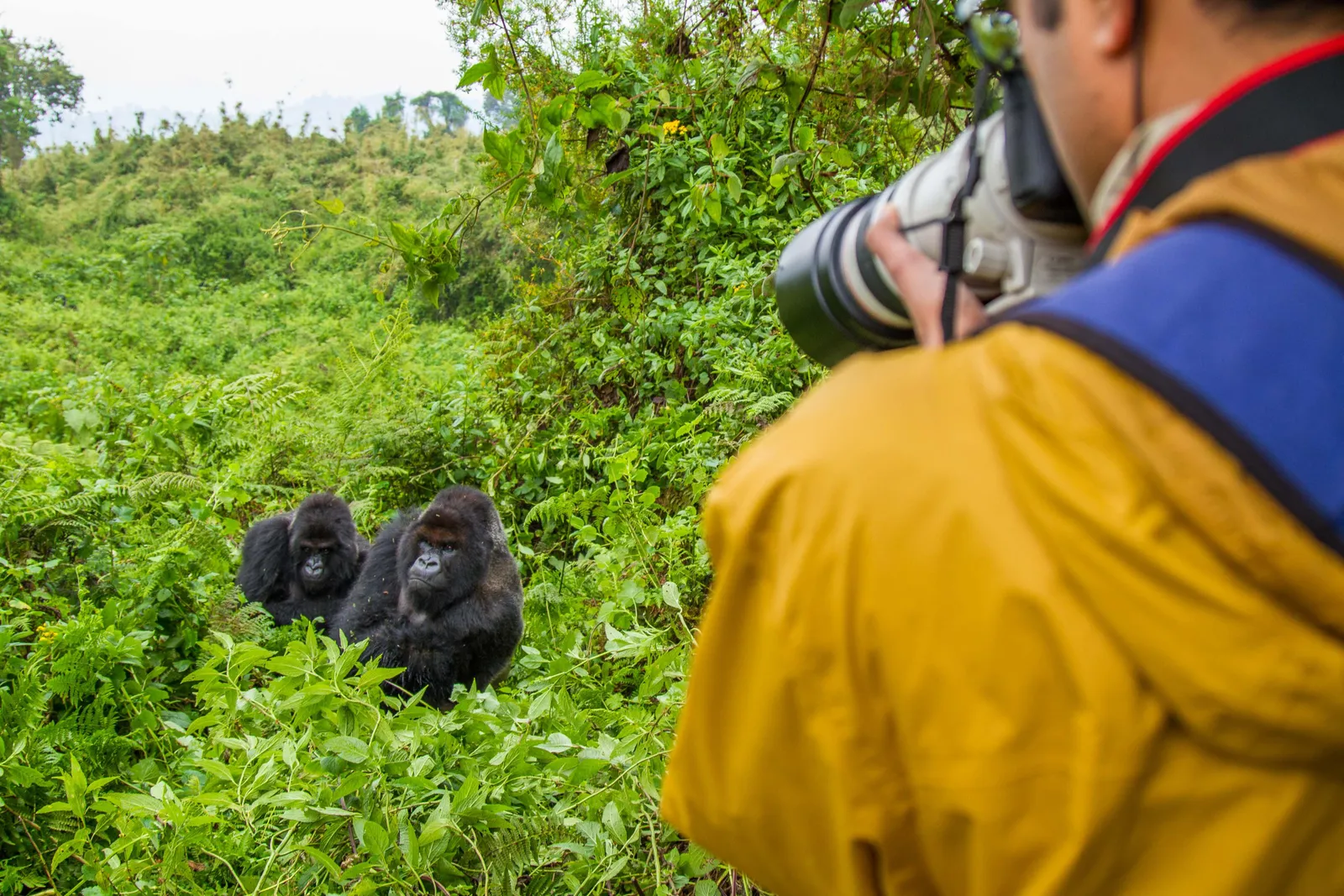
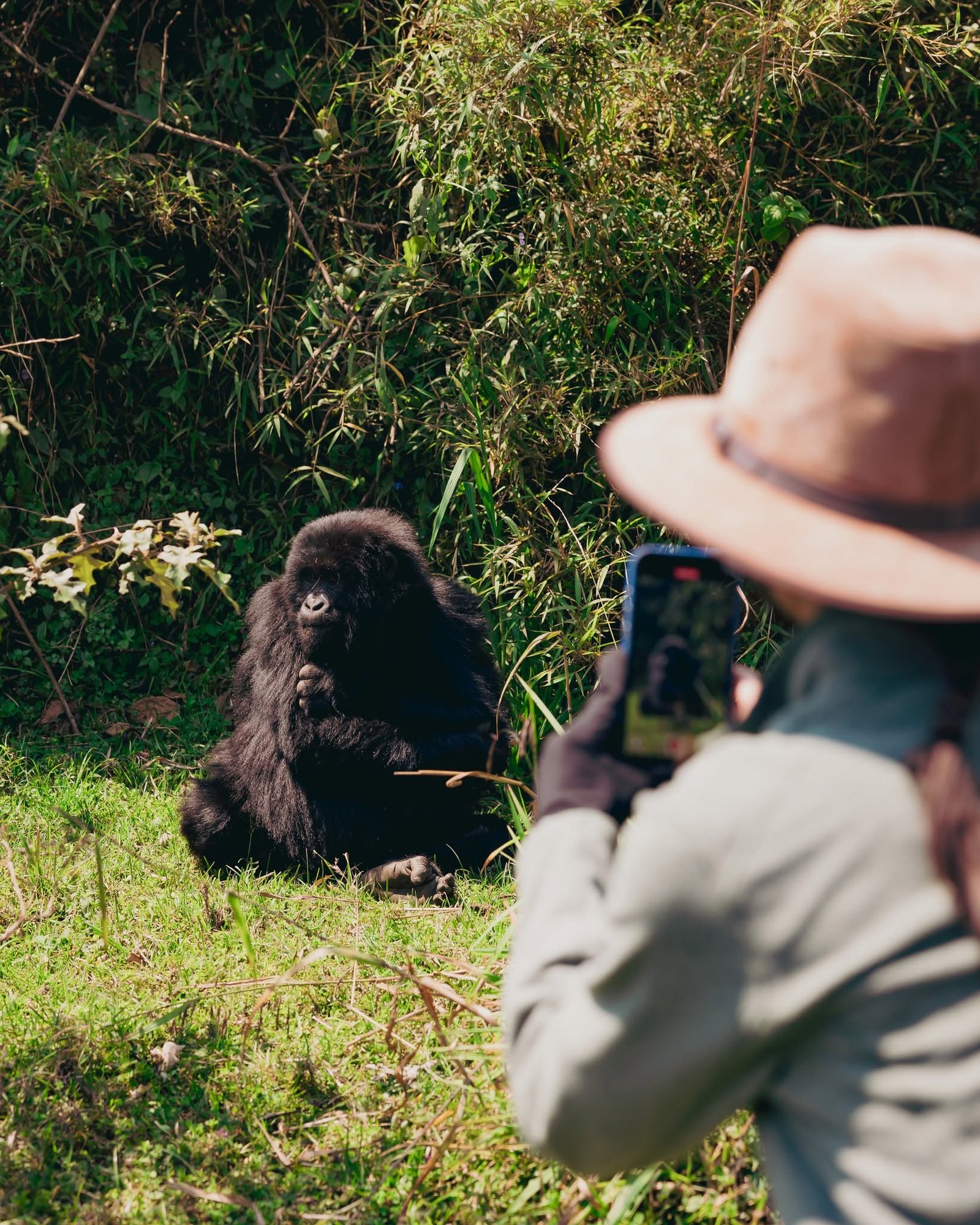
The journey into Volcanoes National Park begins before reaching the gorillas. The forest itself provides many photographic opportunities.
Photographers can capture the atmosphere of the rainforest, the movement of trackers through vegetation, volcanic landscapes, unique plants, and the interaction between people and nature.
Once the gorillas are located, every second becomes valuable. The expressions of silverbacks, the curiosity of young gorillas, mothers protecting infants, and social interactions within the group create powerful storytelling opportunities.
Because gorillas are intelligent and expressive animals, photographers can often capture images that reveal emotion and personality.
The experience encourages patience and observation. The best photographs often come from waiting quietly and allowing natural behaviours to unfold.
The Role of a Professional Guide for Photographers
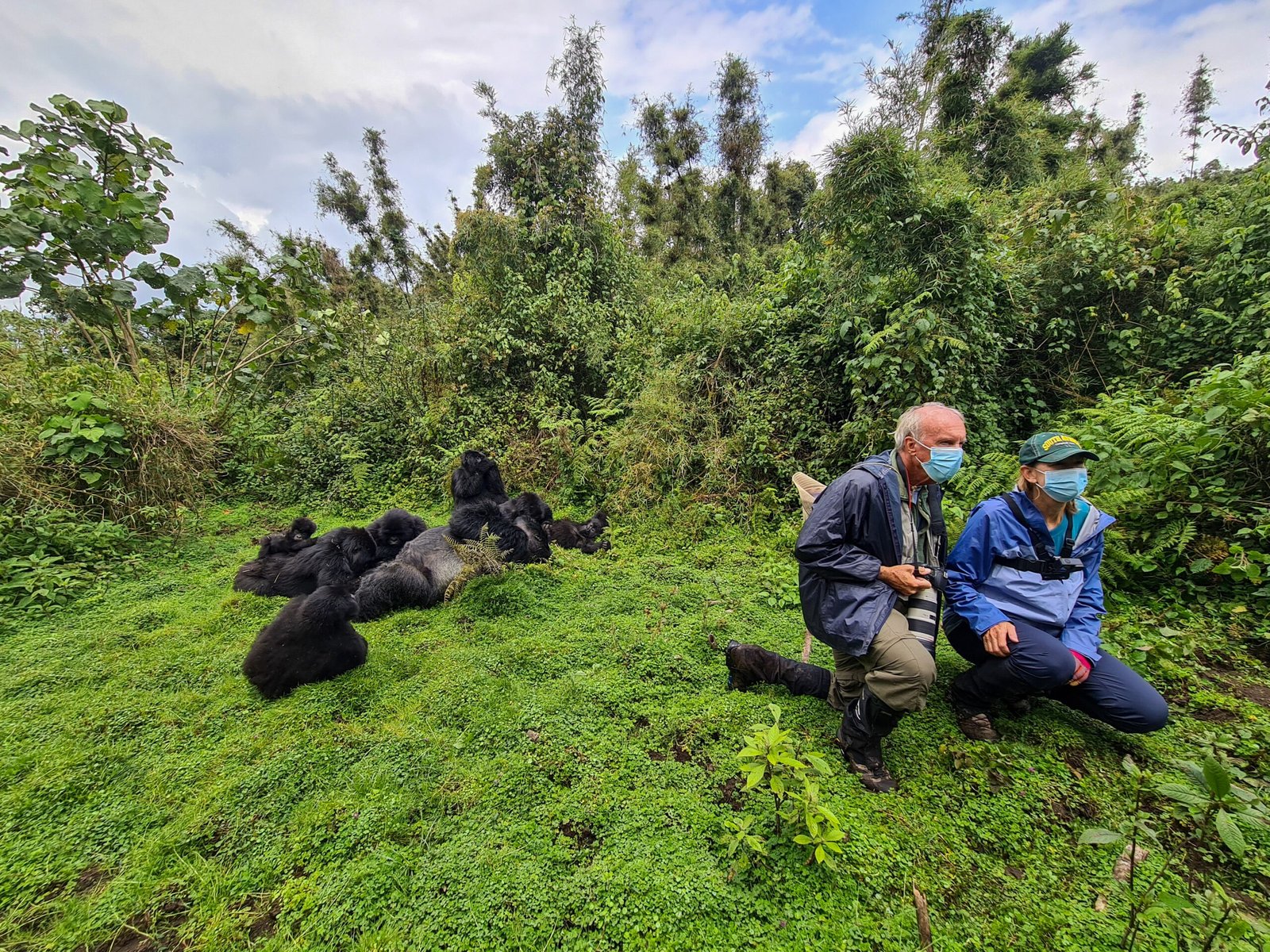
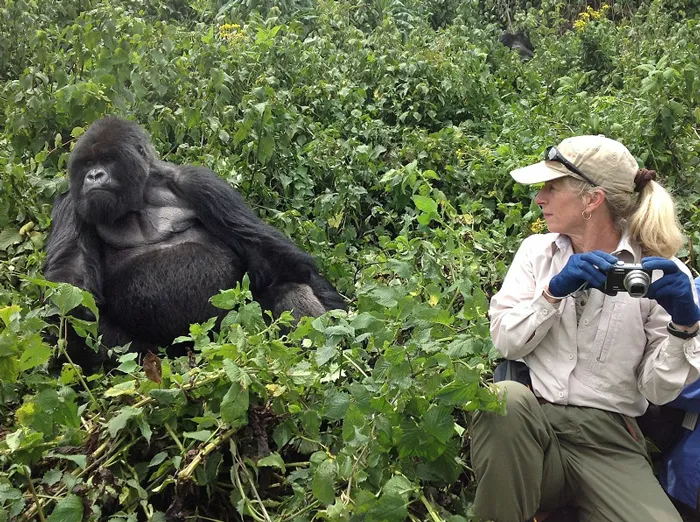
A knowledgeable guide can make a significant difference during a photography-focused gorilla safari.
Professional guides understand gorilla behaviour, forest conditions, and trekking routes. They help photographers prepare for opportunities and explain what may happen next.
A guide’s knowledge of animal behaviour allows photographers to anticipate movements, identify important moments, and better understand the story behind each image.
Private photography-focused safaris provide even greater flexibility because the guide can focus specifically on the photographer’s goals, interests, and preferred style.
Best Time for Gorilla Trekking Rwanda for Photographers
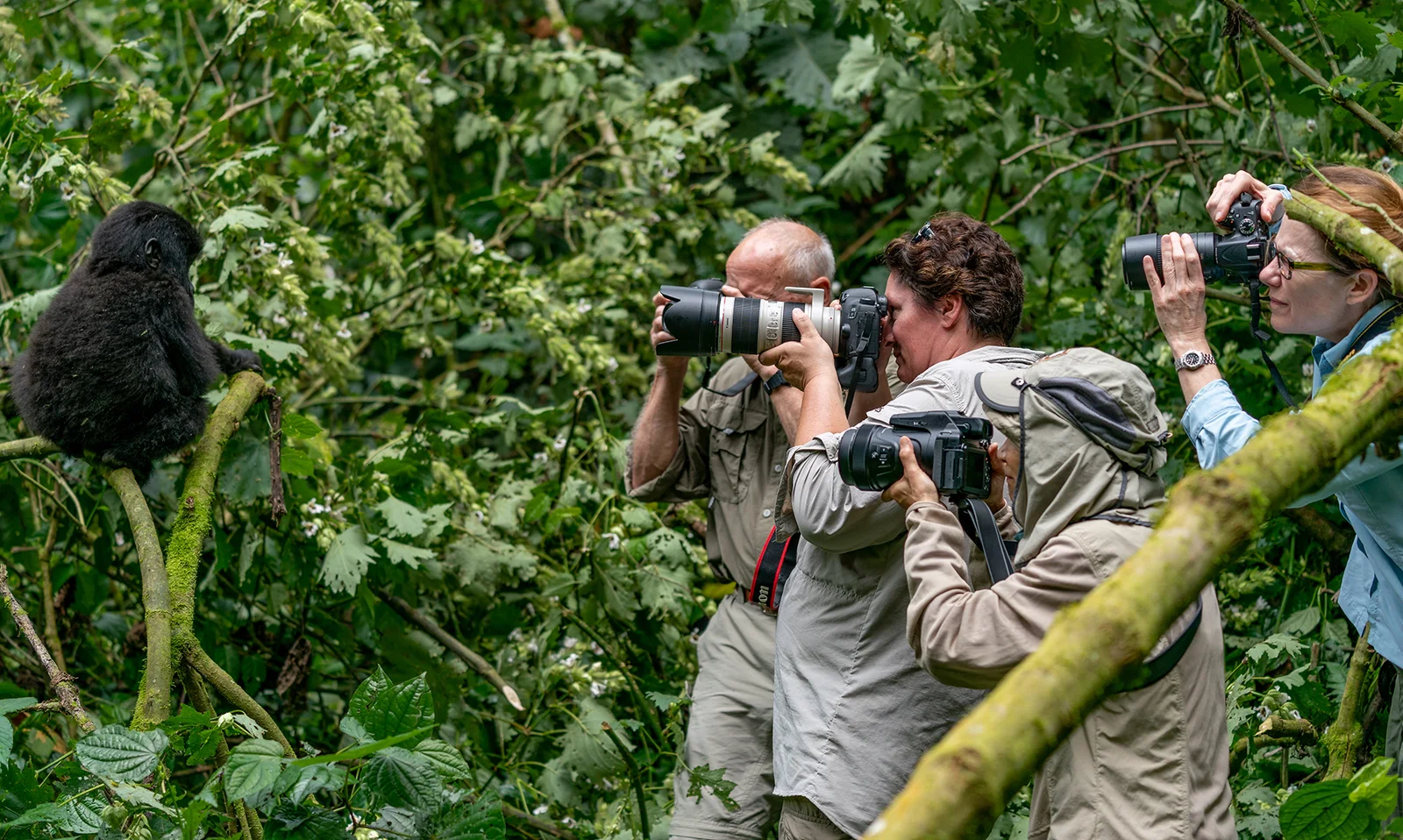
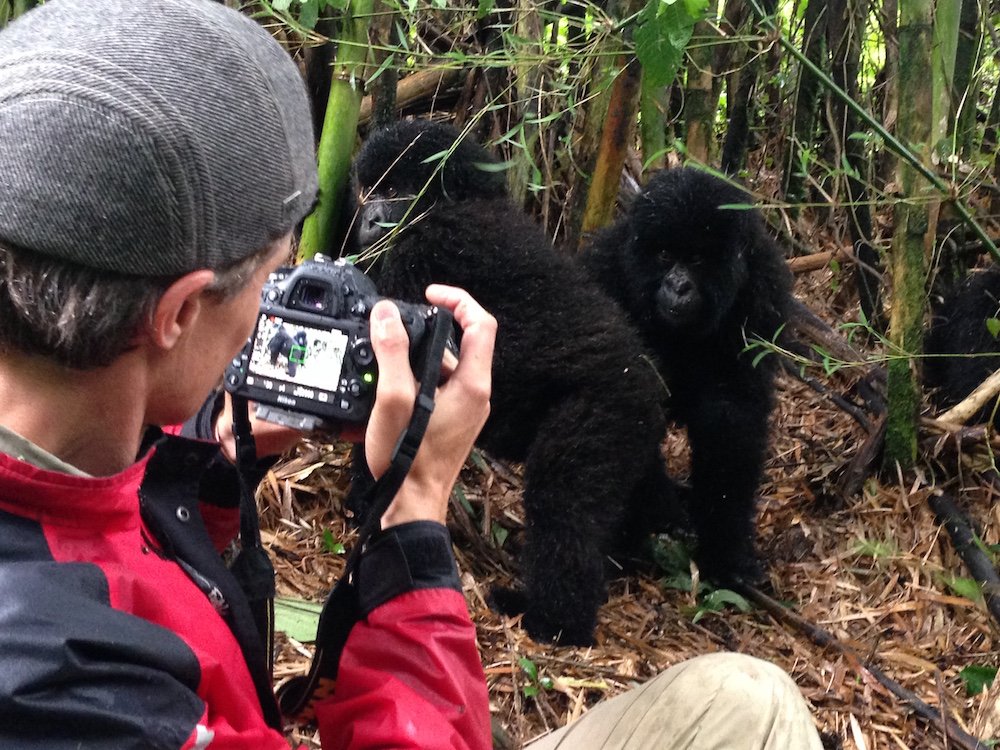
Rwanda offers photography opportunities throughout the year, and each season creates a different visual experience.
The dry seasons from June to September and December to February are popular because trekking conditions are often easier and skies may be clearer.
The rainy seasons from March to May and October to November create a completely different atmosphere. The forest becomes greener, mist increases, and the environment often feels more dramatic and atmospheric.
Many photographers appreciate the rainy seasons because the lush vegetation and soft natural light can create beautiful rainforest images.
The best time depends on the photographer’s creative goals, preferred conditions, and travel schedule.
Luxury Accommodation for Photography Safaris in Rwanda
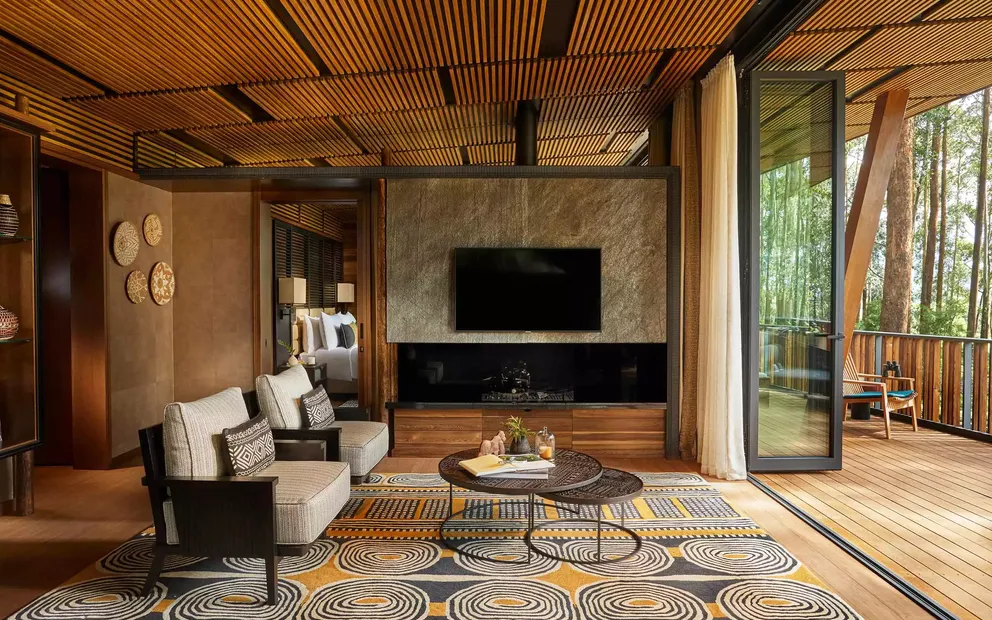
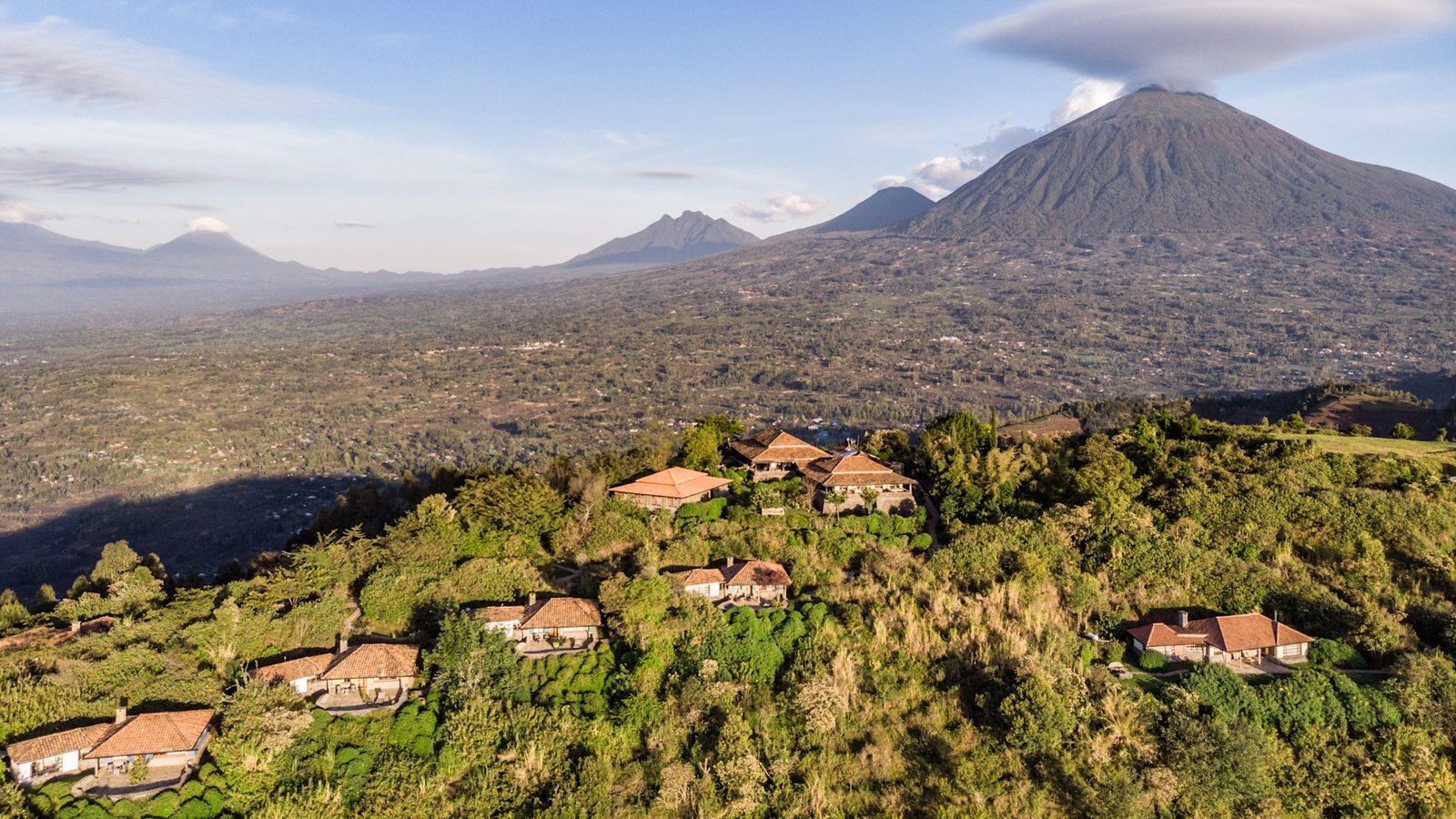
A photography safari requires comfortable accommodation where photographers can rest, organise equipment, and prepare for trekking.
Luxury lodges near Volcanoes National Park provide excellent environments for photographers, offering comfort, beautiful surroundings, and convenient access to the park.
Properties such as Singita Kwitonda Lodge, Bisate Lodge, One&Only Gorilla’s Nest, and Sabyinyo Silverback Lodge provide exceptional accommodation experiences for travellers seeking premium comfort.
After a long day photographing gorillas, photographers can return to comfortable rooms, enjoy quality meals, review their images, and prepare for the next adventure.
Private Gorilla Photography Safaris in Rwanda
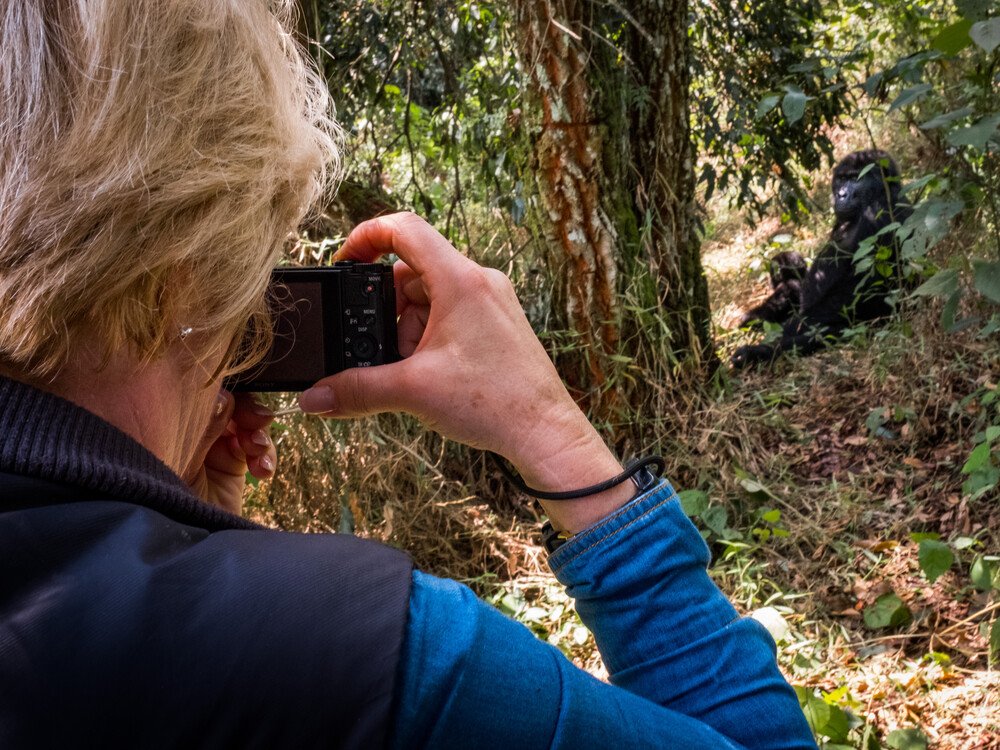
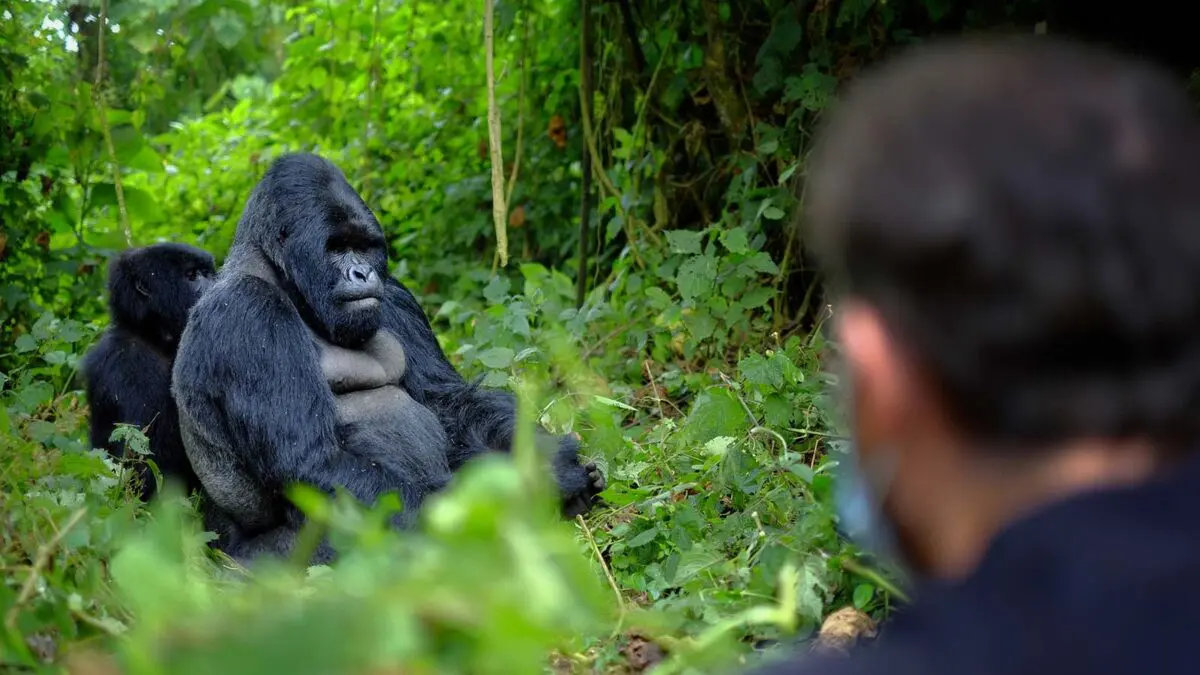
A private safari is often the preferred option for photographers because it provides greater flexibility and personalised attention.
Private transportation allows photographers to travel comfortably, make stops for landscape photography, and adjust schedules according to their creative goals.
A private guide can focus on photography needs, helping with timing, preparation, and understanding the environment.
This creates a more relaxed experience where photographers can concentrate fully on capturing extraordinary images.
Photographing Mountain Gorilla Behaviour
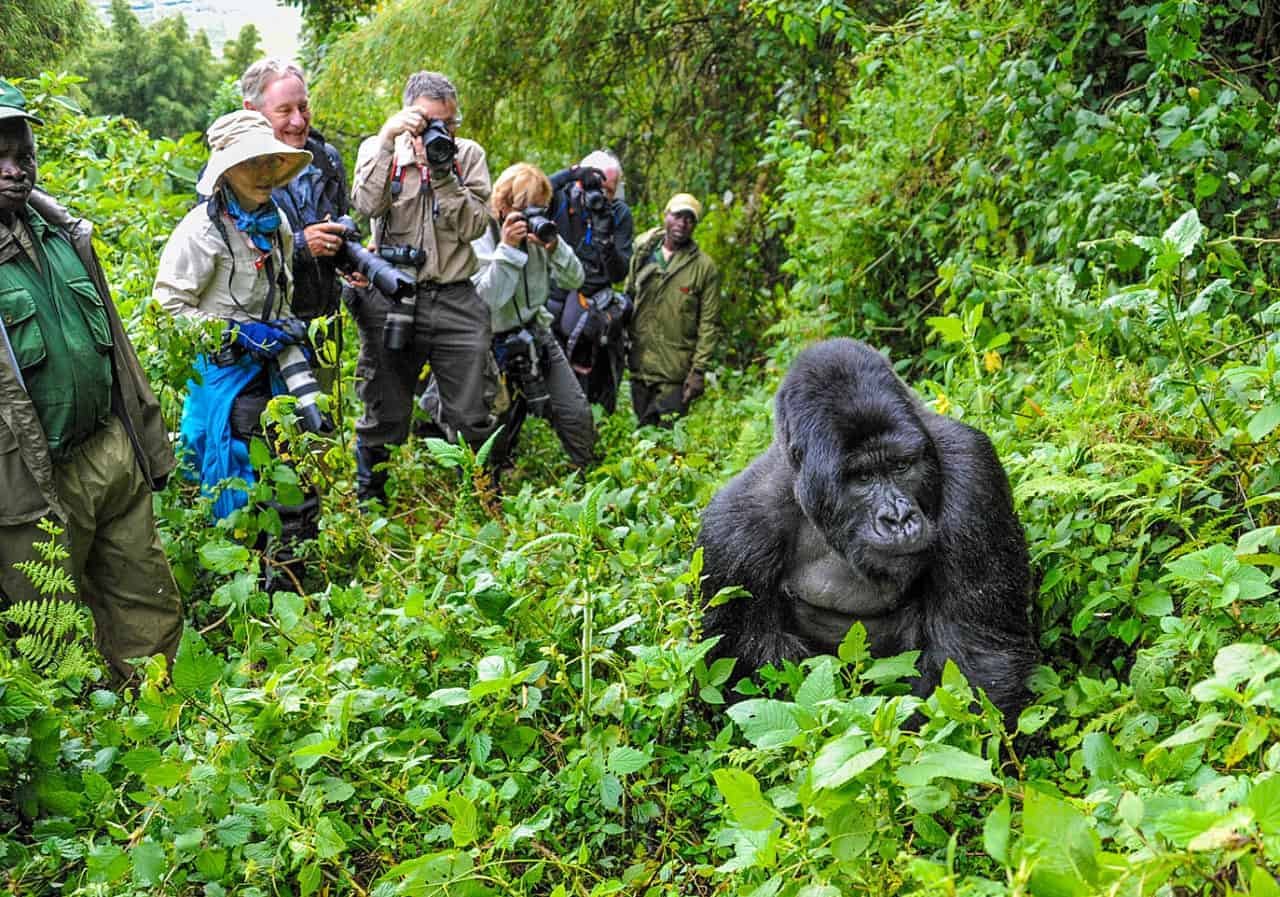
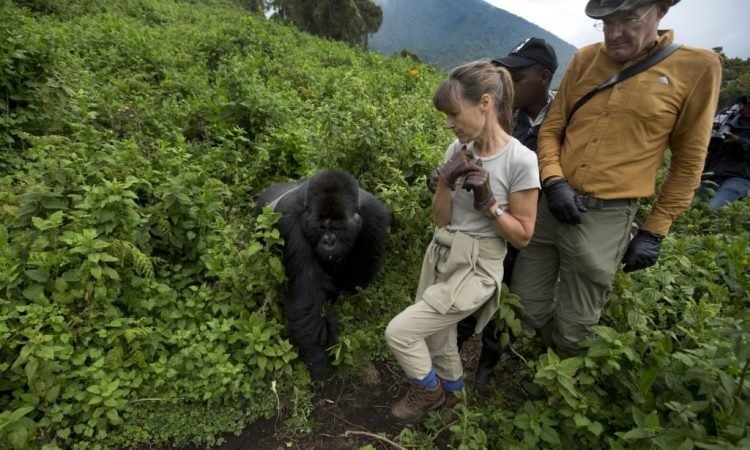
The most powerful gorilla photographs often come from capturing behaviour rather than simply portraits.
Photographers can document social interactions, family relationships, feeding habits, grooming behaviours, and communication between gorillas.
Silverbacks often provide dramatic images because of their size, strength, and protective role within the family.
Young gorillas offer opportunities for playful and emotional photographs as they explore their environment and interact with other family members.
These behavioural images tell deeper stories about gorilla life and conservation.
Combining Gorilla Photography With Other Rwanda Photography Experiences
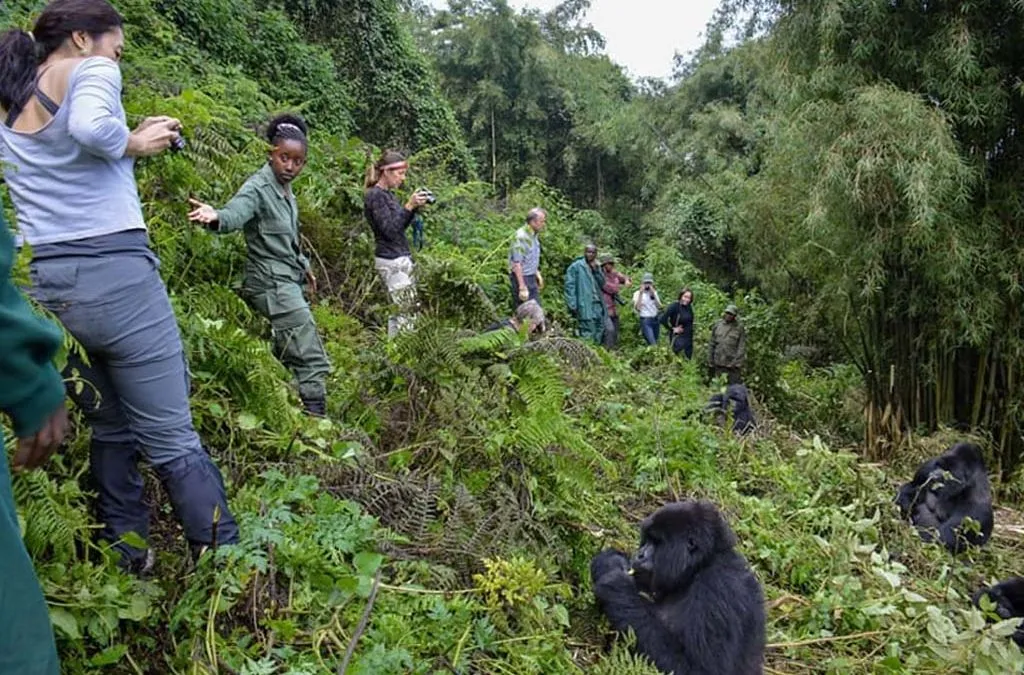
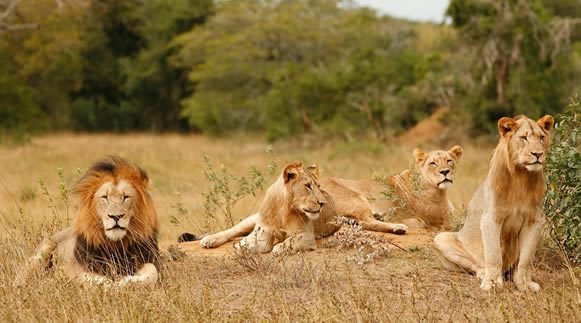
Rwanda offers many additional photographic opportunities beyond gorilla trekking.
Akagera National Park provides opportunities to photograph savannah wildlife, including elephants, lions, rhinos, buffalo, giraffes, and birds.
Nyungwe Forest offers rainforest photography, chimpanzee encounters, canopy views, and incredible biodiversity.
Kigali provides cultural photography opportunities, while Lake Kivu offers beautiful landscapes and peaceful scenery.
Combining these destinations creates a complete photography journey through Rwanda.
Frequently Asked Questions About Gorilla Trekking Rwanda for Photographers
1. Why is Gorilla Trekking Rwanda for Photographers a special photography experience?
A Gorilla Trekking Rwanda for Photographers safari offers one of the rarest wildlife photography opportunities in the world because it allows photographers to capture mountain gorillas in their natural forest environment. Unlike traditional wildlife photography where animals are often far away, gorilla trekking provides a close and intimate encounter with these incredible primates.
The experience allows photographers to capture powerful images of silverbacks, mothers with infants, playful young gorillas, and social interactions within the family. The combination of gorilla behaviour, misty forests, and volcanic landscapes creates extraordinary storytelling opportunities.
2. Can I take photographs during gorilla trekking in Rwanda?
Yes, Gorilla Trekking Rwanda for Photographers is allowed during gorilla trekking. Visitors can take photographs and videos while observing mountain gorillas, provided they follow the conservation guidelines provided by park authorities and guides.
Photographers must always prioritise the wellbeing of the gorillas by maintaining the required distance, avoiding disturbance, and following instructions from experienced trackers. Responsible photography helps create awareness about gorilla conservation while protecting these endangered animals.
3. What camera equipment should I bring for gorilla trekking in Rwanda?
The best camera equipment depends on your photography style, but many photographers prefer a versatile camera body with a quality zoom or telephoto lens. A flexible lens allows photographers to capture both close-up portraits and wider environmental images.
Because Volcanoes National Park is a rainforest environment, waterproof protection for cameras, extra batteries, memory cards, and comfortable carrying equipment are highly recommended. Lightweight equipment is often preferred because trekking involves walking through forest terrain.
4. What lens is best for gorilla photography in Rwanda?
A medium telephoto or versatile zoom lens is often ideal for gorilla photography. Lenses in the approximate 70–200mm range are popular because they allow photographers to capture detailed portraits while maintaining respectful distance.
A wider lens can also be useful for environmental photography, allowing photographers to capture gorillas within the beautiful rainforest surroundings. The best choice depends on whether the photographer focuses more on portraits, behaviour, or storytelling images.
5. Is Gorilla Trekking Rwanda suitable for professional photographers?
Yes, Rwanda is an excellent destination for professional wildlife photographers, documentary creators, and conservation photographers. The country provides access to mountain gorillas, beautiful landscapes, experienced guides, and well-managed trekking experiences.
Professional photographers can arrange customised itineraries that include private transportation, specialised guiding, luxury accommodation, and additional photography opportunities in destinations such as Akagera National Park and Nyungwe Forest.
6. Can amateur photographers enjoy Gorilla Trekking Rwanda?
Yes, amateur photographers can have an incredible experience in a Gorilla Trekking Rwanda for Photographers. Professional-level equipment is not required to capture meaningful images, although understanding your camera settings and preparing properly can improve results.
The most important skills are patience, observation, respect for wildlife, and being ready to capture natural moments. Many memorable gorilla photographs come from understanding behaviour rather than simply having expensive equipment.
7. What is the best time for Gorilla Trekking Rwanda for Photographers?
The best time depends on the type of photography experience you want. The dry seasons from June to September and December to February often provide more comfortable trekking conditions and clearer views.
Many photographers also appreciate the rainy seasons because the forests become greener, mist creates dramatic backgrounds, and the atmosphere becomes more cinematic. Each season offers unique photographic opportunities.
8. Are rainy seasons good for gorilla photography in Rwanda?
Yes, rainy seasons can be excellent for gorilla photography. The forest becomes lush, vibrant, and filled with beautiful natural colours. The mist around the Virunga Mountains can create dramatic and artistic images.
Although rain can make trekking conditions more challenging, many photographers appreciate the unique atmosphere created by wet forests. Waterproof camera protection is important during these periods.
9. How much time do photographers spend with gorillas in Rwanda?
Visitors are generally allowed a limited amount of time with a gorilla family during each trek according to park regulations. This makes preparation and understanding your equipment extremely important.
Photographers should use their time carefully by observing behaviour, anticipating movements, and capturing meaningful moments rather than focusing only on taking many images.
10. Can photographers request a specific gorilla family to photograph?
Photographers cannot always guarantee a specific gorilla family because assignments are managed by park authorities based on conservation considerations, gorilla locations, and trekking arrangements.
However, safari specialists can discuss your photography goals and help create an itinerary that maximises your opportunities. Experienced guides and trackers also help photographers understand the behaviour of the assigned gorilla family.
11. Do I need a private safari for photography in Rwanda?
A private safari is highly recommended for photographers because it provides greater flexibility and personalised attention.
With private transportation and a dedicated guide, photographers can travel at a comfortable pace, organise equipment easily, make scenic stops, and receive guidance focused on photography rather than general sightseeing.
12. What role does a guide play during a gorilla photography safari?
A professional guide is extremely valuable during a photography-focused gorilla safari. Guides understand gorilla behaviour, forest conditions, and trekking routes, helping photographers prepare for important moments.
Their knowledge allows photographers to better anticipate gorilla movements, understand family dynamics, and capture more meaningful images while respecting conservation rules.
13. Can I use a drone for gorilla photography in Rwanda?
Drone use around mountain gorillas is restricted because of conservation and wildlife protection regulations. Visitors should always follow official guidelines regarding photography equipment.
While drones may not be suitable for gorilla encounters, Rwanda offers many other photography opportunities where landscapes, cities, and wildlife can be captured responsibly according to local regulations.
14. What settings are recommended for gorilla photography?
Gorilla photography often takes place in forest conditions with changing light, so photographers should be comfortable adjusting camera settings quickly.
Many photographers prefer using faster shutter speeds to capture movement, suitable ISO settings for low-light environments, and autofocus systems that can track subjects effectively. Understanding your camera before the trek is highly beneficial.
15. What other photography opportunities can I combine with gorilla trekking in Rwanda?
Rwanda offers many additional photography experiences beyond mountain gorillas. Akagera National Park provides opportunities to photograph savannah wildlife, including elephants, lions, rhinos, buffalo, giraffes, and birds.
Nyungwe Forest offers rainforest photography, chimpanzee encounters, waterfalls, canopy views, and incredible biodiversity. Kigali and Lake Kivu also provide excellent cultural and landscape photography opportunities.
Book Your Gorilla Trekking Rwanda for Photographers Experience
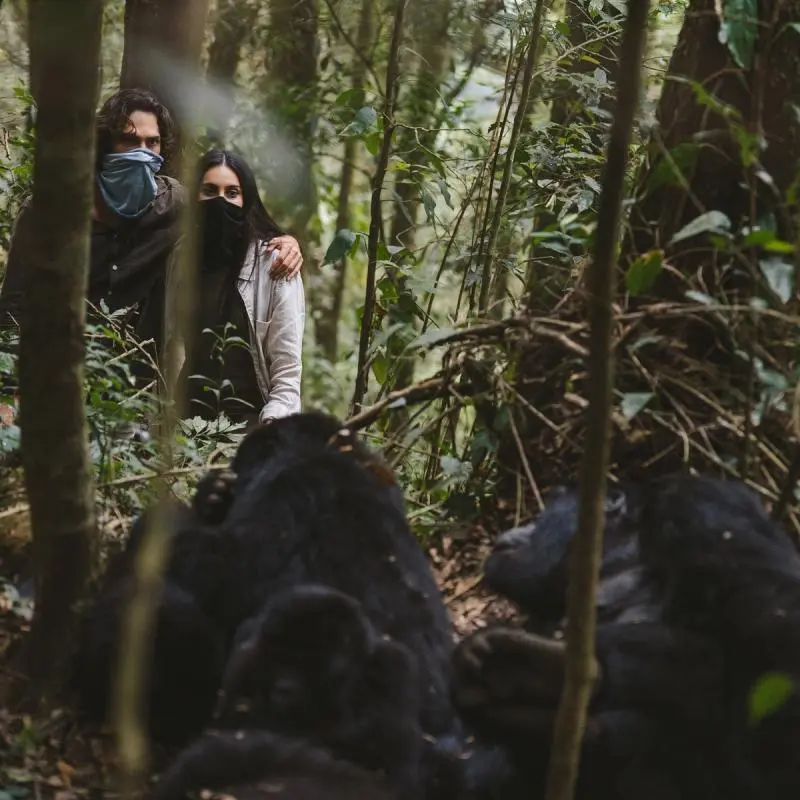
Capturing mountain gorillas in Rwanda is more than a photography opportunity; it is a journey into one of the world’s most remarkable natural environments.
At Nextgen Safaris, we design personalised Gorilla Trekking Rwanda for Photographers experiences that combine expert planning, luxury accommodation, private transportation, professional guiding, and unforgettable wildlife encounters.
Whether you are creating a professional wildlife portfolio, documenting a personal adventure, or simply seeking incredible photographs, Rwanda offers the perfect setting.
Experience Rwanda’s mountain gorillas through your lens and create photographs that tell a story for generations.