
Ultimate Rwanda Photography Safari – Gorilla, Wildlife & Landscape Photo Adventure
A Rwanda Photography Safari offers photographers an extraordinary opportunity to create a varied visual story within one relatively compact African destination. Rwanda combines mountain gorillas, chimpanzees, golden monkeys, classic savannah wildlife, forest birds, volcanic mountains, lakes, tea plantations, rural landscapes and vibrant city scenes. Instead of building an entire journey around one photographic subject, travellers can move between dramatically different environments and return home with images ranging from intimate primate portraits to expansive landscapes.
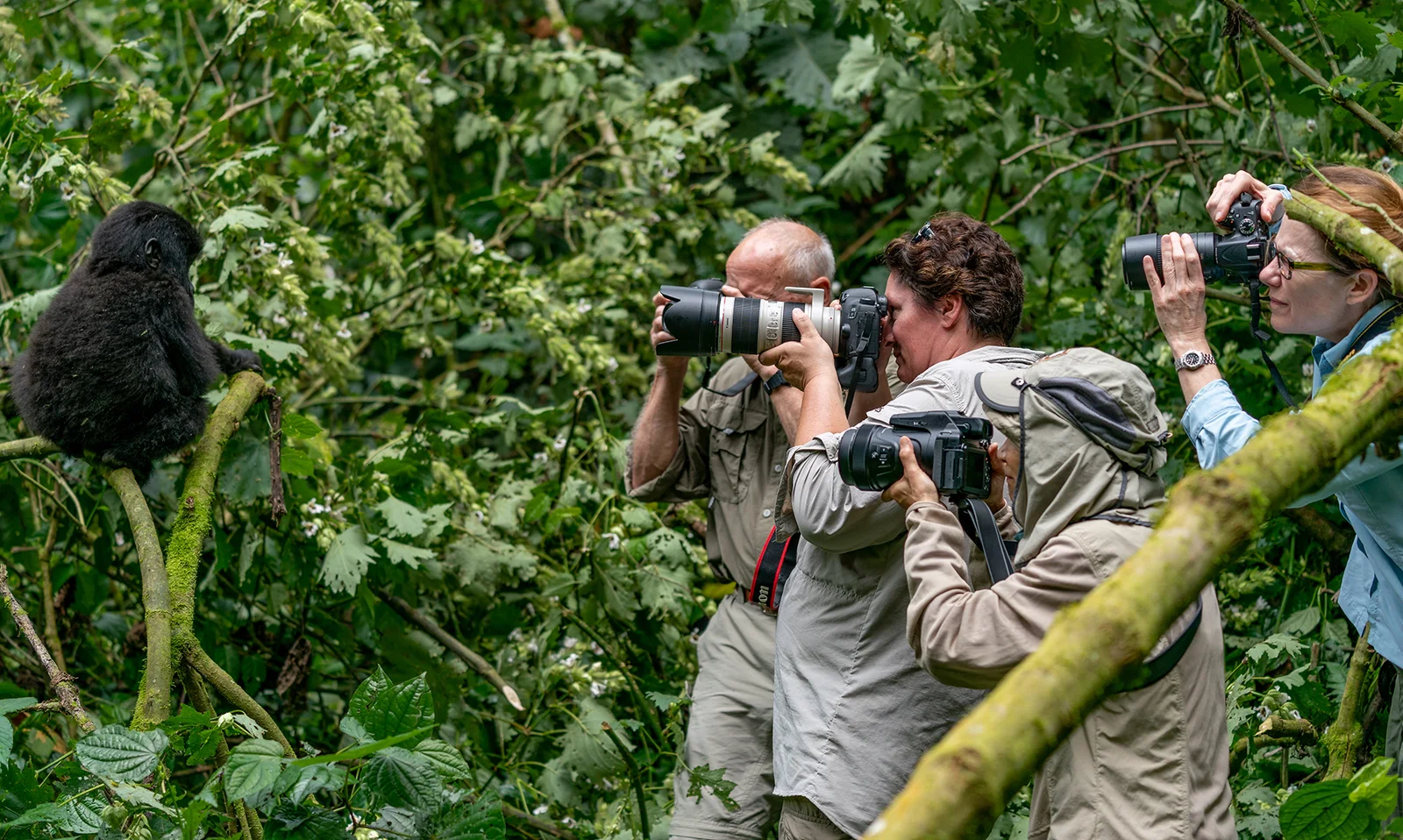
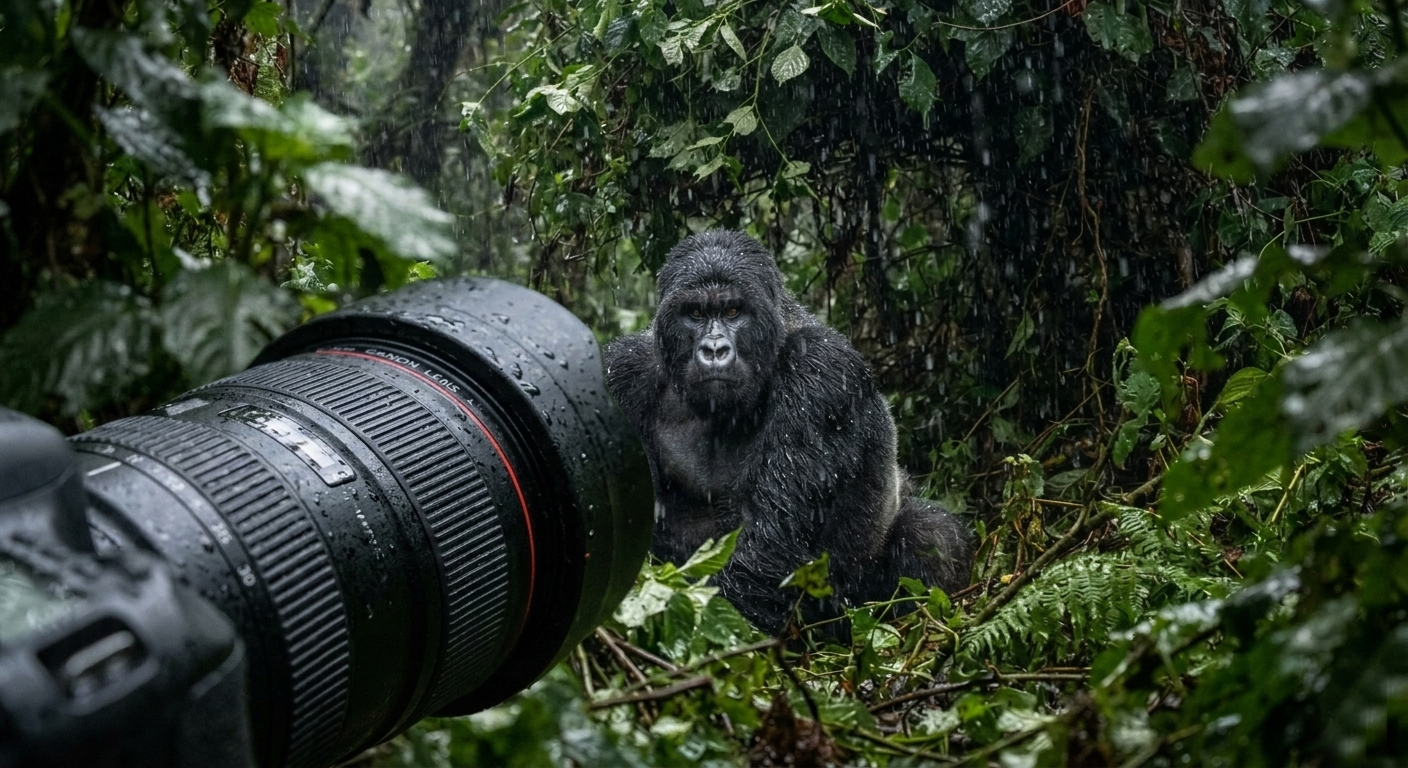
Mountain gorillas are understandably one of the strongest reasons photographers visit Rwanda, and travellers planning this experience can explore our detailed guide to gorilla trekking in Rwanda. Photographers who want to understand the wider trekking possibilities can also explore Rwanda gorilla trekking tours and our additional guide to gorilla trekking in Volcanoes National Park. These resources help photographers prepare for the conditions, terrain and style of encounter before building the wider safari around the trek.
A successful Rwanda Photography Safari should provide more than a camera and a conventional itinerary. Photographers need time, patient guiding, good positioning and enough nights in each destination to work with changing light and wildlife behaviour. Visit Rwanda Safaris can therefore structure private journeys around photographic priorities rather than asking photographers to follow the pace of an ordinary sightseeing tour.
Why Choose Rwanda for a Photography Safari?
Rwanda is unusually attractive for photographers because its landscapes change significantly over relatively short distances. A journey can begin among Kigali’s hills and urban architecture before continuing toward open savannah, volcanic highlands, mountain rainforest and the shores of Lake Kivu. This gives photographers an opportunity to create a complete travel portfolio without spending much of the holiday moving between airports.
Northern Rwanda is dominated by the dramatic Virunga landscape surrounding Volcanoes National Park, where mist, bamboo and volcanic peaks create some of the country’s most distinctive scenery. Photographers who want another detailed destination resource can also explore Volcanoes National Park through Jewel Gorilla Safaris. These pages are particularly useful when deciding how much time to dedicate to gorillas, golden monkeys, hiking and landscape photography in the north.
Western and southern Rwanda offer another photographic style altogether. Lake Kivu provides reflections, fishing boats and mountain horizons, while Nyungwe Forest National Park introduces dense rainforest, chimpanzees, primates and forest birds. Combining these environments makes a Rwanda Photography Safari visually diverse from beginning to end.
Begin Your Rwanda Photography Safari in Kigali
Kigali should not be treated only as a transit point. The city can provide a strong opening chapter to a Rwanda Photography Safari, especially for photographers interested in urban landscapes, architecture, daily life and the contrast between Rwanda’s modern capital and its national parks. Kigali’s hills create elevated viewpoints, while roads, neighbourhoods, restaurants, markets and art spaces provide a very different visual language from wilderness photography.
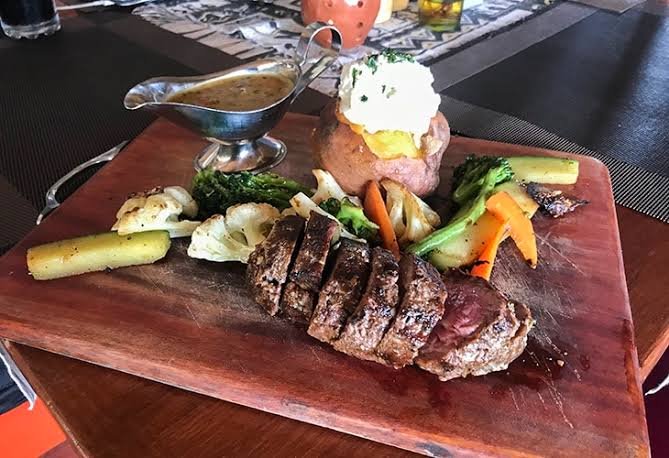
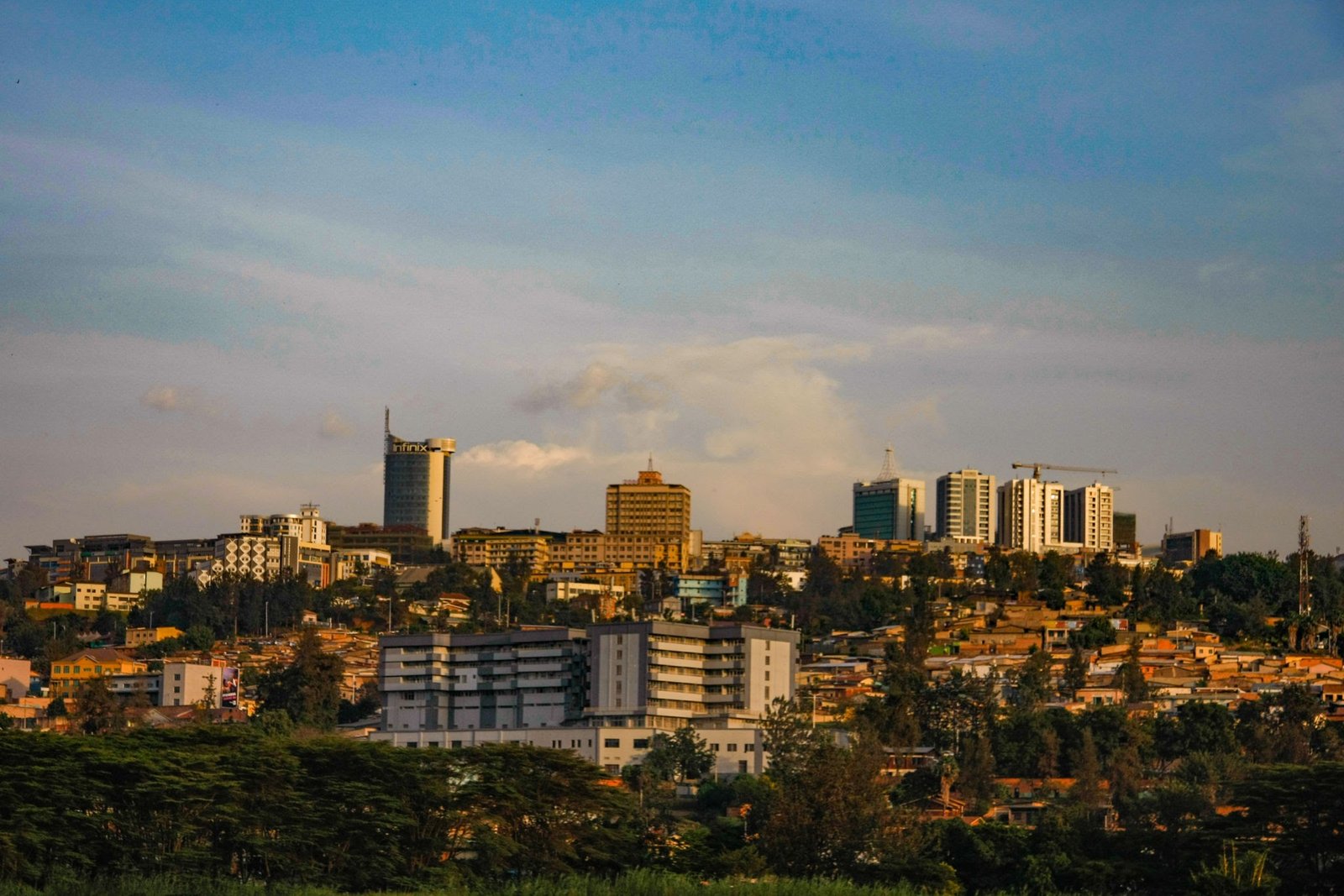
Morning and late-afternoon light can be particularly attractive when photographing across the city’s hills. Photographers can work with layered rooftops, street movement, city skylines and the atmosphere created by Rwanda’s rolling terrain. Urban photography also helps provide context when later images move into forests, national parks and rural landscapes.
People photography should always be approached respectfully. A good Rwanda Photography Safari should create genuine interactions rather than treating local people as photographic objects. Asking permission where appropriate and allowing time to communicate can produce more authentic images and far better experiences for both traveller and subject.
Akagera National Park Wildlife Photography
Akagera National Park provides the classic African wildlife component of a Rwanda Photography Safari. Open grasslands, wetlands, lakes, woodland and distant hills create a range of natural backgrounds for photographing elephants, giraffes, zebras, buffaloes, antelopes and predators. The park also adds a completely different visual style from Rwanda’s forest destinations.
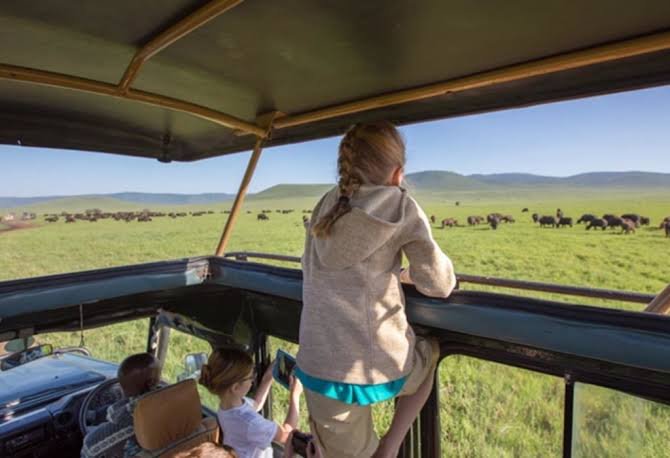
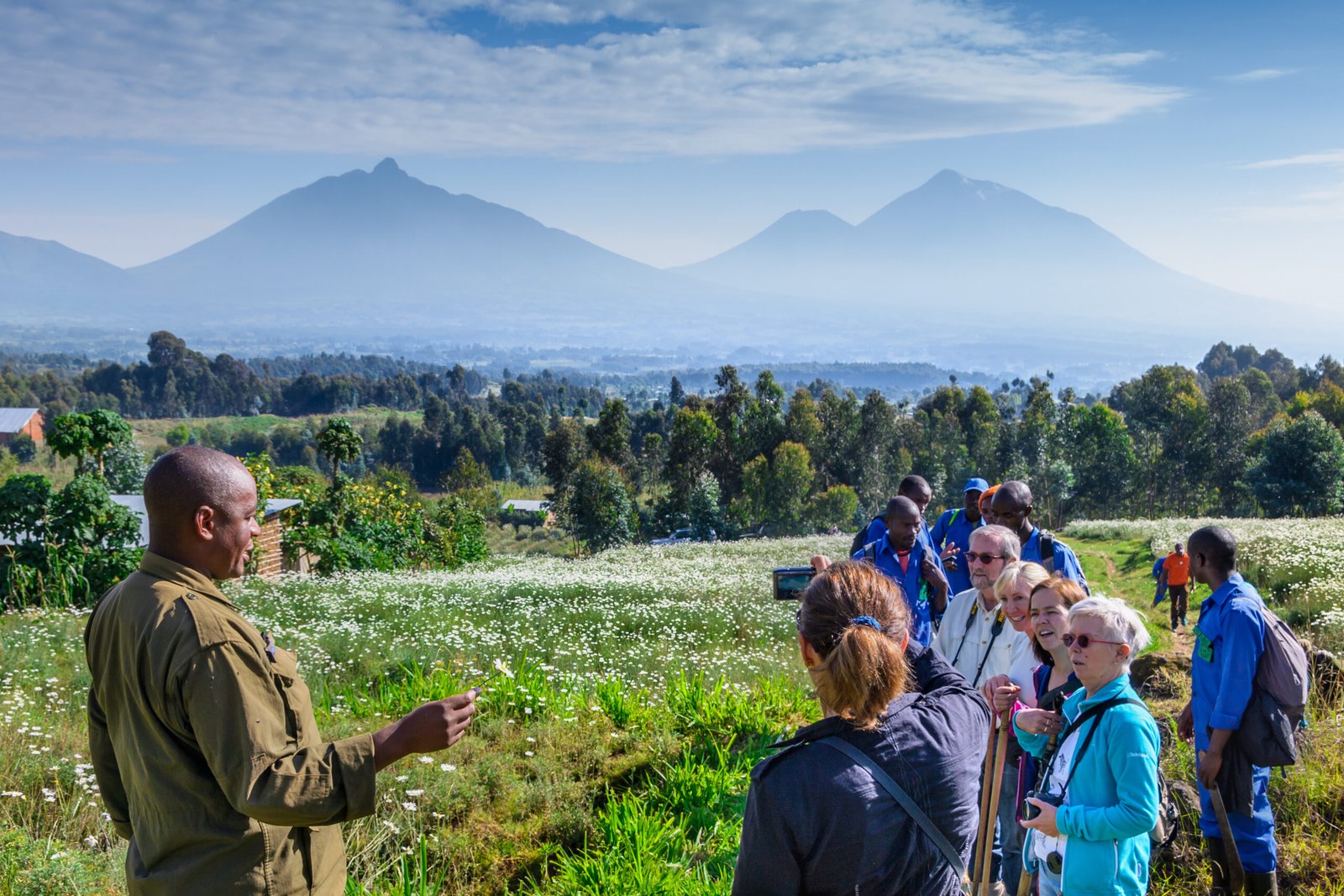
Photographers should avoid thinking only in terms of finding the Big Five. Some of the strongest Akagera images may involve giraffes crossing an open ridge, zebra arranged naturally across grassland, impala in early light or elephants moving between woodland and open plains. By spending several game drives in the park, photographers gain time to move beyond identification photographs and wait for interaction, movement and clean compositions.
A private vehicle is particularly valuable during this part of a Rwanda Photography Safari because photographers can stay at productive sightings longer. Instead of leaving because other passengers have lost interest, the vehicle can remain while light improves or animal behaviour develops. This patience often produces the difference between an ordinary record shot and a photograph with atmosphere and storytelling value.
Photographing the Big Five in Rwanda
A Rwanda safari can now combine primates with Big Five photography, giving photographers two very different types of wildlife experience within one country. Lions, elephants, buffaloes, rhinos and leopards create opportunities for classic African wildlife imagery while also allowing photographers to work on environmental compositions that show the broader Akagera landscape.
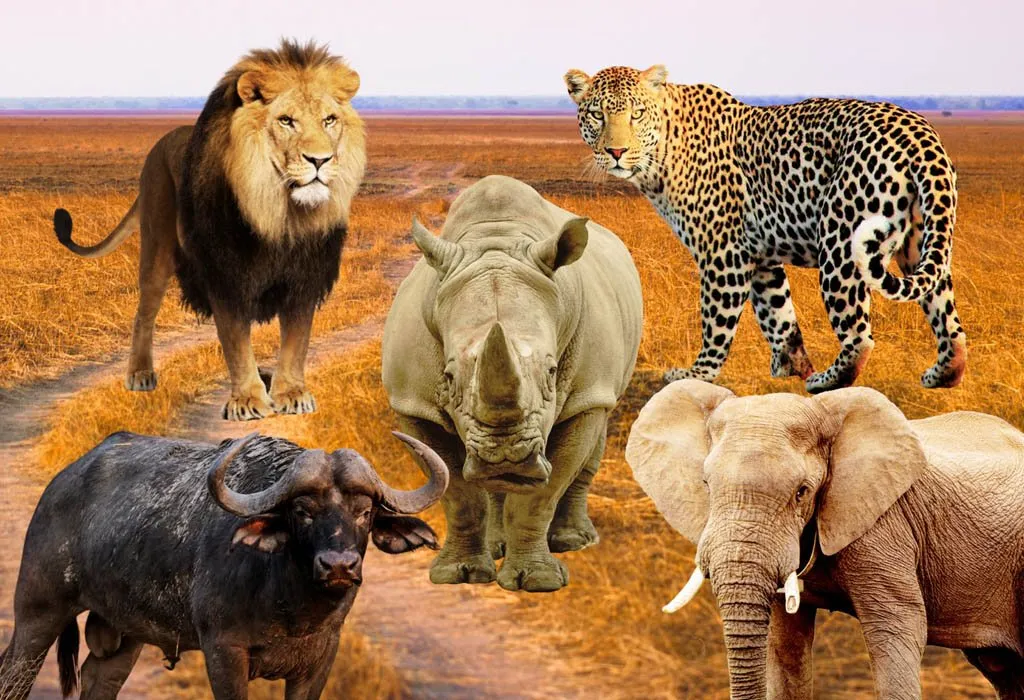
Lions can be particularly rewarding in early or late light, while elephants provide endless opportunities for detail, interaction and environmental photography. Rather than photographing every elephant tightly, photographers can include trees, plains and distant hills to communicate scale. Buffaloes and rhinos can also create powerful images when photographed within the wetland and savannah environments that define Akagera.
A Rwanda Photography Safari should therefore allocate enough time to Akagera rather than treating it as a quick addition before gorilla trekking. Two or three nights provide much more freedom to photograph wildlife under different weather conditions and from several sections of the park.
Lake Ihema Photography
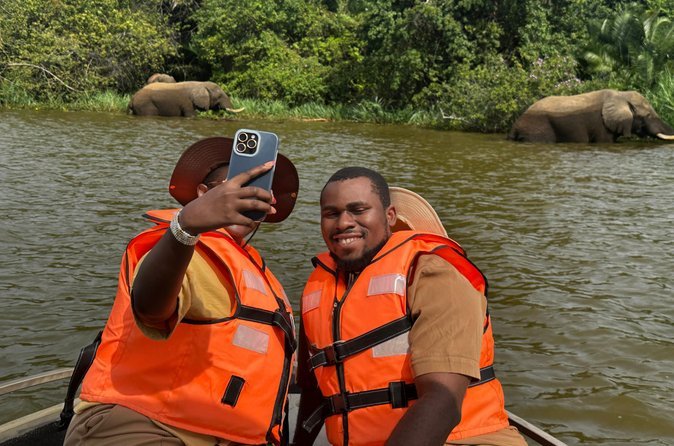
Lake Ihema adds an important water-based photographic environment to Akagera. From a boat, photographers can work with hippos, crocodiles, waterbirds, reflections and shoreline vegetation in ways that are not possible from a safari vehicle. Water naturally simplifies some backgrounds and can provide beautiful light around sunrise or late afternoon.
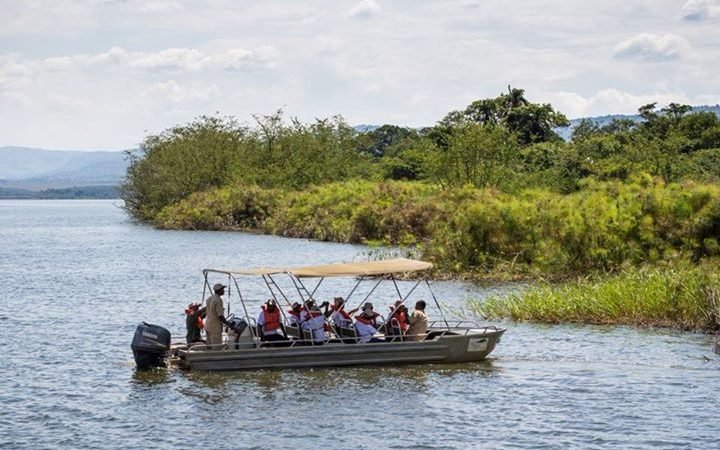
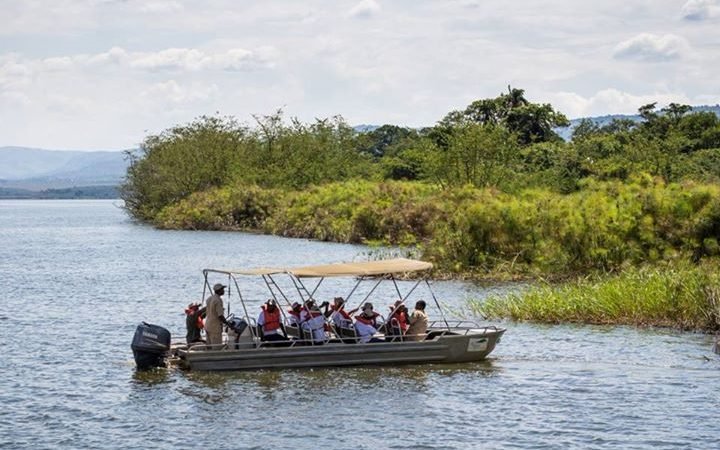
Bird photographers may find Lake Ihema particularly productive because aquatic species can sometimes be approached from a useful photographic angle. Long lenses remain important, but photographers should also consider wider compositions showing water, vegetation and surrounding landscape instead of concentrating exclusively on close portraits.
Including boat photography helps keep a Rwanda Photography Safari visually varied. Savannah images can be followed by wetlands, reflections and birds, giving the Akagera section a much stronger sense of place.
Rwanda Bird Photography
Rwanda is an excellent destination for bird photography because its wetlands, savannahs, forests and mountain ecosystems support very different bird communities. Photographers can work with large waterbirds in Akagera before searching for more specialised forest species in Volcanoes and Nyungwe.
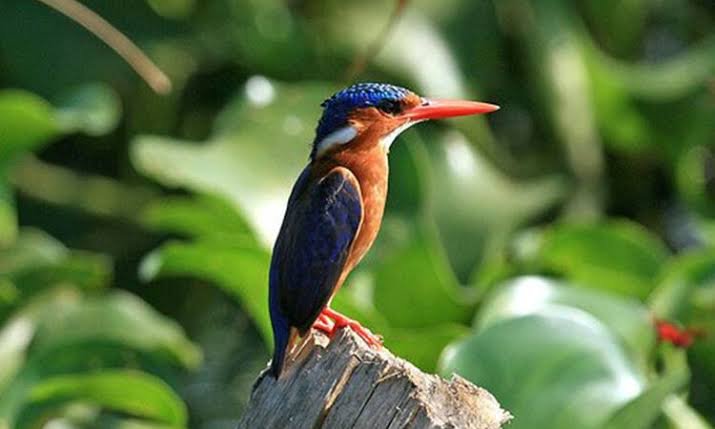
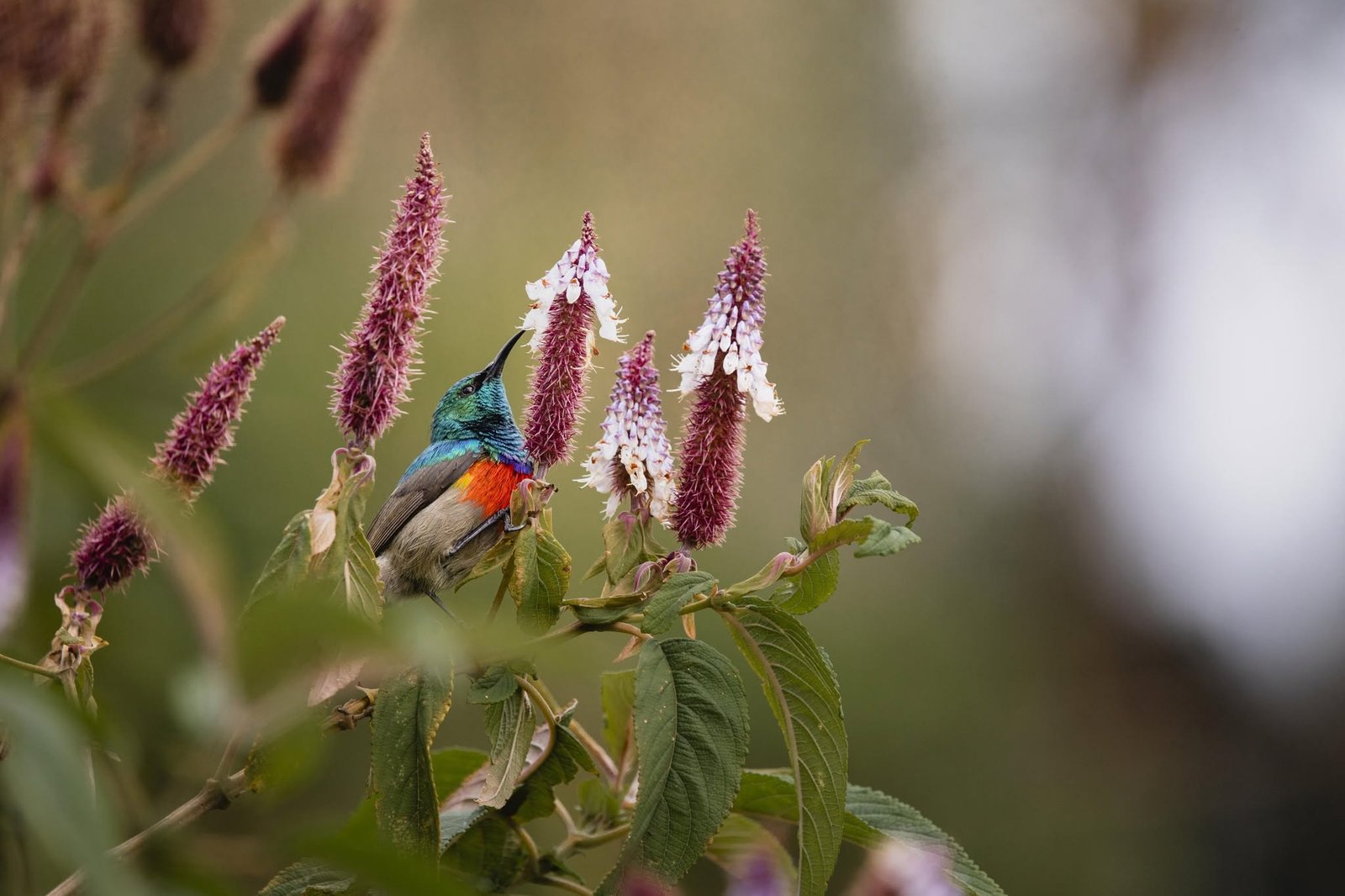
Travellers with a strong interest in birds can explore dedicated Rwanda birding safaris and build additional birding time into the itinerary. A photography-focused birding safari should be slower than a conventional wildlife trip because creating strong bird photographs often requires time to understand perches, feeding patterns and light.
The forests of western Rwanda provide particularly interesting opportunities for photographers who want species associated with the Albertine Rift. Including Nyungwe Forest alongside Akagera creates a strong contrast between open wetland birding and dense forest photography.
Mountain Gorilla Photography in Rwanda
Mountain gorilla photography is one of the defining experiences of a Rwanda Photography Safari. Trekking through the forest before encountering a gorilla family can create some of the most emotionally powerful wildlife images a photographer ever makes. The forest environment, however, also introduces significant technical challenges because subjects may move between shade, vegetation and occasional shafts of bright light.
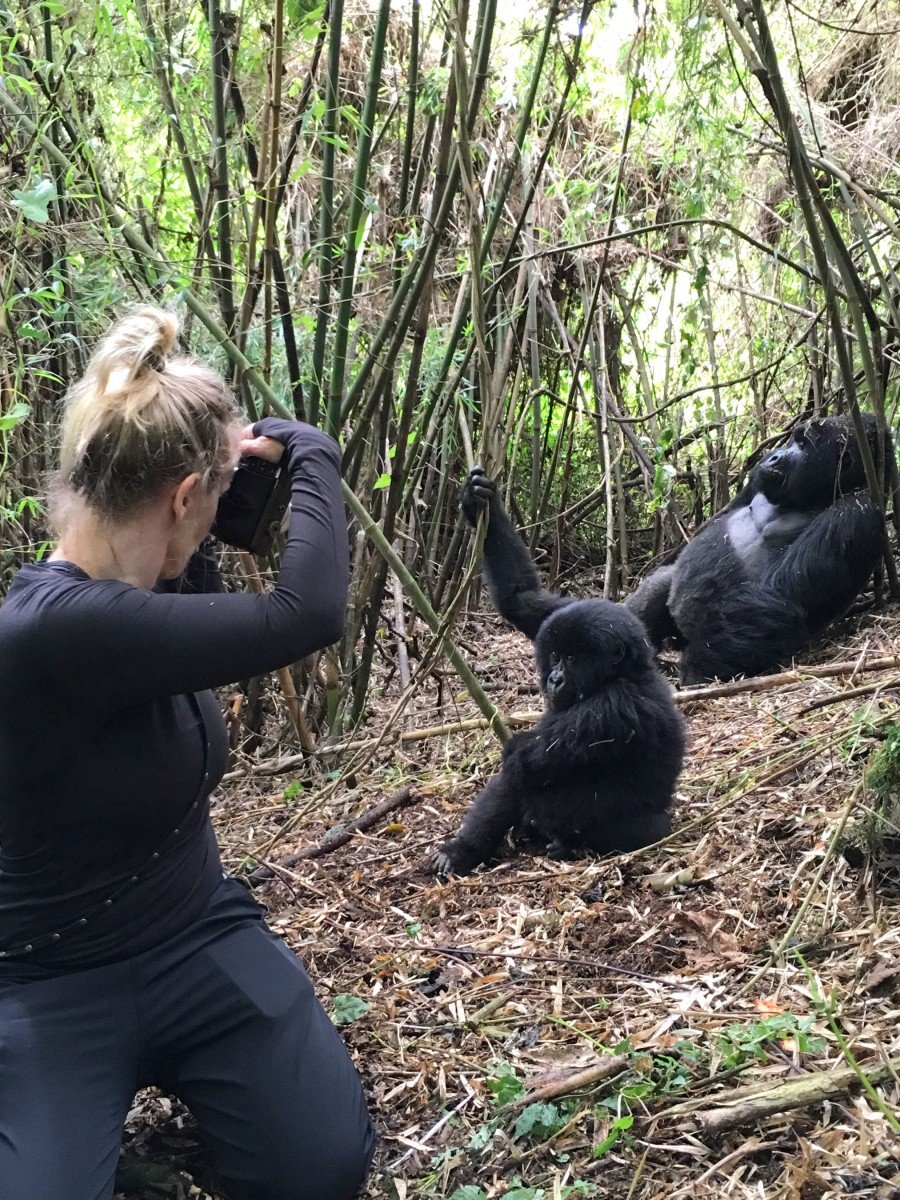
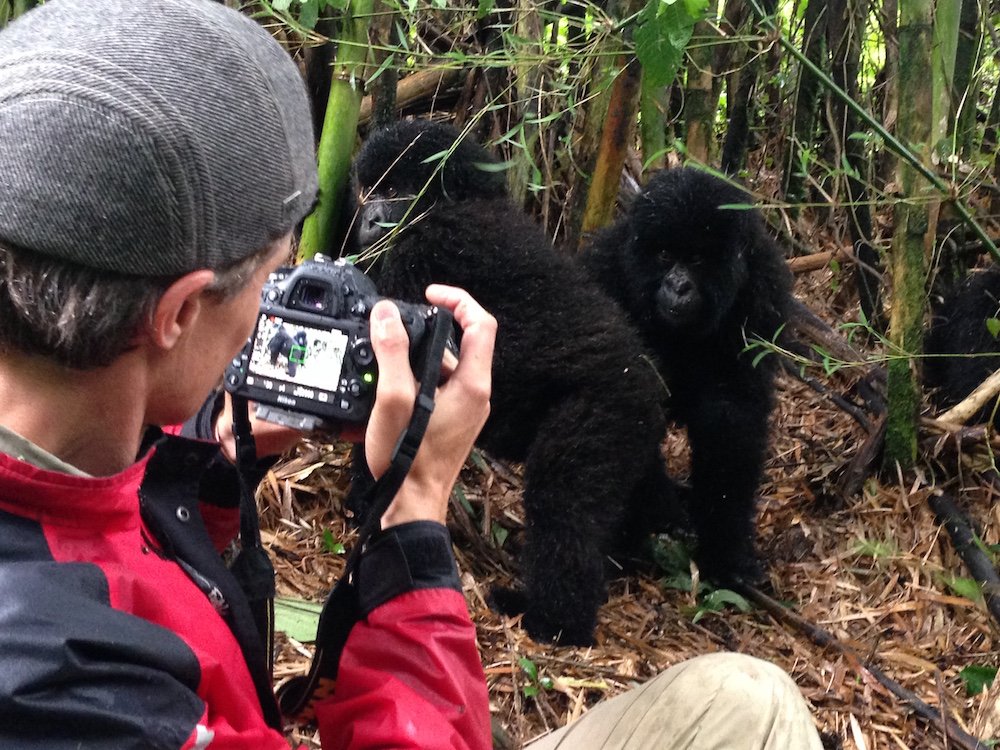
Photographers preparing for this experience should begin with our detailed guide to gorilla trekking in Rwanda. Those comparing different trekking formats can also review Rwanda gorilla trekking tours and mountain gorilla trekking in Volcanoes National Park. These links can help photographers understand the destination before deciding how to structure the rest of the safari.
A strong Rwanda Photography Safari should also provide enough time around Volcanoes National Park. Arriving late before the trekking morning and immediately leaving afterward creates unnecessary pressure. Spending multiple nights gives photographers time to prepare equipment, enjoy the mountain scenery and photograph other primates and landscapes.
How to Create Better Gorilla Photographs
The most memorable gorilla photographs are often created by combining portraits with behaviour and environmental context. Tight portraits of silverbacks are powerful, but images showing gorillas feeding within bamboo or sitting among dense vegetation communicate more about the animals’ habitat. Photographers should therefore vary focal lengths and compositions throughout the encounter.
Hands, eyes, grooming, juveniles and interaction between family members can all produce images with greater emotional depth than simple identification photographs. Younger gorillas may become active very quickly, so photographers should be ready to respond without constantly changing lenses or opening bags.
Because the experience is limited, preparation matters. Having camera settings ready, batteries charged and the appropriate lens mounted before reaching the gorillas protects valuable photographic time. A Rwanda Photography Safari should always prioritise the welfare of the animals and follow guide instructions rather than allowing photography to dominate the encounter.
Gorilla Photography and Luxury Lodges
Accommodation can play an important role in a Rwanda Photography Safari, particularly around Volcanoes National Park. Several lodges are positioned to take advantage of mountain views, distinctive architecture and beautiful gardens, providing photographic opportunities even outside national park activities.
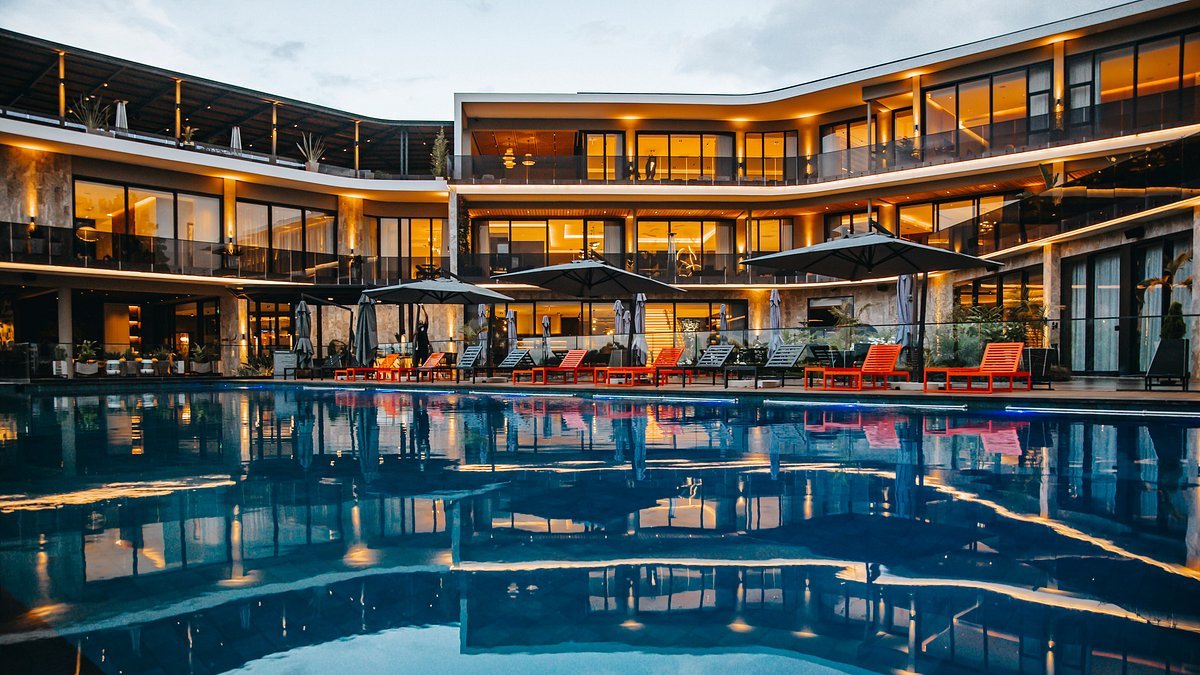
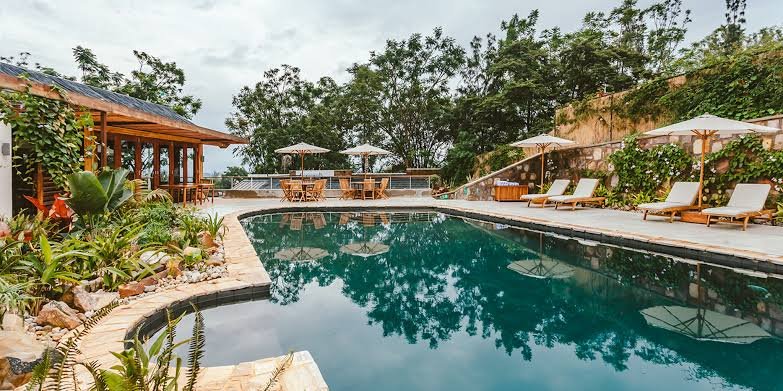
Morning mist across the Virungas, fireplaces, lodge design and surrounding vegetation can all become part of the visual story. Photographers should therefore avoid putting the camera away immediately after returning from a trek. Some of the best landscape conditions can appear unexpectedly from the lodge itself.
Luxury accommodation can also improve practical photography logistics. Good charging facilities, comfortable workspaces and enough time to back up files each evening become particularly valuable during an image-intensive safari.
Golden Monkey Photography in Rwanda
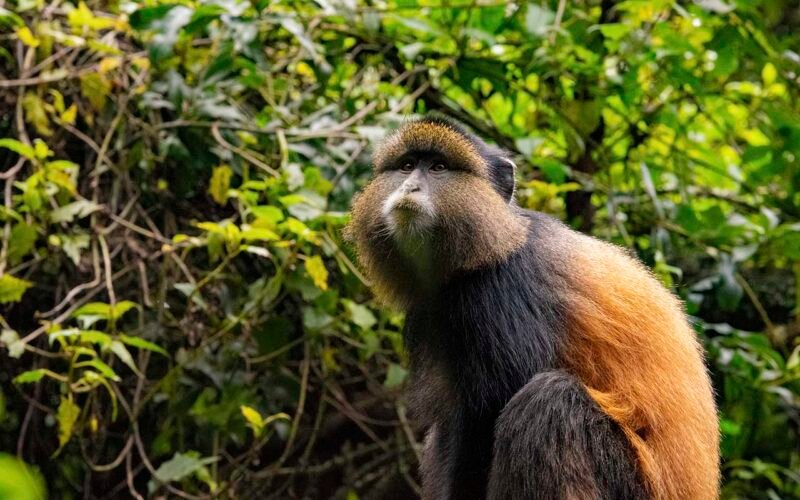
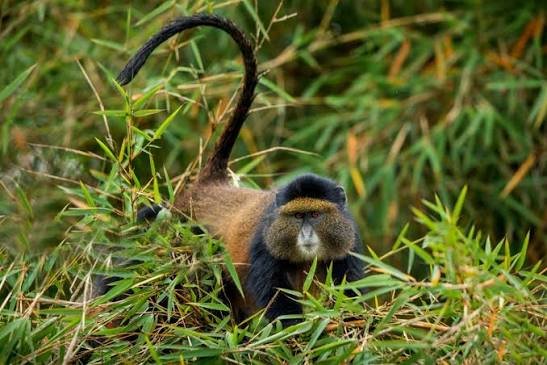
Golden monkey trekking provides a faster and more energetic primate photography experience than gorilla trekking. These monkeys move quickly through bamboo and can require photographers to respond rapidly to changes in position and light.
Travellers can explore more about golden monkeys in Rwanda or consider the combined 3-Day Rwanda Gorilla and Golden Monkey Trekking experience when structuring a shorter primate-focused journey. Photographers planning a larger Rwanda Photography Safari can use the same combination but allow additional time around the two activities.
Golden monkeys are particularly attractive photographically because their warm colouring contrasts beautifully with green bamboo. The challenge is movement. Fast autofocus and responsive shutter speeds become extremely useful, especially when animals leap between vegetation.
Photographing Lake Kivu
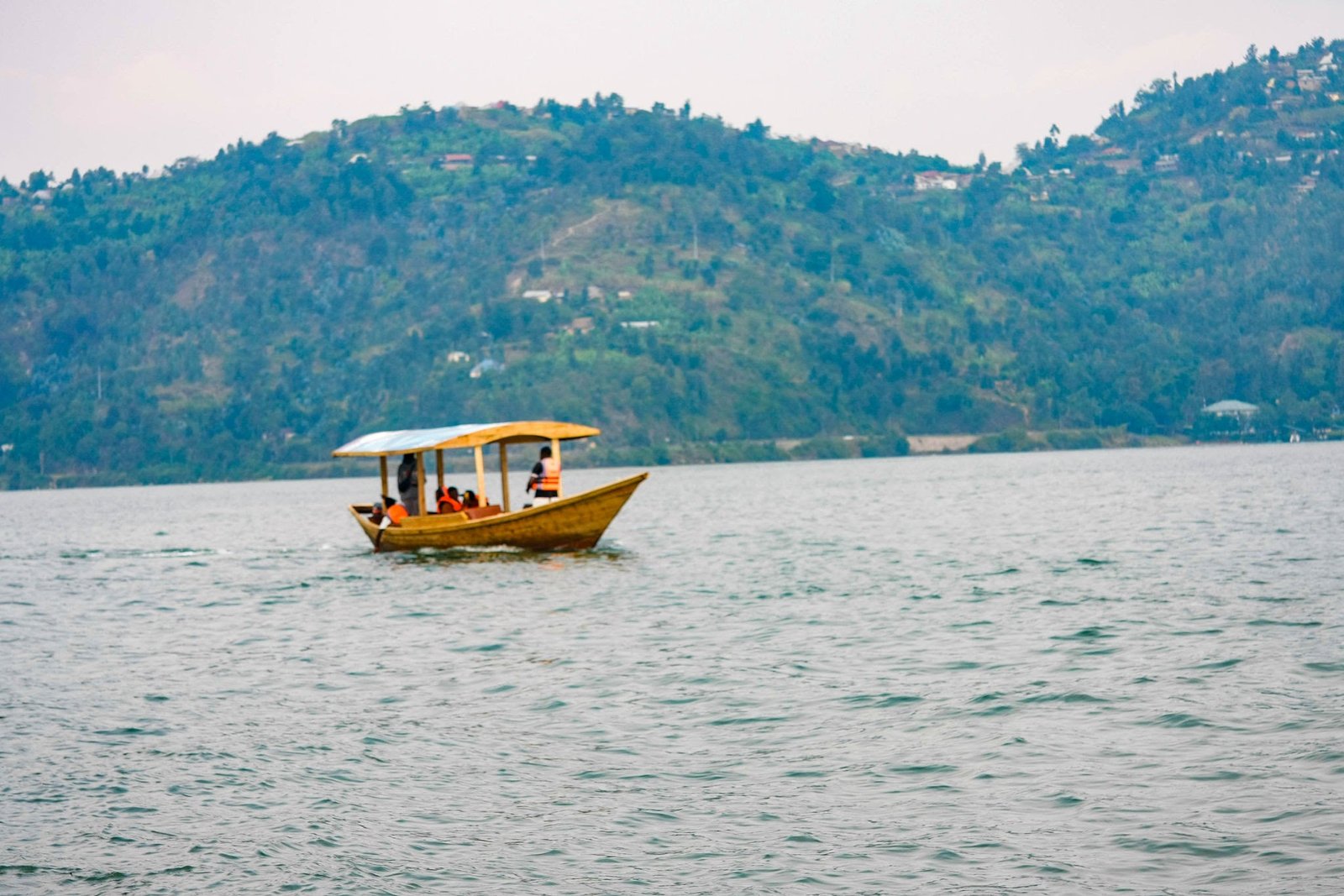
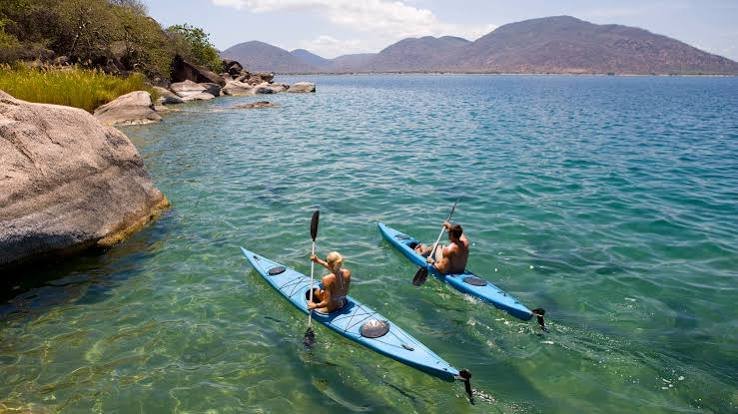
Lake Kivu is one of Rwanda’s strongest landscape photography destinations. Open water, green hills, islands and fishing boats provide a completely different visual environment from the enclosed forests of Volcanoes and Nyungwe.
Photographers wanting another perspective on the destination can also explore Lake Kivu adventure experiences. Rubavu and Karongi can both serve as bases depending on the wider itinerary, while sunrise and sunset provide opportunities for reflections, silhouettes and atmospheric landscapes.
A Rwanda Photography Safari should ideally spend more than one evening by the lake. Weather and cloud conditions change quickly, and having several opportunities significantly improves the chance of photographing dramatic light rather than relying on a single sunset.
Fishing Boats and Cultural Photography on Lake Kivu
Lake Kivu is also a strong location for photographing human activity. Fishing boats moving across the water can create beautiful silhouettes at dawn and dusk, particularly when combined with distant hills and changing sky colour.
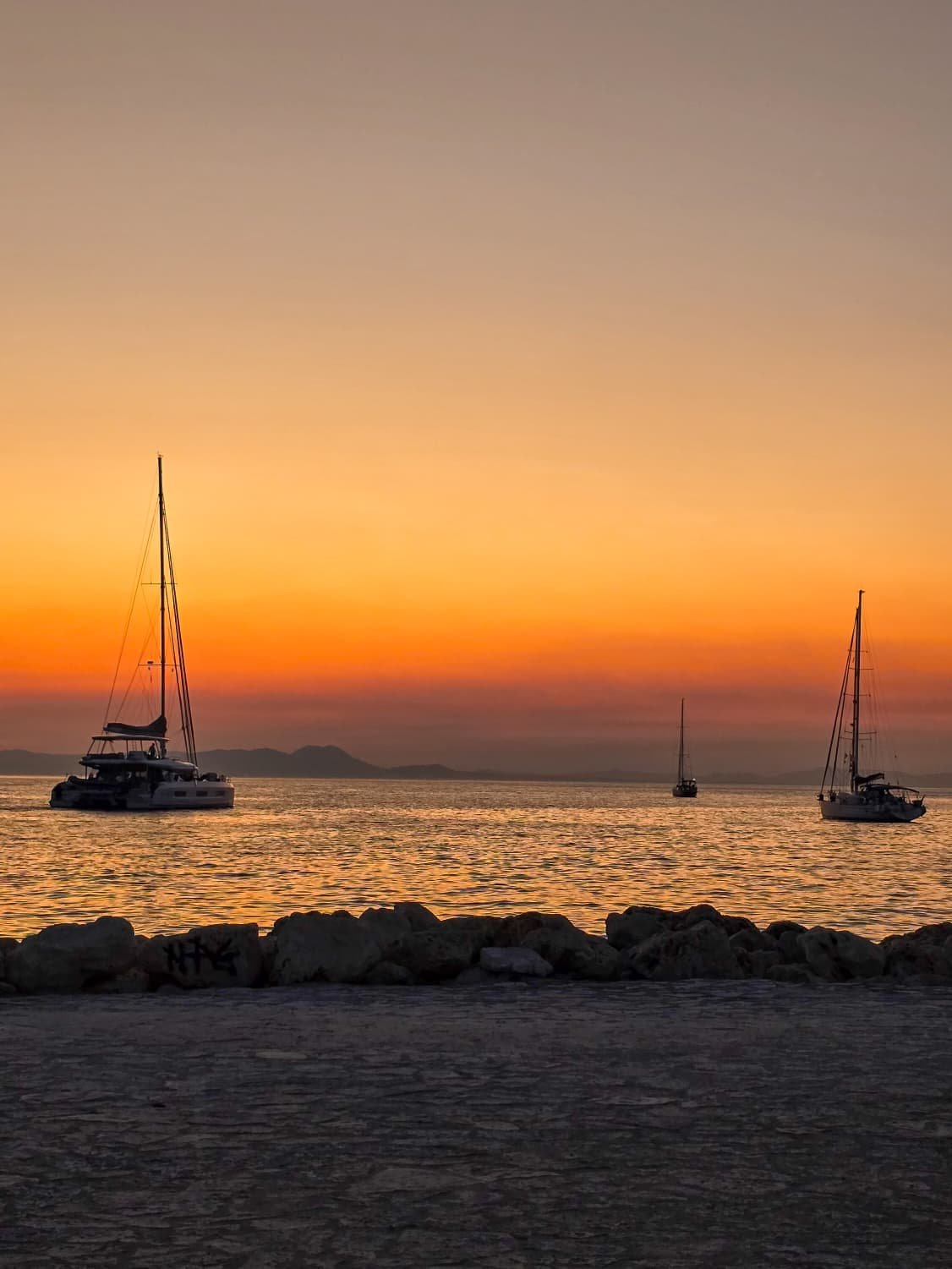
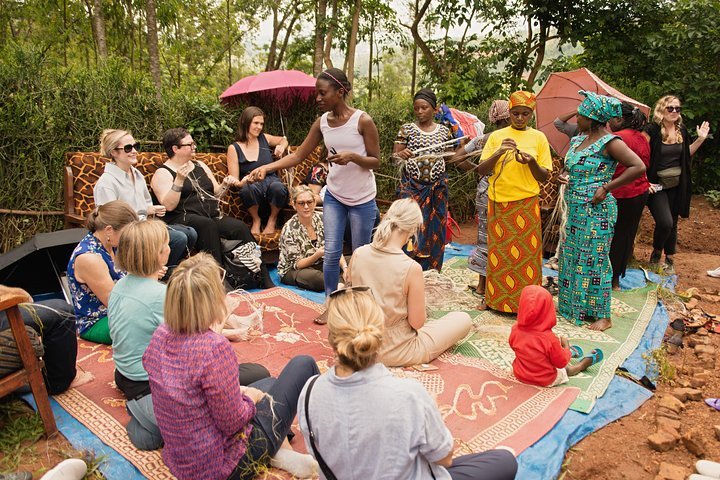
Photographers can work with wide compositions showing boats within the landscape rather than always trying to fill the frame. This style of environmental photography helps explain how people interact with the lake rather than simply treating boats as isolated visual objects.
As everywhere in Rwanda, cultural photography should be respectful. A Rwanda Photography Safari should create positive interactions and recognise that the people being photographed are part of living communities, not simply subjects within a travel portfolio.
Nyungwe Forest Photography
Nyungwe Forest National Park introduces one of the richest and most atmospheric environments on a Rwanda Photography Safari. Dense rainforest, misty valleys, primates, butterflies, birds and steep forested hills create opportunities for wildlife, landscape and abstract nature photography.
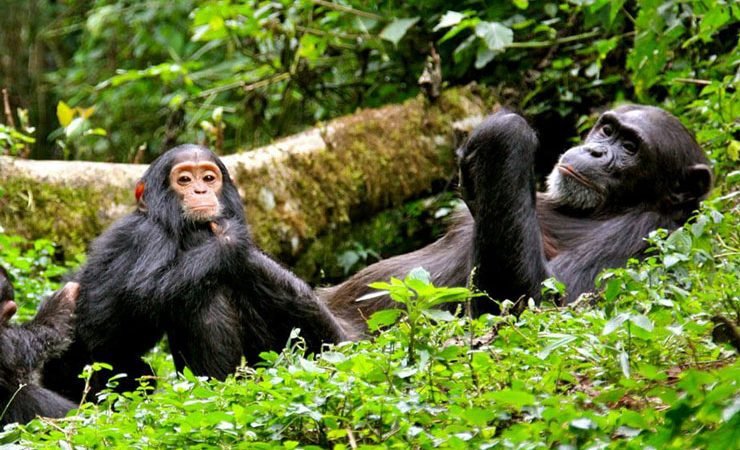
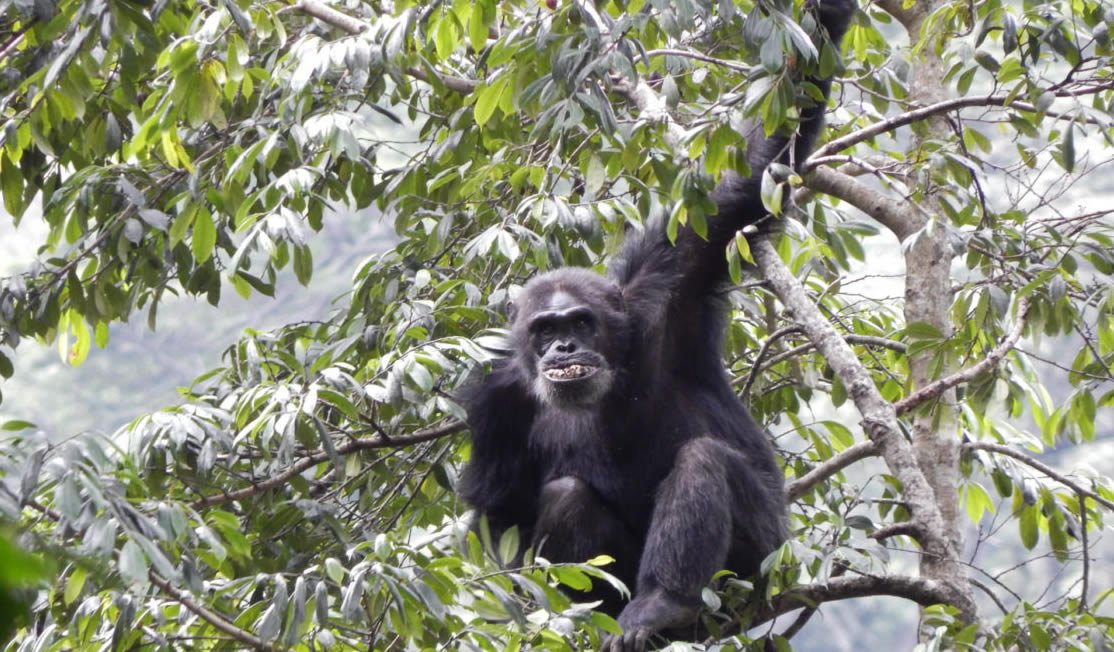
Nyungwe photography requires patience because subjects are often partly hidden by vegetation. Instead of becoming frustrated by leaves and branches, photographers can incorporate the forest itself into compositions, producing images that communicate the complexity of rainforest habitat.
Travellers can also explore Nyungwe Forest National Park when planning the southern section of the journey. Spending several nights gives photographers time to work with chimpanzees, canopy landscapes and forest details rather than rushing through a single activity.
Rwanda Photography Safari for Bird Photographers
Dedicated bird photographers should consider extending both the Akagera and Nyungwe sections. Rwanda birding safaris can introduce specialist guiding and help photographers identify habitats most likely to produce desired species.
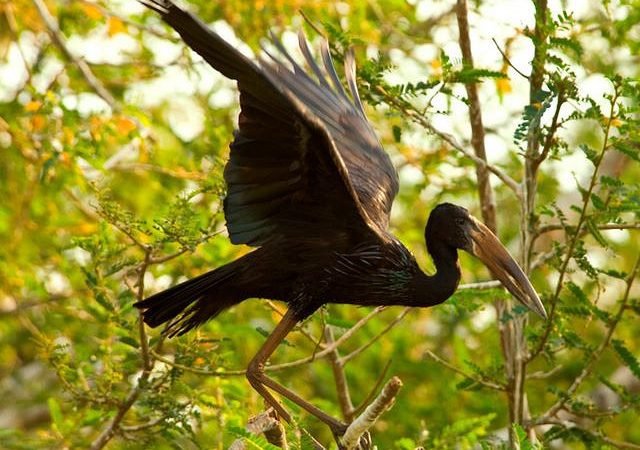
Long lenses are particularly valuable, but photographers should also be prepared for subjects appearing much closer than expected in forest environments. The ability to quickly adjust focal length is therefore useful.
Bird photography can make a Rwanda Photography Safari significantly richer because birds occupy every destination in the country. Even days primarily dedicated to gorillas or landscapes may produce interesting bird encounters around lodges and trails.
Rwanda Photography Safari for Gorilla Specialists
Some photographers visit Rwanda primarily for mountain gorillas. In this case, the itinerary can allocate more time around Volcanoes National Park and potentially include more than one gorilla trek if permits and budget allow.
Photographers can compare different approaches through Rwanda gorilla trekking tours and explore a more affordable positioning through gorilla trekking Rwanda budget safaris. Even when the final trip is luxury, understanding the broader range of options helps photographers decide how much of the budget should be dedicated to repeat trekking versus accommodation.
A gorilla-focused Rwanda Photography Safari should still include landscapes and golden monkeys where possible. These additional subjects make the finished portfolio much more complete and give photographers creative alternatives between gorilla mornings.
Rwanda Photography Safari for Couples
A Rwanda Photography Safari can also work extremely well for couples when one or both travellers enjoy photography. Private transportation prevents photographic stops from becoming frustrating for the non-photographer because the itinerary can balance intensive camera time with lodge relaxation, spa experiences and Lake Kivu.
Couples can combine gorilla trekking with photography, romantic lodge stays and beautiful landscapes. Lake Kivu is especially useful because one traveller can photograph sunrise while the other enjoys a slower morning, and both can reconnect for relaxed daytime activities.
A private itinerary allows the safari to accommodate different interests without forcing either traveller to follow the same schedule continuously.
Rwanda Photography Safari for Senior Photographers
Senior photographers can also enjoy a Rwanda Photography Safari when the itinerary is designed around their preferred activity level. Akagera photography is largely vehicle-based, while Lake Kivu and Kigali can be explored gently. Gorilla and chimpanzee trekking can be added for travellers comfortable with forest terrain.
Private transportation and carefully selected accommodation become particularly valuable for photographers carrying heavier camera equipment. Porters can also make forest trekking considerably easier by carrying bags and unnecessary gear.
The journey does not need to be rushed. Spending additional nights in key destinations gives senior photographers time to work creatively while still enjoying comfortable accommodation and rest periods.
Luxury Rwanda Photography Safari
A luxury Rwanda Photography Safari combines photographic access with premium accommodation and private guiding. Luxury lodges around Volcanoes National Park can provide mountain views and elegant interiors, while Akagera and Nyungwe introduce wilderness and rainforest properties.
The value of luxury for photographers goes beyond the room itself. Reliable charging, good meals, laundry, spacious work areas and enough time to back up images become extremely useful during a photography-intensive itinerary.
Luxury also allows the safari to slow down. Instead of leaving every lodge after one night, photographers can remain in one region and wait for better weather, revisit sightings and enjoy the property between photographic sessions.
Private Photography Vehicles in Rwanda
Private transportation is one of the strongest ways to improve a Rwanda Photography Safari. A photographer may want to remain at a wildlife sighting for twenty minutes after a conventional tourist would normally leave, simply because the light is improving or an animal appears ready to move.
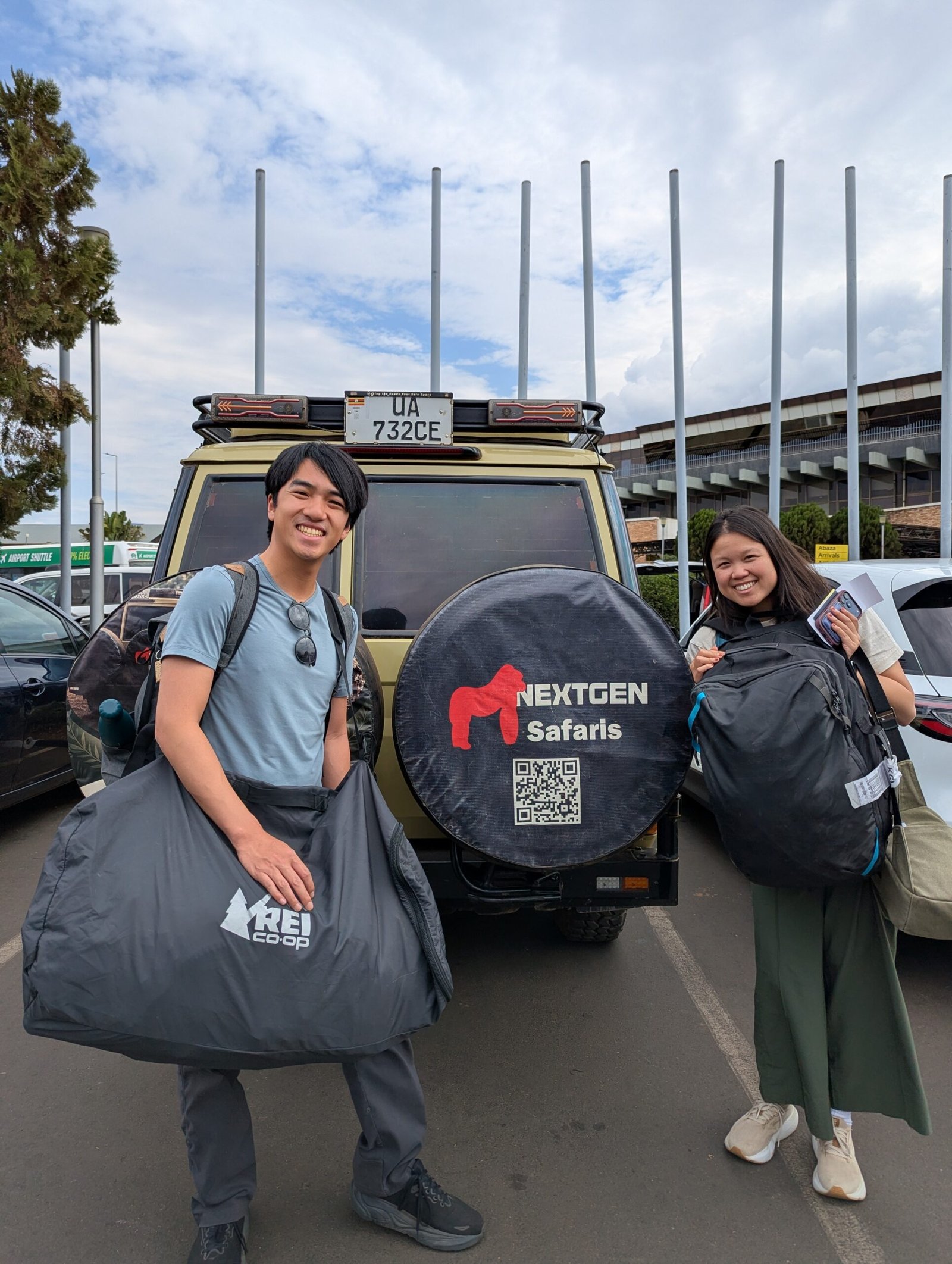
In Akagera, the driver-guide can help position the vehicle while respecting park regulations. Light direction, background and animal behaviour can all influence positioning, and having a private vehicle allows the guide to work directly with the photographer.
The same flexibility applies during transfers. Scenic stops, viewpoints and unexpected roadside landscapes can become photographic opportunities rather than inconveniences.
Plan Your Rwanda Photography Safari With Visit Rwanda Safaris
Planning a Rwanda Photography Safari should begin with the subjects you most want to photograph. Gorilla specialists may prioritise gorilla trekking in Rwanda and Volcanoes National Park, while primate photographers may combine gorillas with golden monkeys and chimpanzee trekking in Rwanda.
Bird photographers can incorporate dedicated Rwanda birding safaris, while landscape photographers can spend additional time around Lake Kivu and Nyungwe. Active photographers can also add Dian Fossey hikes or Mount Bisoke hiking when these experiences support their photographic goals.
Visit Rwanda Safaris can then coordinate private transport, accommodation and daily pacing around those priorities. The aim is to create a photographic journey rather than simply a general Rwanda holiday with camera equipment carried along.
Frequently Asked Questions About Rwanda Photography Safari
1. What is a Rwanda Photography Safari?
A Rwanda Photography Safari is a private or customised journey designed around photographing Rwanda’s wildlife, primates, landscapes, birds and cultural scenes. It can combine gorilla trekking in Rwanda, Akagera wildlife, Lake Kivu, golden monkeys and Nyungwe rainforest photography.
2. Is Rwanda good for wildlife photography?
Yes. A Rwanda Photography Safari can include mountain gorillas, golden monkeys, chimpanzees, lions, elephants, giraffes, rhinos, birds and dramatic landscapes. Rwanda’s relatively compact geography makes it possible to photograph very different subjects within one journey.
3. Can I photograph mountain gorillas on a Rwanda Photography Safari?
Yes. Mountain gorilla photography in Volcanoes National Park is one of the main highlights of a Rwanda Photography Safari. Once a habituated gorilla family is located, visitors can photograph the gorillas during the regulated viewing period while following guide instructions.
4. What camera lens is best for gorilla photography in Rwanda?
A versatile medium telephoto or telephoto zoom is often useful because gorilla distances and forest conditions can change quickly. Photographers should also consider carrying a wider lens for environmental images showing gorillas within the forest rather than concentrating only on tight portraits.
5. Can I photograph the Big Five during a Rwanda Photography Safari?
Yes. Akagera National Park is Rwanda’s Big Five destination, where photographers can search for lions, elephants, buffaloes, leopards and rhinoceroses. A private vehicle can be particularly useful because photographers can spend additional time at productive wildlife sightings.
6. Is Rwanda Photography Safari suitable for bird photographers?
Yes. Rwanda offers excellent bird photography across wetlands, savannahs and mountain forests. Dedicated photographers can include specialist Rwanda birding safaris and spend additional time in Akagera, Volcanoes and Nyungwe.
7. Can I photograph chimpanzees during a Rwanda Photography Safari?
Yes. Photographers can include chimpanzee trekking in Rwanda in Nyungwe National Park. Chimpanzees move much faster than gorillas, so responsive autofocus and flexible camera settings can be especially useful.
8. What is the best time for a Rwanda Photography Safari?
A Rwanda Photography Safari can be enjoyed throughout the year. Drier periods may provide easier trekking conditions, while greener months can produce lush landscapes, dramatic clouds and excellent bird photography. The best travel period depends on the subjects you most want to photograph.
9. How many days are best for a Rwanda Photography Safari?
Around 7 to 10 days works well for photographers focusing on Akagera, Volcanoes and Kigali. A Rwanda Photography Safari of 10 to 14 days can also include Lake Kivu and Nyungwe Forest National Park for a much broader photographic portfolio.
10. How do I book a Rwanda Photography Safari?
To book a Rwanda Photography Safari, share your travel dates, number of travellers, photographic interests and approximate equipment requirements with Visit Rwanda Safaris. The itinerary can then be customised around gorilla photography, Akagera wildlife, birds, Lake Kivu, landscapes and Nyungwe primates.
Book Your Rwanda Photography Safari
A Rwanda Photography Safari can be designed for professional photographers, enthusiastic amateurs, content creators, couples, senior photographers or small private groups. Every itinerary can concentrate on a different combination of wildlife, primates, birds, landscapes and cultural storytelling.
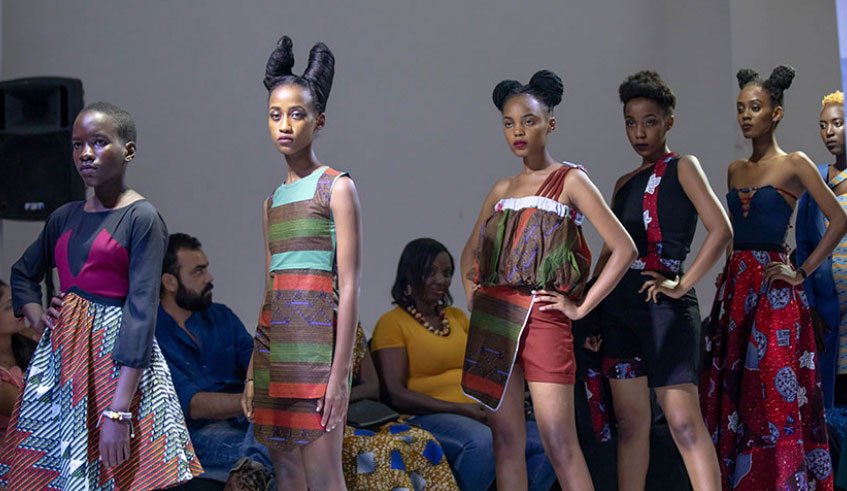
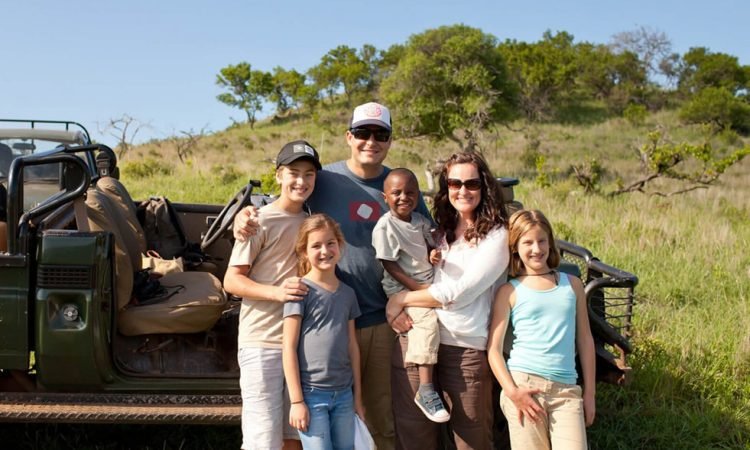
Tell Visit Rwanda Safaris your travel dates, number of days, photographic interests and approximate equipment requirements. Knowing whether your priority is gorillas, Akagera wildlife, birds or landscape photography helps us allocate time where it will produce the greatest value.
From mountain gorillas in Volcanoes National Park and golden monkeys in bamboo forest to chimpanzees in Nyungwe and sunset photography beside Lake Kivu, Rwanda offers remarkable visual diversity within one destination.