
Unforgettable Nyungwe National Park Safari – Rwanda’s Ultimate Primate & Rainforest Adventure
A Nyungwe National Park Safari takes travellers deep into one of Rwanda’s most extraordinary natural environments, where ancient rainforest, mist-covered mountains, primates, waterfalls, birds and dramatic forest trails combine to create an entirely different safari experience. Located in southwestern Rwanda, Nyungwe is far removed from the open savannah landscapes of Akagera National Park. Instead of travelling through grasslands in a safari vehicle, visitors enter a dense Afromontane forest where chimpanzee calls echo through the trees, monkeys move through the canopy and narrow trails disappear beneath enormous ferns and tropical vegetation.
Nyungwe is one of Africa’s oldest rainforests and the largest remaining expanse of forest in Rwanda. The national park covers approximately 1,019 square kilometres and protects a remarkable mixture of Afromontane forest, bamboo-covered slopes, wetlands and grassland. African Parks currently records more than 1,100 plant species, 345 bird species, 85 mammal species and 13 primate species within the protected landscape, demonstrating why Nyungwe is recognised as one of Africa’s important biodiversity hotspots.
A Nyungwe National Park Safari is therefore ideal for travellers who want to experience Rwanda beyond traditional game drives and gorilla trekking. Chimpanzee tracking, canopy adventures, primate encounters, forest hiking, birdwatching and waterfalls can all become part of the journey. Nyungwe was also inscribed as a UNESCO World Heritage Site in 2023, recognising the global importance of its exceptional biodiversity and ecological value.
Where Is Nyungwe National Park Located?
Nyungwe National Park lies in southwestern Rwanda, within a spectacular highland landscape of forested ridges, valleys and tea-growing areas. Travellers commonly reach the park by road from Kigali, often incorporating cultural and scenic stops along the journey. Its position also makes Nyungwe easy to combine with Lake Kivu, particularly the southern lakeside region, creating an itinerary that blends rainforest adventure with relaxation beside one of Africa’s Great Lakes.
The park occupies an important geographical position within the Albertine Rift, an area famous for exceptional biodiversity and high levels of endemism. Nyungwe’s mountainous forest also plays a major ecological role beyond wildlife conservation. African Parks notes that the park contributes significantly to Rwanda’s freshwater resources and feeds watersheds associated with both the Congo and Nile river systems.
For travellers, the location makes a Nyungwe National Park Safari a valuable component of a broader Rwanda circuit. Visitors can combine Nyungwe with Akagera National Park for Big Five wildlife and Volcanoes National Park for mountain gorilla trekking, creating a journey through three dramatically different ecosystems. Few destinations allow travellers to move from savannah to ancient rainforest and volcanic mountain forest within one relatively compact country.
Chimpanzee Trekking During a Nyungwe National Park Safari
Chimpanzee trekking is one of the most sought-after experiences during a Nyungwe National Park Safari. Travellers enter the forest with experienced trackers and guides in search of habituated chimpanzees, listening for calls and movement through the canopy as they follow trails into the rainforest. Unlike a traditional vehicle-based safari, chimpanzee trekking is an active forest experience where anticipation builds with every sound coming from the vegetation.
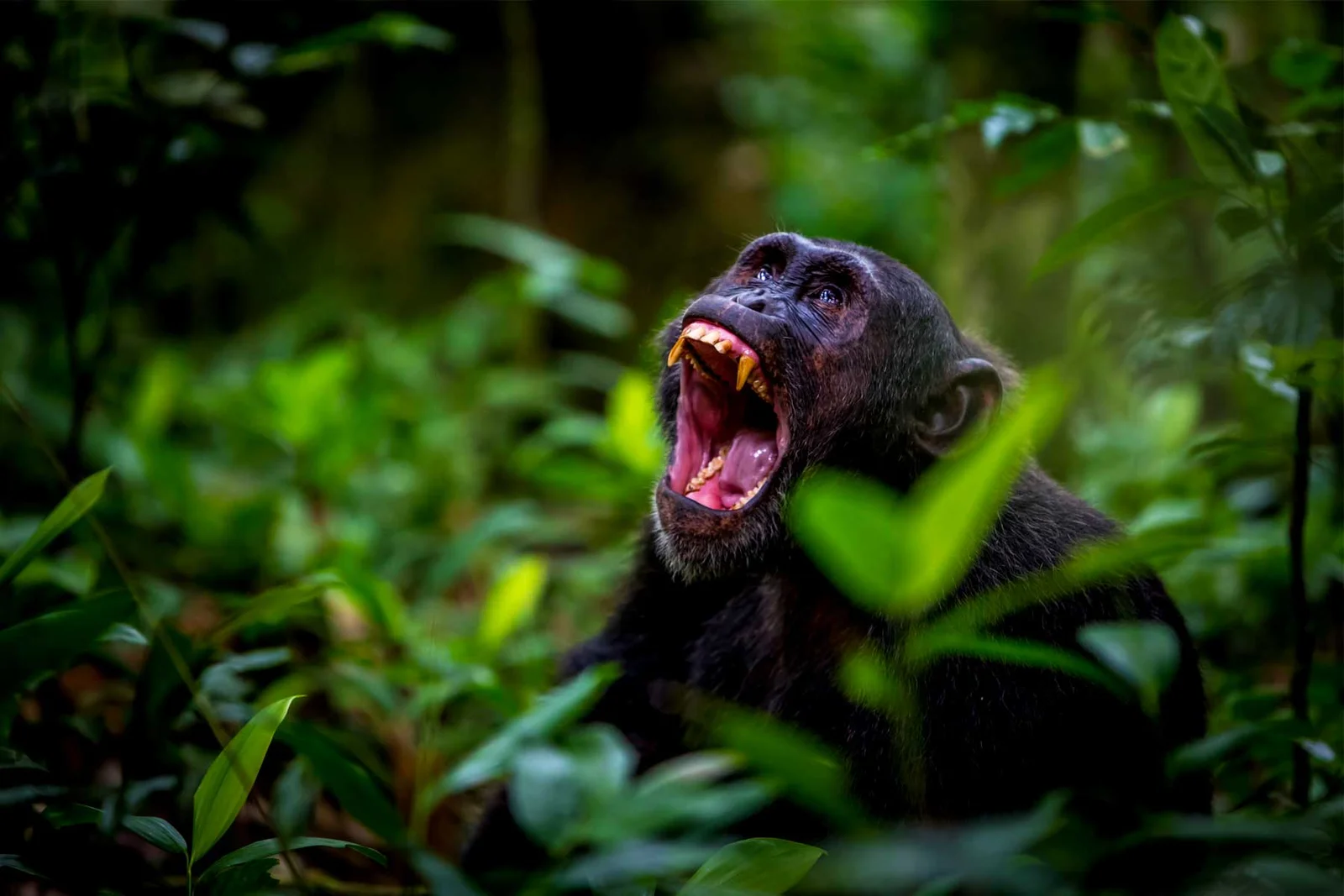
Chimpanzees are highly mobile animals, and locating them can require walking across steep or uneven forest terrain. Once encountered, their behaviour can be fascinating to observe as individuals feed, communicate, climb and interact within their social groups. Wildlife encounters are always influenced by natural conditions, and sightings can never be treated as completely guaranteed, which gives the experience the authenticity of searching for wild primates in a large and complex rainforest environment.
Including chimpanzee trekking gives a Nyungwe National Park Safari a strong primate focus and makes the park an excellent partner to gorilla trekking in Volcanoes National Park. Mountain gorillas and chimpanzees provide completely different encounters, allowing visitors to appreciate the diversity of Africa’s great apes while exploring two contrasting forest ecosystems within Rwanda.
Primate Experiences Beyond Chimpanzees in Nyungwe
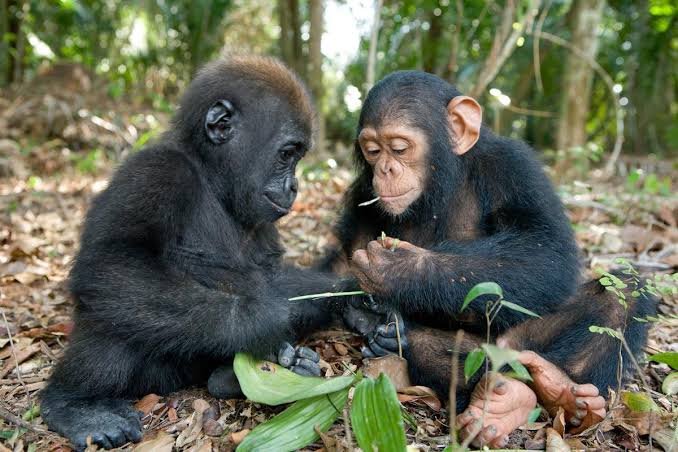
Chimpanzees may receive much of the attention, but Nyungwe supports an exceptional diversity of primates. African Parks records 13 primate species in the park, including eastern chimpanzees, L’Hoest’s monkeys and Rwenzori black-and-white colobus monkeys. This richness means a Nyungwe National Park Safari can provide far more than one headline primate encounter.
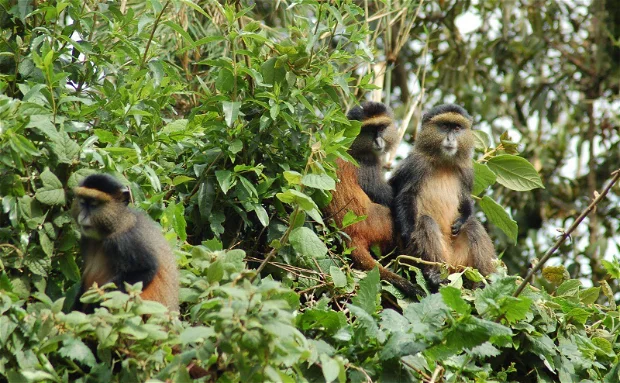
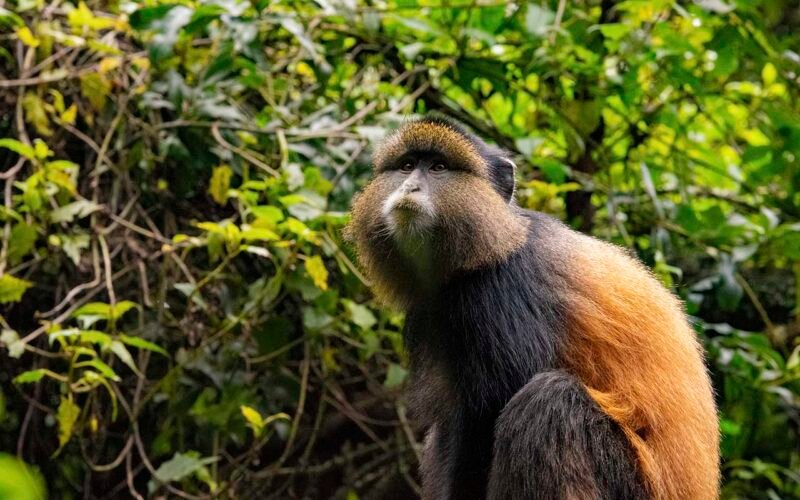
The park is particularly renowned for its impressive colobus populations. African Parks reports that a community of around 600 Rwenzori colobus has been observed in Nyungwe, described as the largest recorded grouping of any primate on the African continent. Seeing numerous black-and-white colobus moving through the trees can therefore become a remarkable complement to chimpanzee trekking.
Primate lovers may also encounter other forest species as they explore different parts of the park. The variety makes a longer Nyungwe National Park Safari especially rewarding because each activity may reveal a different collection of animals. Instead of visiting Nyungwe only for chimpanzees and immediately departing, travellers with additional time can begin to understand the rainforest as a complete primate ecosystem.
Canopy Walkway Experience in Nyungwe National Park
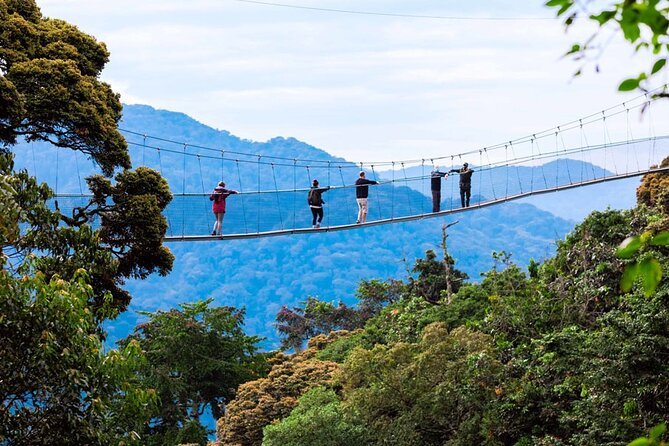
The canopy walkway is one of the most recognisable attractions on a Nyungwe National Park Safari and provides a dramatic way to experience the forest from above. The suspended bridge crosses high above a forested ravine, opening views across treetops that are normally seen only from ground-level hiking trails. Visit Rwanda currently describes the walkway as approximately 160 metres long and reaching around 70 metres above the forest below.
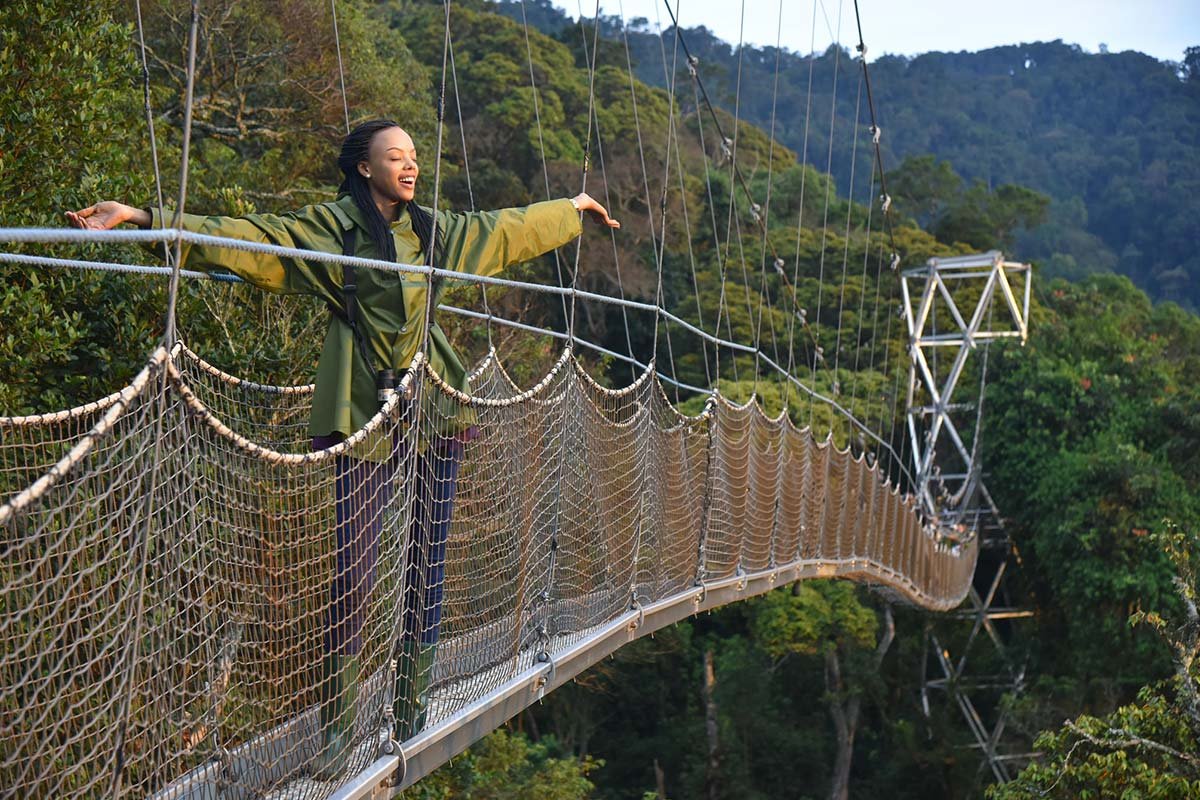
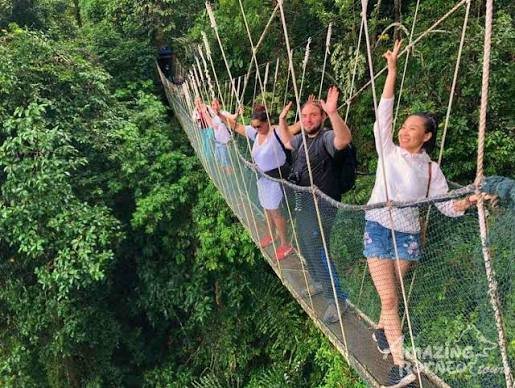
The canopy walkway is reached through a guided forest hike associated with the Igishigishigi Trail, while it can also be incorporated into longer hiking routes such as Imbaraga or Umuyove. The approach to the bridge becomes part of the experience as visitors pass orchids, butterflies, birds and dense vegetation before suddenly emerging onto the elevated structure.
Walking across the suspension bridge introduces a completely different perspective during a Nyungwe National Park Safari. Instead of looking upward into the canopy, travellers find themselves surrounded by treetops, forested slopes and distant ridges. Mist or cloud can add atmosphere, while clear conditions reveal the extraordinary scale of the forest. Comfortable footwear and rain protection are useful because trails may become muddy, particularly after rainfall.
Hiking and Forest Trails During a Nyungwe National Park Safari
Hiking is one of the best ways to appreciate the depth of a Nyungwe National Park Safari because the park contains a network of trails passing through different elevations, vegetation zones and landscapes. Some routes are suitable for relatively relaxed forest walks, while others provide longer and more physically demanding adventures for travellers who want to immerse themselves deeply in Nyungwe’s mountainous terrain.
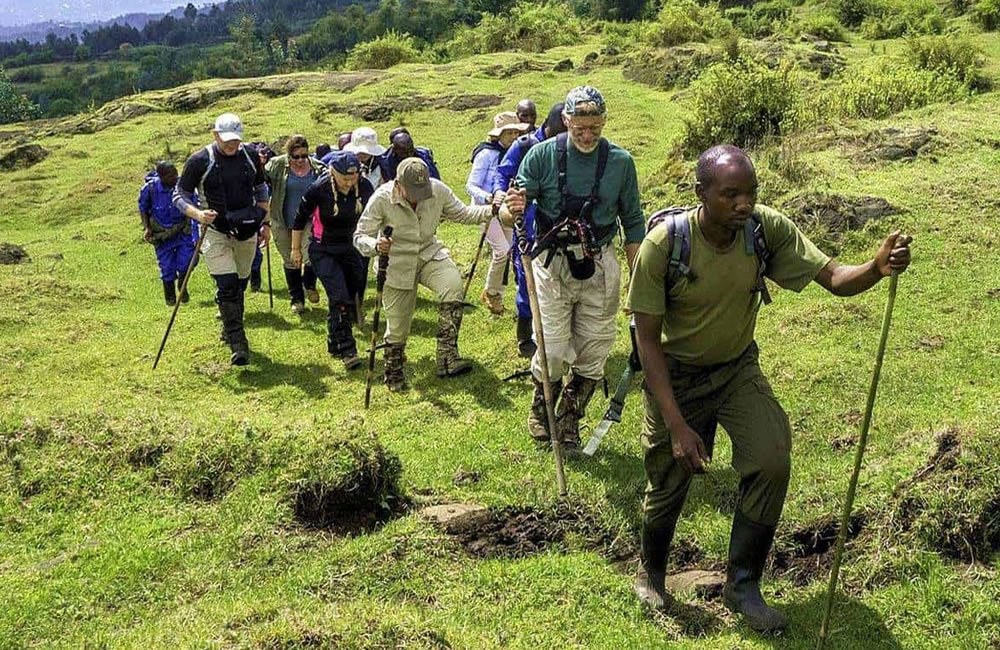
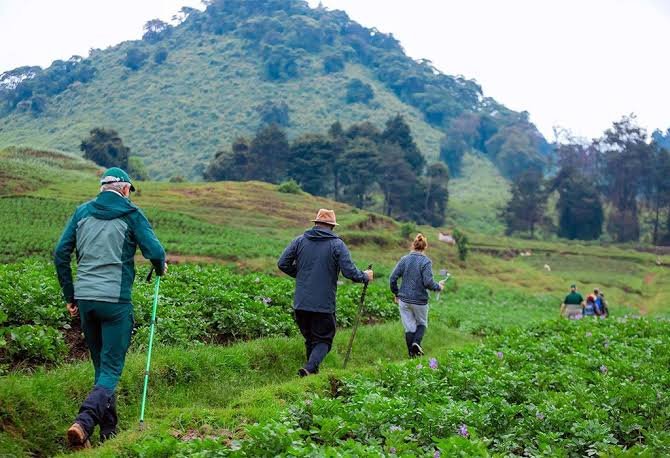
Forest hikes reveal details that can easily be missed when focusing exclusively on primates. Ancient trees, orchids, ferns, colourful insects, streams and changing forest sounds become part of the journey. Some trails lead toward waterfalls or viewpoints, while others pass through sections of forest known for particular plant communities or birdlife. Every trail creates a slightly different interpretation of Nyungwe.
Travellers interested in longer adventures can also explore multi-day trekking possibilities. African Parks reports that the Cyinzobe Trail follows a three-day route connecting Uwinka, Kamiranzovu and Gisakura, while camping infrastructure has also been developed along other extended routes. These options make a Nyungwe National Park Safari particularly attractive to visitors who want a deeper hiking experience rather than a short park visit.
Waterfalls and Scenic Forest Experiences in Nyungwe
Waterfalls add another beautiful element to a Nyungwe National Park Safari, giving hikers destinations to reach after travelling through thick rainforest. The sound of flowing water becomes increasingly noticeable as visitors approach these sections, while forest vegetation creates a dramatic natural frame around streams and falls. These hikes are especially rewarding for travellers who enjoy landscapes as much as wildlife.
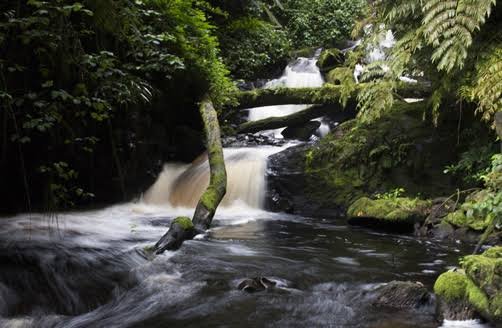
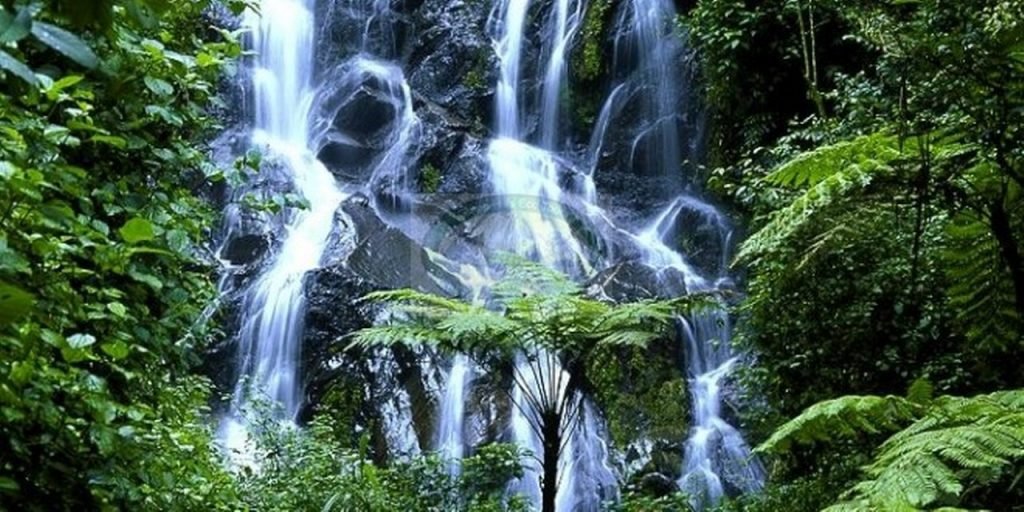
The journey to a waterfall can be just as memorable as the final viewpoint. Guides identify plants, birds and signs of wildlife while the forest changes around the trail. Sunlight occasionally filters through the canopy, mist hangs over valleys and streams cross the route, creating excellent opportunities for landscape and nature photography.
Adding waterfall hikes prevents a Nyungwe National Park Safari from becoming focused only on chimpanzees. A well-designed itinerary can alternate primate activities with hiking, canopy experiences and relaxed forest exploration. This variety creates a more complete picture of Nyungwe and encourages travellers to appreciate the national park as an ecosystem rather than simply an animal-viewing destination.
Birdwatching During a Nyungwe National Park Safari
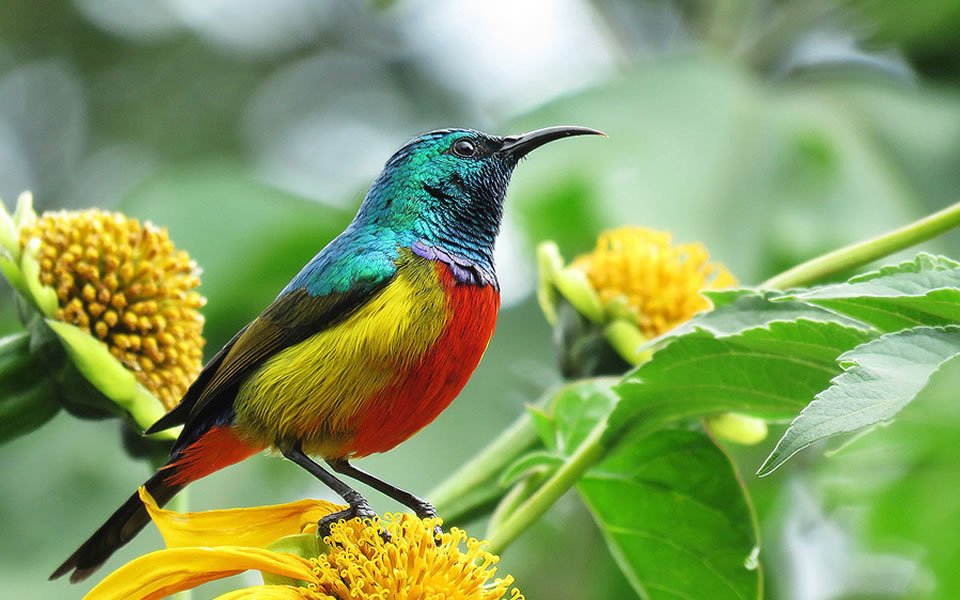
Nyungwe is one of Rwanda’s most important destinations for birdwatching. African Parks currently records 345 bird species in the national park, including 30 Albertine Rift endemics. The combination of altitude, dense Afromontane forest, wetlands and varied vegetation creates exceptional opportunities for travellers with a serious interest in birds.
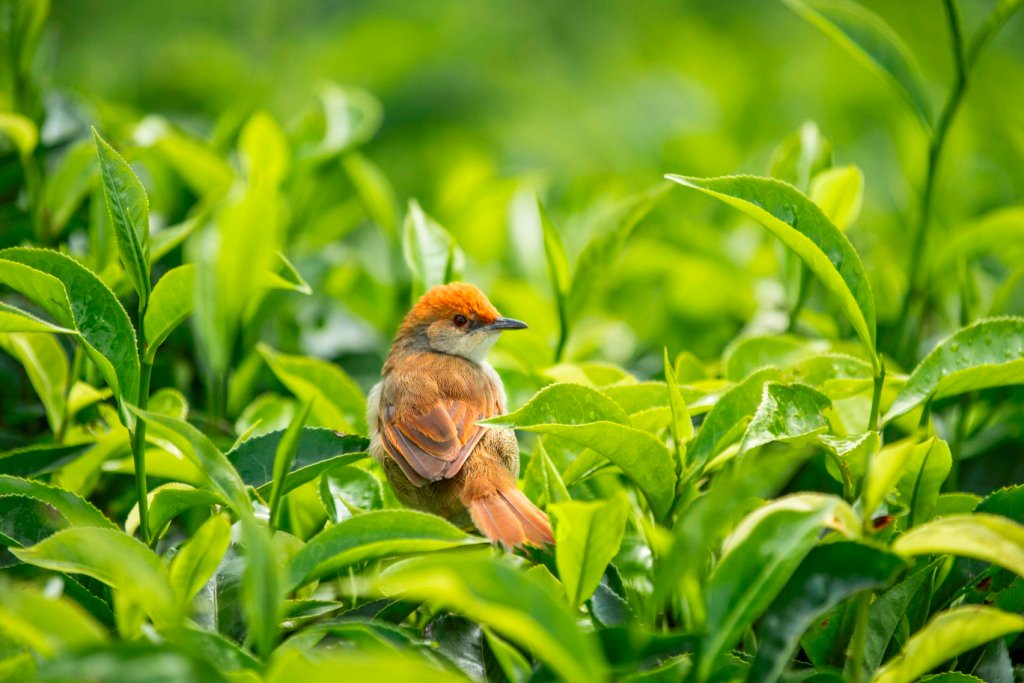
Birdwatching during a Nyungwe National Park Safari requires patience and attentive listening because many forest species are easier to locate by sound before they become visible through thick vegetation. Experienced guides can interpret calls and movement while helping visitors identify species hidden among branches and leaves. Early mornings can be particularly rewarding as the forest becomes filled with activity.
Even travellers who do not consider themselves specialist birders frequently find Nyungwe’s birdlife fascinating. Brilliant colours, unusual calls and the challenge of locating birds within the canopy make each walk more engaging. Combining birding with primate trekking and forest hiking allows visitors to appreciate the extraordinary biological richness that helped Nyungwe earn international conservation recognition.
Nyungwe Canopy Zipline and New Forest Adventures
The adventure offering associated with a Nyungwe National Park Safari has expanded beyond traditional hiking and the established canopy walkway. In August 2025, African Parks announced the opening of the Nyungwe Canopy Zipline, providing visitors with another aerial perspective over the rainforest. The zipline begins around the Uwinka Visitor Centre and stretches approximately 1,935 metres through three sections.
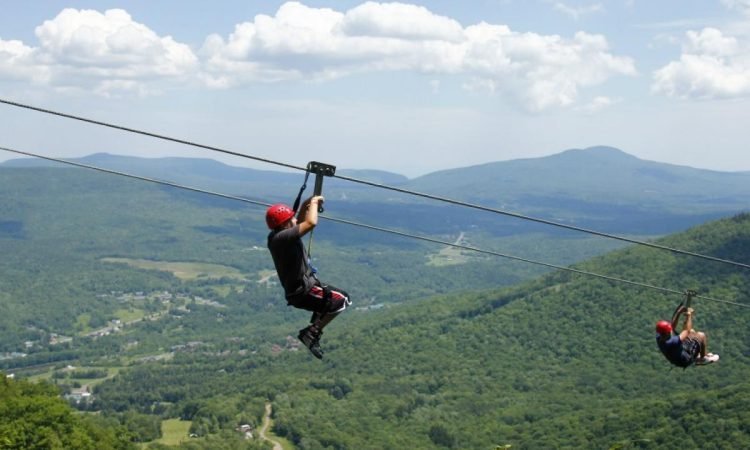
The zipline gives adventurous travellers the opportunity to experience Nyungwe’s mountainous forest from a completely different angle. Rather than moving slowly across the canopy walkway, visitors travel across elevated sections above the surrounding rainforest. It introduces an adrenaline element that can complement chimpanzee trekking and traditional forest hikes, making Nyungwe appealing to travellers looking for both nature and adventure.
The Gisakura Rope Course was also introduced as part of the park’s expanding tourism experiences. These new attractions show how a modern Nyungwe National Park Safari can be tailored to different interests, from serious wildlife enthusiasts and birdwatchers to adventurous couples and families looking for active experiences within Rwanda’s rainforest.
Wildlife Beyond Primates in Nyungwe National Park
Although primates dominate many safari itineraries, a Nyungwe National Park Safari introduces visitors to a much broader forest ecosystem. African Parks records approximately 85 mammal species within the national park, including animals such as yellow-backed duikers, black-fronted duikers, African civets and other smaller forest mammals.
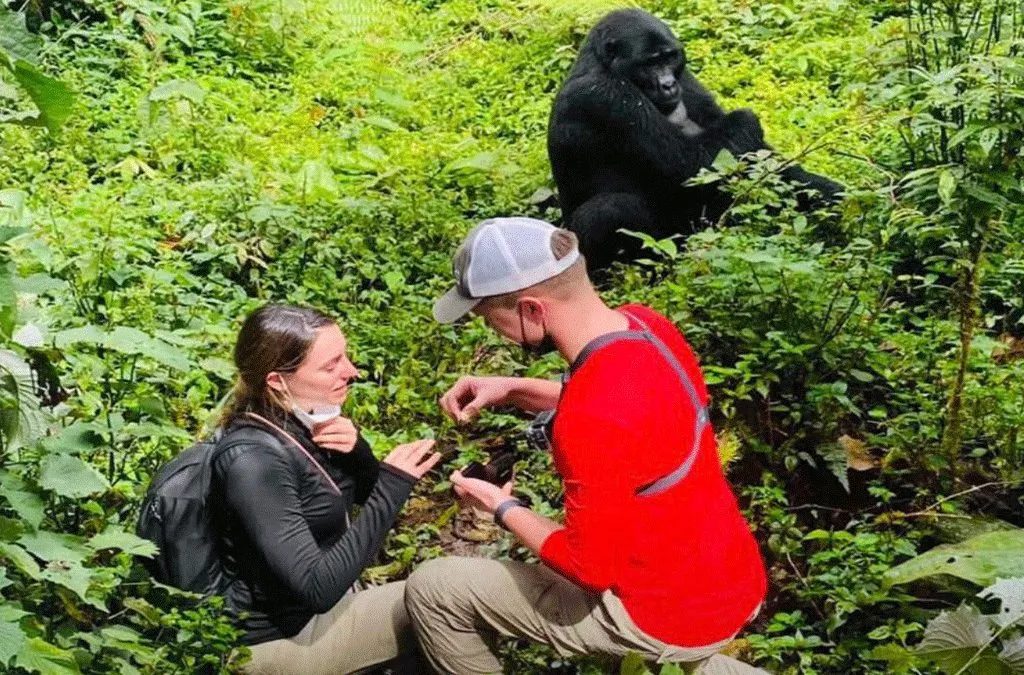
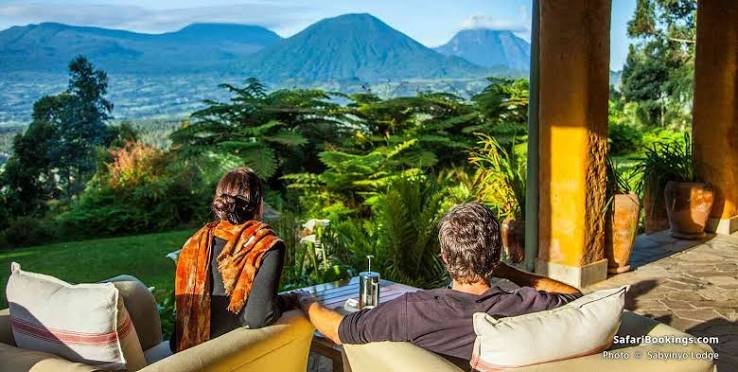
Many of these species are naturally much harder to observe than elephants or giraffes on a savannah safari because dense vegetation provides considerable cover. Their elusive nature makes every unexpected encounter especially exciting. Tracks, calls or brief movements between trees remind visitors that much of Nyungwe’s wildlife remains hidden within the forest even when it cannot easily be seen.
This difference is precisely what makes a Nyungwe National Park Safari so distinctive. Akagera rewards travellers with wide landscapes and distant wildlife viewing, whereas Nyungwe encourages visitors to pay attention to sounds, plants, insects, birds and subtle movement within the vegetation. The forest requires a slower and more observant style of safari.
Best Time for a Nyungwe National Park Safari
A Nyungwe National Park Safari can be enjoyed throughout the year, although conditions change with rainfall and season. Nyungwe is a rainforest environment, which means visitors should always be prepared for moisture, changing weather and potentially muddy trails regardless of the month. This rainfall is also responsible for the dense green vegetation that makes the park so spectacular.
Drier periods can make hiking conditions easier and may be preferred by travellers planning several trekking activities. Trails are generally more comfortable when rainfall is reduced, particularly on steep sections. However, the forest remains naturally humid and showers can occur unexpectedly, so lightweight rain protection and reliable hiking footwear remain important throughout the year.
Wetter months bring lush vegetation, dramatic mist and rich photographic conditions. The canopy walkway and forested mountains can be especially atmospheric when low clouds move through the landscape. Rather than choosing dates solely according to rainfall, the best period for a Nyungwe National Park Safari should also consider chimpanzee trekking plans, birdwatching interests and the other Rwanda destinations being combined into the journey.
How Many Days Do You Need for a Nyungwe National Park Safari?
Travellers should ideally avoid treating Nyungwe as a rushed overnight stop. A Nyungwe National Park Safari of at least two or three nights provides enough time to experience chimpanzee trekking and another major activity such as the canopy walkway, colobus tracking or a forest hike. Additional nights create an even more relaxed itinerary.
A three-day stay works particularly well for first-time visitors. Travellers can arrive and settle into their lodge, dedicate one morning to chimpanzee trekking and use another period for the canopy walkway or hiking. The schedule leaves more flexibility for weather and makes it unnecessary to combine several demanding forest activities into a single exhausting day.
Four nights or more are valuable for birdwatchers, hikers, photographers and dedicated primate enthusiasts. A longer Nyungwe National Park Safari may include chimpanzees, colobus monkeys, birding, waterfall hikes, the canopy experience and newer adventure activities while still leaving time to appreciate the lodge and surrounding scenery. The ideal duration ultimately depends on how central Nyungwe is to the complete Rwanda itinerary.
Accommodation During a Nyungwe National Park Safari
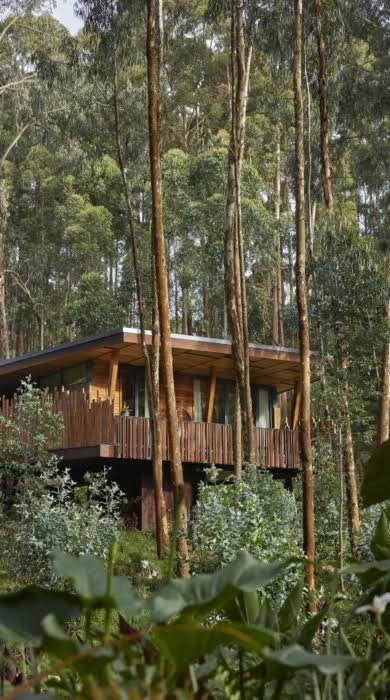
Accommodation can strongly influence the character of a Nyungwe National Park Safari, with options ranging from comfortable properties to exclusive luxury lodges surrounded by tea plantations and forest landscapes. Choosing the right location can reduce unnecessary driving before early morning activities and create more time for relaxation between trekking experiences.

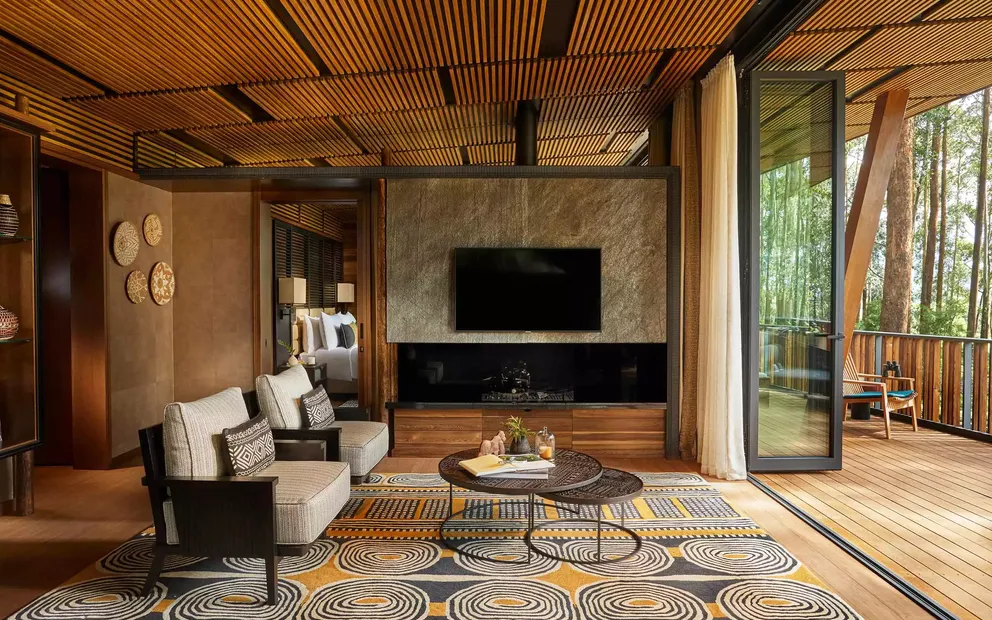
Luxury travellers can select high-end accommodation offering refined rooms, personalised service, wellness experiences and beautiful views close to the forest. Mid-range properties provide comfortable alternatives for travellers who prefer to direct more of their budget toward activities and a longer Rwanda itinerary. The best choice depends on the desired comfort level rather than assuming the most expensive property is necessary for every visitor.
Nyungwe’s accommodation offering has also continued to evolve. African Parks announced the opening of Munazi Eco Lodge in 2025 as part of the park’s growing tourism infrastructure, with cabins designed to provide forest views while incorporating sustainability and local craftsmanship. This broader range of options makes it easier to customise a Nyungwe National Park Safari for different travel styles.
Nyungwe National Park Safari for Couples and Honeymooners
A Nyungwe National Park Safari can be particularly appealing to couples because the rainforest creates a naturally intimate atmosphere. Mist over the hills, peaceful forest lodges, guided walks and mornings surrounded by birdsong provide a very different romantic setting from a conventional beach holiday. Couples can combine active exploration with quiet evenings in scenic accommodation.
Honeymoon travellers may choose a luxury lodge and combine chimpanzee trekking with a canopy experience, tea-country scenery and relaxation. Private transfers and carefully paced activities help ensure the holiday remains enjoyable rather than becoming a sequence of demanding treks. The rainforest can then be balanced with several nights beside Lake Kivu or a luxury stay near Volcanoes National Park.
Combining a Nyungwe National Park Safari with gorilla trekking is especially attractive for honeymooners seeking memorable wildlife encounters. One part of the journey centres on chimpanzees and ancient rainforest, while the next moves toward the dramatic Virunga Mountains and mountain gorillas. This diversity creates a honeymoon that feels adventurous, exclusive and distinctly Rwandan.
Combining Nyungwe National Park Safari With Lake Kivu
Combining a Nyungwe National Park Safari with Lake Kivu creates one of Rwanda’s most attractive nature-focused itineraries. After spending several days hiking through humid rainforest and starting mornings early for primate activities, the open water and relaxed lakeside atmosphere provide a beautiful change of pace.
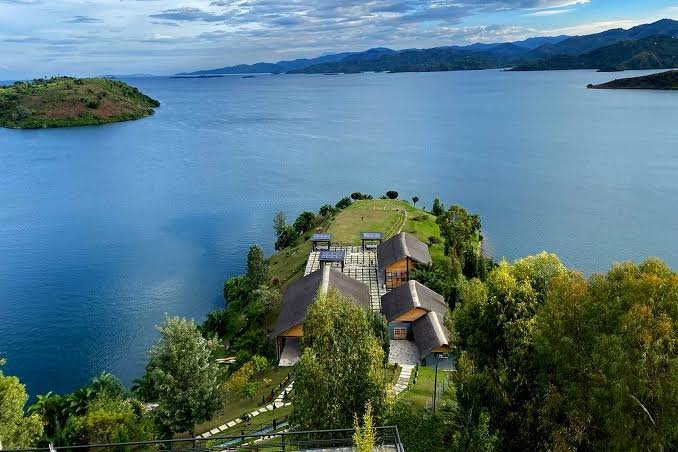
Lake Kivu can be enjoyed through boat trips, scenic viewpoints, relaxed lodge stays and exploration of Rwanda’s western region. Travellers can move between active forest experiences and quieter days by the water rather than making every day of the itinerary physically demanding. This makes the combination especially appealing to couples and luxury travellers.
The geographical relationship between southwestern Rwanda and the Lake Kivu corridor also allows a Nyungwe National Park Safari to fit naturally into a longer route north toward Volcanoes National Park. Visitors can therefore move progressively through western Rwanda while experiencing rainforest, lakeside scenery and volcanic landscapes instead of repeatedly returning to Kigali.
Combining Nyungwe With Gorilla Trekking and Akagera
A complete Rwanda wildlife journey can combine a Nyungwe National Park Safari with gorilla trekking in Volcanoes National Park and a Big Five safari in Akagera National Park. African Parks describes Nyungwe as part of Rwanda’s national three-park tourism route alongside Akagera and Volcanoes, reflecting the very different wildlife environments protected across the country.
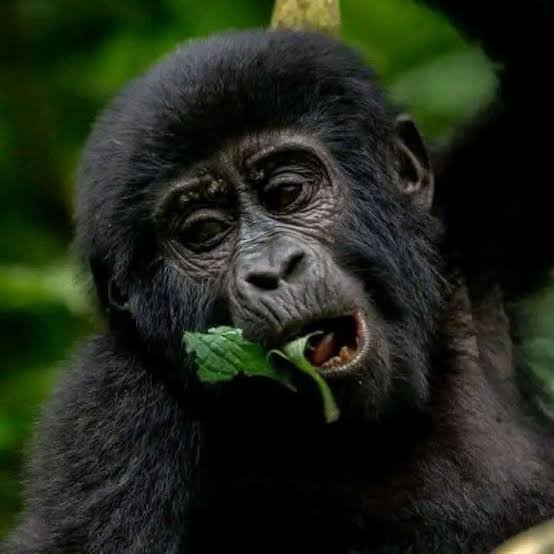
Akagera introduces open savannah, lakes and animals such as lions, elephants, rhinos, giraffes and buffaloes. Volcanoes National Park provides Rwanda’s famous mountain gorilla experience among the Virunga volcanoes. Nyungwe completes the journey with chimpanzees, colobus monkeys, forest birds and highland rainforest. Together, the three parks demonstrate how diverse Rwanda can be within a relatively small geographical area.
Travellers with enough time can therefore create a Nyungwe National Park Safari as part of a complete Rwanda wildlife circuit rather than treating each destination separately. Kigali and Lake Kivu can be incorporated between parks, creating a balanced itinerary combining wildlife, culture, scenery and relaxation.
Conservation and Community Impact in Nyungwe
Conservation is central to every Nyungwe National Park Safari because the forest protects biodiversity that is globally significant. In 2020, African Parks entered a 20-year management partnership with the Government of Rwanda through the Rwanda Development Board to support ecosystem restoration, tourism development, community engagement and long-term sustainability.
The importance of Nyungwe extends well beyond visitor experiences. The park contains exceptional concentrations of endemic species and supports critical watershed functions. Conservation teams monitor wildlife, including habituated chimpanzee and colobus populations, while camera-trapping and other scientific programmes improve understanding of less visible forest species.
Communities around the forest are also connected to conservation through employment, education and enterprise programmes. African Parks reports support for numerous community cooperatives involved in activities such as guiding, beekeeping and other sustainable livelihoods. This means tourism generated through a Nyungwe National Park Safari can contribute to a wider model in which protecting the forest also creates opportunities for surrounding communities.
Plan Your Nyungwe National Park Safari With Visit Rwanda Safaris
Planning a Nyungwe National Park Safari requires careful consideration of travel time, activity schedules, accommodation and physical ability. Chimpanzee trekking often requires an early start, while canopy experiences and longer hikes need to be arranged so that the itinerary remains comfortable rather than overloaded. Good planning becomes even more important when Nyungwe is being combined with other national parks.
Visit Rwanda Safaris can design the journey according to the number of days available, preferred accommodation level and activities that interest you most. Your itinerary can focus primarily on chimpanzee trekking or expand to include colobus tracking, birdwatching, forest hiking, the canopy walkway, waterfalls and other adventure experiences.
A Nyungwe National Park Safari can also become part of a longer personalised Rwanda journey incorporating Lake Kivu, Volcanoes National Park, Kigali and Akagera National Park. The aim is to create a logical and comfortably paced route where each destination adds something different to the overall experience.
Frequently Asked Questions About Nyungwe National Park Safari
1. What is a Nyungwe National Park Safari?
A Nyungwe National Park Safari is a rainforest and primate-focused safari experience in southwestern Rwanda. It typically includes activities such as chimpanzee trekking, colobus monkey tracking, birdwatching, forest hiking, canopy experiences, waterfalls, and scenic exploration of Nyungwe’s ancient Afromontane forest.
2. What can I see during a Nyungwe National Park Safari?
During a Nyungwe National Park Safari, travellers may see chimpanzees, Rwenzori black-and-white colobus monkeys, L’Hoest’s monkeys, forest birds, butterflies, orchids, waterfalls, and other rainforest wildlife. Nyungwe is especially known for its rich primate and bird diversity.
3. Is chimpanzee trekking included in a Nyungwe National Park Safari?
Chimpanzee trekking is one of the most popular activities during a Nyungwe National Park Safari. Visitors join experienced guides and trackers to search for habituated chimpanzees in the forest, although sightings depend on natural conditions and cannot be guaranteed.
4. How many days are recommended for a Nyungwe National Park Safari?
A Nyungwe National Park Safari of about two to three nights works well for many travellers. This allows time for chimpanzee trekking and another major activity such as the canopy walkway, colobus tracking, birdwatching, or a forest hike without making the itinerary feel rushed.
5. What is the best time for a Nyungwe National Park Safari?
A Nyungwe National Park Safari can be enjoyed throughout the year. Drier periods can make forest trails easier to walk, while wetter months create lush scenery, dramatic mist, and excellent photographic conditions. Rain gear and suitable hiking shoes are useful in every season.
6. Can I combine a Nyungwe National Park Safari with gorilla trekking?
Yes, a Nyungwe National Park Safari combines very well with gorilla trekking in Volcanoes National Park. Travellers can experience chimpanzees and rainforest wildlife in Nyungwe before continuing north for mountain gorilla trekking in the Virunga Mountains.
7. Is the canopy walkway part of a Nyungwe National Park Safari?
Yes, the canopy walkway is one of the signature experiences that can be added to a Nyungwe National Park Safari. It allows visitors to walk high above a forested ravine and enjoy remarkable views across the rainforest canopy and surrounding hills.
8. Is a Nyungwe National Park Safari good for birdwatching?
Yes, a Nyungwe National Park Safari is excellent for birdwatching. The park protects hundreds of bird species, including several Albertine Rift endemics, making it one of Rwanda’s most important destinations for both specialist birders and general nature enthusiasts.
9. Can I combine a Nyungwe National Park Safari with Lake Kivu?
Yes, a Nyungwe National Park Safari can easily be combined with Lake Kivu. After chimpanzee trekking and forest activities, travellers can continue to the lakeshore for boat trips, beautiful scenery, relaxation, and a slower pace before continuing through Rwanda.
10. How do I book a Nyungwe National Park Safari?
To book a Nyungwe National Park Safari, share your preferred travel dates, number of guests, accommodation level, and activities with Visit Rwanda Safaris. Your itinerary can be customised to include chimpanzee trekking, canopy experiences, hiking, birdwatching, Lake Kivu, gorilla trekking, or other Rwanda destinations.
Book Your Nyungwe National Park Safari
If chimpanzees, ancient rainforest, primates, hiking and dramatic mountain scenery appeal to you, a Nyungwe National Park Safari deserves a central place in your Rwanda itinerary. The combination of wildlife and adventure creates an experience that is very different from both traditional savannah safaris and mountain gorilla trekking.
Share your preferred travel dates, number of guests, accommodation preferences and the activities you would like to experience with Visit Rwanda Safaris. Your journey can then be personalised around the amount of time available and combined with private transportation, carefully selected accommodation and professionally arranged park activities.
Whether you are planning a short primate adventure or a complete Rwanda wildlife circuit, a Nyungwe National Park Safari can introduce you to one of Africa’s most extraordinary rainforest environments. With thoughtful planning, your journey can combine chimpanzees, forest walks, canopy adventures, birdlife and beautiful scenery while remaining relaxed and comfortably paced.