

How Much Is a Rwanda Tourist Visa? Complete 2026 Cost Guide
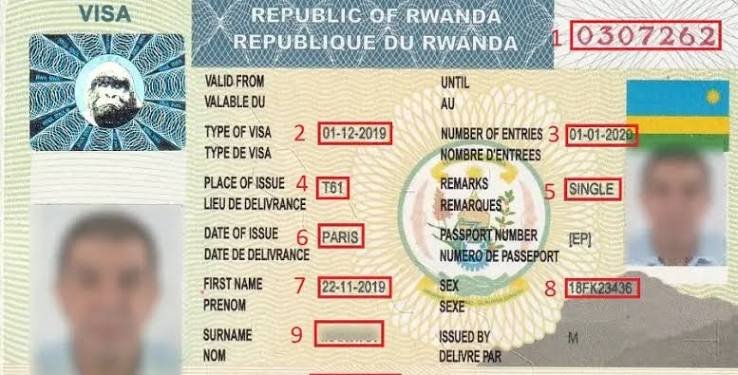
How Much Is a Rwanda Tourist Visa? For an international traveller who requires Rwanda’s standard holiday visitor visa, the current official fee is USD 50 for a single-entry tourist visa and USD 70 for a multiple-entry tourist visa. The single-entry holiday visa is generally valid for 30 days, while the multiple-entry version is valid for 90 days. However, not every traveller visiting Rwanda needs to pay these amounts because Rwanda has an extensive visa-waiver system covering citizens of certain countries and members of regional and international organisations. Nationals of countries covered by Rwanda’s visa-waiver arrangements, including qualifying African Union, Commonwealth and La Francophonie countries, can receive free entry under the applicable conditions, while citizens of East African Community partner states receive free entry for up to six months. Rwanda also grants 90-day visa-free entry to citizens of a separate group of countries. This means the real cost of a Rwanda tourist visa depends not only on the type of trip being planned but also on the passport the traveller will use to enter the country.
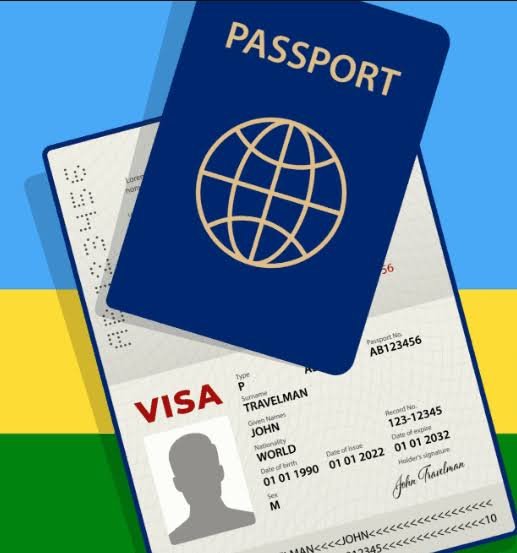
Rwanda has intentionally created a relatively accessible immigration system for tourism. Since January 2018, citizens of all countries have been allowed to obtain a visa upon arrival without completing a prior visa application, meaning a traveller who is not visa exempt does not ordinarily need to visit a Rwandan embassy simply to arrange a standard holiday visa before departure. The visa can be issued upon arrival at Kigali International Airport or at Rwanda’s recognised land borders, while visitors who prefer to organise their immigration documents before travelling can also apply online or through a Rwandan diplomatic mission. Rwanda Immigration states that visa fees for visitors who are not exempt should not exceed USD 50 for a single-entry visa or USD 70 for a multiple-entry visa.
Understanding the price before booking a Rwanda safari is useful because visa expenses are usually only a small part of the overall journey. A traveller may spend considerably more on international flights, gorilla trekking permits, accommodation, safari transportation and national park activities than on immigration. Nevertheless, knowing exactly which visa category applies prevents unnecessary payments to unofficial agents and makes budgeting more accurate. Someone planning a straightforward seven-day gorilla safari may need only a 30-day single-entry holiday visa, while a traveller entering Rwanda more than once may need a multiple-entry arrangement or may find the East Africa Tourist Visa more appropriate. The visa should therefore be selected according to the structure of the actual itinerary rather than simply choosing the cheapest option.
What Does a Standard Rwanda Tourist Visa Cost?
The standard Rwanda holiday visitor visa costs USD 50 for single entry when the traveller does not qualify for a visa waiver. Rwanda Immigration describes this visa as being intended for foreigners entering the country for holidays, sightseeing, social visits, recreational travel or other short-term reasons that do not involve employment. The visa can be obtained on arrival, online, through the immigration authorities or at an appropriate Rwandan diplomatic mission. A genuine acceptable travel document valid for at least six months is required. The USD 50 single-entry version is valid for 30 days and allows the visitor to enter Rwanda once during the authorised period.
For many ordinary safari visitors, the USD 50 visa is sufficient. A traveller arriving in Kigali, visiting Akagera National Park, continuing toward Nyungwe National Park, spending time beside Lake Kivu and ending with gorilla trekking in Volcanoes National Park can complete a comprehensive Rwanda itinerary well within the 30-day validity period. A visitor who enters Rwanda once and remains inside the country until departure normally has little reason to pay extra for a multiple-entry visa unless the trip includes movement into another country followed by a return to Rwanda.
The important distinction is between visa validity and the actual length of the holiday. Paying USD 50 does not mean the traveller is expected to stay for 30 days. It means the immigration permission can allow a stay within the authorised 30-day period. Someone visiting Rwanda for only four nights may pay the same standard fee as someone remaining for three weeks if both use the same single-entry holiday visa category and neither qualifies for a waiver.
How Much Is a Multiple-Entry Rwanda Tourist Visa?
Rwanda’s multiple-entry holiday visa currently costs USD 70 and can be valid for 90 days. The main advantage is that the visitor can enter Rwanda more than once while the visa remains valid, subject to the conditions of the visa. This can be useful when Rwanda forms part of a wider African journey rather than being the only destination.
Imagine a traveller who flies into Kigali, spends several days in Rwanda, crosses into Uganda for gorilla trekking or a wildlife safari and later returns to Kigali for an international flight home. If the traveller is using a standard paid Rwanda visa and leaves the country after entering on a single-entry visa, that original single-entry permission cannot simply be treated as a multiple-entry visa. Choosing the correct visa structure before the first border crossing prevents confusion when returning.
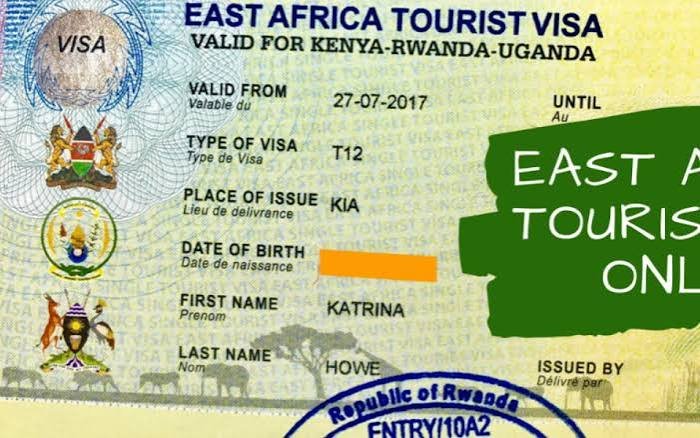
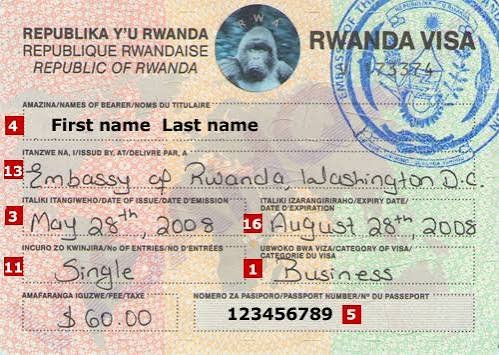
The USD 70 fee is only USD 20 more than the standard USD 50 single-entry visa, so a multiple-entry visa may offer better value when repeated entries are genuinely required. However, travellers combining Rwanda with Uganda and Kenya should also compare this option with the East Africa Tourist Visa because the regional visa can sometimes provide a more appropriate solution for multi-country tourism.
Why Some Tourists Pay Nothing for a Rwanda Visa
One reason online discussions about Rwanda visa prices sometimes appear contradictory is that different travellers genuinely pay different amounts. One person may report paying USD 50 at Kigali International Airport while another says entry was completely free. Both experiences can be correct because Rwanda’s immigration system includes several visa-waiver arrangements.
Rwanda Immigration states that citizens of countries belonging to the African Union, Commonwealth and La Francophonie can receive visas upon arrival and have the visa fee waived for a visit of 30 days. Under this arrangement, an eligible traveller can enter Rwanda for the authorised visit without paying the standard USD 50 holiday visa charge.
This is particularly important for travellers researching their budget because many online visa-processing websites present paid visa services without first making it obvious that the traveller may qualify for free entry. A visitor should therefore check the official Rwanda Immigration rules applicable to their passport before paying a third party. The fact that a visa agent is willing to charge for an application does not necessarily mean a visa fee is actually required by Rwanda.
Rwanda Immigration explicitly warns that there is no single affiliated agent authorised to apply for visas on a traveller’s behalf and that agents may mislead visitors or charge more than the official visa fee. For an ordinary tourist, consulting the official immigration system directly is one of the simplest ways to avoid unnecessary expenses.
Rwanda Visa Costs for African Union Travellers
Citizens of African Union member countries are among the travellers benefiting from Rwanda’s more open entry policy. Under the current arrangement, qualifying nationals can receive entry upon arrival with the visa fee waived for a 30-day visit.
This policy supports Rwanda’s position as an accessible African tourism and business destination. It also simplifies regional safari planning because visitors from many African countries do not need to budget the standard USD 50 paid visa for an ordinary short visit.
Travellers should nevertheless remember that a waived visa fee does not mean immigration formalities disappear. Visitors still need an acceptable travel document and must satisfy the conditions applying to the entry permission. Rwanda’s visitor visa information states that travel documents should generally be valid for at least six months.
The distinction matters because visa-free or fee-free travel is sometimes misunderstood to mean that a passport approaching expiry will still be accepted. Immigration privileges affect the visa fee and stay arrangements; they do not remove basic document requirements.
Rwanda Visa Costs for Commonwealth Travellers
Qualifying Commonwealth citizens can also benefit from Rwanda’s 30-day visa fee waiver. This means many travellers from Commonwealth countries can arrive in Rwanda and receive the relevant entry permission without paying the USD 50 standard tourist visa charge.
For tourism, this can make Rwanda considerably easier to include in a wider African itinerary. A traveller from an eligible Commonwealth country planning a one-week gorilla safari, for example, may have no Rwanda visa fee to add to the safari budget. The visitor will still need to pay for flights, accommodation, gorilla permits, transportation and other travel services, but the immigration cost may effectively be zero.
The important step is confirming eligibility according to the passport being used. Dual nationals should particularly consider which passport they will present at entry because visa privileges are based on the traveller’s actual travel document and nationality status.
Rwanda Visa Costs for La Francophonie Countries
Nationals of qualifying La Francophonie member countries are similarly included in Rwanda’s current 30-day visa-fee waiver arrangement. They can receive visas upon arrival without paying the ordinary visitor fee for the covered visit.
This reflects Rwanda’s wider international relationships and the country’s position within both English-speaking and French-speaking international institutions. For travellers, the practical meaning is simple: before assuming that Rwanda tourism requires a USD 50 visa, check whether your nationality qualifies for one of these waiver arrangements.
The existence of overlapping memberships also means that a traveller may qualify through more than one international organisation, but this does not create multiple additional periods of entry. The visitor is simply processed under the applicable immigration framework.
East African Community Citizens and Rwanda Visa Costs
Citizens of East African Community partner states receive one of the most favourable entry arrangements. Rwanda Immigration states that EAC citizens are issued an entry pass or visa free of charge upon arrival and can remain for up to six months.
This arrangement is particularly important for regional travel between Rwanda and neighbouring or partner countries. Someone travelling from Uganda, Kenya, Tanzania or another qualifying East African Community state does not face the same standard tourism visa cost as a traveller whose nationality falls outside Rwanda’s exemption arrangements.
For the regional tourism industry, this makes short cross-border holidays more accessible. Travellers can combine Kigali, Lake Kivu, Akagera or Rwanda’s cultural attractions with destinations elsewhere in East Africa while benefiting from regional mobility policies.
As with other visa-free arrangements, travellers still need appropriate identification or travel documentation and must complete border procedures. Free entry should never be interpreted as permission to bypass immigration.
Which Travellers Receive 90 Days Visa Free?
Rwanda also grants 90-day visa-free entry to citizens of a specific group of countries. Current official immigration information identifies Angola, Benin, Central African Republic, Chad, Côte d’Ivoire, Democratic Republic of the Congo, the Federation of Saint Christopher and Nevis, Ghana, Guinea, Indonesia, Haiti, Mauritius, the Philippines, Senegal, Seychelles, Sierra Leone, São Tomé and Príncipe, Singapore and Qatar among the countries benefiting from this arrangement.


For citizens of these countries, the answer to How Much Is a Rwanda Tourist Visa? may effectively be zero for the qualifying 90-day visit. This makes Rwanda particularly accessible for longer tourism stays, family visits and extended travel, although the entry status should still be used for permitted purposes and not assumed to authorise employment.
Because bilateral agreements and visa regimes can change over time, travellers should always verify the current official list before departure. A tourism website can explain the existing framework, but an immigration authority remains the final source when a traveller is about to cross the border.
How Much Is the East Africa Tourist Visa?
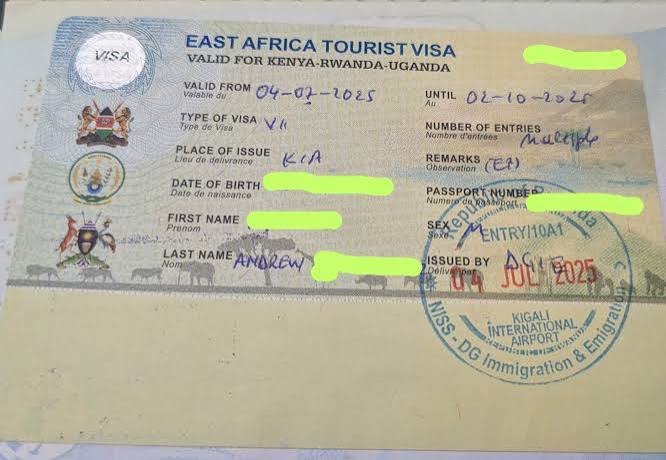
The East Africa Tourist Visa currently costs USD 100 and is designed for travellers who want to visit Rwanda, Uganda and Kenya during the same tourism journey. Rwanda Immigration states that this visa is valid for 90 days and allows multiple entry while the traveller remains within the three participating countries.
The USD 100 price can represent good value for certain regional itineraries. Someone planning to enter Rwanda, cross into Uganda and later continue to Kenya may find the East Africa Tourist Visa easier than arranging separate national tourism visas, depending on nationality and the specific visa rules that would otherwise apply.
The regional visa should not automatically be purchased simply because the traveller intends to visit two or three East African countries. Travellers who already qualify for visa-free entry in one or more participating countries should compare the actual costs before deciding whether USD 100 provides an advantage.
When the East Africa Tourist Visa is obtained before travel, Rwanda Immigration states that the traveller’s first entry point should be the country through which the visa was applied for. Someone applying through Rwanda should therefore enter the regional tourism area through Rwanda first.
The visa allows multiple entry within Rwanda, Uganda and Kenya while the traveller stays within the participating regional arrangement, but it is designed for tourism and does not permit work. A visitor intending to undertake employment or other activities requiring a different immigration status should not use the East Africa Tourist Visa as a substitute.
Is the USD 100 East Africa Tourist Visa Cheaper Than Separate Visas?
Whether the East Africa Tourist Visa saves money depends on nationality and the itinerary. A traveller who would otherwise need paid tourism visas for several of the participating countries may find USD 100 attractive, especially when the journey involves repeated border crossings. Someone who qualifies for free entry into Rwanda and another participating country may find that purchasing the regional visa does not create the same financial benefit.
The correct calculation should therefore begin with the traveller’s passport rather than the number of countries on the itinerary. Visa costs across East Africa are shaped by nationality, visa waivers and bilateral agreements.
It is also important to consider convenience rather than price alone. Even when the savings are modest, having one regional visa can simplify a safari involving several borders. Conversely, a traveller visiting only Rwanda and Uganda once each may decide that separate entry arrangements are simpler depending on eligibility.
How Much Is a Rwanda Group Tourist Visa?
Rwanda also maintains a specialised group tourist visa category for groups of four to ten tourists. Current Rwanda Immigration information lists the group tourist visa fee as USD 150, with the visa issued for a single entry and valid for 30 days. The group visa can be applied for online or through a Rwandan diplomatic mission and may be issued at the point of entry upon presentation of prior approval from the Directorate General.
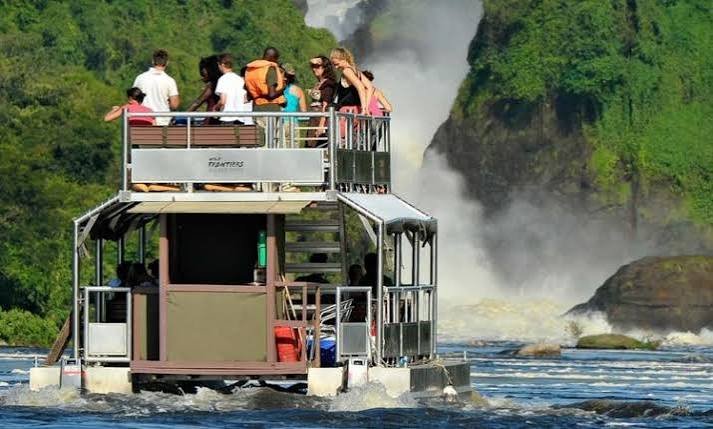
This category should not be confused with simply calculating USD 50 per person for a standard holiday visa. It is a separate immigration class with its own requirements. Travellers participating in an organised group should therefore confirm whether the safari company is using the group category or whether each traveller will enter under an individual visa or waiver arrangement.
The group option may be useful in specific circumstances, but it is not automatically the cheapest solution. If several members of the group qualify for free entry because of their nationality, using the specialised group visa might not make financial sense. The tour organiser should evaluate the immigration status of each participant before selecting the visa structure.
How Much Is a Rwanda Transit Visa?
A traveller passing through Rwanda rather than visiting for a normal holiday may require a transit visa. Rwanda Immigration currently lists the standard transit visa fee as USD 30, with the visa valid for a period not exceeding 72 hours. Nationals of countries covered by Rwanda’s visa-waiver arrangements, including qualifying African Union, Commonwealth and La Francophonie countries, can receive the transit visa free of charge under the applicable conditions.
The transit category should not be confused with a normal tourist visa. A traveller who wants to leave Kigali International Airport, spend several days exploring the city and then continue on to another destination may need an ordinary visitor visa rather than relying on a transit permission intended only for a short connection.
Whether a passenger needs formal immigration permission during an airline connection can also depend on baggage arrangements and whether the traveller leaves the international transit area. Anyone with an unusual connection should confirm requirements with the airline and Rwanda Immigration before departure.
Does Rwanda Charge More for Visa on Arrival?
Rwanda’s visa-on-arrival policy does not mean travellers should expect an inflated airport price simply because they did not apply in advance. Rwanda Immigration states that visa fees should not exceed USD 50 for a single-entry visa or USD 70 for a multiple-entry visa under the applicable standard visitor framework.
This is important because travellers sometimes worry that obtaining a visa at the airport will be considerably more expensive than applying online. Under Rwanda’s official policy, the visa fee is determined by the visa category rather than by an arbitrary last-minute surcharge imposed because the traveller chose arrival processing.
Online applications remain available for travellers who prefer advance approval. Rwanda Immigration also notes that people applying online may have the option to pay online or upon arrival.
The bigger financial risk comes from unofficial visa-processing websites rather than the official visa-on-arrival system. A third-party company may add service fees that make a USD 50 official visa appear significantly more expensive.
Can I Pay for My Rwanda Tourist Visa Online?
Travellers applying through Rwanda’s official online immigration system can complete their application before departure, and the government states that applicants may have an option to pay online or upon arrival.
This flexibility is useful for travellers who want their administrative arrangements completed before flying. Some visitors prefer to pay everything possible before departure so that the arrival process feels simpler, while others prefer visa on arrival because it requires less advance administration.
Whichever approach is chosen, applicants should use official Rwanda government channels. Searching online for “Rwanda tourist visa” may produce commercial visa services that look official but charge substantial processing fees. The actual government visa prices remain the appropriate benchmark when deciding whether an outside service is charging reasonably.
Why Do Some Websites Quote Higher Rwanda Visa Prices?
Tourists frequently encounter websites offering Rwanda visa assistance at prices well above the official immigration charge. This can happen because the company adds processing, administration, document review or service charges to the government fee.
Using such a service is not automatically illegal, but travellers should understand what they are paying for. Rwanda Immigration explicitly warns that there is no single affiliated agent officially authorised to submit visa applications on behalf of visitors and that agents may charge more than the required visa fees.
For someone simply visiting Rwanda for tourism and eligible for visa on arrival, paying a substantial third-party service fee may provide little practical benefit. The traveller may be able to obtain the visa directly at Kigali International Airport or submit an official online application without paying an unnecessary intermediary.
The risk becomes particularly obvious when the traveller actually qualifies for visa-free entry. An eligible Commonwealth, African Union or La Francophonie citizen could pay a commercial agent even though Rwanda itself would waive the visa fee for the applicable 30-day visit.
What Is Included in the Rwanda Tourist Visa Fee?
The tourist visa fee pays for immigration permission to enter Rwanda under the authorised visitor status. It does not include accommodation, transportation, national park entrance, travel insurance, gorilla trekking permits or any other tourism service.
This distinction may sound obvious, but travellers occasionally confuse a tourism visa with activity permits. A USD 50 Rwanda holiday visa does not provide entry into Volcanoes National Park, and it certainly does not include a mountain gorilla trekking permit. The gorilla permit is a completely separate tourism and conservation charge.
Likewise, paying for a Rwanda visa does not include airport transfers, domestic transportation or assistance from a safari company. These services form part of the travel package rather than immigration.
The visa should therefore occupy a relatively small line in the overall Rwanda holiday budget. For many safari travellers, wildlife activities and accommodation will be far more significant expenses.
Is a Rwanda Tourist Visa Refundable?
Travellers applying for visas should generally treat immigration fees as administrative costs rather than assuming they will automatically receive a refund if travel plans change. Refund policies can depend on the specific circumstances and application stage, so travellers should verify the current official terms when applying.
This is another reason to avoid purchasing an unnecessary visa before checking whether the passport qualifies for free entry. Once a payment has been made through an unofficial service, recovering the fee may become especially difficult because the traveler’s agreement may be with the commercial processor rather than Rwanda Immigration.
Travellers whose trip is cancelled because of illness, airline disruption or another insured event should also check whether visa costs are covered by their travel insurance policy.
How Long Does the USD 50 Rwanda Visa Last?
The standard USD 50 single-entry holiday visa is valid for 30 days. This duration is long enough for the vast majority of conventional Rwanda safari itineraries.
A three-day gorilla trek from Kigali, a seven-day Rwanda wildlife itinerary, a ten-day journey combining Volcanoes, Lake Kivu and Nyungwe or a two-week comprehensive Rwanda safari can all fit comfortably inside a 30-day visitor period.
The validity period should still be checked when the visa is issued. Travellers should not rely solely on what they remember reading online. Immigration documentation or the entry record determines the authorised period applicable to the individual traveller.
How Long Does the USD 70 Multiple-Entry Visa Last?
Rwanda Immigration currently lists the multiple-entry holiday visa as valid for 90 days. Its main value lies in allowing the visitor to enter Rwanda more than once rather than simply offering a longer continuous holiday.
This structure can work well for business travellers combining tourism with regional movement, long multi-country holidays or visitors using Kigali as an international flight hub while travelling elsewhere in East Africa.
Travellers should still make sure every activity remains within the permitted purpose of the visa. A 90-day multiple-entry tourist visa does not become a work permit merely because it is valid longer than a single-entry holiday visa.
Can I Extend a Rwanda Tourist Visa?
Rwanda Immigration states that the standard visitor visa may be extended in exceptional circumstances. Visitors who need additional time should contact the Directorate General of Immigration and Emigration before the existing visa expires.
Travellers should not build an itinerary around the assumption that an extension will automatically be approved. If a person already knows before travel that the intended stay will exceed the standard single-entry period, selecting a more appropriate visa category from the beginning is generally safer.
Unexpected circumstances do occur. Illness, flight cancellations or family situations can force a traveller to remain longer than originally planned. In those situations, addressing immigration status before expiry is considerably better than simply overstaying.
Is the Rwanda Visa Cost Different for Gorilla Trekking Travellers?
No special premium tourist visa is charged simply because a visitor is travelling to Rwanda for mountain gorilla trekking. A tourist entering for gorilla trekking uses the same appropriate visitor immigration framework as someone coming for a conventional holiday.


The major additional cost is the gorilla permit, which is separate from the visa. Travellers should therefore calculate the immigration fee and wildlife permit independently when budgeting.
This separation actually makes planning easier. A traveller eligible for free entry to Rwanda may pay no visa fee while still purchasing the relevant gorilla permit and safari services. Another traveller on the same trek may pay USD 50 for a tourist visa because their passport does not qualify for a waiver. Both can participate in the same gorilla experience once their respective entry and park requirements are satisfied.
Does a Child Pay the Same Rwanda Tourist Visa Fee?
Visa rules for children depend on the travel document and nationality being used, and families should verify the applicable immigration status before departure rather than assuming an adult rule automatically applies in every situation.
Children travelling on their own passports should have sufficient passport validity and the correct immigration permission. Families should also remember that the cost of entering Rwanda is separate from the age restrictions associated with tourism activities.
A child may be legally permitted to enter Rwanda while still being too young for a particular national park experience. The entry visa simply governs lawful admission to the country.
How Much Should I Budget for Rwanda Immigration?
For a traveller who does not qualify for visa-free entry and plans a straightforward single-entry holiday, budgeting USD 50 for the tourist visa is generally appropriate under the current published fee structure.
Someone who knows they will leave Rwanda and return under a standard visitor arrangement should consider the USD 70 multiple-entry visa. A traveller planning a Rwanda, Uganda and Kenya circuit may consider the USD 100 East Africa Tourist Visa instead.
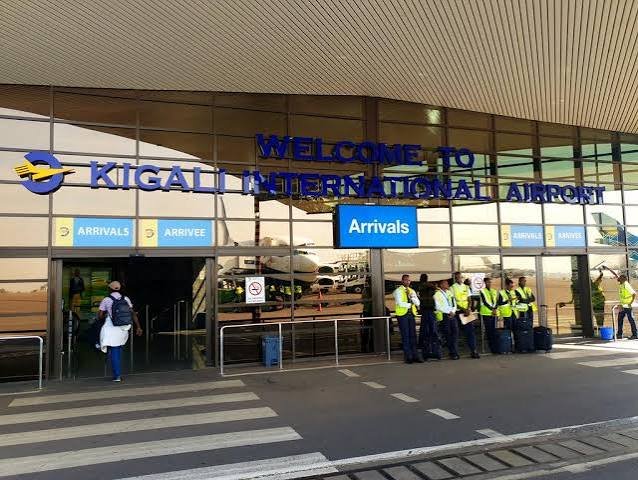
However, budgeting should always begin by checking whether the traveller owes anything at all. Many visitors qualify for free entry, so automatically adding USD 50 per person to every Rwanda safari quotation can overstate the immigration cost for certain clients.
Safari companies preparing quotations should therefore be careful when describing visa expenses. Visa fees are generally personal immigration expenses and vary by nationality, so a quotation may be clearer when it advises the client to confirm the fee applicable to their passport rather than presenting one amount as universal.
Does Passport Validity Affect the Visa Price?
Passport validity does not increase or reduce the visa fee, but it can determine whether the traveller is eligible to receive the visa at all. Rwanda’s visitor visa requirements state that the travel document should be valid for at least six months.
Someone arriving with insufficient passport validity cannot solve the problem simply by offering to pay a higher immigration fee. The passport and visa are separate requirements, and both must be satisfactory.
Checking passport expiry should therefore happen before spending money on the visa, international flights or non-refundable safari arrangements. Travellers who need a passport renewal should complete it early enough to ensure the new passport details can be used consistently across their bookings.
Does Yellow Fever Vaccination Change the Rwanda Visa Price?
Health requirements do not generally change the amount charged for the tourist visa, but they can affect whether a traveller satisfies Rwanda’s entry conditions. A visitor arriving from a yellow-fever-risk country may need the relevant vaccination documentation even if their visa is free.
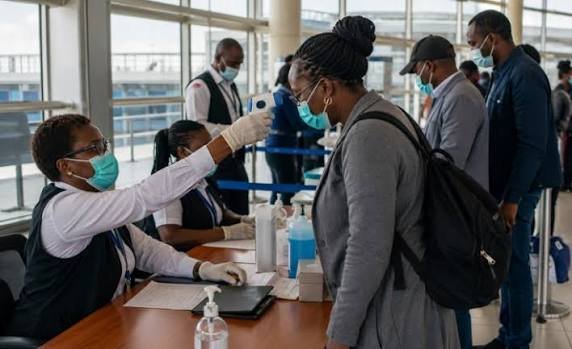
This means a traveller can qualify for zero visa fees but still need to spend money obtaining necessary medical preparation before the trip. Conversely, someone paying USD 50 for a Rwanda visa may not face the same vaccination requirement depending on their travel route.
Visa costs should therefore be considered one part of the broader entry budget rather than the only preparation expense.
How Much Does It Cost to Enter Rwanda From Uganda?
The cost depends primarily on nationality and the visa arrangement rather than the fact that the traveller is arriving from Uganda by road. Rwanda’s visa-on-arrival system applies at recognised land borders as well as Kigali International Airport, and citizens of all countries can use the arrival framework under the current policy.
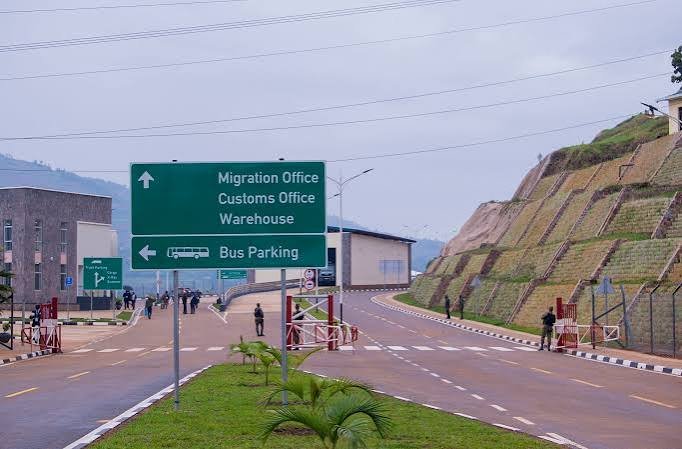
A traveller who requires the standard paid holiday visa may therefore pay the applicable USD 50 single-entry fee when entering Rwanda, while another traveller may enter without paying because their nationality qualifies for a waiver.
Travellers moving repeatedly between Uganda and Rwanda should examine whether a multiple-entry Rwanda visa or East Africa Tourist Visa provides better value.
How Much Does It Cost to Enter Rwanda Through Kigali International Airport?
The official tourist visa price does not become more expensive simply because the traveller arrives at Kigali International Airport. A standard non-exempt tourist requiring a single-entry visa currently faces the same official USD 50 holiday visa fee, while qualifying travellers may pay nothing under Rwanda’s waiver arrangements.
Kigali International Airport is simply the most common point of entry for international tourism. Travellers complete the relevant immigration procedures based on their nationality and visa status.
Visitors who have already applied online should have their documentation accessible, while those using the visa-on-arrival system should be prepared to follow the airport’s current payment and processing procedures.
Is Rwanda’s Tourist Visa Expensive Compared With the Safari?
For most travellers, the tourist visa represents a very small percentage of the total Rwanda holiday cost. A safari can include international airfare, private transportation, accommodation, national park activities, meals and specialised wildlife permits. Compared with these expenses, USD 50 or USD 70 is relatively modest.
The visa can feel even less significant on a longer itinerary because the same single-entry fee covers a visitor staying for several weeks within the authorised period. A traveller staying 14 days does not pay USD 50 for every week; the amount is the visa fee for the authorised single-entry visit.
This is another reason travellers should avoid allowing visa concerns to dominate their Rwanda planning. Once the passport category and entry arrangement are understood, immigration is usually one of the simpler parts of organising the holiday.
Why the Cheapest Visa Is Not Always the Best Choice
Choosing a visa solely according to the lowest initial fee can create problems if it does not match the itinerary. A USD 50 single-entry visa may appear cheaper than a USD 70 multiple-entry visa, but the cheaper choice may be unsuitable when the traveller plans to leave Rwanda and return.
Similarly, paying USD 70 for Rwanda multiple entry may not be the best solution for someone travelling extensively through Rwanda, Uganda and Kenya if the USD 100 East Africa Tourist Visa provides the regional access needed.
The correct visa is therefore the one that legally and efficiently supports the planned travel route. Saving USD 20 at the beginning is not worthwhile if it creates an immigration complication halfway through the holiday.
How to Avoid Paying Too Much for a Rwanda Tourist Visa
The simplest way to avoid unnecessary costs is to begin with Rwanda’s official immigration information rather than commercial visa-processing websites. Rwanda Immigration publishes its visitor visa fees and clearly explains the visa-waiver framework.
Travellers should first establish whether their nationality qualifies for free entry. If it does not, they can then determine whether a USD 50 single-entry visa, USD 70 multiple-entry visa or another category matches the trip.
Someone combining Rwanda, Uganda and Kenya can compare these options against the USD 100 East Africa Tourist Visa. The objective should be to pay the official amount appropriate to the itinerary, not simply whichever price appears first in an online search.
Travellers should also resist paying an agent merely because the website looks professional. Rwanda Immigration specifically warns that no single affiliated agent is officially authorised to apply on behalf of travellers.
Can Rwanda Visa Fees Change?
Yes. Visa policies are government regulations and can be updated. The amounts published by Rwanda Immigration in 2026 represent the current official framework, but travellers planning future journeys should reconfirm fees before departure.
Tourism websites should therefore state current prices clearly without implying that they are permanently fixed. A page can explain that the single-entry holiday visa is currently USD 50, but travellers should still verify the amount when they are ready to travel.
The same principle applies to visa-waiver lists. Diplomatic agreements and regional arrangements can expand or change, meaning a traveller who needed a paid visa previously may later qualify for free entry or vice versa.
Is a Rwanda Visa on Arrival More Convenient Than Applying Before Travel?
For ordinary tourism, visa on arrival is extremely convenient because Rwanda allows citizens of all countries to use the system. A traveller does not need to worry about mailing a passport to an embassy or waiting for a traditional visa sticker before departure.
The visitor can arrive at Kigali International Airport or a recognised land border and complete the appropriate entry process. Travellers who prefer advance organisation can still apply online, giving them a choice rather than forcing everyone into a single procedure.
Cost is generally not the main reason to choose between these options because the official visa category determines the government fee. Convenience and personal preference are usually more important.
How Much Is a Rwanda Tourist Visa for a 7-Day Safari?
A traveller requiring the standard paid single-entry holiday visa would still pay USD 50 even if the safari lasts only seven days. The visa is valid for up to 30 days, but the fee is not calculated according to the exact number of nights spent in Rwanda.
This is important for travellers taking short gorilla tours. Someone visiting Rwanda for three or four days should not expect a cheaper short-stay tourism visa simply because the itinerary is brief.
Likewise, a traveller spending 20 days inside Rwanda under the same eligible single-entry arrangement does not pay more simply because the stay is longer, provided it remains within the authorised validity period.
How Much Is a Rwanda Tourist Visa for a 30-Day Trip?
For a visitor who needs the standard single-entry holiday visa, the current fee remains USD 50 for a stay within the 30-day validity period.
This can make Rwanda attractive for slower travel. Visitors interested in spending several weeks combining Kigali, Akagera, Nyungwe, Lake Kivu, Volcanoes National Park and cultural destinations do not face escalating visa charges simply because they choose a more relaxed itinerary.
Travellers intending to stay beyond the authorised period need to examine extension possibilities or another visa category rather than assuming that an additional USD 50 automatically buys another month.
How Much Is a Rwanda Tourist Visa for a Couple?
For a couple whose passports both require the standard USD 50 single-entry holiday visa, the combined immigration cost would generally be USD 100. However, this simple calculation only applies if both travellers are subject to the same paid visa requirement.
If one or both travellers qualify for a waiver, the total could be lower or even zero. Couples holding passports from different countries should therefore check each traveller separately.
The same principle applies to families and groups. Visa costs should be calculated according to individual nationality and entry category rather than multiplying USD 50 by the number of passengers without checking exemptions.
How Much Is a Rwanda Tourist Visa for a Family?
A family’s visa cost depends on the passports held by the individual family members and the immigration category applied. Families of the same nationality may all fall under the same arrangement, while dual-national families can have different entry privileges among members.
This becomes important when preparing safari budgets. A family quotation should avoid stating that visa fees automatically amount to a fixed total without considering nationality.
Parents should also confirm passport validity for children early because child passports frequently have shorter validity periods than adult passports. The visa fee itself does not compensate for inadequate passport validity.
How Much Is a Rwanda Tourist Visa for Solo Travellers?
A solo traveller who requires the standard single-entry visa pays the same USD 50 official fee that an individual member of a couple would pay. Visa pricing is based on immigration status rather than whether someone is travelling alone.
Solo travel can make other parts of a Rwanda safari more expensive because the cost of a private vehicle and guide is not shared, but the government tourist visa itself does not carry a solo supplement.
A solo traveller qualifying for visa-free entry may pay nothing at all, making nationality rather than group size the primary factor.
Is the Rwanda Tourist Visa Worth Paying for?
For travellers who require a visa, the USD 50 single-entry charge is relatively modest compared with the experiences available during a Rwanda holiday. The country offers mountain gorilla trekking, chimpanzee tracking, traditional wildlife safaris, Lake Kivu, Kigali, rainforest hiking, cultural experiences and some of East Africa’s most distinctive landscapes.
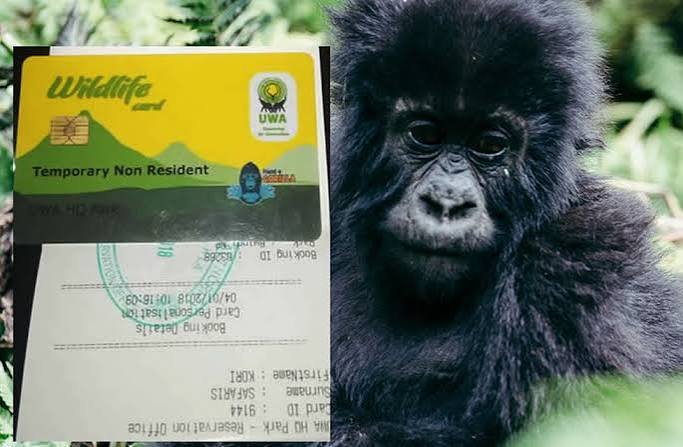
A visa is simply the legal gateway allowing the visitor to enter and experience those destinations. It should not be evaluated in the same way as an attraction ticket because its purpose is immigration rather than entertainment.
The strongest value comes from using the authorised stay intelligently. Someone travelling internationally to Rwanda may benefit from combining several destinations rather than flying in for only one night, especially when long-haul airfare represents a far larger expense than the visa.
How Much Is a Rwanda Tourist Visa in 2026?
How Much Is a Rwanda Tourist Visa in 2026? Under Rwanda’s current published immigration rules, the ordinary holiday visa costs USD 50 for single entry and USD 70 for multiple entries. The single-entry version is valid for 30 days and the multiple-entry version for 90 days.
However, these prices do not apply universally. Citizens of countries covered by Rwanda’s visa-waiver arrangements, including qualifying African Union, Commonwealth and La Francophonie countries, can receive entry without paying the standard fee for the applicable 30-day visit. East African Community citizens receive free entry for up to six months, while citizens of a separate group of countries receive 90 days visa free.
Travellers planning a combined Rwanda, Uganda and Kenya holiday can consider the East Africa Tourist Visa, which currently costs USD 100 and is valid for 90 days with multiple entry while the visitor remains within the participating three-country region.
A dedicated Rwanda group tourist visa also exists for qualifying groups of four to ten tourists and is currently priced at USD 150 under its own conditions. A standard transit visa costs USD 30 and allows a stay not exceeding 72 hours, with qualifying visa-waiver nationals exempt from that transit fee.
The result is that there is no single Rwanda visa price that accurately describes every traveller. USD 50 is the standard figure most relevant to a non-exempt tourist entering once for an ordinary holiday, but an individual traveller’s actual cost may be USD 0, USD 50, USD 70, USD 100 or another amount depending on nationality, itinerary and visa category.
Final Answer: How Much Is a Rwanda Tourist Visa?
How Much Is a Rwanda Tourist Visa? The clearest answer is that Rwanda’s standard single-entry holiday visa currently costs USD 50 for travellers who are not covered by a visa waiver. The visa is valid for 30 days and can be issued upon arrival, online or through other recognised immigration channels. A multiple-entry holiday visa currently costs USD 70 and is valid for 90 days.
Many visitors will not pay either amount because Rwanda has one of the more generous visa frameworks in the region. Eligible citizens of African Union, Commonwealth and La Francophonie countries receive fee-waived entry for 30 days, while East African Community citizens receive free entry for up to six months. Rwanda also grants 90-day visa-free admission to citizens of a designated group of countries.
Travellers planning a multi-country safari through Rwanda, Uganda and Kenya can consider the USD 100 East Africa Tourist Visa. Because it provides multiple entry within the participating three-country arrangement during its 90-day validity period, it can be particularly convenient for travellers who want to cross regional borders several times.
The most important step before paying anything is therefore to check the immigration rules that apply specifically to your passport. Do not assume that every international visitor must pay USD 50 simply because that is Rwanda’s standard holiday visa fee. Your nationality may qualify for a waiver, and paying a commercial visa agent before confirming this could result in unnecessary expense.
Travellers who do need to pay should use Rwanda’s official immigration channels whenever possible. Rwanda Immigration warns that there is no single authorised affiliated visa agent and that third-party agents can charge more than the official government fees. The official Rwanda system should therefore remain the primary reference for current pricing and eligibility.
Visitors should also remember that the tourist visa cost is only one element of the entry process. An acceptable travel document valid for at least six months is required for the ordinary visitor visa, and travellers must satisfy any other immigration or health requirements relevant to their journey. Paying USD 50 at the border does not compensate for an expired passport or missing documentation.
For most international safari travellers, however, Rwanda’s immigration cost is relatively straightforward and represents a small part of the total holiday budget. Whether the journey involves mountain gorilla trekking in Volcanoes National Park, game viewing in Akagera National Park, chimpanzee tracking in Nyungwe, relaxation beside Lake Kivu or exploring Kigali, understanding the visa cost in advance makes it easier to prepare an accurate travel budget and arrive in Rwanda with confidence.
The practical answer is therefore simple: expect USD 50 for a standard single-entry Rwanda tourist visa if your nationality is not exempt, consider USD 70 if you genuinely require multiple entry, and compare the USD 100 East Africa Tourist Visa when travelling through Rwanda, Uganda and Kenya. Before making any payment, check whether your passport qualifies for free entry because thousands of travellers covered by Rwanda’s regional and international visa-waiver arrangements do not need to pay the standard tourism visa fee at all.