
What Are the Entry Requirements for Rwanda? Complete 2026 Guide
What Are the Entry Requirements for Rwanda? Travellers planning to visit Rwanda should understand the country’s passport validity rules, visa arrangements, health documentation, vaccination requirements and immigration conditions before boarding their flight or approaching a land border. Rwanda has developed one of Africa’s comparatively straightforward visitor-entry systems because citizens of all countries can obtain a visa upon arrival, while many nationalities benefit from visa-free arrangements or special regional entry privileges. This makes Rwanda relatively accessible for international tourism, but visitors should not assume that being eligible for a visa on arrival means they can travel without preparing the necessary documents. A valid passport or other acceptable travel document, correct visa status, sufficient validity remaining on that document and compliance with any health requirements in force at the time of travel remain essential. Immigration regulations can also vary according to nationality, purpose of travel and intended length of stay, so travellers should always confirm their individual situation shortly before departure.
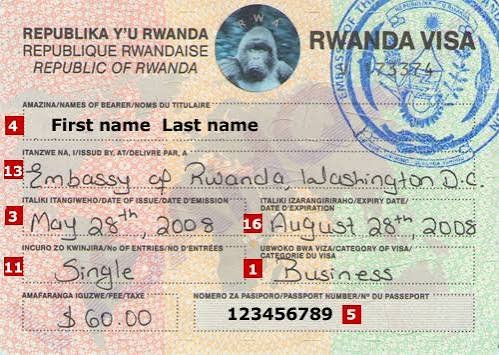
For most ordinary tourists arriving for a safari, gorilla trekking holiday, cultural journey, conference or short recreational visit, the process is considerably easier than in destinations requiring every visitor to obtain an embassy visa weeks in advance. Rwanda’s Directorate General of Immigration and Emigration confirms that citizens of all countries are permitted to obtain visas upon arrival without submitting a prior application. Travellers who prefer to organise their documentation before departure can still apply online through Rwanda’s government system or through an appropriate Rwandan diplomatic mission. The exact visa fee, period of stay and whether payment is required depend on the traveller’s nationality and visa category. Rwanda also operates special arrangements for East African Community citizens and for nationals of countries belonging to organisations such as the African Union, Commonwealth and La Francophonie. Understanding these distinctions is important because a traveller who qualifies for free entry should not unnecessarily pay an agent for a visa they can receive without charge.
Passport Requirements for Entering Rwanda
A valid passport or other recognised travel document is one of the fundamental entry requirements for Rwanda. Rwanda’s Directorate General of Immigration and Emigration states that applicants for visitor visas should hold a genuine acceptable travel document valid for no less than six months. Current British government travel guidance similarly advises travellers using British passports that the passport should expire at least six months after the date of arrival and should contain at least one blank page for immigration stamps. Although the exact format of travel documents may vary for certain regional travellers, most international tourists arriving from outside the East African Community should plan on travelling with a conventional passport meeting the six-month validity requirement.
This validity requirement should be checked when the trip is first planned rather than a few days before departure. A traveller whose passport still appears valid for several months may nevertheless fail Rwanda’s six-month requirement. Airlines can check immigration eligibility during departure procedures and may refuse boarding when a passenger’s documents clearly fail destination requirements. Renewing a passport shortly before international travel can also affect visas, frequent-flier records and existing reservations, so handling the issue early makes the journey considerably easier.
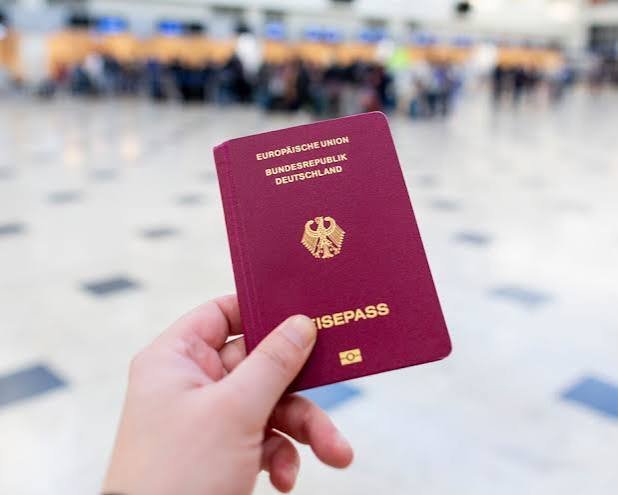
Travellers should also make sure that the passport they intend to use has not been reported lost or stolen. Current entry guidance warns that travellers can be denied entry when attempting to use an invalid travel document or a passport previously reported lost or stolen. This can become relevant when a traveller reports a passport missing, later finds it and assumes it can simply be used again. Once a document has been formally invalidated through reporting procedures, carrying the physical passport does not necessarily restore its validity.
Keeping electronic copies of the passport identification page can be useful during travel, although a digital copy does not replace the original passport at immigration. Copies can nevertheless simplify communication with an embassy, airline, police service or travel insurer if the original document is lost. Travellers crossing several borders during a Rwanda, Uganda and Kenya safari should pay particular attention to their passport because repeated immigration procedures mean it will be used frequently throughout the journey.
Can Everyone Get a Rwanda Visa on Arrival?
Rwanda currently permits citizens of all countries to receive a visa upon arrival. This policy has been in place since January 2018 and applies at Kigali International Airport as well as recognised land borders. Travellers therefore do not normally need to visit a Rwandan embassy before departure solely because their nationality is not visa exempt. Rwanda’s official immigration information clearly states that citizens of all countries can receive a visa on arrival without a prior application.
This does not mean every traveller enters under exactly the same financial and time conditions. Some nationalities receive visa-free entry for specific periods, others qualify for free entry because their countries belong to designated international organisations, and travellers not covered by such arrangements may need to pay the standard visa charge. The immigration officer determines the applicable status according to the traveller’s nationality, passport and purpose of entry.
For ordinary tourists who do need to pay, Rwanda’s current holiday visitor visa information states that a single-entry visa costs USD 50 and a multiple-entry visa costs USD 70. The single-entry holiday visa is valid for 30 days, while the multiple-entry option is valid for 90 days. Work is not permitted under the ordinary holiday visa because the category is intended for sightseeing, recreation, social visits and other short-term non-employment purposes.
Travellers who prefer to remove uncertainty before boarding their international flight can submit an online application before departure. Rwanda’s immigration authority states that applicants who apply online may have the option to pay online or upon arrival. Applying in advance can be convenient for visitors who prefer to arrive with approval documentation already available, although Rwanda’s visa-on-arrival policy means it is not universally compulsory for ordinary tourists.
Rwanda Visa-Free Entry Arrangements
Rwanda maintains several visa-waiver and special-entry arrangements that can make visiting the country even easier. Citizens of East African Community partner states receive particularly favourable treatment. Rwanda’s immigration authority states that East African Community citizens are issued a pass or entry permission free of charge upon arrival and may remain for up to six months. This regional framework is especially useful for citizens of neighbouring and partner countries who travel regularly for tourism, family, education or business-related reasons permitted under the relevant entry status.
Nationals of countries belonging to the African Union, Commonwealth and La Francophonie also benefit from important concessions. Rwanda currently provides eligible travellers from these organisations with visas upon arrival while waiving the visa fee for a 30-day visit. Because membership categories can overlap and individual bilateral agreements may create different conditions, travellers should verify their nationality against the latest information from Rwanda Immigration rather than assuming a general regional rule applies automatically.
Rwanda additionally maintains 90-day visa-free arrangements for citizens of a number of countries. The current immigration information includes countries such as Angola, Benin, Ghana, Indonesia, Mauritius, the Philippines, Senegal, Seychelles, Singapore and Qatar among those eligible for 90-day visa-free stays, together with several other states covered by Rwanda’s special visa regime. The important point for travellers is not to memorise the entire nationality list but to confirm which category applies to the passport being used for the journey.
Visitors should be especially cautious about third-party websites or unofficial agents charging unnecessary processing fees. Rwanda’s immigration authority specifically warns that there is no single authorised affiliated agent that travellers must use to obtain a visa and notes that some agents may charge more than the official fees. Applying directly through recognised government channels or obtaining the visa on arrival where eligible helps avoid unnecessary expenses and fraudulent websites.
Applying for a Rwanda Visa Before Travel
Although visa on arrival is available, some travellers still prefer to obtain their visa before departure. Rwanda allows eligible visitors to apply online through the government’s electronic immigration services or through a Rwandan diplomatic mission in their country of residence. The online option is particularly convenient for travellers who want documentation in advance, need a particular visa category or want to confirm arrangements before purchasing additional travel services.
Applicants should use official government platforms rather than advertisements appearing in search results that imitate government visa services. Unofficial websites may charge administrative fees far above the official visa price while simply submitting information that travellers could have entered themselves. The safest approach is to follow links provided directly by Rwanda’s Directorate General of Immigration and Emigration or another recognised Rwandan government authority.
When completing an online application, passport details should match the travel document that will actually be used to enter Rwanda. A traveller who applies using one passport and later arrives with another may experience delays because the visa record and passport number no longer correspond. This is particularly relevant to dual nationals who hold more than one passport.
How Long Can Tourists Stay in Rwanda?
The permitted period depends on the entry category under which the traveller is admitted. An ordinary paid single-entry holiday visa is currently valid for 30 days, while the multiple-entry visitor visa can be valid for 90 days. East African Community citizens can receive free entry for up to six months, while specific visa-waiver arrangements provide different periods for qualifying nationalities.

Travellers should never assume that the maximum theoretical period available to another nationality automatically applies to them. The immigration endorsement or visa issued at the border determines how long the traveller is legally permitted to remain. Visitors staying for extended periods should check their immigration status immediately after arrival rather than discovering shortly before departure that the authorised period was shorter than expected.
Rwanda permits extensions for some visa classes, but travellers should apply while the original visa remains valid. Immigration guidance also states that there is a five-day grace period after expiry during which a person may depart or renew without a penalty, but relying on that grace period as part of normal travel planning would be unwise. After that period, penalties can apply and a visa extension may be refused.
Tourists whose itinerary changes unexpectedly should therefore contact Rwanda Immigration before the existing permission expires. Extending legal stay in advance is considerably easier than attempting to explain an overstay at the airport during departure.
The East Africa Tourist Visa for Rwanda, Uganda and Kenya
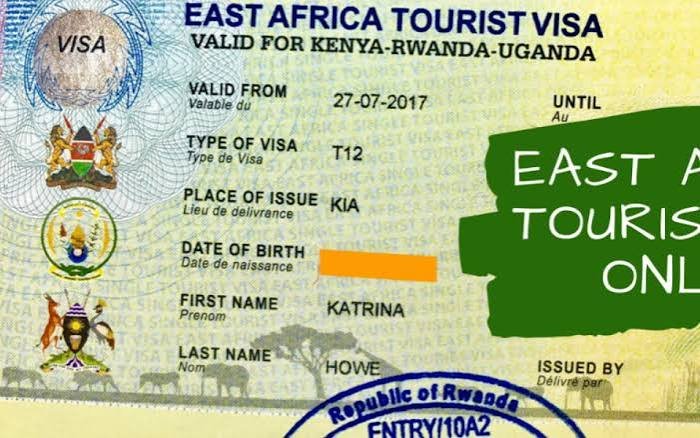
Travellers planning a multi-country East African safari should understand the East Africa Tourist Visa because it can simplify travel between Rwanda, Uganda and Kenya. Rwanda’s immigration authority states that visitors planning to travel simultaneously through the participating countries can apply for the East Africa Tourist Visa. The visa currently costs USD 100, is valid for 90 days and provides multiple entry within the participating countries while the traveller remains within the authorised regional arrangement.
This option can be particularly useful for safari travellers who begin in Kigali, cross into Uganda for gorilla trekking or wildlife safaris and later continue to Kenya. Instead of obtaining separate ordinary tourist visas for each country where required, the East Africa Tourist Visa can create a more streamlined regional itinerary.
An important rule concerns where the traveller first enters the region. Rwanda’s immigration guidance states that when the East Africa Tourist Visa is obtained before travel, the first entry should be through the country from which the visa was obtained. A traveller who applies through Rwanda should therefore design the itinerary so Rwanda is the first point of entry under that visa.
The East Africa Tourist Visa does not authorise employment. It is designed for tourism, and travellers intending to work, undertake paid employment or engage in activities outside the tourist category need the appropriate immigration status.
Do You Need Proof of Sufficient Funds to Enter Rwanda?
Rwanda’s immigration rules allow authorities to request evidence that a foreign visitor has sufficient financial resources to cover their stay. The official immigration guidance states that applicants must have sufficient funds for the costs of their stay and that evidence can be requested during an online application, at a Rwandan diplomatic mission or at the point of entry.
Most ordinary tourists with a clearly organised itinerary may never be asked to demonstrate their finances in detail, but travellers should nevertheless be capable of showing how their visit will be funded if requested. A combination of payment cards, available cash, confirmed accommodation and proof of prepaid safari services can help demonstrate that the visitor is genuinely able to support the proposed stay.
Visitors should not interpret this requirement as meaning they must carry large amounts of cash. Carrying excessive cash can create unnecessary personal-security risks. The requirement concerns financial capability rather than physically presenting the entire holiday budget at immigration.
Should You Carry Your Hotel Booking and Travel Itinerary?
Even when an accommodation voucher is not listed as a universal standalone requirement for every tourist visa category, carrying confirmation of where you will stay is sensible. Immigration officers may ask travellers about the purpose of their visit, intended destinations or accommodation arrangements, and being able to answer clearly helps demonstrate that the journey is genuine tourism.
A visitor arriving for gorilla trekking might therefore carry the name of the Kigali hotel, Volcanoes National Park lodge, safari operator contact information and onward itinerary. Digital confirmations stored on a phone are useful, but maintaining an offline copy is wise because travellers may not have mobile data immediately after landing.
The same principle applies to onward travel. Visitors should know the approximate departure date and route even when a return ticket is not explicitly demanded from every nationality under Rwanda’s general tourist visa information. Airlines may also impose documentary checks according to their own interpretation of destination immigration requirements.
Yellow Fever Vaccination Requirements for Rwanda
Yellow fever documentation is one of the most important health-related entry requirements travellers need to understand. Current health guidance states that Rwanda requires a yellow fever vaccination certificate for travellers over one year of age arriving from countries classified as having a risk of yellow fever transmission.
This means that the requirement depends partly on the traveller’s recent route rather than only nationality. A person holding a European, American or Asian passport could still require a certificate if arriving after travelling through a country considered a yellow-fever risk area. Travellers undertaking multi-country African safaris should therefore examine the entire itinerary when determining whether proof of vaccination will be necessary.
Under current international health regulations, a valid yellow fever vaccination certificate is considered valid for the lifetime of the vaccinated person. TravelHealthPro notes that certificates cannot be rejected simply because more than ten years have passed since vaccination became effective, reflecting the World Health Organization’s lifetime-validity framework.
Travellers should carry the original international vaccination certificate where required rather than relying entirely on a photograph stored on a phone. Entry officials may need to inspect the physical document. Anyone who cannot receive the vaccine for medical reasons should seek professional advice well before travel regarding exemption documentation and how Rwanda’s authorities may treat it.
Health Screening at Rwanda’s Borders Can Change
Health requirements can become stricter during regional disease outbreaks. Rwanda’s immigration authority explicitly states that vaccination documentation may be required at the border and that additional requirements can be introduced during a major disease outbreak.
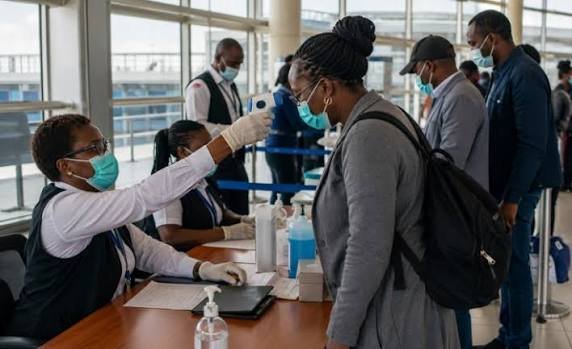
This is particularly relevant in 2026 because regional health developments in the Democratic Republic of the Congo have led Rwanda to introduce health-screening measures at Kigali International Airport and restrictions affecting parts of the DRC border. Current British government travel guidance notes that these measures are connected with an Ebola outbreak in DRC and may change at short notice.
Travellers should therefore perform a final health-entry check during the days immediately before departure, especially when combining Rwanda with the Democratic Republic of the Congo or travelling through another country experiencing an outbreak. A health form, temperature screening or additional border procedure may be introduced after an airline ticket and safari itinerary have already been booked.
The existence of regional health screening should not automatically be interpreted as meaning that all travellers face the same level of health risk. Entry measures are preventive tools and may apply broadly to passengers because authorities are attempting to detect and control infectious disease before transmission becomes established.
Travelling to Rwanda From a Yellow Fever Risk Country
Visitors arriving from countries where yellow fever transmission risk is recognised should make vaccination planning part of their pre-departure preparations. Because the vaccination may need time to become valid after initial administration, travellers should not postpone the issue until the day before departure.
A multi-country itinerary can create situations travellers overlook. Someone flying from Europe to Uganda, spending a week there and then crossing into Rwanda should consider Rwanda’s yellow-fever certificate requirement in relation to arrival from Uganda rather than simply thinking about the original departure country.
The vaccination certificate should remain with the passport or other key travel documents throughout the journey. Losing it halfway through a multi-country safari can cause unnecessary difficulty at later borders.
Entry Requirements When Arriving by Land
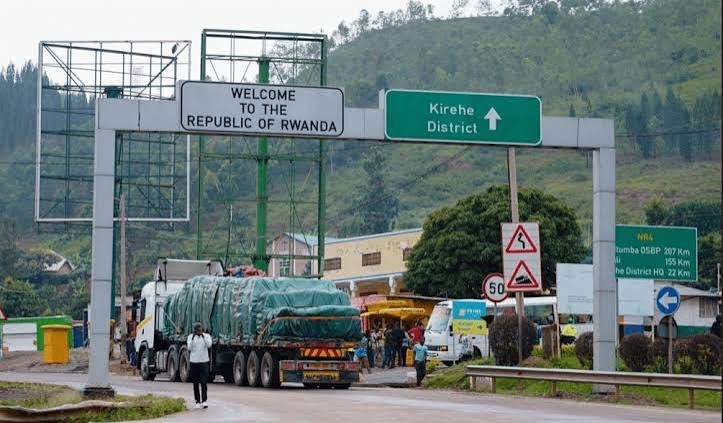
Rwanda’s visa-on-arrival framework applies not only at Kigali International Airport but also at recognised land borders. This makes Rwanda convenient for travellers arriving from Uganda or other neighbouring countries as part of an overland safari. Rwanda Immigration confirms that citizens of all countries can obtain visas upon arrival at Kigali International Airport and at land borders, subject to the appropriate visa conditions.
Travellers crossing by road should carry the same essential documentation expected at the airport, including an acceptable travel document meeting validity requirements and any relevant health certificate. The border official may also confirm the purpose of travel and intended length of stay.
Cross-border travellers should pay particular attention to the current security environment before choosing a crossing. Conditions along Rwanda’s border with the Democratic Republic of the Congo have been affected by conflict in eastern DRC, and current travel advisories contain stronger warnings for specific border areas. Border restrictions can also be introduced at short notice because of security or health developments.
Travellers should therefore distinguish between immigration eligibility and practical border availability. Having a passport and valid visa does not guarantee that every geographical crossing will be open or advisable on the intended travel date.
Entering Rwanda From Uganda
Rwanda and Uganda are frequently combined within gorilla trekking and wildlife itineraries. Travellers may fly into Kigali and cross by road toward Bwindi Impenetrable National Park or Mgahinga Gorilla National Park, or travel in the opposite direction after a Uganda safari.
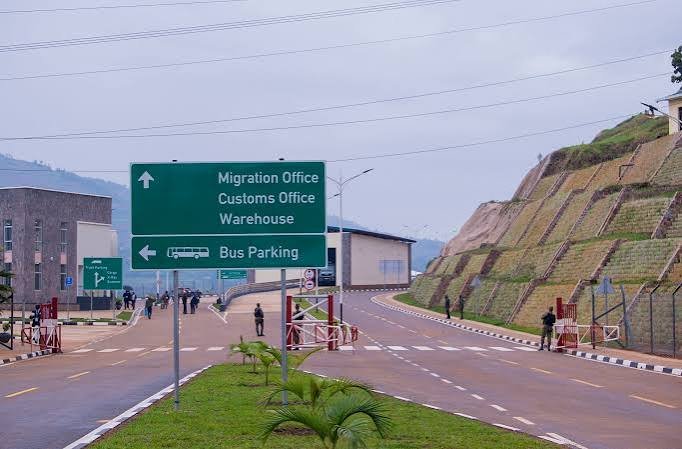
East African Community citizens benefit from regional entry privileges, while international visitors should ensure that their visa structure allows the intended movements. Travellers using separate national visas should confirm whether leaving Rwanda terminates a single-entry permission and whether another visa will be necessary when returning.
This is one of the situations where the East Africa Tourist Visa can become particularly useful because it is designed for multiple entry within Rwanda, Uganda and Kenya during its validity period.
Entry Requirements for Children Travelling to Rwanda
Children travelling internationally require valid documentation appropriate to their nationality. Families should check passport validity carefully because children’s passports often have shorter validity periods than adult passports and can therefore approach expiry unexpectedly.
Parents travelling alone with children should also verify whether their airline, transit country or country of nationality requires additional documentation such as consent from the other parent. Such requirements may arise from airline procedures or the laws of another jurisdiction even when they are not part of Rwanda’s standard tourism visa conditions.
Families planning gorilla trekking should understand that immigration entry and national park eligibility are separate issues. A child may legally enter Rwanda as a tourist but still be too young to participate in gorilla trekking. Rwanda’s gorilla trekking minimum age is 15, so families travelling with younger children should plan alternative activities even though the child can visit Rwanda normally.
Entry Requirements for Business and Conference Travellers
Tourists should ensure they enter under a category appropriate to the purpose of their stay. Rwanda maintains specific visa categories for conferences, meetings, business surveys, medical treatment and other purposes in addition to ordinary holiday travel.
The conference and meeting category is intended for foreigners entering Rwanda for conferences, workshops, meetings and related events. Rwanda Immigration currently lists a fee of USD 50 for applicable applicants, while qualifying nationals covered by certain visa-waiver arrangements may enter free of charge. The visa is normally valid for 30 days.
A visitor entering under an ordinary holiday visa should not assume that this authorises employment. Rwanda’s immigration information clearly states that work is not permitted under the holiday visitor visa or the East Africa Tourist Visa.
Travellers visiting Rwanda specifically to take employment should therefore research the relevant permit and residence requirements rather than attempting to use a tourist visa as a substitute.
Transit Requirements Through Rwanda
Some travellers pass through Kigali International Airport while travelling elsewhere in Africa. Whether a transit visa is necessary depends on the traveller’s nationality, visa-waiver status and whether they formally enter Rwanda.

Rwanda Immigration provides a transit visa category for travellers transiting through Rwanda. The standard transit visa can be issued upon arrival or through other authorised channels, costs USD 30 for applicants who are not exempt and is valid for up to 72 hours. Nationals qualifying under Rwanda’s relevant visa-waiver arrangements can receive it free of charge.
Travellers whose connection requires them to collect baggage, change airlines or leave the international transit zone should pay particular attention to entry requirements because these procedures may require formal immigration clearance.
Customs Requirements When Entering Rwanda
Immigration and customs are separate parts of entry. Even a traveller who qualifies for visa-free admission must still comply with Rwanda’s rules concerning items brought into the country. Current travel guidance states that Rwanda has strict customs rules regarding prohibited goods and items subject to tax or duty.
Travellers carrying specialised equipment should verify whether declarations are necessary. Drones are a particularly important example. Current entry guidance states that drones should be declared when arriving in Rwanda and that they may be held or confiscated when appropriate procedures have not been followed. Drone operation itself is also regulated separately from importation.
Visitors should therefore not assume that an object legally purchased and carried at home can automatically be imported and used freely in Rwanda. Professional filming equipment, commercial goods, controlled medication and other specialised items may involve additional rules.
Rwanda’s Plastic Bag Regulations and Arrival
Rwanda is internationally known for its environmental restrictions on certain plastic carrier bags. Travellers should avoid packing belongings inside disposable plastic shopping bags because restricted plastic products may be removed at entry points.

Reusable packing cubes, fabric bags and suitable travel organisers are better options and also make luggage easier to manage throughout a safari.
The regulation is part of Rwanda’s broader approach to environmental cleanliness and waste control. Visitors often notice the cleanliness of Kigali and other parts of the country shortly after arrival, and travellers are expected to respect the same environmental standards.
Travelling With Prescription Medicine
Visitors who use prescription medication should bring enough for the entire trip and carry essential medication in hand luggage rather than placing all of it in checked baggage. A copy of the prescription or doctor’s letter can be useful, particularly for medicines that might be controlled or unfamiliar to border officials.
Medication should ideally remain in clearly labelled original packaging. Travellers taking specialised or controlled drugs should check with Rwandan authorities or an appropriate diplomatic mission before departure rather than assuming that possession rules are identical to those in their home country.
The same preparation is useful for safari travel generally because access to specialised medicine may be limited outside Kigali.
Does Rwanda Require Travel Insurance for Entry?
Comprehensive travel insurance is strongly recommended for Rwanda even when it is not presented as a universal immigration document that every ordinary tourist must show at the airport. The distinction between an immigration requirement and sensible travel preparation is important.
A Rwanda safari can involve expensive gorilla permits, international flights, private transportation and remote national parks. Medical evacuation can also become expensive if a traveller experiences a serious injury or illness away from Kigali. Insurance should therefore include adequate medical treatment and evacuation coverage as well as cancellation protection appropriate to the value of the trip.
Travellers should also examine whether visiting an area contrary to their own government’s official travel advice affects insurance validity, particularly on itineraries approaching sensitive sections of the DRC border.
Should You Print Your Rwanda Travel Documents?
Modern travel increasingly relies on phones, but carrying physical backup documents is still useful. A traveller’s phone can lose power, become damaged or fail to connect to mobile data at exactly the moment immigration documentation needs to be produced.
Printed copies of an online visa approval, accommodation confirmation, safari contact information, vaccination certificate and travel-insurance details take little luggage space and can simplify unexpected situations.
The original passport and original health certificates remain the most important items. Printed copies support those documents rather than replacing them.
What Happens at Kigali International Airport?
International visitors normally proceed through health screening where applicable, immigration clearance, baggage collection and customs. The exact process can vary according to current public-health measures and the nationality of the traveller.
Passengers eligible for visa on arrival can complete the relevant immigration process at the airport. Visitors who already hold an electronic or pre-arranged visa should have the relevant approval information available.
Travellers should answer immigration questions clearly and consistently. The purpose of an ordinary safari visitor’s trip is tourism, and being able to identify the approximate length of stay and accommodation arrangements helps the process proceed smoothly.
After immigration clearance and baggage collection, travellers meeting a safari representative should confirm the driver’s identity before handing over luggage. Reputable operators normally provide clear meeting arrangements before arrival.
Entering Rwanda for Gorilla Trekking
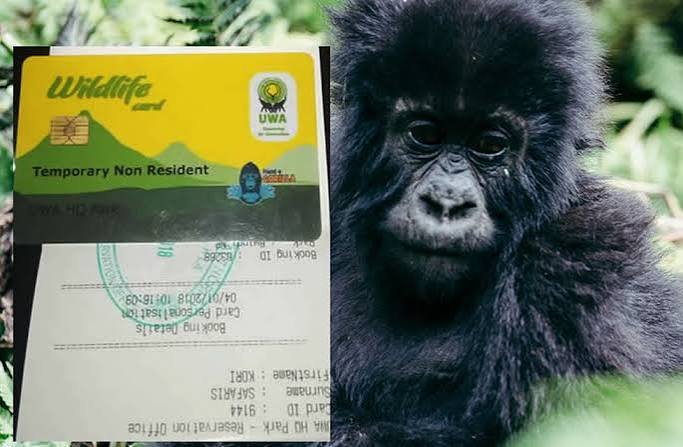
There is no separate immigration visa solely for mountain gorilla trekking. International travellers enter Rwanda under the appropriate general visitor status and separately obtain a gorilla trekking permit for Volcanoes National Park.
This distinction is important because a gorilla permit does not replace a Rwanda visa, and a Rwanda visa does not include permission to trek gorillas. The two documents serve completely different purposes.



Visitors should therefore confirm both immigration eligibility and gorilla permit availability when planning the holiday. Gorilla permits can sell out for popular dates, meaning a traveller could be legally able to enter Rwanda but unable to participate in the activity that motivated the trip.
Can You Extend Your Stay in Rwanda?
Some visa categories can be extended, and applications should be submitted while the current visa remains valid. Rwanda Immigration advises visitors requiring extensions to apply through the Directorate General of Immigration and Emigration before their existing permission expires.
Travellers should not assume that an extension will automatically be approved simply because they want to remain longer. Visa class, nationality and the circumstances of the request can influence the decision.
Anyone considering a longer stay should therefore begin the process early enough to adjust travel plans if the extension is not granted.
Avoid Overstaying Your Rwanda Visa
Overstaying can lead to penalties and complicate future immigration applications. Rwanda currently provides a five-day grace period after some visa expiries for departure or renewal without penalty, but travellers should regard this as an emergency administrative allowance rather than an extra five days automatically added to every tourist stay.
The correct approach is to depart or extend the visa before its stated expiry date. Immigration stamps and electronic records should be checked immediately after arrival to confirm the authorised period.
Travellers undertaking complicated regional itineraries should also remember that crossing into another country may affect a single-entry visa. A return to Rwanda may require another valid entry permission unless the traveller holds an appropriate multiple-entry arrangement.
Border Conditions Can Change at Short Notice
Rwanda shares borders with Uganda, Tanzania, Burundi and the Democratic Republic of the Congo. Each border environment can be affected by political, security, infrastructure or health developments that are separate from Rwanda’s basic visa system.

The current situation near the DRC deserves particular attention because conflict in eastern DRC and an Ebola outbreak have affected both security guidance and health-screening measures. Current British travel advice notes border restrictions and stronger warnings for certain parts of Rwanda’s Rusizi District near the DRC frontier.
Travellers planning standard itineraries through Kigali, Volcanoes National Park and Akagera should not assume that every border concern applies equally to those areas. At the same time, visitors travelling toward Rubavu, Rusizi or cross-border destinations need more current, geographically specific information.
Checking border conditions 24 to 48 hours before an overland crossing is sensible even when the original itinerary was arranged months earlier.
Entry Rules Can Change During Disease Outbreaks
Rwanda’s immigration framework explicitly allows additional health requirements to be introduced during major disease outbreaks. This is an important reminder that entry rules consist of more than permanent visa legislation.
A traveller may book a safari at a time when no special health form is required but encounter additional screening several months later because conditions have changed elsewhere in the region.
For this reason, travel advice should be checked at least twice: once during planning and again immediately before departure. The second check is particularly important for vaccination certificates, disease-screening procedures and international border restrictions.
Airline Requirements Can Be Stricter Than Travellers Expect
An airline carries responsibility for transporting passengers who meet destination entry rules, which means document checks often begin before the traveller reaches Rwanda. At check-in, passengers may be required to demonstrate that they have a valid passport, appropriate visa status and health documentation where necessary.

RwandAir currently advises passengers to ensure they possess required travel documents, including a valid passport, applicable visas and a yellow fever certificate where required.
Travellers should therefore resolve questions about immigration before arriving at the departure airport. Arguing that a visa can probably be obtained after landing may not help if an airline employee cannot verify that eligibility in the system being used for check-in.
What Are the Entry Requirements for Rwanda for Most Tourists?
What Are the Entry Requirements for Rwanda? For most international tourists, the process begins with holding a genuine passport or acceptable travel document with at least six months of remaining validity. Travellers then need the correct visa or visa-free status according to nationality. Rwanda allows citizens of all countries to receive visas upon arrival, while many travellers qualify for free entry through East African Community membership, membership in designated international organisations or specific bilateral arrangements.
Visitors who do not qualify for free entry can generally obtain a standard holiday visa for USD 50 for a single entry, while a multiple-entry option currently costs USD 70. The ordinary single-entry holiday visa is generally valid for 30 days, with the multiple-entry version valid for 90 days.
Travellers should also be financially capable of supporting themselves during their stay because immigration authorities can request evidence of sufficient resources. Depending on the traveller’s recent travel history, a yellow fever vaccination certificate may be required, specifically when arriving from a country classified as posing a yellow-fever transmission risk.
Health requirements can become stricter during outbreaks, so travellers should verify conditions shortly before departure. This is particularly important during 2026 because regional Ebola developments in the Democratic Republic of the Congo have resulted in additional screening and border measures that may change at short notice.
Tourists should also remember that immigration permission does not authorise employment. A holiday visa is intended for sightseeing, recreational visits and other non-work purposes. Visitors travelling for employment, long-term residence or specialised business purposes need the correct immigration category.
Final Thoughts on Rwanda Entry Requirements
What Are the Entry Requirements for Rwanda? Rwanda has created a relatively accessible immigration system for international visitors, making the country straightforward to visit for gorilla trekking, wildlife safaris, cultural holidays and other tourism experiences. The most important starting point is a genuine and valid travel document with at least six months of remaining validity. Once that requirement is satisfied, the traveller should determine which visa arrangement applies to their nationality rather than automatically assuming that they need to purchase the standard tourist visa.
Citizens of all countries can currently obtain visas upon arrival, while East African Community citizens and many other eligible nationalities benefit from visa-free entry or waived visa fees. Travellers who prefer to organise everything beforehand can apply through Rwanda’s official online immigration system or an appropriate diplomatic mission. The standard paid holiday visa currently costs USD 50 for single entry, with a multiple-entry option costing USD 70.
For travellers combining Rwanda, Uganda and Kenya, the East Africa Tourist Visa deserves particular attention. At USD 100 and valid for 90 days with multiple entry within the participating countries, it can simplify a multi-country safari considerably. Travellers obtaining it before travel should ensure their first point of entry corresponds with the country through which the visa was obtained.
Health documentation is equally important. Travellers arriving from yellow-fever transmission-risk countries need an appropriate vaccination certificate, and health-screening rules can be modified during significant disease outbreaks. Current 2026 regional health developments show why these checks should be repeated close to departure rather than completed only when the safari is first booked.
Visitors should also keep their accommodation and safari details readily available, carry enough financial resources to support the journey and understand that immigration officers can request evidence of those resources. Travellers staying longer than originally authorised should arrange any permitted extension before the visa expires rather than relying on grace periods or attempting to resolve the issue during departure.
The final and most important principle is to verify entry requirements again shortly before travel. Visa arrangements, health measures and land-border conditions can change, particularly when regional disease outbreaks or security developments occur. Travellers should use Rwanda’s Directorate General of Immigration and Emigration as the primary source for visa information and consult current official travel and health guidance relevant to their nationality and route.
Once these practical requirements are properly organised, entering Rwanda is generally straightforward. The country’s visa-on-arrival policy makes international tourism considerably easier, while regional arrangements allow travellers to connect Rwanda with Uganda and Kenya without unnecessarily complicated immigration planning. Preparing the passport, visa status, vaccination documentation and supporting travel information in advance allows visitors to arrive at Kigali International Airport or a recognised land border with confidence and move quickly into the part of the journey that truly matters: experiencing Rwanda’s mountain gorillas, national parks, landscapes, culture and hospitality.