
Can I Get a Rwanda Visa on Arrival? Complete 2026 Travel Guide`
Can I Get a Rwanda Visa on Arrival? Yes. Rwanda currently allows citizens of all countries to obtain a visa upon arrival without completing a visa application before travelling, provided they meet the immigration requirements that apply to their journey. The visa-on-arrival system is available at Kigali International Airport and recognised land border crossings, making Rwanda one of the more straightforward African destinations for international tourists to enter. Travellers who are not covered by one of Rwanda’s visa-waiver arrangements can normally obtain the appropriate visitor visa after arriving, while citizens of numerous countries qualify for free entry for periods ranging from 30 days to 90 days and, in the case of East African Community citizens, up to six months. Rwanda’s Directorate General of Immigration and Emigration confirms that nationals of all countries have been eligible for visa on arrival since 1 January 2018.
This flexible immigration system is particularly useful for travellers planning gorilla trekking in Volcanoes National Park, wildlife safaris in Akagera National Park, chimpanzee trekking in Nyungwe National Park, holidays around Lake Kivu or short stays in Kigali. Instead of every visitor being required to send a passport to an embassy or wait for approval several weeks before travelling, most tourists can arrive with the correct passport and supporting travel documents and complete the entry process at immigration. Travellers who prefer to arrange their visa before departure are still able to submit an online application through Rwanda’s official government system or apply through an appropriate Rwandan diplomatic mission. Rwanda therefore gives international visitors considerable flexibility when deciding how they want to organise immigration before their trip.
Although the answer to Can I Get a Rwanda Visa on Arrival? is clearly yes for travellers of every nationality under Rwanda’s current framework, the exact entry conditions are not identical for everyone. Some visitors receive a paid 30-day holiday visa, others receive entry without paying because their nationality qualifies under Rwanda’s visa-waiver system, and East African Community citizens receive their own regional entry arrangements. It is therefore important to understand the difference between being eligible for a visa on arrival and actually being required to pay for that visa. Travellers should determine which category applies to their passport before departure so that they know what to expect at Kigali International Airport or a land border.
How Does the Rwanda Visa on Arrival Work?
The Rwanda visa-on-arrival process allows an eligible traveller to arrive in the country first and complete the visa procedure at the point of entry instead of obtaining a visa approval before boarding the flight. Rwanda’s immigration authorities state that visas on arrival are available at Kigali International Airport and all recognised land borders. The policy applies to nationals of every country, making the system particularly convenient for tourists whose passports would require advance visas for many other destinations.
For an ordinary holiday visitor who does not qualify for visa-free entry, Rwanda currently offers a tourist visa that can be issued at the border. The visitor visa is intended for people entering Rwanda for tourism, sightseeing, recreation, social visits or other short-term reasons that do not involve employment. Rwanda Immigration currently states that the holiday visa costs USD 50 for a single entry and USD 70 for multiple entries. A single-entry holiday visa is valid for 30 days, while the multiple-entry version can be valid for 90 days. Employment is not permitted under this visitor category.

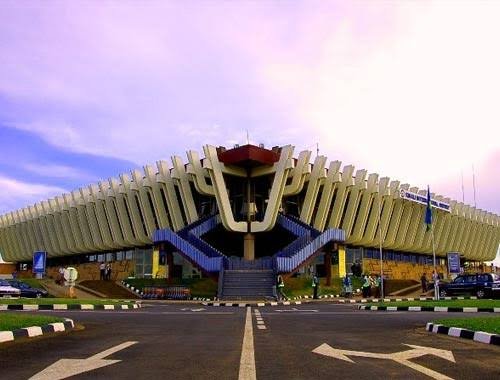
In practical terms, most tourists arriving at Kigali International Airport will pass through the required arrival procedures before reaching immigration control. Travellers who need a visa can complete the process according to instructions at the airport, present the required travel document, make the applicable payment where necessary and receive permission to enter. Visitors who qualify for free entry are processed according to the arrangement associated with their nationality. Because entry policies and airport procedures can be adjusted over time, travellers should follow current airport and immigration instructions rather than relying entirely on descriptions of how another traveller entered several years earlier.
The visa-on-arrival framework also applies to visitors entering Rwanda overland. This is particularly useful for tourists combining Rwanda with Uganda, Kenya, Tanzania or another East African destination. Someone finishing an Uganda safari, for example, may travel toward a recognised Rwanda border post and complete the Rwanda entry process there instead of applying for a separate visa at an embassy before beginning the trip. The traveller must still hold the appropriate passport and meet health or other entry requirements in force at the time of the crossing.
Do I Need to Apply for a Rwanda Visa Before Travelling?
For a standard tourism trip, travellers do not generally need to submit an advance visa application merely because their nationality is not visa exempt. Rwanda Immigration clearly states that nationals of all countries can obtain visas on arrival without making a prior application. This means someone planning an ordinary safari can normally travel with the correct documents and complete the visa process upon reaching Rwanda.
However, having the option to obtain the visa upon arrival does not mean that applying beforehand has no advantages. Some travellers feel more comfortable receiving their immigration approval before purchasing expensive international flights, gorilla permits and accommodation. Others may be travelling for a conference, specialised business activity, extended stay or another purpose for which the correct visa category deserves clarification in advance. Rwanda allows applications to be submitted online and through diplomatic missions for travellers who prefer this approach.
Online applications are handled through Rwanda’s official government system, and travellers should take care to avoid unofficial visa websites that charge unnecessary processing fees. Rwanda’s immigration authority specifically warns that there is no single affiliated agent authorised to apply for visas on behalf of travellers and that third-party agents may charge considerably more than the official visa fees. Anyone who chooses to apply beforehand should therefore use recognised government channels rather than assuming that the first commercial visa-processing website appearing in an online search is an official Rwandan service.
For most ordinary tourists, the decision therefore comes down to convenience. Visa on arrival avoids advance paperwork, while applying online can provide peace of mind to travellers who prefer to have everything organised before leaving home. Both approaches are recognised within Rwanda’s current immigration system.
How Much Is a Rwanda Visa on Arrival?
The standard price depends on the visa category and whether the traveller qualifies for a fee waiver. Rwanda’s current immigration information states that an ordinary holiday visa costs USD 50 for single entry and USD 70 for multiple entry. The single-entry version is generally valid for 30 days, while the multiple-entry version is valid for 90 days.
However, many international visitors do not need to pay the standard USD 50 fee because Rwanda has extensive visa-waiver arrangements. Nationals of countries covered through the African Union, Commonwealth and La Francophonie can receive free entry for 30 days under Rwanda’s current regime. Citizens of East African Community member states receive free entry for a considerably longer period, while another group of nationalities receives 90 days without paying a visa fee.
Travellers should therefore check their specific nationality before budgeting for the visa. A visitor from one country may pay USD 50 at immigration while the person standing next to them in the arrivals queue may qualify for free entry because of a different passport. The difference does not indicate inconsistent treatment; it reflects the various bilateral, regional and international agreements that make up Rwanda’s visa policy.
Which Travellers Get a Free 30-Day Visa on Arrival?
Rwanda provides particularly favourable arrangements to nationals of countries belonging to the African Union, Commonwealth and La Francophonie. Rwanda Immigration currently states that citizens of member countries of these organisations receive visas upon arrival and have the visa fee waived for visits of 30 days.
This arrangement is especially significant because these organisations include a large number of countries across Africa, Europe, Asia, the Caribbean and the Pacific. Many travellers who assume that they will need to pay USD 50 for a Rwanda tourist visa may discover that their passport qualifies for the free 30-day arrangement.
British citizens are a clear example. Current UK government guidance confirms that British citizens can obtain a free 30-day visa on arrival because the United Kingdom is a Commonwealth country. Other eligible Commonwealth and African Union travellers can benefit from the corresponding Rwandan arrangement, although everyone should confirm the latest policy applicable to their passport before departure.
The 30-day visa-free period is generally sufficient for conventional Rwanda tourism itineraries. Most gorilla trekking holidays range from a few days to around two weeks, while comprehensive Rwanda itineraries combining Kigali, Akagera, Nyungwe, Lake Kivu and Volcanoes National Park can normally be completed comfortably within a month. Travellers intending to remain longer should check extension procedures or another appropriate immigration category before their permission expires.
Which Nationalities Can Stay for 90 Days Visa Free?
Rwanda also provides 90-day visa-free entry to citizens of a specific group of countries. Current Rwanda Immigration information identifies Angola, Benin, the Central African Republic, Chad, Côte d’Ivoire, the Democratic Republic of the Congo, Ghana, Guinea, Indonesia, Haiti, Mauritius, the Philippines, São Tomé and Príncipe, Senegal, Seychelles, Sierra Leone, Singapore, Qatar and the Federation of Saint Christopher and Nevis among the nationalities receiving 90-day visa-free entry on ordinary passports.
The 90-day arrangement makes Rwanda particularly convenient for travellers from these countries who plan extended tourism, family visits or other activities allowed under their visitor status. However, visa-free admission should not be confused with permission to work. A tourist who is lawfully allowed to remain for 90 days does not automatically gain the right to take employment.
Because nationality lists and bilateral arrangements can change, tourism websites should treat these details as current information rather than permanent rules. Travellers should verify their own passport category with Rwanda Immigration as the travel date approaches.
What About East African Community Citizens?
Citizens of East African Community partner states benefit from one of the most generous Rwanda entry arrangements. Rwanda Immigration currently states that EAC citizens are issued an entry pass free of charge upon arrival and may remain for up to six months.
This arrangement supports regional movement and makes Rwanda especially accessible to travellers from neighbouring East African countries. For safari tourism, it also means that citizens within the regional framework can travel between Rwanda and other EAC destinations with considerably simpler immigration arrangements than many international visitors.
Travellers should still carry an acceptable travel document and follow immigration procedures at the border. Regional visa-free privileges do not mean border controls disappear. Immigration authorities still need to establish identity, nationality and lawful purpose of entry.
What Passport Validity Do I Need for a Rwanda Visa on Arrival?
A valid travel document remains essential even though the visa itself can be obtained at the border. Rwanda Immigration states that visitors should hold a genuine acceptable travel document valid for not less than six months.
For most international tourists, this means checking that the passport will remain valid for at least six months at the time of entry. Travellers should make this check before booking expensive non-refundable travel arrangements because an airline may refuse boarding when a passenger clearly does not meet the destination’s passport-validity rules.
Current UK travel guidance also states that British travellers should have at least one blank passport page available for entry stamps. Even travellers from other countries will benefit from ensuring there is sufficient blank space, particularly when combining Rwanda with Uganda, Kenya, Tanzania or other destinations requiring additional border stamps.
A passport previously reported lost or stolen should not be used simply because the traveller later recovered it. Government travel guidance warns that invalid or reported documents can result in refusal of entry. Anyone who has previously reported a passport missing should confirm its official status before travelling.
What Documents Should I Have With Me at Kigali Airport?
The passport is the most important document, but a well-prepared traveller should also be able to explain the purpose and general structure of the visit. Rwanda Immigration states that visitors must have sufficient financial resources to cover their stay and that evidence can be requested at the point of entry.
For a tourism journey, carrying accommodation confirmations, a safari itinerary and contact information for the tour operator can make immigration questions easier to answer. A traveller arriving for gorilla trekking might have confirmation of a Kigali hotel, the name of the lodge near Volcanoes National Park and the safari company’s contact details readily available. These documents are especially useful when a traveller arrives late at night or has limited mobile connectivity immediately after landing.

Travellers should also know when they plan to leave Rwanda and how the journey continues. Someone departing by air can keep the return or onward flight confirmation available, while someone travelling overland into Uganda should be able to explain the intended route if asked.
Keeping documents available offline is sensible. An immigration counter is not the ideal place to discover that a booking confirmation can only be accessed through an email account requiring an internet connection.
Do I Need a Yellow Fever Certificate for a Rwanda Visa on Arrival?
A yellow fever certificate may be required depending on where the traveller is arriving from. Current Rwanda entry guidance states that visitors arriving from a country classified as having a yellow fever transmission risk must present proof of yellow fever vaccination.
This is important because health-entry requirements depend on travel history rather than only nationality. A traveller with a European passport may still need a yellow fever certificate after spending time in another African destination before entering Rwanda. Someone combining several East African countries should therefore review vaccination requirements for the entire journey rather than considering Rwanda in isolation.
Rwanda Immigration also states more broadly that a vaccination certificate may be required at the border and that additional health requirements can be introduced in response to a major disease outbreak. Travellers should therefore check current health information close to departure even if they researched entry conditions several months earlier.
As of 2026, regional health developments have demonstrated why this matters. Current UK travel advice notes that Rwanda has introduced health-screening measures at Kigali International Airport and some border measures in response to an Ebola outbreak in the Democratic Republic of the Congo. These measures can change at short notice.
Can I Get a Rwanda Visa on Arrival at a Land Border?
Yes. Rwanda’s visa-on-arrival system is not limited to passengers flying into Kigali. Official immigration information confirms that nationals of all countries can obtain visas upon arrival at Kigali International Airport and at Rwanda’s recognised land borders.
This makes the policy especially valuable for tourists travelling through East Africa by road. Rwanda and Uganda are frequently combined because tourists can trek mountain gorillas in one country and continue to another wildlife destination without returning to their original international airport. Land-border visa availability keeps these routes practical.
Visitors entering overland should carry the same passport and health documentation they would carry when arriving by air. They should also check whether the particular border crossing they intend to use is operating normally on the travel date.
The difference between visa eligibility and border availability is important. A traveller may be legally eligible to receive a Rwanda visa on arrival while a specific crossing is temporarily closed or affected by regional conditions. This is particularly relevant near the Democratic Republic of the Congo, where security and public-health developments can influence border operations. Current official travel guidance advises travellers to monitor conditions because crossing hours and restrictions can change.
Can I Enter Rwanda From Uganda and Get My Visa at the Border?
International tourists travelling from Uganda can normally use Rwanda’s visa-on-arrival system when entering through an authorised border post, assuming their travel documents and immigration circumstances satisfy the standard requirements. This arrangement is particularly convenient for safaris combining Uganda’s Bwindi Impenetrable National Park with Rwanda’s Volcanoes National Park or Kigali.
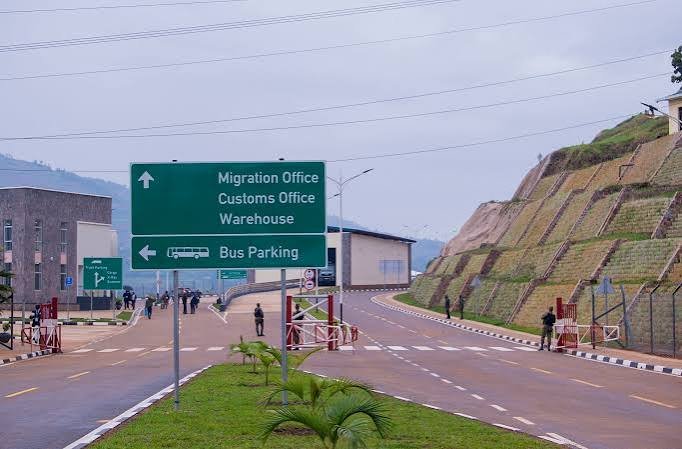
A traveller who has already spent several days in Uganda should pay particular attention to vaccination documentation because the countries visited immediately before Rwanda can influence health-entry requirements. Visitors should also confirm that their Uganda permission and Rwanda permission match the route they intend to follow.
For travellers who expect to move repeatedly between Rwanda and Uganda, purchasing separate single-entry visas may not always be the most efficient approach. The East Africa Tourist Visa can be more suitable for some itineraries because it supports multiple movements between Rwanda, Uganda and Kenya while the traveller remains within the participating regional arrangement.
What Is the East Africa Tourist Visa?
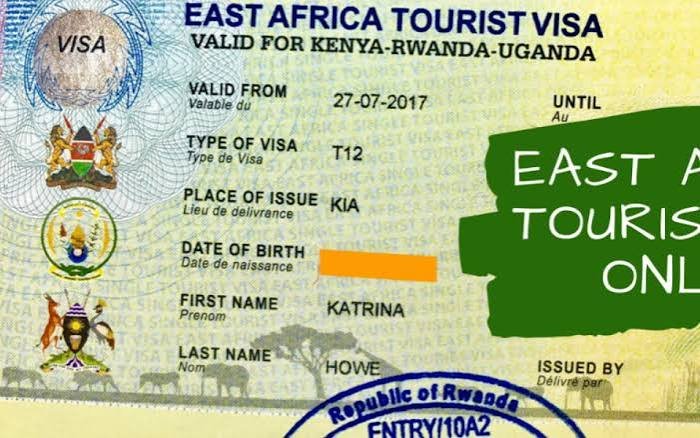
The East Africa Tourist Visa is designed for international tourists planning to visit Rwanda, Uganda and Kenya during the same journey. Rwanda Immigration currently states that the visa costs USD 100, is valid for 90 days and allows multiple entry while the traveller remains within the participating three-country region.
For safari travellers, this can be particularly useful. A tourist might arrive in Kigali, travel to Uganda for gorilla trekking and wildlife experiences, continue to Kenya for the Maasai Mara and later depart without purchasing separate standard tourism visas for each movement where the regional visa covers the itinerary.
When the East Africa Tourist Visa is obtained before departure, Rwanda Immigration states that the traveller’s first entry point should be the country through which the visa was obtained. Someone applying through Rwanda should therefore plan to begin the regional journey in Rwanda.
The visa is for tourism and does not permit employment. Travellers planning business or work activities should obtain the correct immigration category rather than using the East Africa Tourist Visa simply because it allows regional movement.
Should I Choose Visa on Arrival or Apply Online?
For many ordinary holidaymakers, visa on arrival is the simplest option because it eliminates a separate administrative task before departure. A traveller can concentrate on flights, gorilla permits, safari accommodation and travel insurance knowing that Rwanda’s current system permits the visitor visa to be obtained at entry.
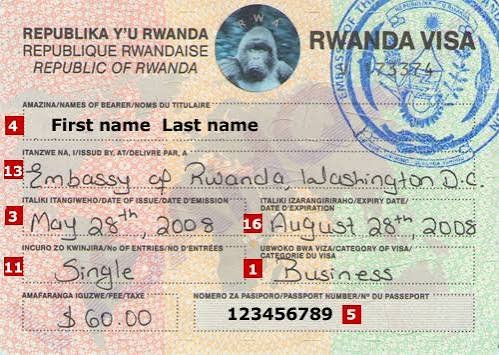
Applying online can still be attractive for travellers who prefer certainty. Some people simply feel more comfortable arriving with advance approval documentation, especially when the holiday involves expensive non-refundable arrangements. Others may need a visa category that requires more documentation than a simple tourism visit.
Rwanda’s Irembo government service confirms that entry visas can be applied for online or upon arrival for people coming from anywhere in the world. This means neither method should automatically be presented as universally superior. The best option depends on the traveller’s circumstances and preference.
Tourists applying online should allow enough processing time rather than submitting an application immediately before the flight. Irembo currently indicates that online processing takes several days, while applicants using the visa-on-arrival system receive their immigration decision as part of the arrival process.
Is Rwanda Visa on Arrival Available for US Citizens?
American citizens can use Rwanda’s visa-on-arrival framework because Rwanda allows nationals of all countries to obtain visas upon arrival. The Embassy of Rwanda in the United States confirms that nationals of all countries can receive visas on arrival at Kigali International Airport and Rwanda’s land borders.
The precise fee and entry status should be confirmed using Rwanda’s current immigration rules before travel. US visitors should ensure that their passport has at least six months of validity and should check any health documentation required by their route through Africa.
American tourists travelling to Rwanda for gorilla trekking can therefore normally organise the safari without needing a traditional embassy visa application months before departure, although applying online remains an available alternative.
Is Rwanda Visa on Arrival Available for UK Travellers?
Yes. British citizens can obtain entry upon arrival, and the current arrangement is particularly favourable because the United Kingdom is a Commonwealth country. Current UK government guidance states that British citizens receive a free 30-day visa upon arrival.
British travellers should hold a passport expiring at least six months after the date they arrive and with a blank page available for entry stamps.
This makes short Rwanda holidays relatively easy to organise from the United Kingdom. A traveller planning a seven-day or ten-day Rwanda safari normally falls comfortably within the 30-day period.
What If I Want to Stay Longer Than My Visa Allows?
Travellers who decide to remain in Rwanda longer than initially authorised should deal with the immigration issue before their current permission expires. Rwanda Immigration states that applications for visa extensions are submitted through the Directorate General of Immigration and Emigration and that an extension should be requested while the original visa remains valid.
Some visitor visa classes can be extended in exceptional circumstances, but an extension should never be assumed to be automatic. Travellers planning a long stay are better served by choosing the correct visa category at the beginning rather than arriving under a short tourism visa and hoping to resolve the situation later.
Rwanda Immigration currently describes a five-day grace period after visa expiry during which a person may depart or renew without penalty, but this should not be treated as five bonus tourism days. Once that period has passed, penalties can apply and an extension may be refused.
A responsible traveller should therefore keep track of the actual entry date and permitted stay rather than relying on memory.
Does a Rwanda Visa on Arrival Allow Me to Work?
No. Rwanda’s ordinary holiday visitor visa is intended for tourism, sightseeing, recreation and other short-term non-work activities. Rwanda Immigration explicitly states that work is not permitted under the standard holiday visa.
The same distinction applies to the East Africa Tourist Visa. It makes regional tourism easier but does not grant employment rights.
Someone entering Rwanda to take up employment, conduct activities requiring a work permit or establish long-term residence should research the correct immigration status before travelling. Using a tourist visa simply because it can be obtained easily at the airport does not override the restrictions attached to that visa.
What If I Am Only Transiting Through Kigali?
Rwanda has a transit visa category for travellers who need to formally enter while passing through the country. Rwanda Immigration currently states that a standard transit visa is valid for up to 72 hours and costs USD 30 for travellers who are not covered by a fee-waiver arrangement. Nationals benefiting from Rwanda’s relevant visa-waiver policies can receive it without paying the standard fee.
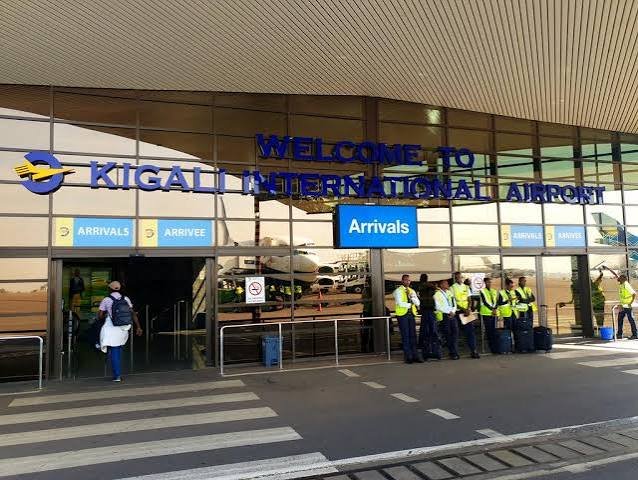
Whether a particular airline passenger needs a transit visa can depend on the connection, baggage arrangements, nationality and whether the traveller must pass through immigration. Someone remaining entirely within an international transit arrangement may have a different process from a passenger who needs to collect luggage and formally enter Rwanda before checking in again.
Travellers with complicated connections should confirm requirements with the airline and Rwanda Immigration before departure rather than assuming that the word “transit” automatically means no immigration formalities will be required.
What Happens If I Arrive Without the Correct Documents?
Visa on arrival simplifies the visa process but does not eliminate Rwanda’s wider entry requirements. Travellers still need an acceptable travel document and must meet any applicable health and immigration requirements. A person arriving with a passport that is invalid or does not satisfy the required validity period may face refusal of entry regardless of their eligibility for visa on arrival.
Airlines can prevent many such situations by checking documentation before boarding. This means a traveller can encounter a problem at the departure airport rather than after arriving in Rwanda. The safest approach is to confirm passport validity and health documentation several weeks before departure.
Travellers should also avoid assuming that payment alone guarantees entry. A visa is an immigration permission, and border officials retain responsibility for determining whether the traveller satisfies applicable entry conditions.
Do I Need a Return Ticket to Get a Rwanda Visa on Arrival?
Rwanda’s general immigration information places emphasis on a valid travel document, appropriate visa status and sufficient funds to support the stay. Travellers should nevertheless have clear onward travel plans and be capable of explaining them if questioned by immigration or their airline.
A confirmed return flight is the simplest proof for many tourists, but overland safari travellers may instead be continuing into Uganda or another neighbouring country. In that situation, carrying the safari itinerary and onward accommodation information can help explain the journey.
Travellers should distinguish between immigration rules and airline document checks. Airlines may request documentation based on their own responsibility to confirm that passengers satisfy destination requirements. Having the complete itinerary available makes these conversations significantly easier.
Do I Need Proof of Accommodation?
Tourists should be ready to provide the name and location of their accommodation if asked. Some Rwandan diplomatic guidance explicitly refers to hotel confirmation for tourism visa applicants, while ordinary visa-on-arrival travellers should at minimum know where they intend to stay.
For safari travellers, this is usually straightforward because accommodation is booked as part of the itinerary. A visitor might spend the first night in Kigali and then continue to Volcanoes National Park, Akagera or Nyungwe. Keeping the safari confirmation available on the phone and as an offline copy can be useful.
The information does not need to turn immigration into an elaborate interview. The purpose is simply to demonstrate that the traveller is entering for a genuine and organised visit.
Do Children Also Need Rwanda Entry Permission?
Children entering Rwanda need appropriate travel documentation just as adults do, although specific visa arrangements depend on nationality and passport status. Parents should pay particular attention to children’s passport validity because child passports often expire sooner than adult passports.

Families should also understand that visa eligibility and tourism activity requirements are separate. A child may be perfectly eligible to enter Rwanda but still be unable to participate in a particular national park experience because of age restrictions. Gorilla trekking, for example, has its own minimum-age requirement that is unrelated to immigration.
Parents travelling alone with a minor should also check whether their home country, airline or transit country requires parental consent documentation. Such a requirement may arise outside Rwanda’s normal tourist visa system.
Can I Pay for the Rwanda Visa When I Arrive?
Rwanda’s visa-on-arrival system is designed so that travellers who owe an applicable visa fee can complete payment as part of the entry process. Rwanda’s official information confirms that travellers applying online can also choose in some circumstances to pay online or upon arrival.
Because payment procedures and accepted methods can evolve, travellers should check current Rwanda Immigration or airline guidance shortly before departure. Carrying an alternative payment method is prudent whenever an important transaction must be completed at an international border.
Visitors should know the official fee applicable to their category so they are not confused by third-party visa websites quoting much higher prices. For the standard holiday visitor visa, Rwanda Immigration currently publishes USD 50 for single entry and USD 70 for multiple entries.
Is Rwanda’s Visa on Arrival Good for Gorilla Trekking Holidays?
The visa-on-arrival system works particularly well for gorilla trekking tourism because the immigration process is relatively simple compared with the advance planning required for the wildlife experience itself. The visa can normally be completed upon arrival, while the gorilla permit should be arranged much earlier because permit availability is limited.
Travellers should therefore avoid confusing the two reservations. A visa provides permission to enter Rwanda, while a gorilla permit provides permission to participate in a scheduled trek inside Volcanoes National Park. Holding one does not automatically provide the other.
The ideal planning order is usually to confirm the safari dates and gorilla permit availability, arrange flights and accommodation and then make sure the passport and visa arrangements are in order. For nationalities eligible for visa on arrival, there is usually no need to delay booking the safari solely because an advance Rwanda tourist visa has not been obtained.
Is Rwanda’s Visa on Arrival Reliable for Last-Minute Travel?
The system makes relatively spontaneous travel possible because every nationality has access to the visa-on-arrival framework. Someone who finds a suitable flight shortly before departure may not need to wait for a traditional embassy visa process.
However, last-minute immigration flexibility should not be confused with last-minute safari availability. Gorilla permits, high-demand lodges and certain activities may sell out long before the travel date. Rwanda may therefore be easy to enter at short notice while the specific tourism experience the traveller wants is no longer available.
Passport and vaccination requirements also remain unchanged simply because the holiday was booked late. A passport with insufficient validity cannot be fixed at an immigration counter by purchasing a visa on arrival.
Is It Better to Carry Printed Copies of My Documents?
Travellers increasingly rely on phones, but carrying a small collection of printed travel documents remains practical. A phone may lose battery power, mobile data may not be available immediately after landing and email applications occasionally fail at inconvenient moments.
A printed accommodation confirmation, safari itinerary, insurance details and any advance visa approval can therefore serve as useful backups. Where an original vaccination certificate is required, travellers should carry the proper document rather than assuming a phone photograph will always be accepted.
The objective is not to travel with a large folder of paperwork. It is simply to ensure that the few documents most likely to be needed remain accessible even if technology fails.
What Should I Know About Rwanda’s Current Border Health Measures?
Immigration policy and health policy can change independently. A traveller may remain eligible for a visa on arrival while additional health screening is introduced because of an outbreak elsewhere in the region.
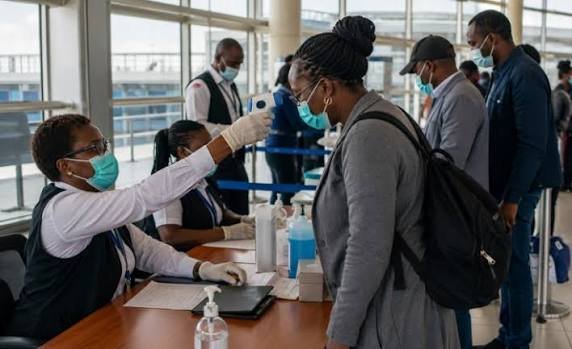
Current 2026 official travel advice notes that Rwanda has introduced screening at Kigali International Airport and restrictions affecting the DRC border in response to an Ebola outbreak in the Democratic Republic of the Congo. Authorities may modify these measures at short notice.
This reinforces the importance of checking entry conditions shortly before departure rather than assuming that information researched when the safari was booked six months earlier remains completely unchanged.
Travellers combining Rwanda and the DRC should be especially careful because both health and security developments can influence border operations.
Why Rwanda’s Visa Policy Is Helpful for Tourism
Rwanda’s visa-on-arrival policy removes one of the barriers that can discourage spontaneous or multi-country African travel. Tourists do not need to determine months in advance whether a complicated embassy process will be completed before their safari.
The policy also complements Rwanda’s position as a regional tourism destination. Kigali is a convenient arrival point for travellers combining mountain gorillas, savannah wildlife, chimpanzees, cultural experiences and neighbouring countries.
Being able to obtain entry permission on arrival does not replace responsible travel planning, but it makes the immigration component far easier to manage. This is particularly valuable for travellers whose attention is already focused on permit availability, accommodation selection, road transfers and international flights.
Can I Get a Rwanda Visa on Arrival in 2026?
Can I Get a Rwanda Visa on Arrival in 2026? Yes. Rwanda’s current immigration policy allows citizens of every country to obtain a visa upon arrival at Kigali International Airport or recognised land borders without completing an advance application. Travellers not covered by one of Rwanda’s free-entry arrangements can generally obtain the appropriate visitor visa after reaching the country.
For an ordinary holiday visitor who needs to pay, the current standard fee is USD 50 for a single-entry tourist visa. The single-entry holiday visa is valid for 30 days. A multiple-entry holiday visa costs USD 70 and can be valid for 90 days. Employment is not permitted under the tourism category.
Many travellers qualify for more favourable conditions. Nationals of countries belonging to the African Union, Commonwealth and La Francophonie can receive free entry for 30 days, East African Community citizens can receive free entry for up to six months, and citizens of a designated group of countries qualify for 90 days visa free.
All travellers should still pay close attention to passport validity. Rwanda requires an acceptable travel document valid for at least six months, and additional documentation such as a yellow fever certificate may be required depending on recent travel history. Health measures can also change during regional disease outbreaks.
Travellers who do not want to wait until arrival can apply online through Rwanda’s government system. There is no requirement for ordinary tourists to use a private visa agent, and Rwanda Immigration warns visitors that unofficial agents may charge fees exceeding the official price.
Final Answer: Can I Get a Rwanda Visa on Arrival?
Can I Get a Rwanda Visa on Arrival? Yes, and this is one of the reasons Rwanda is comparatively straightforward to visit for international tourism. Citizens of all countries currently have access to the visa-on-arrival system, meaning most travellers planning a safari, gorilla trekking holiday or short cultural visit do not need to complete a traditional embassy visa process before travelling. The visa can be obtained at Kigali International Airport and Rwanda’s recognised land border points.
Travellers who require the standard paid holiday visa should currently expect a fee of USD 50 for a 30-day single-entry visa or USD 70 for a multiple-entry visa valid for up to 90 days. Many nationalities pay nothing because Rwanda maintains visa-waiver arrangements covering African Union, Commonwealth and La Francophonie countries, East African Community partner states and a separate group of countries granted 90-day visa-free entry.
The ease of obtaining the visa does not remove the need for proper preparation. Your passport or acceptable travel document should generally be valid for at least six months, and you should be able to explain the purpose of your visit and demonstrate that you can support yourself financially if immigration requests evidence. Depending on where you are travelling from, proof of yellow fever vaccination may also be required. Current health or border measures should always be checked shortly before departure because disease outbreaks and regional developments can result in additional screening.
For travellers planning to combine Rwanda with Uganda and Kenya, the East Africa Tourist Visa can provide a useful alternative to separate national visitor visas. It currently costs USD 100, supports tourism across the three participating countries and is designed for multiple regional entry during its validity period. Travellers obtaining it in advance should enter first through the country that issued the visa.
For travellers who prefer completing immigration arrangements before leaving home, Rwanda also allows online visa applications through its official government system. Applying beforehand is optional for most ordinary tourism visitors rather than a universal requirement, since visa on arrival remains available to nationals of all countries.
The simplest way to approach a Rwanda holiday is therefore to check which entry category applies to your passport, make sure the passport has sufficient validity, organise any required vaccination documents and keep basic accommodation and onward travel information readily available. Once these preparations are complete, the visa itself is unlikely to be the complicated part of planning the trip.
Rwanda’s welcoming visa policy allows travellers to concentrate on the experiences that bring them to the country in the first place. Whether the journey is centred on mountain gorilla trekking in Volcanoes National Park, wildlife viewing in Akagera National Park, chimpanzee trekking in Nyungwe, relaxation beside Lake Kivu or discovering Kigali, the visa-on-arrival framework makes beginning the journey considerably easier. Travellers should simply remember that immigration rules can evolve, so the official Rwanda Directorate General of Immigration and Emigration should be checked again close to the actual date of travel.