What Is the Cost of Gorilla Trekking in Rwanda?
Rwanda Gorilla Trekking Cost in 2026 starts with the standard USD 1,500 mountain gorilla permit for most international visitors, but the total price of the experience also depends on accommodation, private transportation, meals, porter assistance, travel insurance and the number of nights included in the safari. Travellers choosing a short mid-range itinerary will spend considerably less than guests staying in ultra-luxury lodges near Volcanoes National Park, while solo travellers may also pay more per person because transport and accommodation costs are not shared. Understanding the full Rwanda Gorilla Trekking Cost therefore means looking beyond the permit alone and considering every practical element needed to reach Volcanoes National Park, complete the trek comfortably and return to Kigali or continue with the rest of the safari.
Understanding the difference between the gorilla permit price and the complete safari cost is important because many first-time travellers assume that paying USD 1,500 covers the entire gorilla trekking experience from Kigali. In reality, the permit primarily gives the visitor the official right to participate in a scheduled mountain gorilla trek inside Volcanoes National Park. Travellers still need to reach the park, stay somewhere before and sometimes after the trek, eat meals and organise the practical logistics that make it possible to arrive at the registration centre on time. The experience normally begins very early in the morning, with Rwanda Development Board currently requiring visitors to report at the park registration facilities at around 7:00 a.m., which is one of the reasons many travellers choose to stay around Kinigi or Musanze rather than attempting a very early road transfer from Kigali on the same morning.
For budget planning, the best way to think about Rwanda gorilla trekking is therefore to treat the USD 1,500 permit as the foundation of the trip and then build the remaining safari around it. A traveller who wants a short, comfortable mid-range journey will spend less than someone staying in one of Rwanda’s internationally recognised luxury gorilla lodges, while a solo traveller using a private vehicle may pay more per person than a couple sharing the same transport. The number of nights, level of accommodation, season, transportation style, additional activities and whether the traveller wants one or two gorilla treks can change the final safari price significantly.
How Much Is a Gorilla Trekking Permit in Rwanda?
The standard international visitor permit for gorilla trekking in Rwanda currently costs USD 1,500 per person for one trek. The permit is issued for a particular trekking date and provides access to the organised mountain gorilla tracking experience in Volcanoes National Park. Visit Rwanda confirms that the permit costs USD 1,500 per person per day and that participants must be at least 15 years old. Rwanda Development Board’s current online booking system publishes the same USD 1,500 standard foreign visitor rate.
The phrase “per person per day” is especially important. A couple wanting one gorilla trek should therefore calculate USD 3,000 for the two permits alone. Four international travellers would spend USD 6,000 on four standard permits for one trekking day. A solo traveller pays USD 1,500 because the permit price does not decrease simply because someone is travelling alone.
If the same traveller wants to trek gorillas twice, two separate permits are required because each permit covers one scheduled trekking experience. An international visitor planning two treks would therefore spend USD 3,000 on gorilla permits alone at the current standard foreign visitor rate. A couple taking two gorilla treks each would spend USD 6,000 on permits before accommodation, transportation and the other safari costs are added.
This is why the number of trekking days should be decided carefully during itinerary planning. For many first-time visitors, one trek provides an exceptionally complete gorilla experience. Wildlife photographers, primate enthusiasts and travellers who want to encounter two different gorilla families may consider a second trek worthwhile, but the additional USD 1,500 per international visitor makes it a meaningful increase in the total holiday budget.
Are There Discounted Rwanda Gorilla Permit Rates?
Rwanda’s current booking portal displays promotional rates for several qualifying visitor categories. At the time of writing, the portal lists promotional rates of USD 500 for qualifying foreign residents in Rwanda, USD 200 for Rwandan citizens, USD 200 for East African citizens, and USD 500 for African citizens or qualifying foreign residents in Africa. However, Rwanda Development Board specifically states that these promotional rates are not applicable during the period from June through October 2026. Travellers falling within one of these categories should therefore confirm the rate that applies to their exact trekking date before making assumptions about the final permit price.
Eligibility also requires correct supporting documentation. Rwanda Development Board warns that tourist documents are verified at park entry points and that travellers using incorrect, incomplete or false documentation can be refused entry even if a system-generated permit has already been issued. Foreign residents and travellers applying under regional or resident categories should therefore make sure they genuinely meet the published eligibility conditions.
This distinction is particularly important for tourism websites because quoting only a discounted rate without explaining its conditions can mislead travellers. The safest standard figure to present to an ordinary international traveller is USD 1,500 per person per trek, while reduced promotional or residency rates should be explained separately and verified according to nationality, residency status and travel date.
What Does the USD 1,500 Gorilla Permit Cover?
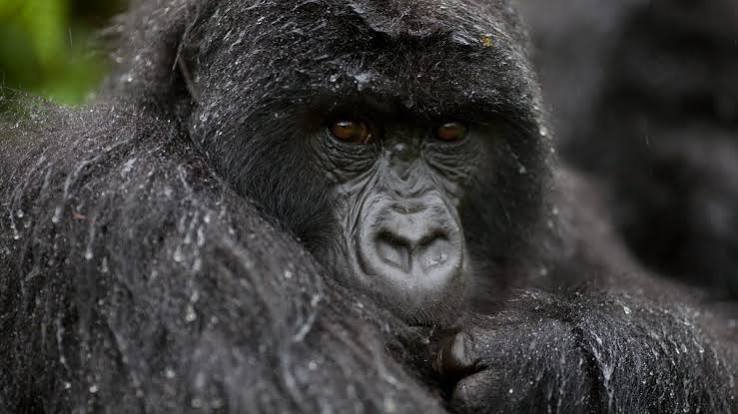
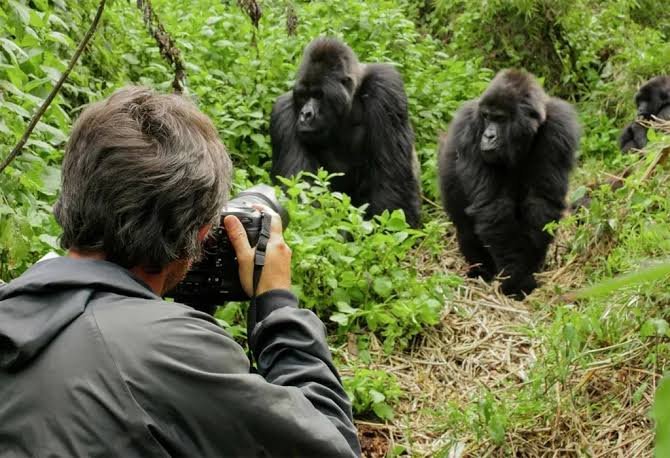
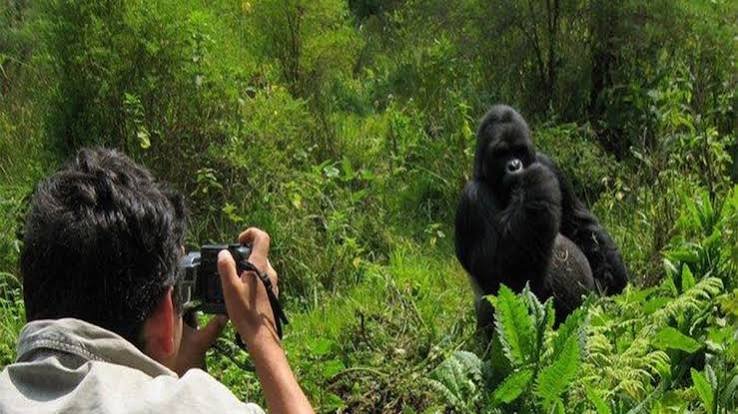
The gorilla permit gives you official access to the mountain gorilla trekking experience in Volcanoes National Park on the confirmed date. It covers participation in the organised trek with the park’s professional tracking and guiding system and allows you to spend up to one hour observing the allocated habituated gorilla family once it has been located. Rwanda Development Board currently limits the viewing period to one hour and allows a maximum of eight visitors in a trekking group.
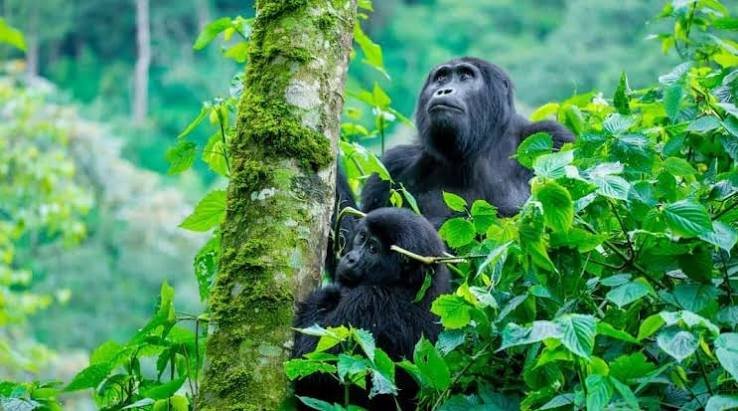
The permit also gives visitors access to an experience supported by a much larger conservation system. Rangers, trackers, park staff and conservation professionals work continuously to monitor gorilla families, manage tourism and protect the habitat. The USD 1,500 should therefore not be interpreted simply as payment for sixty minutes of wildlife photography. Gorilla tourism operates within a controlled conservation structure designed to limit visitor pressure while generating financial value from protecting mountain gorillas and the forest they depend upon.
What the permit does not do is pay for the rest of your holiday. Your hotel, road transfer, safari vehicle, meals outside any booked accommodation package, international airfare, travel insurance and personal expenses should generally be budgeted separately unless a tour operator has specifically included them in a complete safari package.
This is why a safari quotation showing a total substantially above USD 1,500 per person is not necessarily charging an excessive amount for the permit. The operator may be combining the permit with several days of transport, accommodation, meals and logistical support.
Why Does Gorilla Trekking in Rwanda Cost USD 1,500?
Rwanda follows a high-value, relatively low-volume approach to gorilla tourism. The experience is intentionally restricted rather than designed for mass visitor numbers. Visit Rwanda currently states that gorilla tracking is conducted in small groups and that the USD 1,500 permit is part of a carefully managed conservation tourism model.
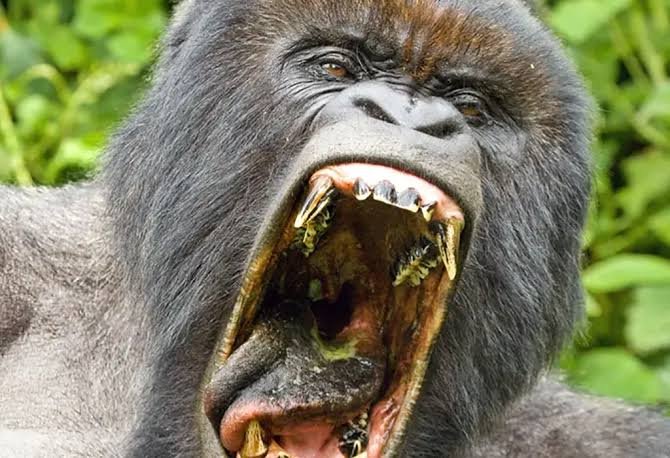
Mountain gorillas occupy a very limited habitat and are highly vulnerable to disturbance and human disease. Allowing unlimited tourist access would undermine the conservation value of the experience. Instead, the number of visitors to each habituated family is restricted, the viewing period is controlled and health rules are enforced.
The permit price also helps create economic value around gorilla conservation. Mountain gorillas need protected habitat, professional monitoring and long-term conservation investment. Communities surrounding the national park also need meaningful benefits from tourism if conservation is to remain economically and socially sustainable.
For travellers, this means the permit price reflects far more than the physical distance walked or the sixty minutes spent watching gorillas. It is connected to the broader cost of protecting one of the world’s most remarkable primate populations while allowing carefully controlled tourism to continue.
Is the Gorilla Permit Included in a Rwanda Safari Package?
Whether the permit is included depends entirely on how the tour operator presents the quotation. Some safari companies quote a complete package price including the gorilla permit, while others show the permit separately so clients can clearly see how much of the total is a government conservation charge.
Travellers should therefore read quotations carefully. A three-day Rwanda gorilla safari priced without a permit can initially appear much cheaper than another package that already includes the USD 1,500 permit. Comparing only the headline prices can produce a misleading impression.
A properly prepared quotation should make it clear whether the permit has already been included. Since gorilla permits represent such a significant part of the total cost, transparency is valuable both for the traveller and the safari company.
Once permits have been purchased, cancellation and refund conditions also matter. Rwanda Development Board currently explains that permit bookings are subject to specific conditions and that ordinary cancellations, late arrival or flight delays do not automatically qualify for refunds. The official system does provide particular provisions where visitors track but fail to make contact with a gorilla family because of gorilla movement.
Travellers should therefore purchase appropriate travel insurance and understand the permit conditions before committing to a non-refundable international journey.
How Much Does Accommodation Add to the Cost?
Accommodation is one of the largest variables in the total cost of gorilla trekking in Rwanda because the Volcanoes National Park area offers everything from relatively simple guesthouses to internationally recognised ultra-luxury lodges.
A traveller choosing comfortable mid-range accommodation may spend a fraction of what another guest pays at an exclusive luxury lodge with private villas, premium dining, personalised service, spa treatments and highly customised guest experiences. Both travellers can participate in exactly the same official gorilla trek and hold the same USD 1,500 international permit, but their overall safari totals may look dramatically different.
This is why asking only How Much Does Gorilla Trekking in Rwanda Cost? without specifying travel style can never produce one universal package figure. The permit is standard for the ordinary international visitor, but the accommodation component depends on what kind of journey the traveller wants.
A short mid-range itinerary might use a comfortable lodge close to Musanze or Kinigi and concentrate the budget on the gorilla experience itself. A luxury itinerary may build several nights around Volcanoes National Park, include private transfers, fine dining, spa experiences, conservation visits and highly personalised service.
The quality of the gorilla encounter itself is not determined by how expensive the lodge is. The national park allocation and trekking rules apply independently of the accommodation category. Luxury spending primarily changes comfort, service and the wider holiday experience before and after trekking.
Why Staying Near Volcanoes National Park Adds Value
Some travellers initially consider staying in Kigali and driving to Volcanoes National Park on the trekking morning to reduce accommodation expenses. Rwanda’s relatively compact geography makes the park accessible from the capital, but gorilla trekkers must report early, with the official park registration time currently set at 7:00 a.m.
Staying near the park the night before usually makes the experience far more comfortable. Travellers can wake at a reasonable hour, have breakfast, prepare trekking gear and arrive at the registration centre rested.
The value of that extra lodge night becomes particularly clear when the trek itself proves physically demanding. Gorilla tracking can involve several hours of walking through steep, muddy terrain at altitude. Beginning that day after an extremely early road journey from Kigali may save one hotel night but can reduce comfort during the most important activity of the holiday.
For this reason, many well-designed Rwanda gorilla safaris include at least one night near Volcanoes National Park before trekking, with a second night afterward when the itinerary allows.
How Much Does Transport Add to Gorilla Trekking Costs?
Transportation is another major variable because travellers need to get from Kigali or another starting point to Volcanoes National Park and must also reach the appropriate park and trailhead locations on trekking day.
Private safari transportation offers the greatest convenience because a driver-guide handles airport transfers, hotel movements, the road journey to the Volcanoes region and the local logistics around the trek. The price depends on vehicle type, length of hire, number of travel days, fuel requirements and whether the same vehicle is being used for a wider Rwanda itinerary.
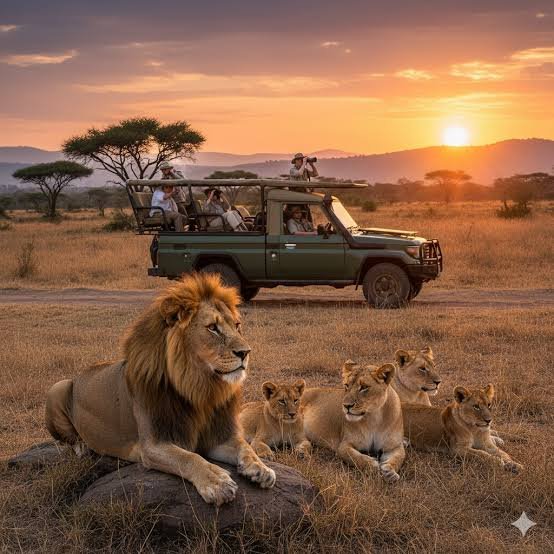
Couples and small groups can often reduce the per-person cost by sharing one vehicle. Solo travellers generally carry the entire private vehicle cost themselves, which can make the same itinerary more expensive on a per-person basis.
This is one reason solo gorilla trekking does not cost only USD 1,500. The permit remains USD 1,500, but private transport and accommodation may not be shared with another traveller.
Road transportation can also be incorporated into a longer Rwanda safari. Instead of returning immediately to Kigali after gorilla trekking, a traveller might continue toward Lake Kivu, Nyungwe National Park or another destination, spreading the vehicle cost across a more complete itinerary.
How Much Does Gorilla Trekking Cost for Solo Travellers?
Solo travellers pay the same standard USD 1,500 international gorilla permit as everyone else, but the wider safari can cost more per person because several logistical expenses cannot be divided between two people.
A private safari vehicle that costs the same to operate whether it carries one traveller or two becomes much more economical per person when shared. Accommodation can also become more expensive because solo guests frequently pay a single-room rate rather than dividing the room cost.
This does not mean Rwanda is unsuitable for solo gorilla trekking. On the contrary, the trekking itself is naturally social because the traveller joins other permit holders in the assigned group. Rwanda currently allows up to eight visitors per gorilla trekking group, so a solo traveller does not need to bring companions to participate.
The main financial consideration occurs outside the forest. A solo traveller who wants private transportation and high-quality accommodation should expect the per-person total to be higher than that of a couple sharing the same vehicle and room.
Travellers who want to control costs can choose a shorter itinerary, use mid-range accommodation and avoid adding unnecessary nights while still retaining the same USD 1,500 gorilla trekking experience.
How Much Does Gorilla Trekking Cost for Couples?
For two international travellers undertaking one gorilla trek each, the permit cost alone is currently USD 3,000.
The advantage couples have is that accommodation and transportation can normally be shared. A double or twin room may offer better value per traveller than two separate single rooms, while one private safari vehicle can serve both guests.
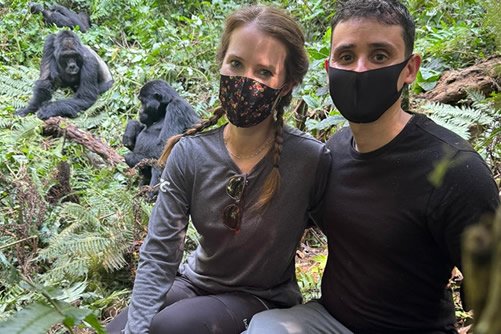
This makes the overall cost per person more efficient than a comparable solo private safari.
A couple staying near Volcanoes National Park for two nights can create a relaxed gorilla experience without necessarily turning the journey into an extremely long itinerary. Kigali can be added before or after the trek, and Lake Kivu can be incorporated when additional relaxation is desired.
Luxury honeymoon travellers may spend substantially more by choosing exclusive lodges, private dining and other premium experiences, but the underlying government permit cost remains the same standard USD 1,500 per international visitor.
How Much Does Gorilla Trekking Cost for Four Travellers?
Four international visitors would currently spend USD 6,000 on permits for one gorilla trek each at the standard USD 1,500 rate.
However, the wider safari can become more efficient because four travellers can share one appropriate safari vehicle and often obtain attractive room arrangements.
The government permit remains the largest fixed individual cost, but transport can be spread across four passengers instead of one or two.
For families or groups of friends, this can make the non-permit portion of the itinerary more economical on a per-person basis.
Travellers should remember that the minimum gorilla trekking age in Rwanda is currently 15 years, so families with younger children need to arrange alternative activities or supervision for those who cannot participate.
How Much Does Two Gorilla Treks Cost?
Two treks effectively double the standard permit cost. An international traveller purchasing two standard gorilla permits would spend USD 3,000 on the permits alone.
The value of a second trek comes from the fact that no two gorilla encounters are identical. A traveller may visit a different family, experience another section of the forest and have dramatically different photography opportunities.
The first trek may involve a long uphill walk and dense vegetation, while the second could be shorter with gorillas feeding in a more open area. Because gorillas move naturally, even repeated visits to the same region produce different experiences.
Photography enthusiasts and serious primate travellers often value this variety enough to justify the additional cost.
However, a second trek should not automatically be included simply because the budget allows it. Rwanda offers other excellent experiences, and some travellers may gain more from using the additional USD 1,500 toward Nyungwe, Akagera or a longer overall itinerary.
How Much Does a Short Rwanda Gorilla Safari Cost?
A short Rwanda gorilla safari still begins with the USD 1,500 international permit, but the total cost depends on how compressed the itinerary becomes.
A very short trip might include arrival in Kigali, transfer to Volcanoes National Park, one overnight before the trek, gorilla tracking the following morning and a return to Kigali afterward. This keeps the number of hotel nights and vehicle days relatively low.
A more comfortable short safari usually allows additional time around the trek so the traveller does not feel rushed. Two or three nights can provide better pacing, especially after an international flight.
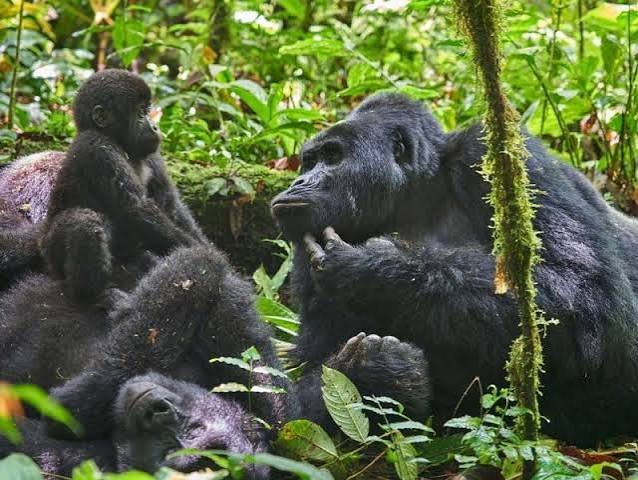
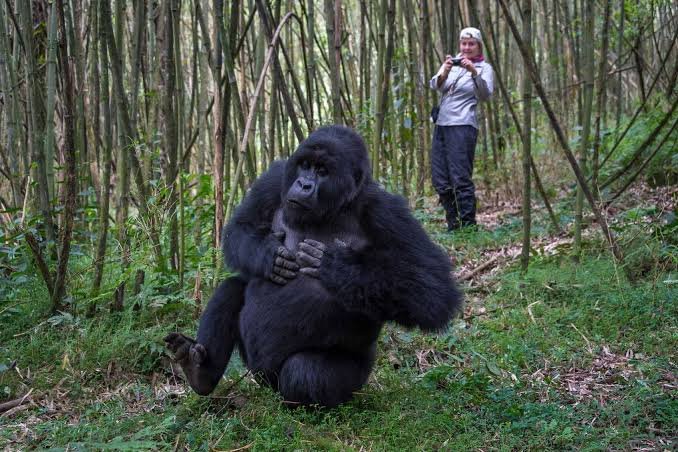
The difference in final price between these versions comes mainly from accommodation and transportation rather than the permit.
Travellers comparing short packages should therefore check how many nights are included, what accommodation category is used, whether the permit is included and whether airport transfers and private transportation have been added.
A suspiciously low package price can sometimes mean that the USD 1,500 permit has simply been excluded from the advertised headline.
How Much Does a Luxury Rwanda Gorilla Safari Cost?
Luxury gorilla trekking in Rwanda can become a very high-value holiday because Volcanoes National Park is home to some of Africa’s most exclusive safari accommodation.
The USD 1,500 permit remains the same standard international government charge, but the lodge component can dramatically increase the total. Luxury properties may provide spacious private accommodation, sophisticated dining, wellness facilities, exceptional views, highly personalised service and activities designed around conservation and local culture.
Private road transfers or helicopter arrangements can further increase the price depending on the itinerary.
For high-end travellers, the appeal is not merely sleeping in an expensive room. The goal is usually to create a seamless journey in which airport arrival, Kigali accommodation, transportation, gorilla trekking and post-trek relaxation are handled at a premium service level.
The final cost can therefore rise several times above the permit price.
This distinction is useful when clients compare Rwanda with cheaper gorilla destinations. Rwanda’s USD 1,500 permit is already premium, but the country’s luxury lodge portfolio can make the complete holiday considerably more expensive when the traveller chooses the highest accommodation category.
How Much Does a Mid-Range Rwanda Gorilla Safari Cost?
A mid-range Rwanda gorilla safari is designed for travellers who want a comfortable, reliable and well-organised journey without paying the premium rates associated with Rwanda’s most exclusive luxury lodges. This travel style normally focuses on good-quality accommodation, private or comfortable shared transportation, well-prepared meals and efficient safari logistics while keeping the overall cost more controlled. The experience remains highly rewarding because the core activity, mountain gorilla trekking in Volcanoes National Park, is exactly the same conservation experience enjoyed by travellers staying in much more expensive lodges. The main difference is in the level of accommodation, personalised extras, dining style, room size and the range of premium services offered before and after the trek.
For an international visitor, the gorilla trekking permit remains USD 1,500 per person per trek, so this single government fee already represents a significant part of the total safari cost. Once the permit has been secured, the remaining budget is normally divided between accommodation near Volcanoes National Park, transportation from Kigali, meals, guide services and the number of nights included in the itinerary. Because the permit price is fixed for the standard international traveller, choosing a mid-range safari allows the traveller to control the flexible parts of the budget without reducing the quality of the actual gorilla encounter. A traveller staying in a comfortable mid-range lodge and another staying in an ultra-luxury property may join similar morning briefing procedures, enter the same protected forest and spend the same regulated one hour with a habituated mountain gorilla family once the gorillas have been located.
Mid-range accommodation around Volcanoes National Park generally provides everything most travellers need before and after a demanding trekking day. Guests can expect a clean and comfortable private room, a proper bathroom with a hot shower, warm bedding suited to the cooler highland climate, good meals and convenient access to the park headquarters or surrounding trekking areas. After several hours of walking through muddy forest and steep volcanic terrain, many travellers value a comfortable shower, a substantial meal and a quiet place to rest far more than elaborate luxury extras. This makes the mid-range category particularly attractive to people who want the safari to feel comfortable and professionally organised while keeping the main financial focus on the gorilla trekking experience itself.
Transportation can still remain private on a mid-range Rwanda gorilla safari, which means choosing this travel category does not automatically require joining a large group or using basic transport. Many mid-range itineraries include a private 4×4 safari vehicle with an experienced driver-guide who handles airport transfers, the journey from Kigali to Volcanoes National Park, movements between the lodge and park area, and the return transfer after trekking. This gives travellers greater flexibility, privacy and comfort without the higher accommodation costs that often define luxury safaris. For couples, friends or small families travelling together, the private vehicle cost can also be shared, which improves the overall value per person.
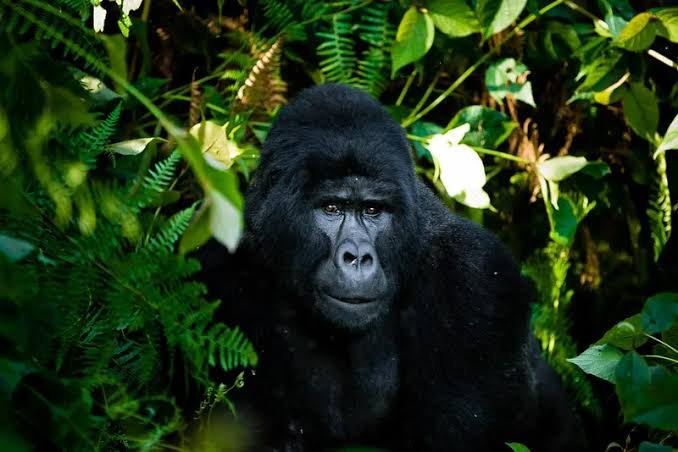
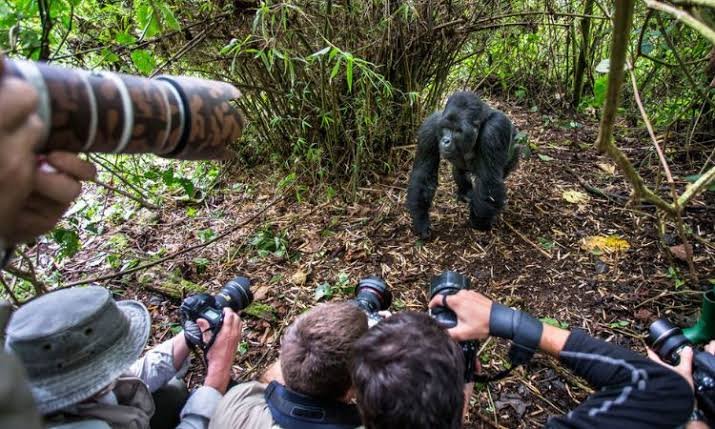
The final cost of a mid-range Rwanda gorilla safari depends heavily on how many nights are included. A short itinerary with one night near Volcanoes National Park before the trek and a return to Kigali after trekking will naturally cost less than a three-day or four-day itinerary that includes additional nights, cultural experiences, golden monkey trekking or time around Lake Kivu. However, reducing the trip too aggressively can make the journey feel rushed. Spending at least one night close to Volcanoes National Park before gorilla trekking is usually a practical choice because trekkers need to report early in the morning, and arriving rested can make a significant difference during a physically demanding forest walk.
Meals also influence the overall cost, although many mid-range lodges package breakfast, lunch and dinner into the room rate. This can make budgeting easier because travellers do not need to calculate every meal separately. A well-prepared dinner after arrival, an early breakfast before trekking and a satisfying meal after returning from the forest contribute greatly to the overall comfort of the safari. Mid-range properties may not offer the extensive wine lists, private chefs or elaborate tasting menus associated with premium luxury lodges, but they can still provide generous, well-prepared meals that suit the needs of active safari travellers.
For many visitors, the mid-range category offers one of the best balances between cost and comfort because it protects the elements that matter most. The traveller still receives the official gorilla trekking permit, professional park guidance, reliable transport, a comfortable lodge and proper meals, while avoiding large additional expenses for ultra-luxury design, private villas, spa programmes and highly personalised lodge services. This makes the safari especially suitable for travellers who consider mountain gorillas the main reason for visiting Rwanda and would rather direct the largest part of their budget toward the permit and the experience itself.
The cost can also be more efficient when two or more travellers share the same safari. A couple using one private vehicle and one double room will normally pay less per person for transport and accommodation than a solo traveller using the same level of service. Small groups can benefit even more because the transport cost is divided among several people while the permit remains an individual expense. This is why two travellers following exactly the same three-day mid-range gorilla itinerary may achieve better per-person value than someone travelling privately alone.
A mid-range Rwanda gorilla safari should therefore not be understood as a basic or uncomfortable version of the experience. It is better described as a practical and value-focused way of travelling that keeps the essential safari components strong while removing some of the premium extras associated with luxury tourism. Travellers still enjoy a private or well-organised journey, comfortable accommodation, reliable meals, professional transportation and the same one-hour mountain gorilla encounter inside Volcanoes National Park.
For travellers who want to experience Rwanda’s mountain gorillas without turning the trip into an extremely expensive luxury holiday, the mid-range option is often the most sensible balance. The USD 1,500 gorilla permit remains the largest fixed expense, but carefully selected accommodation, efficient transport and a well-paced itinerary can keep the remaining costs more manageable while still delivering a comfortable and memorable safari. The result is a journey where the money is concentrated on what matters most: reaching Volcanoes National Park smoothly, arriving well rested for the trek, experiencing the mountain gorillas responsibly and returning to a comfortable lodge after one of the most remarkable wildlife encounters in Africa.
Can Rwanda Gorilla Trekking Be Done on a Budget?
Rwanda gorilla trekking can be organised in a more affordable way, but it is important to understand that it can never become a genuinely cheap safari experience for an international visitor because the gorilla permit itself currently costs USD 1,500 per person for one trek. This government permit is the largest fixed expense and cannot simply be reduced by choosing a cheaper lodge or shortening the itinerary. The real opportunity to control the overall safari price therefore comes from managing the additional costs around the permit, including accommodation, transportation, number of nights, meals and optional activities. A carefully planned budget-focused Rwanda gorilla safari can still be comfortable, safe and professionally organised without including expensive luxury lodges, premium dining, spa services or unnecessary extras that do not directly affect the actual gorilla trekking experience.
One of the most effective ways to reduce the overall cost is to choose simple but comfortable accommodation close to Volcanoes National Park. Travellers do not necessarily need to stay in one of Rwanda’s most exclusive gorilla lodges to enjoy a successful trekking experience. A well-selected budget or lower mid-range property can provide a clean private room, hot shower, comfortable bed, breakfast and convenient access to the park area at a fraction of the cost of an ultra-luxury lodge. Since the mountain gorilla trekking experience itself is organised by the national park authorities rather than by the lodge, staying in more affordable accommodation does not reduce the quality of the actual time spent with the gorillas. A guest staying in a simple lodge and another traveller staying in a very expensive property may still participate in the same morning briefing, enter the same forest and spend the same regulated one hour observing a habituated gorilla family.
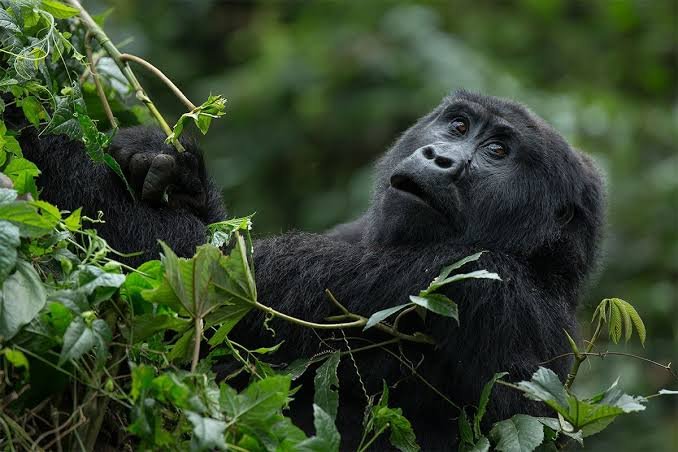
The number of nights included in the itinerary also has a major influence on the total safari cost. Travellers who are primarily interested in gorilla trekking can keep the journey relatively short by spending only the nights genuinely needed around Volcanoes National Park. A compact itinerary might involve arriving in Kigali, transferring toward the Volcanoes region, spending the night near the park, trekking the following morning and then returning to Kigali afterward. This approach keeps accommodation and vehicle costs lower while still allowing the traveller to participate fully in the gorilla experience. However, the itinerary should not be compressed so aggressively that the traveller arrives exhausted or risks missing the early morning reporting time. Spending the night close to the park before trekking is usually worth the additional accommodation cost because it allows the traveller to begin the most important day of the safari rested and on time.
Transport is another area where travellers can control costs intelligently. A private safari vehicle is convenient and flexible, but solo travellers carry the full vehicle cost themselves. Couples, friends or small groups can improve value considerably by sharing the same vehicle. The cost of fuel, driver-guide services and road transfers can then be divided among several passengers, while the gorilla permit remains an individual expense. Travellers should avoid choosing extremely cheap transport simply because the price looks attractive. Gorilla trekking operates on a fixed schedule, and unreliable transportation can create serious problems if a vehicle breaks down or arrives late. Saving a relatively small amount on transport is not worthwhile if it places a USD 1,500 permit at risk.
A budget-focused safari can also avoid activities that are not essential to the main purpose of the trip. Rwanda offers many excellent experiences around Volcanoes National Park, including golden monkey trekking, cultural visits, conservation experiences and other excursions, but travellers whose priority is controlling costs do not need to include every available activity. Focusing the itinerary on the gorilla trek itself can keep the journey more affordable while still delivering the experience that motivated the trip in the first place. Additional activities can always be added when the budget allows, but they should not be treated as compulsory simply because they are available in the region.
Meals can also be managed carefully. Many affordable lodges around Volcanoes National Park include breakfast and may offer reasonably priced lunch and dinner arrangements. Travellers can therefore avoid the high dining costs associated with premium properties while still eating well throughout the safari. The most important consideration is reliability and convenience, especially before trekking. An early breakfast and access to sufficient water are far more important than luxury dining on the morning of the trek. After several hours in the forest, a simple, well-prepared meal and a hot shower can feel every bit as valuable as a more elaborate lodge experience.
Travellers should also distinguish between genuine cost-saving and false economy. A very low safari quotation can sometimes exclude the gorilla permit, airport transfers, meals or essential vehicle services. Comparing only headline prices can therefore be misleading. A budget package that appears hundreds of dollars cheaper may ultimately cost more once the missing components are added. It is always better to ask exactly what is included in the quotation and confirm whether the USD 1,500 permit has already been secured or still needs to be paid separately.
The gorilla permit itself should always be purchased through Rwanda’s recognised booking channels or through a reputable and properly established tour operator. Travellers should be cautious when dealing with unknown individuals or websites offering unusually cheap gorilla permits, because the official permit price is controlled and cannot simply be discounted for an ordinary international visitor. A genuine permit represents a substantial investment, so confirmation and documentation should be taken seriously. Cutting costs through questionable permit arrangements is one of the worst places to economise because a problem discovered at the park entrance can result in the traveller losing both money and the opportunity to trek.
Porter assistance is another area where budget travellers sometimes try to save a small amount, but this should be considered carefully. A porter is not compulsory, yet the practical help can be extremely valuable on a long or muddy trek. Carrying a backpack, water and camera equipment for several hours at altitude can become tiring, and porter assistance can make the experience much more comfortable. The cost is usually relatively small compared with the USD 1,500 permit, so travellers should consider whether saving that amount is worth making an already demanding trek more difficult. For many visitors, a porter is one of the most useful optional expenses on the entire safari.
The time of year can also influence the overall price of accommodation even when the standard international gorilla permit remains unchanged. High-demand travel periods may produce stronger lodge rates and limited room availability, while quieter periods can sometimes provide better accommodation value. Travellers with flexible dates may therefore reduce their overall safari cost by choosing a period when lodges are less heavily booked. However, the decision should also consider trekking conditions, rainfall and personal travel preferences rather than price alone.
Solo travellers who want to experience Rwanda gorilla trekking on a budget should pay particular attention to transport and accommodation because these are the areas where solo travel often becomes expensive. Joining transport with another traveller when available, choosing a reasonably priced single room and keeping the itinerary short can help control costs. The permit itself remains USD 1,500, so the main financial strategy is to avoid paying unnecessarily high prices for the services surrounding it.
Couples and friends can often achieve better value because they can share both transport and accommodation. Two travellers using one vehicle and one double or twin room normally reduce the average logistical cost per person considerably. Small groups can improve this further, particularly when one safari vehicle can comfortably accommodate everyone. This makes group size one of the most important factors affecting the non-permit portion of a budget Rwanda gorilla safari.
It is also worth remembering that budget travel does not mean sacrificing safety or comfort. A good budget-focused safari should still provide reliable transportation, clean accommodation, appropriate meals, professional organisation and enough time to reach the park without unnecessary pressure. Travellers should never feel that they must stay in uncomfortable accommodation or use unreliable vehicles simply because they are trying to reduce the price. The objective is to remove luxury rather than remove quality.
A carefully planned budget Rwanda gorilla safari therefore works by protecting the essential elements and simplifying everything else. The USD 1,500 permit remains non-negotiable for the ordinary international traveller, but accommodation can be modest, the itinerary can be short, transportation can be shared where practical and unnecessary activities can be removed. By making these choices intelligently, travellers can experience Rwanda’s mountain gorillas without paying the very high total prices associated with premium luxury safaris.
The best budget strategy is therefore not to search for an unrealistically cheap gorilla safari, but to make sure every additional dollar is spent where it contributes directly to the success of the trip. Reliable transport, a genuine permit, a comfortable night near Volcanoes National Park and proper preparation are worth protecting. Expensive design features, premium dining, spa treatments and extra excursions can be reduced or removed when the traveller’s main priority is simply to reach the forest and experience the mountain gorillas.
In this way, Rwanda gorilla trekking can be made more affordable without becoming stressful or unsafe. The experience will never be low-cost because of the USD 1,500 permit, but a smart itinerary can keep the total price far below the cost of an ultra-luxury safari. For travellers who are willing to focus their spending on the permit and essential logistics, a budget-conscious Rwanda gorilla trek can still deliver the same extraordinary one-hour encounter with mountain gorillas in Volcanoes National Park while keeping the wider journey practical, comfortable and financially controlled.
Does the Gorilla Permit Include a Porter?
No. The standard USD 1,500 Rwanda gorilla trekking permit does not automatically include a personal porter, so travellers who would like someone to carry a backpack, water, camera equipment or other personal items should budget for porter assistance separately. The permit covers the official gorilla trekking experience in Volcanoes National Park, including access to the trek, the organised guiding and tracking system, and the regulated one-hour encounter with a habituated mountain gorilla family once it has been located. Personal porter services, however, are arranged separately and are considered an optional support service rather than part of the government permit itself.
For many travellers, hiring a porter is one of the most practical additional expenses associated with gorilla trekking. The forest terrain can be steep, muddy and uneven, and the altitude around Volcanoes National Park can make a backpack feel much heavier after several hours of walking. Even a relatively small bag containing drinking water, rain protection, camera equipment, batteries and personal items can become tiring on a long uphill trek. Allowing a porter to carry that weight means the traveller can concentrate on maintaining balance, following the guide and conserving energy for the most important part of the experience.
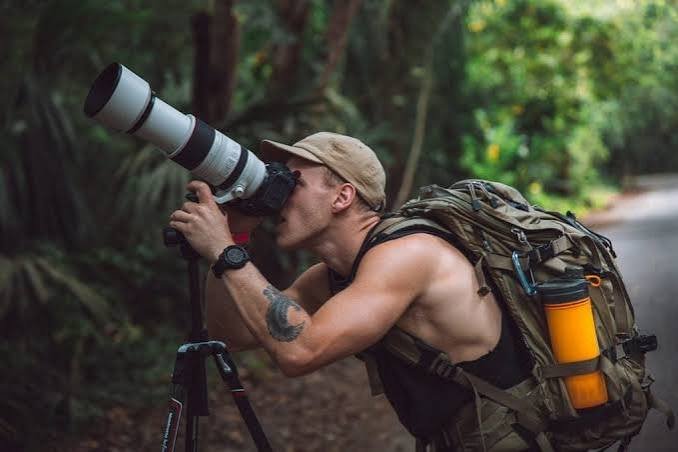
Porters can be particularly valuable for photographers. Camera bodies, lenses, spare batteries and protective covers can add considerable weight, especially when the trek lasts several hours. Instead of carrying everything personally through wet vegetation and steep terrain, a traveller can allow the porter to handle the bag during the hike and then take the camera equipment when the gorillas are located. This makes the trek more comfortable and can also reduce the risk of becoming unnecessarily exhausted before the one-hour viewing period begins.
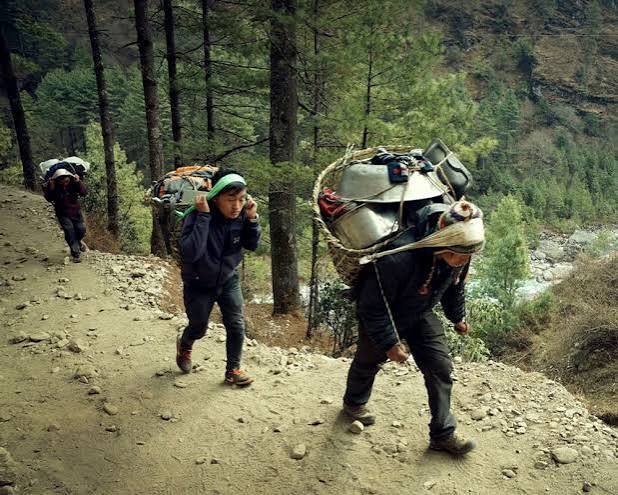
The support can also be useful for travellers who are concerned about fitness, balance or slippery ground. A porter may be able to offer a steady hand on difficult sections and help the visitor move more confidently through mud or steep slopes. This assistance does not remove the physical challenge of gorilla trekking, but it can make the experience significantly more manageable, particularly for older travellers, first-time hikers or anyone carrying extra equipment.
Another important reason to consider hiring a porter is the direct economic benefit to communities living around Volcanoes National Park. Porter work creates local income connected directly to gorilla tourism, meaning the small additional amount paid by the traveller contributes to livelihoods in the areas surrounding the park. For many visitors, this makes porter assistance valuable not only from a practical point of view but also as a simple way of supporting local participation in the tourism economy.
Travellers should therefore avoid assuming that because they are physically fit they will not benefit from a porter. Gorilla trekking conditions are unpredictable, and a trek that begins easily can later become much more demanding if the allocated gorilla family has moved deeper into the forest. The cost of porter assistance is relatively small compared with the USD 1,500 permit, yet the comfort and support can be substantial. For this reason, many travellers find it worthwhile to include porter assistance in their budget from the beginning rather than deciding only after the trek has already become difficult.
In practical terms, the gorilla permit and the porter serve completely different purposes. The permit gives you legal access to the trekking experience, while the porter provides personal assistance during the physical journey through the forest. One does not replace the other, and the porter fee should therefore be treated as a separate optional expense. For travellers who want to make the trek more comfortable and conserve their energy for the actual gorilla encounter, hiring a porter can be one of the most useful additions to the day.
How Much Does Gorilla Trekking Cost When Combined With Akagera?
Combining Volcanoes National Park with Akagera National Park creates a more complete Rwanda wildlife safari but naturally increases the total trip cost.
The gorilla permit remains USD 1,500 per international visitor, while additional accommodation, road transport, Akagera park arrangements and wildlife activities are added.
The benefit is that the traveller experiences two completely different ecosystems. Volcanoes provides mountain forest and primates, while Akagera offers savannah wildlife and traditional game viewing.
This combination also makes the international flight more worthwhile because the traveller experiences significantly more of Rwanda.
The final price depends on accommodation standards and number of nights rather than a single fixed national package rate.
Is Rwanda Gorilla Trekking More Expensive Than Uganda?
From the permit perspective, Rwanda is more expensive for a standard international tourist. Rwanda’s standard foreign visitor permit currently costs USD 1,500 per person, while travellers comparing destinations should check Uganda’s current official permit price for their specific travel date because permit rates can change.
However, the cheapest permit does not automatically determine the cheapest or best overall itinerary.
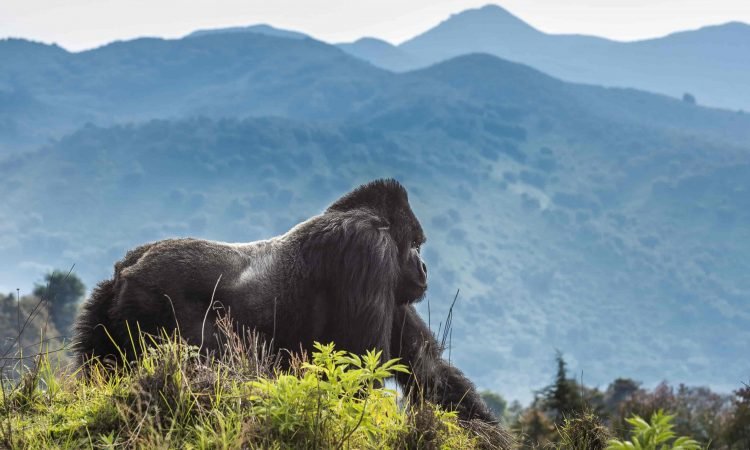
Flight routes, road distances, accommodation choices, length of safari and the number of countries visited all influence the final cost.
Rwanda’s major logistical advantage is the relative accessibility of Volcanoes National Park from Kigali, making it possible to build a high-quality gorilla experience into a short trip.
Travellers should therefore compare complete journeys rather than only permit prices.
Is Rwanda Gorilla Trekking Worth the Cost?
The answer depends on how strongly the traveller values rare wildlife experiences.
USD 1,500 is a substantial amount for one permit, especially when accommodation, transport and international flights still need to be added. However, mountain gorilla trekking is fundamentally different from visiting a conventional wildlife attraction.
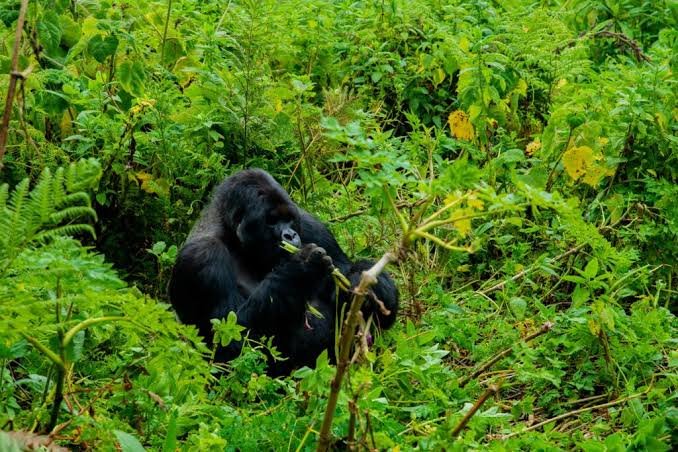
The visitor walks into the gorillas’ natural mountain habitat, accompanied by experienced trackers, and observes a habituated family living naturally in the forest.
The number of participants is deliberately restricted and the viewing period is limited to one hour, creating an intimate encounter that cannot simply be expanded to accommodate unlimited tourist demand.
For travellers who have dreamed of seeing mountain gorillas, the permit often becomes the most memorable wildlife investment of the holiday.
For someone whose main interest is savannah wildlife rather than primates, the same budget might deliver greater personal value elsewhere.
The cost should therefore be judged against individual travel priorities rather than in isolation.
How Far in Advance Should You Pay for a Gorilla Permit?
Rwanda Development Board states that gorilla permits can be booked in advance and that bookings are handled on a first-come, first-served basis.
Advance booking becomes especially important during popular travel periods because only limited numbers of visitors can trek each day.
Travellers should therefore secure the permit before committing heavily to non-refundable accommodation and flights where possible.
A safari operator can normally coordinate permit availability with the rest of the itinerary, while independent travellers can use Rwanda’s official booking system.
Waiting until arrival in Rwanda creates unnecessary risk because permits may already be sold out for the desired date.
Why You Should Not Choose a Safari Based Only on the Lowest Price
Gorilla trekking involves expensive permits and strict timing, so reliability matters.
A quotation should be evaluated according to what is included, the quality of accommodation, transportation, permit confirmation and the reputation of the operator rather than headline price alone.
A cheap package excluding the USD 1,500 permit is not necessarily cheaper than a higher quotation that includes it.
Similarly, saving money through unreliable transport can become extremely costly if the traveller arrives late and misses the trek. Rwanda Development Board states that late arrival does not automatically qualify for a permit refund.
The most valuable safari is therefore not necessarily the cheapest one. It is the one that protects the permit investment and delivers the promised experience with appropriate accommodation and logistics.
What Is a Realistic Budgeting Approach for Rwanda Gorilla Trekking?
The simplest budgeting approach is to begin with the fixed USD 1,500 international permit and then consider the desired comfort level.
A traveller wanting a short, efficient trip can control costs through a limited number of nights and comfortable mid-range accommodation.
A traveller wanting a premium holiday should expect the total to rise substantially once exclusive lodges, private transfers and additional experiences are added.
Instead of searching for one universal package price, travellers should decide how many nights they want, whether they are travelling alone or with companions, what level of accommodation they prefer and whether the trip includes other destinations.
Once those factors are clear, a safari company can provide a much more meaningful quotation than a generic online figure.
This approach also prevents disappointment because the client understands from the beginning why the final amount is higher than the permit itself.
How Much Does Gorilla Trekking in Rwanda Cost in 2026?
How Much Does Gorilla Trekking in Rwanda Cost in 2026? For a standard international foreign visitor, the official mountain gorilla trekking permit currently costs USD 1,500 per person for one trek in Volcanoes National Park. The minimum trekking age is 15 years, the maximum standard group size is eight visitors and the actual gorilla viewing period is limited to one hour after the family has been located.
Rwanda’s current booking portal also displays promotional permit rates for qualifying Rwandan citizens, East African citizens, foreign residents and African citizens or residents. However, the portal explicitly states that these promotional rates are not applicable between June and October 2026, meaning travellers in those categories should check the live booking system for the correct rate applying to their exact travel date.
For an ordinary international traveller, USD 1,500 should therefore remain the reliable starting figure when planning the safari.
The full trip will cost more because transportation, accommodation, meals, porter assistance, insurance and other travel expenses sit outside the permit unless a package explicitly includes them.
A solo traveller will generally spend more per person on logistics than a couple because private transportation and rooms cannot be divided between two guests. Couples and small groups can share several safari costs, making the non-permit portion more efficient.
Luxury travellers can spend considerably more because Rwanda offers exceptional high-end accommodation around Volcanoes National Park. Mid-range travellers can keep the trip substantially more affordable by using comfortable accommodation without premium extras, while the actual gorilla trekking permit and official experience remain the same.
Final Answer: How Much Does Gorilla Trekking in Rwanda Cost?
How Much Does Gorilla Trekking in Rwanda Cost? The most important number is USD 1,500 per person for the standard international mountain gorilla trekking permit. That is the official permit price currently published by Rwanda Development Board and Visit Rwanda for an ordinary foreign visitor undertaking one gorilla trek in Volcanoes National Park.
However, travellers should never confuse the USD 1,500 permit price with the total cost of the safari. A complete Rwanda gorilla trekking trip also requires transportation to the Volcanoes region, accommodation, meals and the practical logistics needed to reach the park on time. Depending on travel style, visitors may also budget for porters, gratuities, travel insurance, visa costs, trekking clothing, additional activities and extra nights in Kigali or other parts of Rwanda.
For two international travellers, one gorilla trek each means USD 3,000 in permits before any other safari expenses are considered. Four travellers would spend USD 6,000 on permits, while a traveller wanting two treks would spend USD 3,000 on two standard international permits.
Rwanda currently offers promotional permit pricing for some qualifying Rwandan, East African, African and resident categories, but the official booking portal states that those promotional rates do not apply from June through October 2026. Travellers who believe they qualify should therefore confirm the current rate and provide the correct supporting documents rather than assuming that a promotional figure will apply automatically.
Accommodation then becomes one of the biggest factors affecting the final safari price. A traveller using a comfortable mid-range lodge can keep costs relatively controlled, whereas a guest choosing one of the premium luxury properties near Volcanoes National Park can spend considerably more each night than the average safari traveller.
Transportation also matters. Couples and small groups can share the cost of a private safari vehicle, while a solo traveller normally carries the full transport expense. Extending the itinerary to Lake Kivu, Nyungwe or Akagera adds more nights, vehicle use and activities but also creates a much more complete Rwanda holiday.
Porter assistance represents another smaller but worthwhile additional cost. Porters can carry backpacks and photographic equipment and can provide valuable help on muddy or steep terrain. For an activity that already represents a major financial investment, spending a relatively small additional amount to make the trek more comfortable can be worthwhile.
Travellers should also protect the permit investment by arriving in the Volcanoes region in good time. The park currently requires morning reporting at approximately 7:00 a.m., and official rules warn that late arrival does not automatically entitle a visitor to a refund. Staying close to Volcanoes National Park before the trek therefore provides both comfort and practical protection for an expensive wildlife experience.
The total amount you eventually spend will depend heavily on your travel style, but the core calculation is simple. Start with USD 1,500 for each international traveller taking one gorilla trek, then add accommodation, transportation and the other elements required by the itinerary. If you want two treks, budget for two permits. If you want premium accommodation and private luxury services, expect the overall holiday price to increase substantially even though the official gorilla permit remains the same.
For many travellers, the cost feels significant before the trek and much easier to understand afterward. Mountain gorilla trekking is deliberately limited, carefully managed and centred on a rare wild population living in a sensitive volcanic forest ecosystem. You are not paying for a conventional wildlife attraction where unlimited visitors can arrive throughout the day. You are buying access to a restricted conservation experience in which only small groups enter the forest, locate a habituated family with professional trackers and spend one controlled hour observing the gorillas in their natural environment.
That combination of scarcity, conservation, professional management and extraordinary wildlife viewing explains why gorilla trekking in Rwanda commands a premium price. The USD 1,500 permit is therefore best viewed not simply as an activity fee but as the foundation of one of Africa’s most distinctive wildlife journeys. When the rest of the safari is planned carefully around it, the experience can become the defining moment of a Rwanda holiday and, for many travellers, one of the most memorable wildlife encounters of their lives.