
Unforgettable Guide: What Are the Best Places to Visit After Gorilla Trekking in Rwanda?
What Are the Best Places to Visit After Gorilla Trekking in Rwanda? The strongest choices are Lake Kivu for relaxation and beautiful lakeside scenery, Akagera National Park for Big Five wildlife, Nyungwe National Park for chimpanzees and rainforest adventures, the Twin Lakes of Burera and Ruhondo for volcanic landscapes, Kigali for culture and comfortable city time, and Gishwati-Mukura National Park for travellers seeking quieter forest experiences. Rwanda’s relatively compact size makes it possible to combine a mountain gorilla trek with several very different landscapes without needing to leave the country. Visit Rwanda describes the country as particularly easy to explore by road, with the popular national-park circuit passing through constantly changing scenery.
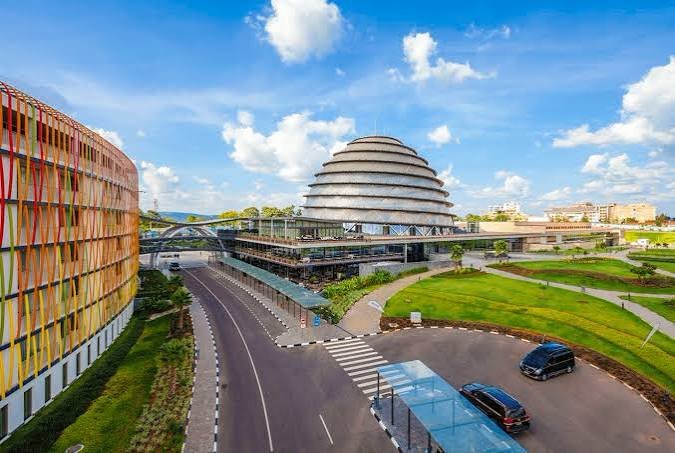
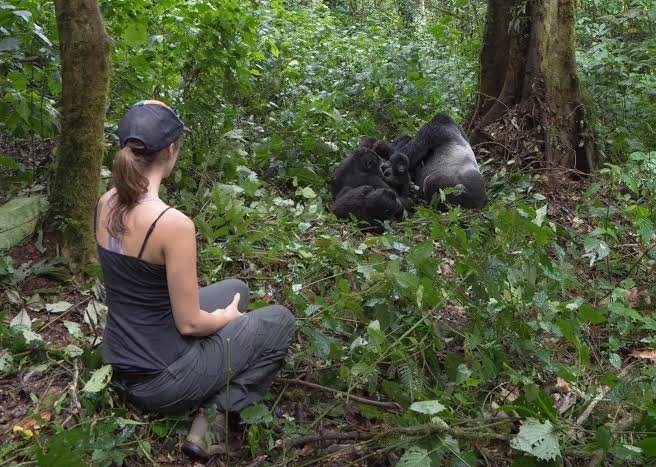
Choosing where to travel after gorilla trekking in Rwanda should depend on what you want from the second half of your safari. After hiking through the mountain forests of Volcanoes National Park, some travellers want to slow down completely beside Lake Kivu, while others want to continue the wildlife adventure with lions, elephants and rhinoceroses in Akagera. Primate enthusiasts may prefer travelling south toward Nyungwe for chimpanzee trekking, photographers may spend more time around the Twin Lakes and Lake Kivu, and couples may choose a combination of lakeside relaxation and luxury safari accommodation.
The best Rwanda itinerary also needs balance. Gorilla trekking usually involves an early start and can require several hours of walking through steep, muddy or densely vegetated terrain. Immediately scheduling another difficult mountain hike the following morning is possible, but it is not always the most enjoyable way to experience Rwanda. One reason destinations such as Lake Kivu work so well after gorilla trekking in Volcanoes National Park is that they allow the rhythm of the holiday to change. A well-designed extension should complement the gorilla experience rather than simply add more activities to an already crowded safari.
Lake Kivu – The Best Place to Relax After Gorilla Trekking
For many travellers, the simplest answer to What Are the Best Places to Visit After Gorilla Trekking in Rwanda? is Lake Kivu. Rwanda’s largest lake lies west of the gorilla trekking region and is surrounded by mountains, islands and green hills. Visit Rwanda states that Lake Kivu covers approximately 2,700 square kilometres and that Rubavu, on the northern shore, is about an hour from Volcanoes National Park. The official tourism authority specifically describes Rubavu as a perfect place to relax after gorilla trekking.
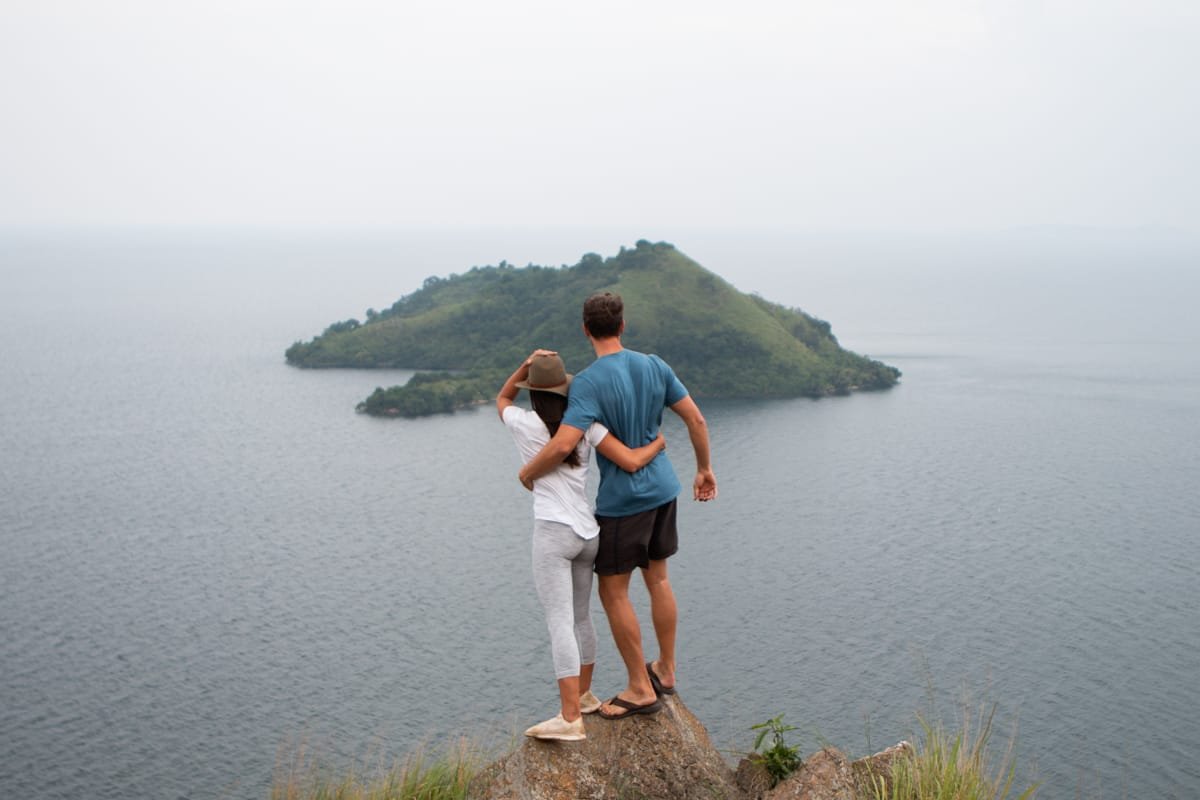
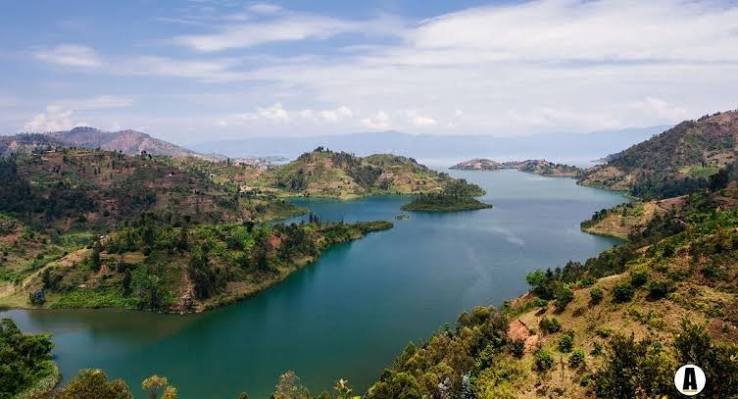
The short transition from mountain forest to lakeshore is what makes Lake Kivu especially attractive. One morning you may be walking through bamboo in search of a gorilla family, while the following afternoon can be spent overlooking calm water with no compulsory trekking schedule. Rubavu offers an easygoing waterfront atmosphere, while Karongi farther south is surrounded by pine- and eucalyptus-covered hills and provides an even quieter setting. At dawn and dusk, local fishing crews move across the lake, adding another distinctive experience to the landscape.
Lake Kivu is not limited to relaxation. Couples, photographers and active travellers can add kayaking, cycling or portions of the Congo Nile Trail. Visit Rwanda describes kayaking as an excellent way to experience the lake’s mountainous backdrop and notes that trips can range from a few hours to multi-day excursions. Travellers wanting a more active lakeside extension can explore a Lake Kivu adventure, while those who simply need recovery time after gorilla trekking can spend two nights enjoying slower mornings and sunset views.
Akagera National Park – The Best Extension for Big Five Wildlife
Travellers who want their Rwanda journey to continue with traditional African safari wildlife should head toward Akagera National Park. The park lies in eastern Rwanda and is completely different from the cool mountain forests of Volcanoes National Park. Akagera combines savannah, woodland, wetlands and numerous lakes, creating Rwanda’s main classic game-viewing destination. Visit Rwanda currently highlights the park as home to the Big Five and notes that its open landscapes are particularly suitable for wildlife viewing.
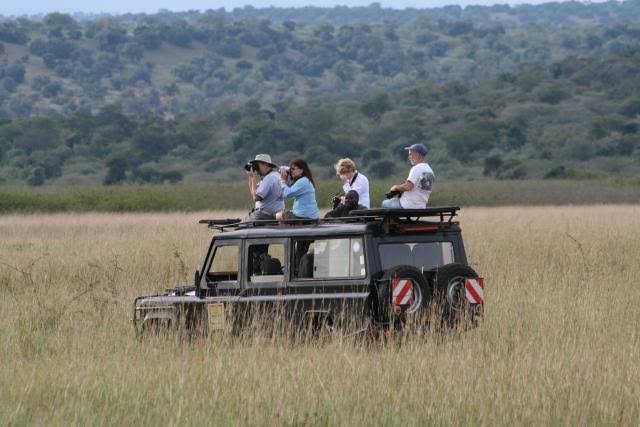
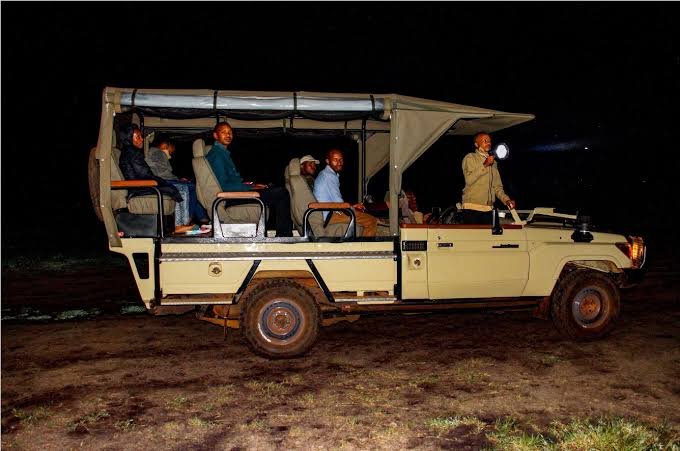
Adding Akagera after gorilla trekking gives travellers two fundamentally different wildlife experiences in the same trip. Mountain gorillas are encountered on foot inside dense forest, while wildlife in Akagera is primarily viewed from safari vehicles across open terrain. Visitors may encounter elephants, buffaloes, lions, rhinoceroses, giraffes, zebras, antelopes, baboons and a remarkable range of birds. The change in landscape makes each experience feel more distinctive rather than repetitive. Instead of spending an entire Rwanda holiday focused exclusively on primates, travellers gain a broader understanding of the country’s biodiversity.
A minimum of two nights in Akagera generally creates a more rewarding experience than a rushed day trip. A full game drive can be combined with a boat excursion on Lake Ihema, where hippos, Nile crocodiles and numerous waterbirds can be observed. Wildlife photographers may prefer three nights so that morning and afternoon light can be used more effectively, while luxury travellers can combine premium safari accommodation with a private vehicle. When deciding What Are the Best Places to Visit After Gorilla Trekking in Rwanda?, Akagera is the strongest choice for anyone who wants gorillas and a classic Big Five safari within one country.
Nyungwe National Park – The Best Choice for Chimpanzees and Rainforest
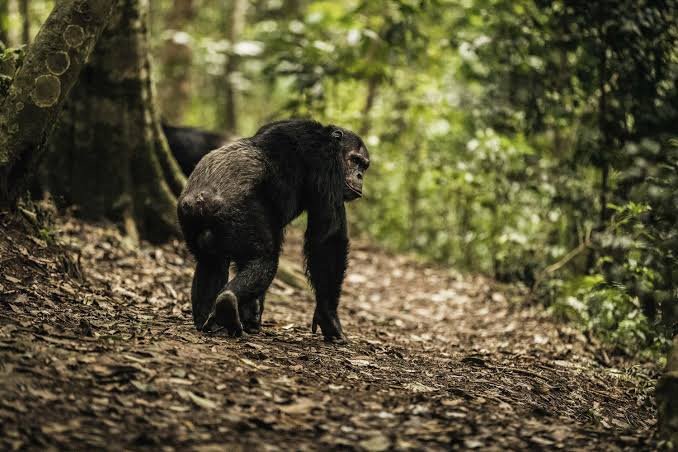
Travellers who finish gorilla trekking wanting more primates rather than savannah wildlife can continue south toward Nyungwe Forest National Park. Visit Rwanda describes Nyungwe as one of Africa’s oldest rainforests, with extraordinary biodiversity including chimpanzees and twelve additional primate species. Its mountainous forest scenery, trails and rich birdlife make it one of the strongest extensions for travellers interested in Rwanda’s Albertine Rift ecosystems.
Chimpanzee trekking in Rwanda is very different from the gorilla experience. Gorillas may remain relatively calm on the forest floor for long periods, while chimpanzees can move rapidly through trees and vegetation. Their vocalisations, movement and social behaviour create a more energetic encounter. Experiencing both great apes during one Rwanda safari helps travellers appreciate how different primate species behave and how varied Rwanda’s forests can be.
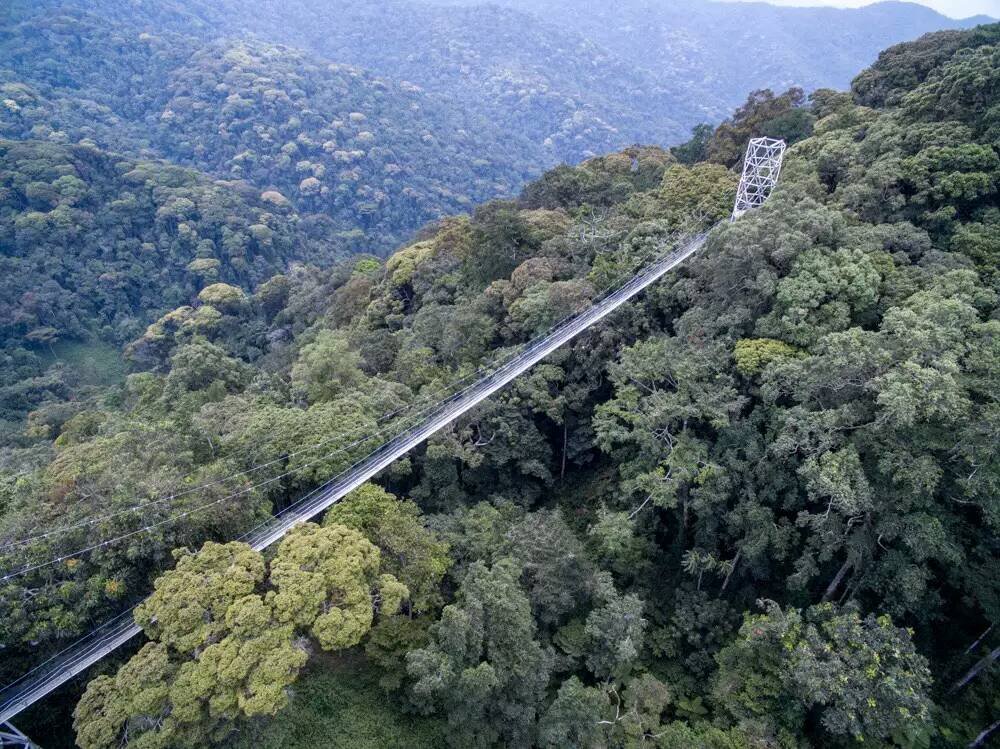
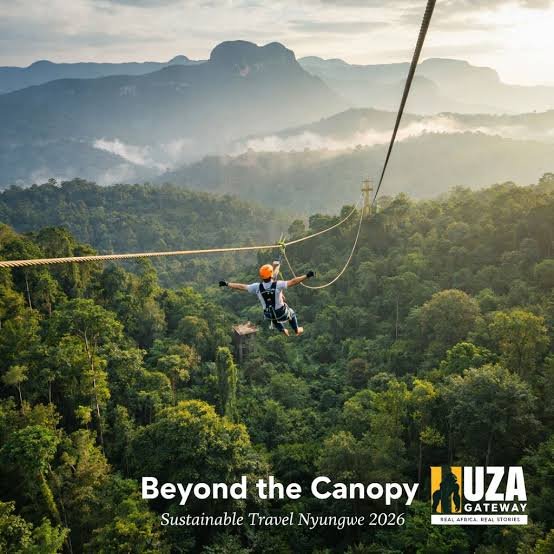
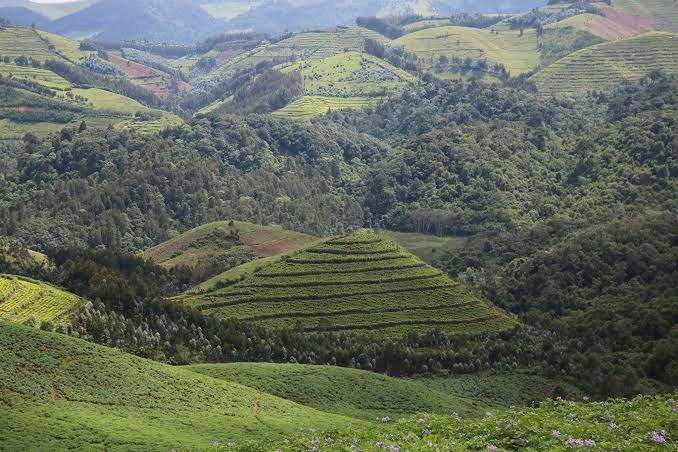
Nyungwe also offers plenty for travellers who do not want another primate trek immediately. The canopy walkway, forest trails, waterfalls, birding and the surrounding tea-growing landscapes provide alternative experiences. Visit Rwanda identifies the canopy walkway as one of the country’s signature adventure experiences and promotes the western corridor from Volcanoes National Park through Lake Kivu to Nyungwe as one of Rwanda’s strongest areas for hiking. Travellers with ten days or more can combine gorillas, Lake Kivu and Nyungwe naturally rather than treating the southern forest as an isolated extension.
The Twin Lakes of Burera and Ruhondo – The Best Scenic Extension Close to the Gorillas
Not every traveller needs to travel across Rwanda immediately after gorilla trekking. The Twin Lakes of Burera and Ruhondo provide one of the most attractive nearby extensions for people who want dramatic scenery without another demanding activity. The lakes lie within the wider volcanic landscape of northern Rwanda and can be visited while staying in the Musanze or Volcanoes National Park region. Official Rwanda tourism material highlights the lakes for their mountain scenery, boating and elevated viewpoints toward the volcanoes.
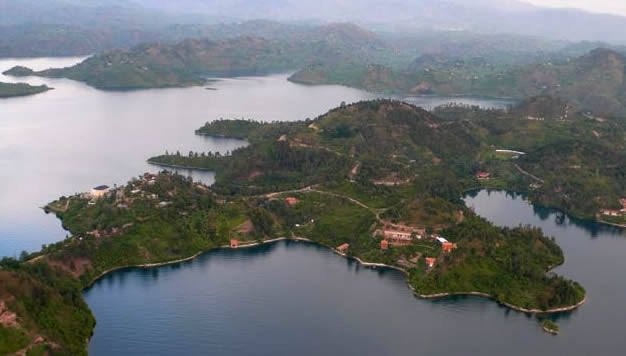
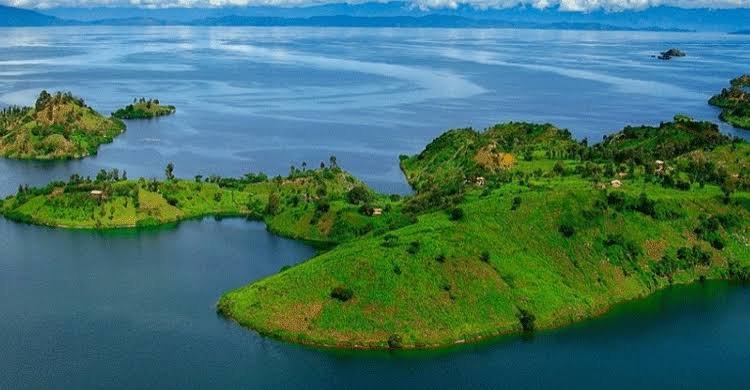
The Twin Lakes work particularly well after a physically demanding gorilla trek because the experience can be much gentler. Travellers can drive toward viewpoints, enjoy the agricultural scenery surrounding the lakes or arrange a boat excursion. The combination of water, terraced hills and distant volcanic peaks creates some of northern Rwanda’s strongest photographic compositions. On clear mornings, the Virunga Mountains can dominate the horizon, while cloudier conditions create a softer and more atmospheric landscape.
Photographers and couples may find the Twin Lakes especially worthwhile because the excursion gives them more time around the Virunga region without repeating the gorilla trek itself. Travellers can also combine the area with golden monkey trekking or spend another relaxed night near Volcanoes National Park. This is often a better choice than immediately undertaking a long transfer after the gorilla experience, particularly when the accommodation itself has beautiful views and facilities worth enjoying.
Golden Monkeys and the Wider Volcanoes Region – Stay Longer Before Moving On
Sometimes the best place to visit after gorilla trekking is actually the same region. Volcanoes National Park is much more than the mountain gorilla experience. Visit Rwanda notes that the park protects a rich mosaic of bamboo forest, evergreen vegetation, grassland, swamp and heath beneath the Virunga volcanoes and is home to golden monkeys as well as around 200 bird species. The wider region also includes hiking, canoeing, mountain biking and village experiences.
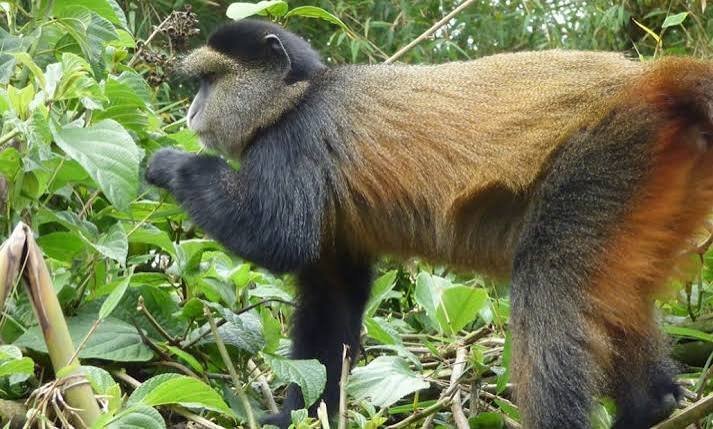
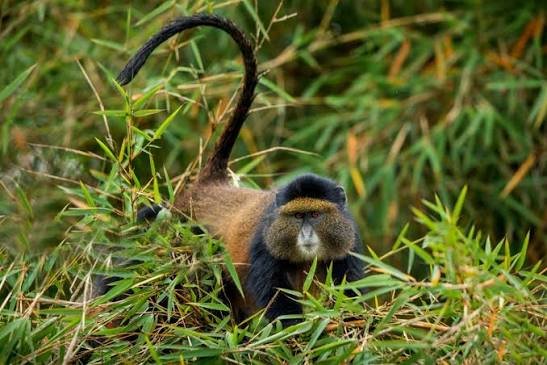
Golden monkey trekking is an excellent second-day experience because it differs significantly from gorilla trekking. Golden monkeys are smaller, faster and more energetic, often moving rapidly through bamboo while feeding and interacting. Travellers who want a short Rwanda safari can combine both primates through a 3-Day Rwanda Gorilla and Golden Monkey Trekking Safari rather than spending valuable time transferring across the country.
More active travellers can add a Dian Fossey hike or Mount Bisoke hiking experience, although these should be scheduled carefully because gorilla trekking itself can already be physically demanding. Travellers who want a more relaxed experience can instead explore Musanze, the Twin Lakes, Buhanga Eco-Park or another lighter excursion. Remaining in the region for three nights can therefore provide a richer experience than arriving late, trekking gorillas and leaving immediately the following morning.
Gishwati-Mukura National Park – A Quieter Forest Extension
Travellers wondering What Are the Best Places to Visit After Gorilla Trekking in Rwanda? but wanting somewhere less visited should consider Gishwati-Mukura National Park. Visit Rwanda identifies it as Rwanda’s fourth national park, made up of two separate forests and supporting chimpanzees, golden monkeys, blue monkeys, L’Hoest’s monkeys, birds and smaller wildlife. It is significantly less internationally famous than Volcanoes or Nyungwe, which forms part of its appeal.
The park is particularly interesting for travellers interested in conservation, birdwatching and forest restoration. Instead of moving directly from Rwanda’s busiest primate destination into another major tourism centre, visitors can experience a quieter protected landscape where community-based activities and forest conservation are important parts of the story. Its location in western Rwanda can also allow it to fit naturally with a Lake Kivu-focused itinerary.
Gishwati-Mukura will not replace Nyungwe for every traveller. Those primarily determined to see chimpanzees may prefer the more established primate tourism experiences in Nyungwe, while travellers who want Big Five wildlife should prioritise Akagera. However, repeat visitors, birders and travellers deliberately looking beyond the standard route may find Gishwati one of the most rewarding additions to their journey.
Kigali – The Best Post-Gorilla Stop for Culture, Dining and an Easy Finish
Kigali is sometimes treated only as the arrival and departure point for a gorilla safari, but it deserves more attention after trekking. Visit Rwanda describes the capital as green, relatively low key, dynamic and culturally meaningful. Returning to Kigali after several days in the mountains can provide a comfortable change of pace before an international flight or before continuing into eastern Rwanda.
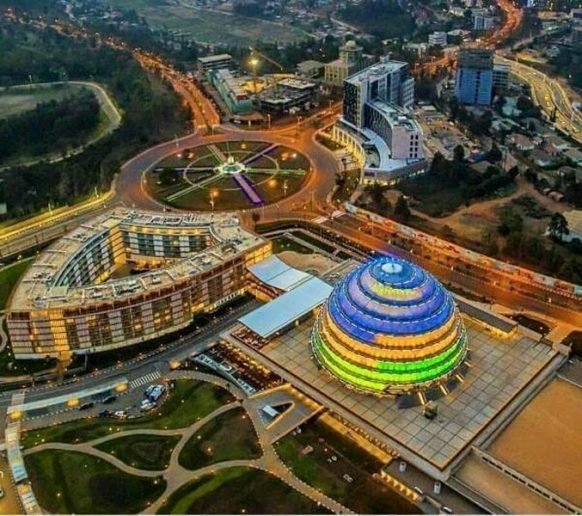
Travellers can use the city to explore restaurants, cafés, galleries, markets and contemporary Rwandan culture. The Kigali Genocide Memorial provides essential historical context for visitors who want to understand Rwanda beyond wildlife tourism, although it should naturally be approached as a place of remembrance and reflection rather than a conventional attraction. Couples may prefer an elegant final hotel night and dinner, while photographers can explore urban viewpoints and daily city life.
Kigali is especially convenient for travellers with limited time. Someone with only one additional day after gorilla trekking may not realistically have enough time for Nyungwe or a full Akagera safari, but a meaningful Kigali city experience can fit comfortably before departure. The city can also serve as the transition between Volcanoes National Park and Akagera for travellers continuing east, avoiding an unnecessarily rushed direct transfer between two demanding wildlife destinations.
Nyanza and Huye – The Best Cultural Extension Before Nyungwe
Travellers heading south after gorilla trekking can make the journey toward Nyungwe more meaningful by including Nyanza and Huye. Visit Rwanda identifies Nyanza as home to the King’s Palace, a reconstructed traditional royal residence, while Huye is known for the Ethnographic Museum and its important academic and cultural history. These destinations introduce a completely different side of Rwanda from national parks and wildlife.
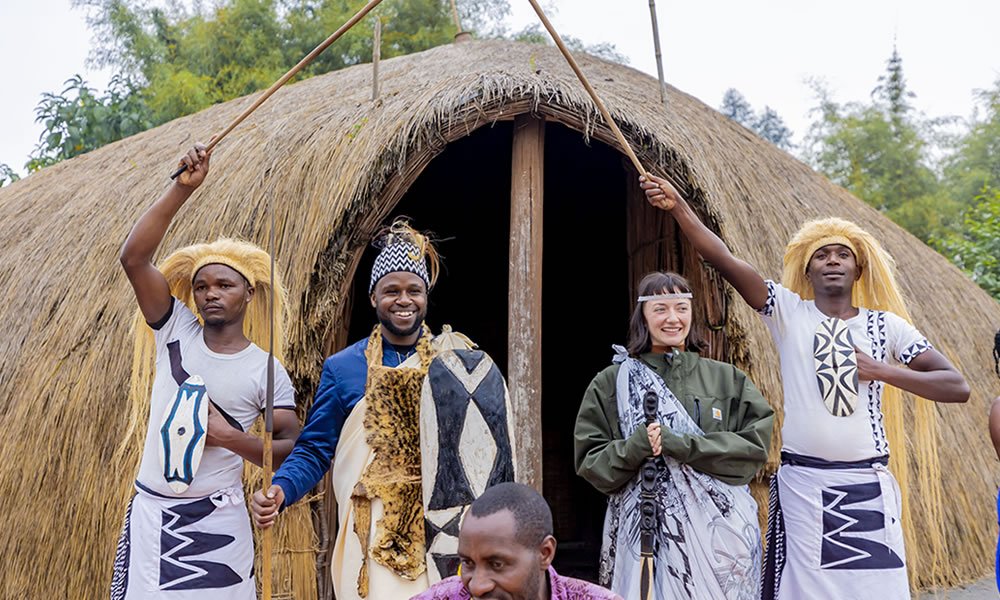
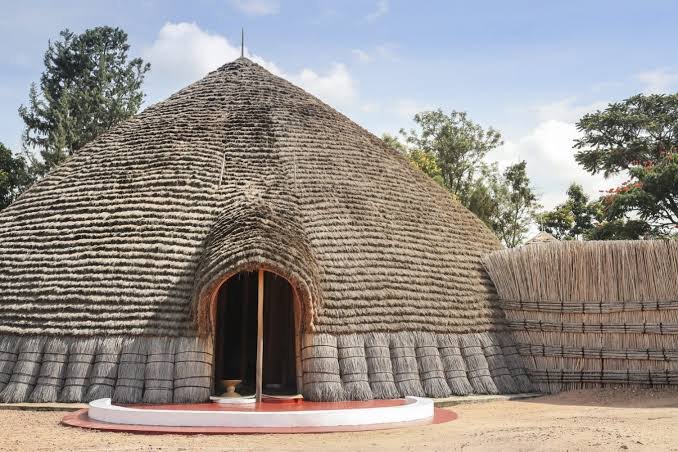
The King’s Palace allows visitors to learn more about Rwanda’s pre-colonial monarchy, traditional architecture and the famous long-horned Inyambo cattle associated with royal tradition. Huye’s Ethnographic Museum provides a much broader examination of culture, history, material traditions and everyday life. Together, the two destinations can transform the transfer toward Nyungwe into a cultural journey rather than simply a long day inside a vehicle.
This extension is particularly valuable for travellers whose Rwanda trip has become heavily focused on wildlife. Gorillas, chimpanzees and game drives are extraordinary experiences, but understanding culture and history gives the journey greater context. Nyanza and Huye can therefore be added naturally before the traveller continues into Nyungwe Forest National Park for the next stage of the safari.
Which Place Should You Choose After Gorilla Trekking?
If relaxation is your priority, choose Lake Kivu. Its proximity to Volcanoes National Park and slower waterside atmosphere make it the most natural recovery destination after gorilla trekking. Rubavu is particularly convenient because Visit Rwanda places it about an hour from Volcanoes National Park. Two nights can be enough to change the pace of the safari without adding complicated logistics.
If wildlife is your priority, choose Akagera National Park. The contrast between mountain gorillas and Big Five game viewing provides one of Rwanda’s strongest safari combinations. If primates and rainforest remain your main interests, choose Nyungwe for chimpanzee trekking in Rwanda, forest trails and canopy experiences. Visit Rwanda’s own nine-day circuit combines Akagera, Volcanoes, Nyungwe and Lake Kivu, demonstrating how naturally these regions work together.
If you have only one extra day, remain around the Volcanoes region and add golden monkeys, the Twin Lakes or another local experience. If you have three or four additional days, Lake Kivu or Akagera can become a genuine extension. With a week after the gorilla trek, travellers can build a much larger circuit through Lake Kivu, Nyungwe and southern Rwanda or travel east toward Akagera before returning to Kigali. The correct choice is the destination that creates contrast without making the itinerary feel rushed.
Frequently Asked Questions About What Are the Best Places to Visit After Gorilla Trekking in Rwanda?
1. What Are the Best Places to Visit After Gorilla Trekking in Rwanda?
What Are the Best Places to Visit After Gorilla Trekking in Rwanda? The strongest choices include Lake Kivu, Akagera National Park, Nyungwe National Park, the Twin Lakes of Burera and Ruhondo, Kigali, Gishwati-Mukura National Park and Rwanda’s southern cultural destinations around Nyanza and Huye.
2. What is the best place to relax after gorilla trekking in Rwanda?
Lake Kivu is the strongest choice for relaxation. Rubavu is located about an hour from Volcanoes National Park and is specifically promoted by Visit Rwanda as an excellent place to unwind after gorilla trekking.
3. What Are the Best Places to Visit After Gorilla Trekking in Rwanda for wildlife?
For classic wildlife, Akagera National Park is the best extension. Travellers can search for lions, rhinoceroses, elephants, buffaloes, giraffes and other savannah wildlife while also enjoying Lake Ihema and its hippos, crocodiles and birds.
4. Can I see chimpanzees after gorilla trekking in Rwanda?
Yes. Continue to Nyungwe Forest National Park for a completely different primate experience. Chimpanzee trekking in Rwanda can be combined with forest walking, birding and other Nyungwe experiences.
5. Are the Twin Lakes worth visiting after gorilla trekking?
Yes. Burera and Ruhondo are excellent for travellers who want mountain scenery without immediately undertaking another difficult trek. Viewpoints can be accessed by road, while boating provides another way to enjoy the lakes and Virunga landscapes.
6. Should I stay longer in Volcanoes National Park after seeing gorillas?
Yes, particularly if you want golden monkey trekking, scenic lakes, hiking or more time enjoying your lodge. Volcanoes National Park offers numerous activities beyond gorillas, including hiking, mountain biking, canoeing and village experiences.
7. What Are the Best Places to Visit After Gorilla Trekking in Rwanda for couples?
Couples often enjoy Lake Kivu, the Twin Lakes and Akagera. Lake Kivu provides relaxation, the Twin Lakes offer scenery and privacy, while Akagera can add private game drives and luxury safari accommodation to the journey.
8. What Are the Best Places to Visit After Gorilla Trekking in Rwanda for photographers?
Photographers can combine Volcanoes National Park with Lake Kivu for landscapes, Akagera for wildlife, the Twin Lakes for volcanic scenery and Nyungwe for rainforest, primates and birds. A private vehicle provides greater flexibility for photographic stops.
9. How many days do I need after gorilla trekking?
Two additional days are enough for Lake Kivu or more time in northern Rwanda. Three to four days can support a proper Akagera extension, while five to seven additional days provide enough time for Lake Kivu, Nyungwe and southern Rwanda without rushing.
10. Can I combine gorillas, Akagera, Lake Kivu and Nyungwe in one Rwanda safari?
Yes. Visit Rwanda promotes a nine-day itinerary combining Rwanda’s three major national parks with Lake Kivu. Travellers who prefer a slower pace may want ten to twelve days, particularly when photography, luxury lodges or additional activities are priorities.
Book Your Rwanda Safari After Gorilla Trekking
If you are asking What Are the Best Places to Visit After Gorilla Trekking in Rwanda? because you already know that mountain gorillas are the centrepiece of your journey, Visit Rwanda Safaris can design the rest of the route around what you want to experience afterward. Begin with gorilla trekking in Rwanda and then choose whether the next chapter should be relaxation at Lake Kivu, Big Five wildlife in Akagera, chimpanzees in Nyungwe or a slower exploration of northern Rwanda’s lakes and landscapes.
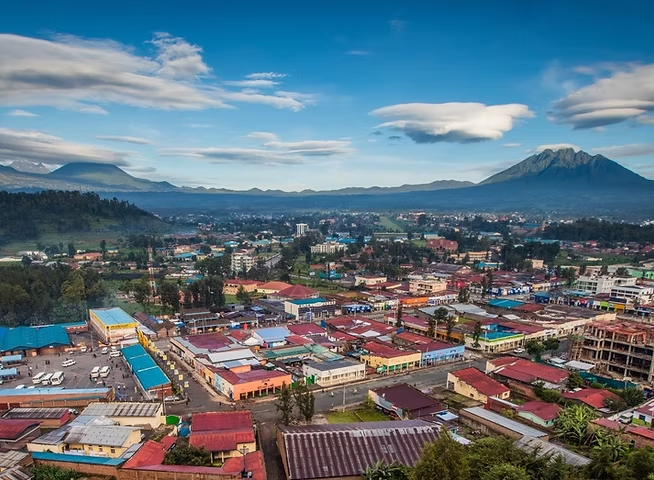
Travellers wanting a complete wildlife safari can combine Rwanda gorilla trekking tours with Akagera National Park, while primate enthusiasts can add golden monkeys and chimpanzee trekking. Couples and photographers may prefer Lake Kivu and the Twin Lakes, and premium travellers can combine the route with luxury gorilla trekking safaris and high-end safari accommodation.
The best extension is not necessarily the one containing the greatest number of destinations. It is the journey that gives the gorilla experience enough room to remain special while revealing another side of Rwanda afterward. Spend an evening watching the light change over Lake Kivu, search for lions and rhinos in Akagera, listen for chimpanzees in Nyungwe or enjoy the Virunga volcanoes reflected beyond the Twin Lakes. When you are ready to build the route, begin through our safari booking page. Let Visit Rwanda Safaris turn your gorilla trek into the beginning of a complete journey through Rwanda rather than the end of it.