
Ultimate Rwanda and Tanzania Safari – Gorilla Trekking, Serengeti & Ngorongoro Adventure
A Rwanda and Tanzania Safari combines two of East Africa’s most extraordinary wildlife experiences within one journey. Rwanda introduces travellers to mist-covered volcanic mountains, endangered mountain gorillas, golden monkeys, chimpanzees and spectacular highland scenery, while Tanzania opens into immense savannahs filled with lions, elephants, cheetahs, wildebeest, zebras and some of Africa’s most celebrated wildlife concentrations. The result is a safari that moves naturally from intimate primate encounters in the forest to traditional Big Five game drives across open African plains.
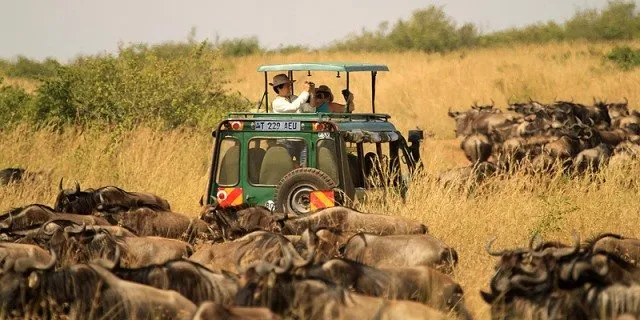
The contrast between the two countries is exactly what makes this combination so powerful. In Rwanda, visitors can walk through the bamboo-covered slopes of Volcanoes National Park until trackers locate a habituated mountain gorilla family. Once the gorillas are found, visitors are currently permitted a carefully managed one-hour encounter. Rwanda’s standard international visitor gorilla permit remains USD 1,500 per person, and advance booking is strongly recommended because only a limited number of permits are available each day.
Tanzania then changes the entire rhythm of the safari. Instead of walking through dense mountain forest, travellers enter a private 4×4 safari vehicle and begin searching Tanzania’s legendary northern circuit for lions, leopards, elephants, buffaloes, rhinos, cheetahs, giraffes and immense herds of grazing animals. A carefully designed Rwanda and Tanzania Safari therefore allows travellers to experience two completely different expressions of East African wildlife without choosing between gorilla trekking and a classic savannah safari.
Why Choose a Rwanda and Tanzania Safari?
A Rwanda and Tanzania Safari works exceptionally well because the two destinations complement each other rather than repeating the same experiences. Rwanda is particularly strong for mountain gorillas and forest primates, while Tanzania offers enormous wildlife landscapes including Serengeti National Park, Ngorongoro Conservation Area, Tarangire National Park and Lake Manyara. Combining them creates a journey with genuine ecological and visual variety.
Travellers who dream about seeing mountain gorillas can begin with our detailed guide to gorilla trekking in Rwanda. Those wanting a more detailed understanding of the gorilla region can also explore Volcanoes National Park and Rwanda gorilla trekking tours before deciding how many nights to dedicate to Rwanda.
Tanzania then adds an entirely different style of safari. Travellers can cross the endless plains of the Serengeti, descend into Ngorongoro Crater and explore Tarangire’s baobab country before returning to Arusha or continuing to Zanzibar. Visitors already interested in a shorter Tanzania extension can explore the 3 Day Mid-Range Tanzania Safari, while travellers wanting a more complete northern-circuit experience can examine the 4 Days Serengeti and Ngorongoro Crater Safari.
Begin Your Rwanda and Tanzania Safari in Kigali
Kigali is an excellent starting point for a Rwanda and Tanzania Safari because it provides convenient access to Volcanoes National Park and Rwanda’s wider tourism circuit. Official Visit Rwanda itineraries place the journey from Kigali to the Volcanoes region at approximately three hours, allowing international visitors to arrive in Rwanda and reach the gorilla highlands without requiring another domestic flight.
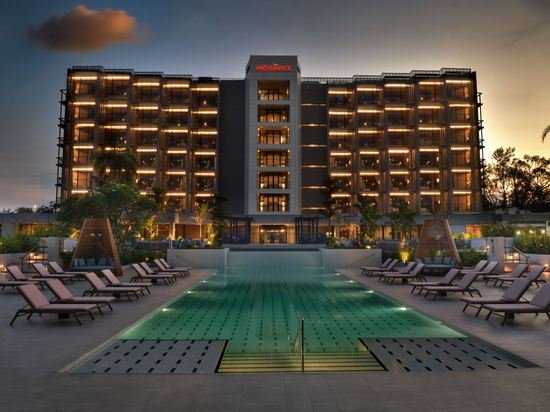
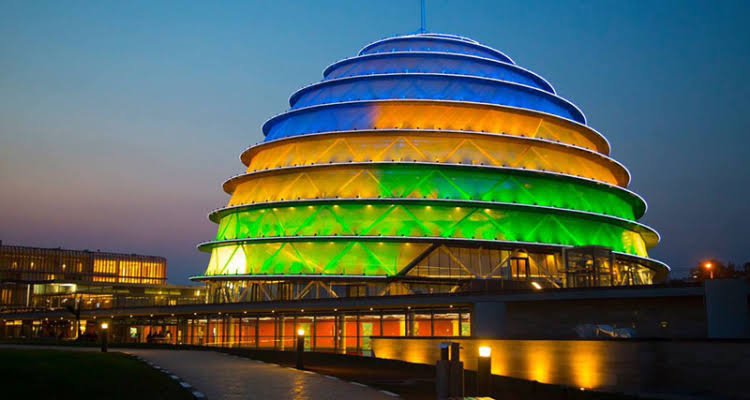
Spending the first night in Kigali can make the overall journey more comfortable, particularly after a long international flight. Travellers can rest at a quality hotel, enjoy a relaxed dinner and begin the safari the following morning. Those with additional time can include selected Kigali experiences before travelling north through Rwanda’s famous rolling countryside toward the Virunga volcanoes.
Beginning with Rwanda also creates a satisfying progression through the safari. The journey starts with one of Africa’s most intimate wildlife encounters before opening into Tanzania’s vast plains. After several days of walking through mountain forest and staying beneath volcanic peaks, the change to Tanzania’s endless horizons makes the second half of the Rwanda and Tanzania Safari feel like an entirely new adventure.
Mountain Gorilla Trekking During Rwanda and Tanzania Safari
Mountain gorilla trekking is usually the defining Rwanda experience within a Rwanda and Tanzania Safari. Visitors report at Volcanoes National Park headquarters in Kinigi at 7:00 a.m., receive a briefing and are allocated to a habituated gorilla family. Rwanda currently has twelve fully habituated gorilla families available for tourism, with eight permits issued for each family per day.
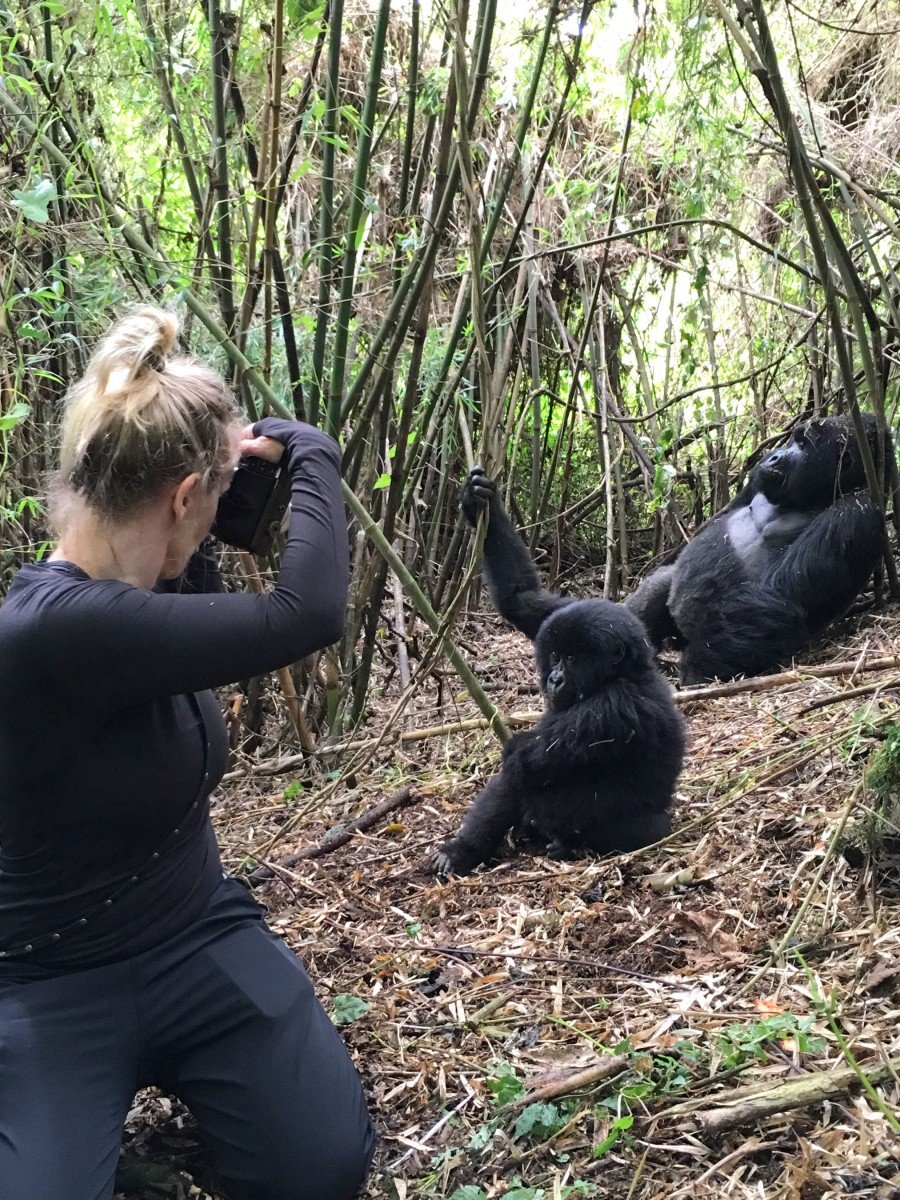
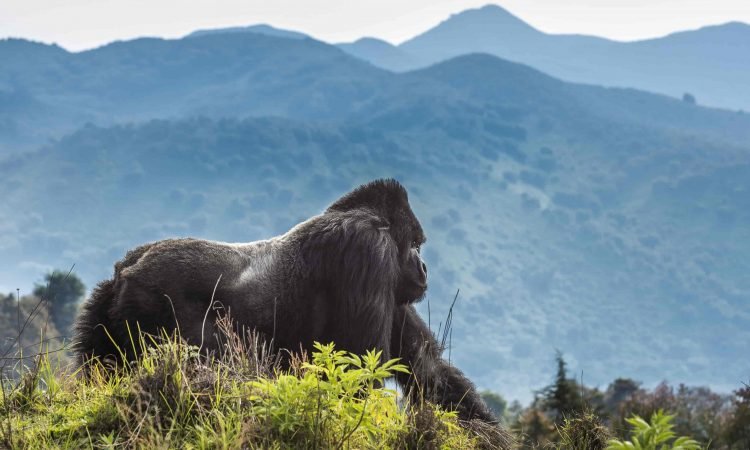
The trek itself varies considerably because gorillas move freely through the forest. One group may require a relatively manageable walk while another may involve several hours of climbing through bamboo, vegetation and uneven terrain. Once the gorilla family is located, visitors spend a maximum of one hour observing the animals while guides manage the encounter according to conservation regulations.
Travellers planning this part of the journey can explore mountain gorilla trekking in Rwanda and a specialised guide to gorilla trekking in Volcanoes National Park. These pages provide natural next steps for travellers whose interest in a Rwanda and Tanzania Safari is driven primarily by experiencing mountain gorillas before continuing to the Serengeti.
Volcanoes National Park – Rwanda’s Primate Heartland
Volcanoes National Park deserves more than a single rushed night during a Rwanda and Tanzania Safari. The park protects Rwanda’s section of the Virunga Massif, with the volcanic peaks of Karisimbi, Bisoke, Sabyinyo, Gahinga and Muhabura creating one of Africa’s most striking highland landscapes. Bamboo forest, evergreen vegetation and mist frequently give the region a dramatic atmosphere that contrasts beautifully with Tanzania’s warmer savannahs.
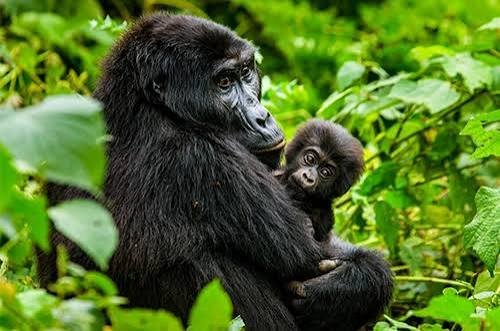
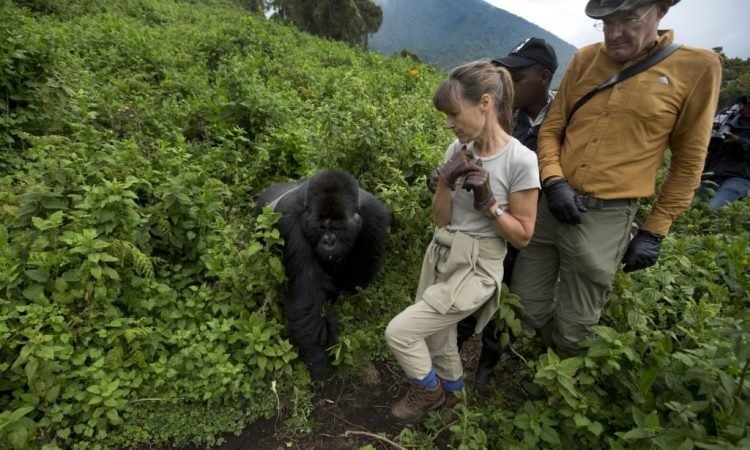
Travellers can use the region not only for gorilla trekking but also for golden monkeys, conservation experiences and selected hiking activities. Spending three nights instead of immediately leaving after the gorilla trek provides time to appreciate the destination and removes the pressure of undertaking a long transfer immediately after a physically demanding morning.
For further planning, travellers can read about Volcanoes National Park in Rwanda or use our broader Volcanoes National Park guide. Strong internal connections such as these help visitors move from general Rwanda and Tanzania Safari research toward specific bookable experiences.
Add Golden Monkey Trekking in Rwanda
Golden monkey trekking is an excellent addition for travellers spending several nights near Volcanoes National Park. The experience introduces a second endangered primate but has a noticeably different character from gorilla trekking. Golden monkeys move energetically through bamboo forest, creating a lively wildlife encounter that works particularly well for photographers and dedicated primate enthusiasts.
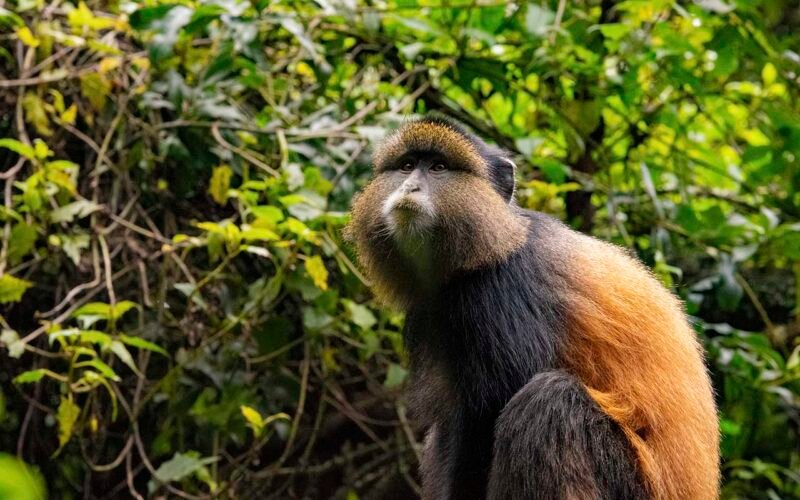
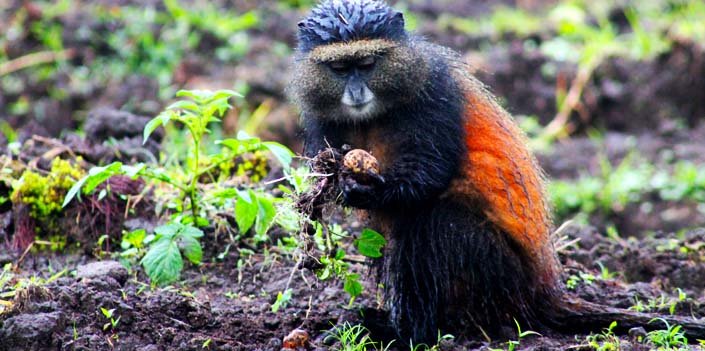
Adding golden monkeys also helps justify spending another night in northern Rwanda before travelling onward to Tanzania. Instead of completing the gorilla trek and immediately returning to Kigali, travellers can enjoy a relaxed afternoon at their lodge before returning to the forest the following morning.
Visitors can learn more through our guide to golden monkeys in Rwanda or review the 3-Day Rwanda Gorilla and Golden Monkey Trekking Safari. This short Rwanda safari can form an ideal first section of a longer Rwanda and Tanzania Safari.
Add Lake Kivu Before Flying to Tanzania
Travellers with additional days can include Lake Kivu after gorilla trekking. The lake provides a slower environment where guests can relax after several early mornings and physically active forest experiences. Boat cruises, kayaking, beautiful scenery and comfortable lakeside accommodation can create an effective break before continuing toward Tanzania.
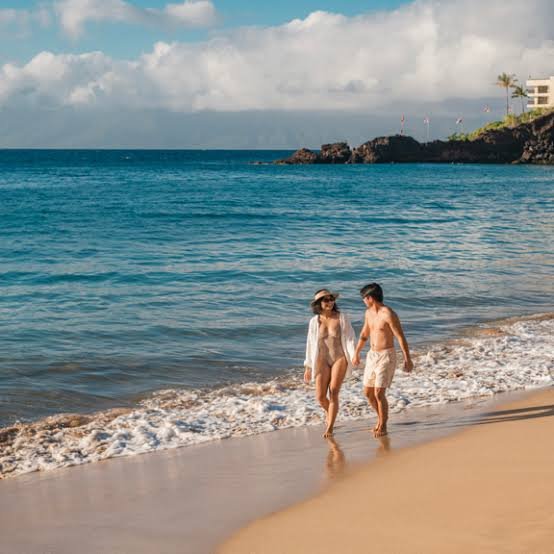
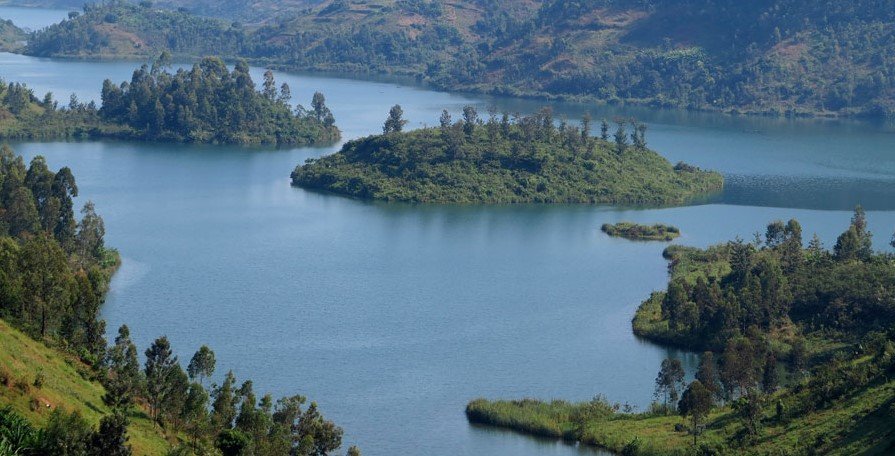
Lake Kivu is particularly attractive for honeymooners and luxury travellers who do not want every day of the Rwanda and Tanzania Safari to revolve around wildlife activities. A relaxed afternoon beside the water can make the entire journey feel more like a holiday and less like a continuous sequence of early starts.
Visitors wanting additional ideas can also explore Lake Kivu adventure experiences. For travellers with enough time, Rwanda can therefore provide Kigali, gorillas, golden monkeys and Lake Kivu before the journey shifts dramatically toward Tanzania’s savannah.
Add Nyungwe Chimpanzees to a Longer Rwanda and Tanzania Safari
Travellers particularly interested in primates can make Rwanda much more extensive by continuing toward Nyungwe Forest National Park. Nyungwe introduces chimpanzees, colobus monkeys, forest birdlife and ancient rainforest scenery, creating a very different primate experience from Volcanoes National Park.
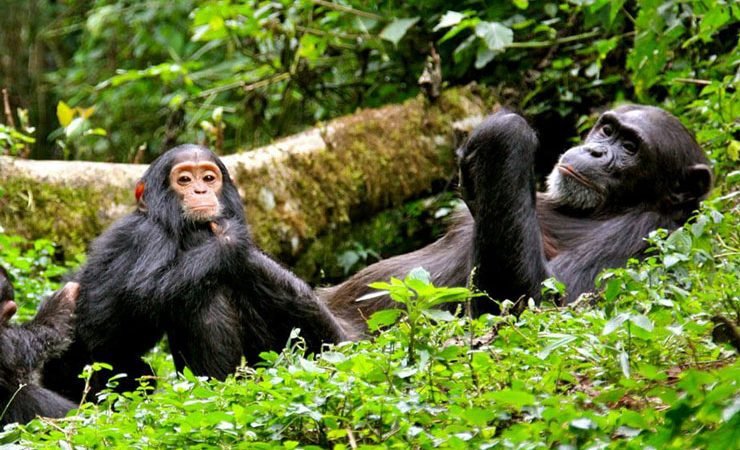
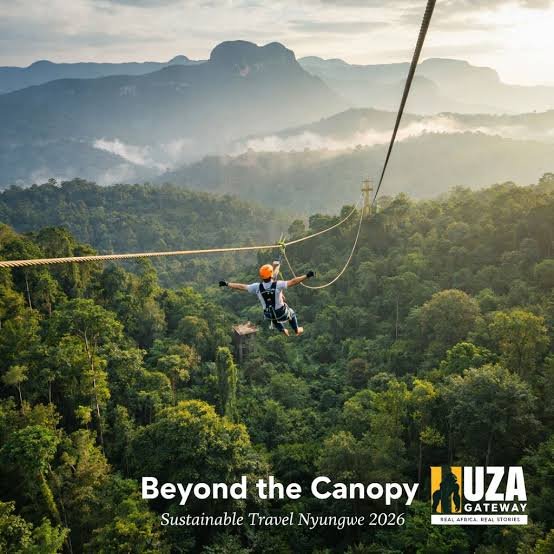
Chimpanzees are generally more active and mobile than gorillas, and tracking them through the rainforest can create an exciting contrast before the Tanzania wildlife safari begins. Travellers can learn more through the detailed guide to chimpanzee trekking in Rwanda or explore additional Nyungwe chimpanzee trekking experiences.
Including Nyungwe requires additional days, and it should not be forced into a short itinerary. A complete Rwanda and Tanzania Safari containing gorillas, chimpanzees, Serengeti, Ngorongoro and Tarangire deserves roughly two weeks or more if travellers want each destination to feel meaningful rather than rushed.
Serengeti National Park – The Heart of a Tanzania Safari
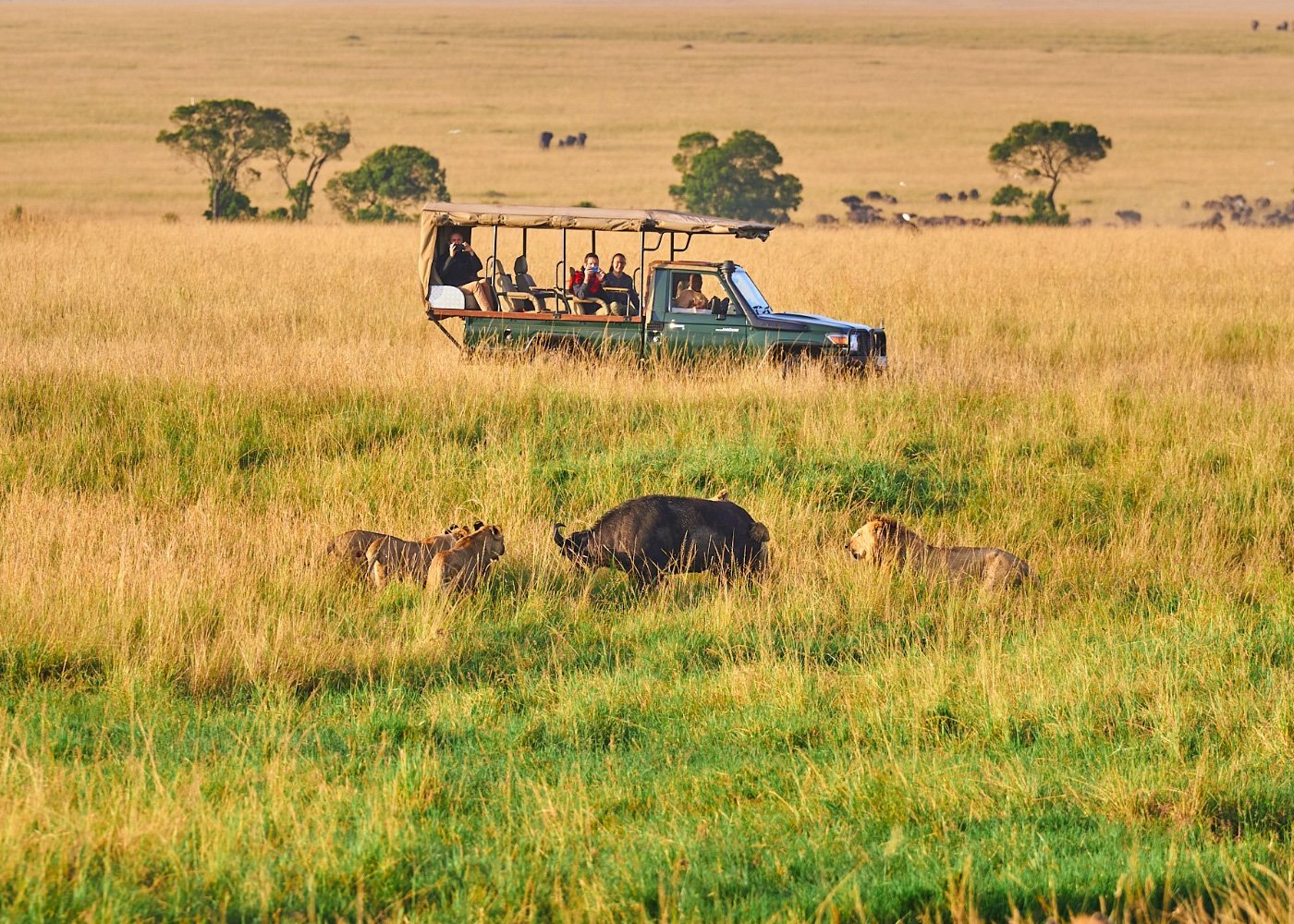
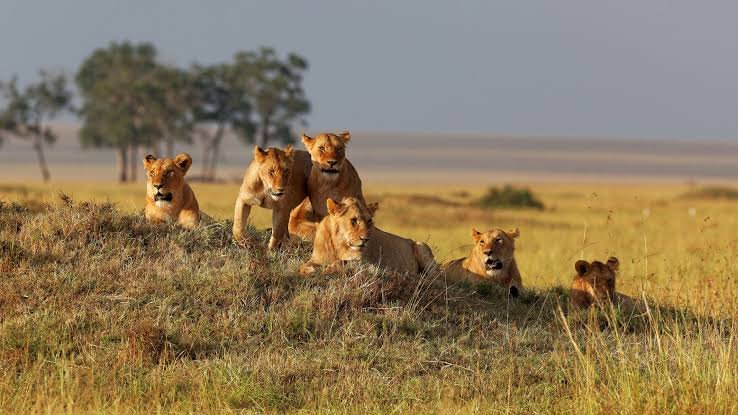
Serengeti National Park is one of the major reasons to combine Tanzania with Rwanda. Its vast grasslands introduce the classic African safari environment many travellers have imagined long before visiting the continent. Lions, cheetahs, leopards, elephants, giraffes, buffaloes, wildebeest and zebras occupy an ecosystem dramatically different from Rwanda’s mountain forests.
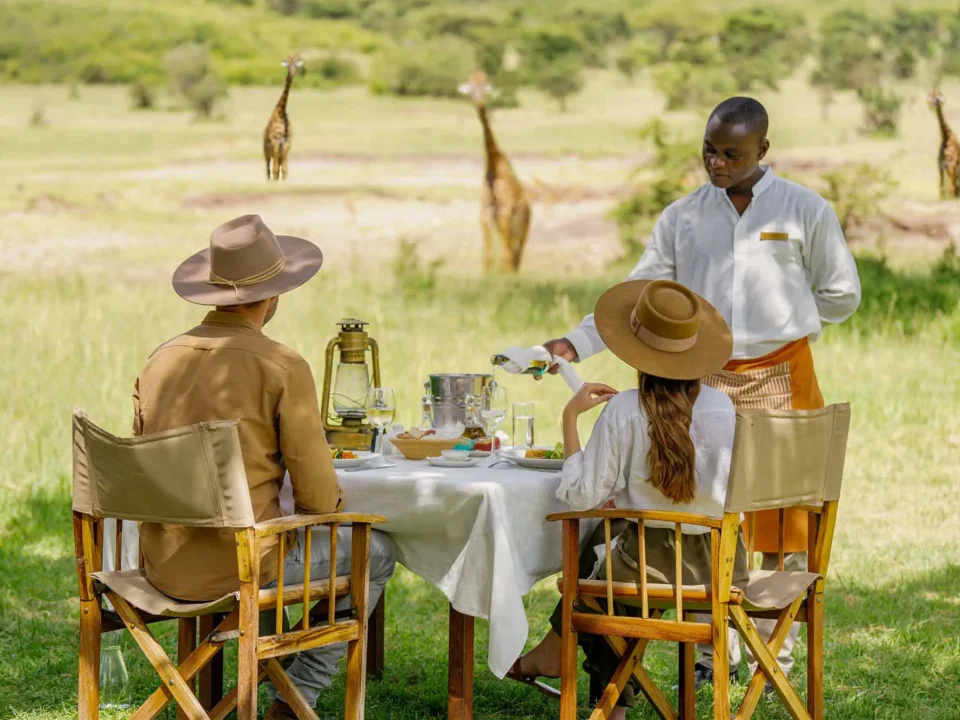
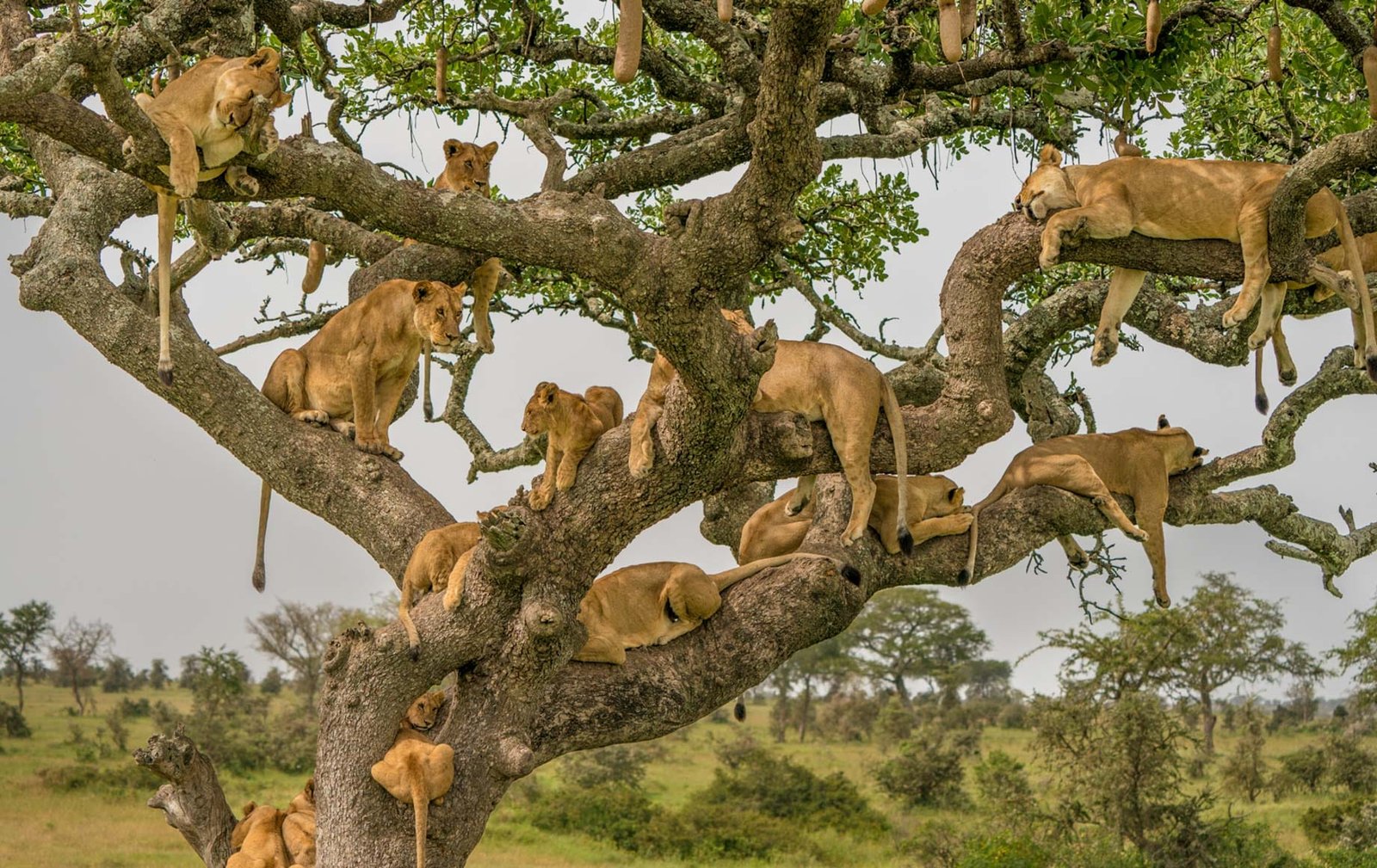
Game drives allow travellers to cover substantial distances while searching for predators and herds across the plains. The experience feels especially powerful when it follows gorilla trekking because travellers move from observing a small number of primates at close range to seeing wildlife spread across enormous open landscapes.
Visitors short on time can explore the 3 Days Serengeti Safari, while guests wanting both Serengeti and the crater can use the 4 Days Serengeti and Ngorongoro Crater Safari. Both create strong customer pathways from a general Rwanda and Tanzania Safari page toward specific Tanzania safari options.
Great Migration During Rwanda and Tanzania Safari
The Great Migration can become one of the most dramatic wildlife elements of a Rwanda and Tanzania Safari. Vast numbers of wildebeest and zebras move through the Serengeti ecosystem in response to rainfall and fresh grazing, with different regions becoming important at different times of year.
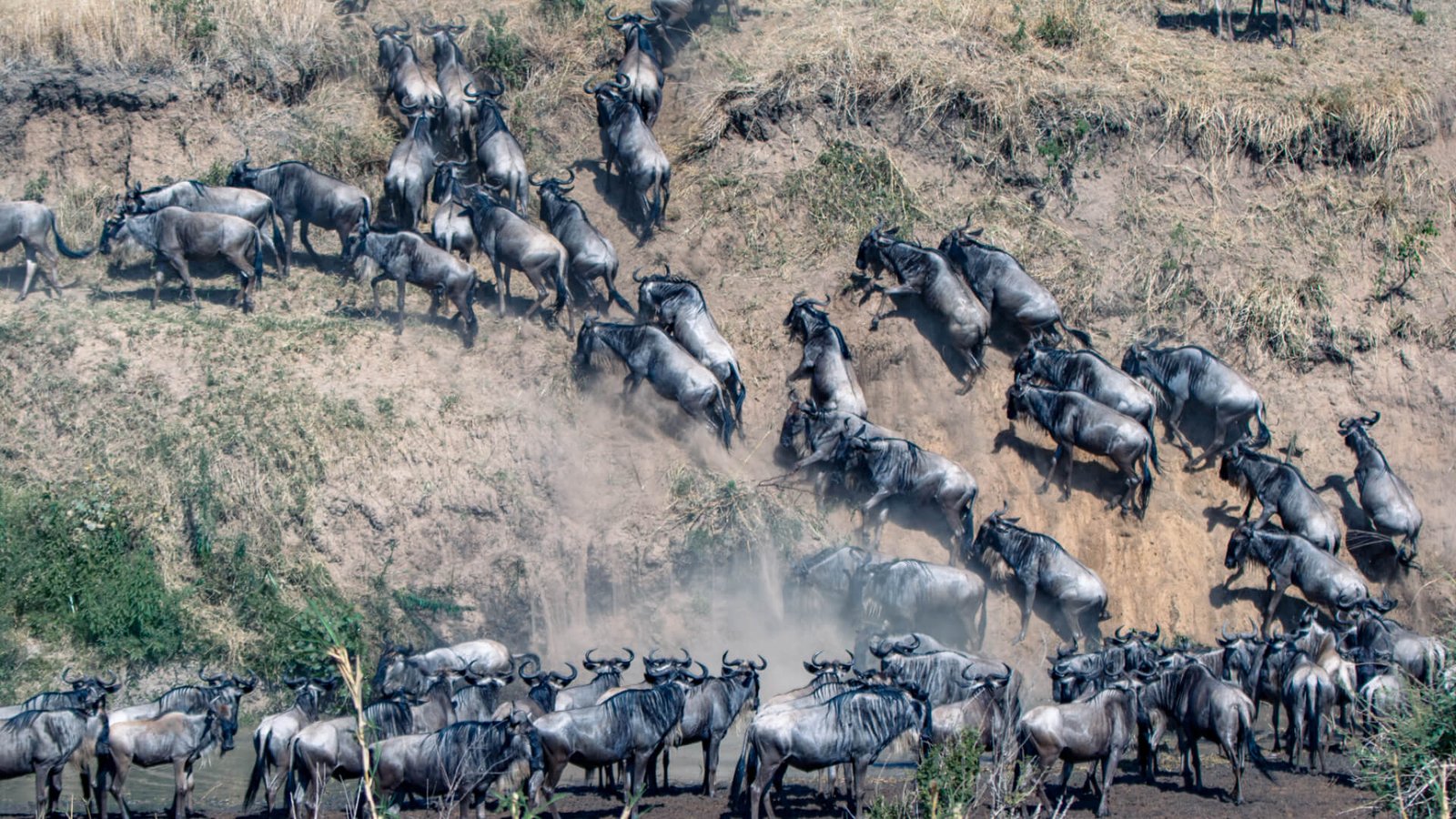
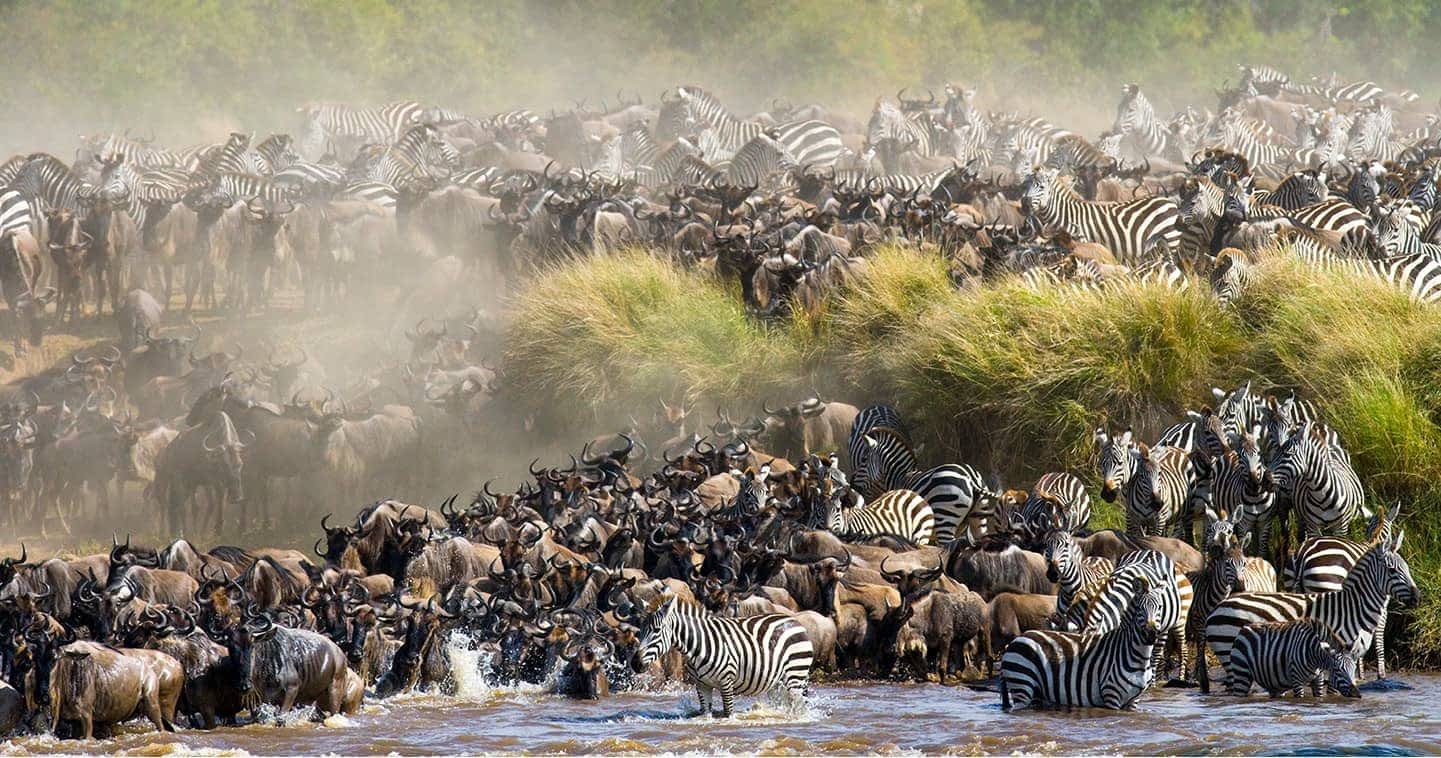
Travellers should understand that migration movement is natural and cannot be reduced to one guaranteed date or location. The best itinerary depends on the month of travel, recent rainfall and where the herds are expected to be during that particular phase. River crossings, in particular, cannot responsibly be guaranteed for a specific day.
Visitors whose main Tanzania priority is the migration can explore the 8 Days Great Migration Safari in Tanzania. Those wanting to combine migration with a tropical beach extension can consider the longer 14 Days Great Migration and Zanzibar Safari.
Ngorongoro Crater – Big Five Wildlife in a Volcanic Landscape
Ngorongoro Conservation Area adds one of Tanzania’s most extraordinary wildlife landscapes to a Rwanda and Tanzania Safari. The official Ngorongoro Conservation Area Authority identifies the crater as the world’s largest intact and unfilled volcanic caldera and reports a large wildlife concentration including elephants, buffaloes, black rhinos, lions and leopards.
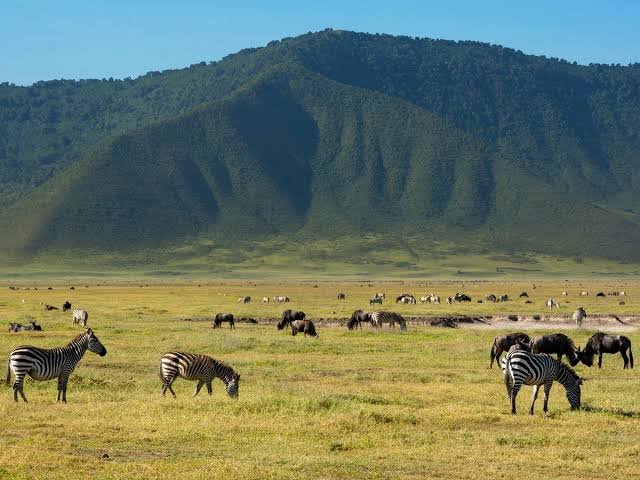
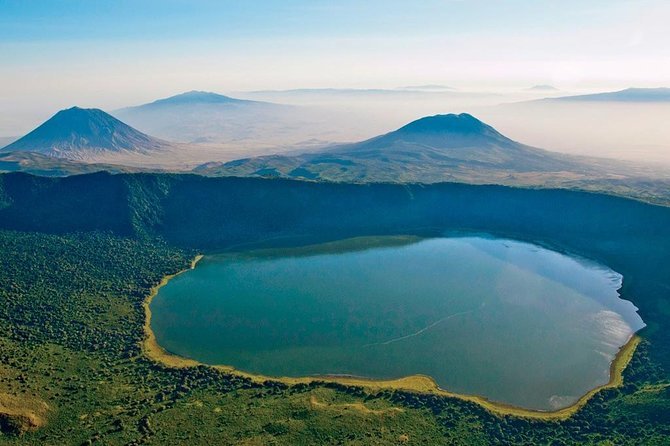
Descending from the crater rim to the floor creates one of the most dramatic safari mornings in northern Tanzania. Grasslands, wetlands and lake environments support substantial wildlife populations, while the crater walls create a natural amphitheatre surrounding the experience. The NCAA reports approximately 26,000–28,000 animals in the crater according to its internal population data.
Ngorongoro works naturally with Serengeti because the destinations can be connected by road through the northern circuit. Travellers interested specifically in these two highlights can explore the 4 Days Serengeti and Ngorongoro Crater Safari, making it one of the strongest Tanzania extensions after Rwanda gorilla trekking.
Tarangire National Park – Elephants and Baobabs
Tarangire National Park adds a distinctive landscape to the Tanzania section of a Rwanda and Tanzania Safari. The park is particularly associated with elephants, baobab trees and the Tarangire River, which becomes an important wildlife focus during drier periods. Its scenery looks noticeably different from both Serengeti and Ngorongoro.
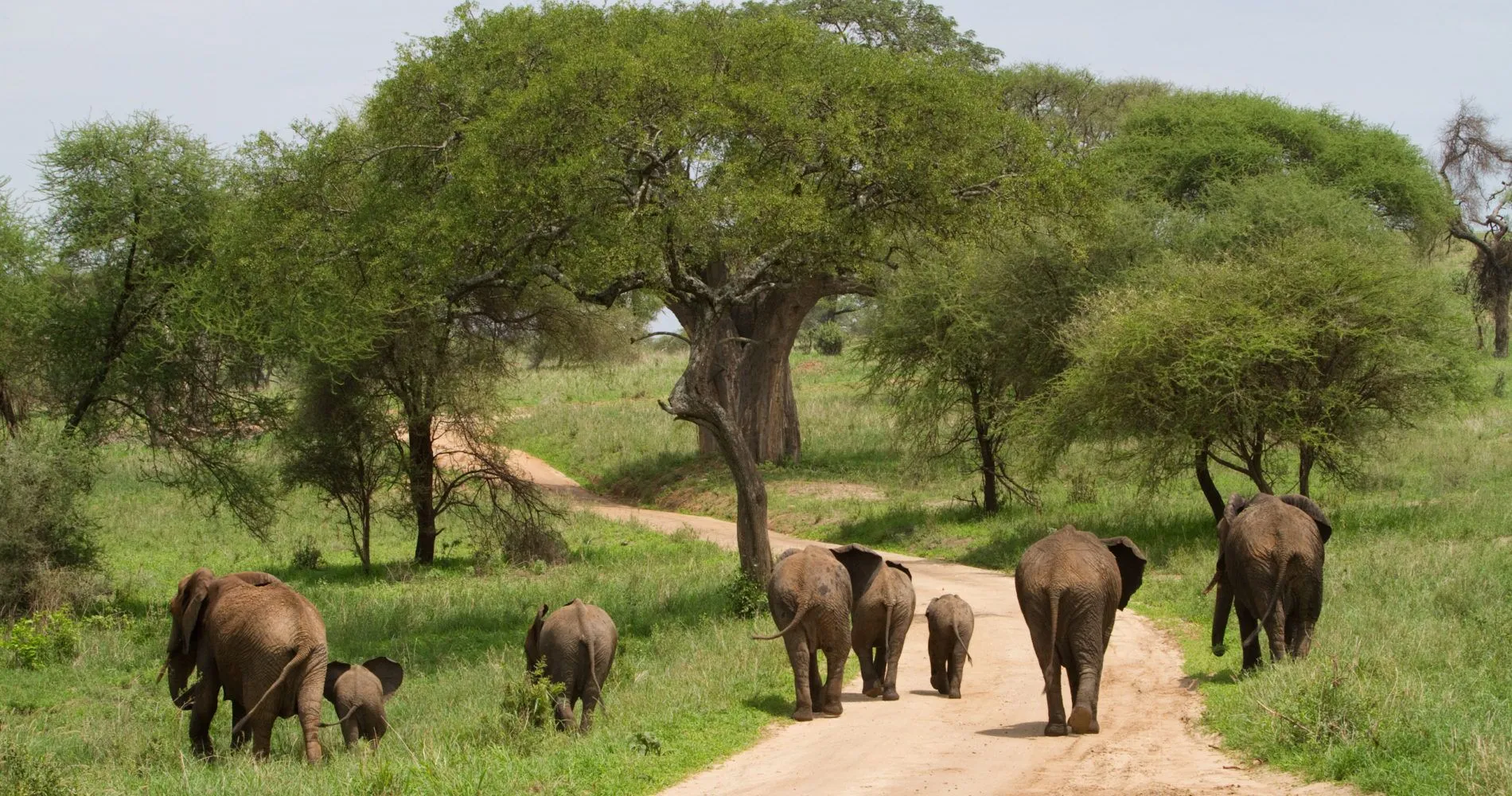
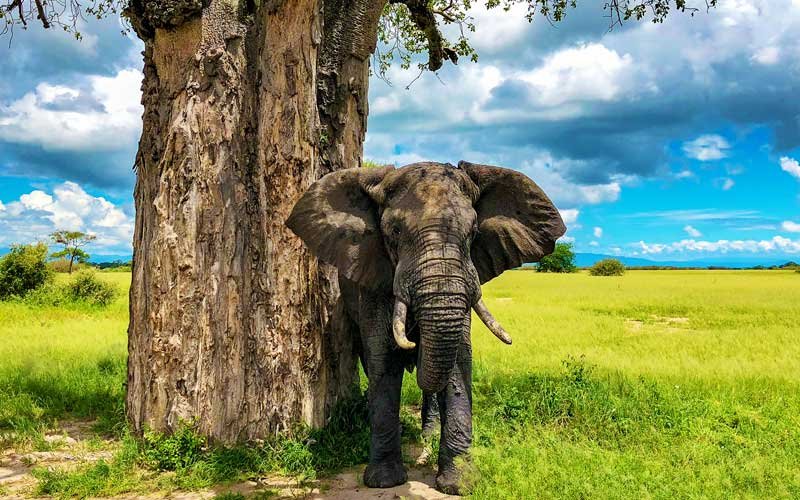
Large elephant families can provide some of the most memorable wildlife encounters of the safari. Baobab trees create an immediately recognisable East African setting, while zebra, wildebeest, giraffes, antelopes and predators contribute to the wider wildlife experience.
Travellers wanting Tarangire included can use the 8 Days Great Migration Safari, which combines Tarangire, Serengeti and Ngorongoro, or the 10 Days Tanzania Safari and Zanzibar, which adds Tarangire and other northern destinations before continuing to the Indian Ocean.
Lake Manyara and the Northern Tanzania Circuit
Lake Manyara can be included when travellers want additional ecological diversity between Arusha, Tarangire and Ngorongoro. The wider area combines groundwater forest, open habitats and lake scenery, helping break up longer road journeys through Tanzania’s northern circuit.
For a shorter combined holiday, Lake Manyara may be omitted so more time can be dedicated to Serengeti and Ngorongoro. A Rwanda and Tanzania Safari should not attempt to include every possible national park simply because they are nearby. The strength of the journey comes from spending enough time in the destinations that best match the traveller’s interests.
Those wanting a broad Tanzania extension can consider the 10 Days Tanzania Safari and Zanzibar, which incorporates Tarangire, Lake Manyara, Serengeti and Ngorongoro before continuing to Zanzibar. This works especially well when Rwanda is followed by both wildlife and beach relaxation.
Rwanda and Tanzania Safari With Zanzibar
Zanzibar can create a beautiful ending to a Rwanda and Tanzania Safari. After mountain gorilla trekking and several days of game drives, travellers can fly toward the Indian Ocean and spend several nights enjoying beaches, warm water and Swahili culture.
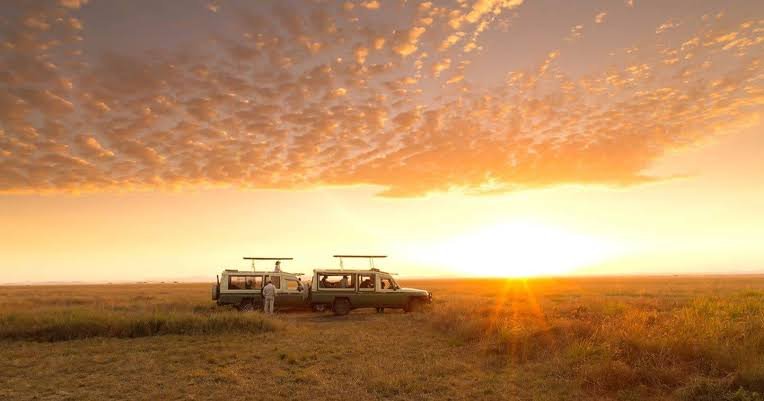
This combination is particularly appealing to honeymooners because it creates three completely different stages within one holiday: Rwanda’s mountain forests, Tanzania’s savannahs and Zanzibar’s tropical coast. Each section has a distinct pace and atmosphere, preventing the journey from becoming repetitive.
Travellers interested in this structure can explore the 10 Days Tanzania Safari and Zanzibar or the 8 Days Zanzibar Beach and Tanzania Safari Tour. For migration-focused journeys with a longer beach finish, the 14 Days Great Migration and Zanzibar Safari provides another strong extension.
Luxury Rwanda and Tanzania Safari
A luxury Rwanda and Tanzania Safari can combine some of East Africa’s most exceptional wilderness accommodation. Around Volcanoes National Park, travellers can choose sophisticated gorilla lodges offering private villas, mountain views, fine dining and wellness experiences. Tanzania then introduces luxury tented camps where travellers remain immersed in the Serengeti while enjoying high levels of service.
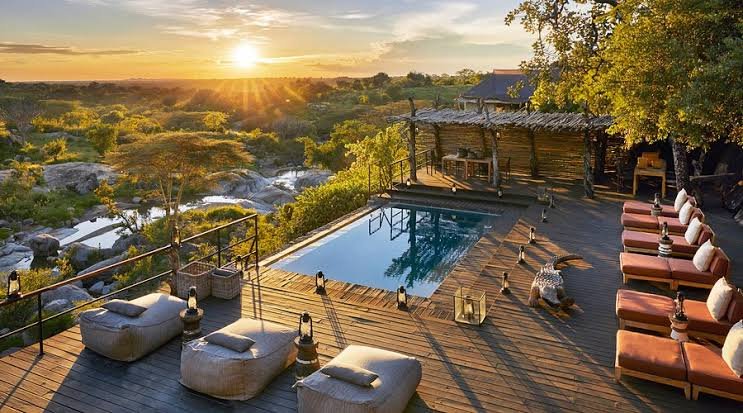
Fly-in options can reduce long road transfers within Tanzania, particularly when time is limited or travellers want to prioritise wildlife viewing. A luxury safari can also include private vehicles, carefully selected room categories, personalised meals and additional nights in the most important destinations.
Luxury should ultimately mean having enough time rather than merely selecting expensive accommodation. Three nights in the Serengeti, for example, often create a better experience than spending one night in several different parks. The same principle applies to Volcanoes National Park, where enough time should be allowed for gorilla trekking and lodge relaxation.
Mid-Range Rwanda and Tanzania Safari
A Rwanda and Tanzania Safari can also be organised comfortably at a mid-range level. The Rwanda gorilla permit remains one of the major fixed costs, but accommodation around Kigali and Volcanoes National Park can be selected according to budget while maintaining convenient access to the trek.
Tanzania offers an extensive range of tented camps and safari lodges between basic and ultra-luxury categories. Travellers can therefore concentrate spending on experiences and private transportation while using well-positioned mid-range accommodation.
The 3 Day Mid-Range Tanzania Safari provides a strong example for travellers wanting Serengeti and Ngorongoro within a shorter Tanzania extension. For a combined journey, this can follow several Rwanda nights focused on Kigali and gorilla trekking.
Rwanda and Tanzania Safari for Couples and Honeymooners
A Rwanda and Tanzania Safari is particularly suitable for couples because it mixes intimate wildlife encounters with classic safari adventure. Mountain gorilla trekking can become one of the most emotionally memorable moments of the trip, while Serengeti evenings and luxury tented camps introduce a completely different romantic atmosphere.

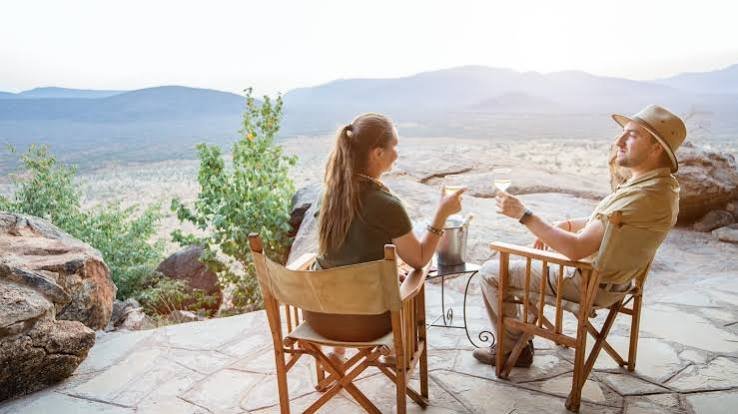
Couples with additional time can insert Lake Kivu between gorilla trekking and Tanzania, or finish the complete safari on Zanzibar. This creates valuable downtime rather than expecting the entire honeymoon to consist of demanding early mornings.
Private transportation is especially useful for honeymooners because the itinerary can remain flexible. Couples can spend longer at wildlife sightings, enjoy slower lodge mornings or add private dining and wellness experiences without following a large group’s timetable.
Best Time for a Rwanda and Tanzania Safari
A Rwanda and Tanzania Safari can be enjoyed throughout the year. Rwanda operates mountain gorilla trekking year-round, although the mountain environment can receive rainfall at any time. Relatively drier periods may provide easier trail conditions, while wetter months produce lush vegetation and atmospheric forest scenery.
Tanzania’s wildlife viewing also remains rewarding across the year, but the Great Migration changes location seasonally. Travellers specifically interested in migration should design the Tanzania route according to the expected herd location rather than assuming the same Serengeti area will be ideal every month.
Because the two destinations offer strong resident wildlife and gorilla trekking throughout the year, there is no single perfect month for every traveller. Permit availability, lodge preference, airfare and the wildlife experiences being prioritised should all influence the final dates.
How Many Days Are Best for Rwanda and Tanzania Safari?
An eight- to ten-day Rwanda and Tanzania Safari can work when travellers concentrate on the essential highlights. Rwanda can include Kigali, Volcanoes National Park and one gorilla trek, while Tanzania can focus on Serengeti and Ngorongoro.
Around twelve to fourteen days creates a significantly more comfortable journey. Golden monkeys or Lake Kivu can be added in Rwanda, while Tanzania can include Tarangire, Serengeti and Ngorongoro without rushing between destinations.
Fourteen to eighteen days is particularly rewarding when travellers want chimpanzees in Nyungwe, an extended Great Migration safari or Zanzibar. The best itinerary should prioritise meaningful time rather than simply adding every possible attraction.
Plan Your Rwanda and Tanzania Safari With Visit Rwanda Safaris
Planning a Rwanda and Tanzania Safari should begin by deciding which experience is non-negotiable. If gorillas are the main reason for travelling, secure the Rwanda trekking date first. Visitors can research gorilla trekking in Rwanda, Rwanda gorilla trekking tours and golden monkey trekking before deciding how much of Rwanda to include.
The Tanzania portion can then be matched to the remaining days. Shorter extensions can use the 3 Days Serengeti Safari or the 4 Days Serengeti and Ngorongoro Safari. Travellers whose priority is migration can explore the 8 Days Great Migration Safari, while guests wanting wildlife and beach relaxation can consider the 10 Days Tanzania Safari and Zanzibar.
Visit Rwanda Safaris can then connect the two countries into one private journey based on travel dates, number of travellers, accommodation level and wildlife interests. Rather than treating Rwanda and Tanzania as two unrelated holidays, the routing should create a natural progression from Kigali and the Virunga mountains toward Arusha, Serengeti, Ngorongoro and any additional Tanzania destinations.
Frequently Asked Questions About Rwanda and Tanzania Safari
1. What is a Rwanda and Tanzania Safari?
A Rwanda and Tanzania Safari is a combined East African journey that brings together Rwanda’s mountain gorillas and primate experiences with Tanzania’s famous savannah wildlife. Travellers can trek gorillas in Volcanoes National Park before continuing to destinations such as Serengeti National Park, Ngorongoro Crater, Tarangire National Park and even Zanzibar.
2. How many days are best for a Rwanda and Tanzania Safari?
Around 10 to 14 days is ideal for a comfortable Rwanda and Tanzania Safari combining gorilla trekking with Serengeti and Ngorongoro. Travellers with 14 to 18 days can also include golden monkeys, Lake Kivu, Nyungwe chimpanzees, Tarangire and a Zanzibar beach extension.
3. Can I combine gorilla trekking with Serengeti National Park?
Yes. Combining gorilla trekking in Rwanda with the Serengeti is one of the best ways to organise a Rwanda and Tanzania Safari. Travellers can trek mountain gorillas in Volcanoes National Park before flying from Kigali toward northern Tanzania for several days of traditional game viewing.
4. How much is the gorilla permit on a Rwanda and Tanzania Safari?
The standard Rwanda mountain gorilla permit for an international visitor is currently USD 1,500 per person per trek. Travellers planning a Rwanda and Tanzania Safari should normally secure their gorilla permit early because the confirmed trekking date helps determine the rest of the Rwanda itinerary.
5. What are the best places to visit on a Rwanda and Tanzania Safari?
Popular Rwanda destinations include Kigali, Volcanoes National Park, Lake Kivu and Nyungwe National Park. In Tanzania, Serengeti National Park, Ngorongoro Crater, Tarangire National Park and Lake Manyara are among the strongest destinations for a combined safari.
6. Can I see the Big Five during a Rwanda and Tanzania Safari?
Yes. A Rwanda and Tanzania Safari offers excellent opportunities to search for lions, leopards, elephants, buffaloes and rhinoceroses. Tanzania’s Serengeti and Ngorongoro regions are particularly important for classic wildlife viewing, while Rwanda’s Akagera National Park can also be included for an additional Big Five experience.
7. Can I include golden monkey trekking in a Rwanda and Tanzania Safari?
Yes. Golden monkey trekking is an excellent activity to combine with gorillas before continuing to Tanzania. Travellers can learn more about golden monkeys in Rwanda or consider the 3-Day Rwanda Gorilla and Golden Monkey Trekking Safari as the Rwanda section of their journey.
8. Can I include chimpanzee trekking on a Rwanda and Tanzania Safari?
Yes. Travellers with additional time can include chimpanzee trekking in Rwanda in Nyungwe National Park before travelling to Tanzania. This creates an especially rich safari combining mountain gorillas, chimpanzees, predators and traditional savannah wildlife.
9. Can I see the Great Migration on a Rwanda and Tanzania Safari?
Yes, a Rwanda and Tanzania Safari can be planned around the Great Migration if your travel dates correspond with herd movements through the Serengeti ecosystem. However, exact herd locations and river crossings cannot be guaranteed because the migration depends on rainfall, grazing conditions and natural wildlife movement.
10. Can I combine Ngorongoro Crater with gorilla trekking in Rwanda?
Yes. Ngorongoro Crater is one of the best Tanzania extensions after gorilla trekking. Travellers can complete their Rwanda primate experiences before continuing to a 4 Days Serengeti and Ngorongoro Crater Safari for Big Five game viewing and dramatic volcanic scenery.
Book Your Rwanda and Tanzania Safari
A Rwanda and Tanzania Safari is ideal for travellers who want their East African holiday to deliver both intimate wildlife encounters and expansive traditional safari experiences. Rwanda places visitors within metres of mountain gorillas in a misty forest environment, while Tanzania provides days of game viewing among predators and enormous herds across iconic savannah landscapes.
Share your preferred dates, number of travellers, total available days and accommodation level with Visit Rwanda Safaris. The journey can then be customised around Rwanda gorilla trekking, golden monkeys, Lake Kivu or Nyungwe before connecting with Serengeti, Ngorongoro, Tarangire and potentially Zanzibar.
Travellers already ready to compare specific Tanzania options can explore the 3 Day Tanzania Safari, 4 Days Serengeti and Ngorongoro Crater Safari, 8 Days Great Migration Safari or the comprehensive 10 Days Tanzania Safari and Zanzibar. These pages create clear pathways from inspiration toward a concrete booking enquiry.