

What Should I Know Before Traveling to Rwanda? Complete 2026 Travel Guide
What Should I Know Before Traveling to Rwanda? Before visiting Rwanda, travellers should understand the country’s entry requirements, visa system, health considerations, weather, local customs, transportation options, money, national park regulations and some important laws that may be different from those at home. Rwanda is one of Africa’s most rewarding destinations for travellers interested in mountain gorillas, traditional wildlife safaris, rainforest adventures, beautiful lakes, cultural heritage and a modern African capital. Although the country is geographically compact and major tourism destinations can be connected relatively easily, a successful Rwanda holiday still benefits enormously from careful preparation. Knowing when to travel, how to obtain the correct visa, what clothing to pack, how much cash to carry, how gorilla permits work and which regional areas require greater caution can prevent unnecessary problems and allow travellers to concentrate on enjoying the journey.
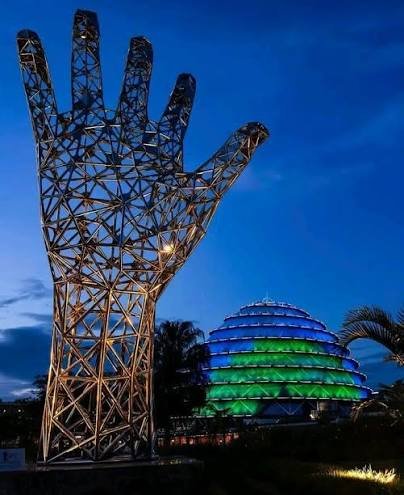
Rwanda is often called the Land of a Thousand Hills, and the name accurately reflects the landscape visitors experience as soon as they travel beyond Kigali. Roads climb through cultivated hillsides, descend into valleys, pass tea plantations and eventually reach environments ranging from the volcanic forests of Volcanoes National Park to the open savannah of Akagera National Park and the ancient rainforest of Nyungwe. The country’s relatively small size makes it possible to experience remarkable ecological diversity in a single trip, but the mountainous terrain also means road journeys can take longer than distances on a map may suggest. Travellers should therefore approach Rwanda as a destination to experience slowly rather than attempting to fit every major attraction into a rushed schedule.
Understand Rwanda’s Entry Requirements Before You Travel
Entry requirements should be one of the first things travellers confirm when planning a Rwanda holiday. Rwanda has a relatively traveller-friendly visa system, and citizens of all countries can obtain a visa upon arrival without making a prior application, although the exact fee and permitted length of stay depend on nationality and the type of visa being issued. Citizens belonging to certain international organisations, including the African Union, Commonwealth and La Francophonie, benefit from specific visa arrangements, while citizens of East African Community partner states receive entry privileges under regional agreements. Travellers who are not visa exempt can also apply before departure through Rwanda’s official online immigration system or through a Rwandan diplomatic mission. Because visa rules depend on nationality and may change, visitors should confirm their individual requirements with the Directorate General of Immigration and Emigration shortly before departure rather than relying solely on old travel articles.
Your passport should also be checked well before booking the final elements of the journey. Rwanda’s immigration authorities require an acceptable travel document with at least six months of validity, and travellers should ensure the passport contains sufficient blank space for immigration stamps. A passport approaching expiry can create problems even if the planned trip is considerably shorter than six months. Travellers entering several African countries on the same journey should pay particular attention because each country may apply its own validity and blank-page rules. Keeping a digital copy of the passport, visa, insurance certificate and important bookings can also be useful if the original document is lost or damaged during the journey.
Visa on Arrival Makes Rwanda Relatively Easy to Visit
One of the advantages of travelling to Rwanda is that travellers from countries without a visa exemption can normally obtain their visitor visa upon arrival. Rwanda’s current immigration information states that citizens of all countries are eligible for visa on arrival, while those wishing to organise everything in advance can apply online. A standard holiday visa for travellers who are not exempt currently costs up to USD 50 for a single entry, while a multiple-entry option can cost up to USD 70. Visa-free and special arrangements apply to many nationalities, so travellers should not automatically assume that the standard fee applies to them.
Visitors combining Rwanda with Uganda and Kenya may also want to investigate the East Africa Tourist Visa. The regional visa can provide multiple entry between participating countries during its period of validity, provided the traveller follows the applicable entry conditions. This can be particularly useful for safari itineraries combining Rwanda gorilla trekking with Uganda or Kenya. However, regional immigration policies occasionally change, so the visa should never be treated as an automatic solution without checking whether the planned route and nationality qualify at the time of travel.
Kigali International Airport Is the Main Gateway
Most international travellers begin their journey at Kigali International Airport, which is conveniently located close to the capital. The airport receives connections from major African, European and Middle Eastern hubs, making Rwanda relatively straightforward to combine with other destinations. Kigali’s position near the geographical centre of the country also makes it an excellent starting point for road journeys toward Volcanoes National Park in the north, Akagera National Park in the east, Nyungwe National Park in the south-west and Lake Kivu in the west.
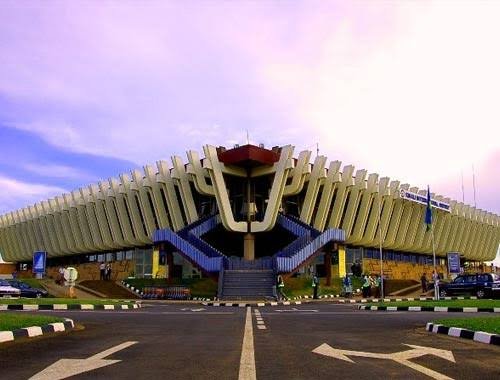
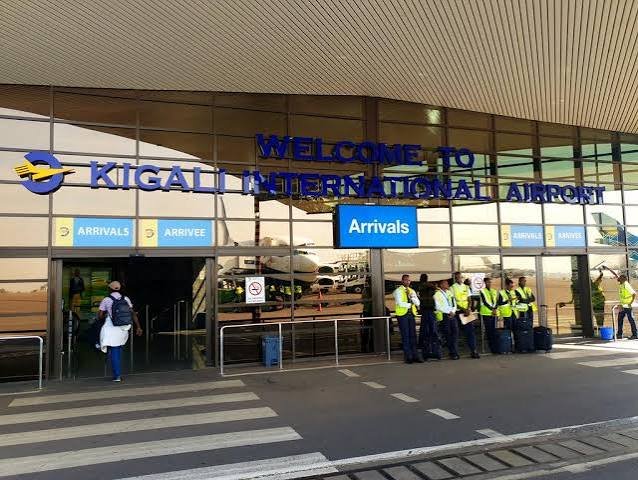
Arranging the first airport transfer before arrival can make the beginning of the journey considerably easier, especially after a long international flight. Many established hotels and safari companies provide airport pickup services, allowing travellers to move directly to their accommodation without needing to negotiate transport immediately after immigration and baggage collection. Travellers arriving late at night may particularly appreciate having a driver waiting in the arrivals area.
Know the Best Time to Travel to Rwanda
Rwanda can be visited throughout the year because its elevated position near the Equator creates a relatively mild tropical highland climate rather than extreme seasonal temperature changes. Kigali averages around 21°C, while Akagera tends to be warmer and the Virunga mountains considerably cooler. The country generally experiences two wetter periods, from around mid-February through May and again from mid-September through mid-December, while the main dry period runs from June into September.
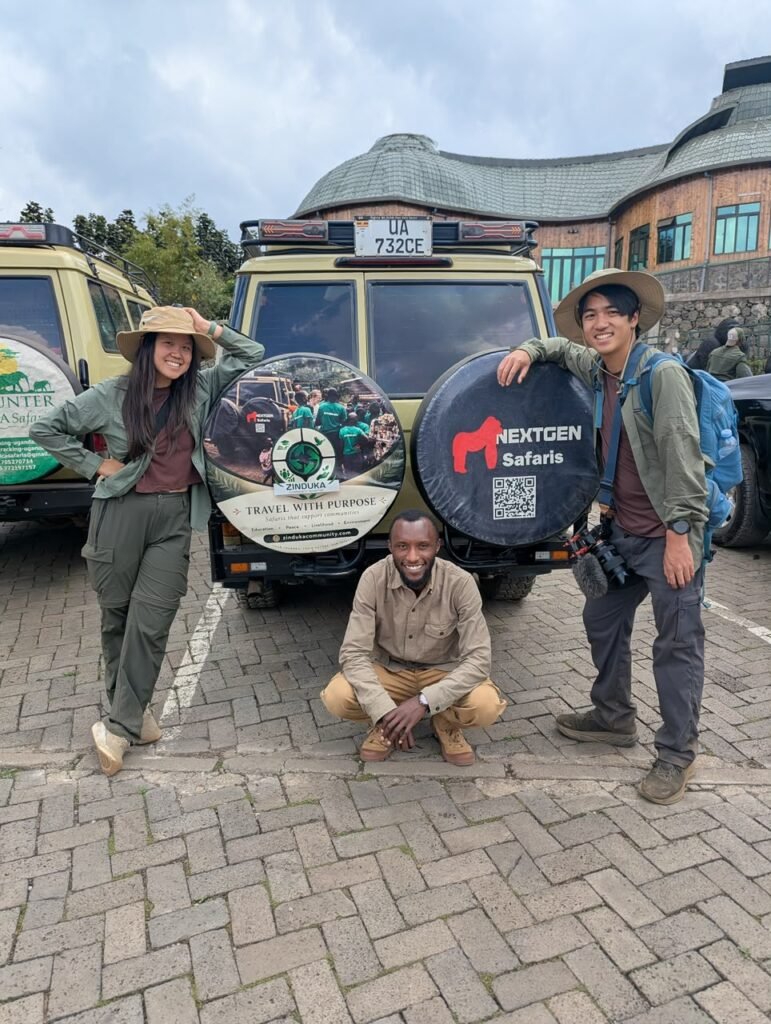
The dry months are especially popular for gorilla trekking, wildlife safaris and hiking because trails are often less muddy and road conditions more predictable. However, travellers should not assume that dry season means completely dry weather. Rain can occur at any time in Rwanda, particularly in mountainous and forested areas. Volcanoes National Park and Nyungwe are naturally moist environments, and waterproof clothing remains useful even during periods generally considered dry.
Travelling during wetter periods can also have advantages. Landscapes become intensely green, photography can be dramatic and some accommodation may have greater availability. Gorilla trekking continues throughout the year, and the gorillas themselves do not disappear when rain begins. The choice of month should therefore be based on the traveller’s priorities rather than the idea that only one season is suitable for visiting Rwanda.
Rwanda’s Weather Changes Significantly With Altitude
Travellers sometimes pack for Rwanda as though the entire country has the same warm tropical climate, but altitude creates significant differences. Kigali is generally comfortable during the day and cooler during the evening, while Akagera can become noticeably warmer. Volcanoes National Park sits at much higher elevation and mornings can feel surprisingly cold, especially before a gorilla trek. Nyungwe’s rainforest climate can be cool, damp and misty even when other parts of Rwanda are warm.
Layering is therefore much more practical than carrying only hot-weather clothing. Lightweight shirts and trousers are useful in Kigali and Akagera, while a fleece or light sweater becomes valuable in highland regions. A waterproof jacket is particularly important for travellers visiting Volcanoes or Nyungwe. Rwanda’s tourism authority specifically recommends heavier clothing for these forests and sturdy walking gear for gorilla trekking.
Pack Properly for Gorilla Trekking
Gorilla trekking is often the most important activity on a Rwanda itinerary, and preparing correctly makes an enormous difference. Trekking takes place through natural rainforest and bamboo vegetation rather than on polished tourist pathways. Depending on where the assigned gorilla family is located, visitors may walk across steep slopes, muddy ground, tangled vegetation and areas containing stinging nettles. Solid waterproof or water-resistant hiking footwear is therefore considerably more useful than ordinary trainers.
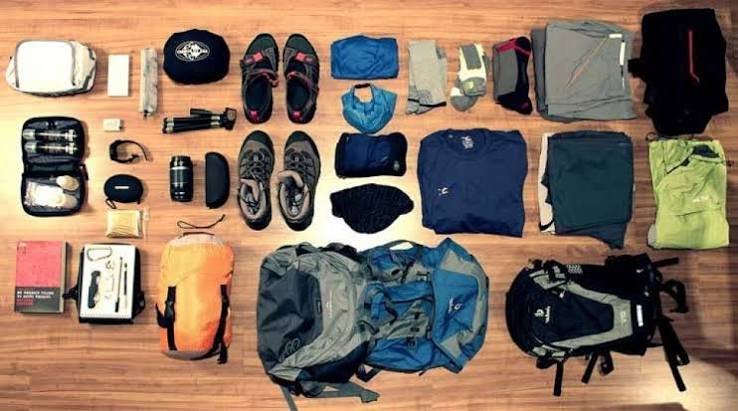
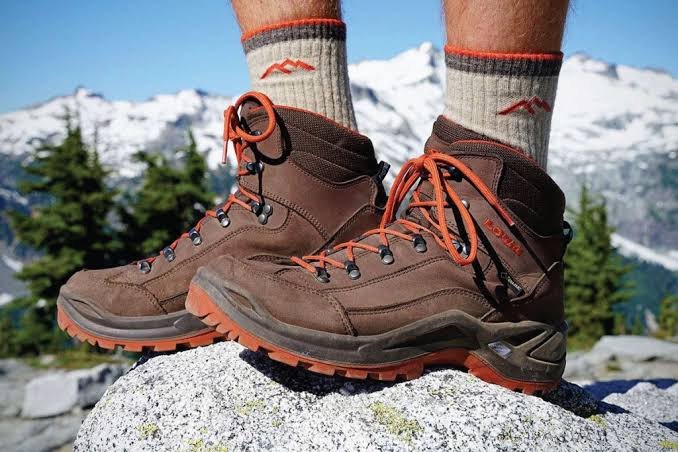
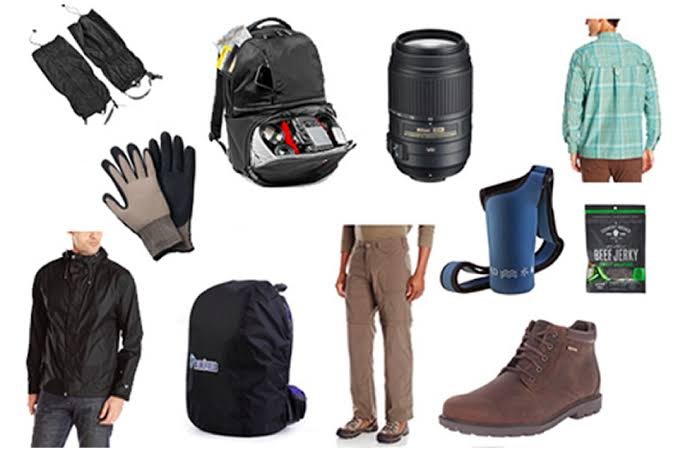
Long trousers and long-sleeved clothing provide protection against vegetation, while gaiters can prevent mud and insects from entering the tops of boots. Gardening or leather gloves are useful when holding vegetation for balance on steep sections. A lightweight waterproof jacket should always be within easy reach because mountain weather can change quickly. Rwanda’s official tourism guidance recommends sturdy clothing, solid walking shoes, gloves, gaiters and rain protection for gorilla trekking.
Travellers should also avoid carrying unnecessarily heavy backpacks. A small daypack containing drinking water, rain protection, a camera and essential personal items is generally sufficient. Porters are available around the trekking area and can be extremely helpful, particularly on more demanding routes. Employing a porter also contributes directly to local livelihoods around the national park.
Gorilla Permits Should Be Booked Well in Advance
Anyone travelling to Rwanda primarily to see mountain gorillas should secure the permit early in the planning process. The standard Rwanda gorilla trekking permit currently costs USD 1,500 per international visitor for one trekking day, and the minimum age for gorilla trekking is 15 years. Permits are limited because the number of visitors allowed to encounter each habituated gorilla family is carefully controlled.
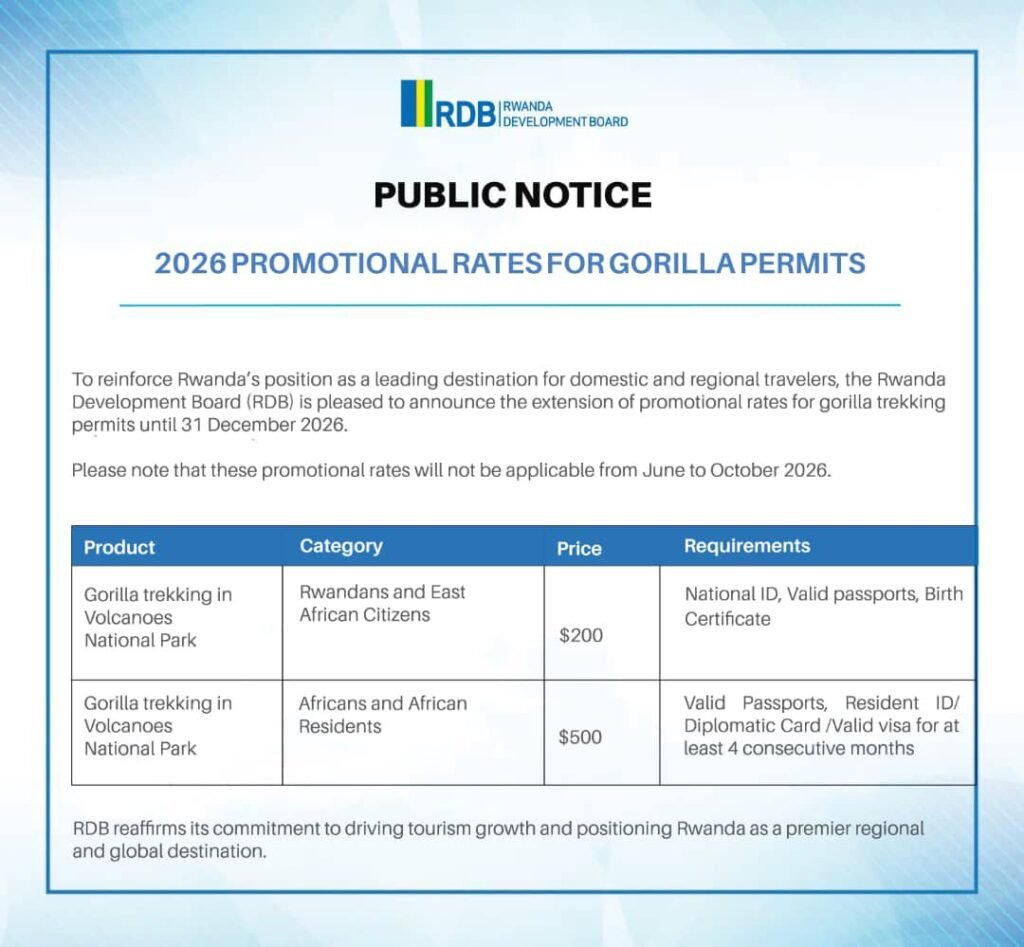
Demand can become particularly strong during popular travel periods, meaning travellers who confirm flights and expensive accommodation before checking permit availability risk creating unnecessary complications. The better approach is to establish the intended travel dates, confirm permit availability and then build the rest of the itinerary around the gorilla trek.
Visitors should also understand that the permit does not guarantee an easy walk. The gorillas move freely through their natural habitat, and the trekking distance can vary from one day to another. A traveller should therefore arrive with a reasonable level of fitness and realistic expectations about the physical demands involved.
You Must Be Healthy Before Visiting the Gorillas
Protecting mountain gorillas from human illness is a major part of responsible tourism. Gorillas are genetically close to humans and can be susceptible to respiratory illnesses that visitors may carry. Travellers who are seriously unwell should therefore notify the relevant authorities or safari operator rather than attempting to hide symptoms simply because the permit was expensive. Rwanda’s official health guidance emphasises that travellers need to be in good health when visiting primates because human illnesses can potentially be transmitted to them.
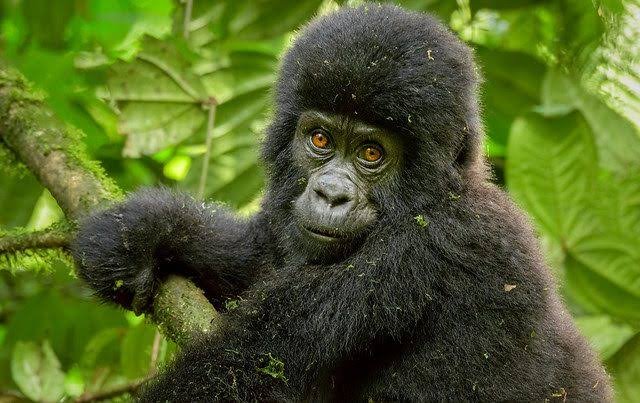
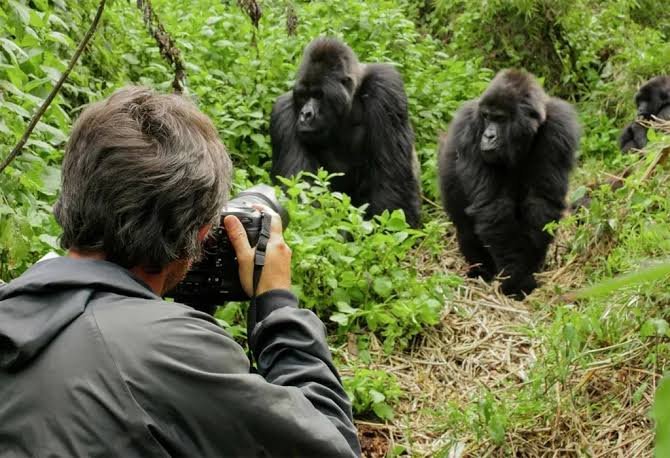
Visitors should listen carefully during the pre-trek briefing and follow the instructions provided by park guides once the gorillas are located. The experience is carefully managed to protect both the animals and the visitors. Trying to move closer for a better photograph, touching vegetation unnecessarily around the gorillas or ignoring guide instructions can compromise the conservation system that makes the experience possible.
Health Preparation Should Begin Before Departure
Travellers should consult an appropriate medical professional well before travelling to Rwanda, especially if they have existing medical conditions, are pregnant or plan to participate in demanding trekking activities. Routine vaccinations should be up to date, and additional travel vaccinations may be recommended depending on a traveller’s medical history, origin and itinerary.
Malaria is present in Rwanda, although risk varies according to altitude and location. Visitors should discuss malaria prevention with a qualified medical professional and take practical measures to reduce mosquito bites. Appropriate repellent, long clothing during vulnerable periods and mosquito-protected accommodation are useful precautions. Rwanda’s tourism authority also recommends seeking professional advice regarding antimalarial medication.
Travellers arriving from countries classified as yellow-fever transmission risks may need to present proof of yellow-fever vaccination. Entry-health rules can change depending on regional outbreaks, so checking current requirements immediately before travel is essential. As of late 2026, additional regional health-screening measures have been implemented in response to an Ebola outbreak in the Democratic Republic of the Congo, demonstrating exactly why travellers should verify health rules close to departure rather than relying on information collected months earlier.
Travel Insurance Is Essential for a Rwanda Safari
Comprehensive travel insurance should be treated as an essential part of a Rwanda holiday rather than an optional additional expense. A safari can involve expensive international flights, non-refundable permits, remote national parks and physically demanding activities. Insurance should therefore reflect the actual itinerary and include adequate medical treatment, emergency evacuation, cancellation protection and coverage for the activities being undertaken.


Medical care is available in Rwanda, especially in Kigali, but serious medical emergencies may require evacuation. Rwanda’s official tourism guidance specifically recommends adequate medical insurance, particularly because advanced treatment may not be available everywhere.
Travellers should also review whether their insurance policy contains restrictions linked to official travel advisories. Entering an area contrary to the formal advice of the traveller’s government can sometimes affect coverage. This is particularly relevant when planning journeys close to the Democratic Republic of the Congo border.
Drink Safe Water and Pay Attention to Food Hygiene
Tap water is generally not recommended for visitors who are unaccustomed to the local water supply. Rwanda’s official tourism guidance advises travellers not to drink tap water and notes that bottled mineral water is widely available in towns. Travellers should make sure bottle seals are intact and carry enough drinking water during long road transfers and trekking activities.
Food standards at established hotels, safari lodges and reputable restaurants are generally suitable for international travellers, but ordinary food-safety precautions remain sensible. Meals should be freshly prepared, and travellers with sensitive stomachs may want to introduce unfamiliar foods gradually rather than changing their entire diet immediately after arrival.
Hydration becomes particularly important during trekking and game drives. Rwanda’s relatively moderate temperatures can cause visitors to underestimate how much fluid they are losing, particularly at altitude or when walking for several hours.
Rwanda Is Generally Easy to Travel Around by Road
Rwanda has a relatively strong road network linking major towns and tourism areas, and travelling with a vehicle and driver is one of the most convenient ways to explore the country. Visit Rwanda describes the principal road network as well surfaced, while noting that smaller roads are often unsurfaced and can become more challenging during rainy periods.
A private safari vehicle provides considerable flexibility because luggage remains with the travellers and the same driver-guide can coordinate accommodation, park activities and daily departure times. For visitors travelling to several national parks, this continuity can make the journey much smoother than arranging new transport at every destination.
Road travel also gives visitors the chance to experience Rwanda’s extraordinary countryside. The landscapes between destinations are part of the attraction, particularly when driving through tea-growing regions, volcanic farmland and the rolling hills around Lake Kivu.
Driving Times Can Be Longer Than the Distance Suggests
One of the most important things travellers should know before visiting Rwanda is that relatively short distances can still involve substantial driving time. Rwanda’s hills mean roads naturally curve around mountains and valleys, while traffic around Kigali and towns can also affect journey times.
Travellers should therefore avoid building itineraries around unrealistic transfer schedules. A day containing a long transfer followed immediately by a major activity can become exhausting. Leaving appropriate time between destinations allows stops for photographs, meals and unexpected delays without creating pressure for the driver to travel too quickly.
Private safari itineraries should ideally prioritise daylight transfers whenever practical. Outside major urban areas, roads can become poorly lit at night, and official travel guidance warns that night driving can present additional risks.
Kigali Is More Than an Arrival Point
Many travellers arrive in Kigali and immediately continue toward Volcanoes National Park, but the capital deserves time of its own. Kigali introduces visitors to Rwanda’s modern culture, history, restaurants, coffee scene, neighbourhoods, markets and contemporary development. Spending at least the first or final night in the city can also make international travel considerably less stressful.
The Kigali Genocide Memorial is especially important for understanding the country’s recent history. A thoughtful visit provides context for modern Rwanda and the significance of remembrance and reconciliation. Travellers should approach memorial sites with sensitivity because they are places of burial and remembrance rather than ordinary tourist attractions.
Kigali is also an excellent place to adjust to the local time zone, obtain cash, purchase forgotten travel items and prepare for the more remote sections of a safari.
Rwanda Uses the Rwandan Franc
The official currency is the Rwandan franc, normally abbreviated as RWF or Rwf. US dollars are also accepted in many tourism settings, particularly for larger payments, while local services are generally easier to pay for in francs. Visit Rwanda notes that US dollars are widely accepted and that Visa cards have broader acceptance than Mastercard, although travellers should confirm card availability directly with accommodation providers and operators.
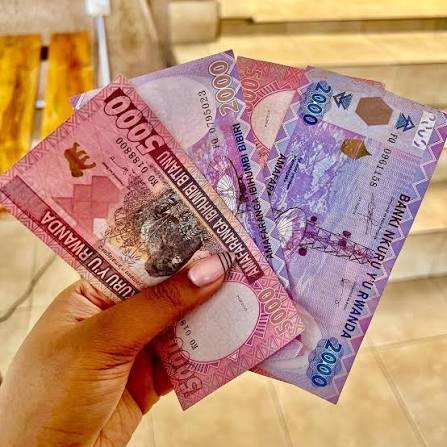
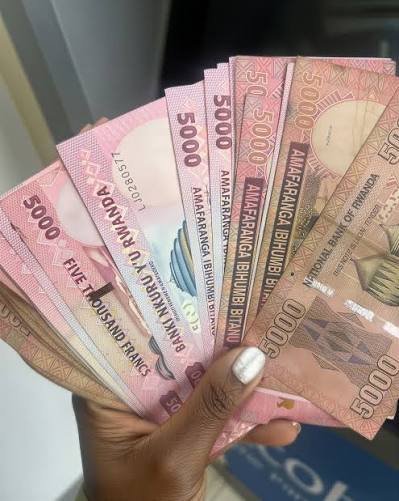
ATMs are available in Kigali and many major towns, but travellers should not depend entirely on card payments once travelling in remote areas. Carrying a reasonable amount of local currency is useful for tips, small shops, local markets and minor expenses.
International visitors carrying US-dollar notes should ensure the notes are in good condition because damaged or older notes may be more difficult to exchange or use. Travellers should also avoid carrying unnecessarily large quantities of cash at one time.
Cards Are Useful but Cash Still Matters
Rwanda has made significant progress with electronic payments, and cards can be used in many larger hotels, restaurants and tourism businesses. However, payment systems can fail or network connections can become unreliable, particularly away from Kigali. Carrying a backup source of cash is therefore sensible even when most major expenses have already been prepaid.
Before international travel, visitors should notify their bank if necessary and understand foreign transaction fees. Having two different payment cards stored separately can provide useful protection if one card is blocked or lost.
Safari travellers should also remember that small tips and purchases are usually easier with cash. Rwanda’s tourism authority notes that tipping is discretionary but appreciated and that cash is commonly preferred.
Tipping Is Appreciated but Not Compulsory
Tipping is not generally approached with the same expectation found in some countries, but it is appreciated within the tourism industry when service has been good. Guides, drivers, trekking porters, lodge staff and restaurant employees may all receive gratuities according to the traveller’s satisfaction and budget.

The amount should reflect the quality and length of service rather than becoming a rigid requirement. Travellers on private safaris often tip their driver-guide at the end of the journey rather than handing over money every day. Lodges may have communal tip boxes that distribute gratuities among staff members who contribute to the stay but interact less directly with guests.
Carrying smaller denominations of cash makes tipping easier and avoids awkward situations where nobody can provide change.
English Is Widely Used in Tourism
Kinyarwanda is the language visitors will hear most frequently during everyday life, while English and French are also official languages. English is widely spoken within Rwanda’s tourism industry, making communication relatively straightforward in hotels, national parks, restaurants and with professional guides.
Learning a few Kinyarwanda greetings can nevertheless make interactions more enjoyable. Travellers do not need to become fluent, but showing interest in the local language demonstrates respect and often creates warmer conversations.
Visitors travelling into rural communities should remember that English fluency varies. A professional guide can help bridge communication differences during cultural or community experiences.
Rwanda Has Strong Mobile and Internet Connectivity
Visitors who need to remain connected will generally find Rwanda convenient. The country’s mobile network covers most populated areas, and internet connectivity is strong in Kigali and major tourism centres. Visit Rwanda describes mobile coverage as extending across almost the entire country and notes continuing investment in fibre infrastructure.
Hotels and lodges commonly provide Wi-Fi, although remote properties may have slower connections than urban hotels. Travellers who need constant internet access for work should confirm connectivity with their accommodation rather than assuming the same standard everywhere.
Purchasing a local SIM or eSIM can provide convenient mobile data and make communication with drivers, hotels and safari operators easier. Passport registration may be required when obtaining a physical local SIM.
Electricity Is 230 Volts at 50 Hz
Rwanda’s electricity supply operates at 230 volts and 50 Hz. Travellers should bring the appropriate plug adapter for their devices and check that chargers can handle the voltage. Most modern phone and laptop chargers operate across a broad voltage range, but this should still be confirmed.
A compact power bank can be useful on long safari days because travellers may spend many hours away from an electrical socket. Photographers should bring sufficient camera batteries and memory cards, particularly for gorilla trekking and wildlife safaris where charging opportunities may be limited during the day.
Rwanda Has Strict Rules on Plastic Bags
One of the most distinctive practical rules travellers should understand is Rwanda’s long-standing restriction on plastic bags. Plastic carrier bags have been banned for environmental reasons since 2008, and prohibited bags found in luggage may be confiscated on arrival.

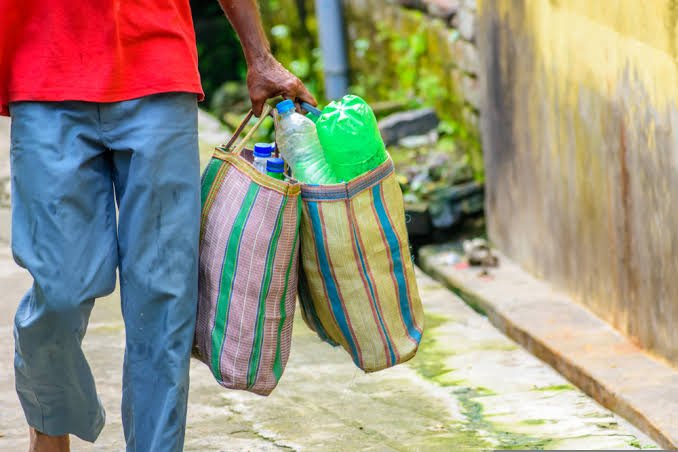
Travellers should therefore avoid packing belongings in disposable plastic shopping bags and instead use reusable fabric bags or appropriate travel organisers. The regulation forms part of Rwanda’s wider environmental approach and contributes to the remarkable cleanliness many visitors notice throughout Kigali and other parts of the country.
Visitors should also dispose of rubbish responsibly throughout their journey. Rwanda places considerable importance on clean public spaces, and travellers are expected to contribute to that standard rather than treating it as something maintained solely by local residents.
Vapes and E-Cigarettes Are Currently Prohibited
Travellers who use electronic cigarettes should be particularly careful because Rwanda’s current regulations prohibit vapes and e-cigarettes, including bringing them into the country for personal use. British travel guidance updated in 2026 states that prohibited devices may be confiscated and possession can result in fines.
This is exactly the kind of local law that travellers can easily overlook if they assume personal items permitted at home will automatically be permitted abroad. Anyone who uses vaping products should review current Rwandan customs regulations before packing.
Drones Require Prior Authorisation
Rwanda offers spectacular landscapes for aerial photography, but visitors cannot simply arrive with a drone and begin flying. A permit is required for recreational and commercial drone operations, and the approval process can take several weeks. Foreign visitors also face specific registration requirements.
Drones must not be flown around airports, crowds, government buildings, military facilities or other sensitive locations. Travellers carrying drones should also be aware that customs officials may require them to be declared upon arrival.
For most ordinary safari travellers, leaving the drone at home is considerably easier unless aerial photography is genuinely important enough to justify completing the required permit process in advance.
Be Careful When Photographing Government and Security Buildings
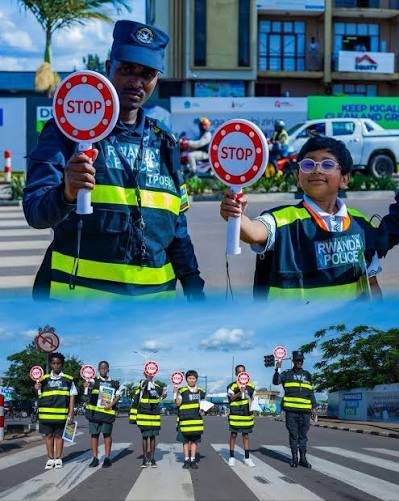
Rwanda offers excellent opportunities for photography, but not every building or area should be photographed. Taking pictures of certain government buildings, military installations and security facilities is prohibited. Visitors should use common sense and avoid photographing police officers, checkpoints, military personnel or sensitive infrastructure without explicit permission.
When photographing people, asking permission is respectful and often leads to a better interaction. Markets, villages and city streets are living environments rather than outdoor studios created for visitors. Travellers who approach photography with courtesy are much more likely to return home with meaningful images and positive memories.
Umuganda Can Affect Your Saturday Morning Plans
The final Saturday of each month is associated with Umuganda, Rwanda’s national community service programme. During the morning, residents participate in activities such as environmental cleaning, infrastructure maintenance and community improvement. Many ordinary services may operate differently during this period, and official travel guidance notes that numerous normal services close between approximately 7 a.m. and 11 a.m.
Travellers whose dates coincide with Umuganda should therefore avoid scheduling tight morning errands without checking local arrangements. At the same time, Umuganda can provide an interesting insight into community participation and civic life.
Rather than seeing the morning simply as an inconvenience, travellers can ask their hotel or guide whether there is an appropriate way to experience or participate in a community project.
Car Free Day Can Change Traffic in Kigali
Kigali also holds regular car-free mornings on selected Sundays to encourage exercise and reduce vehicle emissions. Current British travel guidance describes these as taking place on the first and third Sunday of the month in Kigali, although schedules should always be reconfirmed locally because arrangements can change.

For travellers, the event can be enjoyable because roads become active spaces for walking, running and cycling. However, those needing an airport transfer or early departure should be aware that road restrictions may influence routes and journey times.
Rwanda’s History Should Be Approached Respectfully
Anyone visiting Rwanda should understand that the 1994 Genocide against the Tutsi remains a deeply significant part of the country’s history and national consciousness. Memorials across Rwanda preserve the memory of victims, and conversations about the genocide should be approached with sensitivity.
Travellers should avoid casual jokes, speculative political arguments or insensitive comparisons. Memorial sites deserve quiet, respectful behaviour, and photography rules should be followed carefully. April is particularly significant because the national commemoration period begins around 7 April, and the atmosphere can become more reflective during the days that follow.
Learning about Rwanda’s history before arrival helps visitors understand many aspects of the modern country, including the emphasis placed on national unity, remembrance, public order and community rebuilding.
Dress Is Generally Informal but Respectful
Visitors do not need formal clothing for most Rwanda travel, and safari clothing can be relaxed and practical. However, dress is generally expected to remain respectful, particularly when visiting communities, memorial sites and places of worship. Rwanda’s official tourism guidance notes that men commonly wear trousers but shorts are acceptable, while women may feel more comfortable with knee-length or longer clothing.
Lightweight clothing works well in warmer regions, but evenings can become cool and highland destinations require additional layers. Travellers combining Rwanda’s national parks should therefore pack for several environments rather than one uniform climate.
Safety Varies by Location and Current Regional Conditions
Rwanda is generally experienced as orderly, and ordinary crime levels are relatively low, although theft, burglary, bag snatching and mugging can occur. Travellers should use normal precautions such as securing valuables, arranging transport after dark and avoiding unnecessary displays of expensive belongings.
The most important current security distinction concerns areas near the Democratic Republic of the Congo and Burundi borders. Regional conflict in eastern DRC can affect conditions on the Rwandan side of the border, and some governments currently advise against or discourage travel to particular western border zones. The exact boundaries covered by these advisories differ between governments.
Travellers should therefore check the advice issued by their own government close to departure, particularly if an itinerary includes Rubavu, Rusizi, Lake Kivu border areas or cross-border travel. Border crossings can change operating status at short notice, and travellers should not assume that a route used previously will necessarily be available during their trip.
Do Not Treat the DRC Border as an Ordinary Tourist Crossing
Some visitors combine Rwanda with destinations in neighbouring countries, but travel toward eastern Democratic Republic of the Congo requires considerably more caution than an ordinary border crossing. The regional security situation remains unpredictable, and restrictions can change rapidly.
Anyone planning cross-border travel should work with experienced operators, follow current official travel advice and confirm border conditions immediately before the journey. Travellers should also check whether insurance remains valid for the intended destination.
The fact that Kigali or Volcanoes National Park may feel calm should not be interpreted as evidence that conditions are identical across an international border.
Rwanda Works Very Well With a Professional Driver-Guide
Travellers who want an uncomplicated safari often find that a private vehicle and professional driver-guide provide excellent value. The guide manages navigation, road conditions, park arrival times and communication with lodges while also helping visitors understand landscapes, wildlife and local culture.
A private vehicle also allows flexibility for photographic stops and changes in timing. This is particularly useful for couples, families and small groups, since transportation costs can be shared among several travellers.
Self-driving is possible, but visitors unfamiliar with local roads may find a guided journey significantly less stressful, particularly when travelling between several national parks.
Public Transport Is Available but Safari Logistics Are Different
Shared minibuses and buses connect towns across Rwanda and can be inexpensive for independent travellers. Kigali also has organised urban bus services. Public transportation can work well for travellers whose itinerary is concentrated around cities and towns.
However, reaching national parks and coordinating early-morning activities can be more complicated. Gorilla trekking, chimpanzee trekking and safari game drives operate according to specific reporting times, and missing a departure because of transport delays can create expensive problems.
For this reason, travellers with high-value permits often prefer private transport or pre-arranged transfers even if they use public transportation for simpler parts of the journey.
Motorcycle Taxis Are Common but Require Caution
Motorcycle taxis are a familiar sight in Kigali and other Rwandan towns. They can be convenient for short journeys, but international travellers should carefully consider accident risk and insurance coverage before using them. Visit Rwanda specifically notes that travel insurance may not cover motorbike taxis.
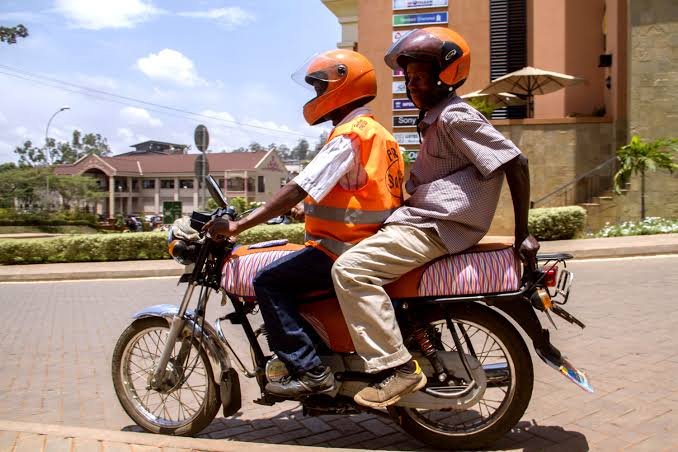
Travellers carrying luggage, expensive cameras or unfamiliar with local traffic may be more comfortable using ordinary taxis or organised vehicle transfers.
Rwanda Is More Than Gorilla Trekking
Many international visitors arrive primarily for mountain gorillas, but travellers should understand before departure that Rwanda offers enough variety to justify a longer stay. Akagera National Park provides traditional savannah game viewing, while Nyungwe offers chimpanzee trekking, forest hiking and the famous canopy walkway. Lake Kivu provides a completely different atmosphere with waterside relaxation, kayaking, walking and scenic landscapes.
Kigali adds culture, history, markets, restaurants and art, while destinations such as Nyanza and Huye introduce travellers to Rwanda’s royal and ethnographic heritage. Building several of these experiences into one itinerary makes the cost of the international journey more worthwhile.
Akagera Requires Different Clothing From the Mountain Forests
Travellers combining several national parks should pack for very different environments. Akagera is warmer and more open than Volcanoes National Park, and lightweight clothing is usually more comfortable during daytime game drives. Sun protection is especially important because travellers may spend many hours in an open or pop-up-roof safari vehicle.
Visit Rwanda advises against wearing blue in Akagera because it can attract tsetse flies. Neutral safari colours are practical, although there is no need to purchase an entirely new wardrobe simply for the trip.
A light sweater can still be useful during early morning game drives because temperatures before sunrise may feel cooler than expected.
Nyungwe Can Be Wet and Physically Demanding
Nyungwe National Park contains mountainous rainforest, meaning visitors should expect steep terrain, humidity, rain and muddy trails. Chimpanzee tracking can involve rapid movement when animals change position, so fitness and appropriate footwear are important.
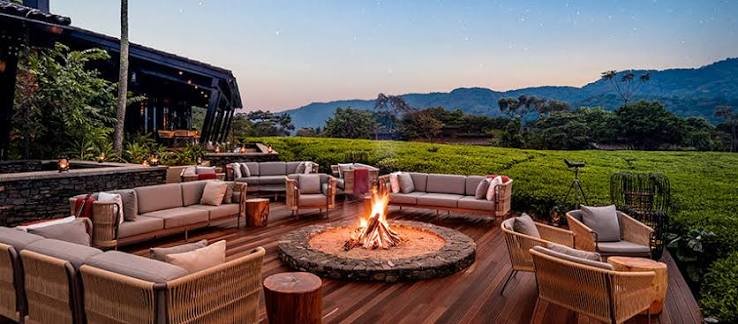
The canopy walkway is accessible through a forest trail rather than directly from a parking area, and rain can make surfaces slippery. Rwanda’s official tourism guidance recommends suitable footwear and lightweight rain protection for the activity.
Travellers who struggle with steep walking should discuss the physical demands of planned activities before purchasing permits.
Do Not Overpack Your Rwanda Safari
A common mistake is packing too much. Rwanda itineraries usually involve changing accommodation several times, and repeatedly moving large suitcases can become inconvenient. Lightweight luggage with practical clothing is often far easier than travelling with multiple oversized bags.
Laundry services are available at many hotels and safari lodges, making it unnecessary to pack a completely different outfit for every day. Travellers using domestic aviation or helicopter transfers should also check baggage limits in advance because these can be significantly lower than long-haul airline allowances.
A smaller daypack should be separated from the main luggage for park activities, containing only what is needed during the day.
Respect Wildlife and National Park Regulations
Wild animals should never be treated as though they exist for entertainment. Rwanda’s national parks operate under regulations designed to protect wildlife and visitors, and guides should be followed at all times.
During gorilla trekking, visitors should remain calm and avoid attempting to touch gorillas. In Akagera, tourists should remain inside the vehicle wherever required and should never approach dangerous wildlife on foot without authorised guidance. In Nyungwe, travellers should stay with the group and follow the ranger’s instructions.
Wildlife encounters become more rewarding when travellers accept unpredictability. There is no guarantee that every animal will appear on demand, and responsible tourism means allowing wildlife to behave naturally.
Rwanda Can Suit Solo Travellers, Couples and Families
Rwanda’s compact geography makes it attractive for a wide variety of travellers. Solo visitors often appreciate the straightforward logistics of using a private guide, while couples can divide transportation and room costs and create romantic combinations involving gorilla trekking and Lake Kivu.
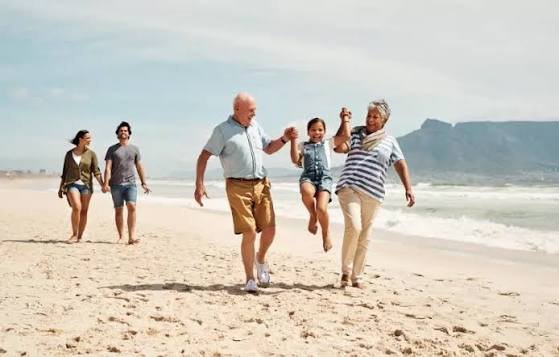
Families can also enjoy Rwanda, particularly when combining Kigali and Akagera, although age restrictions apply to certain primate activities. Gorilla trekking requires participants to be at least 15 years old. Families with younger children should therefore design alternative activities for the trekking day rather than assuming exceptions will automatically be available.
Allow Enough Time for Your Rwanda Journey
One of the best things to know before travelling to Rwanda is that more days do not necessarily mean a more exhausting trip if the itinerary is designed properly. Three or four days may be enough for Kigali and a gorilla trek, but travellers wanting to understand the country should consider spending longer.
A week allows several major experiences to be combined, while ten to fourteen days can create a much more complete journey including Kigali, Volcanoes National Park, Lake Kivu, Nyungwe and Akagera. Longer itineraries also allow rest periods between physically demanding activities.
Trying to visit every destination in five days may technically be possible on paper but can result in spending a large portion of the holiday inside a vehicle.
Sustainable Travel Matters in Rwanda
Conservation forms an important part of Rwanda’s tourism strategy. Revenue from national parks and wildlife permits contributes to conservation and community programmes, and Rwanda’s environmental policies are highly visible throughout the country. Visit Rwanda states that a proportion of tourism permit and park-fee income supports surrounding communities.
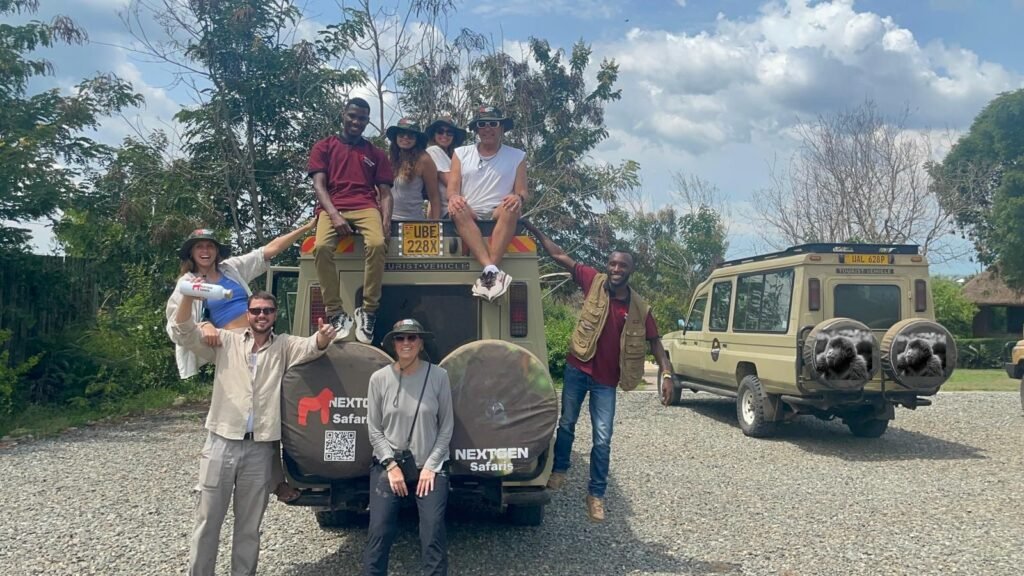
Travellers can support this model by using licensed operators, respecting protected areas, employing porters when appropriate, purchasing locally made products and avoiding behaviour that harms wildlife.
Responsible tourism should not be treated as a marketing phrase. Every visitor influences the destination through decisions about accommodation, activities, waste, photography and interaction with local communities.
Emergency Numbers Are Worth Saving Before Arrival
Travellers should save key emergency contacts before beginning the journey. Rwanda’s police and ambulance emergency number is 112, while the fire emergency number is 111.
The telephone number of the safari operator, hotel and insurance provider should also be stored in more than one place. Keeping the information in a phone is useful, but carrying a written copy provides backup if the phone is lost, stolen or damaged.
Travellers should also know how to contact their embassy or consular representative in case of a serious emergency.
Confirm Important Rules Again Immediately Before Departure
Travel requirements can change, sometimes with very little notice. Visa policy may be adjusted, border conditions may change, disease outbreaks may trigger new health screening and national park regulations can be updated. This is particularly important in Rwanda because several major tourism areas lie relatively close to international borders.
A good travel plan should therefore include a final check shortly before departure. Passport validity, visa status, vaccination requirements, government travel advice, airline baggage rules, national park permits and border conditions should all be reconfirmed.
This final review often takes less than an hour but can prevent serious disruption to a journey costing thousands of dollars.
What Should I Know Before Traveling to Rwanda for the First Time?
What Should I Know Before Traveling to Rwanda? First-time visitors should understand that Rwanda is an organised and relatively easy destination to explore, but it rewards travellers who plan carefully. The country offers a convenient visa-on-arrival system for eligible visitors, a good road network connecting major destinations, strong mobile connectivity and established tourism infrastructure. At the same time, visitors need to prepare for mountain weather, national park regulations, health precautions and regional conditions that may affect some border areas.
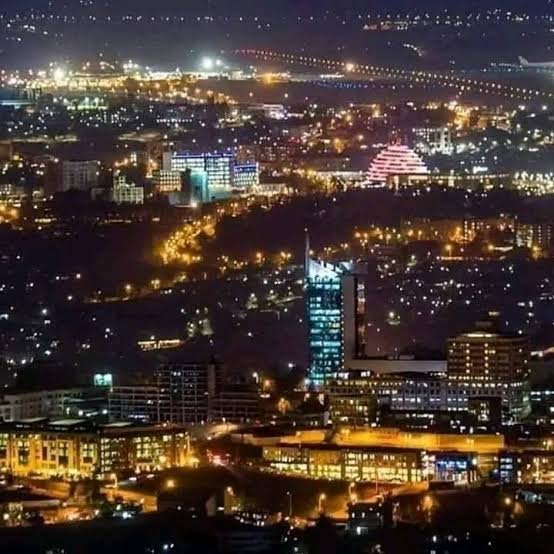
The most important safari arrangements should be made early. Gorilla permits are limited and expensive, so travellers planning to trek should confirm their permits before finalising the surrounding itinerary. Accommodation around Volcanoes National Park can also fill quickly during popular periods, especially at the most desirable properties.
Visitors should pack according to the actual itinerary rather than Rwanda’s location near the Equator. A traveller going only to Kigali and Akagera needs different clothing from someone trekking gorillas and chimpanzees through mountain forests. Waterproof clothing, sturdy trekking boots and warmer layers can be essential even when the international weather forecast appears warm.
Travellers should carry a combination of payment methods, learn a few words of Kinyarwanda, respect local laws and approach Rwanda’s history thoughtfully. They should avoid prohibited plastic bags, leave vapes at home under current rules and obtain advance permits for drones rather than assuming they can be flown freely.
Most importantly, travellers should give Rwanda enough time. The country may look small on a map, but its diversity deserves more than a hurried visit. Gorilla trekking may be the experience that inspires the journey, yet Akagera’s wildlife, Nyungwe’s rainforest, Lake Kivu’s scenery, Kigali’s culture and the countryside connecting these destinations often become equally important memories.
Final Thoughts on What to Know Before Visiting Rwanda
What Should I Know Before Traveling to Rwanda? You should know that Rwanda is one of Africa’s most accessible destinations for combining remarkable wildlife encounters with landscapes, culture, history and comfortable travel logistics, but the quality of your experience will depend heavily on preparation. Understanding visas and passport rules before departure prevents immigration problems, while securing gorilla permits early protects the central experience around which many Rwanda holidays are designed. Appropriate travel insurance, medical preparation, malaria precautions and safe drinking-water habits provide essential protection during the journey.
You should also understand that Rwanda’s climate is shaped strongly by altitude. Kigali may be pleasantly warm while Volcanoes National Park is cold and wet on the same morning. Packing strong walking shoes, long trekking clothing, a waterproof jacket and a warm layer can make the difference between enjoying a forest trek and spending several uncomfortable hours wishing you had prepared differently.
Money is relatively easy to manage when travellers carry both cards and some cash. The Rwandan franc is the everyday local currency, while US dollars remain common for larger tourism expenses. Mobile and internet coverage are generally strong, meaning travellers can remain connected more easily than they may expect in an African safari destination.
Local laws deserve attention. Rwanda’s restrictions on plastic bags are taken seriously, drone use requires authorisation and current regulations prohibit bringing vapes and electronic cigarettes into the country. Photography around government, military and other sensitive facilities should be avoided. These regulations are straightforward to follow once travellers know about them, but ignorance of local laws is rarely a useful defence.
Travellers should also recognise that safety conditions are not identical everywhere. Kigali and established tourism circuits may operate normally while regional developments affect particular border districts. Anyone travelling toward the Democratic Republic of the Congo or Burundi borders should check current government advice shortly before the journey rather than relying on a safari article written months or years earlier.
Rwanda is a country where thoughtful travel is rewarded. Taking time to understand the history before visiting memorial sites, learning a few local greetings, respecting wildlife regulations, employing local guides and approaching communities with curiosity rather than entitlement all contribute to a better experience. Responsible tourism is particularly important around mountain gorillas because every encounter takes place within a fragile conservation environment.
For travellers planning their first Rwanda safari, the most useful approach is therefore to prepare thoroughly without making the journey feel complicated. Confirm the passport and visa, obtain the necessary permits, speak with a medical professional, arrange suitable insurance, pack for changing altitude and weather, carry flexible payment options and keep the itinerary realistic. Once those practical details are organised, Rwanda becomes a remarkably rewarding destination to explore.
The Land of a Thousand Hills is much more than a place to see mountain gorillas. It is a destination where volcanic peaks rise above rainforest, chimpanzees move through ancient forest, lions and elephants roam open savannah, fishing boats cross Lake Kivu and Kigali provides a modern introduction to one of Africa’s most fascinating countries. Knowing what to expect before arrival allows travellers to experience all of this with greater confidence, comfort and respect, turning a Rwanda holiday from a simple sightseeing trip into a much deeper journey through one of East Africa’s most distinctive destinations.