
Exceptional Bisate Reserve and Magashi Peninsula Ultra-Luxury Rwanda Safari
Bisate Magashi Luxury Safari combines Rwanda’s extraordinary mountain gorilla trekking experience with an exclusive wildlife safari in Akagera National Park, creating a refined journey through two of the country’s most remarkable landscapes. Travellers begin near Volcanoes National Park at Bisate Reserve, where mist-covered Virunga Mountains, private villas and intimate gorilla encounters define the experience, before continuing to Magashi Peninsula for private game drives, lake views, predator sightings and highly exclusive accommodation in Akagera. This carefully balanced safari brings together primates, savannah wildlife, conservation, privacy and exceptional hospitality in one sophisticated Rwanda journy.
The strength of this journey comes from the contrast between the two destinations. Around Volcanoes National Park, the scenery feels enclosed, mountainous and atmospheric. Clouds move across dormant volcanoes, forest vegetation dominates the horizon and days revolve around intimate walking experiences rather than vehicle-based game viewing. The highlight for most travellers is an encounter with mountain gorillas, reached on foot after trekking through one of Africa’s most remarkable montane ecosystems. Akagera changes the visual language of the safari completely. Here, horizons become broader, lakes reflect the changing sky, grasslands stretch between woodland and wetland habitats, and wildlife is explored on traditional game drives, boating experiences and carefully planned private excursions.
A Bisate Reserve and Magashi Peninsula Ultra-Luxury Rwanda Safari is therefore particularly rewarding for travellers who want to understand the diversity of Rwanda rather than travelling only to see gorillas. The journey demonstrates how a relatively compact country can offer two very different forms of African wilderness. In the north, conservation is closely connected to endangered primates and the restoration of mountain habitat. In the east, the story revolves around the recovery of a savannah ecosystem and the return of significant wildlife populations. Each region offers its own atmosphere, wildlife and style of exploration, yet the two are connected by a shared emphasis on conservation-led tourism.
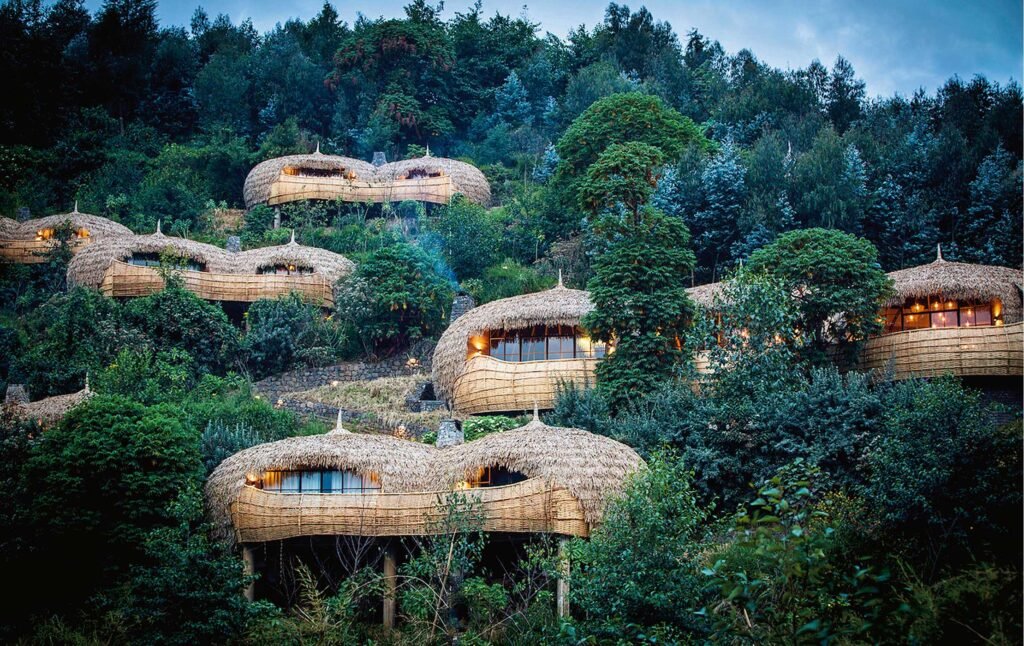
The accommodation further strengthens this sense of distinction. Bisate Reserve is deliberately intimate, with only four villas, allowing guests to experience exceptional space, personalised service and commanding views toward the surrounding volcanoes. Magashi Peninsula is similarly limited in scale and designed around seclusion, with a private villa and two standalone suites positioned to maximise privacy and connection with the surrounding wilderness. This small-scale approach makes the combination particularly attractive to honeymooners, families seeking exclusivity, couples celebrating milestone occasions, photographers, private groups and experienced safari travellers who place a high value on space, personalised service and access to remarkable natural environments.
Why Combine Bisate Reserve and Magashi Peninsula?
The most compelling reason to combine these two properties is that each represents an entirely different interpretation of a luxury safari. Bisate Reserve is shaped by altitude, rainforest, volcanoes and one of the most emotionally powerful wildlife experiences available anywhere in Africa. Magashi Peninsula is shaped by open landscapes, wildlife movement, expansive lake views and the traditional rhythm of an African savannah safari. Experiencing both within one journey creates a safari with depth and progression rather than repetition.
A traveller beginning at Bisate Reserve may spend one morning following guides through dense forest in search of mountain gorillas and the following afternoon sitting beside a fire while mist gathers around the volcanoes. Several days later, the same traveller may be watching elephants cross open terrain near Lake Rwanyakazinga or following predators during a private game drive in Akagera. These changes in scenery, wildlife and activity keep the safari continually fresh.
The combination is also ideal for travellers who want Rwanda to stand alone as a complete luxury safari destination. Many visitors traditionally combine Rwanda’s gorillas with Kenya or Tanzania for savannah wildlife. While such regional itineraries remain rewarding, Akagera makes it possible to experience a broader safari entirely within Rwanda. The inclusion of Magashi Peninsula elevates this possibility considerably because the accommodation provides the same level of exclusivity expected by travellers choosing Bisate Reserve.
Another advantage is the emotional pacing of the journey. Gorilla trekking often creates an intense highlight early in the trip. If the itinerary ends immediately afterward, the experience can feel surprisingly brief. Continuing to Akagera allows the safari to unfold into another chapter rather than simply concluding after the gorilla trek. Wildlife viewing becomes broader, mornings and afternoons follow a different rhythm and guests have additional time to absorb what they experienced in the mountains.
Bisate Reserve and the Landscape of the Virunga Mountains
Bisate Reserve occupies an extraordinary position in Rwanda’s volcanic highlands, where the Virunga Mountains dominate the horizon and the atmosphere changes continuously according to cloud, rain and light. The landscape is naturally dramatic. Steep agricultural hills rise toward forest-covered slopes, while volcanic peaks create some of the most recognisable scenery in Rwanda. From elevated points around the property, guests can appreciate the geographical scale of the Virunga region and understand why this landscape has become inseparable from the story of mountain gorilla conservation.
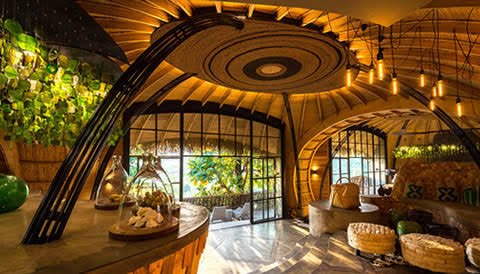
The architectural identity of Bisate Reserve draws heavily from Rwanda itself. Instead of importing a generic safari aesthetic, the property incorporates forms, materials and decorative references inspired by traditional Rwandan culture, basketry, royal architecture and the volcanic environment. Thatch, timber, stone and carefully selected interior elements create spaces that feel contemporary while remaining connected to place. The result is sophisticated without losing the visual character of the destination.
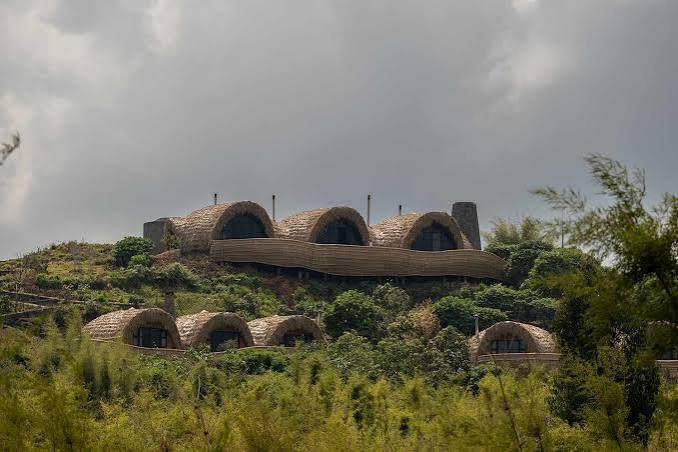
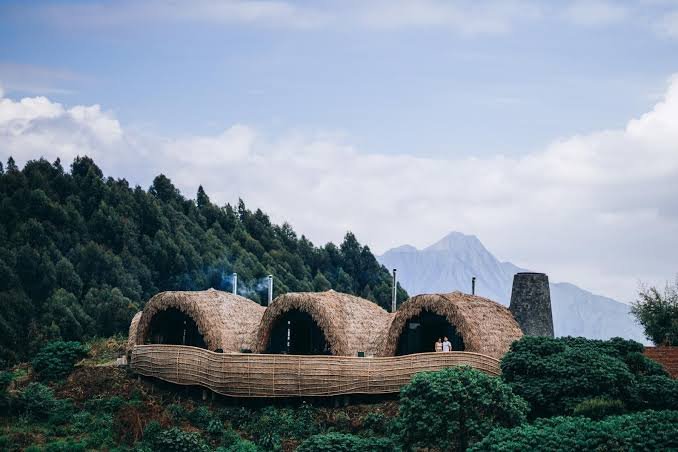
With only four villas, the atmosphere remains exceptionally intimate. Each villa offers substantial living space and has been positioned to take advantage of the surrounding views. Private decks create opportunities to sit outside during clear periods, while fireplaces and internal heating become particularly valuable during cool mountain evenings. Private hot tubs add another layer of comfort after trekking, allowing guests to recover slowly while remaining surrounded by the highland landscape.
The limited number of guests also changes the quality of service. Staff can respond closely to individual preferences, meal timing, activity requirements, dietary needs and personal interests. Travellers who value privacy are not surrounded by large groups moving through shared spaces on fixed schedules. Instead, the stay feels tailored to the rhythm of each guest.
Mountain Gorilla Trekking From Bisate Reserve
Mountain gorilla trekking is usually the defining experience of the Bisate Reserve portion of the journey. The day begins early because visitors must reach the national park briefing area before being allocated to a habituated gorilla family. Experienced guides and trackers then lead guests toward the forest, where the search begins based on the gorillas’ known movements and the observations of tracking teams.
The trek itself forms an essential part of the experience. Travellers may cross cultivated areas before entering thicker vegetation, gradually moving deeper into the habitat. Conditions can vary significantly according to weather, location and the gorilla family being visited. Some treks are relatively moderate, while others require sustained climbing through muddy, uneven or densely vegetated terrain. This uncertainty is part of what distinguishes gorilla trekking from conventional wildlife viewing. The animals are not waiting in a predictable location, and the landscape remains fully involved in the encounter.
“`html
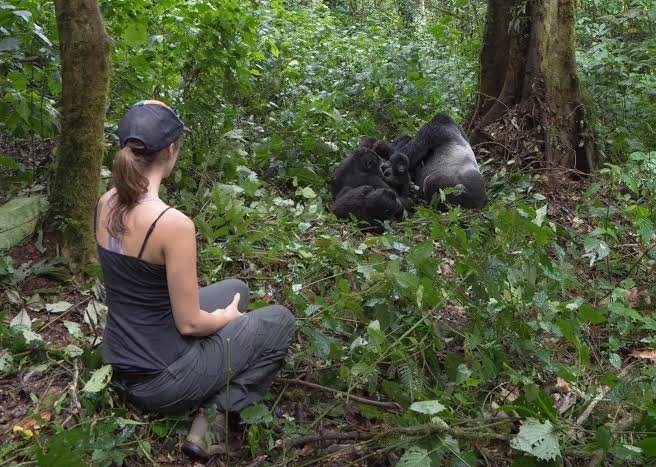
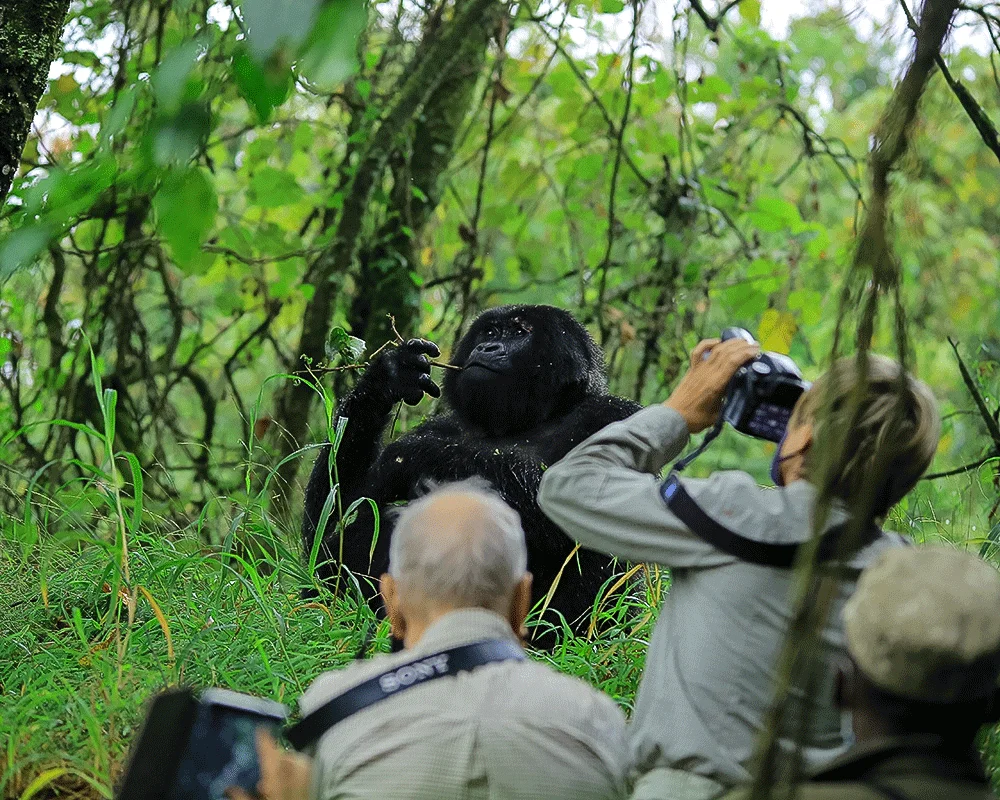
As the group approaches the gorillas, the pace usually slows and anticipation becomes stronger. Trackers may recognise fresh feeding signs, footprints or disturbed vegetation. Guests are asked to follow instructions carefully, reduce unnecessary movement and prepare for the moment the gorillas appear. The first sighting may be dramatic or surprisingly quiet. A large silverback may sit among vegetation, or a younger gorilla may appear first through an opening in the leaves.
The permitted observation period gives travellers time to appreciate the complexity of gorilla family life. Adults may feed quietly, juveniles may play, infants may remain close to their mothers and the dominant silverback may appear almost indifferent to the visitors while remaining aware of everything happening around him. The experience can feel remarkably intimate because travellers are standing within the same forest rather than viewing wildlife through a vehicle window.
For many guests, photography begins as a priority but gradually becomes secondary to simply observing the animals. Gorilla faces, gestures and social behaviour can feel unexpectedly familiar, and the awareness that these animals exist within a carefully protected but limited habitat adds emotional depth to the experience.
Returning to Bisate Reserve After Gorilla Trekking
Returning to Bisate Reserve after several hours in the forest demonstrates why exceptional accommodation matters on an active safari. Trekking can leave guests muddy, tired and physically drained, especially when forest conditions are wet or the allocated gorilla family requires a longer hike. The ability to return to a spacious private villa, warm interior, outdoor hot tub and personalised hospitality changes the entire experience.
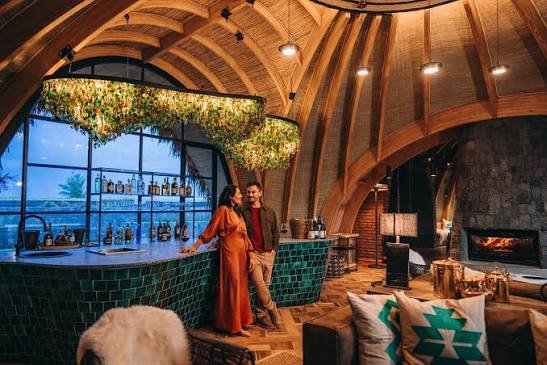
Guests can remove trekking equipment, take a warm shower and settle into their villa without feeling pressure to immediately prepare for another excursion. A leisurely lunch becomes part of the recovery process, while the afternoon may be devoted to rest, wellness or reflection. This slower rhythm is particularly valuable because the emotional intensity of gorilla trekking can be as significant as the physical effort.
An ultra-luxury safari should protect this downtime rather than treating every free hour as an opportunity to add another activity. One of the greatest privileges at Bisate Reserve is simply having enough space and time to enjoy the property. Travellers may sit beside the fire, enjoy a private meal, take in the views or spend the afternoon discussing the gorilla encounter.
The villas make this especially appealing because guests do not have to rely entirely on communal lodge areas to enjoy the property. Private decks, generous interiors and personal wellness experiences mean a substantial portion of the stay can unfold within the privacy of the villa.
The Sanctuary and Wellness at Bisate
Wellness has become an increasingly important part of high-end safari travel, and it feels particularly appropriate in Rwanda’s volcanic highlands. Trekking places demands on the body, while altitude, early mornings and travel can create additional fatigue. The Sanctuary at Bisate provides a dedicated environment for restoration and creates an excellent complement to gorilla trekking and other active experiences.
Treatments can be scheduled around the safari rather than forcing the safari to accommodate fixed wellness times. After trekking, massage can help tired muscles recover, while quieter wellness experiences may be incorporated on days without demanding activities. The surroundings naturally contribute to the sense of calm because the space remains connected to views, vegetation and Rwanda’s highland environment.
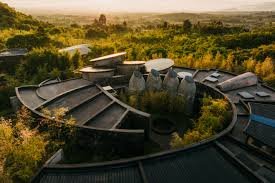
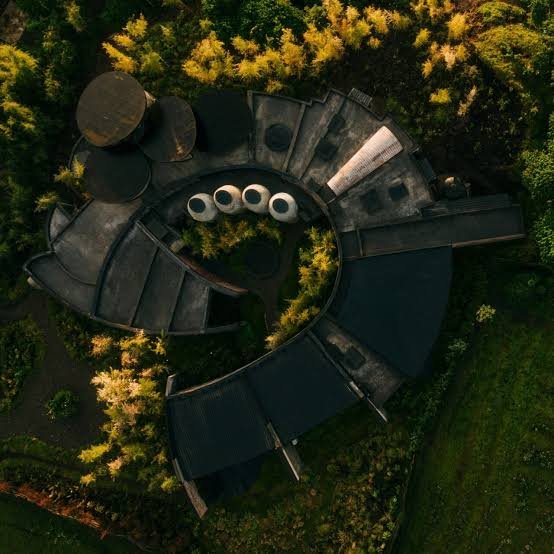
Wellness here should not be understood only as a spa treatment. The broader experience includes the opportunity to slow down, eat thoughtfully, sleep well and enjoy the natural environment without constant movement. A morning with no scheduled activity may be more valuable than another excursion for travellers who have already spent several days hiking.
This is particularly relevant for honeymooners and couples. A romantic safari should contain enough private time to feel like a celebration rather than becoming an endurance programme. Bisate Reserve creates the opportunity to experience extraordinary wildlife while maintaining that sense of personal space.
Golden Monkeys, Forest Walks and Conservation Experiences
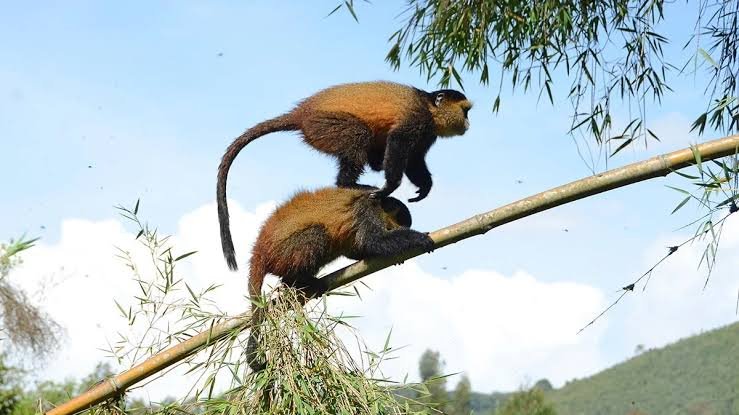
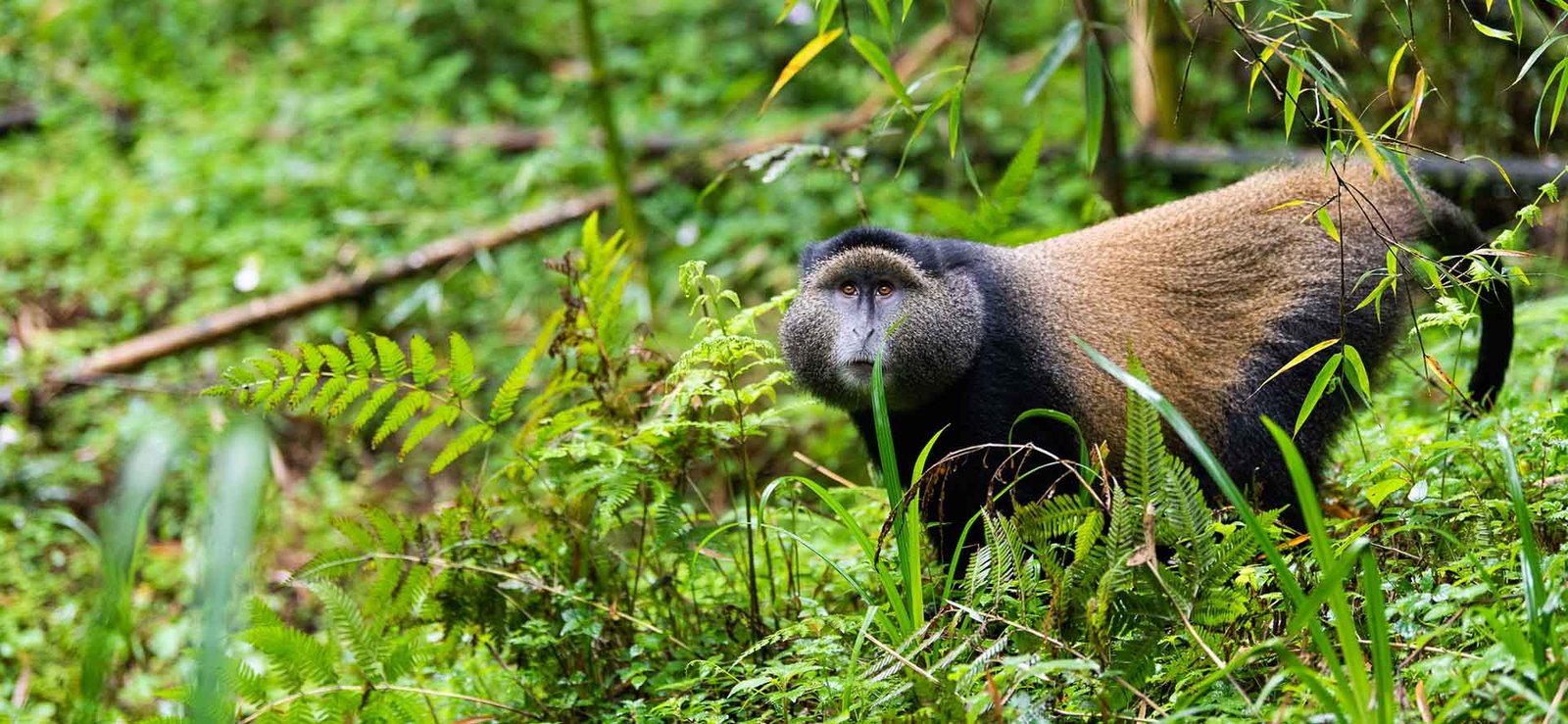
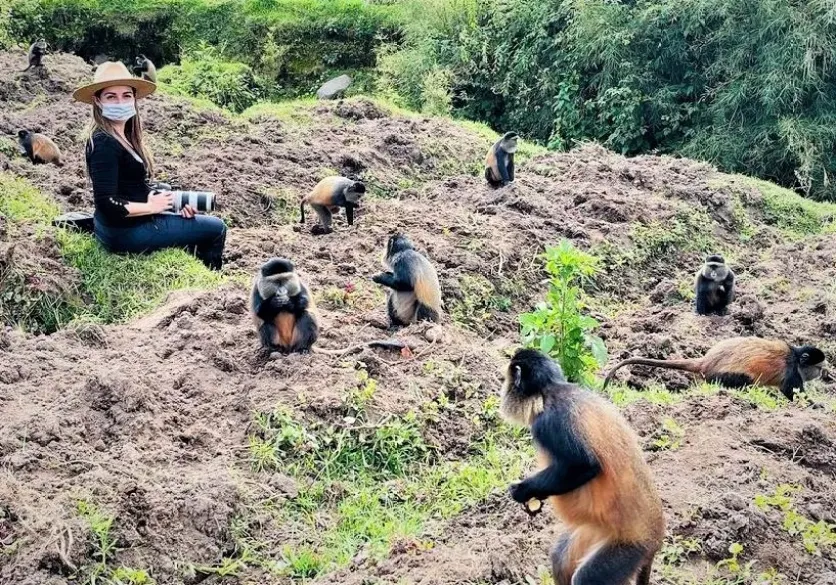
Travellers staying several nights around Volcanoes National Park can broaden their experience beyond mountain gorillas. Golden monkey trekking offers another primate encounter and has a very different character from gorilla trekking. Golden monkeys are smaller, faster and often more active, frequently moving through bamboo vegetation and creating excellent opportunities for travellers interested in behaviour and wildlife photography.
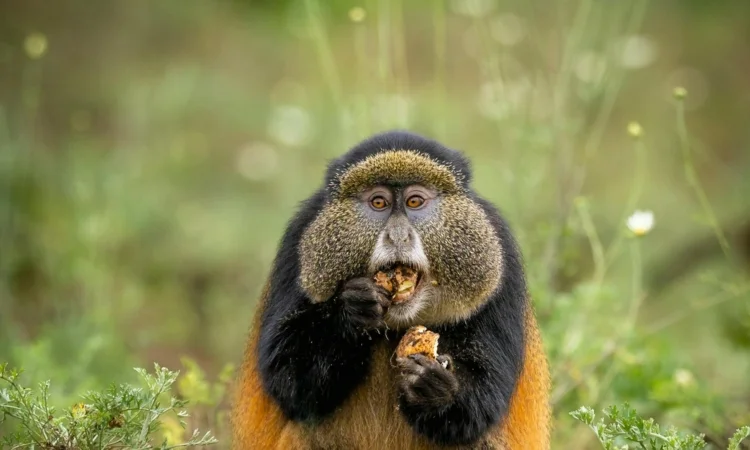
Nature and bird walks provide a slower way to understand the landscape. Forest edges, reforested areas and surrounding habitats support an impressive range of birdlife, plants and smaller animals that are easily overlooked when the primary focus is gorillas. Walking with a knowledgeable guide can transform apparently quiet vegetation into a complex ecological system filled with signs, calls and subtle movement.
Tree planting has become an important part of the Bisate conservation story and gives guests an opportunity to participate symbolically in the continued restoration of the landscape. Reforestation around gorilla habitat has significance well beyond visual improvement because recovering native vegetation can strengthen ecosystems, expand biodiversity and help reconnect fragmented habitats.
Community experiences can provide another layer of context. The long-term success of conservation depends heavily on relationships with people living near protected areas. Understanding local livelihoods, tourism employment and the role communities play in the regional economy helps travellers see gorilla conservation as a social as well as ecological process.
Dining at Bisate Reserve
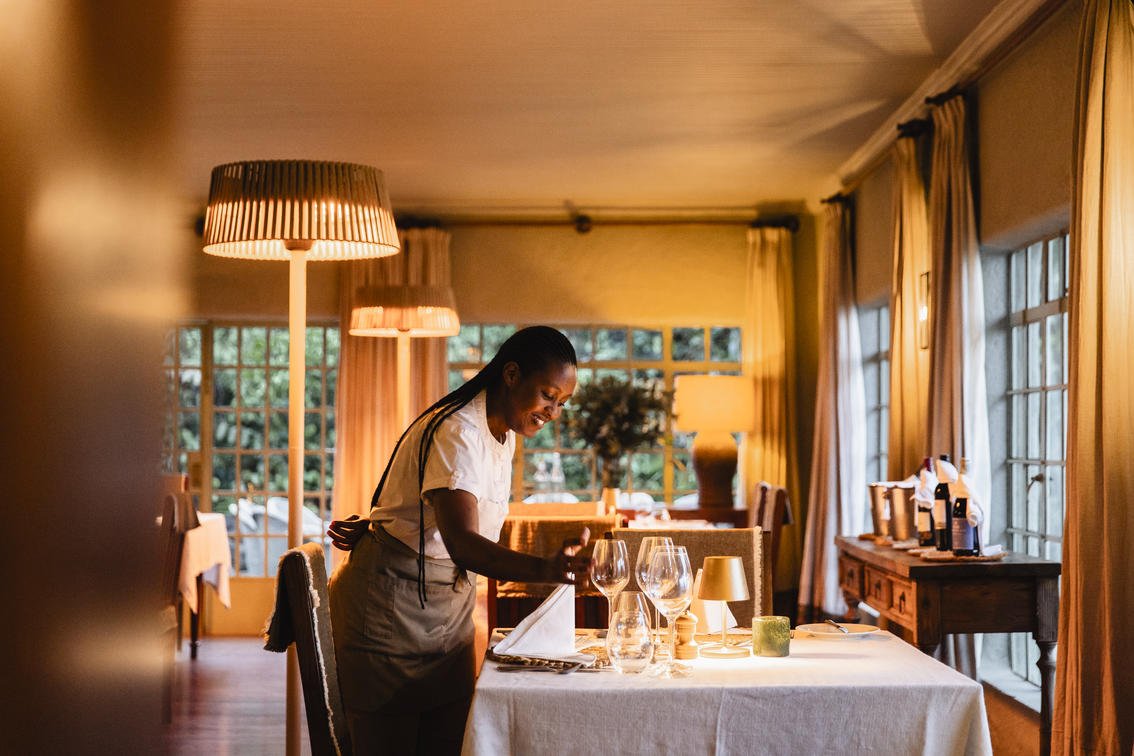
Dining at Bisate Reserve reflects the wider philosophy of making luxury feel connected to Rwanda rather than imported into it. Seasonal ingredients and locally sourced produce form an important part of the culinary approach, while the intimate scale of the property allows meals to be adapted closely to individual preferences and daily activities.
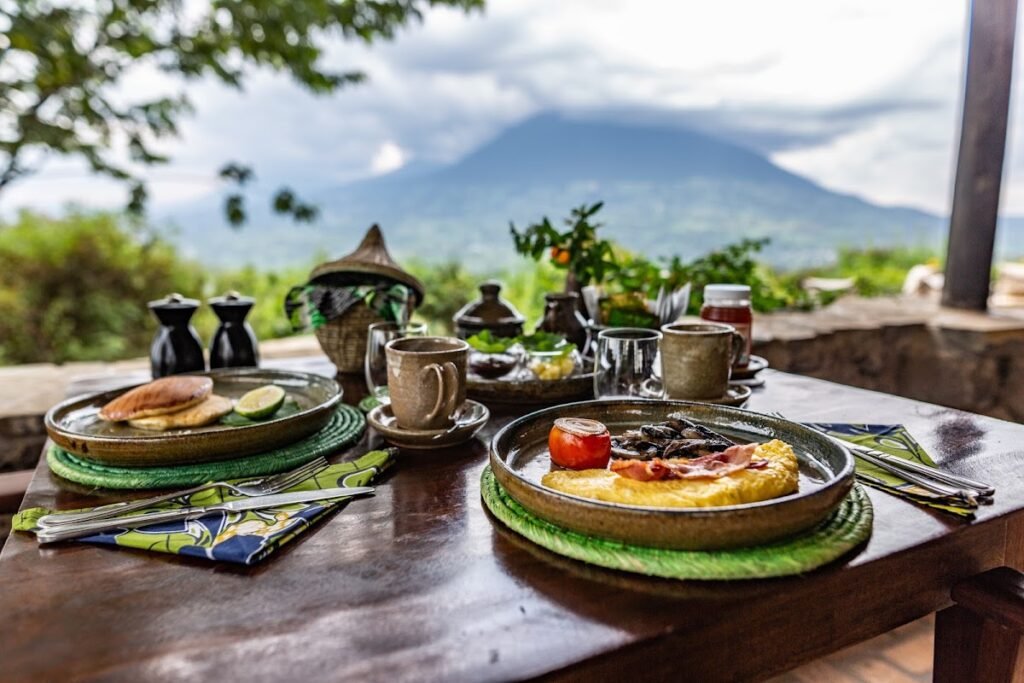
A gorilla trekking day naturally requires flexibility. Guests may leave early and return at different times depending on the length of the trek. The dining experience therefore needs to respond to the wildlife programme rather than follow an inflexible hotel timetable. Early breakfasts, post-trek meals and private dining can all be arranged according to the rhythm of the day.
The resident culinary team can also turn meals into experiences rather than simple necessities. Travellers interested in food may engage more deeply with ingredients and preparation, while others may prefer quiet private dining within their villa. The limited number of guests makes both approaches possible.
Evenings are especially atmospheric in the highlands. Temperatures become cooler, fireplaces add warmth and the volcanic landscape disappears gradually into darkness. A slow dinner after a day of trekking can become one of the most enjoyable moments of the stay precisely because it allows the excitement of the day to settle.
Conservation and Reforestation Around Bisate Reserve
Conservation is central to the meaning of a luxury stay near Volcanoes National Park because the survival of mountain gorillas is inseparable from the protection of their habitat. Bisate Reserve sits within a wider conservation landscape where tourism, habitat restoration, scientific research and community engagement all contribute to the future of the region.
Reforestation around Bisate has been particularly significant because much of the surrounding land had historically been used for agriculture. Restoring indigenous vegetation creates ecological value and demonstrates that tourism infrastructure can contribute to environmental recovery when properly planned.
Guests who participate in tree planting gain a tangible connection to this process. A newly planted tree may seem small compared with the dramatic experience of seeing a gorilla, but collectively restoration projects can transform entire landscapes over time.
This relationship between luxury and conservation becomes an important theme throughout the Bisate Reserve and Magashi Peninsula Ultra-Luxury Rwanda Safari, because Akagera tells another remarkable story of ecosystem recovery. The journey therefore links two very different examples of conservation-led tourism within the same country.
Travelling From Volcanoes National Park to Akagera
The transition from Volcanoes National Park to Akagera National Park provides one of the most dramatic changes in scenery on the safari. Travellers leave the cool, mountainous north and move toward Rwanda’s lower eastern landscapes, where forests and cultivated volcanic hills gradually give way to open country, wetlands, lakes and savannah.
This transfer can be arranged according to the traveller’s priorities, with private road journeys allowing guests to see more of the country between destinations. The drive provides an opportunity to observe changing agricultural landscapes, settlements and the wider geography of Rwanda rather than treating the transfer purely as lost time.
Travellers prioritising maximum efficiency may explore aviation options where appropriate. For an ultra-luxury itinerary, the best transport method should be selected according to the overall pace rather than simply choosing the fastest possible connection.
Arrival in Akagera feels almost like entering another country because the landscape is so different from the Virunga region. Temperatures become warmer, visibility expands and the familiar visual language of African savannah begins to appear. This transformation prepares guests for an entirely new style of wildlife experience.
Magashi Peninsula and the Wilderness of Akagera
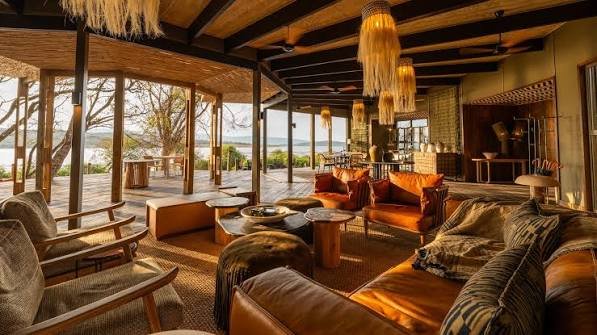
Magashi Peninsula occupies a highly private position within Akagera National Park and represents one of Rwanda’s most exclusive savannah safari experiences. Set beside Lake Rwanyakazinga and framed by surrounding plains and distant hills, the camp is designed around space, seclusion and uninterrupted views. Unlike large safari lodges where rooms may sit close together along a single walkway, accommodation at Magashi Peninsula has been deliberately separated to create privacy and make each suite feel closely connected to the wilderness.
The property accommodates only a very small number of guests, strengthening the sense that the landscape belongs almost entirely to those staying there. A private four-bed villa and two standalone suites form the core accommodation, while the central guest area provides elegant dining and relaxation spaces. This limited capacity immediately distinguishes the camp from conventional safari properties.
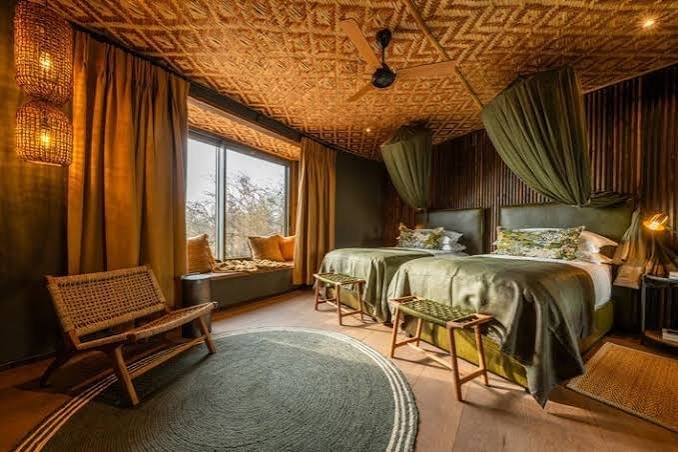
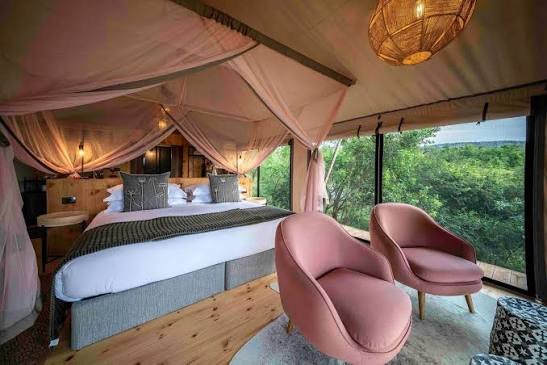
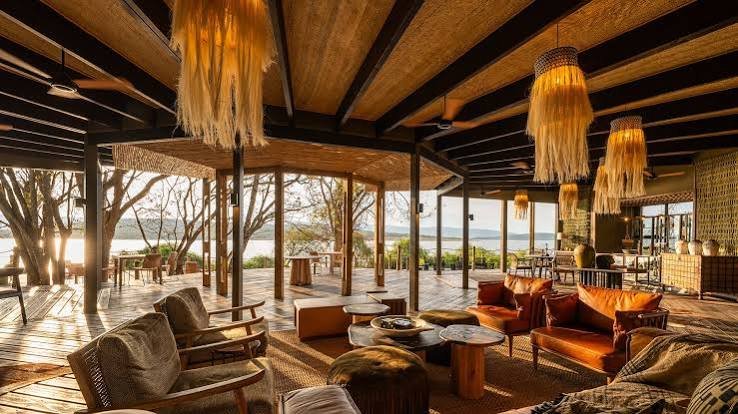
Each accommodation space incorporates its own private plunge pool, allowing guests to cool down between activities while continuing to watch the surrounding landscape. The standalone suites and villa are positioned to capture views toward the lake and plains, meaning wildlife may be observed without leaving the comfort of the accommodation.
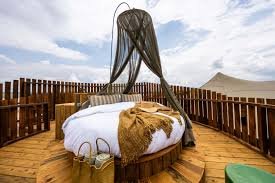
Star Beds create another memorable feature. Sleeping or resting beneath open African skies allows guests to experience the environment after dark while maintaining the comfort and security expected from a highly exclusive safari. The experience adds romance for couples and a sense of adventure for travellers who want to remain connected to the wilderness after the formal safari activities have ended.
The Private Villa at Magashi Peninsula
The villa at Magashi Peninsula is particularly appealing for families, couples travelling together or small private groups seeking a high degree of exclusivity. Its layout creates a private safari residence rather than simply several hotel rooms grouped together.
The main en-suite rooms are connected through a generous central living area with dining and lounge spaces, allowing guests to spend time together without sacrificing bedroom privacy. A private kitchen enhances the residential character and makes personalised dining arrangements easier to achieve.
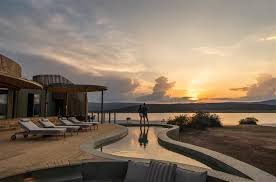
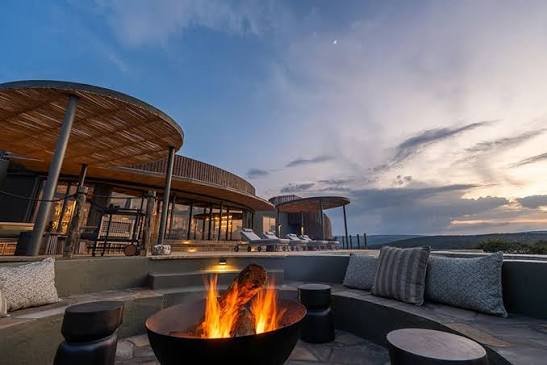
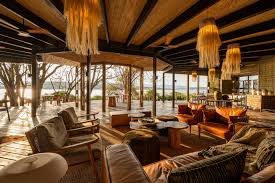
The villa also includes a private pool, which becomes particularly attractive during warm Akagera afternoons between morning and evening game activities. Guests can return from a wildlife drive, enjoy lunch and spend several hours relaxing without needing to use shared facilities.
A flexible additional room can accommodate different needs, such as children, fitness requirements or work. This adaptability is especially valuable for multigenerational families or guests undertaking longer journeys who may need more than a conventional bedroom.
The possibility of private guiding further elevates the villa experience. Rather than coordinating every activity around other guests, a private group can adjust departure times, wildlife priorities and the pace of game drives according to its own interests.
Game Drives in Akagera National Park
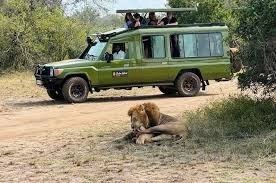
Game drives form the heart of the wildlife experience at Magashi Peninsula and provide the strongest possible contrast with gorilla trekking. Instead of moving quietly through dense forest on foot, guests explore broader landscapes in specialised safari vehicles, scanning open grasslands, woodland edges, wetland systems and lake shores for wildlife.
Akagera supports an impressive variety of animals, and the experience changes constantly according to habitat. One moment may involve watching giraffes moving across open country, while another may reveal elephants approaching a wetland or buffalo gathering in substantial numbers. Antelope species, zebras, warthogs and numerous smaller animals contribute to the diversity of each drive.
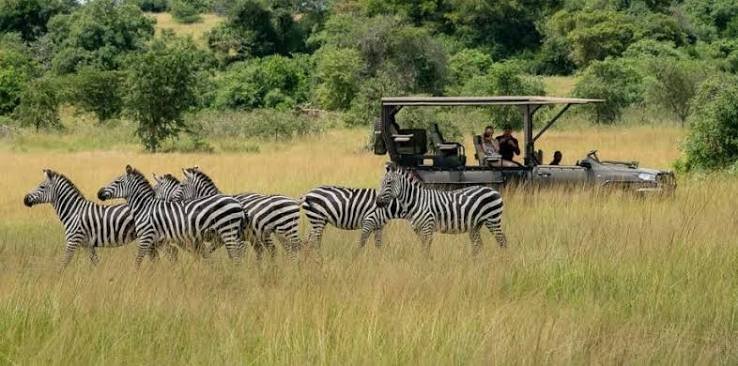
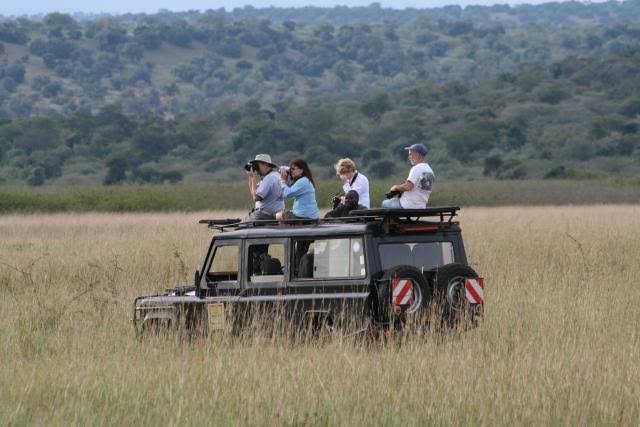
Predator sightings can add another level of excitement. Lions and leopards occur within the ecosystem, and tracking their movements requires patience, knowledge and an understanding of how the landscape changes through the day. Experienced guides use tracks, alarm calls and information from previous sightings to interpret where animals may be moving.
A private safari at Magashi Peninsula allows guests to spend longer with particular sightings when conditions permit. Photographers may wait for the light to improve, while travellers fascinated by animal behaviour can remain with a scene rather than rushing onward simply to increase the number of species seen.
Wildlife Around Lake Rwanyakazinga
The lakes and wetlands of Akagera create a wildlife experience that feels different from many East African savannah reserves. Lake Rwanyakazinga is particularly important to the atmosphere around Magashi Peninsula because water remains visually and ecologically present throughout the stay.
Hippos inhabit the lake system, while crocodiles and numerous bird species are associated with the wetlands. Elephants, buffalo and antelopes may appear near the water, creating opportunities for wildlife observation against beautiful lake backdrops.
The wetland environment also attracts impressive birdlife. Even travellers who do not consider themselves dedicated birders often become interested because large waterbirds, raptors and colourful smaller species are visible throughout the landscape.
For photographers, the combination of water and wildlife creates excellent opportunities. Reflections, dramatic skies, reeds and open shorelines can add a strong sense of place to animal photographs rather than producing images isolated from their environment.
Boating and Water-Based Safari Experiences
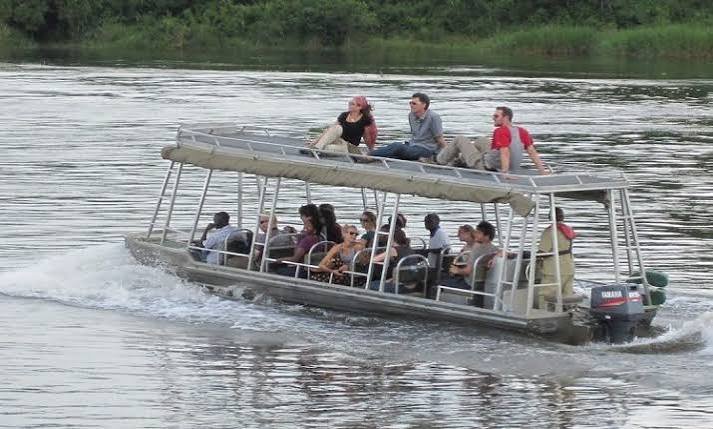
Exploring Akagera from the water offers a completely different perspective from a game drive. A boat journey allows travellers to move quietly along lake environments while watching hippos, crocodiles, birds and animals approaching the shoreline.
The slower movement of boating creates an excellent opportunity for photography and observation. Instead of searching across large areas for wildlife, guests can focus on the rich ecosystems concentrated around the water.
Birdlife is particularly rewarding from a boat because many species use reeds, shoreline vegetation and open water. Fish eagles may call from prominent perches, while smaller species move among the vegetation.
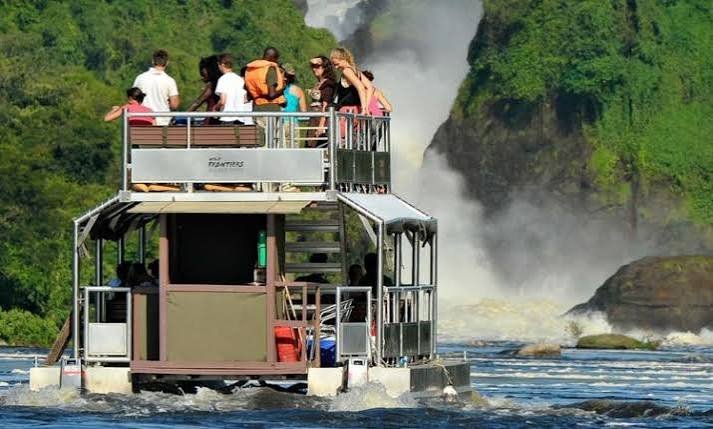
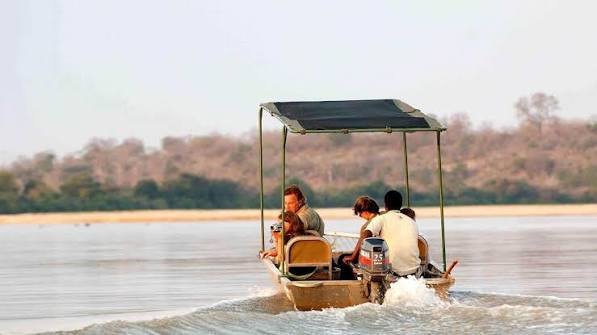
The experience also provides welcome physical variety during a multi-day safari. After several hours inside a safari vehicle, travelling by boat changes the pace and creates a more relaxed connection with the landscape.
Night Safaris and the Changing Character of Akagera
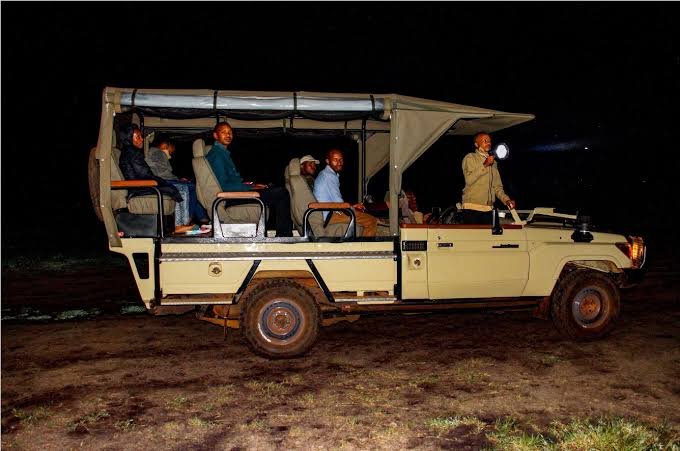
One of the advantages of staying within a private concession is the opportunity to experience aspects of the wilderness that may be less accessible during conventional daytime tourism. Night drives reveal how dramatically the atmosphere of Akagera changes after sunset.
Animals that remain hidden during the heat of the day may become active after dark, while guides use their knowledge of the landscape to identify movement and behaviour that would otherwise remain invisible. Sounds become more important because darkness removes the broad visual awareness available during daylight.
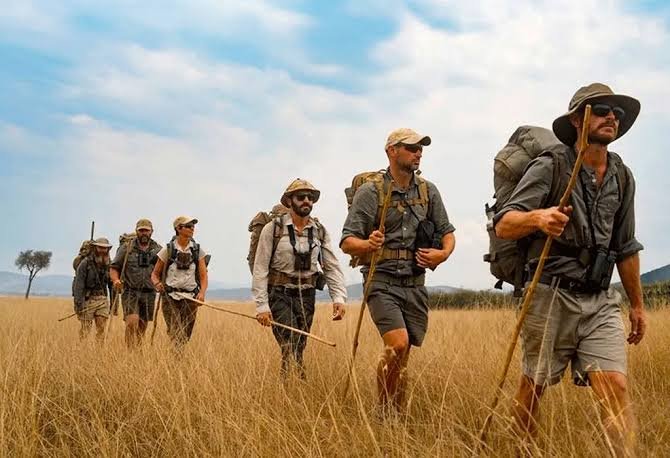
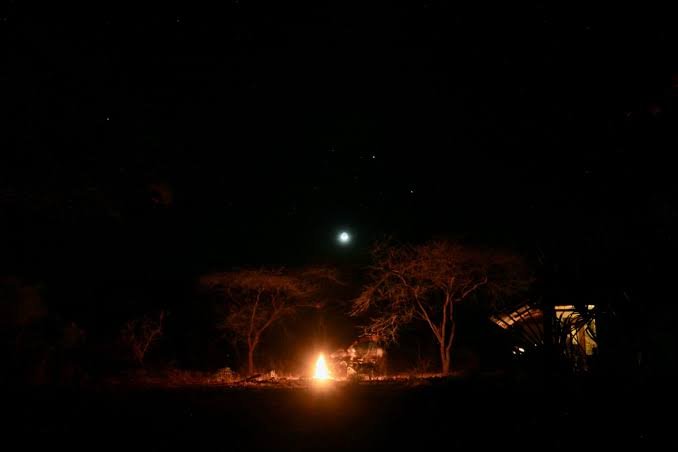
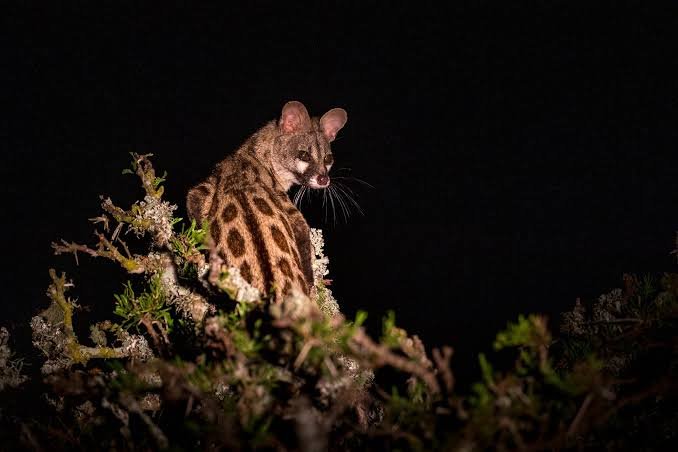
Predators may also become increasingly active during cooler hours, creating the possibility of observing behaviours very different from daytime resting patterns. Smaller nocturnal mammals can provide equally memorable sightings because many travellers have never encountered them before.
Returning to Magashi Peninsula after a night drive reinforces the feeling of being deeply immersed in the wilderness. The surrounding darkness, stars and distant wildlife sounds continue long after the vehicle has stopped.
Star Beds and Nights Under the African Sky
The Star Bed experience at Magashi Peninsula represents a particularly romantic expression of safari luxury. Rather than separating guests completely from the environment after dark, the elevated sleeping areas allow the night sky and surrounding wilderness to remain part of the experience.
Rwanda’s eastern savannah can produce magnificent clear nights, and away from major urban light the stars become more prominent. Guests may hear hippos, insects, birds or distant animal calls while lying beneath the sky, creating memories that differ completely from the polished environment of a conventional hotel bedroom.
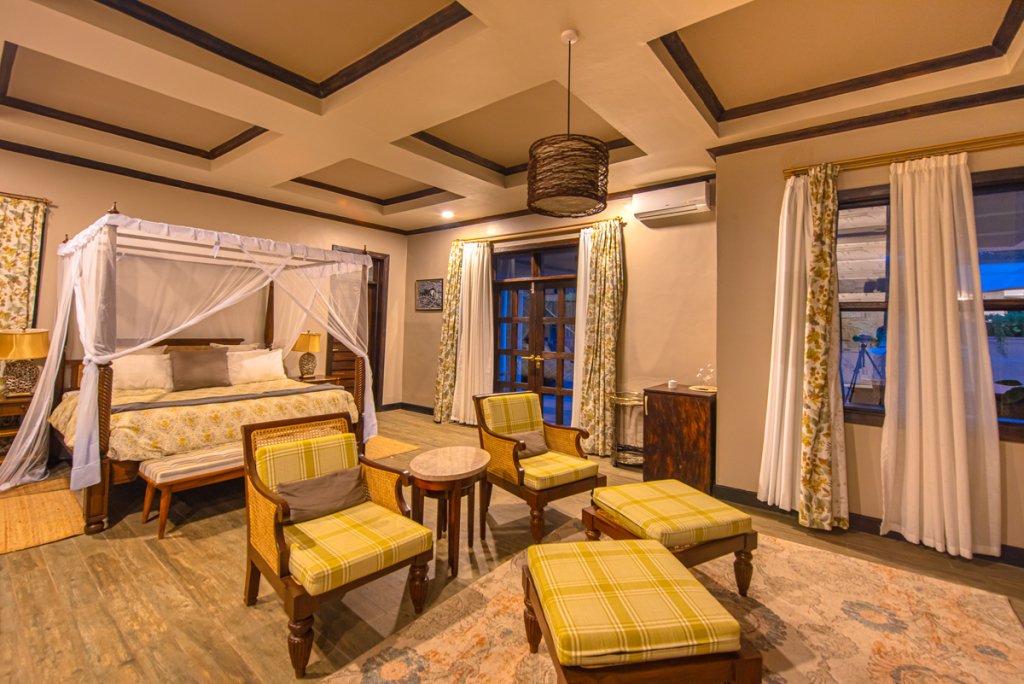
For honeymooners, the experience can become one of the most romantic moments of the safari. It feels adventurous without sacrificing comfort, and the privacy of the accommodation allows couples to enjoy the night landscape without being part of a communal activity.
The Star Beds also demonstrate one of the deeper principles behind Magashi Peninsula: luxury is being used to increase connection with nature rather than create greater separation from it.
Dining at Magashi Peninsula
Dining at Magashi Peninsula needs to work around the natural rhythm of safari activities. Early morning game drives may begin before a conventional breakfast hour, while evening wildlife excursions can continue until after sunset. Meals therefore need to remain flexible and responsive to the day.
The intimate scale of the property allows dining to feel personal. Guests may eat in central spaces, outside when conditions are suitable or privately within the villa depending on their accommodation and preferences.
Lunch often becomes a relaxed midday pause between activities. After an early start, travellers can return to camp, enjoy a generous meal and spend the warmer hours resting before the afternoon safari begins.
Evening dining carries a different atmosphere. The landscape is dark beyond the camp, wildlife sounds become more noticeable and conversations naturally return to the sightings of the day. For couples, families and private groups, these meals can become important shared moments rather than simply another part of the hotel service.
Wellness, Privacy and Slow Time at Magashi Peninsula
Although wildlife is central to Akagera, an ultra-luxury stay should include enough time to appreciate the camp. Magashi Peninsula has been designed to make this easy. Private plunge pools, spacious accommodation and broad views allow guests to spend several hours doing very little without feeling disconnected from the safari.
Animals may appear within the surrounding landscape while guests are resting, so downtime does not necessarily mean the wildlife experience stops. Watching a distant herd from a private deck can be just as memorable as searching actively from a vehicle.
The camp’s gym and private wellness possibilities add another dimension for travellers who want to maintain routines during a longer holiday. Yet the greatest wellness benefit may simply come from the absence of unnecessary schedules.
A carefully planned stay should allow mornings or afternoons where nothing is compulsory. The ability to decide spontaneously whether to join a game drive, rest beside the pool or enjoy a long meal is one of the privileges of this style of safari.
Conservation and the Akagera Success Story
Akagera is one of Rwanda’s most important conservation landscapes and its modern story is closely linked to ecological recovery. The park protects a remarkable variety of habitats, including savannah, woodland, wetlands, lakes and rolling hills, allowing a large number of species to coexist within one protected area.
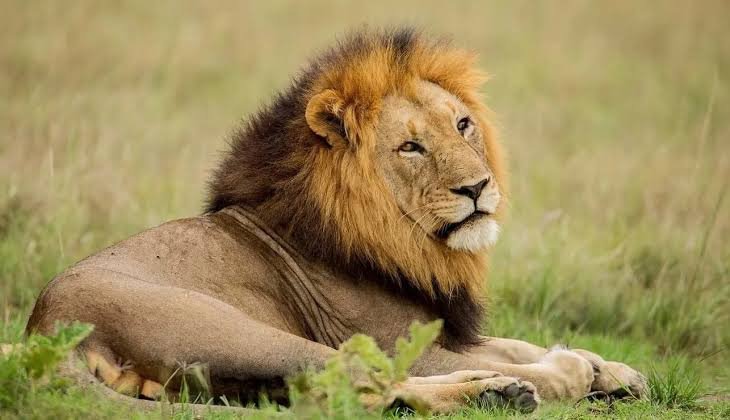
Wildlife restoration and improved management have transformed Akagera into a destination capable of offering a broad classic safari experience. Species reintroductions have played an important role in rebuilding ecological diversity and restoring the park’s position within Rwanda’s tourism landscape.
Magashi Peninsula sits within this conservation context and uses low-density tourism as part of its value proposition. A small number of guests can generate high tourism value without requiring a large physical footprint or mass visitation.
The safari therefore creates an interesting parallel with Bisate Reserve. In the volcanic north, guests witness conservation centred on mountain gorillas and recovering forest habitat. In Akagera, they see the regeneration of a wider savannah ecosystem. Together, the two experiences show different forms of conservation within Rwanda.
An Ultra-Luxury Rwanda Honeymoon
The Bisate Reserve and Magashi Peninsula Ultra-Luxury Rwanda Safari is particularly well suited to honeymooners because the journey contains extraordinary shared experiences without sacrificing privacy. Gorilla trekking creates an emotional adventure that few couples will ever forget, while the villas at Bisate Reserve provide quiet private space afterward.
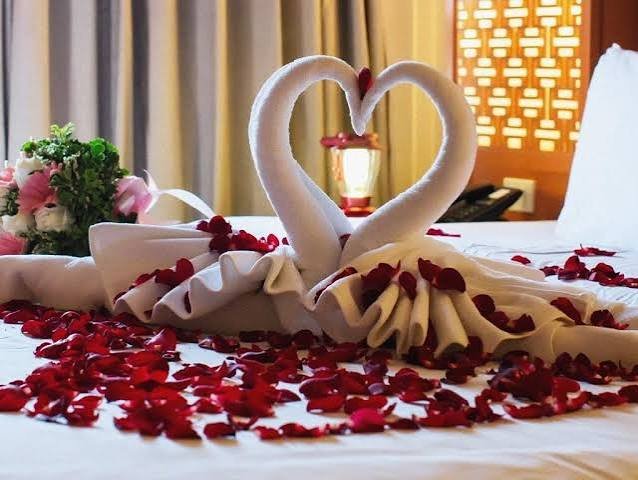
Moving to Magashi Peninsula introduces another romantic atmosphere. Private plunge pools, open plains, lake views, evening game drives and Star Beds create a classic African safari mood that contrasts beautifully with the misty volcanic north.
The change in environment prevents the honeymoon from feeling repetitive. Instead, couples experience two different versions of Rwanda while remaining within the same country.
Private dining, wellness time and carefully planned transfers can further personalise the journey. The most successful honeymoon itineraries will also avoid over-scheduling, allowing couples enough unscripted time to enjoy the properties and each other.
Bisate Reserve and Magashi Peninsula for Photographers
Photographers benefit enormously from the contrast between these two destinations. Volcanoes National Park offers intimate primate photography, dense forest, dramatic mountain scenery and atmospheric weather. Akagera provides open landscapes, larger wildlife, water reflections, predator opportunities and spectacular sunrise and sunset light.
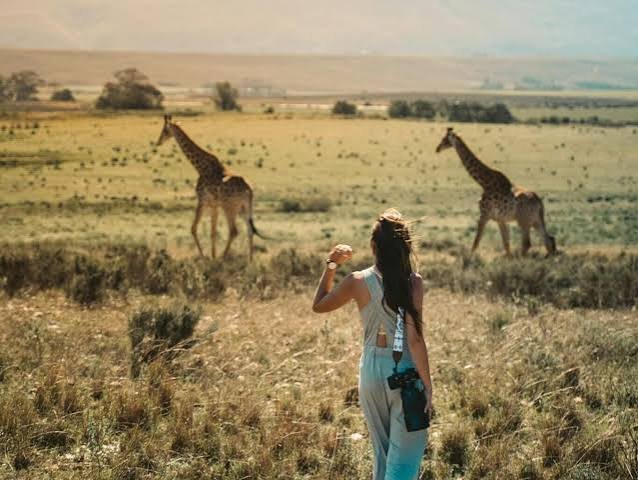
Gorilla photography can be technically demanding because forest light is often low and uneven. Vegetation may obscure parts of the subject and the gorillas themselves determine where they sit or move. The challenge is part of the experience and can produce highly atmospheric images.
Akagera provides different technical opportunities. Longer lenses can be used effectively across open terrain, while vehicles provide greater flexibility with equipment than gorilla trekking. Landscapes and environmental portraits can also become major priorities.
Staying at Magashi Peninsula gives serious photographers the advantage of operating from a highly exclusive part of the park, where private guiding can help allocate more time to selected sightings and preferred lighting conditions.
Families and Private Multi-Generational Travel
This combination can also work exceptionally well for private family travel when ages, interests and trekking requirements are carefully considered. Bisate Reserve can link selected villas for family configurations, while Magashi Peninsula’s private villa is particularly suited to families or small multigenerational groups seeking their own living and dining spaces.
The primary consideration is gorilla trekking eligibility. Younger travellers who do not meet the required minimum age for gorilla trekking will need alternative arrangements while older family members enter the national park.
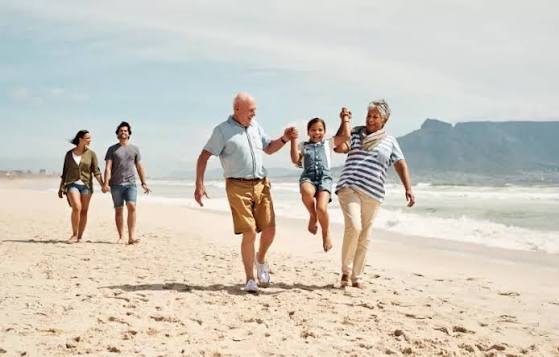
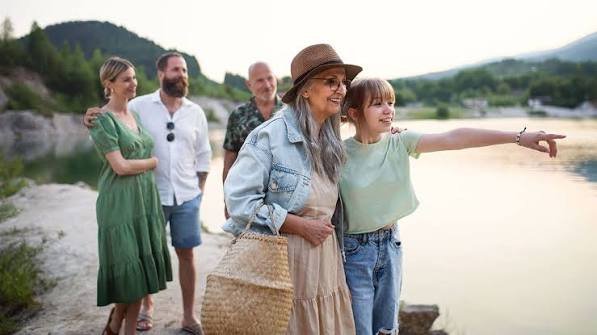
Akagera is generally easier to experience as a family because game drives allow everyone to remain together in the vehicle. Wildlife variety also helps maintain the interest of younger travellers who may enjoy elephants, giraffes, hippos and predators more immediately than subtle forest ecology.
A private guide becomes especially valuable for families because the safari can be adapted according to energy levels and attention spans rather than following a fixed group programme.
Best Length for a Bisate Reserve and Magashi Peninsula Ultra-Luxury Rwanda Safari
Travellers choosing properties of this calibre should avoid trying to compress the journey into only a few nights. Several nights at each destination allow guests to experience both the wildlife and the accommodation without feeling that they are constantly arriving and leaving.
Bisate Reserve deserves enough time for at least one major gorilla trekking experience, recovery, another activity and meaningful time at the property. Travellers who want a second gorilla trek, golden monkeys or a more extensive wellness programme will benefit from additional nights.
Magashi Peninsula should similarly be given enough time for several game drives, a water-based experience and unstructured relaxation. Wildlife changes from day to day, so staying longer also increases the opportunity to observe different species and behaviours.
A journey of approximately a week or longer provides a strong foundation, while Kigali can be added before or after the safari for travellers wanting cultural context and a more gradual arrival or departure.
Best Time to Experience the Journey
Rwanda is a year-round destination, but weather conditions vary considerably between the volcanic north and the lower savannah landscapes of Akagera. Volcanoes National Park is naturally cool and wet because of its altitude and forest environment. Rain can occur even during traditionally drier months, so travellers should prepare for changing conditions regardless of travel season.
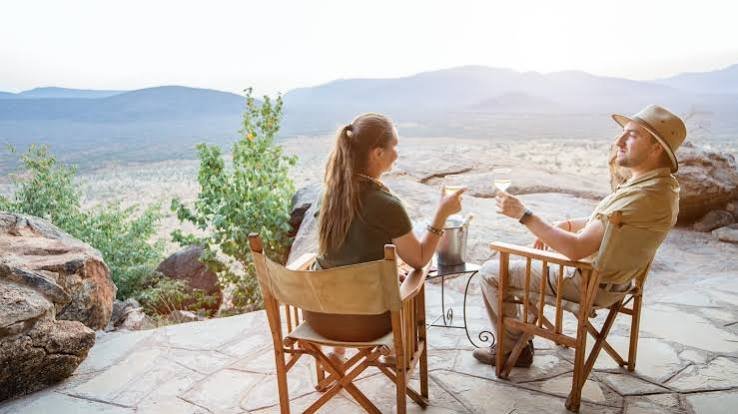
Drier periods may make some gorilla trekking trails more manageable, although the forest remains naturally moist. Wetter periods create especially lush vegetation and can produce wonderfully atmospheric photography.
Akagera is generally warmer and follows a different ecological rhythm. Seasonal rainfall affects vegetation, water distribution and wildlife movement, creating different photographic and viewing conditions throughout the year.
The best travel dates therefore depend on more than weather. Gorilla permit availability, lodge availability, personal travel schedules, photography priorities and the desired overall experience should all influence the final decision.
The Meaning of Ultra-Luxury in Rwanda
Ultra-luxury in Rwanda is not simply about choosing the most expensive room available. The strongest journeys combine exceptional accommodation with privacy, access, intelligent logistics, conservation and time. Bisate Reserve and Magashi Peninsula illustrate this philosophy particularly well because their limited number of guests creates a fundamentally different experience from larger properties.
At Bisate Reserve, ultra-luxury may mean returning from a difficult gorilla trek to a private villa with a hot tub, fire and personalised meal while looking across volcanic scenery. At Magashi Peninsula, it may mean watching wildlife from a private plunge pool, taking a game drive with your own guide and sleeping beneath the stars without other guests nearby.
The common factor is control over pace. Travellers are not constantly required to adapt to large groups or rigid hotel schedules. Instead, the journey can respond more naturally to their priorities.
This is the level of luxury that becomes particularly meaningful on safari because wildlife and weather cannot be controlled. Everything surrounding those unpredictable elements can be planned beautifully, leaving travellers free to enjoy the wilderness as it unfolds.
Creating a Bespoke Bisate Reserve and Magashi Peninsula Safari
A truly exceptional journey should be designed around the traveller rather than forcing the traveller into a generic itinerary. The number of gorilla treks, preferred villa arrangement, photography interests, family requirements, wellness priorities and desired level of private guiding should all be considered before the safari is confirmed.
Gorilla permits should be secured alongside accommodation because the trekking experience forms the foundation of the northern portion of the journey. Transport between Kigali, Volcanoes National Park and Akagera should then be arranged according to the overall pace.
At Magashi Peninsula, private guiding is especially valuable for guests with specialised interests such as wildlife photography, birding or predator behaviour. Families may also benefit from having their own vehicle and guide because daily plans can remain flexible.
Dietary preferences, celebrations and special occasions should be communicated in advance so the lodges can personalise the experience naturally rather than adding generic extras after arrival.
Book a Bisate Reserve and Magashi Peninsula Ultra-Luxury Rwanda Safari
A Bisate Reserve and Magashi Peninsula Ultra-Luxury Rwanda Safari represents Rwanda at its most exclusive and diverse. The journey begins among the Virunga Mountains, where volcanic peaks, misty forest and extraordinary conservation efforts create the setting for one of the world’s most meaningful wildlife experiences. Guests can walk into Volcanoes National Park in search of mountain gorillas and return afterward to the privacy and exceptional comfort of Bisate Reserve, where only a handful of travellers share the landscape.
The safari then changes dramatically as guests continue toward Akagera National Park. Mountain forest gives way to open savannah, woodland and wetland ecosystems, while gorilla trekking is replaced by game drives, boating, predator tracking and encounters with elephants, buffalo, giraffes, antelopes, hippos and a remarkable variety of birds. At Magashi Peninsula, the landscape remains constantly present through lake views, open plains, private plunge pools and accommodation positioned for maximum seclusion.
The pairing works because neither destination attempts to imitate the other. Bisate Reserve celebrates Rwanda’s volcanic highlands and primate conservation, while Magashi Peninsula celebrates the country’s savannah wilderness and ecological recovery. One experience is intimate and forested; the other is expansive and open. One focuses on a precious hour with mountain gorillas; the other unfolds across days of constantly changing wildlife encounters.
For honeymooners, the safari combines romance with genuine adventure. For photographers, it presents radically different landscapes and subjects. For families and private groups, the limited scale of the properties allows substantial flexibility and privacy. For experienced African travellers, it reveals a side of Rwanda that extends far beyond the traditional perception of the country as solely a gorilla trekking destination.
The journey can be tailored around preferred travel dates, number of nights, gorilla permits, private transportation, aviation options, villa requirements and special interests. The most rewarding version should always preserve enough time in each destination for travellers to enjoy the properties as deeply as the activities surrounding them. A night spent beside the fire at Bisate Reserve or an afternoon watching wildlife from a private deck at Magashi Peninsula can be as memorable as a scheduled excursion.
Ultimately, the Bisate Reserve and Magashi Peninsula Ultra-Luxury Rwanda Safari is about experiencing two exceptional wilderness landscapes with very few compromises. It combines the extraordinary intimacy of mountain gorilla trekking with the timeless excitement of an African savannah safari, while placing conservation, privacy and sophisticated hospitality at the centre of the journey. From mist rising around the Virunga volcanoes to elephants moving across the landscapes of Akagera, the safari reveals how much variety Rwanda can contain within one beautifully planned luxury journey.