
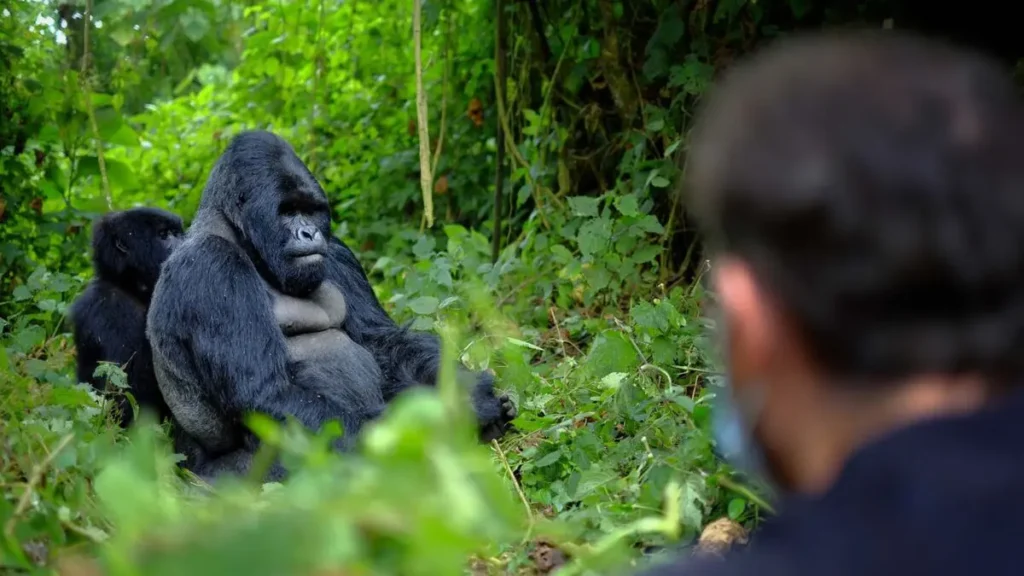
How Challenging Is Gorilla Trekking in Rwanda?
Gorilla Trekking Difficulty in Rwanda depends on several factors, including the location of the gorilla family, the length of the hike, the steepness of the volcanic terrain, altitude, weather conditions and your personal fitness level. Some travellers may reach their allocated gorilla family after a relatively short and manageable trek, while others can spend several hours walking through muddy forest, dense vegetation and steep mountain slopes in Volcanoes National Park. Although the experience can be physically demanding, most reasonably fit travellers can complete the trek successfully with proper preparation, suitable hiking footwear, enough water, a steady pace and the support of experienced guides and porters.
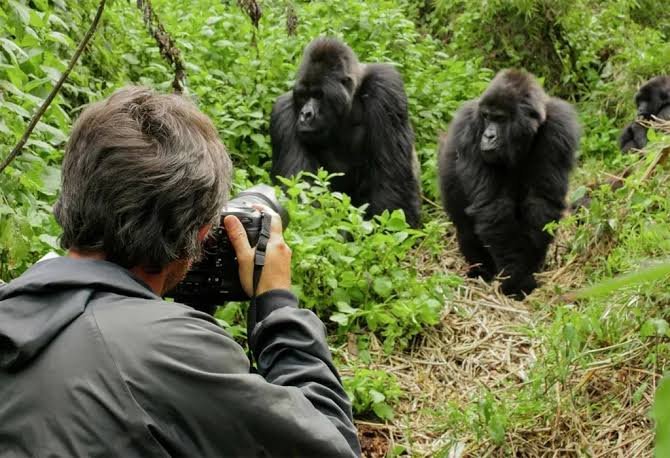
For most reasonably active travellers, gorilla trekking in Rwanda is achievable, but it should not be treated as a casual stroll. The forest environment is mountainous, the trails may be slippery, the altitude can make breathing feel harder than expected and thick vegetation can slow progress. The difficulty also changes according to recent rainfall because wet conditions can turn otherwise manageable sections into muddy and unstable ground. This is why travellers often hear completely different stories from people who have already trekked in Rwanda. One visitor may describe a trek that lasted less than two hours and felt comfortable, while another may remember a long ascent through mud and bamboo that required much more effort. Both descriptions can be accurate because the gorillas move freely and the route is never completely predictable.
The important thing to understand is that gorilla trekking is not designed as a race. Guides move at a controlled pace, breaks can be taken when necessary and porters are available to carry bags, cameras and sometimes help with footing on difficult sections. Rwanda Development Board specifically notes that mountain gorillas live at high altitude and that some visitors may find this physically challenging, recommending that trekkers walk slowly and drink plenty of water. The same official guidance also states that travellers should not necessarily feel discouraged from participating simply because the trek can be demanding.
Why the Difficulty of Gorilla Trekking in Rwanda Varies
One of the reasons it is impossible to give a single answer to How Difficult Is Gorilla Trekking in Rwanda? is that the gorillas are not kept in a fixed place. They move naturally through Volcanoes National Park according to feeding opportunities, social behaviour and the changing conditions of their mountain habitat. Trackers monitor their movements, but the exact location of a gorilla family in the morning can be different from where it was the previous day. This means your trek begins with an element of uncertainty that cannot be removed from the experience.
Some gorilla families may be closer to the trailhead, especially if they have spent the night feeding or resting in lower sections of the forest. Other families may be much farther away, requiring a longer walk and greater elevation gain. A group assigned to a family located near the lower bamboo zone may experience a very different day from another group assigned to a family that has moved higher toward the slopes.
The difficulty can also change during the trek itself. A route that begins gently may later become steep and muddy, while a trek that initially feels physically demanding may become easier once the group reaches flatter forest. The guides adapt to the movement of the gorillas and to the condition of the group, but they cannot redesign the mountain landscape.
This is part of what makes gorilla trekking feel authentic. Visitors are not following a paved trail toward an enclosure. They are entering the natural habitat of wild animals and allowing the forest and the gorillas to determine how the morning unfolds.
How Long Can Gorilla Trekking in Rwanda Take?
Official Visit Rwanda information states that hikes to the gorillas can last from approximately 30 minutes to four hours or more depending on the location of the allocated gorilla family. Rwanda Development Board also notes that the journey back to the trailhead can take a similar amount of time in some circumstances.
This means a trek that reaches the gorillas after one hour can still become a three-hour or four-hour overall experience once the briefing, approach walk, one-hour gorilla encounter and return journey are included. A more difficult trek can occupy most of the morning or extend much longer.
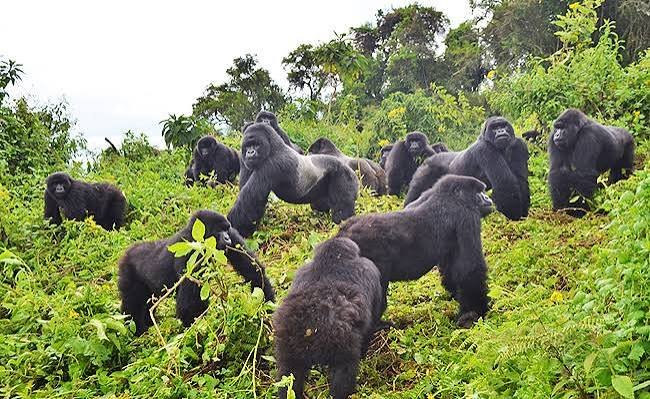
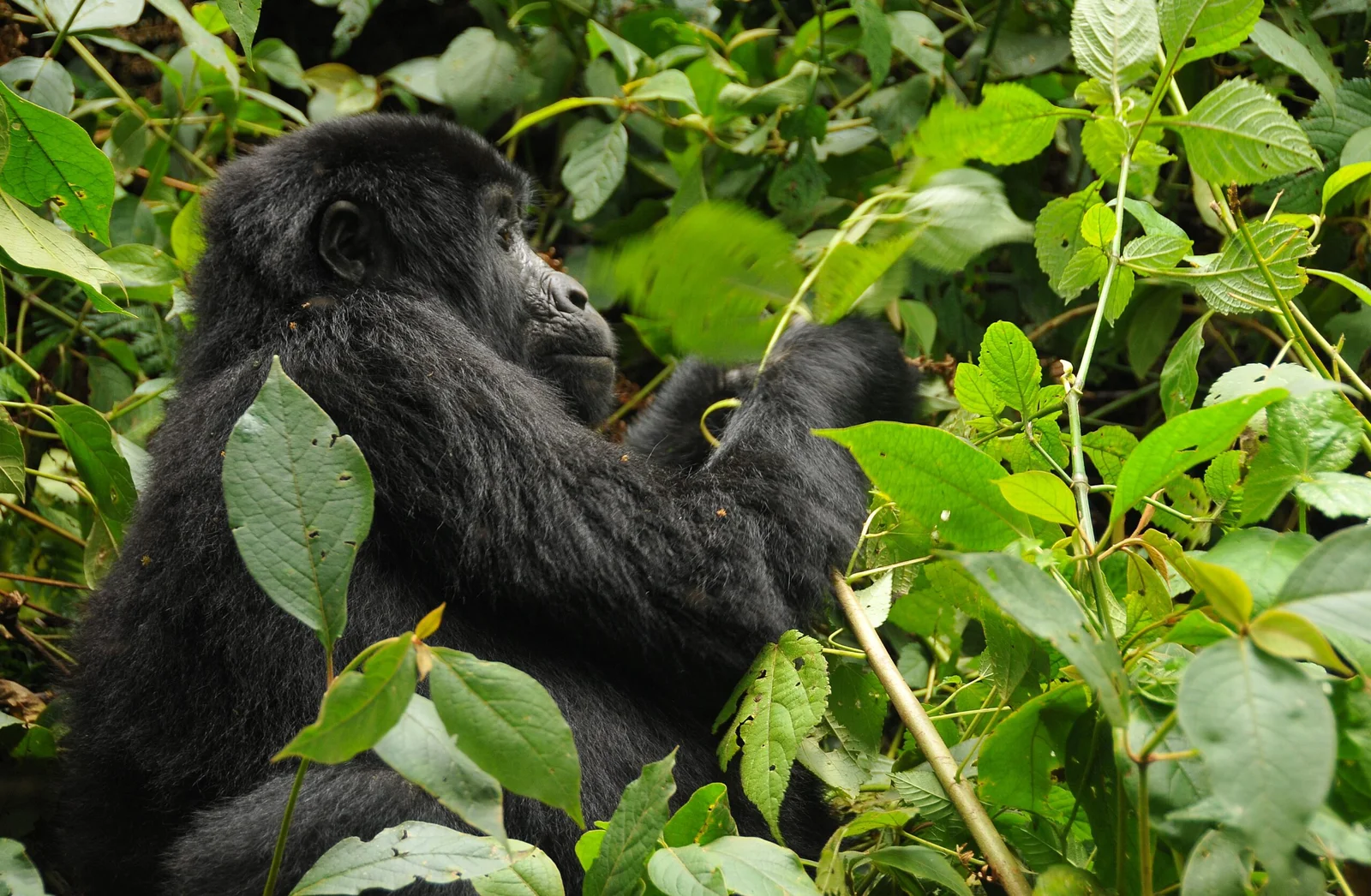
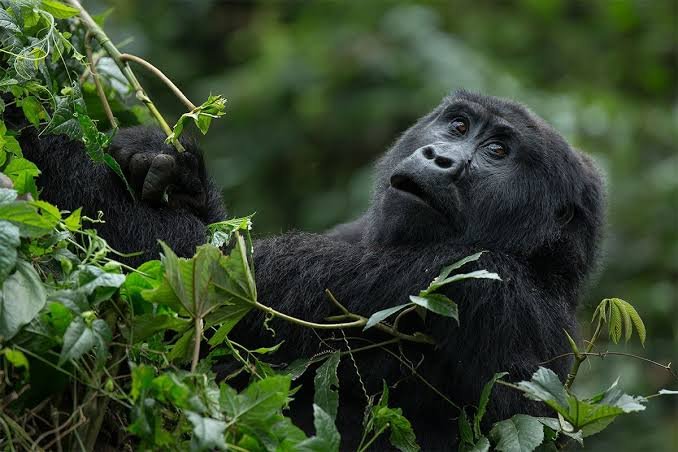
Travellers should therefore avoid scheduling their day around the assumption that the trek will end at a particular hour. Even when a previous guest reports returning to the lodge by late morning, your own gorilla family may be much farther away.
A flexible afternoon is usually the best approach. After a physically demanding trek, many visitors appreciate returning to the lodge for lunch, a shower and rest rather than rushing immediately into another major activity.
How Much Does Altitude Affect Gorilla Trekking in Rwanda?
Altitude is one of the most underestimated factors affecting the difficulty of gorilla trekking in Rwanda. Visit Rwanda states that gorilla trekking can take place at elevations between approximately 2,500 metres and 4,000 metres. Volcanoes National Park itself protects mountainous terrain within the Virunga Massif, with some volcanic peaks rising above 4,000 metres.
At these elevations, travellers arriving from low-altitude regions may notice that walking uphill feels more demanding than it normally would. Breathing can become heavier, heart rate can rise quickly and the body may tire sooner even when the pace is moderate.
This does not mean every gorilla trek is a high-altitude expedition. Most visitors are not climbing to the summit of a volcano. However, the thinner air can make steep sections feel more difficult, especially when combined with mud, vegetation and a backpack.
Spending the night near Volcanoes National Park before the trek can help travellers arrive rested rather than beginning the day after a very early drive from Kigali. Hydration is also important. Rwanda Development Board advises visitors to walk slowly and drink plenty of water when dealing with the altitude.
Travellers who know they experience difficulty at elevation should speak with their doctor before travelling and should communicate honestly with guides on the morning of the trek.
How Steep Is the Terrain?
Volcanoes National Park protects the steep slopes of the Virunga volcanic landscape, so some gorilla trekking routes involve significant uphill and downhill sections. Visit Rwanda describes the park as a mountainous area characterised by steep volcanic slopes, bamboo forest, montane vegetation, grassland, swamp and high-altitude ecosystems.
The steepness varies depending on where the gorillas are located. In some cases, trekkers follow relatively gradual paths before entering forest. In other cases, the route may involve sustained climbing.
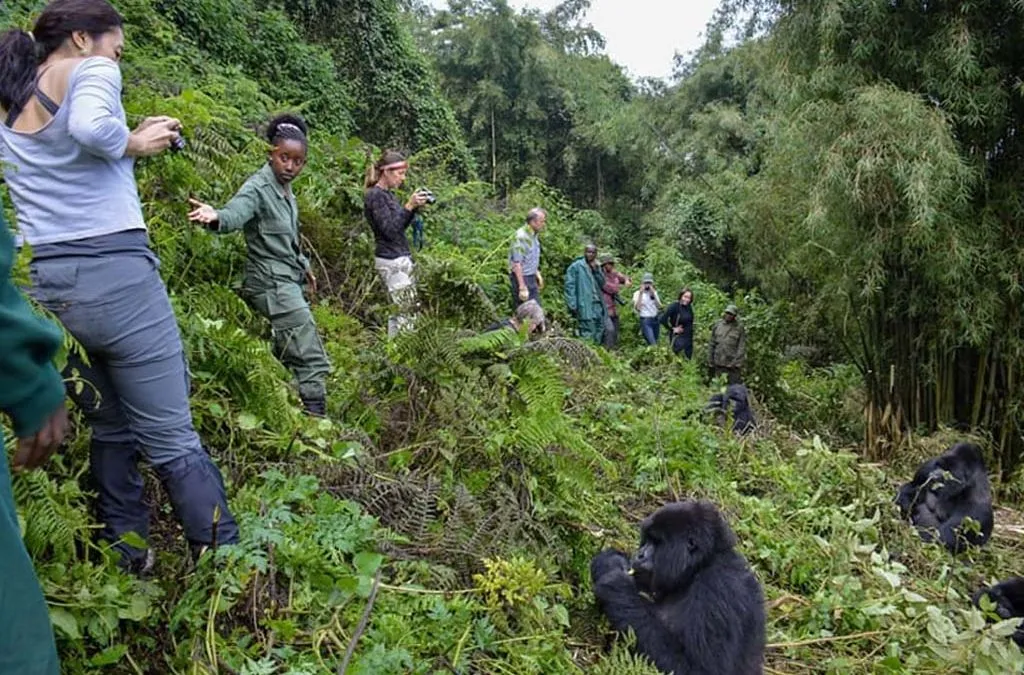
Descending can sometimes feel more difficult than climbing because mud and wet vegetation reduce traction. Travellers who feel strong walking uphill may discover that controlling balance on slippery downhill sections requires more concentration.
This is one reason proper footwear matters so much. Hiking boots with strong grip can significantly improve confidence and reduce the chance of slipping.
The physical challenge is therefore not only about endurance. Balance, foot placement and confidence on uneven ground matter as well.
How Muddy Is Gorilla Trekking in Rwanda?
Mud is one of the most common features of gorilla trekking in Rwanda, particularly during wetter periods. Volcanoes National Park is a moist mountain environment where rainfall can occur throughout the year, and the forest floor can remain wet even when the morning begins under clear skies.
Mud can make easy-looking terrain much harder. A gentle slope becomes more demanding when every step requires careful placement, while steep sections may become slippery enough that trekkers rely on walking sticks, vegetation or porter assistance for stability.
During heavier rain, boots can sink into soft soil and trousers can become covered in mud. This is completely normal and should be expected as part of the experience rather than treated as something unusual.
Gaiters are particularly useful because they help keep mud and vegetation away from the lower legs and inside of the boots. Visit Rwanda recommends solid walking shoes, sturdy clothing, gaiters and lightweight waterproof protection for gorilla trekking.
Travellers who arrive prepared for mud usually enjoy the trek much more than those who expect a clean walking trail.
Is Gorilla Trekking Harder During the Rainy Season?
Rain can make gorilla trekking more challenging because wet trails become slippery and vegetation becomes heavier with moisture. However, Rwanda’s mountain environment can receive rain at any time, which means even a trek during a generally drier season can involve wet conditions.
The rainy periods may create deeper mud, stronger water flow in some trail sections and greater difficulty maintaining balance on slopes. Rain can also make clothing heavier and reduce comfort if waterproof protection is inadequate.
At the same time, trekking during wetter months can create extraordinarily beautiful forest conditions. Vegetation is lush, the mountains are intensely green and mist can make the landscape feel especially atmospheric.
The difficulty should therefore not be reduced to a simple idea that dry months are easy and wet months are impossible. The actual location of the gorillas remains one of the largest factors affecting effort.
A short trek in wetter weather may still be easier than a long uphill trek during a drier month.
What Level of Fitness Do You Need?
You do not need to be an athlete to trek gorillas in Rwanda, but a moderate level of walking fitness is helpful. Travellers should ideally be comfortable walking for several hours over uneven terrain and climbing hills without becoming excessively exhausted.
Preparing before the trip can make a noticeable difference. Regular walking, hill training, stair climbing or moderate cardio exercise can help the body adjust to sustained movement.
The goal is not to train for a marathon. It is simply to make long periods of walking feel familiar.
Travellers who spend months sitting at a desk and do very little physical activity may find the trek significantly harder than someone who routinely walks, hikes or exercises.
Fitness also influences enjoyment. If every step becomes a struggle, it can be difficult to appreciate the landscape. Travellers who arrive reasonably conditioned can focus more on the experience and less on physical discomfort.
Can Older Travellers Manage Gorilla Trekking?
Many older travellers successfully complete gorilla treks in Rwanda every year. Age alone does not determine whether someone can manage the experience. Fitness, joint health, balance, cardiovascular condition and confidence on uneven ground are usually more important.
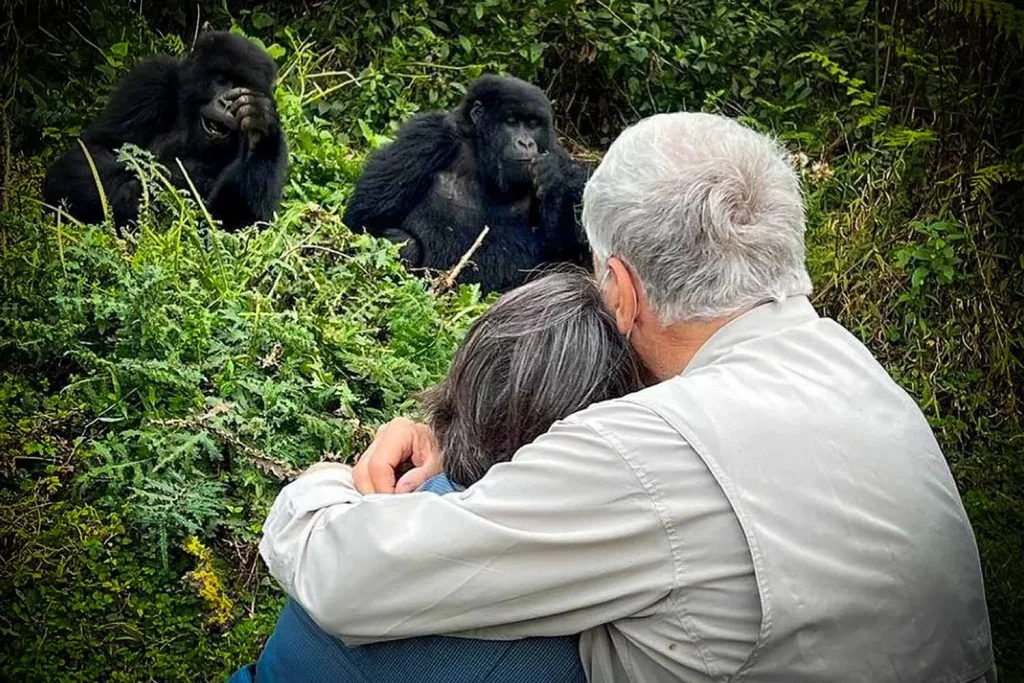
A fit traveller in their sixties or seventies may perform better than a much younger person who rarely walks or exercises.
Older travellers should communicate clearly with their safari operator before the trip if they have concerns. On the morning of trekking, fitness and mobility can also be discussed with park staff during group allocation.
Visit Rwanda notes that trek allocation takes practical factors into account, and Rwanda Development Board provides porter support for visitors who want assistance.
Travellers with significant medical conditions should seek professional medical advice before participating because the park environment is remote and physically demanding.
Can First-Time Hikers Do Gorilla Trekking in Rwanda?
Yes. Many visitors trekking gorillas in Rwanda are not experienced hikers. They may have travelled specifically for the gorillas and rarely hike at home.
The most important factor is being willing to move slowly, listen to the guide and accept that the terrain may be uncomfortable.
First-time hikers should avoid comparing themselves with more experienced trekkers. The group moves together, and the objective is to reach the gorillas safely rather than quickly.
Hiring a porter can make the experience especially manageable for beginners. Carrying less weight reduces fatigue, and having someone nearby who understands the terrain can improve balance and confidence.
A trekking pole or walking stick can also make muddy slopes easier to manage.
How Much Can a Porter Help?
A porter can make a significant difference, particularly on longer treks. Rwanda Development Board and Visit Rwanda both state that porters are available to carry backpacks and cameras and can assist trekkers along the route.
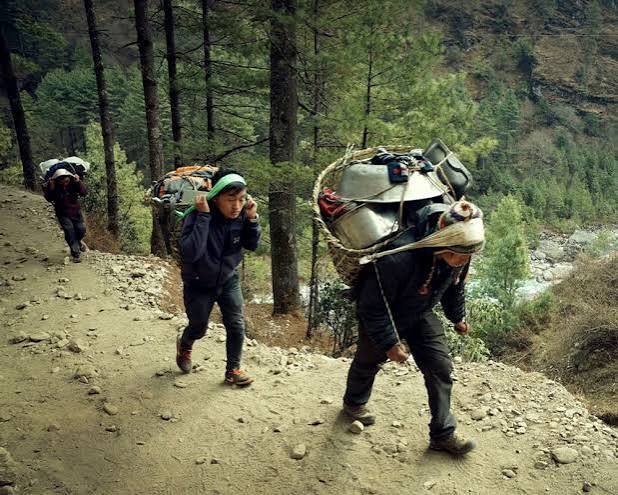
Many travellers initially think they do not need help because their bag is light. After two or three hours of walking uphill at altitude, however, even a small backpack can feel much heavier.
A porter removes that extra strain and allows you to focus on your footing.
Porters can also provide a hand when climbing slippery sections or crossing unstable ground. This can be particularly useful after rain.
Using a porter also contributes directly to local employment around Volcanoes National Park, adding a community benefit to the practical assistance.
For many travellers, hiring a porter is one of the simplest ways to make gorilla trekking easier.
Does the Gorilla Family You Get Determine the Difficulty?
Yes. The allocated gorilla family can have a major influence on how physically demanding the trek becomes because each family occupies a different part of the forest and moves according to natural behaviour.
Some families may remain relatively close to lower areas, while others may be farther uphill.
However, a family considered easier on one day may move farther away the next day, which is why no operator can guarantee an exact walking time.
Trackers monitor the families and park staff have current information when assigning groups, but the gorillas remain free-ranging animals.
Travellers with mobility concerns should communicate them during allocation. Staff may be able to consider fitness when organising trekking groups, although no exact difficulty can ever be guaranteed.
Can You Request an Easier Gorilla Trek?
Travellers can make park staff aware of their fitness level or physical limitations, and these factors may be considered during allocation. However, it is better to think of this as a request for consideration rather than a guaranteed easy trek.
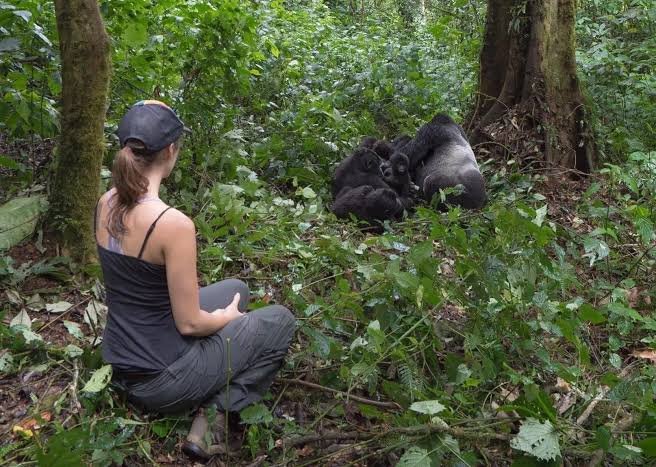
The gorillas move after groups are allocated, and terrain conditions can change quickly.
Someone seeking a shorter experience may still encounter mud or steep sections.
The best approach is to communicate honestly without assuming that the park can create a completely predictable route.
Travellers should also avoid exaggerating physical ability simply because they hope to visit a particular gorilla family. A comfortable trek is often more enjoyable than pursuing a specific family at the cost of excessive physical strain.
Does Carrying Camera Equipment Make the Trek Harder?
Yes, particularly for photographers using large lenses and multiple camera bodies. Professional wildlife equipment can become extremely heavy after several hours.
The combination of altitude, steep ground and constantly adjusting camera gear can increase fatigue.
This is another reason porters are valuable. A porter can carry camera equipment during the walk while the photographer takes over when the gorillas are found.
Travellers should also resist carrying more gear than they realistically need. The one-hour encounter can pass quickly, and constantly switching between multiple lenses can distract from the experience.
A manageable camera setup usually makes the trek more enjoyable.
How Difficult Is the Final Approach to the Gorillas?
The final approach can sometimes be one of the most demanding parts because the gorillas may be resting or feeding away from established paths.
Trackers and guides may lead the group through thicker vegetation to reach a safe viewing position.
This can involve stepping over roots, pushing through vegetation and moving carefully across uneven ground.
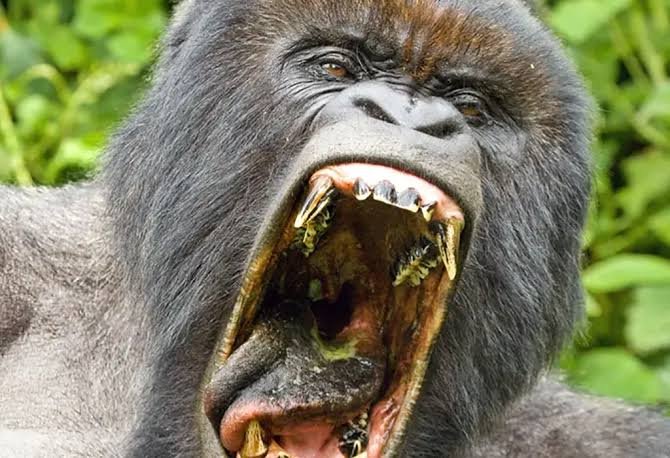
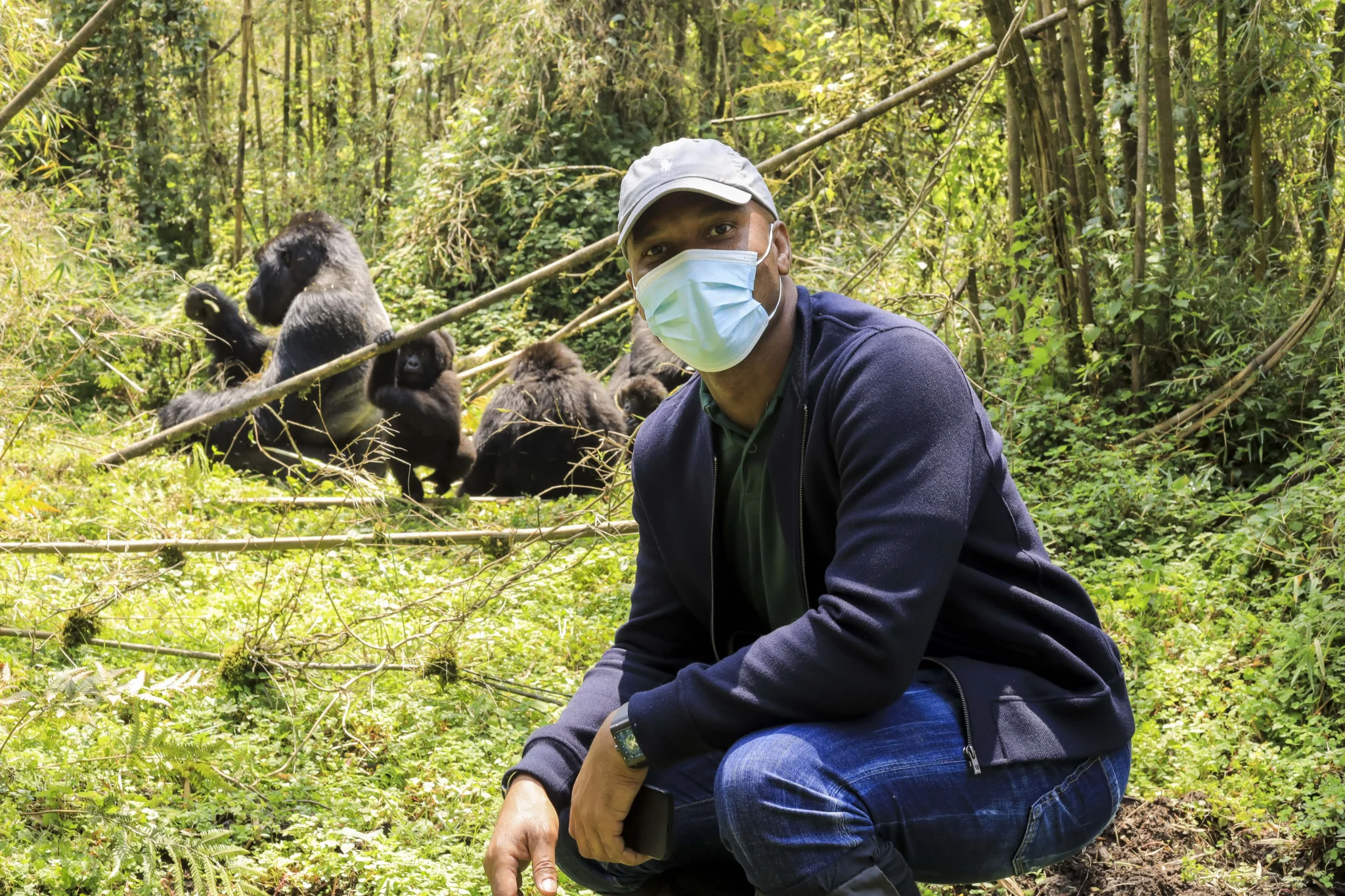
The excitement of knowing the gorillas are close often makes the effort feel easier.
Once the group reaches the family, backpacks and walking equipment may be managed according to guide instructions, and the pace becomes much slower.
The contrast between the physical effort of the approach and the stillness of the viewing hour is one of the most memorable parts of the experience.
Is the One-Hour Gorilla Encounter Physically Difficult?
The one-hour viewing period is usually far less physically demanding than the approach, but it can still require crouching, standing on uneven ground or repositioning as the gorillas move.
Travellers may need to bend slightly to see through vegetation or stand carefully on a slope.
The gorillas do not position themselves for tourists, so viewing conditions depend on where they choose to rest or feed.
Sometimes the family remains in a relatively open area and observation is easy. At other times the group may need to move slowly through vegetation.
The physical effort during the viewing hour is usually manageable, but visitors with knee or back problems should tell guides if a particular position becomes uncomfortable.
Does Weather Change the Difficulty During the Trek?
Weather can dramatically change how a route feels. A dry trail in the morning may become slippery after rainfall, while cloud and mist can reduce visibility.
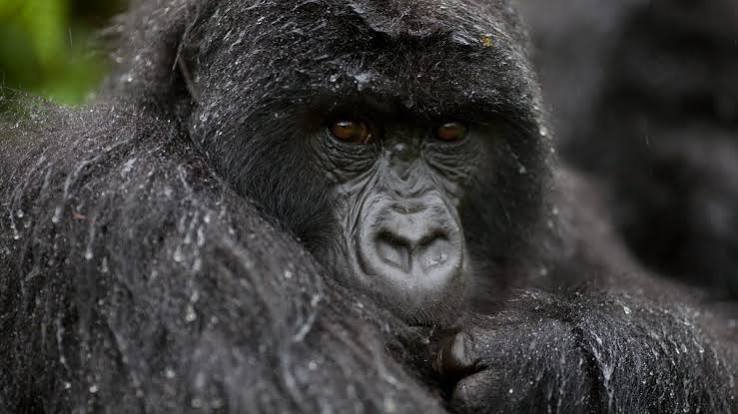
Temperatures in the Volcanoes region are also cooler than many travellers expect. Rwanda Development Board notes that Musanze sits at around 1,700 metres and can be cold, particularly in the evenings, while conditions higher in the park can be cooler still.
Cold rain can make fatigue feel stronger if clothing becomes wet.
A lightweight waterproof jacket is therefore far more than a comfort item.
At the same time, heavy clothing can become hot once you begin climbing, which is why layering works better than wearing one thick outer layer.
How Important Are Hiking Boots?
Hiking boots are among the most important pieces of equipment for gorilla trekking. Visit Rwanda specifically recommends solid walking shoes, and Rwanda Development Board states that steady walking shoes or hiking boots are essential.
The ideal footwear should provide grip on mud, ankle support and comfort over several hours.
New boots should be worn before travelling so that they are already comfortable.
Ordinary trainers may work on an exceptionally dry, easy trek, but they provide less traction and protection if conditions become wet or steep.
Because no one knows in advance what the trek will be like, proper hiking footwear is the safer choice.
Do Gloves Really Help?
Yes. Visit Rwanda recommends gardening or leather gloves for gorilla trekking because the forest contains stinging nettles and other vegetation that can irritate the skin.
Gloves can also help when travellers instinctively reach toward vegetation for balance on slippery sections.
They are particularly useful during steep climbs where holding a plant or branch may provide stability.
The gloves do not need to be expensive specialist hiking equipment. Durable gardening gloves can work perfectly well.
Why Long Trousers and Long Sleeves Matter
Long trousers and long-sleeved shirts protect the skin from vegetation, insects and nettles.
Rwanda Development Board recommends long trousers and shirts inside the forest specifically to reduce stinging-nettle exposure.
Some trekkers also tuck trousers into socks or wear gaiters to reduce the chance of insects or vegetation entering the clothing.
The purpose is practical rather than fashionable.
The forest can be dense, and even a relatively easy trek can involve brushing against plants repeatedly.
How Difficult Is Gorilla Trekking for People Afraid of Wildlife?
Mountain gorillas are extremely powerful animals, and seeing a large silverback at close range can feel intimidating even when the animal is calm.
However, the families used for tourism have been habituated to controlled human presence, and visitors are accompanied by experienced guides and trackers.
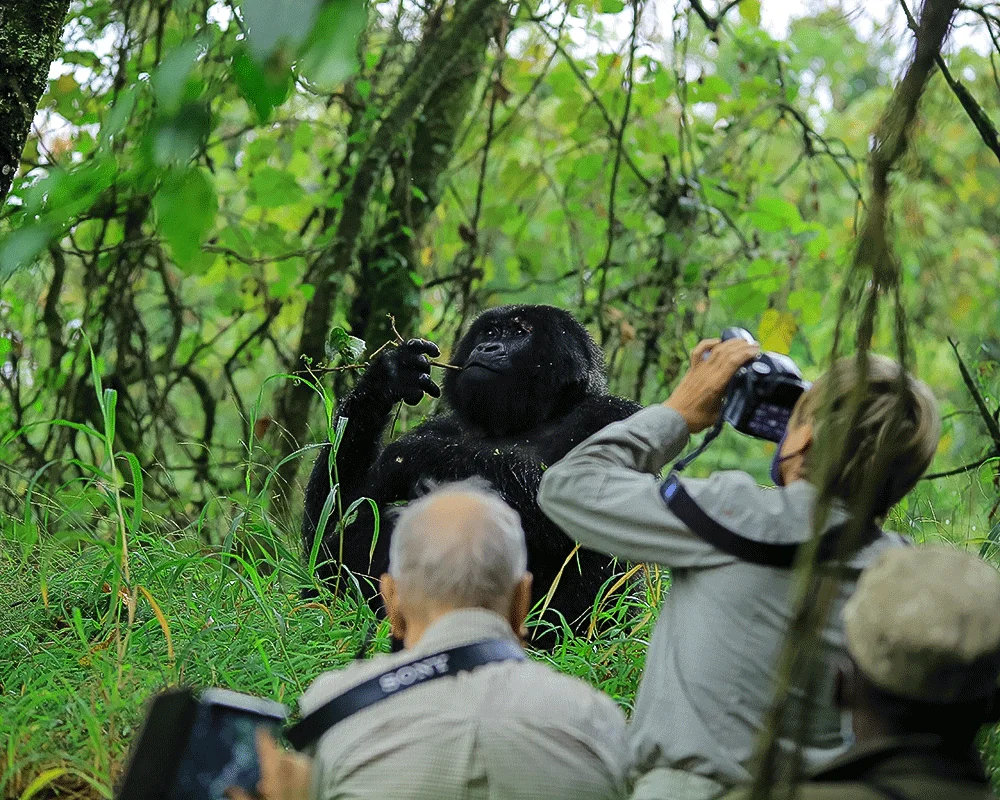
The encounter is governed by strict rules. Rwanda Development Board asks visitors to maintain approximately seven metres of distance whenever possible, avoid sudden movements and follow guide instructions if a gorilla displays or vocalises.
For many nervous visitors, fear disappears once they observe how calmly the gorillas behave.
The greater challenge for most trekkers is the physical environment rather than the animals themselves.
Can People With Knee Problems Trek Gorillas?
Mild knee problems do not automatically prevent participation, but steep descents and muddy ground can place considerable pressure on the knees.
Walking poles, porter assistance and slower pacing can help.
Travellers with serious knee conditions should discuss the experience with a medical professional and safari operator before booking.
Because the exact trek cannot be predicted, someone who can manage only flat walking should understand that Volcanoes National Park may still be challenging.
Park staff may consider mobility when allocating groups, but they cannot guarantee completely flat terrain.
Can People With Back Problems Participate?
This depends on the severity of the condition. Carrying a backpack should generally be avoided if it worsens back discomfort, making a porter especially valuable.
Uneven ground can also create repeated twisting and balancing movements.
Travellers with chronic back pain should prepare carefully and seek medical guidance if necessary.
A physically manageable trek can still be enjoyable, but travellers should avoid assuming that all routes will be short.
Does Body Weight Affect Gorilla Trekking Difficulty?
Body weight alone does not determine whether someone can complete a gorilla trek. Cardiovascular fitness, leg strength, balance and experience walking on uneven terrain are often more important.
A heavier traveller who exercises regularly may perform very well, while a lighter traveller with poor fitness may struggle.
The useful question is therefore not simply how much someone weighs but whether they can comfortably walk for several hours, climb hills and manage uneven terrain.
How Difficult Is Gorilla Trekking Compared With a Normal Hike?
A Rwanda gorilla trek can feel more difficult than a normal recreational hike because several challenges occur at once. The elevation is higher, the ground may be muddy, the route can be steep and vegetation can slow movement.
Unlike a marked hiking trail, parts of the gorilla route may follow trackers through forest rather than a perfectly maintained path.
The unpredictability also changes the psychology of the hike because you do not know exactly how long the outward journey will take.
However, the pace is generally controlled and the group is focused on reaching wildlife rather than covering distance quickly.
Is Gorilla Trekking Harder Than Chimpanzee Trekking?
In many cases, gorilla trekking in Rwanda can be more physically demanding because of the steep volcanic terrain and altitude of Volcanoes National Park.
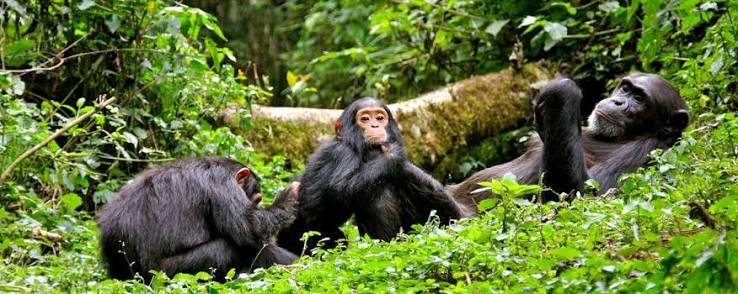
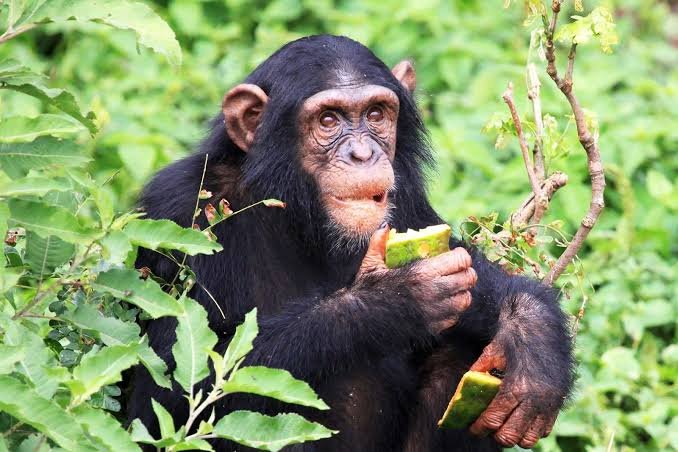
Chimpanzee trekking experiences elsewhere in Rwanda, particularly in Nyungwe, can also be physically demanding depending on terrain and how far the chimpanzees move.
The difficulty of either activity varies from day to day.
Gorilla trekking tends to involve slower movement once the family is located, while chimpanzees can sometimes move more actively through forest.
Travellers planning both experiences should expect two different types of forest challenge rather than assuming one will automatically be easy.
How Difficult Is Gorilla Trekking Compared With Hiking Mount Bisoke?
Gorilla trekking is generally less predictable but often less consistently strenuous than a full volcano hike such as Mount Bisoke.
A volcano hike follows a defined objective and involves sustained climbing toward a summit or crater, while a gorilla trek ends wherever the assigned gorilla family is located.
A lucky trek may therefore be significantly easier than a volcano hike.
However, a gorilla family located far uphill can produce a challenging trek that still demands strong endurance.
Travellers who can comfortably handle moderate mountain hiking should generally be well prepared for the physical side of gorilla trekking.
Does Age Affect Group Allocation?
Park staff may consider physical ability and practical circumstances when organising trekking groups, although age alone does not automatically determine which family someone receives.
A younger traveller can still request consideration for an easier route because of injury, while an older but highly fit traveller may be comfortable with a longer trek.
The best approach is to communicate honestly at the briefing.
Trying to appear fitter than you are can make the day unnecessarily difficult.
What Happens If You Become Tired During the Trek?
Guides can slow the pace and allow short breaks when necessary.
The group is not expected to sprint through the forest.
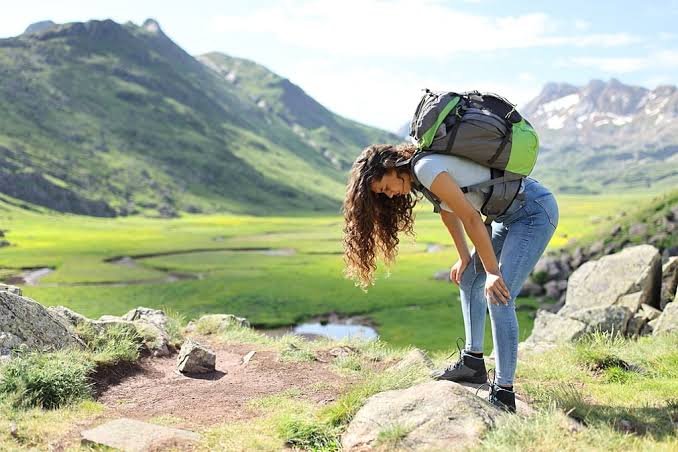
Drinking water, breathing steadily and pacing yourself can prevent fatigue from escalating.
If you become extremely tired, communicate immediately rather than trying to hide the problem.
Porters can also assist with bags and difficult sections.
The objective is to complete the experience safely.
Can You Turn Back If the Trek Becomes Too Difficult?
A traveller can stop if continuing becomes unsafe, although turning back means missing the gorilla encounter.
This is why preparation and honest communication before trekking are so important.
Travel insurance, permit conditions and refund rules should also be understood before the trip. Rwanda Development Board states that special refund provisions exist in cases where a group tracks all day but fails to locate gorillas, but ordinary inability to complete a trek should not automatically be assumed to qualify for a refund.
The best strategy is therefore to prepare physically and use available support rather than relying on the possibility of stopping.
How Should You Prepare Physically?
Regular walking in the weeks before travel is one of the simplest forms of preparation.
Adding hills, stairs or incline training improves leg strength and endurance.
Walking on uneven trails is even more valuable because it improves balance and confidence.
Travellers do not need an extreme training programme.
Consistency matters more than intensity.
Someone who walks for an hour several times each week before travel will usually find the trek more comfortable than someone who does no preparation at all.
How Much Water Should You Carry?
Hydration is particularly important because of the altitude and physical effort.
Rwanda Development Board advises visitors to drink plenty of water when trekking at elevation.
The amount needed varies according to weather and trek duration, but travellers should carry enough for several hours rather than assuming the hike will be short.
A porter can carry the water if weight is a concern.
Visitors should remember that eating and drinking near the gorillas is prohibited, so refreshments should be taken before reaching the viewing area or after leaving it according to guide instructions.
Should You Eat a Large Breakfast?
A good breakfast is helpful because the trek can last much longer than expected.
However, travellers should choose foods they know are comfortable rather than eating unusually heavy meals before physical activity.
Lodges around Volcanoes National Park are familiar with gorilla trekking schedules and often prepare early breakfasts.
Some can also provide packed snacks depending on the itinerary.
The most important thing is not beginning the trek hungry.
Does Staying Near the Park Make Trekking Easier?
Yes, mainly because it reduces fatigue before the hike begins.
The official reporting time is 7:00 a.m., so travellers staying near Kinigi or Musanze can wake at a reasonable hour and arrive rested.
A traveller starting from Kigali may need a much earlier departure.
Visit Rwanda’s sample itinerary recommends staying near Volcanoes National Park before the trekking morning, allowing visitors to relax and prepare.
For anyone concerned about physical difficulty, starting the day well rested is an advantage.
Can You Trek Gorillas if You Are Sick?
Travellers suffering from contagious illnesses may be denied entry because gorillas are vulnerable to human diseases. Rwanda Development Board specifically states that visitors with colds, flu or other contagious illness may not be allowed to trek.
This is not primarily about physical difficulty but about conservation.
Someone who feels physically weak because of illness should also avoid putting additional strain on the body during a demanding mountain trek.
Travellers should therefore protect their health before the trekking day and inform guides honestly about significant symptoms.
Is Gorilla Trekking Difficult for Teenagers?
The minimum trekking age in Rwanda is 15 years.
A fit teenager who enjoys outdoor activity may find the trek easier than many adults.
However, parents should still consider patience and emotional readiness because the trek can involve several hours of walking without knowing exactly when the gorillas will be found.
Teenagers should also understand that the viewing rules must be followed carefully.
How Difficult Is Gorilla Trekking for Solo Travellers?
Solo travellers face essentially the same physical challenge as everyone else because they are placed into a trekking group.
The advantage is that the trek remains social without requiring the traveller to organise companions in advance.
Solo travellers can also hire their own porter.
The main difficulty is not being alone but simply managing the same terrain, altitude and weather as the rest of the group.
How Difficult Is Gorilla Trekking for Couples?
Couples often appreciate sharing the experience, but two people may have different fitness levels.
The stronger partner should resist pushing the pace because the trekking group moves according to guide instructions.
If one person has mobility concerns, this should be communicated before allocation.
Hiring porters for one or both travellers can reduce stress and make the day more enjoyable.
How Difficult Is Gorilla Trekking for Families?
Families with teenagers aged 15 or above can participate together, but everyone should be physically prepared.
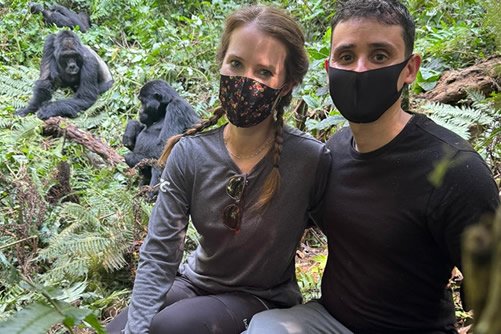
The slowest family member often determines how comfortable the experience feels.
Families should therefore discuss fitness honestly before booking.
A private safari itinerary can also be designed so the day before and after trekking are relatively relaxed.
How Difficult Is Gorilla Trekking in Rwanda During the Dry Season?
Drier months generally produce firmer trails and can reduce the amount of mud, making walking easier.
However, the mountain forest remains moist and rain is still possible.
The gorillas may also move higher or farther depending on food availability, meaning a dry trail does not guarantee a short trek.
Dry-season demand is often high, so permits and accommodation should be arranged well in advance.
How Difficult Is Gorilla Trekking in Rwanda During the Wet Season?
Wet-season trekking can be physically more demanding because the trails become slippery and muddy.
Vegetation may also be dense and rain protection becomes especially important.
However, the forest can be spectacularly green and photography conditions can be beautiful when mist and soft light settle over the mountains.
Some travellers enjoy this atmospheric experience despite the physical challenge.
What Makes Gorilla Trekking Easier?
Preparation has the biggest effect on how difficult the day feels. Good walking fitness, proper boots, lightweight rain protection, a porter, sufficient water and realistic expectations can transform the experience.
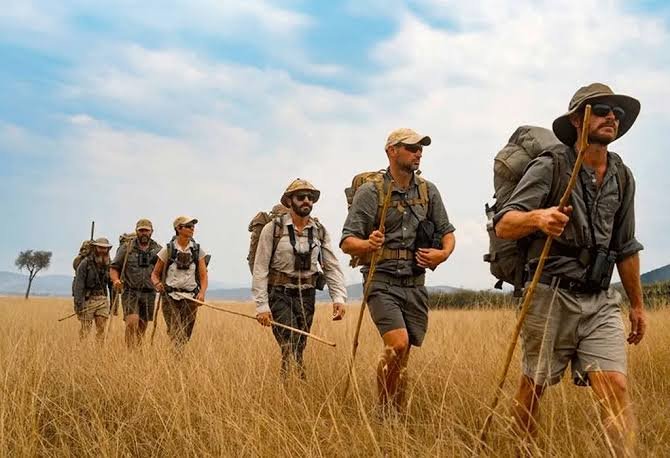
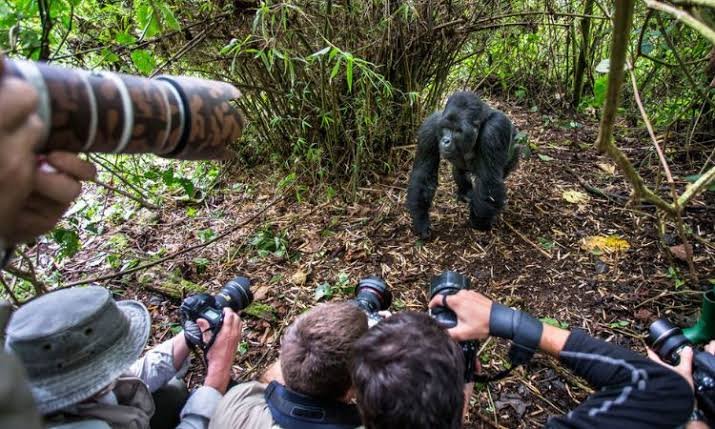
Travellers who arrive expecting a controlled but genuinely wild mountain trek usually adapt much better than those expecting a short sightseeing walk.
A positive but realistic mindset matters.
The trek may be muddy, tiring and unpredictable, but the reward of reaching the gorillas often makes the effort feel worthwhile.
How Difficult Is Gorilla Trekking in Rwanda in 2026?
How Difficult Is Gorilla Trekking in Rwanda in 2026? The experience remains variable rather than fixed. Official current guidance states that hikes can take from about 30 minutes to four hours or more, with trekking taking place between approximately 2,500 and 4,000 metres depending on the location of the gorilla family. Porters remain available to help carry backpacks and cameras and to assist trekkers along difficult sections.
The minimum age remains 15 years, the standard foreign visitor permit remains USD 1,500 and groups are limited to eight visitors.
Current official recommendations continue to emphasise sturdy walking shoes, long clothing, gloves, gaiters and a lightweight waterproof jacket because forest conditions can include mud, stinging nettles and rain.
The challenge is therefore real, but the system is designed to support visitors rather than exclude anyone who is not an experienced hiker.
Final Answer: How Difficult Is Gorilla Trekking in Rwanda?
How Difficult Is Gorilla Trekking in Rwanda? For most reasonably fit travellers, it is manageable but physically demanding enough that proper preparation makes a noticeable difference. The trek can be relatively short and comfortable, or it can involve several hours of climbing through wet forest at altitude. Because the gorillas move freely, there is no reliable way to predict exactly how long or difficult your trek will be before the morning begins.
The main physical challenges are altitude, steep volcanic terrain, mud, uneven ground and the possibility of several hours of walking. Official Visit Rwanda guidance states that treks can range from around 30 minutes to four hours or more and can reach elevations between approximately 2,500 and 4,000 metres.
You do not need to be an athlete, but it helps to arrive comfortable with sustained walking. Regular walks, stairs and hill training before the trip can make the experience significantly easier. Proper hiking boots, long trousers, gloves, gaiters and waterproof protection are also important because forest conditions can change quickly.
Hiring a porter is one of the most effective ways to reduce the difficulty. Porters can carry backpacks and cameras and provide assistance on slippery or steep ground. Rwanda’s official tourism guidance specifically confirms that porter support is available.
Travellers with concerns about fitness, age, knees, back problems or mobility should speak openly with their safari operator and park staff. Group allocation can take practical considerations into account, although no particular gorilla family or easy route can be guaranteed because the gorillas are wild and constantly moving.
The important thing is not to become discouraged by stories of difficult treks. Many first-time hikers, older travellers, couples, solo travellers and families with teenagers successfully trek gorillas in Rwanda every year. The guides are experienced, the pace is controlled and help is available.
In the end, the physical challenge often becomes an important part of the memory. Walking through mud, bamboo and mountain forest builds anticipation, and when you finally reach the gorillas, the effort suddenly feels connected to the experience rather than separate from it. After hours of concentrating on your footing and breathing, you may find yourself standing quietly in the forest watching a silverback feed only a short distance away.
That contrast between effort and reward is what makes Rwanda gorilla trekking so memorable. It is not necessarily easy, but for most prepared travellers it is absolutely achievable, and the challenge often makes the one-hour gorilla encounter feel even more extraordinary.