
How Are Gorilla Families Assigned in Rwanda?
How Are Gorilla Families Assigned in Rwanda? Gorilla family assignment normally happens on the morning of the trek after visitors arrive for registration, permit checks, ranger briefing, and group organisation at Kinigi Park Headquarters near Volcanoes National Park. This allocation process helps match travellers with a suitable habituated gorilla family based on availability, daily tracker updates, walking ability, fitness level, age, and the location of the gorillas that morning.
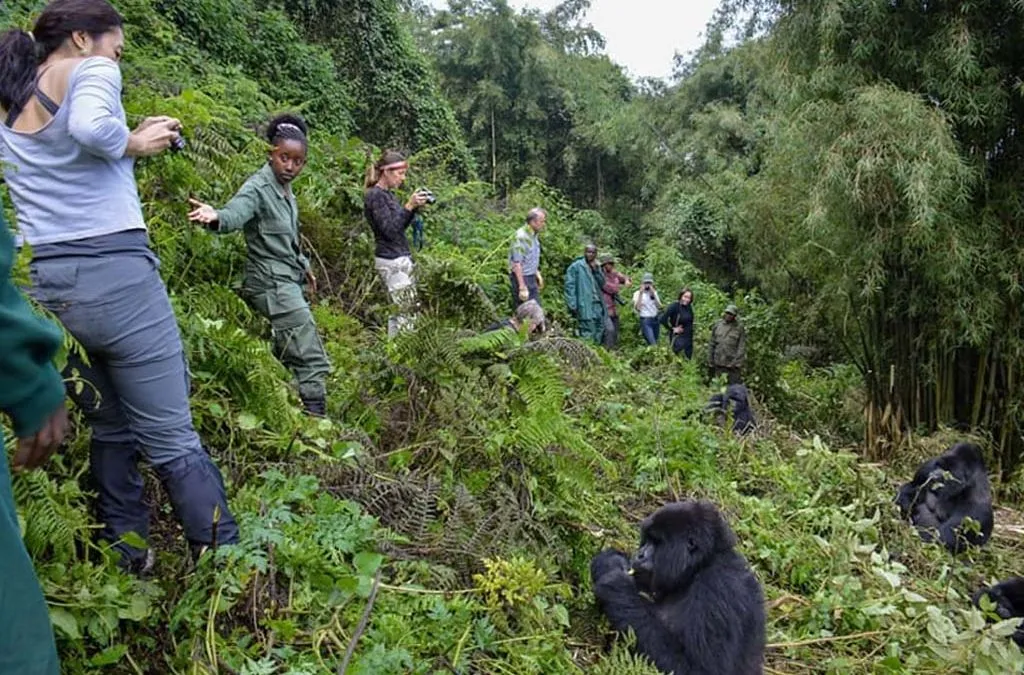
During Rwanda gorilla trekking, visitors do not simply walk into the forest and choose any gorilla family. The process is carefully managed by park authorities, rangers, and trackers to protect the gorillas, organise trekking groups, and create a safer experience for travellers. Each group is assigned to one habituated gorilla family and guided by experienced ranger guides who understand the terrain, gorilla behaviour, and daily forest conditions.
The assignment process is important because every gorilla family may be located in a different part of the forest. Some families may be closer to the trailhead, while others may have moved deeper into the slopes of Volcanoes National Park gorilla trekking areas. Since mountain gorillas move naturally each day, tracker updates help ranger teams decide how to organise the morning allocation.
How Are Gorilla Families Assigned in Rwanda? The answer is also connected to group size and trekking comfort. Rwanda keeps visitor numbers controlled, and travellers are placed into small groups before beginning the forest walk. If you are planning as a couple, family, photographer, senior traveller, or private group, it is helpful to understand how many people are allowed on a Rwanda gorilla trek so that expectations are clear before the trekking day.
The gorilla family you are assigned may influence how long the trek feels, how demanding the walk becomes, and how the final encounter is managed. Some travellers may have a shorter walk, while others may trek longer depending on forest conditions and gorilla movement. This is why it is useful to also understand how long gorilla trekking takes in Rwanda and how close you can get to gorillas in Rwanda before your safari begins.
This page explains how the morning allocation works, what factors affect gorilla family assignment, whether travellers can request an easier trek, how fitness and walking ability are considered, and why the assigned gorilla family can shape the overall trekking experience in Rwanda.
How Are Gorilla Families Assigned in Rwanda? Morning Briefing and Allocation
How Are Gorilla Families Assigned in Rwanda? The allocation process begins in the morning when visitors arrive for registration, permit checks, ranger briefing, and group organisation before entering Volcanoes National Park.
Morning Briefing Before Gorilla Family Assignment
The process starts early at Kinigi Park Headquarters, where travellers gather before the forest walk begins. Visitors are checked in, permits are verified, and park teams organise the trekking groups for the day. This morning stage is important because it gives rangers time to review visitor details, understand the day’s trekking conditions, and prepare each group for a safe and well-managed Rwanda gorilla trekking experience.
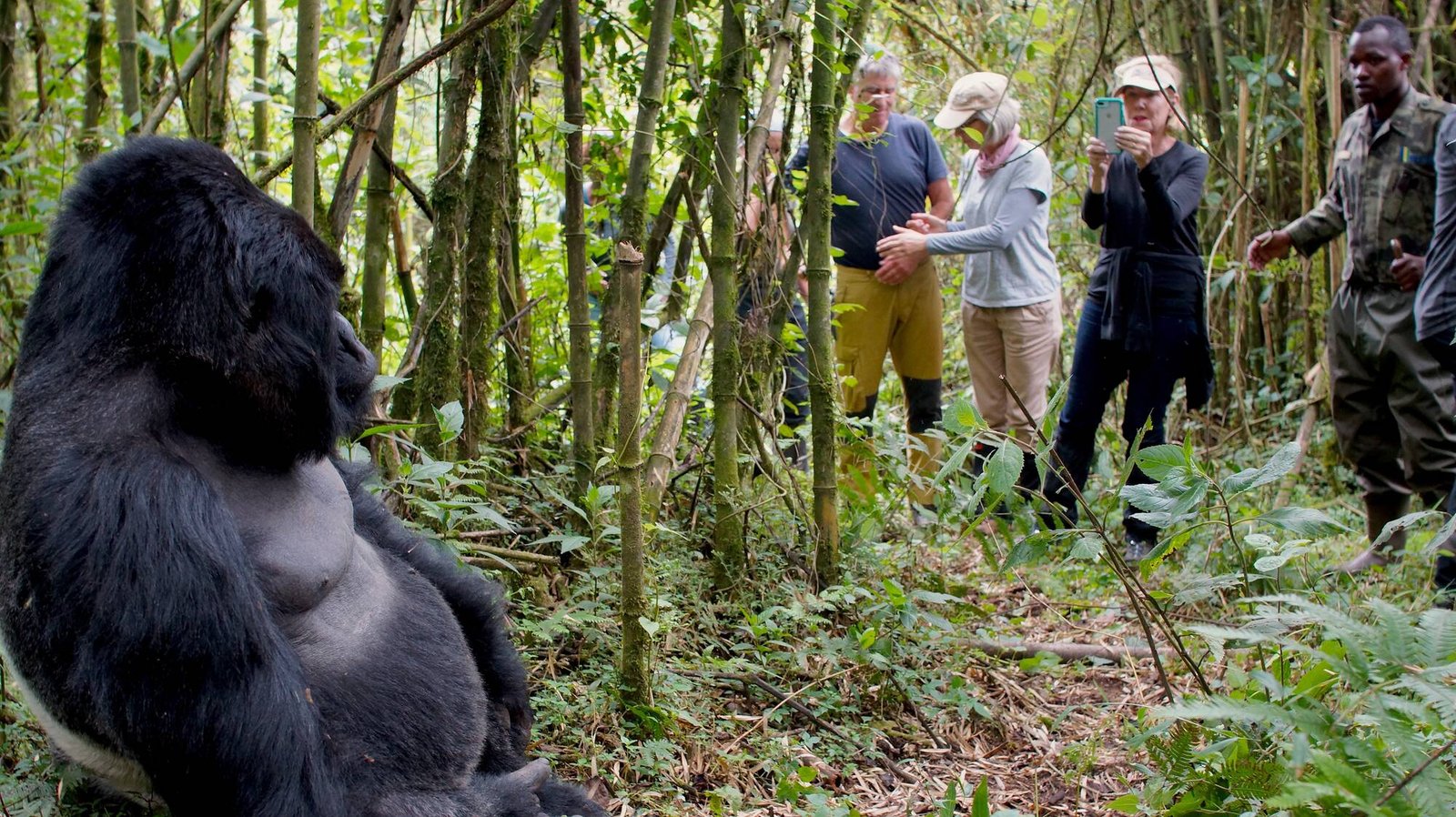
During the briefing, rangers explain the main trekking rules, conservation guidelines, safety instructions, photography behaviour, distance rules, and what visitors should expect once the gorilla family is found. Travellers are also reminded to stay quiet, avoid sudden movements, follow the guide, avoid flash photography, and respect the gorillas as wild animals living in a protected forest.
Arrival
Travellers arrive early at Kinigi Park Headquarters for check-in, registration, and preparation before the trek.
Permit Check
Visitor permits and details are checked before travellers are organised into trekking groups.
Briefing
Rangers explain trekking rules, gorilla behaviour, safety, conservation, and respectful viewing distance.
Grouping
Visitors are placed into small trekking groups based on permit availability and the day’s allocation plan.
Assignment
Each group is assigned to one habituated gorilla family before heading toward the forest trail.
How Are Gorilla Families Assigned in Rwanda? The final assignment is influenced by several practical details, including the number of available permits, the number of trekkers, the location of each gorilla family, ranger guidance, tracker updates, and the general walking ability of visitors. This is why the briefing stage is more than a formality; it is part of how the park team prepares each group for the most suitable possible trek.
Tracker updates are especially important. Trackers usually go ahead of trekking groups or monitor gorilla movement from previous locations, helping the ranger team understand where different gorilla families may be that morning. Since gorillas move naturally every day, the assignment can depend on where the families are located, how far they may be from the trailhead, and how accessible the route may be for different visitors.
This allocation process also supports controlled group size. Rwanda does not send unlimited visitors to one gorilla family. The number of trekkers is managed carefully, which is why it is useful to understand how many people are allowed on a Rwanda gorilla trek. Smaller groups make it easier for rangers to manage safety, distance, photography, and visitor movement during the one-hour encounter.
Proper morning allocation can also influence trekking comfort. Some visitors may be seniors, families, couples, photographers, or travellers who prefer a gentler pace. While a specific gorilla family is not always guaranteed, visitors should politely communicate walking concerns during the morning organisation so the ranger team can consider them where possible.
How Are Gorilla Families Assigned in Rwanda? Key Factors That Affect Allocation
How Are Gorilla Families Assigned in Rwanda? The final allocation depends on practical factors such as gorilla family location, visitor fitness, walking ability, permit availability, group size, and special comfort needs.
What Factors Affect Gorilla Family Assignment in Rwanda?
Gorilla family assignment in Rwanda is carefully organised to balance conservation, safety, visitor comfort, and the daily movement of mountain gorillas. Since gorillas live freely inside Volcanoes National Park, their location can change from one day to another. This means the ranger team uses tracker updates, permit records, and visitor information to organise the trekking groups before visitors enter the forest.
How Are Gorilla Families Assigned in Rwanda? The process is not random. Park teams consider where gorilla families are located, how many people are trekking that day, how many permits are available, and whether some travellers may need a gentler walking pace. While a specific family is not always guaranteed, allocation is designed to make the trek safer, smoother, and more suitable for each group.
Gorilla Location
Trackers help identify where different gorilla families are located before visitors begin the forest walk.
Fitness Level
Walking ability, stamina, age, and hiking confidence may be considered during morning allocation.
Group Size
Visitors are organised into small trekking groups according to daily permit numbers and available gorilla families.
Permit Availability
Confirmed permits determine how many visitors can trek and which gorilla families are available for tourism.
Special Needs
Seniors, families, photographers, and guests with walking concerns should communicate early during briefing.
Gorilla location is one of the strongest factors because some families may be closer to the trailhead while others may be deeper in the forest. Trackers provide useful information about where the gorillas slept, where they may be feeding, and how accessible the route may be. This helps rangers make practical decisions before assigning each group to a family.
Fitness and walking comfort also matter. Travellers who are less confident hikers, senior guests, or visitors with mobility concerns should politely mention this during the morning organisation. Although the final decision remains with the ranger team, clear communication can help them consider the most comfortable available option where possible. This is especially helpful for travellers who want a more relaxed Rwanda gorilla trekking experience.
Group size is also important because Rwanda limits the number of visitors assigned to each gorilla family. If you are travelling as a couple, family, or larger private group, it is useful to understand how many people are allowed on a Rwanda gorilla trek. This helps you plan permits correctly and avoid surprises during allocation.
The assigned gorilla family can affect the trekking duration, but it does not guarantee an easy or difficult experience. Since gorillas continue moving through the forest, even a family that begins closer may move before the group arrives. For this reason, travellers should also understand how long gorilla trekking takes in Rwanda and prepare for changing forest conditions.
How Are Gorilla Families Assigned in Rwanda? Can You Choose a Gorilla Family?
How Are Gorilla Families Assigned in Rwanda? Travellers may politely request an easier, shorter, or more suitable trek, but the final gorilla family assignment is handled by the ranger team on the trekking morning.
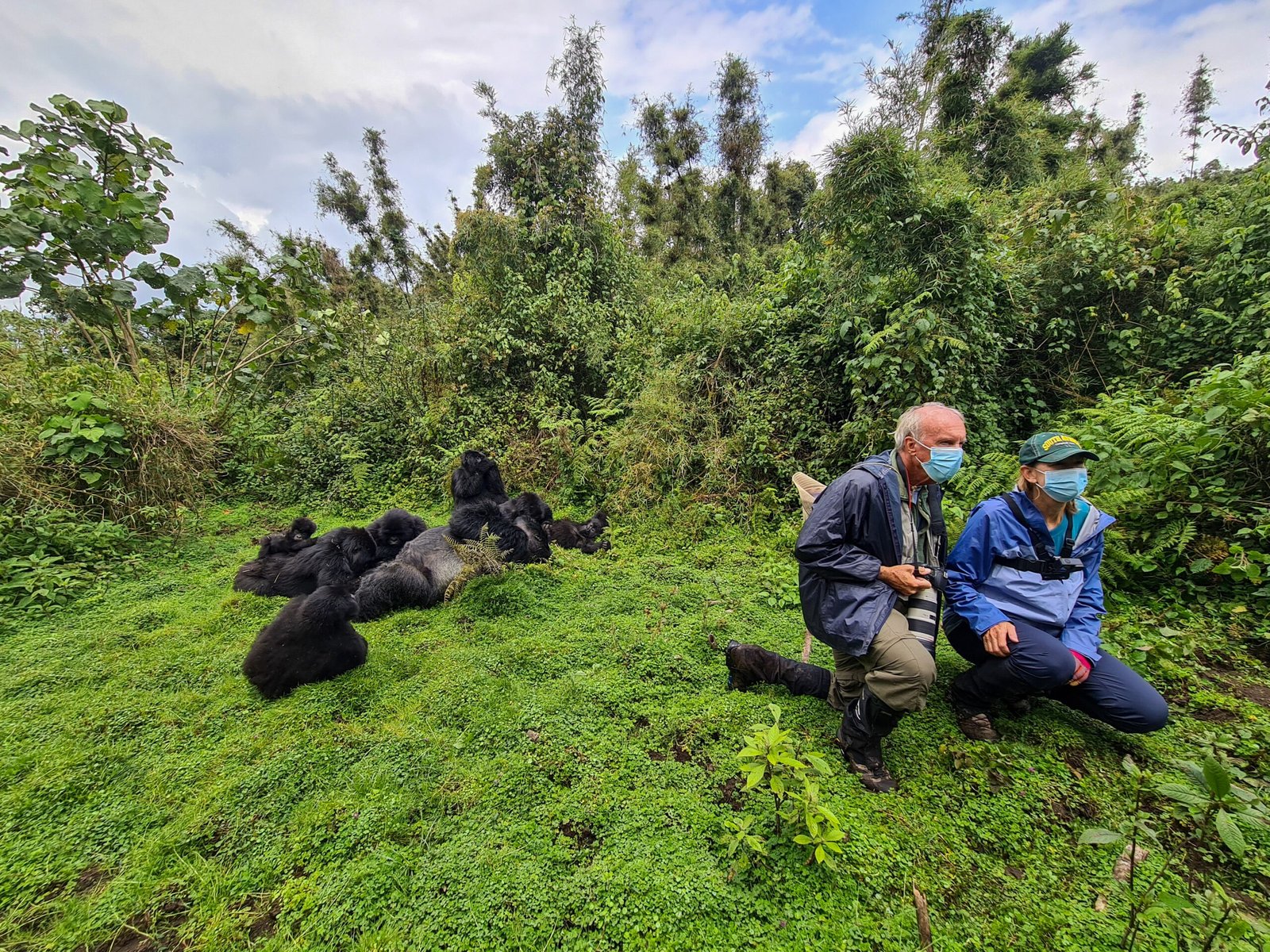
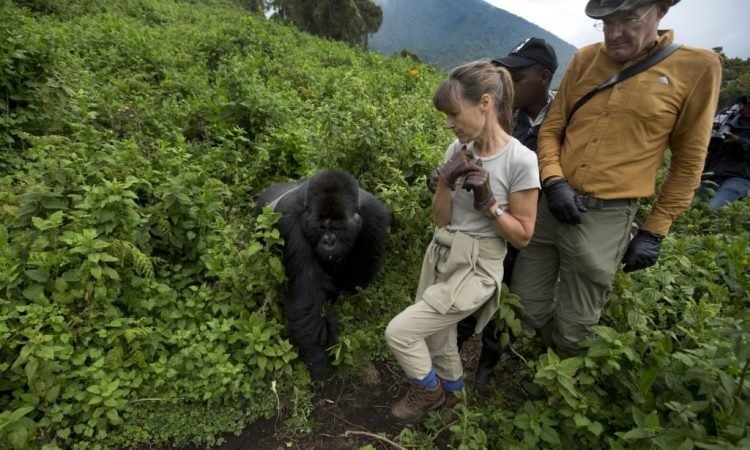
Can Travellers Choose a Specific Gorilla Family in Rwanda?
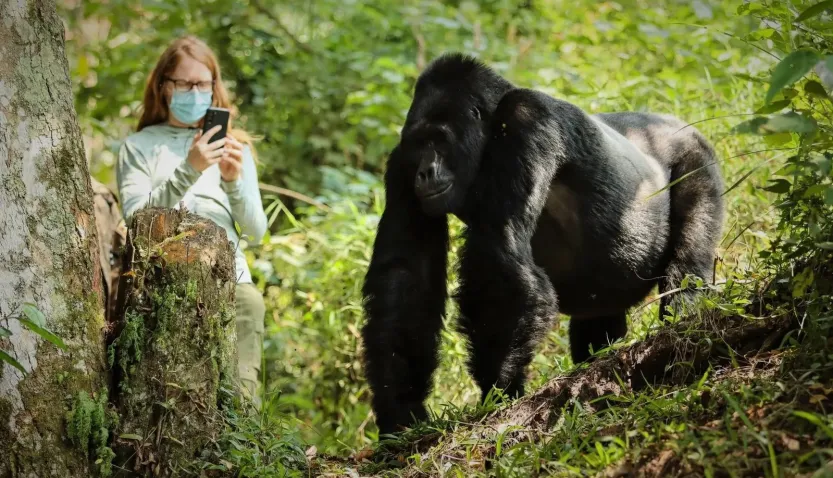
Travellers often ask whether they can choose a specific gorilla family in Rwanda, especially if they want an easier walk, a shorter trek, better photography conditions, or a family group that is known for interesting behaviour. In most cases, visitors can make a request, but a specific gorilla family is not guaranteed. The final allocation depends on park management, permit availability, daily gorilla movement, tracker updates, group size, and ranger decisions.
How Are Gorilla Families Assigned in Rwanda? The assignment is designed to balance visitor comfort with conservation and safety. Rangers may consider walking ability, age, mobility concerns, fitness level, and special needs, but they also have to consider where each gorilla family is located that morning. Since gorillas move naturally through the forest, the most suitable family can change from day to day.
You Can Ask
Travellers may politely request an easier, shorter, or more comfortable trek during morning organisation.
Not Guaranteed
A specific gorilla family cannot always be guaranteed because allocation depends on daily conditions.
Gorilla Movement
Mountain gorillas move freely, so their location may change before visitors enter the forest.
Stay Flexible
Flexibility helps travellers enjoy the experience, even when the assigned family is different from expectation.
Seniors, families, honeymooners, and travellers with walking concerns should speak honestly during the briefing. If someone prefers a gentler walking experience, the ranger team may consider this where possible. However, it is important to understand that Rwanda gorilla trekking takes place in a natural forest, so no route can be promised as completely easy or fixed in advance.
Photographers may also ask for guidance, especially if they are carrying larger camera equipment or hoping for a more comfortable viewing position. Even then, the final family assignment still depends on the day’s conditions. The best photography moments often come from patience, respectful distance, and following the ranger’s instructions during the one-hour encounter.
This is why travellers should prepare for the experience rather than focusing only on choosing a specific family. It helps to understand how long gorilla trekking takes in Rwanda, how many people are allowed on a Rwanda gorilla trek, and how close you can get to gorillas in Rwanda before the trekking day begins.
How Are Gorilla Families Assigned in Rwanda? The best answer is that travellers may express preferences, but they should trust the ranger team to make the safest and most practical allocation. The goal is not only to reach a gorilla family, but to create a responsible, respectful, and memorable encounter inside Volcanoes National Park gorilla trekking areas.
How Are Gorilla Families Assigned in Rwanda? Why Assignment Matters
How Are Gorilla Families Assigned in Rwanda? The assigned gorilla family can shape the trekking duration, walking comfort, route difficulty, ranger control, photography experience, and overall quality of the encounter.
Why Gorilla Family Assignment Matters for the Trekking Experience
Gorilla family assignment matters because every gorilla trek in Rwanda is slightly different. One gorilla family may be located closer to the trailhead, while another may be deeper in the forest or higher on the slopes of Volcanoes National Park. This means the assigned family can influence how long the walk takes, how demanding the terrain feels, and how much time visitors spend moving before the one-hour encounter begins.
How Are Gorilla Families Assigned in Rwanda? The process is designed to create a practical balance between visitor comfort, ranger guidance, gorilla location, conservation rules, and group organisation. The aim is not only to place travellers into groups, but to create a safe, respectful, and well-managed Rwanda gorilla trekking experience.
Trek Duration
The assigned gorilla family may influence how long the walk takes because some families may be closer or farther away.
Trek Difficulty
Terrain, altitude, mud, vegetation, and slope can vary depending on where the gorilla family is located.
Visitor Comfort
Proper allocation can help seniors, families, photographers, and less experienced hikers enjoy a smoother trek where possible.
Ranger Control
A well-assigned group helps rangers manage movement, distance, photography, safety, and calm behaviour.
Experience Quality
Good allocation supports a more comfortable, respectful, memorable, and meaningful gorilla trekking experience.
The assigned gorilla family can influence trekking duration because gorillas move naturally every day. A family that was close one morning may move farther by the time visitors begin walking, while another family may remain in a more accessible area. For this reason, travellers should understand how long gorilla trekking takes in Rwanda and keep the trekking day flexible.
Assignment also affects comfort. A senior traveller, a family, or a guest with walking concerns may benefit from being placed in a group that better matches their pace, depending on availability and ranger decisions. While no specific gorilla family can be guaranteed, speaking honestly during briefing gives the ranger team helpful information before final allocation.
Ranger control is another reason assignment matters. When groups are organised well, it becomes easier for guides to manage the correct viewing distance, visitor movement, quiet behaviour, and photography. This connects closely with understanding how close you can get to gorillas in Rwanda, because the assigned family and group setup both affect how the one-hour encounter is managed.
Group size also shapes the quality of the experience. Rwanda controls how many visitors can trek each gorilla family per day, so allocation helps ensure that the encounter remains calm and respectful. Travellers planning as couples, families, photographers, or small private groups should also understand how many people are allowed on a Rwanda gorilla trek before choosing travel dates.
In the end, gorilla family assignment is not only about which family you visit. It is about making sure the trek is organised in a way that protects the gorillas, supports visitor safety, respects conservation rules, and gives travellers the best possible chance of enjoying a powerful encounter inside Volcanoes National Park gorilla trekking areas.
FAQs About How Are Gorilla Families Assigned in Rwanda?
These FAQs explain How Are Gorilla Families Assigned in Rwanda? including morning briefing, family allocation, fitness level, walking ability, group size, permit availability, special requests, and trekking comfort.
How Are Gorilla Families Assigned in Rwanda? Gorilla families are normally assigned on the trekking morning after visitors arrive for registration, permit checks, ranger briefing, and group organisation. Park teams consider permit availability, daily tracker updates, gorilla family location, group size, fitness level, walking ability, age, and special comfort needs.
Gorilla family allocation normally happens at Kinigi Park Headquarters near Volcanoes National Park before visitors enter the forest. This is where travellers gather for briefing, permit checks, safety guidance, and assignment to trekking groups for Rwanda gorilla trekking.
You may politely request an easier, shorter, or more suitable trek, but a specific gorilla family is not guaranteed. The final assignment depends on daily gorilla movement, permit availability, ranger decisions, visitor numbers, and the location of each gorilla family that morning.
How Are Gorilla Families Assigned in Rwanda for seniors? Senior travellers should mention walking comfort, age, mobility concerns, or preferred pace during morning briefing. While no specific family can be promised, ranger teams may consider these details when organising trekking groups where possible.
Yes, fitness level, walking ability, hiking confidence, and mobility concerns may be considered during allocation. Travellers who prefer a gentler trek should communicate clearly during briefing, although the final family assignment still depends on the day’s conditions.
Yes, tracker updates are very important. Trackers help identify where different gorilla families may be located before visitors enter the forest. This information helps ranger teams organise groups and assign visitors to suitable gorilla families for the day.
How Are Gorilla Families Assigned in Rwanda for families and couples? Families and couples are usually kept together where permits and group limits allow. Allocation may consider walking ability, age, comfort level, and available gorilla families, but final decisions remain with the park team.
Yes, group size affects allocation because Rwanda limits how many visitors can trek each gorilla family per day. Travellers should understand how many people are allowed on a Rwanda gorilla trek when planning as a family, couple, private group, or photography group.
Photographers may request guidance or mention camera equipment during allocation, but a specific gorilla family is not guaranteed. The best photography experience comes from patience, respecting ranger instructions, avoiding flash, and understanding how close you can get to gorillas in Rwanda.
Yes, the assigned gorilla family can affect trekking duration because some families may be closer to the trailhead while others may be deeper in the forest. Travellers should also read about how long gorilla trekking takes in Rwanda before planning afternoon activities.
Yes, you can politely request an easier or more comfortable trek during the morning briefing. This is helpful for seniors, first-time hikers, families, and travellers with walking concerns. However, an easier trek is not always guaranteed because gorilla location changes daily.
How Are Gorilla Families Assigned in Rwanda if gorillas move overnight? Trackers and ranger teams use fresh information about gorilla movement to guide allocation. Since gorillas move naturally, assignment may depend on where families are found or expected to be on the trekking morning.
No, gorilla family assignment can change daily because gorillas move naturally through the forest. Allocation depends on permit availability, group size, ranger decisions, fitness considerations, tracker updates, and the location of different gorilla families on that day.
Yes, you should politely mention walking concerns, fitness limits, age, or mobility needs during morning allocation. Clear communication helps the ranger team consider your comfort where possible, although the final allocation still depends on permits and gorilla family location.
The best advice is to arrive early, listen to the briefing, be honest about your walking ability, stay flexible, and trust the ranger team. Gorilla family assignment is designed to protect the gorillas, support visitor safety, and create the best possible trekking experience.