
How Close Can You Get to Gorillas in Rwanda?
How Close Can You Get to Gorillas in Rwanda? This is one of the most important questions for travellers planning a memorable mountain gorilla encounter in Volcanoes National Park. Rwanda offers one of Africa’s most powerful wildlife experiences, but the encounter is carefully managed to protect the gorillas, protect visitors, and preserve the natural behaviour of these endangered primates.
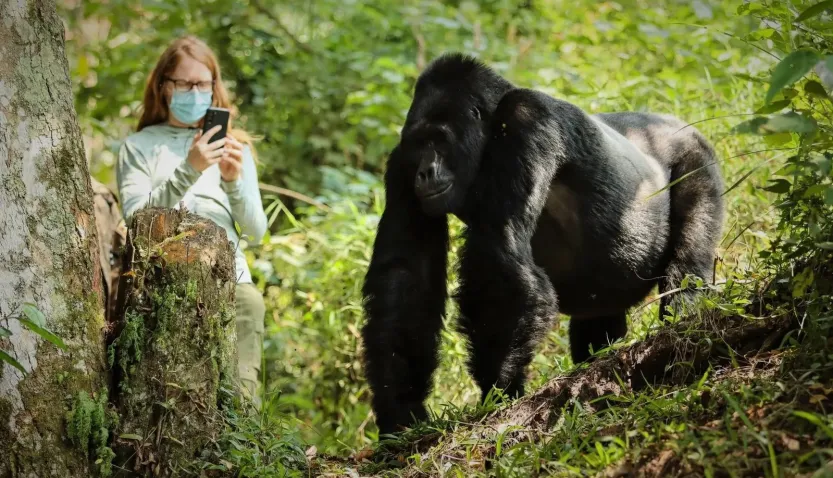
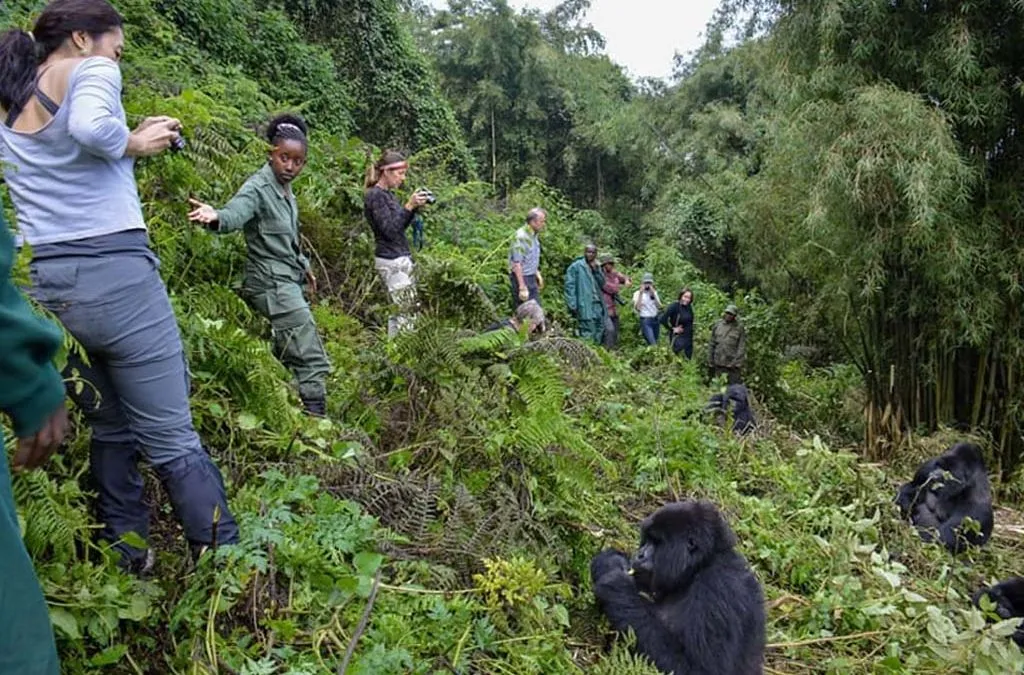
During Rwanda gorilla trekking, visitors are guided by experienced rangers and trackers who help manage the correct viewing distance. The general rule is to keep a respectful distance from the gorillas, avoid sudden movements, remain quiet, and follow the instructions of the ranger guide at all times. This makes the experience safer, calmer, and more responsible for both travellers and gorilla families.
The close feeling of a gorilla encounter does not come from approaching the gorillas too closely. It comes from quietly watching them feed, rest, groom, play, and interact as a family in their natural habitat. On a well-guided gorilla trekking experience in Volcanoes National Park, the rangers help travellers enjoy the moment while respecting the boundaries that make conservation tourism possible.
How Close Can You Get to Gorillas in Rwanda? The best answer is that you can get close enough to have a powerful, emotional, and unforgettable encounter, but not so close that you disturb the gorillas or ignore conservation rules. The distance is part of the experience because it allows travellers to enjoy the gorillas with respect, patience, and safety.
This page explains the recommended gorilla viewing distance, what happens if a gorilla comes close, why touching gorillas is not allowed, how photography works, and how rangers manage the one-hour encounter. It is especially useful for travellers planning a first-time Rwanda gorilla safari from Kigali or combining Volcanoes National Park with Lake Kivu, golden monkey trekking, chimpanzee trekking in Rwanda, or an Akagera National Park safari.
How Close Can You Get to Gorillas in Rwanda? The 7-Metre Rule
How Close Can You Get to Gorillas in Rwanda? The standard guidance is to keep a respectful viewing distance of about 7 metres from mountain gorillas, while always following the ranger guide’s instructions during the encounter.
Understanding the 7-Metre Gorilla Viewing Rule
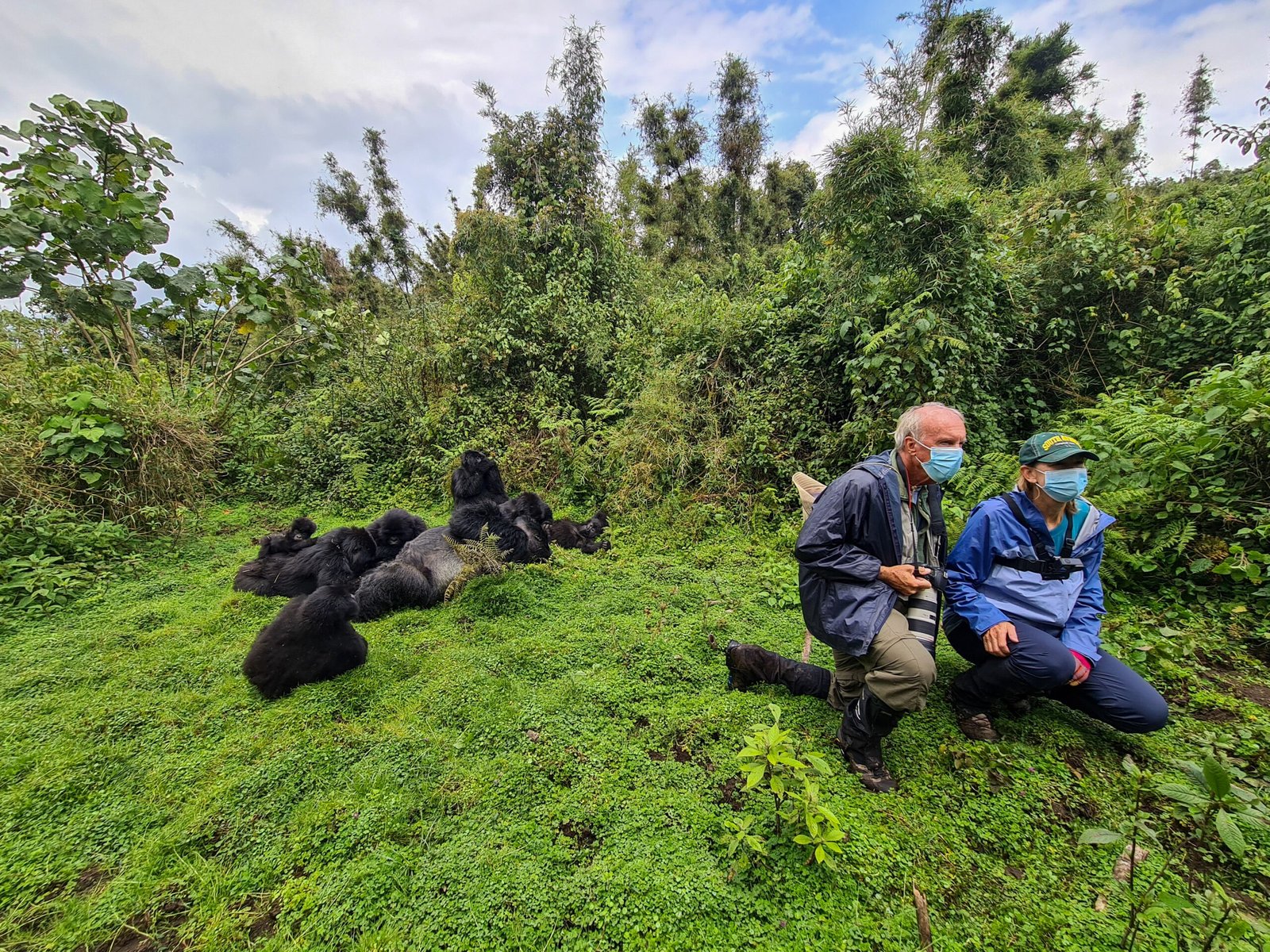
During Rwanda gorilla trekking, visitors are normally asked to keep about 7 metres, or approximately 22 feet, from mountain gorillas. This distance helps protect the gorillas from unnecessary disturbance and reduces the risk of disease transmission between humans and gorillas. It also gives visitors enough space to observe natural behaviour without crowding the family group.
The 7-metre rule is not meant to reduce the quality of the experience. Instead, it helps make the encounter more respectful and sustainable. Mountain gorillas are habituated for tourism, but they are still wild animals living in a protected forest. Keeping the correct distance allows travellers to enjoy gorilla trekking in Volcanoes National Park while supporting conservation standards that protect the gorilla families.
Keep Distance
Visitors should normally keep about 7 metres from gorillas unless the ranger guide advises otherwise during the encounter.
Stay Calm
If a gorilla comes closer, travellers should remain quiet, avoid sudden movement, and follow the ranger’s guidance.
Never Touch
Visitors should not touch, feed, chase, block, or approach gorillas, even if the gorillas move near them naturally.
Respect Nature
Respectful distance helps protect gorilla health, reduce stress, and preserve natural family behaviour in the forest.
How Close Can You Get to Gorillas in Rwanda? You can get close enough to see their facial expressions, body language, family bonds, feeding patterns, and social behaviour, but the encounter must still be controlled. Rangers may guide visitors to stand in a safe viewing position where the gorillas are visible without making the group feel pressured or surrounded.
The reason this distance matters so much is that gorillas and humans are biologically close, which means respiratory infections and other illnesses can be a serious concern. Travellers who are sick should not trek, and anyone who coughs or sneezes during the encounter should turn away from the gorillas and follow ranger instructions. These small actions help protect the long-term survival of Rwanda’s mountain gorillas.
The 7-metre rule also helps the gorillas remain relaxed. A calm gorilla family gives visitors a better chance to watch natural behaviour such as grooming, feeding, resting, playing, climbing, or interacting with the silverback. This is why respectful viewing distance can actually improve the experience instead of limiting it.
How Close Can You Get to Gorillas in Rwanda? What Happens If a Gorilla Comes Close?
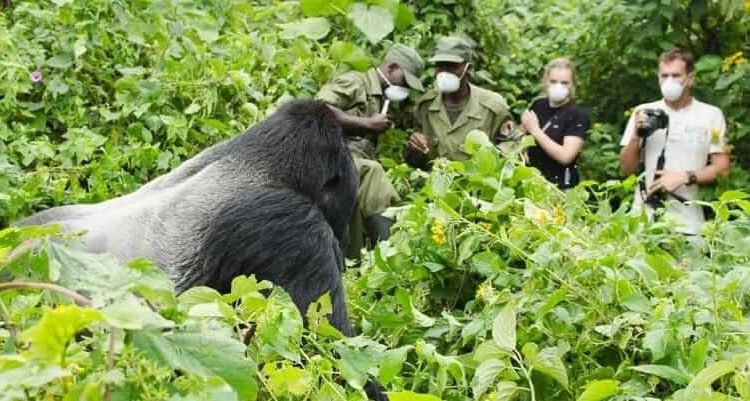
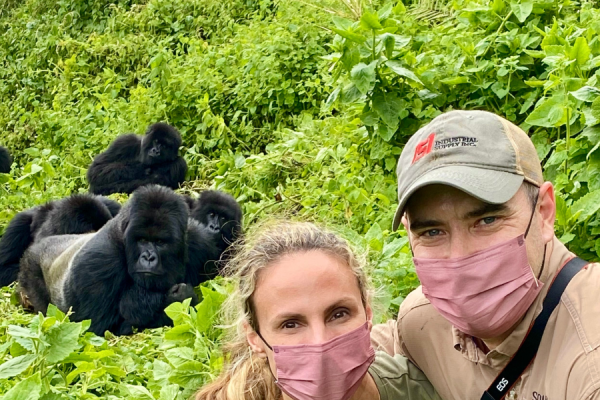
How Close Can You Get to Gorillas in Rwanda? Visitors are asked to keep a respectful distance, but mountain gorillas may sometimes move closer naturally while feeding, resting, playing, or passing through the forest.
What Should You Do If a Gorilla Comes Close?
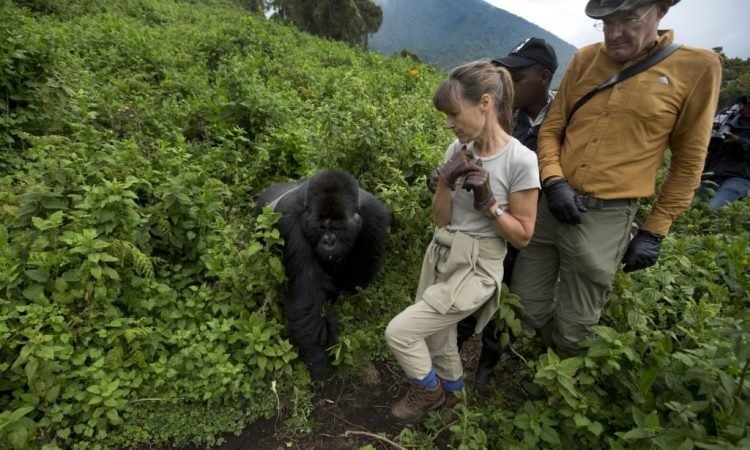
During Rwanda gorilla trekking, visitors are guided to keep the recommended distance from mountain gorillas. However, gorillas are wild animals moving freely in their natural habitat, and sometimes they may walk, feed, rest, or pass closer than expected. When this happens, the most important thing is to stay calm and follow the ranger guide’s instructions.
How Close Can You Get to Gorillas in Rwanda? The answer depends not only on the recommended viewing distance, but also on how the gorillas behave naturally during the encounter. Visitors should never try to move closer to the gorillas, but if a gorilla moves closer by itself, the traveller should remain quiet, avoid sudden movement, and allow the ranger to manage the situation.
Stay Calm
Do not panic, shout, run, or make sudden movements if a gorilla walks closer than expected.
Do Not Touch
Never touch, feed, block, reach toward, or try to interact physically with a mountain gorilla.
Listen to Rangers
Ranger guides understand gorilla behaviour and will tell visitors whether to stay still or gently move back.
Keep Quiet
Soft voices and calm body language help keep the gorilla family relaxed during the close encounter.
Rangers and trackers are trained to read gorilla behaviour. They can understand when a gorilla is relaxed, when a silverback is moving the family, when a young gorilla is curious, or when visitors should create more space. On a guided gorilla trekking experience in Volcanoes National Park, visitors are not expected to make these decisions alone because the ranger team controls the encounter carefully.
If a gorilla comes close, travellers should not treat it as an opportunity to touch or pose with the animal. It is still a wild encounter, not a staged experience. The best response is to remain respectful, allow the gorilla to move naturally, and avoid doing anything that could disturb the family group. Even a very close moment should be handled with patience, silence, and respect.
How Close Can You Get to Gorillas in Rwanda? You may sometimes feel extremely close when a gorilla passes nearby, but the correct behaviour is always the same: stay still, stay quiet, avoid direct interference, and let the ranger guide you. This creates a safer experience for travellers and a less stressful environment for the gorillas.
How Close Can You Get to Gorillas in Rwanda? Why You Cannot Touch Gorillas
How Close Can You Get to Gorillas in Rwanda? Visitors can enjoy a powerful close-viewing experience, but touching mountain gorillas is never allowed because it can affect gorilla health, comfort, safety, and conservation.
Why Touching Mountain Gorillas Is Not Allowed
Mountain gorillas in Rwanda are habituated for tourism, but they are still wild animals living freely inside Volcanoes National Park. Habituation means they are used to the controlled presence of ranger-guided visitors, not that they should be touched, approached, fed, or treated like tame animals. The encounter must remain respectful because the gorillas are part of a protected wild population.
One of the main reasons visitors cannot touch gorillas is disease protection. Humans and gorillas are closely related, which means some illnesses can pass between people and gorillas. During Rwanda gorilla trekking, distance rules help reduce health risks and protect the gorilla family from unnecessary exposure. This is why travellers who are visibly sick may be advised not to trek.
Wild Animals
Gorillas are habituated for viewing, but they remain wild animals and should never be treated like pets or photo props.
Disease Protection
No touching helps reduce the risk of illness passing between humans and mountain gorillas during the encounter.
Gorilla Comfort
Touching, reaching, or crowding can disturb the gorilla family and make the encounter stressful for the animals.
Visitor Safety
Calm distance keeps visitors safer because gorillas are powerful wild animals that should always be respected.
How Close Can You Get to Gorillas in Rwanda? You may sometimes feel very close when a gorilla walks nearby, but you should never reach out or attempt contact. If a gorilla moves closer naturally, the correct response is to stay calm, remain still, avoid sudden movements, and wait for the ranger guide to direct the group. The ranger may ask you to step back gently, crouch, stay still, or give the gorilla space to pass.
Touching can also change the mood of the encounter. A relaxed gorilla family may be feeding, resting, grooming, or playing peacefully, but sudden movement or physical contact can create unnecessary tension. Responsible visitors help keep the experience calm by staying quiet, keeping their hands to themselves, and allowing the gorillas to behave naturally.
Rwanda’s gorilla trekking rules are designed to protect one of the world’s most treasured wildlife experiences. By respecting the no-touch rule, travellers support long-term mountain gorilla conservation, help protect future tourism, and preserve the quality of gorilla trekking in Volcanoes National Park for other visitors.
FAQs About How Close Can You Get to Gorillas in Rwanda?
These FAQs explain How Close Can You Get to Gorillas in Rwanda? including the 7-metre rule, what happens if gorillas come closer, why touching is not allowed, ranger guidance, photography, and safe behaviour.
How Close Can You Get to Gorillas in Rwanda? Visitors are normally asked to keep about 7 metres, or approximately 22 feet, from mountain gorillas. This respectful distance protects the gorillas, supports visitor safety, and allows the encounter to remain calm, natural, and responsible.
The 7-metre rule means visitors should keep a respectful viewing distance from mountain gorillas during Rwanda gorilla trekking. This distance helps reduce disease risk, prevent disturbance, and protect the natural behaviour of the gorilla family.
If a gorilla comes closer on its own, visitors should stay calm, avoid sudden movement, remain quiet, and follow the ranger guide’s instructions. Travellers should never reach out, touch, block, chase, or try to interact physically with the gorilla.
No, visitors cannot touch gorillas in Rwanda. Mountain gorillas are wild animals, and touching them can create health risks, disturb their natural behaviour, and affect visitor safety. Even if a gorilla moves closer, visitors must keep their hands to themselves.
Visitors are not allowed to touch gorillas because humans and gorillas can share some illnesses, and physical contact can disturb the gorilla family. The no-touch rule protects gorilla health, maintains calm behaviour, and supports responsible conservation tourism.
Habituated gorillas in Rwanda are used to controlled ranger-guided visits, but they remain powerful wild animals. They should always be respected. Visitors reduce risk by staying calm, avoiding sudden movements, keeping quiet, and following ranger instructions during the encounter.
How Close Can You Get to Gorillas in Rwanda for photography? You should still respect the recommended distance and avoid moving closer for a better photo. Good images are possible from the correct viewing position, especially when visitors stay patient, quiet, and ready with their camera.
No, flash photography should not be used when photographing mountain gorillas. Flash can disturb the gorillas and affect the calmness of the encounter. Travellers should turn flash off before reaching the gorilla family and use natural light where possible.
Yes, ranger guides help control the viewing distance during gorilla trekking in Volcanoes National Park. They guide visitors on where to stand, when to move, when to stay still, and how to behave if a gorilla moves closer.
Yes, gorillas may sometimes walk near or past tourists because they move freely in their natural forest habitat. Visitors should not panic, run, shout, or reach out. The correct response is to stay quiet, remain calm, and allow the ranger guide to manage the moment.
Do not move suddenly by yourself. If a gorilla comes close, wait for the ranger guide’s instruction. The ranger may ask you to remain still, step back gently, crouch, or create space depending on the gorilla’s movement and behaviour.
How Close Can You Get to Gorillas in Rwanda during the one-hour encounter? Visitors should still respect the recommended distance throughout the one hour. Even when gorillas move naturally, travellers should avoid touching, feeding, blocking, or approaching them.
Gorilla trekking has age restrictions, and eligible young travellers must follow the same distance and safety rules as adults. During the encounter, every visitor should remain calm, quiet, respectful, and guided by the ranger team at all times.
Yes, the experience is still deeply powerful without touching the gorillas. Watching a silverback, mothers, juveniles, and infants from a respectful distance allows visitors to enjoy natural behaviour while supporting long-term conservation.
Stay calm, speak softly, avoid sudden movement, do not use flash, do not eat near the gorillas, do not touch them, and follow every ranger instruction. Respectful behaviour helps protect the gorillas and makes the encounter safer and more memorable.