
How Long Does Gorilla Trekking Take in Rwanda?
How Long Does Gorilla Trekking Take in Rwanda? The full experience can take a few hours or most of the day, depending on the location of the gorilla family, forest conditions, walking pace, terrain, weather, and the time needed to return from the trail. The actual time spent with the mountain gorillas is normally one regulated hour, but the complete Rwanda gorilla trekking experience includes much more than the viewing time.
The day usually begins early near Volcanoes National Park, where travellers gather for briefing, permit verification, ranger guidance, and allocation to a habituated gorilla family. This first stage is important because ranger teams use information from trackers to understand where different gorilla families are located. Since mountain gorillas move naturally through the forest each day, no two treks have exactly the same duration.
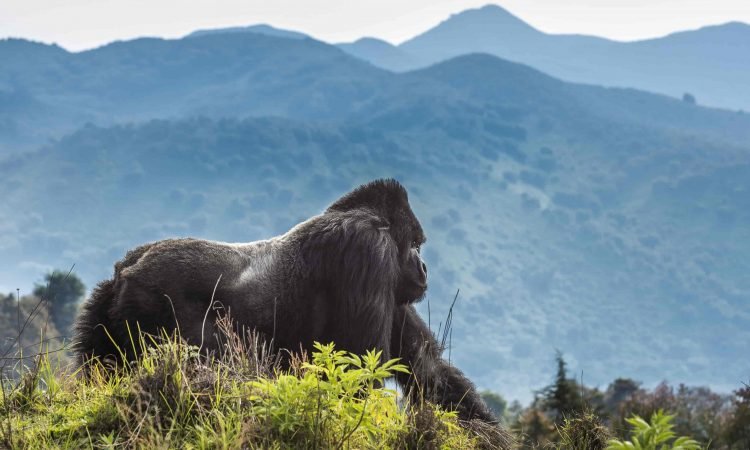
For many travellers, the walking time is the part that varies most. Some groups may find the gorillas relatively quickly, while others may walk deeper into the forest depending on where the assigned gorilla family moved overnight. The route may pass through bamboo forest, volcanic slopes, farmland edges, muddy paths, thick vegetation, and beautiful mountain scenery, making the trek part of the adventure rather than only a way to reach the gorillas.
Rwanda is often considered one of the more accessible places for gorilla trekking because Volcanoes National Park is easier to reach from Kigali compared with some longer regional gorilla routes. However, the actual trekking duration still depends on nature. Travellers should prepare for changing conditions, wear proper hiking gear, carry water, use a walking stick, and consider hiring a porter for extra comfort.
Understanding how long gorilla trekking takes helps travellers plan the rest of their Rwanda safari correctly. A gorilla trekking day can be combined with lodge relaxation, a cultural visit, or an onward plan the next day, but it should not be rushed. Travellers can also combine gorillas with golden monkey trekking, Lake Kivu, chimpanzee trekking in Rwanda, or an Akagera National Park wildlife safari for a complete Rwanda journey.
How Long Does Gorilla Trekking Take in Rwanda? Morning Briefing and Group Allocation
How Long Does Gorilla Trekking Take in Rwanda? The first part of the trekking day begins before the forest walk, with early arrival, permit checks, ranger briefing, and allocation to a gorilla family at Kinigi Park Headquarters.
Morning Briefing Before the Rwanda Gorilla Trek Begins
The total time for gorilla trekking in Rwanda starts with the morning briefing stage, not only the forest walk. Travellers arrive early at Kinigi Park Headquarters near Volcanoes National Park for registration, permit verification, ranger instructions, and group organisation before entering the forest. This stage is important because it prepares visitors for the trek and helps the ranger team match each group with the most suitable gorilla family.
During this time, park staff may confirm visitor details, check the Rwanda gorilla trekking permit, review trekking readiness, and organise visitors into groups. Travellers should not expect to walk into the forest immediately after arrival because the briefing, allocation, and final preparations all take time. This is why guests should keep the morning flexible and arrive prepared with their daypack, water, camera, rain jacket, and hiking gear.
Early Arrival
Travellers arrive early at Kinigi Park Headquarters for registration, permit checks, guide coordination, and pre-trek organisation.
Permit Check
Visitor details and gorilla permits are checked before travellers are allowed to join their assigned trekking group.
Ranger Briefing
Rangers explain gorilla trekking rules, safety, conservation, photography, distance, and behaviour around mountain gorillas.
Family Allocation
Visitors are assigned to gorilla families based on daily tracker updates, fitness level, age, and walking ability.
The briefing also explains the most important gorilla trekking rules. Visitors are told to follow ranger instructions, keep a respectful distance, avoid flash photography, stay calm around the gorillas, avoid eating near them, and speak quietly during the encounter. These rules protect the gorillas and make the experience safer for every traveller.
Group allocation can influence how long the trek takes because different gorilla families may be located at different distances from the trailhead. Some groups may be assigned to a gorilla family that is closer, while others may walk deeper into the forest depending on where trackers locate the gorillas that morning. This is one reason why the answer to How Long Does Gorilla Trekking Take in Rwanda? can vary from one traveller to another.
This is also the best time to ask about hiring a porter or using a walking stick. Porters can carry your daypack, support you on steep or muddy sections, and make the trek more comfortable, especially for senior travellers, photographers, families, and guests who want extra help. A porter can also make a longer trek feel easier and more enjoyable.
How Long Does Gorilla Trekking Take in Rwanda? Walking Time to Find the Gorillas
How Long Does Gorilla Trekking Take in Rwanda? The walking time to find the gorillas is the most unpredictable part of the day because mountain gorillas move naturally through Volcanoes National Park each morning.
How Long Is the Walk to Find the Gorillas in Rwanda?
The walk to find the gorillas in Rwanda can be short, moderate, or long depending on where the assigned gorilla family has moved. Some visitors may reach the gorillas after a relatively manageable forest walk, while others may spend several hours hiking through bamboo, volcanic slopes, farmland edges, muddy trails, and thick vegetation before the gorilla family is found. This is why the answer to How Long Does Gorilla Trekking Take in Rwanda? is never exactly the same for every traveller.
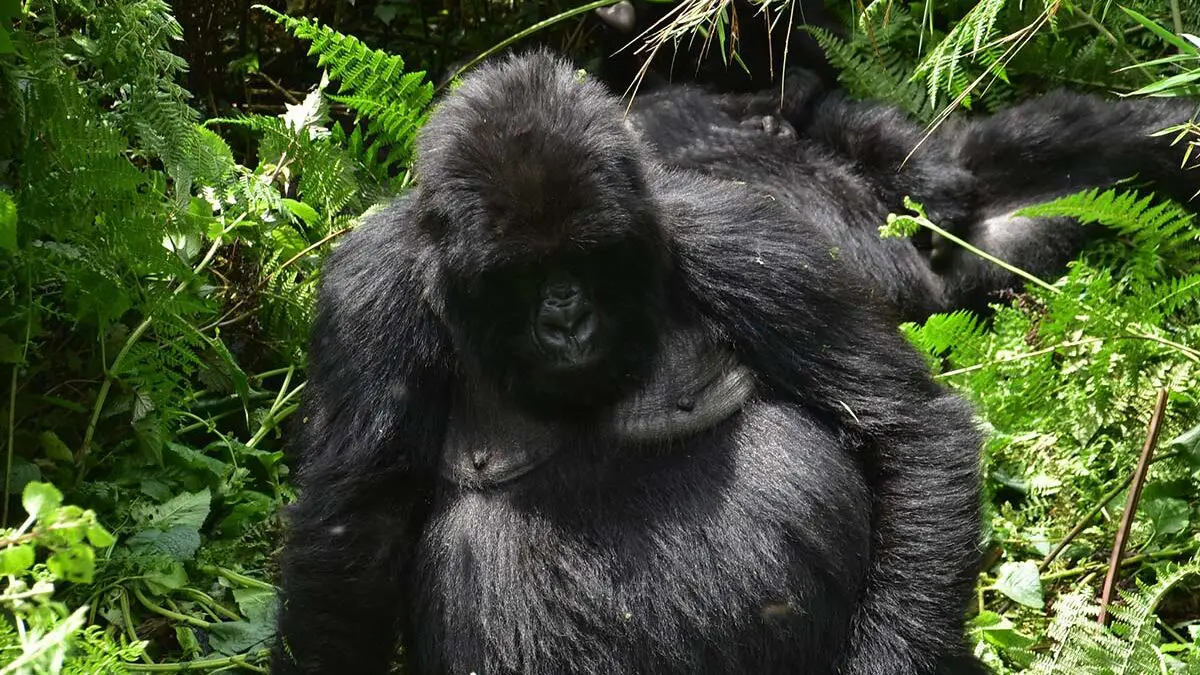
Mountain gorillas do not stay in one fixed place for tourists. They move through Volcanoes National Park as they feed, rest, climb, and travel with their family group. Trackers usually go ahead of the trekking groups and communicate with ranger guides to help locate the gorillas more efficiently. Even with experienced trackers, the final walking time depends on the gorillas’ movement, terrain, weather, and how far the group has to go.
Gorilla Movement
Gorillas move daily, so the walking time changes depending on where the family group is found that morning.
Forest Terrain
Bamboo forest, slopes, mud, vegetation, and altitude can make the walk shorter, slower, easier, or more demanding.
Fitness Level
The walking pace may depend on age, fitness, comfort level, weather, and how the trekking group moves together.
Flexible Day
Travellers should keep the whole trekking day flexible because the forest walk may take longer than expected.
For some travellers, the walking time may feel like part of the reward. The forest is beautiful, and the route can pass through dramatic mountain scenery, bamboo zones, open views, and rich vegetation. Ranger guides often share information about the forest, gorilla conservation, local communities, and signs of wildlife along the way. This makes the walking experience more meaningful and not just a transfer to the gorillas.
Fitness also affects how long the trek feels. A traveller who is used to hiking may find the route comfortable, while another traveller may feel the same walk is demanding because of altitude, mud, slopes, or uneven ground. Hiring a porter, using a walking stick, wearing proper hiking boots, and moving at a steady pace can make the walk easier. This is especially helpful for seniors, photographers, families, and guests carrying camera equipment.
When planning your day, avoid tight afternoon schedules immediately after the trek. Even if your trek ends early, it is better to leave room for rest, lunch, lodge relaxation, or a gentle cultural visit. If the trek takes longer, you will not feel rushed. This flexible approach is one of the best ways to enjoy gorilla trekking in Volcanoes National Park without pressure.
How Long Does Gorilla Trekking Take in Rwanda? The One Hour With Mountain Gorillas
How Long Does Gorilla Trekking Take in Rwanda? The walking time can vary, but once the assigned gorilla family is found, visitors normally spend one regulated hour observing the mountain gorillas in their natural forest habitat.
The Fixed One Hour With Mountain Gorillas
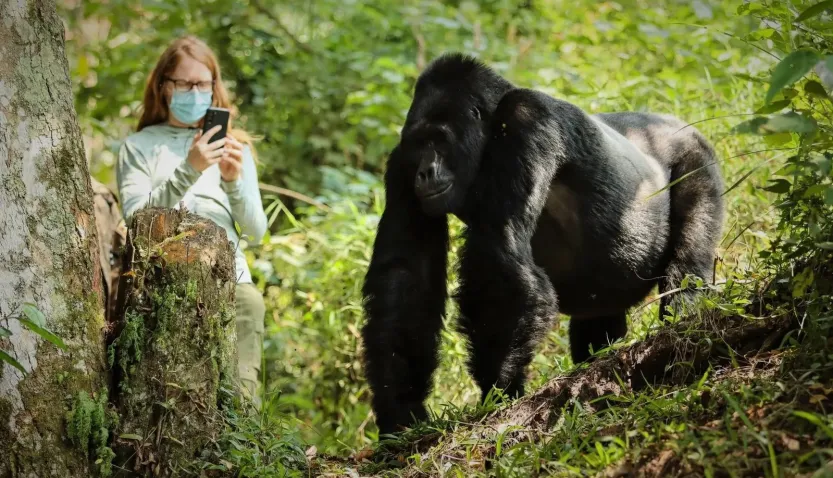
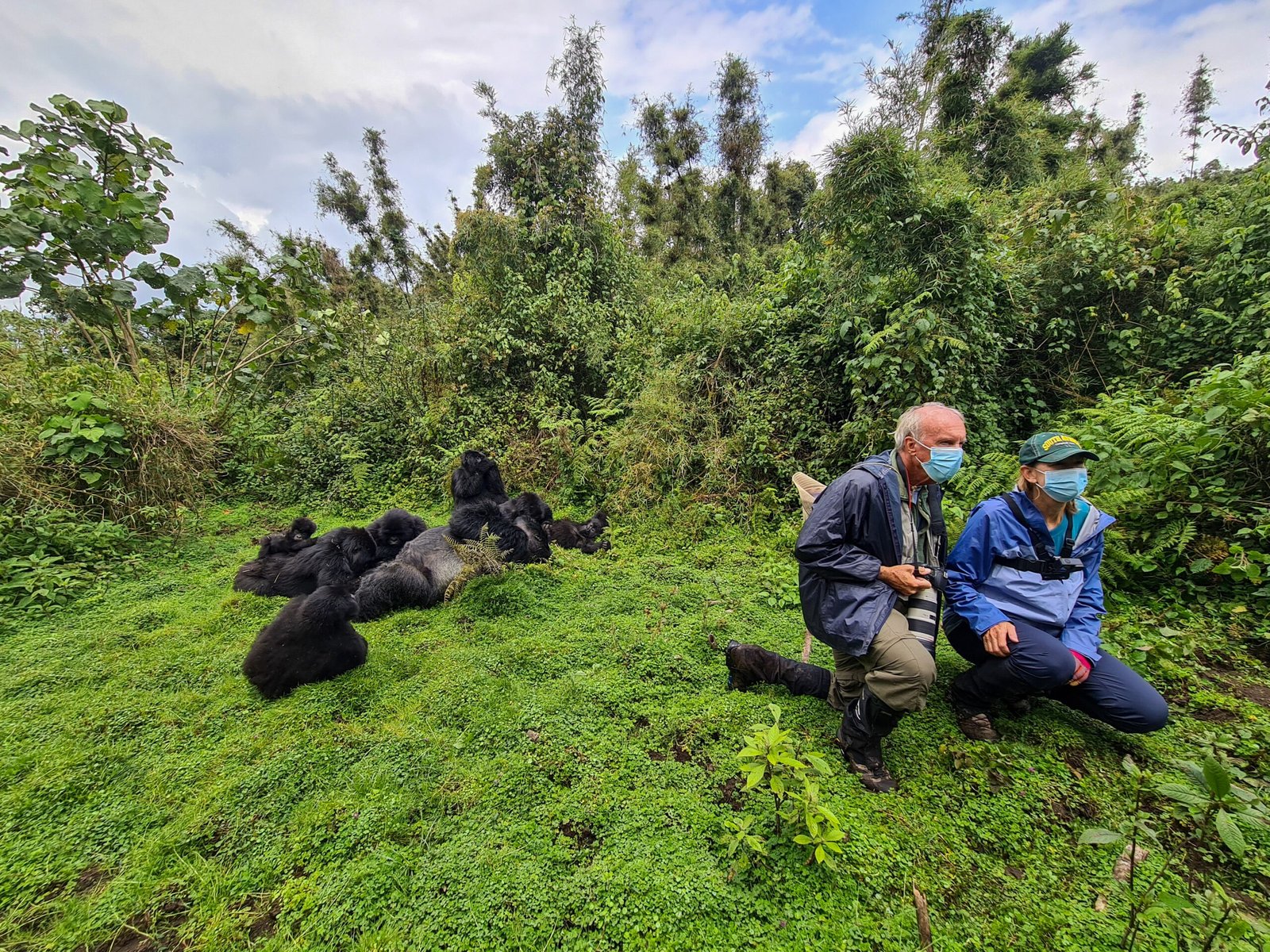
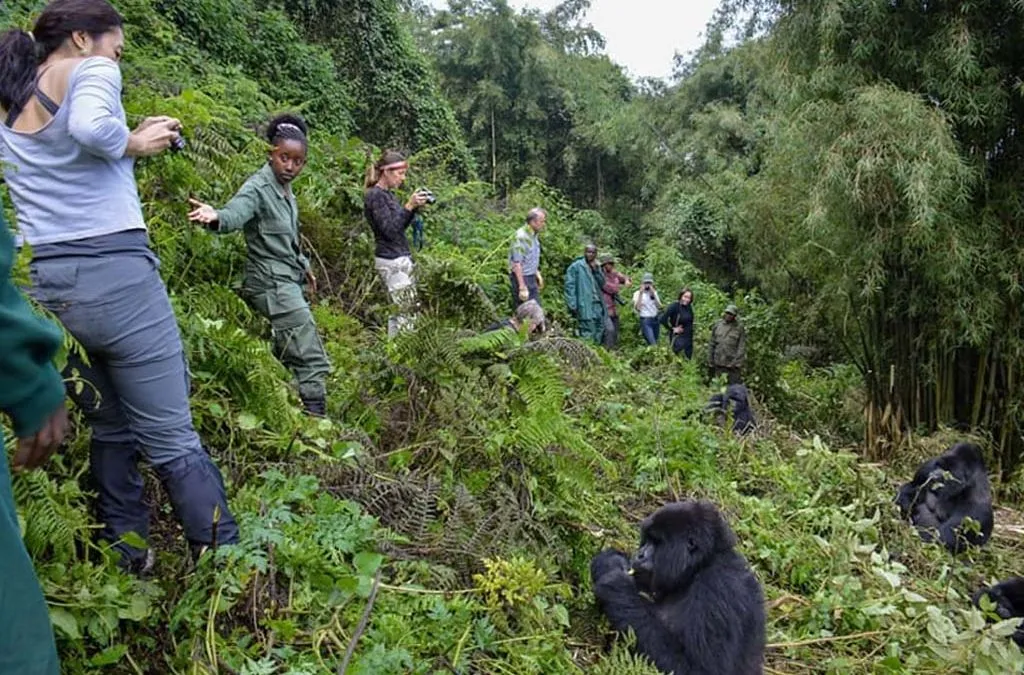
The most predictable part of the Rwanda gorilla trekking experience is the time spent with the gorillas after they are found. While the walk through Volcanoes National Park may take a short or long time, the actual gorilla viewing experience is normally limited to one regulated hour. This hour begins when the ranger guide confirms that the trekking group has reached the assigned gorilla family and is safely positioned for observation.
This one-hour limit is one of the most important rules in gorilla conservation. It helps reduce stress on the gorillas, limits human disturbance, controls daily exposure, and protects the health of the gorilla family. Mountain gorillas are carefully protected, and the viewing time is designed to balance a powerful visitor experience with responsible wildlife protection.
One Hour
Once the gorilla family is found, visitors normally spend one regulated hour watching the mountain gorillas.
Limited Contact
The time limit helps reduce stress, protect gorilla health, and support responsible gorilla tourism in Rwanda.
No Flash
Travellers may take photos, but flash photography is not allowed because it can disturb the gorillas.
Deeply Memorable
Even though it is one hour, many travellers describe it as the most emotional part of their Rwanda safari.
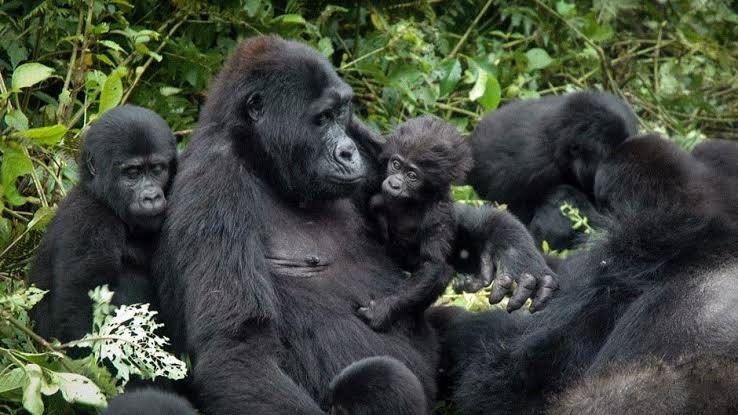
During the one hour, travellers may watch silverbacks resting, mothers feeding, juveniles playing, young gorillas climbing, or family members grooming each other. Sometimes the gorillas may remain in one area, while at other times they may slowly move through the vegetation. The ranger guides help visitors stay calm, keep a respectful distance, avoid sudden movements, and understand the behaviour they are seeing.
Photography is allowed during the encounter, but travellers should prepare their cameras before reaching the gorillas. Flash must be turned off, camera sounds should be reduced where possible, and visitors should avoid blocking other trekkers. The best photos often come from patience rather than movement, because the gorillas may naturally turn, feed, rest, or interact without needing the visitor to move too much.
This hour is also the reason travellers should not measure the value of a gorilla trek only by walking time. A longer hike can still lead to a beautiful encounter, and a shorter hike can still feel powerful because the one hour with the gorillas is carefully protected and deeply personal. For many travellers, this is the moment that makes the whole journey from Kigali to Volcanoes National Park unforgettable.
How Long Does Gorilla Trekking Take in Rwanda? Key Factors That Affect Trek Duration
How Long Does Gorilla Trekking Take in Rwanda? The answer depends on several natural and practical factors, including gorilla movement, forest terrain, weather, altitude, visitor fitness, and the walking pace of the trekking group.
What Affects Gorilla Trekking Duration in Rwanda?
The duration of a gorilla trek in Rwanda is never completely fixed because mountain gorillas live freely inside Volcanoes National Park. They move through the forest each day to feed, rest, interact, and travel as a family. This means one group of travellers may reach the gorillas quickly, while another group may walk longer depending on where the assigned gorilla family is located that morning.
How Long Does Gorilla Trekking Take in Rwanda? It can be shorter when the gorilla family is closer to the trailhead and the terrain is easier. It can take longer when the gorillas are deeper in the forest, when trails are muddy, when vegetation is thick, or when the trekking group needs to move at a slower pace. This is why travellers should prepare for a flexible experience rather than expecting an exact fixed time.
Gorilla Family Location
The biggest factor is where the assigned gorilla family is found on the trekking day. Some families may be closer, while others may move deeper into the forest.
Weather and Mud
Rain, wet trails, mud, and slippery sections can slow the walking pace and make the forest route more demanding.
Forest Terrain
Bamboo zones, volcanic slopes, uneven ground, farmland edges, and thick vegetation can all affect how quickly the group moves.
Altitude
The altitude around Volcanoes National Park can make the trek feel more tiring for some travellers, especially on steeper sections.
Fitness Level
Age, walking ability, health, stamina, and confidence on forest trails can influence how long the trek feels for each traveller.
Group Pace
Ranger guides manage the group pace carefully, so the walking speed may depend on the comfort and ability of the full trekking group.
Trackers help reduce unnecessary walking by locating signs of the gorillas and communicating with ranger guides. However, the forest is still natural, and the gorillas are not waiting in one fixed place. This is part of what makes Rwanda gorilla trekking feel authentic, adventurous, and rewarding.
Good preparation can make the duration easier to handle. Travellers should wear proper hiking boots, carry water, bring a light rain jacket, use a walking stick, and consider hiring a porter. A porter can carry your bag, support you on steep or muddy sections, and make a longer trek feel much more comfortable.
How Long Does Gorilla Trekking Take in Rwanda? The best answer is that visitors should prepare for a flexible half-day or full-day experience. Even if the trek is shorter, the morning briefing, forest walking, one hour with the gorillas, and return walk all form part of the complete trekking day.
FAQs About How Long Does Gorilla Trekking Take in Rwanda?
These FAQs answer How Long Does Gorilla Trekking Take in Rwanda? with practical guidance on briefing time, walking distance, one hour with gorillas, trek difficulty, fitness, porters, weather, and safari planning.
How Long Does Gorilla Trekking Take in Rwanda? Gorilla trekking in Rwanda can take a few hours or most of the day depending on gorilla family location, walking pace, terrain, weather, mud, altitude, and forest conditions. The complete experience includes briefing, permit checks, group allocation, forest walking, one regulated hour with the gorillas, and the return walk.
A shorter Rwanda gorilla trek may take around 2 to 3 hours when the assigned gorilla family is closer to the trailhead and forest conditions are favourable. However, travellers should not expect a short trek because mountain gorillas move naturally every day inside Volcanoes National Park.
Yes, gorilla trekking in Rwanda can take most of the day if the gorilla family has moved deeper into the forest, if the terrain is muddy, or if the trekking group moves at a slower pace. Travellers should keep the day flexible and avoid tight afternoon plans after the trek.
Once the gorilla family is found, visitors normally spend one regulated hour with the mountain gorillas. This one-hour limit helps protect the gorillas, reduce stress, limit human exposure, and support responsible Rwanda gorilla trekking tourism.
The morning briefing and group allocation can take some time before travellers enter the forest. Visitors arrive early at Kinigi Park Headquarters for permit verification, ranger instructions, safety rules, conservation guidance, and assignment to gorilla families before heading to the trailhead.
The duration varies because mountain gorillas move daily through the forest. Trekking time also depends on the assigned gorilla family location, trail conditions, weather, mud, altitude, vegetation, visitor fitness, and the walking pace of the group.
How Long Does Gorilla Trekking Take in Rwanda if the gorillas are nearby? If the assigned gorilla family is close to the trailhead, the forest walk may be shorter and the overall trek may finish earlier. Even then, visitors still need time for briefing, group allocation, the one-hour encounter, and the return walk.
How Long Does Gorilla Trekking Take in Rwanda if the gorillas are far? If the gorilla family has moved deeper into the forest, the trek may take several hours or most of the day. This can happen when gorillas travel farther while feeding, resting, or moving through the volcanic forest.
Gorilla trekking in Rwanda can be moderate or challenging depending on the route, mud, altitude, slope, and walking time. Some visitors find the trek manageable, while others may find it demanding. Good hiking boots, a walking stick, a porter, and steady pacing make the experience easier.
Yes, hiring a porter is highly recommended, especially if the trek becomes longer than expected. A porter can carry your bag, help on muddy or steep sections, support senior travellers, assist photographers, and make the overall trekking experience more comfortable.
You can plan a relaxed activity after gorilla trekking, but it is better not to schedule anything too tight. Some travellers return early and can enjoy lodge relaxation, a gentle cultural visit, or a scenic transfer, while others may return later if the trek takes longer.
Yes, rain can affect gorilla trekking duration because trails may become muddy, slippery, and slower. Travellers should carry a light rain jacket, wear proper hiking boots, use a walking stick, and prepare for changing weather inside Volcanoes National Park.
Rwanda is often considered more accessible because Volcanoes National Park is closer to Kigali than many Uganda gorilla trekking routes are to Entebbe. However, the actual trekking duration still depends on gorilla movement, forest terrain, weather, and the assigned gorilla family location on the trekking day.
Carry water, packed snacks or lunch if advised, a rain jacket, camera, insect repellent, gloves, a walking stick, and a small daypack. Wear hiking boots, long trousers, and long sleeves. If the trek becomes longer, these items make the experience much more comfortable.
Prepare by keeping the full trekking day flexible, wearing proper hiking gear, using a walking stick, carrying water, hiring a porter, and being honest about your fitness level during group allocation. This helps make the trek safer, smoother, and more enjoyable whether the walk is short or long.