
How Many People Are Allowed on a Rwanda Gorilla Trek?
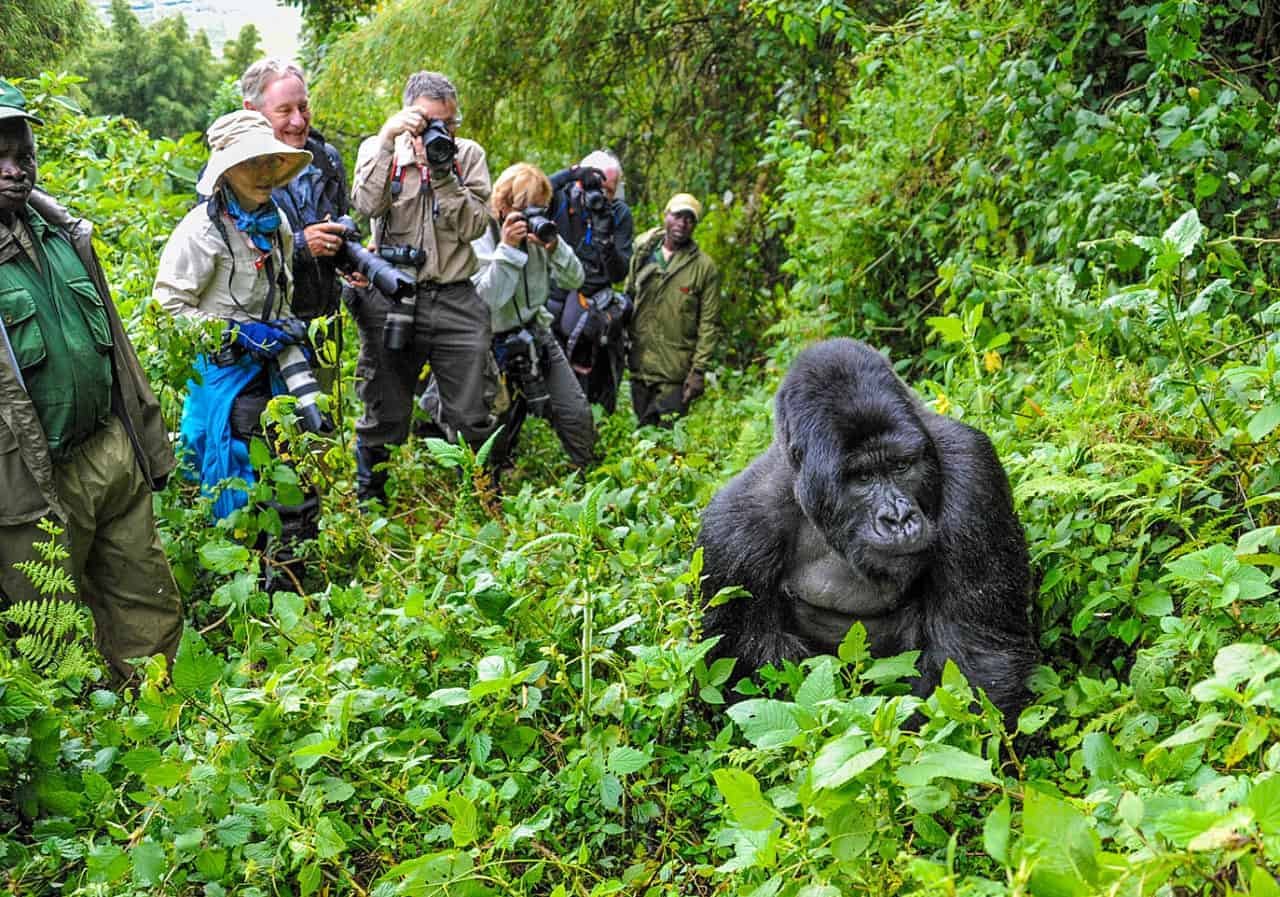
How Many People Are Allowed on a Rwanda Gorilla Trek? This is an important question for travellers planning a gorilla safari in Volcanoes National Park because Rwanda keeps gorilla trekking groups small, controlled, and carefully managed. Small group limits help protect mountain gorillas, reduce pressure on each gorilla family, improve ranger guidance, and create a calmer viewing experience for visitors.
During Rwanda gorilla trekking, visitors are assigned to a specific habituated gorilla family after the morning briefing. The allocation process is handled by park authorities and ranger guides, who consider permit availability, gorilla family location, walking ability, age, fitness level, and the general comfort of the group. This helps each trek feel organised, safe, and suitable for different travellers.
The group size matters because gorilla trekking is not a normal wildlife activity where many visitors can gather at once. Mountain gorillas live in sensitive forest habitats, and every visitor group must be guided carefully. A smaller group makes it easier for rangers to manage distance, explain behaviour, control movement, and protect the gorillas during the one-hour encounter.
How Many People Are Allowed on a Rwanda Gorilla Trek? The answer is closely connected to several other planning questions. Travellers should also understand how long gorilla trekking takes in Rwanda, because walking time can vary depending on the location of the assigned gorilla family. It is also useful to know how close you can get to gorillas in Rwanda, because distance rules and group control are part of the same conservation system.
This page explains how Rwanda gorilla trekking group size works, why visitor numbers are limited, how group allocation is done at Kinigi Park Headquarters, whether private gorilla trekking can be requested, and what group size means for families, couples, photographers, seniors, and travellers who want a smoother experience in Volcanoes National Park gorilla trekking.
How Many People Are Allowed on a Rwanda Gorilla Trek? The Standard Group Size
How Many People Are Allowed on a Rwanda Gorilla Trek? Rwanda gorilla trekking is carefully controlled, with a limited number of visitors assigned to each habituated gorilla family per day.
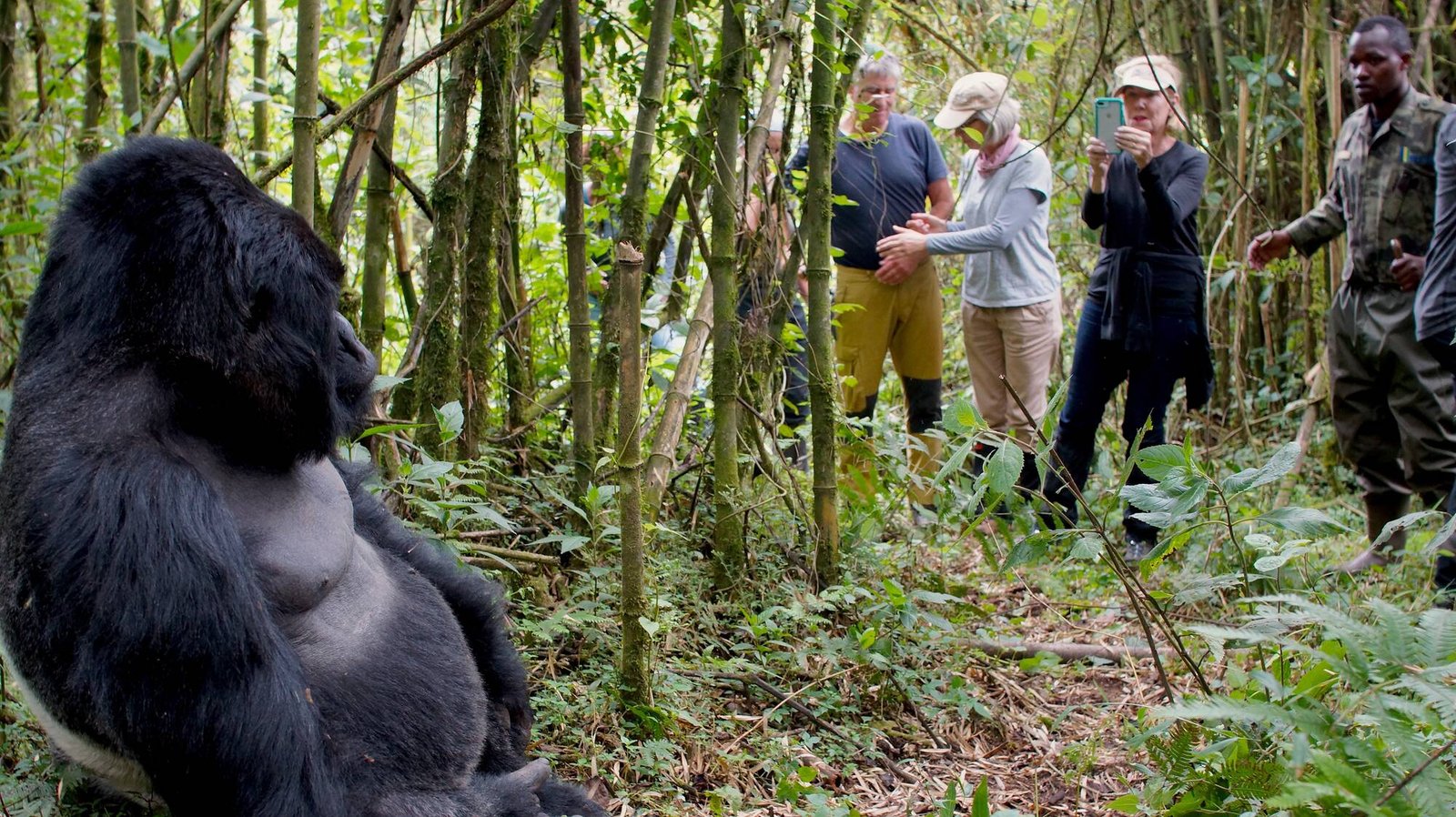
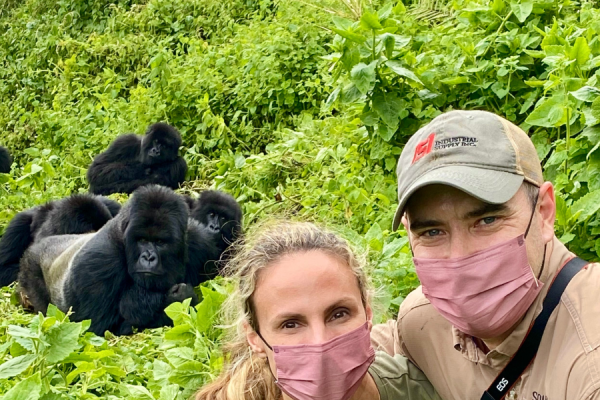
The Standard Group Size for Rwanda Gorilla Trekking
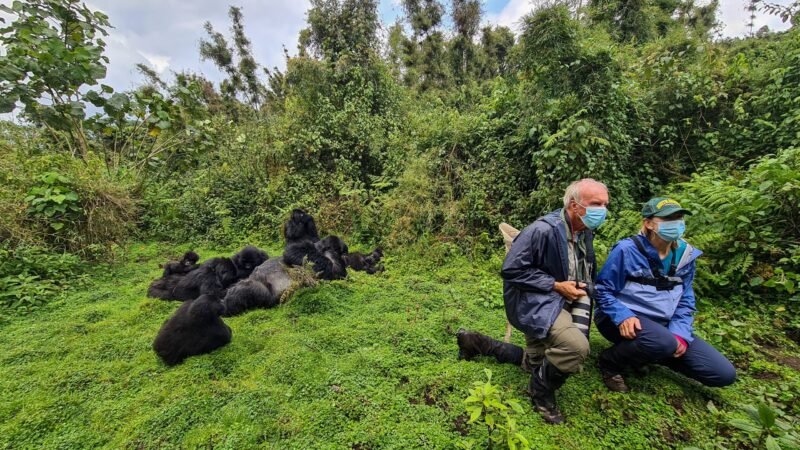
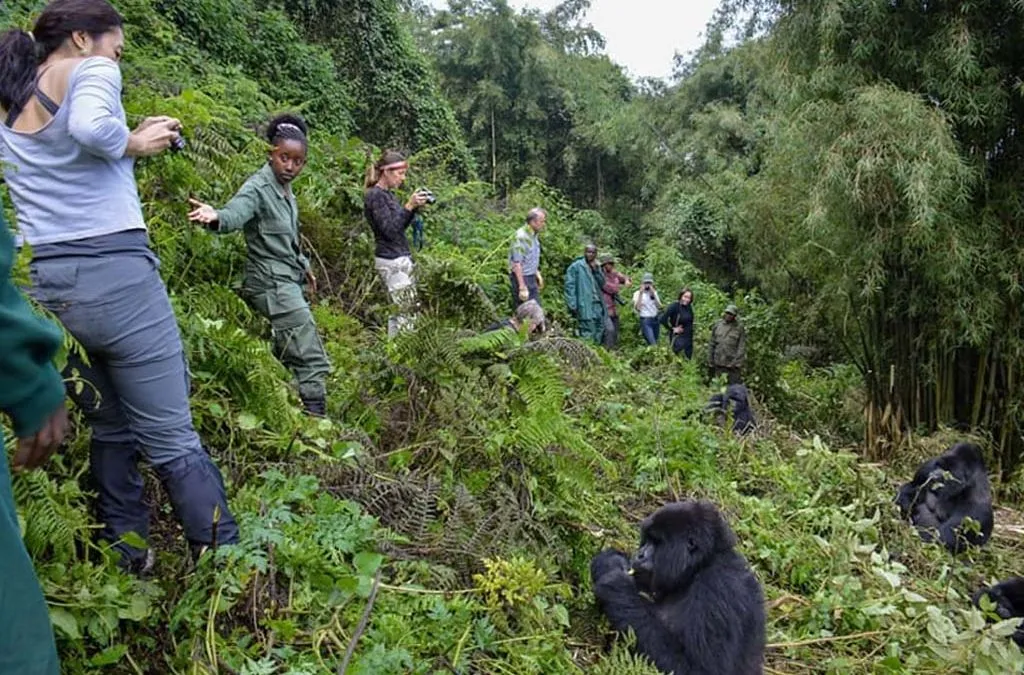
The standard group size for Rwanda gorilla trekking is normally limited to 8 visitors per habituated gorilla family per day. This means that once a gorilla family has been assigned to a trekking group, only a small number of travellers are allowed to visit that family during the one-hour viewing experience. This system helps protect the gorillas and keeps the encounter organised.
How Many People Are Allowed on a Rwanda Gorilla Trek? The normal answer is 8 visitors per gorilla family, but the final group allocation is handled during the morning briefing. Visitors are grouped by park authorities and ranger guides based on the available gorilla families, permit bookings, walking ability, age, fitness level, and the location of the gorillas on that day.
8 Visitors
Rwanda normally allows 8 visitors to trek one habituated gorilla family per day under ranger guidance.
One Family
Each trekking group is assigned to one gorilla family after the morning briefing and permit verification.
One Hour
Once the gorillas are found, visitors normally spend one regulated hour observing the family.
Better Control
Smaller groups help rangers manage distance, safety, movement, photography, and visitor behaviour.
The small group limit is important because gorilla trekking takes place in a sensitive forest environment. A large crowd would increase noise, movement, disease risk, and pressure around the gorilla family. With fewer people, the ranger guide can position visitors more carefully, explain gorilla behaviour, manage the viewing distance, and keep the encounter calm.
This group size also improves the visitor experience. A smaller trekking group gives travellers more space to listen to the ranger, observe the gorillas clearly, take photographs responsibly, and enjoy the one-hour encounter without feeling crowded. It also supports the same conservation principles explained in the page about how close you can get to gorillas in Rwanda.
Travellers should also remember that the number of people in a group does not determine how long the trek will take. Trekking duration depends more on the location of the gorilla family, forest terrain, weather, and group walking pace. For this reason, it is helpful to also understand how long gorilla trekking takes in Rwanda before planning transfers, lodge activities, or onward safari arrangements.
How Many People Are Allowed on a Rwanda Gorilla Trek? Why Group Size Is Limited
How Many People Are Allowed on a Rwanda Gorilla Trek? Rwanda limits gorilla trekking group size to protect mountain gorillas, reduce visitor pressure, improve ranger control, and create a calmer forest experience.
Why Rwanda Keeps Gorilla Trekking Groups Small
Rwanda limits gorilla trekking group size because mountain gorillas are highly protected, sensitive, and carefully managed for conservation. A gorilla trek is not designed for large crowds or uncontrolled viewing. Instead, each trekking group is kept small so that ranger guides can manage visitor movement, maintain respectful distance, reduce noise, and protect the natural behaviour of the gorilla family.
The small group system is one of the reasons Rwanda gorilla trekking feels organised, personal, and meaningful. When fewer visitors are present, the encounter becomes calmer for the gorillas and more enjoyable for travellers. Visitors can listen better, follow ranger instructions more easily, take photographs responsibly, and observe the gorillas without the pressure of a large crowd.
Gorilla Health
Smaller groups reduce close human exposure and help lower health risks for mountain gorillas during daily tourism visits.
Less Stress
Fewer people means less noise, less movement, and a calmer environment around the gorilla family.
Better Control
Rangers can manage distance, photography, behaviour, and movement more effectively when the group is small.
Better Viewing
Small groups give visitors more space, clearer views, better listening, and a more personal gorilla encounter.
Conservation
Group limits support the long-term protection of mountain gorillas and the future of Rwanda gorilla tourism.
How Many People Are Allowed on a Rwanda Gorilla Trek? The answer matters because every visitor adds movement, sound, scent, and presence to the forest. By limiting the number of visitors per gorilla family, Rwanda reduces pressure on the gorillas while still allowing travellers to enjoy one of Africa’s most powerful wildlife experiences. This balance between tourism and protection is central to gorilla conservation.
Small groups also make it easier to follow important trekking rules. Rangers can guide visitors on how close you can get to gorillas in Rwanda, where to stand, when to move, how to behave, and how to respond if a gorilla comes closer. This creates a safer and more respectful encounter for everyone.
The controlled group system is also connected to trekking duration. A smaller group can move more steadily, but the actual trek length still depends on gorilla location, terrain, weather, and walking pace. Travellers should therefore understand how long gorilla trekking takes in Rwanda when planning lodge check-out, lunch, transfers, or onward safari activities.
Limiting group size also improves the emotional quality of the experience. Instead of feeling crowded, rushed, or noisy, travellers can focus on watching the silverback, mothers, infants, juveniles, and the natural rhythm of the gorilla family. This is especially useful for photographers, seniors, couples, families, and first-time visitors who want a more comfortable and well-guided trek.
FAQs About How Many People Are Allowed on a Rwanda Gorilla Trek?
These FAQs answer How Many People Are Allowed on a Rwanda Gorilla Trek? with practical details about group size, permit limits, family allocation, private trekking requests, safety, conservation, and planning advice.
How Many People Are Allowed on a Rwanda Gorilla Trek? Rwanda normally allows 8 visitors per habituated gorilla family per day. This small group system helps protect mountain gorillas, reduce visitor pressure, improve ranger control, and create a more peaceful one-hour gorilla viewing experience.
Rwanda limits gorilla trekking groups to protect gorilla health, reduce stress, control movement, and keep each encounter calm. Smaller groups also allow ranger guides to manage distance, photography, safety, and visitor behaviour more effectively during Rwanda gorilla trekking.
How Many People Are Allowed on a Rwanda Gorilla Trek per gorilla family? The standard limit is normally 8 visitors for one habituated gorilla family per day. Each group is assigned to one gorilla family after the morning briefing and permit verification.
Yes, every eligible visitor with a gorilla permit is counted as part of the trekking group. Rwanda gorilla trekking has age restrictions, so only travellers who meet the trekking age requirement can join the group and visit the assigned gorilla family.
If your travelling party is larger than the standard group limit, it may need to be split across different trekking groups or gorilla families, depending on permit availability and park allocation. This is why larger families, incentive groups, and private groups should plan early.
Group allocation is usually done after visitors arrive for registration, permit checks, and briefing. Park authorities and ranger guides consider gorilla family location, walking ability, fitness, age, and available permits before assigning visitors to a gorilla family.
How Many People Are Allowed on a Rwanda Gorilla Trek during the one-hour encounter? The same small trekking group assigned to the gorilla family remains together for the encounter. Once the gorillas are found, visitors normally spend one regulated hour observing them under ranger guidance.
Group size can affect movement and coordination, but trekking duration depends more on the gorilla family location, forest terrain, weather, altitude, and walking pace. Travellers should also understand how long gorilla trekking takes in Rwanda before planning afternoon activities.
Travellers can politely mention fitness level, age, walking concerns, or special needs during allocation. While no specific gorilla family can always be guaranteed, ranger teams normally try to consider visitor comfort and walking ability when assigning trekking groups.
Couples and families can usually trek together if the group size, permits, and allocation allow. However, if a family or private party is larger than the standard limit, the group may need to be divided across different gorilla families or trekking groups.
A private or more exclusive Rwanda gorilla trekking arrangement may be requested, but it depends on permit availability, group size, logistics, and advance planning. Travellers who want more privacy should plan early and work with a safari operator to check realistic options.
Smaller groups make photography easier because there is less crowding, less movement, and more space to follow ranger guidance. Visitors should still respect distance rules and avoid moving closer for a photo, as explained in the guide on how close you can get to gorillas in Rwanda.
How Many People Are Allowed on a Rwanda Gorilla Trek in peak season? The group limit per gorilla family remains controlled even when demand is high. Peak season mainly affects permit availability, so travellers should book early to secure preferred dates.
Rwanda gorilla permits should be booked early because visitor numbers are limited per gorilla family per day. Early booking gives travellers a better chance of securing preferred dates, especially for couples, families, photographers, senior travellers, and luxury safari guests.
How Many People Are Allowed on a Rwanda Gorilla Trek if your group wants privacy? The standard gorilla family limit still applies, but private-style arrangements may be explored depending on permits, availability, and logistics. Travellers seeking privacy should plan well in advance and request guidance before confirming travel dates.