
What Should I Pack for a Rwanda Safari? Essential Packing Guide
What should I pack for a Rwanda safari? Start with comfortable clothing you can layer, sturdy footwear, a waterproof jacket, sun protection and a small daypack. Add your travel documents, personal medication, charging equipment and a camera or binoculars according to your interests. The right packing list should match your itinerary, whether you are preparing for gorilla trekking in Rwanda, wildlife viewing in Akagera National Park, forest activities in Nyungwe or time beside Lake Kivu.
A well-planned Rwanda safari can bring together several different environments, so packing only for warm weather can leave you uncomfortable during parts of the journey. Think about an early departure from your lodge, a forest walk, an afternoon in the safari vehicle and a relaxed evening after the day’s activities. Lightweight clothing, a warm fleece and a rain jacket give you options without filling your suitcase with bulky outfits. Choose pieces that work together and that you can comfortably wear more than once.
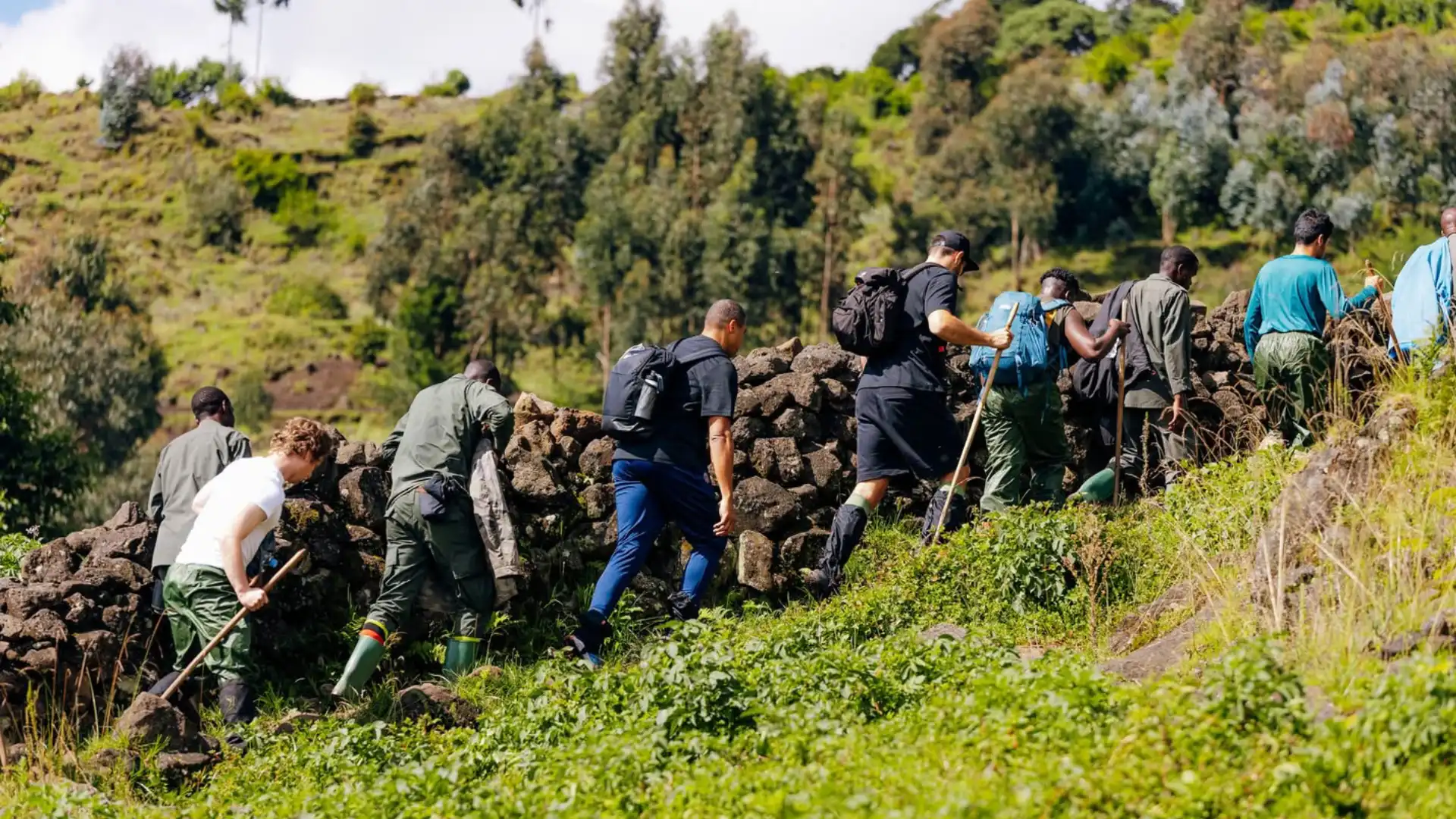
If your itinerary includes gorilla trekking, give particular attention to your shoes and rain protection. Forest trails can involve mud, uneven ground and steep sections, making sturdy hiking boots and waterproof equipment especially useful. Gloves, a reusable water bottle and protection for your camera also deserve space in your daypack. These are among the practical items recommended in this gorilla trekking packing guide.
For the rest of your journey, pack around the activities you have actually booked. Comfortable clothing and accessible camera equipment suit days spent exploring by vehicle, while walking shoes are useful for city visits. If your accommodation has a swimming pool you intend to use, include swimwear. Before adding extra clothing or equipment, ask your safari organiser about laundry services and anything your lodge provides for trekking.
When considering “What should I pack for a Rwanda safari?”, focus on what will keep you comfortable throughout your particular trip. A short gorilla safari needs a different balance of clothing and equipment from a longer holiday combining forests, wildlife parks and lakeside stays. Sharing your route and planned activities when planning your Rwanda safari makes it easier to prepare a useful packing list and leave unnecessary items at home.
What Should I Pack for a Rwanda Safari? Essential Packing List
| Item | Why You Need It |
|---|---|
| Lightweight shirts and long trousers | Breathable clothing helps you move comfortably throughout your safari. Long sleeves and trousers are useful for forest walks in Nyungwe Forest and during gorilla trekking in Rwanda. Quick-drying fabrics also make washing and rewearing clothes easier. |
| A warm fleece or sweater | An extra layer helps you stay comfortable during early departures, cool evenings and stays around mountain and forest regions such as Volcanoes National Park. Choose something you can easily remove and carry as the day warms up. |
| A waterproof rain jacket | A lightweight waterproof jacket helps keep you dry during outdoor activities. Choose one that fits inside your daypack and keep it accessible during forest walks rather than leaving it in your main suitcase. |
| Sturdy hiking boots | Comfortable boots with good grip are especially useful for muddy, steep and uneven trails during Rwanda gorilla trekking. Wear them before your trip to check their fit and reduce the chance of blisters. |
| Comfortable walking shoes | A lighter pair is useful for Kigali sightseeing, road transfers and relaxing at your lodge. Having a second pair also allows your hiking boots to dry after a wet or muddy trek. |
| Comfortable socks and underwear | Bring enough for your itinerary and planned laundry stops. Comfortable socks help reduce rubbing inside your shoes, while a spare dry pair is useful after forest trekking. |
| Trekking gloves | Lightweight, durable gloves can help protect your hands during gorilla trekking. They are particularly useful when navigating vegetation or using a walking stick on forest trails. |
| A sun hat, sunglasses and sunscreen | These help protect you from sun exposure during game drives in Akagera National Park, scenic stops and time outdoors beside Lake Kivu. Keep them within reach during the day. |
| Insect repellent | Repellent helps reduce insect bites during outdoor activities. Choose a product suitable for you, use it according to its instructions and keep it accessible with your other daily essentials. |
| A small daypack with rain protection | A comfortable daypack keeps your water, rain jacket, camera and personal items together during excursions. A rain cover or reusable waterproof pouch helps protect belongings from moisture. |
| A reusable water bottle | A bottle that is easy to carry helps you keep drinking water available during activities and transfers. Refill it with safe drinking water and ask your guide about water arrangements before setting out. |
| A camera and binoculars | A camera or smartphone lets you record your journey, while binoculars help you observe distant wildlife and birds during Akagera wildlife safaris. Pack protective covers and enough memory storage for your photographs. |
| Chargers, a travel adapter and a power bank | These help keep your phone, camera and other devices charged. Bring the correct cables and an adapter compatible with your accommodation’s sockets. Check your airline’s current rules for carrying power banks before flying. |
| Travel documents and booking details | Keep your passport, applicable entry documents, insurance information and safari confirmations organised. Save accessible offline copies of important details, and confirm which activity booking documents you need when planning your Rwanda safari. |
| Personal medication and a small first-aid kit | Bring your regular medication in its labelled packaging, together with basic supplies such as plasters and blister dressings. Keep essential medication in your hand luggage so it remains accessible during your journey. |
| Swimwear and comfortable lodge clothing | Include swimwear if you plan to use your lodge’s swimming pool. A simple change of clothes helps you relax comfortably after outdoor activities, especially while your trekking clothing dries. |
What Should I Pack for a Rwanda Safari? Clothing for Different Activities
The best answer to “What should I pack for a Rwanda safari?” depends on how you will spend your days. Forest trekking, game drives, city visits and lodge stays each call for slightly different clothing. Choose a small collection of comfortable pieces that you can combine, layer and rewear throughout your Rwanda safari.
What Should I Pack for a Rwanda Safari? During Gorilla Trekking in Rwanda
For gorilla trekking in Rwanda, choose long trousers and a breathable, long-sleeved shirt that allow you to bend, step uphill and move comfortably. Clothing that covers your arms and legs is useful when walking through vegetation. Sturdy hiking boots, waterproof clothing and gloves are among the practical essentials recommended for gorilla trekking, where trails can involve steep slopes, mud and uneven ground.
Try your trekking outfit before travelling, especially your boots and socks. Trousers should allow you to lift your knees without pulling tightly, and your footwear should feel comfortable on a longer walk. Pack a light fleece for the start of the day and keep your rain jacket in your daypack. After returning from Volcanoes National Park, having dry socks and a clean change of clothes ready makes the rest of your afternoon more comfortable.
Packing summary
- Long trousers and a breathable, long-sleeved shirt
- Comfortable hiking boots and trekking socks
- A light fleece and waterproof rain jacket
- Durable trekking gloves
- Dry socks and a clean outfit for afterwards
What Should I Pack for a Rwanda Safari? During Game Drives in Akagera National Park
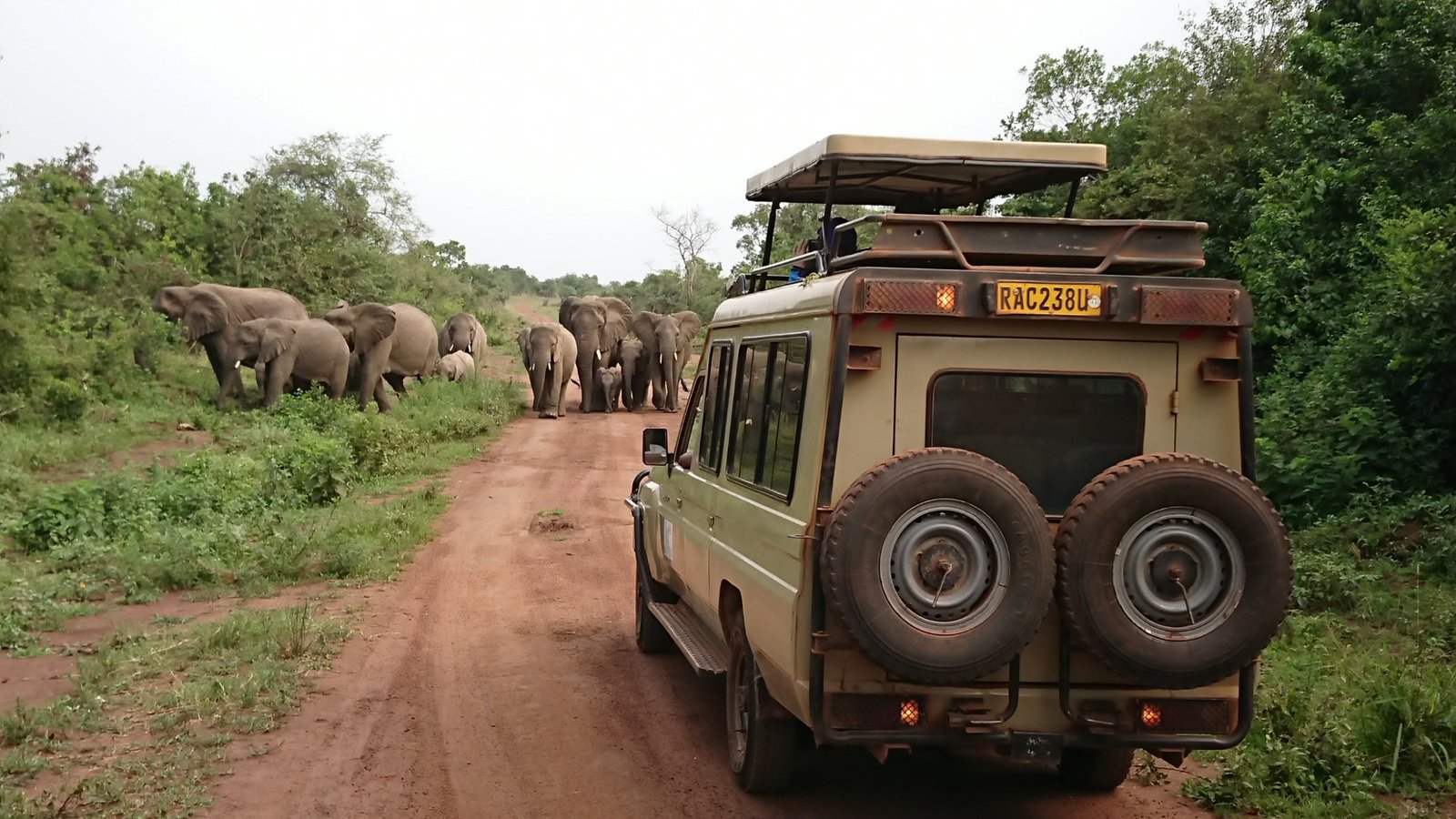
For game drives in Akagera National Park, prioritise clothing that remains comfortable while sitting in the safari vehicle and getting in and out at permitted stops. Lightweight trousers, a breathable shirt and comfortable closed shoes make a practical combination. Muted colours such as khaki, olive and beige are easy to combine into several outfits. Choose a waistband and shirt fit that remain comfortable during a full day of travelling and wildlife viewing.
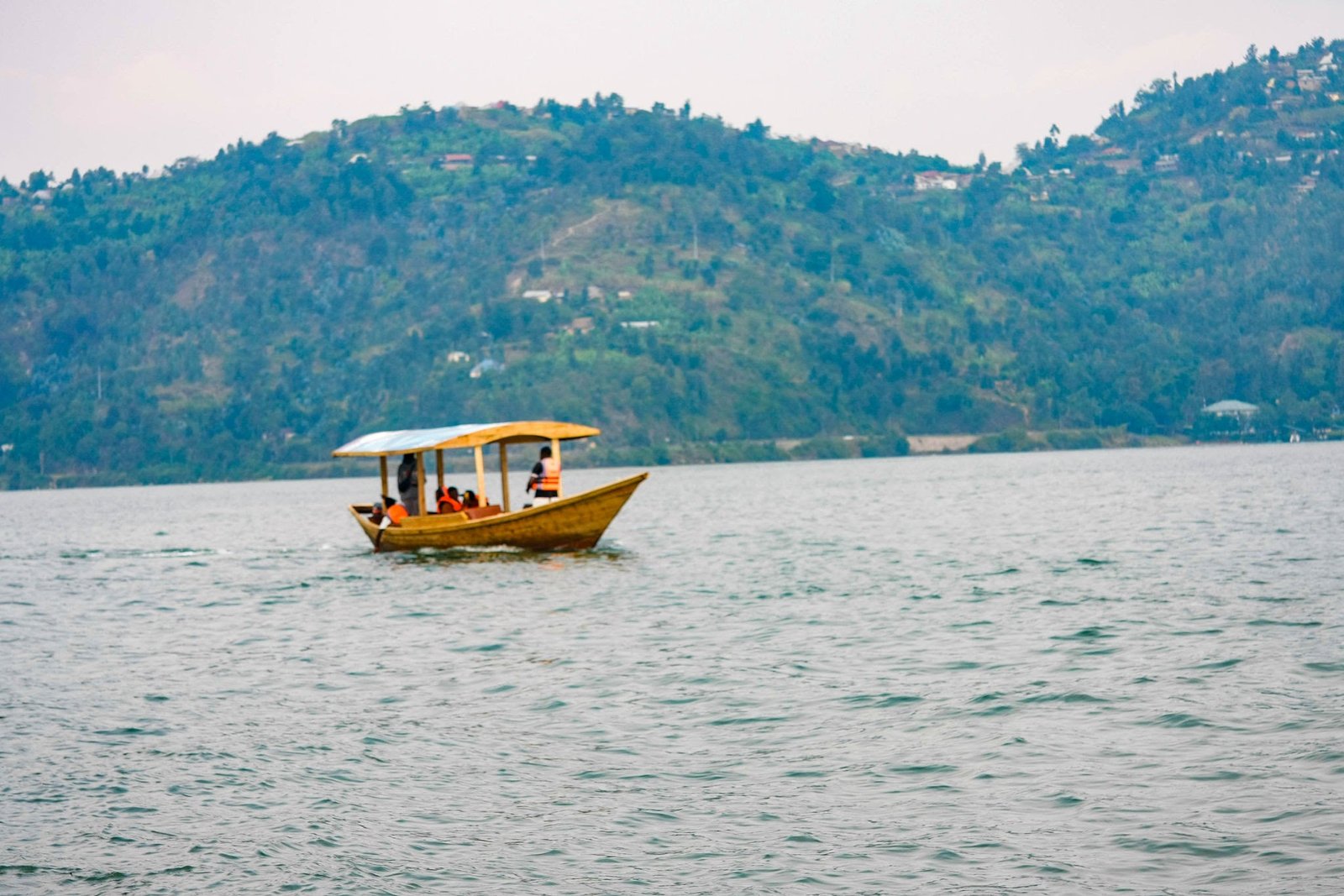
Keep a light jacket or fleece accessible for an early departure, then remove it as conditions warm up. A secure sun hat and sunglasses are useful when spending time outdoors, alongside sunscreen. Avoid carrying every accessory in your pockets; a small bag keeps your camera, water and spare layer together. If your itinerary includes a boat excursion, choose comfortable clothing you can layer and a hat that will stay in place in a breeze.
Packing summary
- Lightweight trousers and a breathable shirt
- Comfortable closed shoes
- A light jacket or fleece for early departures
- A secure sun hat, sunglasses and sunscreen
- A small bag for your water, camera and spare layer
What Should I Pack for a Rwanda Safari? During Nyungwe Forest Activities
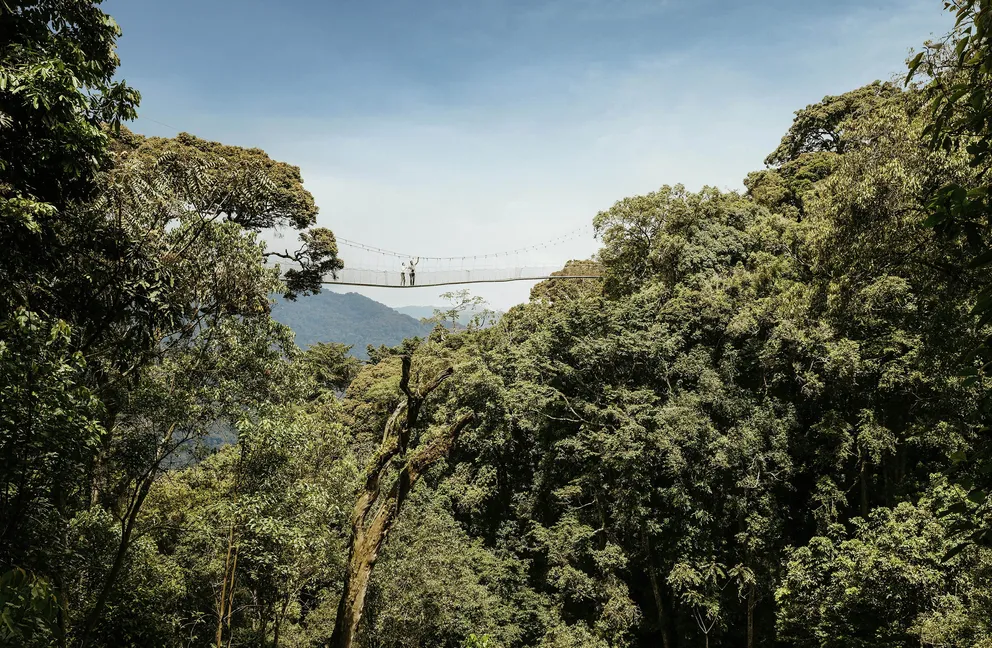
Activities in Nyungwe Forest include chimpanzee trekking, forest hikes and the canopy walk, so prepare for walking as well as wildlife viewing. Long trousers, a breathable top and supportive footwear with good grip form a useful starting outfit. Your clothing should let you move freely over changing terrain, and your rain jacket should be easy to reach when needed.
For chimpanzee trekking, choose layers that you can adjust while walking. A heavy outfit may become uncomfortable once you are moving, so a light base layer with a removable fleece is a more flexible choice. Quick-drying trousers are also practical if clothing becomes damp. Keep spare socks and a dry top available for afterwards, and protect your phone or camera inside a reusable waterproof pouch. Much of the clothing you bring for gorilla trekking can serve you here too.
Packing summary
- Quick-drying long trousers and a breathable top
- Supportive footwear with good grip
- A removable fleece and rain jacket
- A reusable waterproof pouch for electronics
- Spare socks and a dry top for afterwards
What Should I Pack for a Rwanda Safari? During Kigali Visits and Safari Lodge Stays
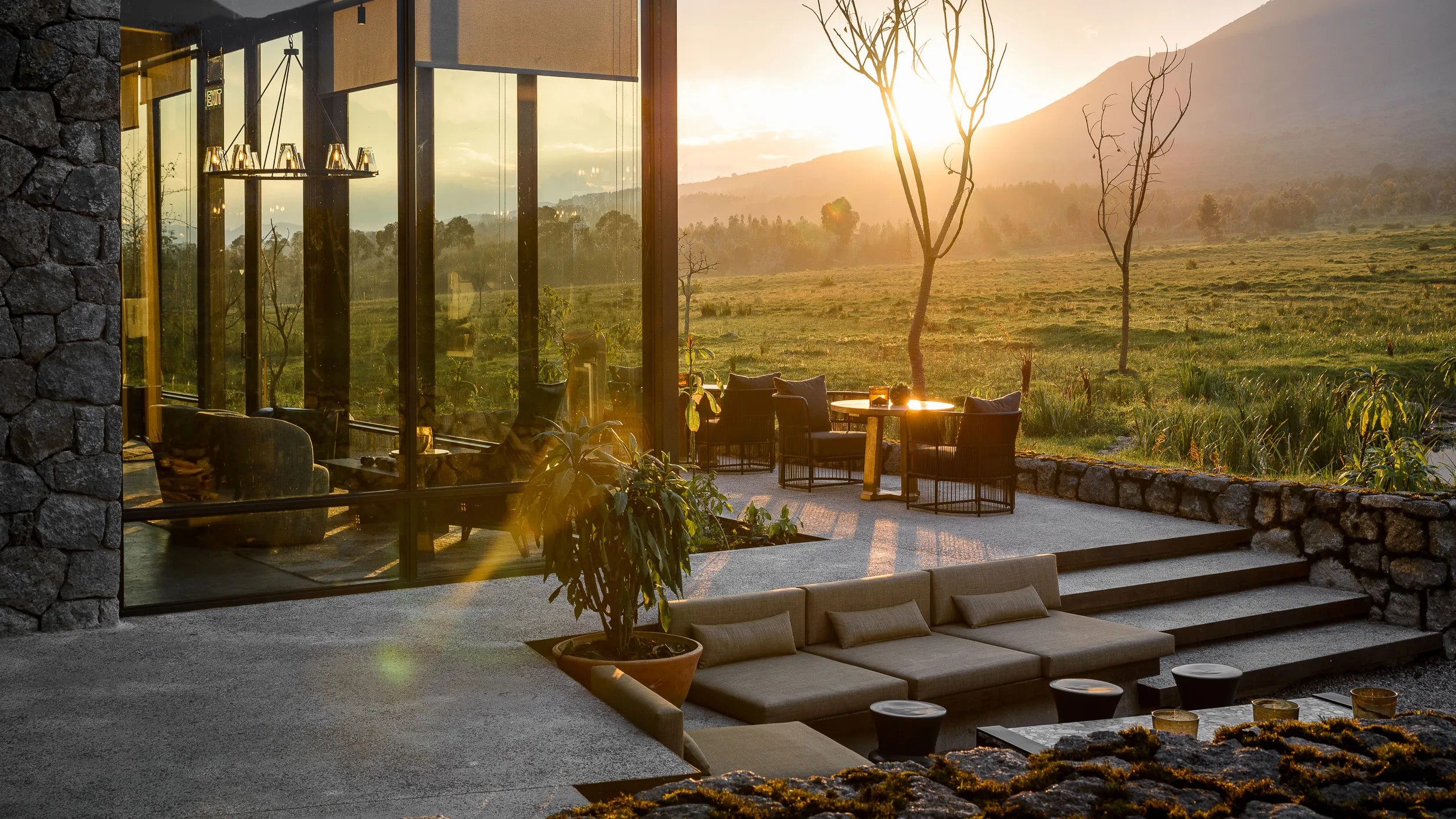
For Kigali sightseeing and time at your accommodation, pack comfortable everyday clothing that feels fresh after your outdoor activities. Lightweight trousers, a casual shirt or blouse, and comfortable walking shoes are useful choices for city visits. When visiting a memorial or cultural site, choose modest clothing appropriate to the setting. An outfit with covered shoulders and trousers or a longer skirt is a considerate option.
For lodge evenings, a clean casual outfit and a light sweater will cover many situations. If you are staying at one of Rwanda’s luxury lodges, ask about any dining dress expectations before packing formal clothing. Include swimwear if your accommodation has a pool you intend to use, and check whether laundry is available during your stay. When deciding “What should I pack for a Rwanda safari?”, these small details help you choose the right amount of clothing for your planned itinerary.
Packing summary
- Comfortable trousers or a longer skirt
- A casual shirt or blouse suitable for your visits
- Comfortable walking shoes
- A clean evening outfit and light sweater
- Swimwear if you plan to use your lodge’s pool
Frequently Asked Questions: What Should I Pack for a Rwanda Safari?
Find answers to the most common questions about packing for a Rwanda safari, including clothing, footwear, trekking equipment, luggage and essential travel items.
When asking What Should I Pack for a Rwanda Safari?, focus on practical items that support your activities. Pack comfortable clothing, hiking shoes, rain protection, a camera, personal medication and travel documents. Your packing list should match whether you are planning gorilla trekking in Rwanda, wildlife viewing in Akagera National Park, or relaxing at your safari lodge.
For a Rwanda gorilla safari, pack long trousers, a long-sleeved shirt, comfortable hiking boots, a waterproof jacket and gardening-style gloves for forest walks. Clothing should protect you from vegetation, changing weather and muddy trails around Volcanoes National Park.
Strong hiking shoes or boots are among the most important items when deciding What Should I Pack for a Rwanda Safari?. Choose footwear with good grip, ankle support and comfort because gorilla trekking, chimpanzee walks and forest activities may involve uneven ground.
Yes. Rwanda has a tropical climate, and rain can occur even during generally dry periods. A lightweight waterproof jacket is useful for gorilla trekking in Rwanda, forest hikes and outdoor activities.
Travellers should pack a camera, extra batteries, memory cards and a waterproof bag. Rwanda offers excellent photography opportunities including gorillas, wildlife in Akagera National Park, landscapes and cultural experiences.
Important documents include your passport, visa information where required, travel insurance details, vaccination records if applicable and your safari confirmation documents. Keep digital copies as a backup.
Binoculars are highly recommended, especially for wildlife viewing. They are useful during game drives, bird watching and scenic activities throughout your Rwanda safari.
A soft-sided bag is usually more practical than a large hard suitcase because safari vehicles have limited luggage space. Pack light and bring versatile clothing that can be used for different activities.