
Amazing Guide: Is Rwanda Good for Wildlife Photography?
Is Rwanda Good for Wildlife Photography? Absolutely. Rwanda offers wildlife photographers an unusually concentrated combination of mountain gorillas, golden monkeys, chimpanzees, Big Five wildlife, wetland birds, rainforest species and dramatic landscapes within one relatively compact destination. A photographer can spend one morning creating intimate portraits of mountain gorillas in Volcanoes National Park, photograph lions, elephants and rhinos in Akagera National Park, work with fast-moving chimpanzees in Nyungwe Forest National Park and then slow down beside Lake Kivu for landscapes, fishermen, birds and sunset photography. Few destinations allow a photographer to move between such different environments within a single road-based safari.
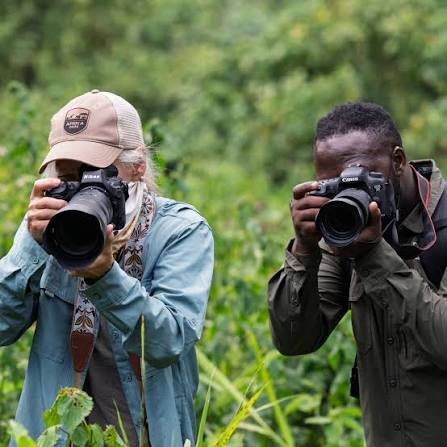
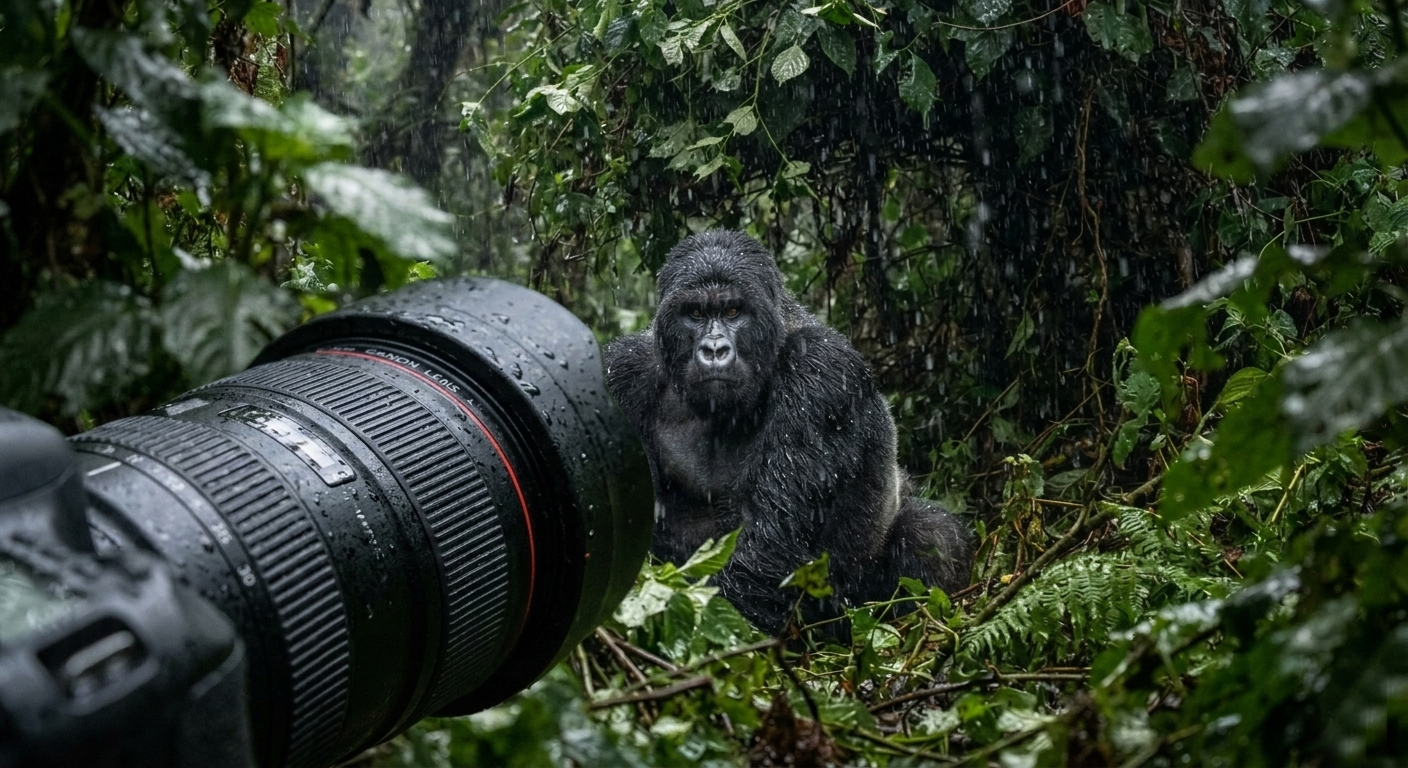
Rwanda is particularly interesting for photographers who want more than conventional savannah wildlife. The country’s strongest photographic subjects are spread across very different ecosystems. Volcanoes National Park protects mountain forest and bamboo on the Virunga volcanoes and is home to mountain gorillas, golden monkeys and around 200 bird species. Akagera combines savannah, woodland, lakes and extensive wetlands and currently supports thriving populations of lion, leopard, elephant, rhino and buffalo as well as zebra, giraffe, antelope and roughly 500 bird species. Nyungwe provides another completely different environment, with ancient montane rainforest, primates and exceptional birding.
The strongest answer to Is Rwanda Good for Wildlife Photography? therefore depends on how the journey is planned. A rushed itinerary with one night in every destination may provide sightings but leave little opportunity to understand light, behaviour or landscape. A photography-focused safari should create time to wait, revisit productive locations, travel with a private guide and adapt where possible around wildlife activity. For serious photographers, Rwanda works particularly well when the itinerary includes several nights in each important region rather than treating photography as something squeezed between standard sightseeing activities.
Why Rwanda Is Exceptional for Wildlife Photography
Rwanda’s greatest photographic advantage is ecological diversity. The environment can change significantly within a few hours of driving. In the east, Akagera’s relatively warm, low-lying landscape includes savannah, woodland, wetland and numerous lakes. In the northwest, Volcanoes National Park rises into high-altitude rainforest and bamboo beneath the Virunga volcanoes. Is Rwanda Good for Wildlife Photography? Farther southwest, Nyungwe protects montane forest filled with primates, birds, butterflies and dramatic vegetation. This variety allows photographers to produce a portfolio that looks as though it came from several separate African journeys.
The country’s compact nature is also useful when travelling with expensive photographic equipment. Instead of repeatedly taking light aircraft and working around strict baggage allowances, many Rwanda itineraries can be completed by road in a private 4×4 safari vehicle. Camera bodies, long lenses, charging equipment, rain protection and laptop storage can therefore remain organised in the vehicle between destinations. This becomes especially valuable when a photographer wants separate equipment for gorillas and Akagera; a 70–200mm-style lens may dominate the forest setup, while a longer wildlife zoom can remain available for savannah photography.
Rwanda is equally interesting because some of its wildlife experiences provide a degree of intimacy that traditional game drives cannot reproduce. Mountain gorillas are photographed on foot inside their forest habitat, chimpanzees can appear among dense foliage, golden monkeys move rapidly through bamboo, and Akagera’s open landscapes create completely different compositions involving animals and habitat. Visit Rwanda describes Rwanda’s photographic environments as spanning volcanoes, montane rainforest and sweeping plains, an unusually broad combination within a small country.
Mountain Gorilla Photography in Volcanoes National Park
Mountain gorillas are undoubtedly Rwanda’s signature photographic subject. Gorilla trekking in Rwanda takes place in Volcanoes National Park, where expert trackers and guides lead small visitor groups through bamboo-covered mountain forest to habituated gorilla families. Is Rwanda Good for Wildlife Photography? Visit Rwanda currently records twelve fully habituated tourism families, with eight permits issued for each family per day, creating a maximum of 96 trekking permits daily. Once a family is located, visitors receive a maximum of one hour with the gorillas.
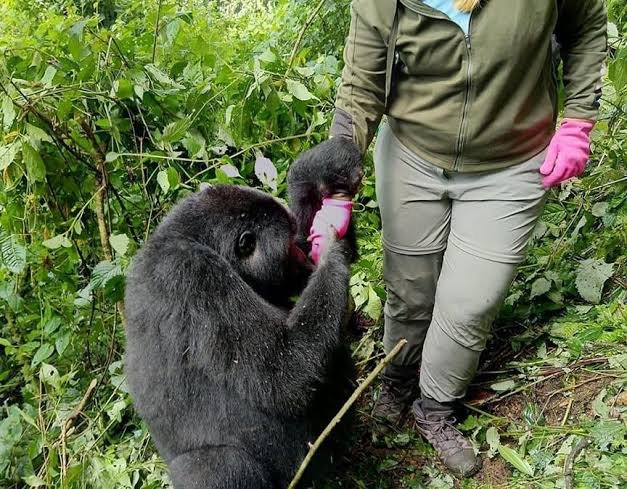
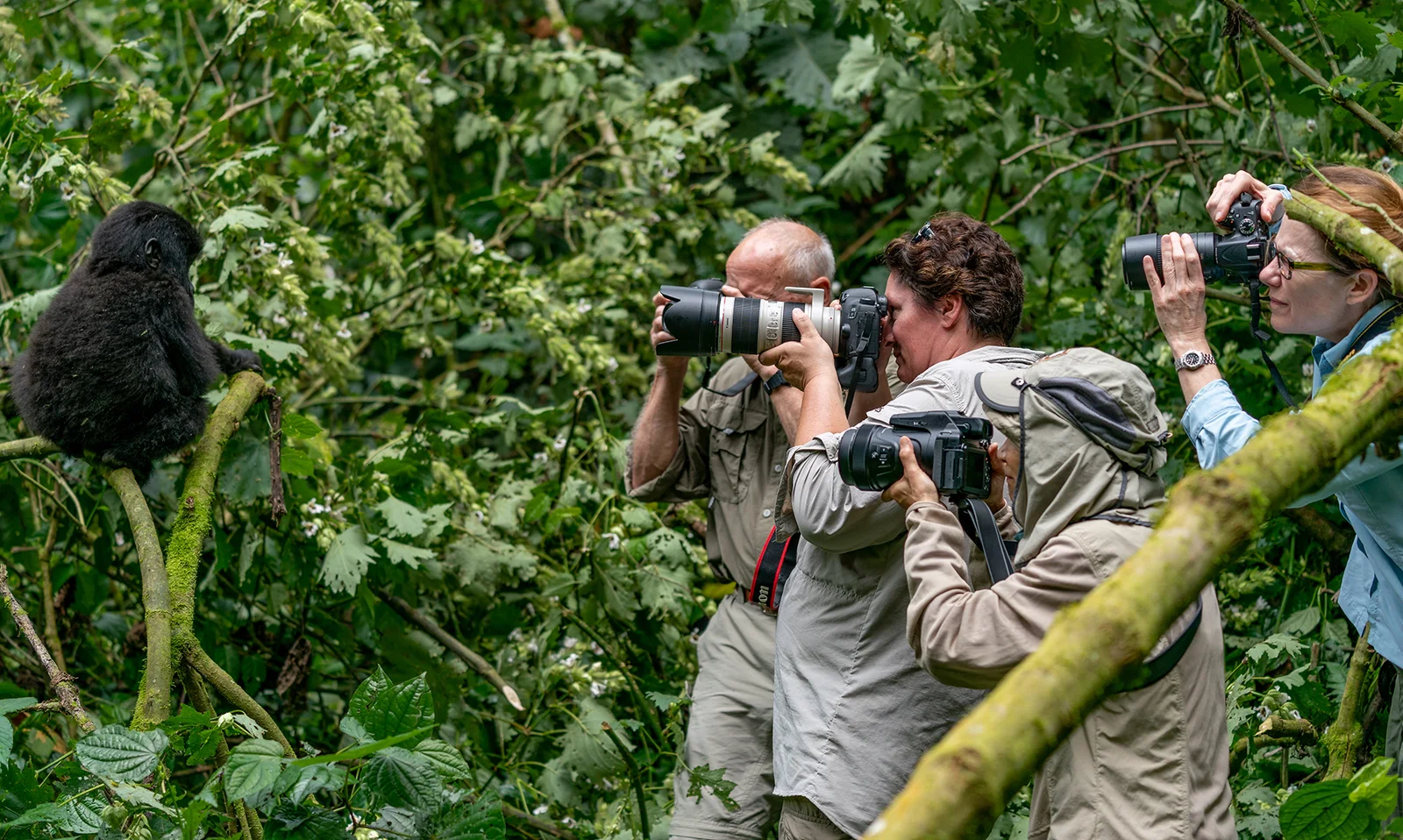
For photographers, that hour can provide an extraordinary range of subjects. A large silverback may sit almost motionless, allowing careful portrait work, while juveniles can suddenly begin running, climbing or interacting with one anotherIs Rwanda Good for Wildlife Photography? . Mothers and infants create intimate behavioural photographs, and wider compositions can show gorillas surrounded by bamboo, vines and misty forest. Photographers should resist shooting only tight portraits. A photograph showing a gorilla within its environment can communicate much more about Volcanoes National Park than an image in which every trace of habitat has been cropped away.
The technical challenge is low light. Mountain gorillas have extremely dark fur and frequently sit beneath dense forest vegetation, while flash photography is prohibited. Rwanda Development Board confirms that personal photography is permitted but flash may not be used; visitors are also asked to maintain approximately seven metres from the gorillas whenever possible and follow their guide’s directions. A camera with strong high-ISO performance, dependable autofocus and a flexible medium telephoto lens is therefore particularly valuable. Photographers planning specifically around the gorillas can explore Rwanda gorilla trekking tours and consider spending multiple nights in the Virunga region rather than arriving only for a single morning.
Why Two Gorilla Treks Can Be Better for Serious Photographers
One gorilla trek can produce extraordinary photographs, but serious wildlife photographers should consider two trekking days when budget and permit availability allow. Is Rwanda Good for Wildlife Photography? Photography depends on factors nobody can control: the weather, where the gorilla family chooses to sit, how dense the surrounding vegetation is, which individuals are active and whether light reaches the forest floor. A family may spend much of one encounter feeding beneath thick vegetation and then another family the following day may be positioned in an open area with dramatically better photographic opportunities.
A second trek also reduces pressure during the first encounter. Photographers sometimes arrive determined to photograph every possible composition during their single hour, which can lead to frantic shooting rather than careful observation. Is Rwanda Good for Wildlife Photography? Knowing another trekking day is available allows the first encounter to become partly about understanding how the guides position visitors, how rapidly exposure changes and what focal lengths actually work. Camera settings and equipment can then be adjusted before the second experience.
The two encounters are unlikely to feel repetitive because mountain gorilla families and conditions vary. Serious photographers can also use the additional day to change their photographic emphasis. The first trek might focus on portraits and facial expressions, while the second can deliberately include wider environmental photographs, behavioural interactions and vertical compositions. Is Rwanda Good for Wildlife Photography? Combining two gorilla treks with several nights at a comfortable property also leaves time for equipment to dry, batteries to recharge and photographs to be backed up properly between encounters.
Golden Monkey Photography Adds Speed, Colour and Movement
Mountain gorillas may dominate Rwanda’s international image, but golden monkey trekking can be one of the most enjoyable photographic additions to a Volcanoes National Park itinerary. Visit Rwanda confirms that two groups can be tracked in the park, including one associated with the slopes of Mount Karisimbi and another in bamboo forest around Mount Sabyinyo. Golden monkeys are considerably smaller and more agile than gorillas, creating a completely different photography challenge.
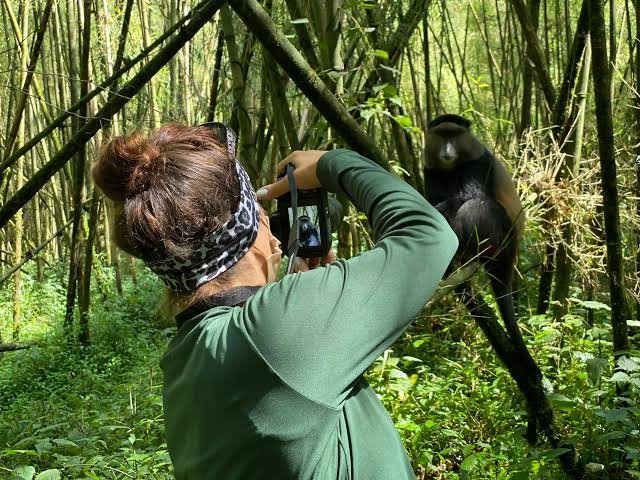
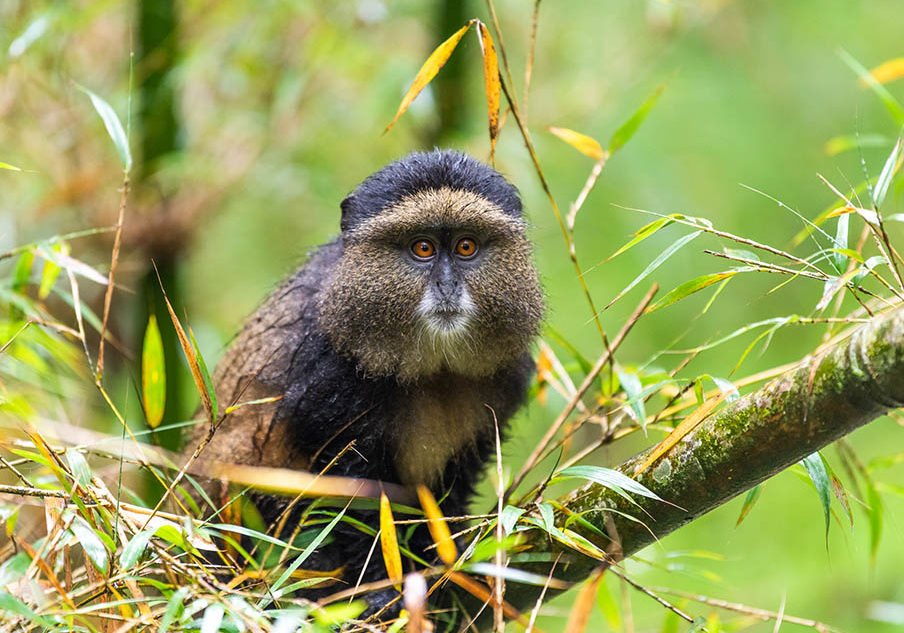
Where a resting silverback may allow a photographer to refine composition slowly, golden monkeys can require rapid autofocus, faster shutter speeds and quick reframing.Is Rwanda Good for Wildlife Photography? Their orange-gold colouring contrasts beautifully with green bamboo, while their energetic behaviour creates opportunities for jumping, feeding and social interaction. A medium telephoto or flexible zoom can be especially useful because the distance between photographer and subject may change quickly as the animals move through vegetation.
Photographers staying several nights around Volcanoes National Park can therefore create much greater variety without leaving the region. A 3-Day Rwanda Gorilla and Golden Monkey Trekking Safari provides a compact combination, while photographers with more time can add additional gorilla permits or other forest experiences. Is Rwanda Good for Wildlife Photography? Volcanoes National Park itself contains approximately 200 recorded bird species according to Visit Rwanda, meaning a photographer who remains alert between headline primate encounters may return with a much broader set of images than expected.
Akagera National Park Is Rwanda’s Major Big Five Photography Destination
Any complete answer to Is Rwanda Good for Wildlife Photography? needs to include Akagera National Park. This eastern protected area changes the photographic character of the safari entirely. African Parks describes Akagera as Central Africa’s largest protected wetland and Rwanda’s last major refuge for savannah-adapted wildlife. Following extensive restoration, the park now supports thriving populations of lion, leopard, elephant, rhino and buffalo along with zebra, giraffe, antelope and around 500 bird species.
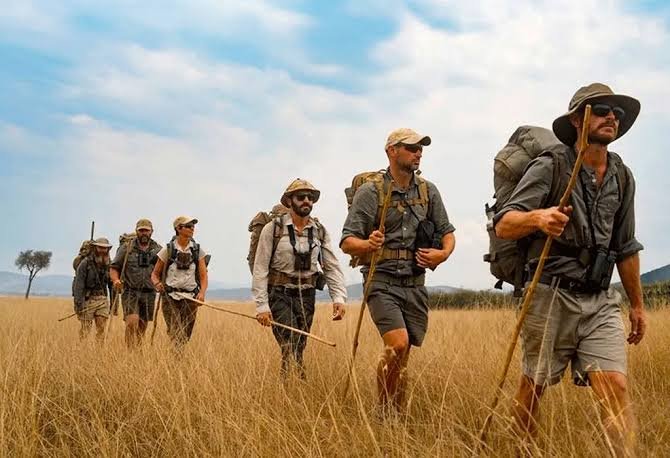
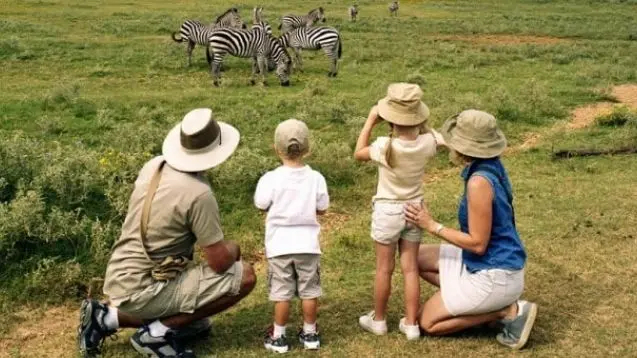
Akagera’s conservation history has also expanded the range of photographic subjects. Is Rwanda Good for Wildlife Photography? Lions were reintroduced from 2015, eastern black rhinoceroses returned from 2017, and 30 southern white rhinoceroses were introduced in 2021. African Parks reports that a further 70 southern white rhinos were introduced in June 2025, strengthening Rwanda’s role in rhino conservation. For wildlife photographers, these restoration programmes mean the park now provides opportunities to create classic large-mammal safari images while documenting one of Rwanda’s most important conservation landscapes.
The park’s scenery should not be treated simply as a background behind the animals. Rolling highlands, open plains, acacia woodland, papyrus wetlands and lakes can provide strong environmental compositions. A giraffe framed against distant hills, elephants moving through grassland or a rhinoceros surrounded by birds can sometimes produce a more distinctive photograph than a tightly cropped portrait. The ability to move from dense gorilla forest to these open landscapes is one of the reasons Rwanda can produce such a varied photographic portfolio.
Private Game Drives Give Photographers More Control in Akagera
A private vehicle can dramatically improve a wildlife photography safari. When several unrelated guests share the same game-drive vehicle, photographers inevitably have to compromise. One person wants to wait for a lion to stand, another wants to search for elephants and someone else may have no interest in spending fifteen minutes photographing a bird. A private safari allows the guide and photographer to make those decisions together rather than constantly negotiating with a larger group.
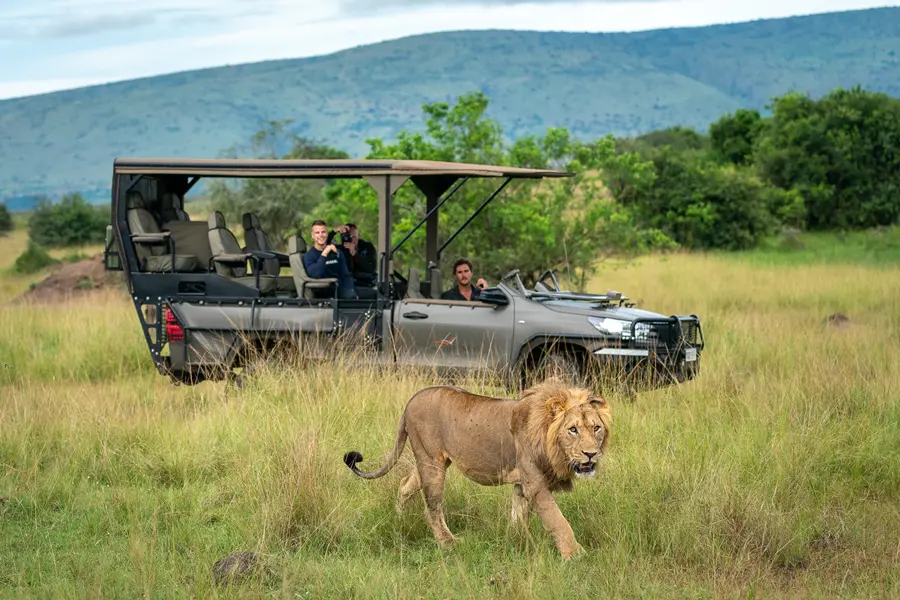
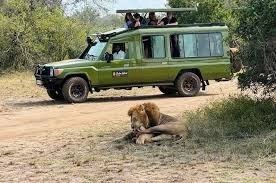
This flexibility can be particularly valuable during early morning and late afternoon, when light is often more interesting. Instead of rushing away from an animal because the itinerary says another section of the park must be reached, photographers can spend time watching behaviour develop. Is Rwanda Good for Wildlife Photography? Wildlife photography frequently rewards patience. A stationary lion may eventually stand and interact with another individual; elephants may move into a better position; a giraffe may cross an open ridge; or birds may begin feeding around another animal.
Visit Rwanda notes that Akagera’s largely open landscape is particularly suitable for game viewing and that the park is explored by vehicle, with professional guiding recommended. For a dedicated photography safari, a vehicle should ideally be arranged around camera requirements, with enough room for equipment and good access to viewing positions. Photographers can then keep a longer telephoto lens ready while retaining a second body or wider lens for environmental scenes.
Boat Photography in Akagera Creates Completely Different Images
Akagera’s lakes and wetlands add another photographic dimension that is easy to overlook when planning only game drives. Visit Rwanda identifies Lake Ihema boat excursions as one of the park’s highlights, with opportunities to photograph hippos, Nile crocodiles and abundant waterbirds. Is Rwanda Good for Wildlife Photography? Photographing from water produces angles and backgrounds that are impossible to achieve from a safari vehicle.
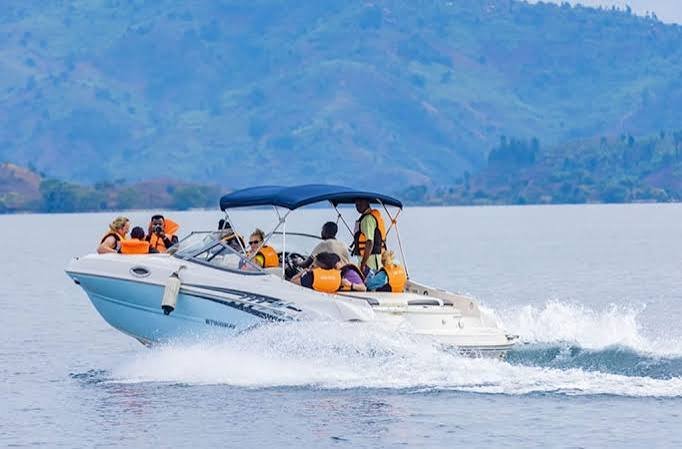
Hippos can create particularly strong compositions when they surface among reflections or interact within groups. Crocodiles resting at the water’s edge provide another subject, while African fish eagles, kingfishers and numerous wetland birds can keep long-lens photographers occupied throughout the excursion. Because boats move differently from vehicles, image stabilisation and sufficiently fast shutter speeds are important even when the subject itself appears stationary.
The wetlands also encourage photographers to think beyond Rwanda’s largest mammals. Akagera is a major ornithological destination, and African Parks currently reports around 500 bird species within the ecosystem. A photographer who arrives only hoping to capture lions and rhinos may discover that some of the most distinctive images come from waterbirds, raptors, colourful bee-eaters or species associated with papyrus and wetland habitats.
Nyungwe Forest Offers Chimpanzees, Monkeys and Exceptional Bird Photography
Nyungwe Forest National Park is where Rwanda’s wildlife photography becomes even more diverse. The forest provides a completely different visual environment from both Volcanoes and Akagera, with steep green slopes, tangled vegetation, mist, orchids, butterflies, primates and forest birds. Visit Rwanda states that Nyungwe supports 13 primate species, while its tourism information records 322 bird species and numerous Albertine Rift specialities.
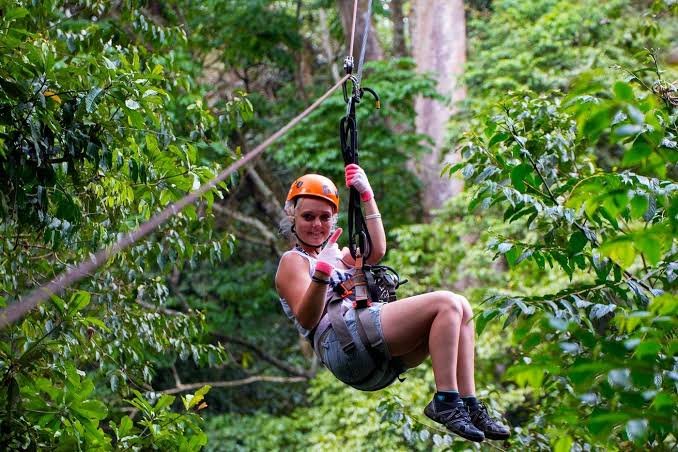
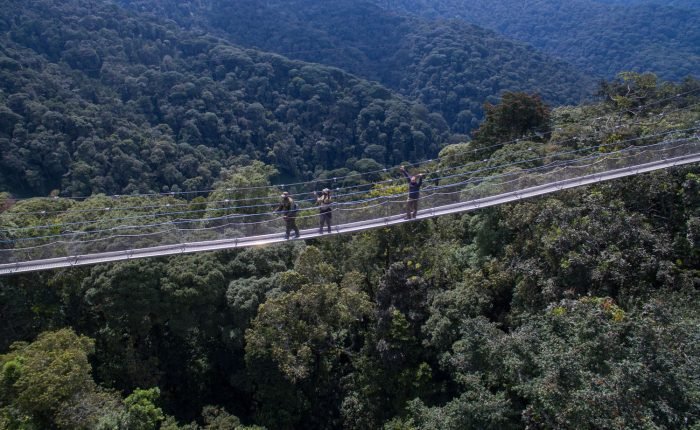
Chimpanzee trekking in Rwanda is among Nyungwe’s major photographic experiences. Visit Rwanda notes that chimpanzee tracking begins early, usually around 5:30 a.m., and finding the animals may take from an hour to several hours, with a maximum one-hour encounter once they are located. Chimpanzees can move rapidly through branches and dense vegetation, making them considerably more difficult to photograph than a resting gorilla. Fast autofocus, high shutter speeds and the willingness to accept high ISO settings become particularly important.
The park’s other primates also provide strong subjects. Visit Rwanda specifically describes Nyungwe’s black-and-white colobus as a dream subject for wildlife photographers, while L’Hoest’s monkeys, blue monkeys and other species expand the possibilities considerably. Photographers who allocate several nights to Nyungwe therefore avoid making the entire forest visit dependent on a single chimpanzee encounter and gain time to work with birds, monkeys, trails and rainforest landscapes.
Lake Kivu Adds Landscape, Bird and Human-Interest Photography
Lake Kivu is not primarily a large-wildlife destination, but it can be extremely valuable within a photography safari. Visit Rwanda describes the lake as covering approximately 2,700 square kilometres and being surrounded by mountains, islands and deeply green water. At dawn and dusk, changing light over the hills can produce landscapes that are completely different from images taken inside the national parks.
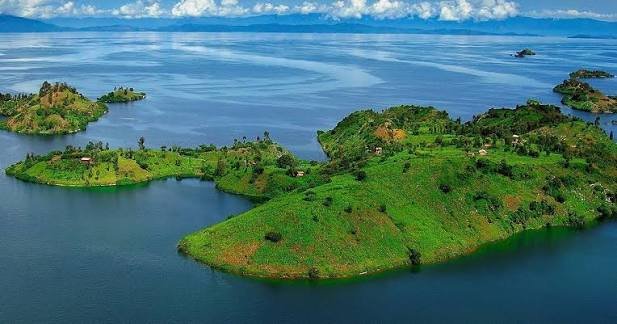
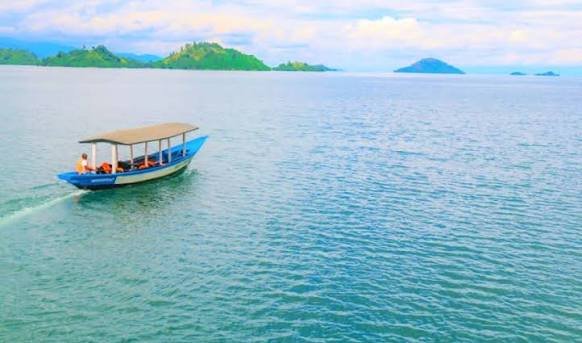
The lake also provides bird photography. Visit Rwanda’s birding information highlights White-breasted Cormorants, Pied Kingfishers and seasonal Osprey as examples of species found around Lake Kivu, while hotel gardens and surrounding vegetation can provide additional opportunities. Photographers do not necessarily need to schedule a formal excursion every hour; simply carrying a camera during an early-morning walk around the lodge can produce worthwhile subjects.
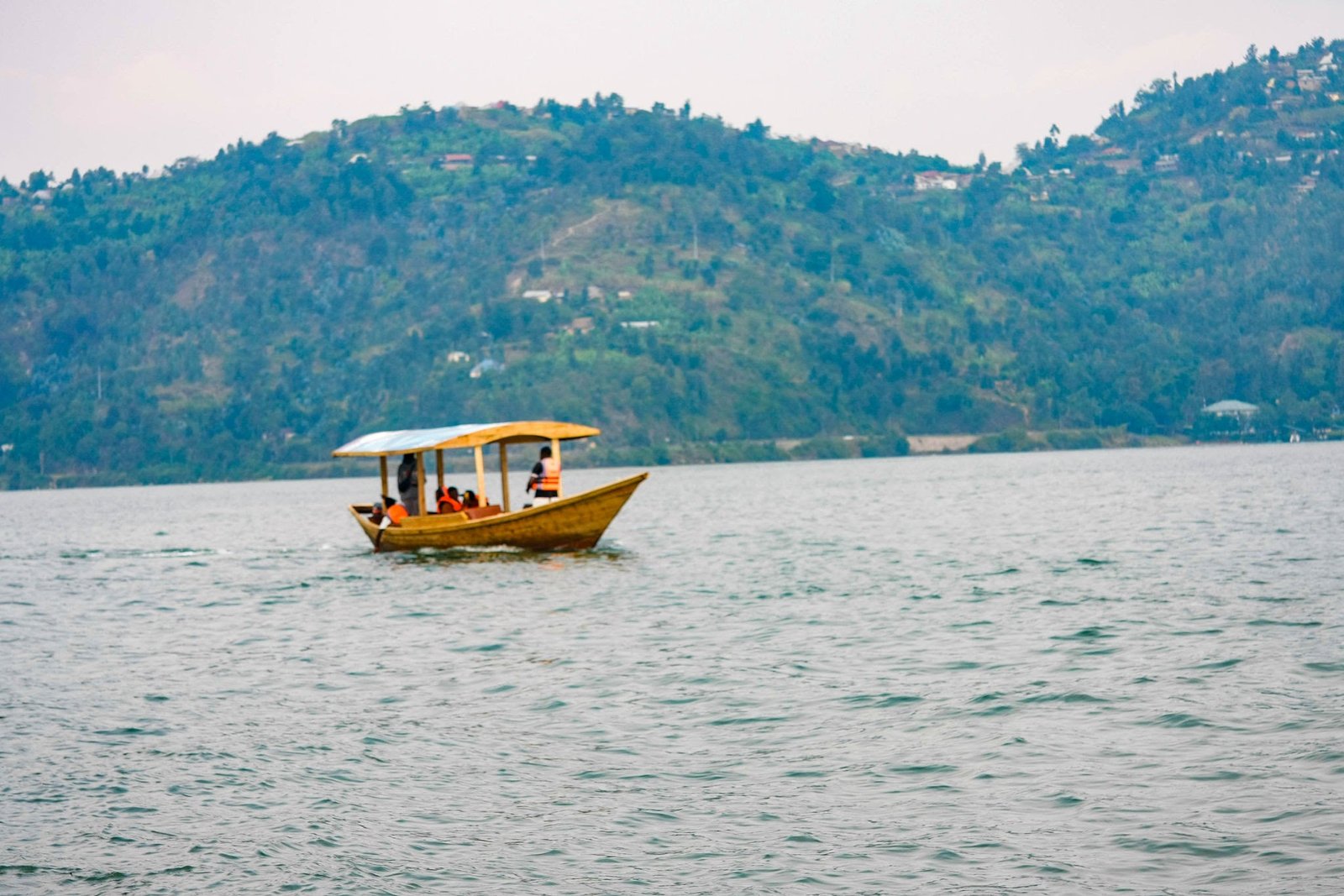
For photographers interested in travel imagery beyond wildlife, Lake Kivu offers another layer through boats, fishing communities, terraced hills and life around the shoreline. The evening movement of traditional fishing boats can create powerful photographs when handled respectfully. Couples or solo photographers can also explore a Lake Kivu adventure and use kayaking or boating to gain different perspectives on the landscape.
What Camera Equipment Works Best for Rwanda Wildlife Photography?
The ideal camera kit depends on which part of Rwanda is being photographed. For gorillas, a relatively compact camera body with strong high-ISO performance and a medium telephoto zoom can be more useful than a huge super-telephoto lens. A 70–200mm-style range is extremely practical for portraits and behaviour, while a wider zoom can help show gorillas within their habitat. Because flash is prohibited, photographers need equipment that performs effectively in available light. Rwanda Development Board explicitly allows photography during gorilla encounters but prohibits flash.
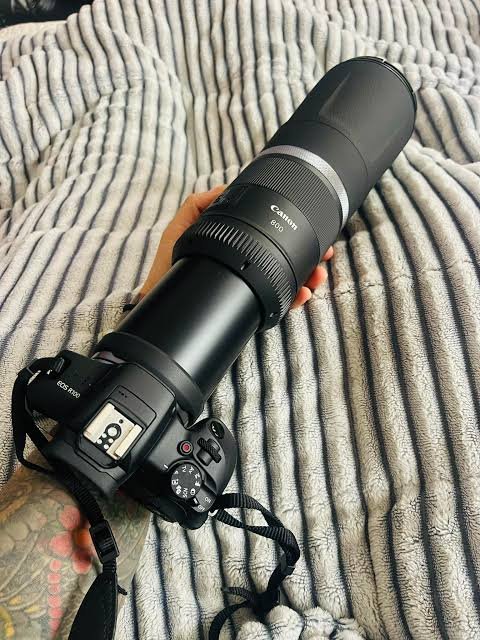
Akagera changes the requirements. Wildlife may be much farther from the vehicle, making a 100–400mm, 200–500mm or similar longer telephoto range valuable. Bird photographers may want even more reach. A second camera body can be useful so that one body remains attached to the longer lens while another carries a wider zoom for elephants close to the vehicle or environmental landscapes. Constantly changing lenses in dusty or wet environments is rarely ideal, so serious photographers often benefit from separating their wide and telephoto setups.
Rain protection should remain part of the kit even when conditions look favourable. Volcanoes and Nyungwe are forest environments where showers can occur, and Visit Rwanda recommends waterproof clothing for trekking activities. Spare batteries, large-capacity memory cards, lens cloths and a waterproof camera-bag liner should also be considered essential. Photographers carrying heavy equipment during gorilla trekking can use a porter, which RDB specifically notes is available to assist with daypacks.
Is Rwanda Good for Wildlife Photography? Final Answer
So, Is Rwanda Good for Wildlife Photography? Yes—particularly for photographers who value diversity more than simply accumulating photographs of large mammals. Rwanda allows one journey to include close primate portraits, fast-moving monkey photography, Big Five wildlife, wetland birds, mountain scenery, rainforest landscapes and lakes. Volcanoes National Park provides mountain gorillas, golden monkeys and rich montane scenery; Akagera offers classic savannah wildlife and around 500 recorded bird species; Nyungwe introduces chimpanzees, other primates and hundreds of forest birds; and Lake Kivu contributes landscapes and waterside photography.
The destination becomes especially strong when photographers resist rushing. Wildlife photography improves with time because behaviour cannot be scheduled. Two gorilla encounters offer more possibilities than one, several Akagera drives provide better chances of changing light and animal activity, and multiple nights in Nyungwe prevent the entire rainforest visit from depending on a single chimpanzee tracking morning. Private guiding can further improve flexibility because the safari can focus on particular species and photographic priorities rather than following a generic group programme.
Rwanda also rewards photographers who look beyond the obvious subjects. A mountain gorilla may become the photograph that inspired the trip, but golden monkeys moving through bamboo, a rhino beneath circling birds in Akagera, mist over Nyungwe, a kingfisher beside Lake Kivu or the silhouette of the Virunga volcanoes can become equally important parts of the final collection. That breadth is what makes Rwanda a particularly compelling destination for photographers who want to tell a complete wildlife and landscape story.
Frequently Asked Questions About Is Rwanda Good for Wildlife Photography?
1. Is Rwanda Good for Wildlife Photography?
Is Rwanda Good for Wildlife Photography? Yes. Rwanda is excellent for photographers who want more than one type of wildlife experience. A single journey can include mountain gorillas, Big Five wildlife in Akagera National Park, golden monkeys, chimpanzees, forest birds and dramatic landscapes around Volcanoes National Park, Nyungwe and Lake Kivu.
2. Why Is Rwanda Good for Wildlife Photography?
When asking Is Rwanda Good for Wildlife Photography?, one of Rwanda’s strongest advantages is its ecological variety. Photographers can move from misty mountain forest to open savannah, wetlands, rainforest and lakes within one country. This creates opportunities for primate portraits, large-mammal photography, birds, landscapes and environmental wildlife images during the same safari.
3. Is Rwanda Good for Wildlife Photography of Mountain Gorillas?
Absolutely. Is Rwanda Good for Wildlife Photography? Rwanda is especially famous for mountain gorilla photography in Volcanoes National Park. Photographers can capture silverbacks, mothers, infants, juveniles and wider forest scenes during the regulated gorilla encounter, provided they follow park rules and keep flash switched off.
4. Is Rwanda Good for Wildlife Photography in Akagera National Park?
Yes. Akagera National Park is Rwanda’s principal destination for classic safari photography. Photographers can search for lions, rhinos, elephants, buffaloes, giraffes, zebras, antelopes and numerous birds. Private game drives can be particularly useful because they allow more time at productive sightings.
5. Is Rwanda Good for Wildlife Photography of Birds?
Yes. Is Rwanda Good for Wildlife Photography? It is particularly rewarding for bird photographers because Rwanda contains savannah, wetlands, montane forest and lake habitats. Serious birders can include Rwanda birding safaris and combine Akagera, Nyungwe, Volcanoes National Park and Lake Kivu.
6. Is Rwanda Good for Wildlife Photography of Chimpanzees?
Yes. Chimpanzee trekking in Rwanda provides an exciting but technically challenging photography experience. Chimpanzees can move quickly through dense forest, so photographers generally benefit from fast autofocus, higher shutter speeds and good high-ISO camera performance.
7. Is Rwanda Good for Wildlife Photography of Golden Monkeys?
Yes. Is Rwanda Good for Wildlife Photography? Golden monkeys provide some of Rwanda’s most colourful and energetic primate photography. They move rapidly through bamboo forest, creating opportunities for action images, feeding behaviour and vibrant environmental photographs. Learn more through our golden monkey guide.
8. What Camera Equipment Is Best if Rwanda Is Good for Wildlife Photography?
For gorillas and forest primates, a medium telephoto zoom such as a 70–200mm-style lens is extremely useful, while a longer 100–400mm or similar lens can work well in Akagera and for birds. Photographers should also carry spare batteries, memory cards, rain protection and a comfortable camera bag because conditions vary significantly between Rwanda’s forests and savannah.
9. Do I Need Two Camera Bodies for Rwanda Wildlife Photography?
Not necessarily. One reliable camera body can be sufficient, but photographers asking Is Rwanda Good for Wildlife Photography? may find two bodies convenient on a dedicated photo safari. One body can carry a medium or long telephoto lens while the second remains ready with a wider zoom, reducing the need to change lenses in dusty or wet environments.
10. Should I Book Two Gorilla Treks for Better Wildlife Photography?
For serious photographers, yes. If Is Rwanda Good for Wildlife Photography? is your main reason for travelling, two gorilla treks can provide much greater variety. Light, weather, vegetation and gorilla behaviour change from day to day, so a second trek offers another chance to capture portraits, family interactions and wider environmental images.
11. Is Rwanda Good for Wildlife Photography During the Rainy Season?
Yes. Rain should not automatically be seen as a disadvantage. Wet vegetation, misty volcanoes, dramatic skies and soft forest light can create atmospheric photographs. Photographers should simply carry reliable rain protection for both themselves and their camera equipment.
12. Is Rwanda Good for Wildlife Photography at Lake Kivu?
Yes, although Lake Kivu is better for landscapes, birds and travel photography than for large mammals. Photographers can capture lake scenery, islands, fishermen, boats, sunsets and waterside birds, making it an excellent slower section within a wider wildlife photography safari.
13. How Many Days Are Best if Rwanda Is Good for Wildlife Photography?
Around seven to ten days is a strong starting point for photographers who want Akagera, Volcanoes National Park and Lake Kivu. A dedicated ten- to fourteen-day journey provides more time for two gorilla treks, golden monkeys, Akagera game drives, birding and Nyungwe Forest National Park without rushing between destinations.
14. Is Rwanda Good for Wildlife Photography on a Private Safari?
Absolutely. A private safari is one of the best ways to maximise photography because the guide and vehicle can focus on the photographer’s priorities. Longer stops at wildlife sightings, space for camera equipment and more flexible pacing can significantly improve the experience compared with a larger shared group.
15. How Can I Book After Deciding Is Rwanda Good for Wildlife Photography?
Once you have decided Is Rwanda Good for Wildlife Photography?, Visit Rwanda Safaris can design a private journey around your preferred subjects and camera equipment. The itinerary can combine gorilla trekking in Rwanda, Akagera National Park, golden monkey trekking, chimpanzee trekking, Lake Kivu and specialist birding. You can also begin planning through our safari booking page.
Book Your Rwanda Wildlife Photography Safari
If you are asking Is Rwanda Good for Wildlife Photography? because you are considering travelling specifically with your camera, Visit Rwanda Safaris can design the itinerary around photography from the beginning rather than adding photographic stops to an ordinary safari. Tell us the subjects you care about most, the equipment you plan to carry, the number of days available and whether your priority is gorillas, predators, birds, primates, landscapes or a combination. We can then build the route around gorilla trekking in Rwanda, Akagera National Park, golden monkeys, Lake Kivu and Nyungwe.
Serious photographers can include two gorilla trekking days, private game-drive arrangements, additional nights in productive wildlife areas and enough vehicle space for camera equipment. Primate specialists can combine gorillas with golden monkey trekking and chimpanzee trekking in Rwanda, while bird photographers can extend the trip through dedicated Rwanda birding safaris. Travellers who want premium accommodation can incorporate luxury gorilla trekking safaris without sacrificing the time needed in the field.
The best photography safari is not necessarily the one with the greatest number of destinations. It is the journey that gives you enough time to observe, wait and photograph wildlife without constantly checking the clock for the next transfer. Explore our Rwanda gorilla trekking tours, discover Volcanoes National Park, learn more about Lake Kivu or begin creating your private journey through our safari booking page. Let Visit Rwanda Safaris build a photography journey where mountain gorillas, Big Five wildlife, primates, birds and Rwanda’s extraordinary landscapes give you far more than a collection of photographs—they give you the story behind them.