
Amazing Guide: Is Rwanda Good for Families?
Is Rwanda Good for Families? Yes. Rwanda can be an excellent African destination for families because it combines wildlife, primates, lakes, culture and comfortable road-based travel within a relatively compact country. Parents travelling with children can enjoy Big Five game drives in Akagera National Park, relaxed days beside Lake Kivu, cultural and educational experiences in Kigali, and age-appropriate activities around the Virunga Mountains. Families travelling with teenagers aged 15 and above can add one of Africa’s most memorable wildlife experiences through gorilla trekking in Rwanda, while younger children can have alternative adventures designed around their ages and interests. Rwanda’s own tourism itineraries demonstrate how Akagera, Volcanoes National Park, Nyungwe and Lake Kivu can be combined within one country, making it possible to create a varied family holiday without repeatedly crossing international borders.
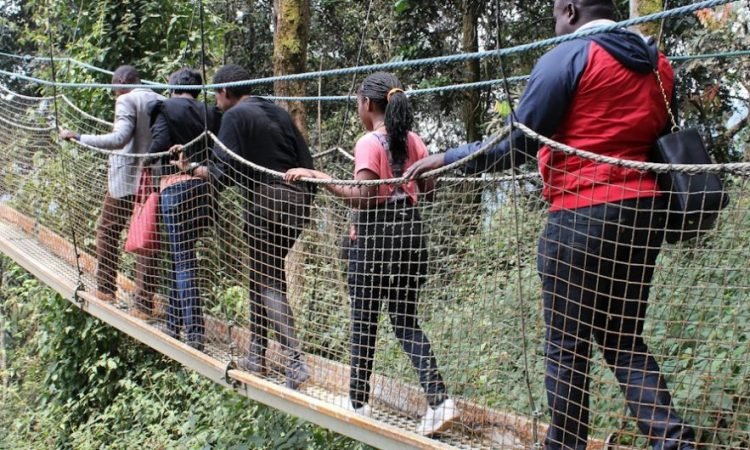
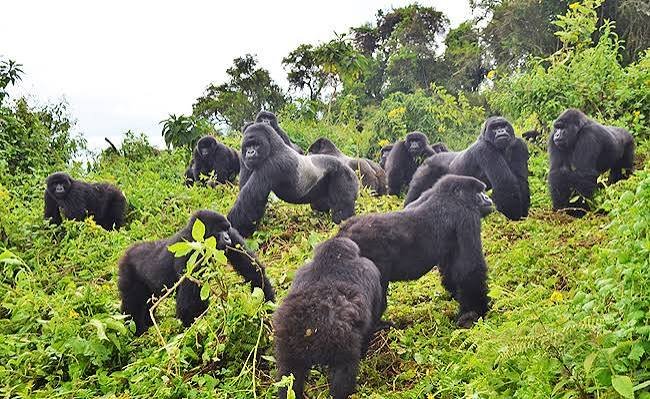
The most important point for parents is that a successful Rwanda family safari should not be designed only around gorilla trekking. Rwanda’s official minimum age for mountain gorilla tracking is 15 years, while golden monkey tracking currently starts from age 12. Families with younger children therefore need an itinerary where Akagera wildlife, Lake Kivu, nature, cultural experiences and quality family time are major parts of the holiday rather than treating children as spectators while adults complete all the interesting activities. When the route is planned correctly, the answer to Is Rwanda Good for Families? becomes much stronger because every generation can have experiences designed for them.
Rwanda also works particularly well for multi-generational travel. Grandparents may prefer private game drives and comfortable lodges, parents can enjoy the flexibility of a dedicated safari vehicle, teenagers may be excited by gorillas or golden monkeys, and younger children can enjoy animals in Akagera or easier lakeside activities. Is Rwanda Good for Families? The key is pacing. Families usually benefit from two or three nights in major destinations rather than changing hotels every day, and private transport makes it easier to stop for meals, photographs or rest when children need a break. Visit Rwanda’s official nine-day national-park-and-Lake-Kivu circuit shows how dramatically the country’s landscapes can change during one journey, moving between savannah, rainforest, mountains and lakes.
Why Rwanda Can Be an Excellent Family Safari Destination
One of Rwanda’s greatest family advantages is variety. Some African safari itineraries involve many consecutive days of game drives, which can become tiring for younger travellers no matter how exciting the wildlife is. Is Rwanda Good for Families? Rwanda allows parents to change the rhythm frequently. Is Rwanda Good for Families? A family can watch elephants, giraffes and zebras in Akagera, spend another day around Kigali, travel north into the volcanic landscapes surrounding Volcanoes National Park, and later slow down beside Lake Kivu. Older teenagers can participate in primate trekking, while younger family members can have activities that involve less strenuous walking. This variety makes it easier to create a holiday that feels like an adventure rather than a long sequence of similar safari days.
Rwanda’s relatively compact size can also reduce some of the logistical complexity associated with family travel in Africa. Parents do not necessarily need to take repeated domestic flights simply to experience different ecosystems. Road travel makes it easier to keep luggage together, carry snacks or children’s equipment and stop when necessary. This is particularly useful when travelling with a private 4×4 and a professional guide who remains with the family throughout much of the journey. Instead of continuously learning new airports, drivers and transfer systems, the family can settle into one vehicle and enjoy Rwanda’s hills, towns and countryside as part of the experience.
The country’s accommodation range also makes it possible to design very different levels of comfort. Families can choose high-end private villas and multi-bedroom suites, comfortable boutique lodges or more moderately priced properties depending on the budget. Parents should focus less on choosing the most prestigious lodge and more on practical family requirements such as interconnecting rooms, family suites, flexible meal times, swimming pools, child-friendly menus and enough space to relax between activities. For families including teenagers who will trek gorillas, staying close to Volcanoes National Park is particularly useful because it avoids an unnecessarily long early-morning transfer before the trek.
Akagera National Park Is One of Rwanda’s Best Places for Families
For many families, Akagera National Park should form the foundation of the safari because wildlife viewing can be enjoyed together across a much broader age range than gorilla trekking. Visit Rwanda’s established national-park circuit highlights guided game drives and boat experiences in Akagera, with wildlife including buffalo, lion, leopard, elephant, giraffe, zebra and many other species. Children who have dreamed of seeing elephants or giraffes can experience the excitement of searching for animals from a safari vehicle, while parents can enjoy the landscapes and conservation story surrounding Rwanda’s restored savannah ecosystem.
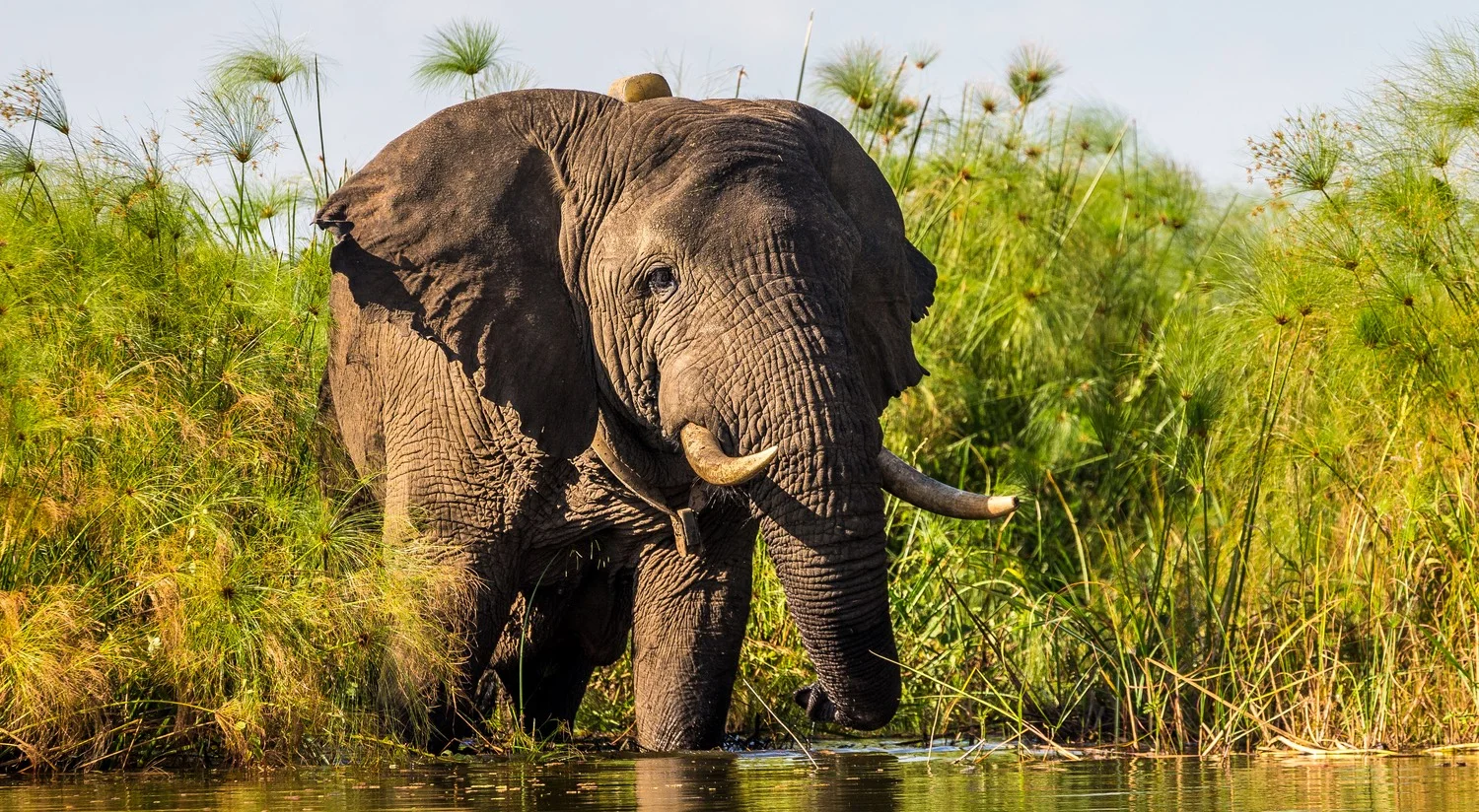
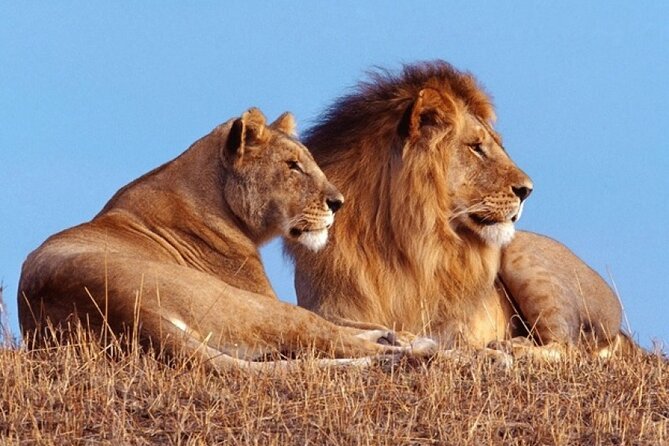
The park is especially valuable for families because game drives allow wildlife encounters without demanding long hikes. Parents travelling with younger children can shorten a drive if attention begins to fade, while families with older children can spend longer exploring. Is Rwanda Good for Families? Binoculars can make game drives more interactive because children can search for giraffes, antelopes, birds and elephants themselves rather than simply waiting for the guide to point out each animal. A boat excursion on Lake Ihema can provide another change of pace, with hippos, waterbirds and other wildlife creating a different experience from a vehicle-based safari. Visit Rwanda includes boating as part of its official Akagera circuit.
Akagera also gives a Rwanda family holiday the classic safari atmosphere that many children imagine before visiting Africa. The open savannah, safari vehicles and large mammals contrast dramatically with the dense forest environment around the mountain gorillas.Is Rwanda Good for Families? Families who want an even broader wildlife journey can combine Akagera with a Rwanda birding safari, although parents do not need to be serious birdwatchers to enjoy the park’s diversity. A few nights in Akagera followed by Volcanoes National Park provides a particularly strong contrast and ensures that even family members too young for gorilla trekking still experience one of the major wildlife highlights of the holiday.
Gorilla Trekking in Rwanda for Families With Teenagers
The most important age rule parents need to understand is that mountain gorilla tracking in Rwanda has an official minimum age of 15 years. Rwanda Development Board currently states that visitors must be 15 or older, that viewing time is limited to one hour once the gorilla family is found and that a maximum of eight visitors may trek with a gorilla group. Is Rwanda Good for Families? The standard foreign visitor permit is currently USD 1,500 per person per trek. Families travelling with 15-, 16- or 17-year-olds can therefore share the complete experience, provided every participating traveller has a permit and meets the normal park requirements.
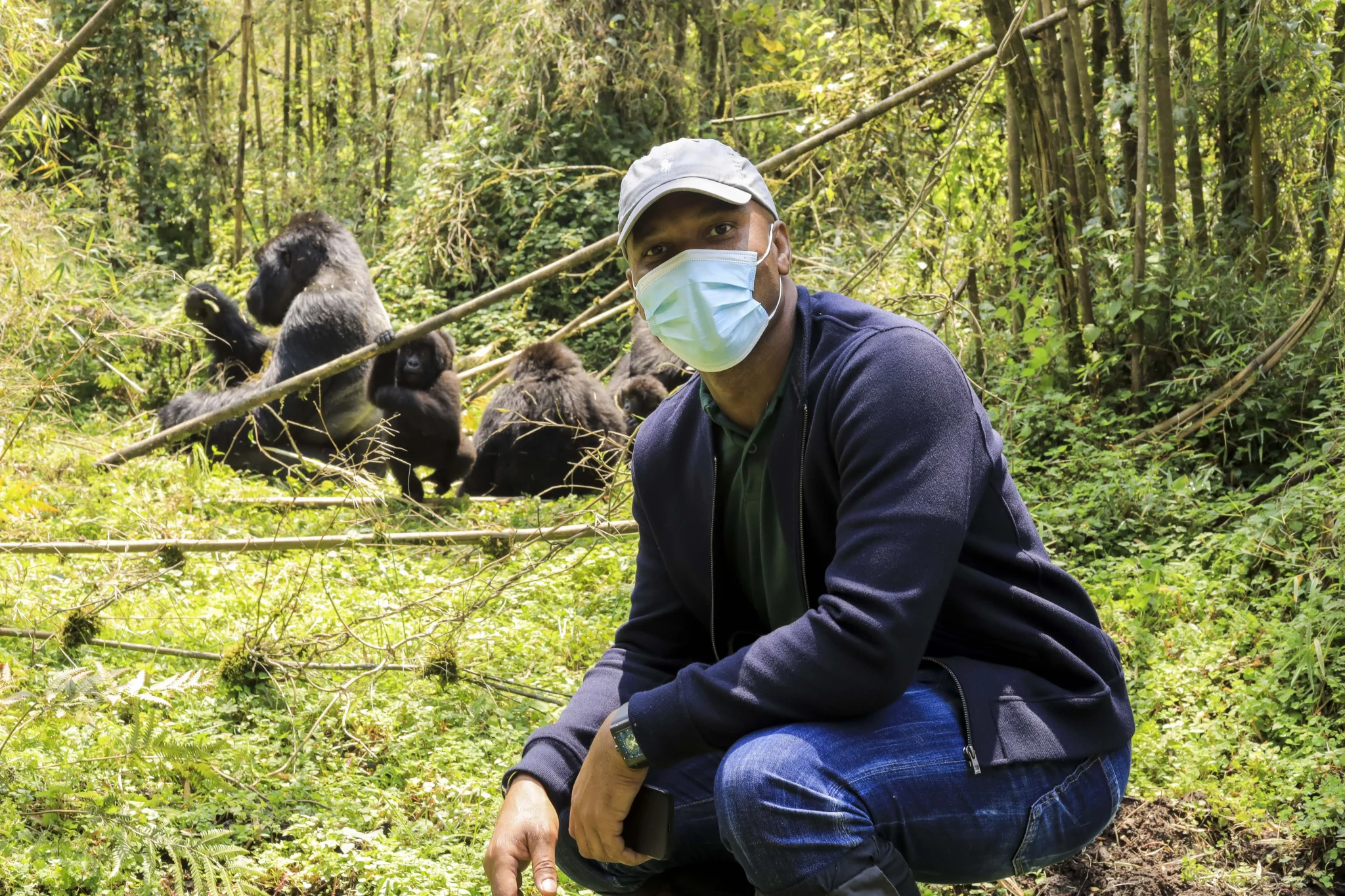
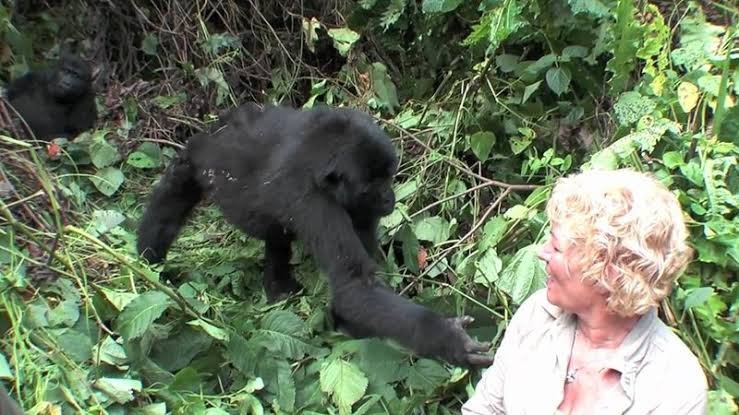
For teenagers interested in wildlife, photography or conservation, gorilla trekking in Volcanoes National Park can become the defining memory of the holiday. The experience is very different from observing animals from a safari vehicle. Is Rwanda Good for Families? Families enter the mountain forest with trackers and guides, walking through bamboo, vegetation and sometimes muddy terrain before reaching their allocated gorilla family. Parents should explain beforehand that the walk may be physically demanding and that the exact duration cannot be guaranteed because gorillas move naturally through their habitat. Good walking boots, long trousers, waterproof protection and gloves are much more useful than conventional safari fashion.
Meeting the age requirement does not mean every teenager automatically needs to participate.Is Rwanda Good for Families? Parents should consider fitness, enthusiasm and the ability to remain calm around large wild animals. A teenager who genuinely loves wildlife may find the trek extraordinary, while another who dislikes hiking may enjoy other experiences more. Families can review our complete Rwanda gorilla trekking guide and Rwanda gorilla trekking tours before deciding whether the experience suits every eligible family member.
What Can Children Under 15 Do While Parents Trek Gorillas?
Families travelling with children under 15 should plan the gorilla morning carefully rather than waiting until arrival to decide what younger children will do. A 12-, 13- or 14-year-old can currently participate in golden monkey tracking, for which Rwanda Development Board lists a minimum age of 12. Is Rwanda Good for Families? This provides an excellent alternative because younger teenagers still experience the bamboo forest and primates while eligible family members complete the gorilla trek. Golden monkeys are fast-moving and highly active, creating a very different encounter from mountain gorillas. Families can learn more through our detailed golden monkey guide.
Children younger than 12 require gentler alternatives. Depending on the lodge, destination and child’s age, this might involve a supervised lodge activity, suitable nature experience, cultural programme or private outing with one parent or an arranged guide. Parents should never assume that childcare is automatically included at a luxury lodge simply because the property welcomes families. Is Rwanda Good for Families? The exact service, staff availability, minimum ages and supervision arrangements should be confirmed before paying for the gorilla permits. This becomes especially important for single parents or families in which both adults want to undertake the trek.
The following day should ideally reunite the whole family around a shared experience. Rather than allowing the Rwanda itinerary to become divided between “gorilla trekkers” and everyone else, plan a family activity that younger children can enjoy equally. This might mean a relaxed transfer to Lake Kivu, a cultural experience or continuing toward Akagera. The best family itineraries treat gorilla trekking as one important component rather than the sole purpose of the holiday.
Golden Monkeys Can Be Excellent for Families With Older Children
Golden monkey tracking is one of the most useful activities when parents ask Is Rwanda Good for Families? because the current minimum age is 12 years, three years younger than the gorilla trekking threshold. Rwanda Development Board lists the foreign visitor permit at USD 100 and currently permits up to 16 visitors per golden monkey group. This allows many families with younger teenagers to enjoy a genuine primate-tracking experience together even when not everyone qualifies for mountain gorillas.
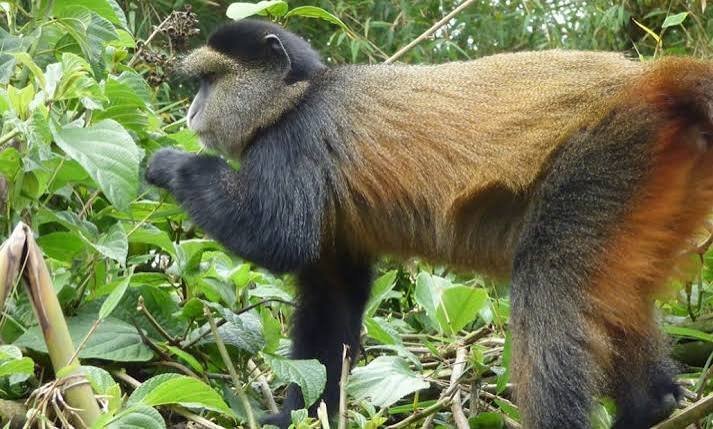
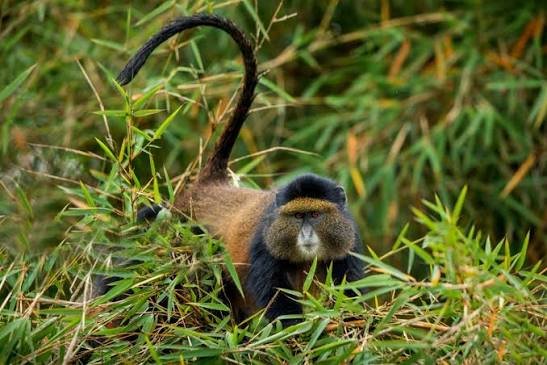
Golden monkeys also create a different type of adventure.Is Rwanda Good for Families? They live in the bamboo zone around Volcanoes National Park and move rapidly through the vegetation, often jumping, feeding and interacting energetically. Children and teenagers who enjoy photography can find them fascinating, while the experience adds another layer to a multi-night stay in the Virunga region. Families with everyone aged 15 and above can combine both primates through a 3-Day Rwanda Gorilla and Golden Monkey Trekking Safari.
Parents should still remember that tracking involves walking in a natural forest environment and is not comparable to visiting a zoo.Is Rwanda Good for Families? Appropriate footwear, rain protection and sensible expectations remain important. If a child has little interest in hiking, the fact that they satisfy the minimum age does not mean the activity will automatically be enjoyable. The strongest family safari chooses activities according to personalities as well as ages.
Lake Kivu Gives Families the Relaxed Part of the Holiday
Lake Kivu can be one of the most valuable additions to a Rwanda family safari because it introduces downtime between more structured wildlife experiences. Visit Rwanda describes Rubavu as an excellent place to relax after gorilla trekking, while Karongi provides another scenic lakeside base surrounded by hills. Is Rwanda Good for Families? The lake covers about 2,700 square kilometres and supports activities including kayaking, cycling and hiking. After early mornings in national parks, families often appreciate being able to wake without a strict briefing time and spend part of the day simply enjoying the surroundings.
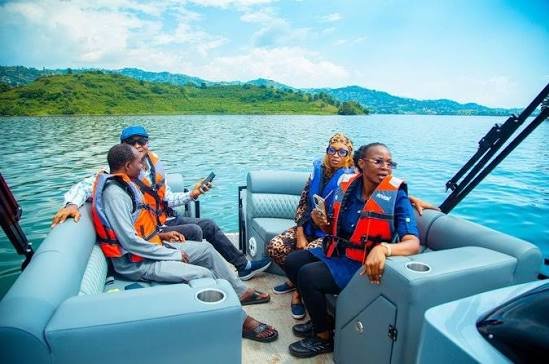
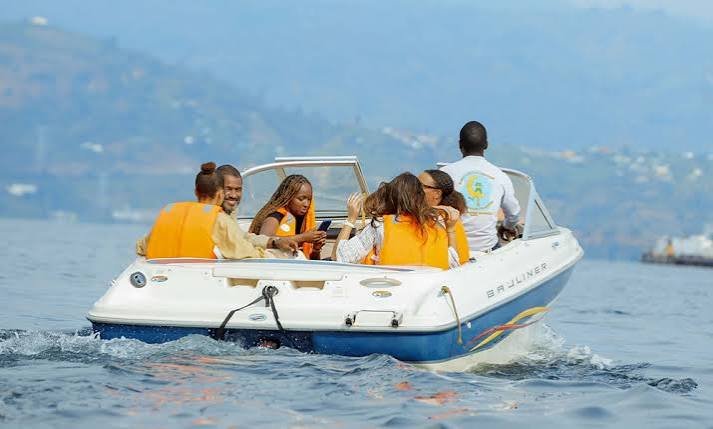
For active families, kayaking can be particularly appealing. Visit Rwanda states that Lake Kivu has no hippos or crocodiles and promotes kayaking along its shoreline, including experiences suitable for visitors without prior paddling experience. The exact activity should still be selected according to children’s ages, swimming ability and operator safety requirements, but older children and teenagers may enjoy being on the water after several days spent inside vehicles or walking in forests. Families wanting a more active extension can explore a Lake Kivu adventure.
Lake Kivu also provides psychological breathing room. Families do not need to fill every afternoon with a paid excursion simply because they have travelled far. Children may want time at the hotel or pool, parents may want a slower meal and teenagers may appreciate an afternoon without a guide. Building downtime into a family safari usually improves the entire holiday because nobody reaches the final days feeling exhausted by an endless activity schedule.
Nyungwe Forest Is Best for Families With Older Children and Teenagers
Nyungwe Forest National Park can be an excellent addition for families with active older children and teenagers. Is Rwanda Good for Families?The ancient montane rainforest adds chimpanzees, monkeys, birds and forest scenery that feel completely different from both Akagera and Volcanoes National Park. Visit Rwanda describes chimp tracking as an early-morning activity beginning around 5:30 a.m., with the search potentially lasting from one to several hours before visitors spend a maximum of one hour with the chimpanzees once found. That early schedule and variable forest walking should be considered carefully before including it in an itinerary for younger children.
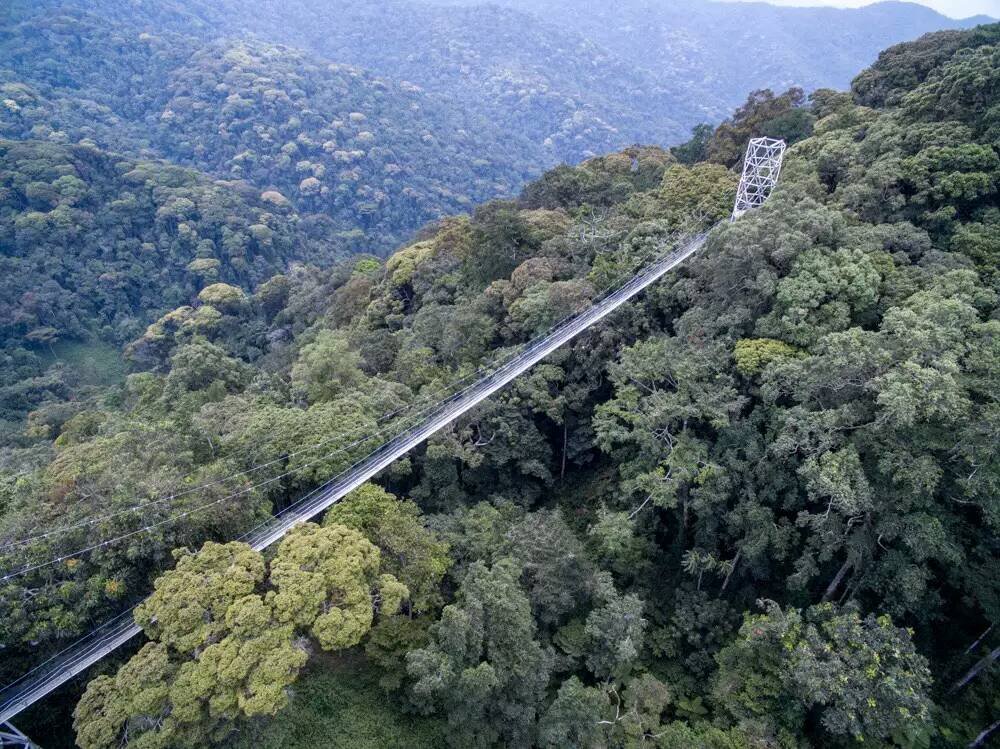
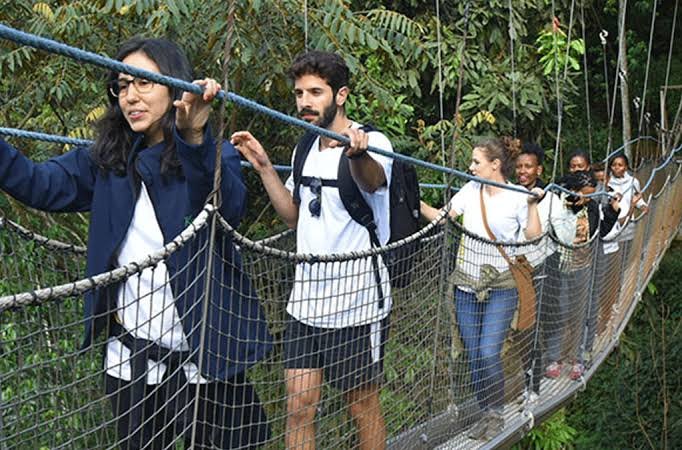
Current RDB tourism guidance has historically placed the chimpanzee tracking minimum at 15 years, so families should confirm the current permit eligibility for the exact date before booking. For families with eligible teenagers, chimpanzee trekking in Rwanda can create an extraordinary primate trilogy when combined with mountain gorillas and golden monkeys. Chimpanzees behave very differently from gorillas, often moving rapidly and vocalising loudly through the forest, making the experience energetic and memorable.
Nyungwe should not be added simply because a family feels obligated to visit every national park. Is Rwanda Good for Families? The journey becomes longer, and younger children may enjoy extra nights in Akagera or Lake Kivu more than repeated forest treks. Families with ten days or more and teenagers interested in wildlife can gain enormous value from Nyungwe, while a seven-day trip may be stronger when focused on Kigali, Akagera, Volcanoes and Lake Kivu.
Kigali Can Be More Than an Arrival and Departure Point
Kigali works well as the beginning or end of a family journey because it gives everyone time to transition between international flights and the safari. Families arriving after long flights can stay overnight, have an unhurried breakfast and meet their guide the following morning rather than immediately embarking on several hours of road travel. This is especially helpful when travelling with younger children, who may need time to adjust to a new time zone and recover from an overnight flight.
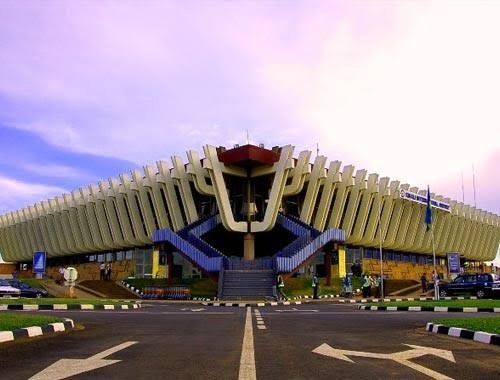
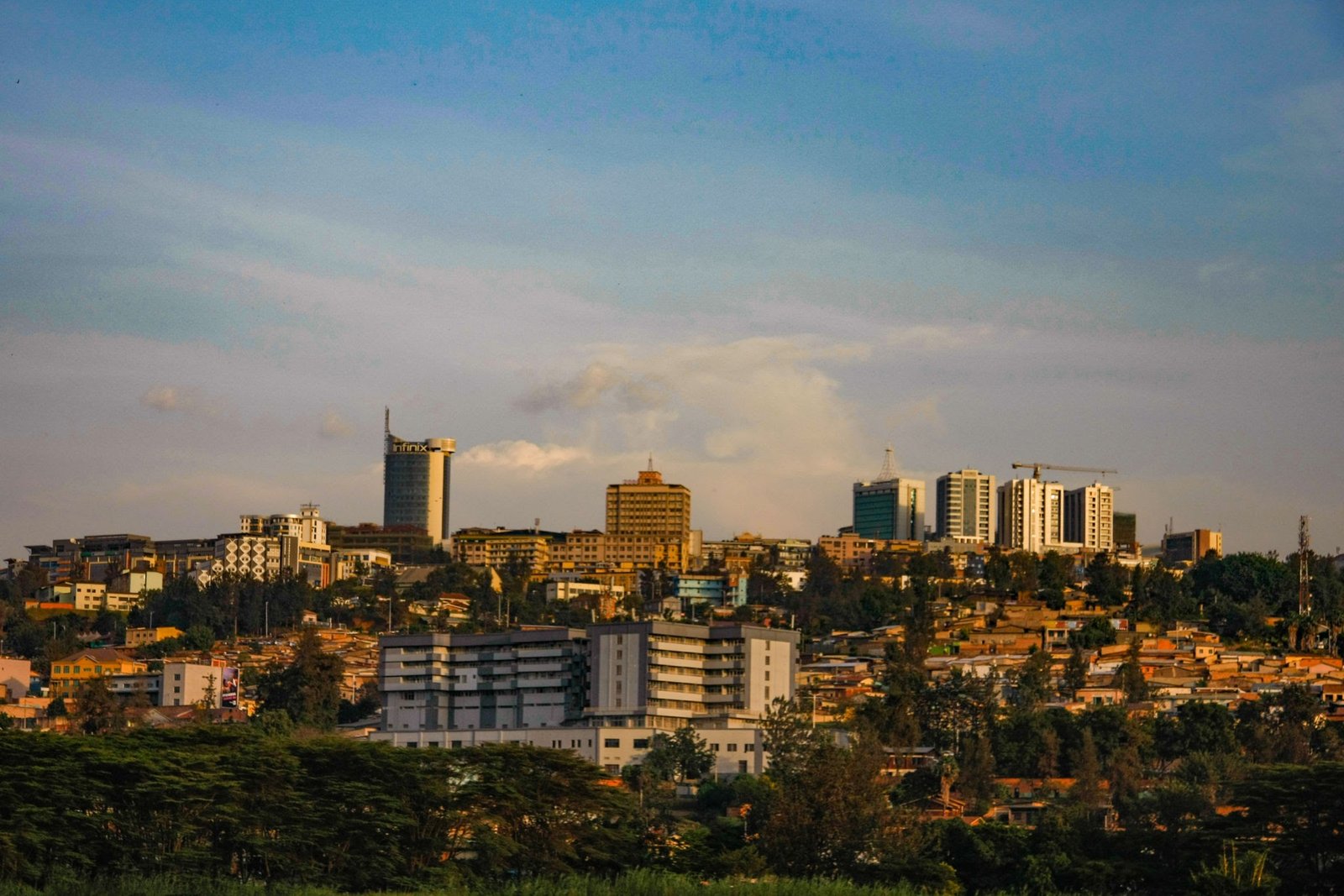
The city can also provide cultural and educational experiences, although parents should select historical visits according to the ages and sensitivities of their children. The Kigali Genocide Memorial is deeply important but emotionally serious, so parents need to decide whether the content is appropriate for their family rather than treating it as an automatic sightseeing stop. Other city experiences can focus on markets, local food, art, neighbourhoods and Rwanda’s contemporary culture.
Kigali is also the practical point where a family can organise forgotten items, withdraw local currency, prepare cameras and meet the safari team. Starting calmly can make an enormous difference to the mood of a family holiday. A Rwanda safari does not have to begin the moment the aircraft lands; one comfortable night can make children and parents considerably more ready for the days ahead.
How Many Days Does a Rwanda Family Safari Need?
A short family trip of four or five days can work when the family mainly wants Kigali, Volcanoes National Park and perhaps Lake Kivu, but it can feel rushed if younger children are involved. A seven- or eight-day journey generally creates a stronger balance because families can include Akagera, Volcanoes and Lake Kivu while spending multiple nights in each important region.
Around nine to twelve days is excellent for families who want a comprehensive Rwanda holiday. Visit Rwanda publishes a nine-day circuit combining Akagera, Nyungwe, Volcanoes and Lake Kivu, demonstrating that the major ecosystems can be linked within one trip. Families may choose a slower version of this route, especially when travelling with children, because an extra rest day can be more valuable than another attraction.
There is no requirement to visit all three national parks simply because they exist. A family travelling with young children may have a better holiday with three nights in Akagera, three around Volcanoes and two at Lake Kivu than by adding Nyungwe and creating longer transfer days. The correct length is the one that allows everyone to enjoy the destinations without constantly repacking.
Is Rwanda Safe for Families? Check Current Advice Before Travel
Families should avoid treating any country as completely risk-free. Current official travel guidance should always be checked shortly before departure, especially when travelling with children. As of 23 September 2026, the U.S. State Department lists Rwanda at Level 3, “Reconsider Travel,” citing crime, unrest and health risks and advising against travel within 10 kilometres of Rwanda’s DRC border. The UK’s FCDO currently advises against all but essential travel to parts of Rusizi District within 10 kilometres of the DRC border, including specified areas around the southern Lake Kivu frontier.
This does not mean every tourism destination in Rwanda is covered by identical geographic guidance. It does mean parents should check the advice issued by their own government, ensure travel insurance covers the actual itinerary and be willing to adjust a route if regional conditions change. Families travelling near western border regions should pay particular attention to the latest updates rather than relying on an itinerary published months earlier.
Working with a professional operator can simplify these decisions because transfers and accommodation can be rearranged if necessary, but travellers remain responsible for entry requirements and personal decisions about official travel advice. Families should also carry suitable travel insurance covering safari activities, trekking where relevant and medical emergencies.
Visas and Entry Planning for Families
Rwanda currently allows citizens of all countries to obtain a visa on arrival without prior application, while visitors can also apply online where appropriate. Rwanda Immigration states that citizens of East African Community member states receive entry free of charge for stays of up to six months, and different exemptions apply to other nationalities and regional blocs. Families should nevertheless verify the rules applicable to every passport in the family, particularly when parents and children hold different nationalities.


Rwanda’s visitor-visa guidance generally requires an acceptable travel document valid for at least six months. Parents should also carry whatever consent documentation may be required when one parent travels alone with children or when surnames differ, according to the requirements of their departure, transit and destination countries. These requirements vary, so they should be checked directly rather than assumed.
Families combining Rwanda with Uganda or Kenya should pay particular attention to entry structure and the number of border crossings. Rwanda Immigration also lists an East Africa Tourist Visa category for eligible regional itineraries. A multi-country journey can be excellent, but families should design it because they genuinely want the additional destinations rather than assuming more countries automatically produce a better safari.
Common Mistakes When Planning a Rwanda Family Safari
The biggest mistake is building the entire safari around mountain gorillas when some children are younger than 15. The family then arrives in Volcanoes National Park and discovers that the younger travellers cannot participate in the primary experience. Instead, design the holiday around shared highlights such as Akagera and Lake Kivu, then layer gorilla trekking into the route for eligible family members.
Another mistake is scheduling too many early mornings and long transfers consecutively. Gorilla tracking requires an early report, golden monkeys also have an early start and chimpanzee tracking can begin around 5:30 a.m. Adults may accept several consecutive mornings like this, but children and teenagers can become exhausted quickly. A lake day or free afternoon can dramatically improve the mood of the whole journey.
The third mistake is selecting accommodation solely from beautiful photographs. A romantic honeymoon lodge may have steep pathways, limited family rooms or little for a younger child to do during downtime. Ask practical questions before paying deposits: Can the rooms connect? How far apart are they? Is there a family suite? Are children accepted in that room category? Is there a pool? Are meal times flexible? Who supervises a child if both parents trek gorillas? Those questions often matter more than whether the property has the most dramatic view.
Frequently Asked Questions About Is Rwanda Good for Families?
1. Is Rwanda Good for Families?
Is Rwanda Good for Families? Yes. Rwanda can offer an excellent family safari when the itinerary is designed around children’s ages. Families can combine wildlife in Akagera National Park, Lake Kivu, Kigali and Volcanoes National Park, with gorilla trekking included for travellers aged 15 and above.
2. Is Rwanda Good for Families With Young Children?
Yes, although parents should focus primarily on game drives, lake activities, Kigali and suitable nature or cultural experiences rather than demanding primate treks. Akagera can be particularly rewarding because younger children can enjoy wildlife from a safari vehicle.
3. Is Rwanda Good for Families With Teenagers?
Absolutely. Teenagers can enjoy game drives, photography, Lake Kivu and adventurous activities. Those aged 15 and above are eligible for Rwanda’s mountain gorilla tracking, while golden monkey tracking currently begins at age 12.
4. Can Children Go Gorilla Trekking in Rwanda?
Only travellers who are at least 15 years old can participate in mountain gorilla tracking. Families with eligible teenagers can explore gorilla trekking in Rwanda, while younger children require alternative activities.
5. What Can a 12- to 14-Year-Old Do in Volcanoes National Park?
Golden monkey tracking can be an excellent alternative because Rwanda Development Board currently sets the minimum age at 12. Families can learn more through our guide to golden monkeys in Rwanda.
6. Is Akagera National Park Good for Families?
Yes. Akagera National Park is one of the strongest family destinations in Rwanda because parents and children can enjoy guided wildlife viewing together. Game drives and lake experiences provide a classic safari without requiring demanding forest trekking.
7. Is Lake Kivu Good for a Family Holiday?
Yes. Lake Kivu is excellent for adding relaxation after wildlife or gorilla experiences. Depending on children’s ages and operator requirements, families can enjoy boating, kayaking, scenic walks or simply downtime at a lakeside hotel. Visit Rwanda promotes kayaking and cycling among the lake’s major activities.
8. How Many Days Are Best for a Rwanda Family Safari?
Seven to ten days works well for many families, allowing enough time for Kigali, Akagera, Volcanoes National Park and Lake Kivu without changing accommodation every night. Families adding Nyungwe may prefer ten to twelve days for a more comfortable pace.
9. Can Grandparents Join a Rwanda Family Safari?
Yes. Rwanda can work very well for multi-generational travel because not every family member needs to complete the same activities. Grandparents can enjoy game drives, scenic transfers and comfortable lodge stays while fitter family members undertake gorilla trekking or other hikes.
10. How Do We Book a Rwanda Family Safari?
Share the children’s ages, preferred travel dates, number of adults, accommodation level and the experiences your family most wants to enjoy. Visit Rwanda Safaris can then organise a route combining gorilla trekking, Akagera, Lake Kivu, golden monkeys and other age-appropriate experiences without forcing every family member into the same programme.
Book Your Rwanda Family Safari With Visit Rwanda Safaris
If you are asking Is Rwanda Good for Families? because you are planning your own trip, the first step is to share the ages of every child travelling. Age determines far more than room configuration: it decides who can trek gorillas, who can track golden monkeys and how physically demanding the itinerary should be. Visit Rwanda Safaris can build the journey around the entire family rather than designing an adult safari and attempting to fit children into it afterwards. Families with teenagers may prioritise gorilla trekking in Rwanda and golden monkeys, while those travelling with younger children may devote more time to Akagera and Lake Kivu.
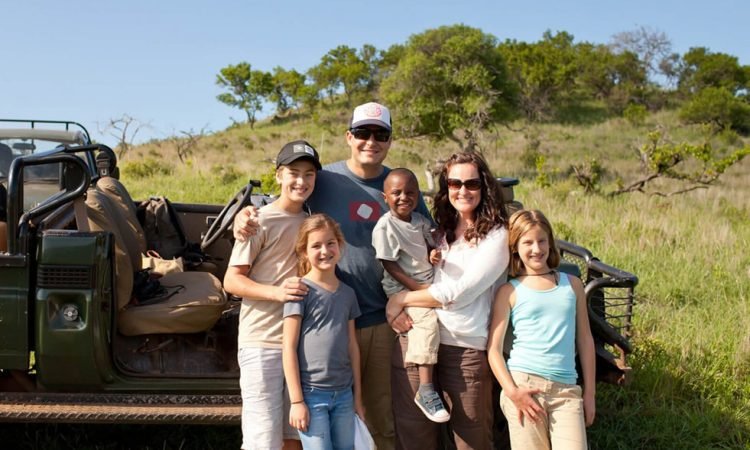
A complete private family safari can begin with airport collection in Kigali and continue in a dedicated 4×4 safari vehicle with enough space for luggage, photography equipment and the practical extras that come with family travel. We can combine Akagera National Park for shared wildlife viewing, Volcanoes National Park for eligible primate experiences, Lake Kivu for relaxation and, for families with older children, Nyungwe Forest National Park for additional primate and rainforest experiences. The pace, accommodation category and number of active days can be adjusted around your family’s real preferences rather than a fixed group itinerary.
The best family safari is one where children return home with their own favourite memories rather than simply remembering what their parents wanted to see. Explore our Rwanda gorilla trekking guide, compare Rwanda gorilla trekking tours, discover luxury gorilla trekking safaris or begin arranging your journey through our safari booking page. Let us design a Rwanda family safari where wildlife, adventure, comfort and meaningful time together belong to every generation travelling with you.