
Essential Guide: What Is Gorilla Habituation Experience in Rwanda?
What Is Gorilla Habituation Experience in Rwanda? This is an important question because the term is frequently confused with ordinary gorilla trekking. As of September 2026, Rwanda’s official tourism product is mountain gorilla tracking in Volcanoes National Park, where visitors trek to fully habituated gorilla families and spend a maximum of one hour with them after the family has been located. Rwanda Development Board currently charges the standard international visitor USD 1,500 per person, requires trekkers to be at least 15 years old, and limits each trekking group to eight visitors.
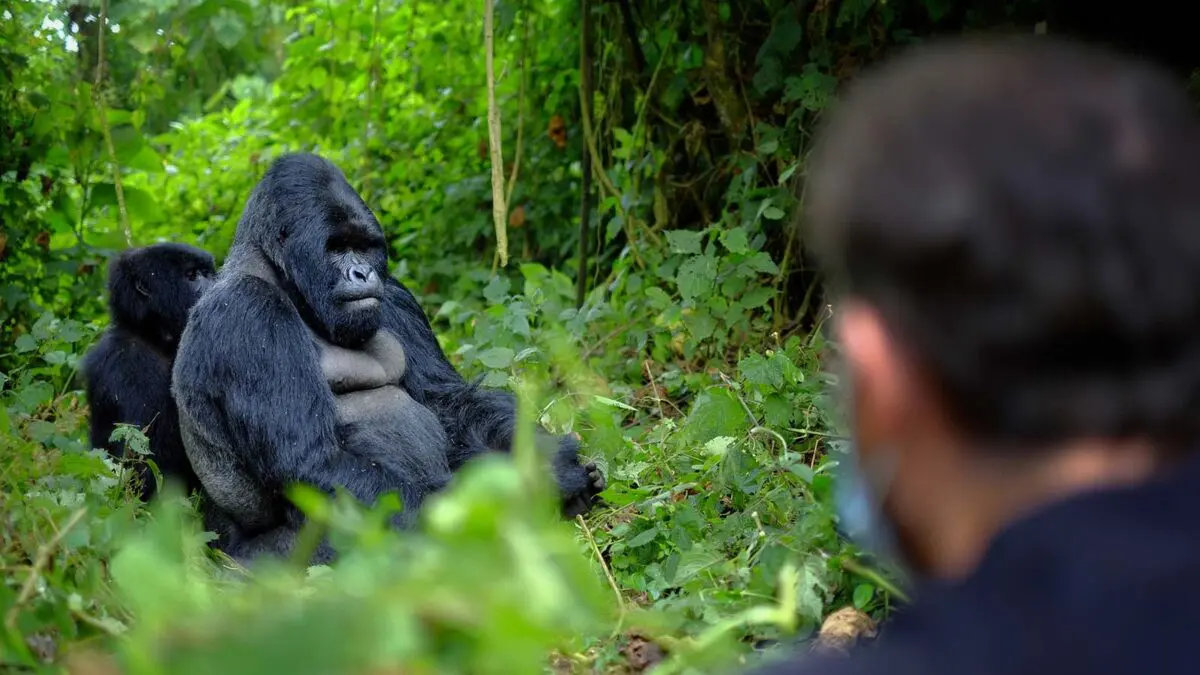
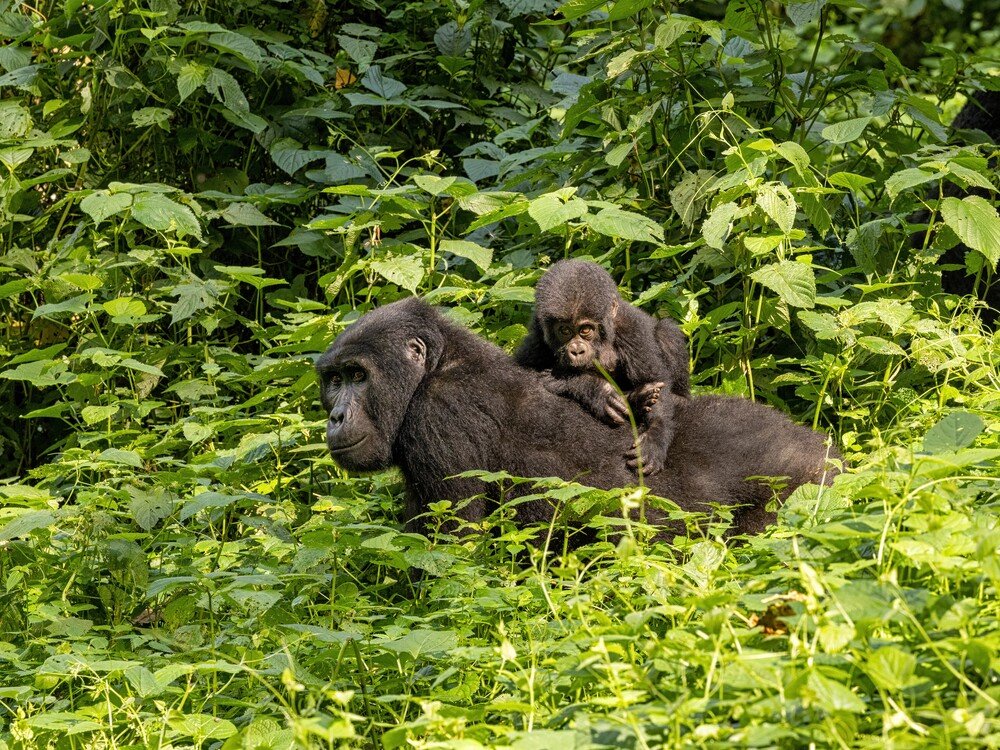
Rwanda does not currently sell a tourist permit called a Gorilla Habituation Experience comparable to the specialised activity available in Uganda. Visit Rwanda states that the gorilla families opened for tourism in Volcanoes National Park are already fully habituated, while several other families are habituated only for scientific research. What Is Gorilla Habituation Experience in Rwanda? Tourism groups visit the public families for a strict maximum of one hour per day. This distinction is essential for travellers researching Rwanda because some online articles incorrectly use “gorilla habituation” and “gorilla trekking” as though they were identical activities.
The actual Gorilla Habituation Experience is available in Uganda, where Uganda Wildlife Authority defines it as an activity in which visitors accompany researchers and habituators while gorillas are being gradually accustomed to controlled human presence. UWA guidelines allow a maximum of four hours of viewing during the habituation experience, compared with one hour for standard gorilla tracking. Travellers staying in Rwanda can therefore either enjoy gorilla trekking in Rwanda or cross into Uganda to combine Rwanda with the specialised gorilla trekking and gorilla habituation experience.
Does Rwanda Offer a Gorilla Habituation Experience?
The clearest answer is that Rwanda currently offers standard mountain gorilla tracking, not a public four-hour gorilla habituation tourism product. Rwanda’s official booking portal lists Mountain Gorilla Tracking in Volcanoes National Park, with visitors reporting at Kinigi at 7:00 AM before being allocated to a fully habituated gorilla family. What Is Gorilla Habituation Experience in Rwanda? Once the family has been located, visitors may remain with the gorillas for a maximum of one hour.
Visit Rwanda currently identifies twelve gorilla families in Volcanoes National Park that are fully habituated and available for controlled tourism, with other families reserved for scientific research. What Is Gorilla Habituation Experience in Rwanda? Eight permits are issued for each tourism family each day, creating a maximum of 96 public trekking permits daily under the current structure. These already-habituated groups are precisely what make Rwanda’s standard gorilla trekking programme possible.
Therefore, when travellers ask What Is Gorilla Habituation Experience in Rwanda?, it is important not to sell them something Rwanda does not presently offer as a visitor activity. What Is Gorilla Habituation Experience in Rwanda? A Rwanda gorilla safari provides an exceptional encounter with fully habituated gorillas, whereas visitors specifically wanting to spend up to four hours with gorillas during the habituation process should travel to Uganda. Visit Rwanda Safaris can structure both experiences within a cross-border itinerary so that travellers do not have to choose between Rwanda’s Volcanoes National Park and Uganda’s Bwindi rainforest.
What Does Gorilla Habituation Actually Mean?
Gorilla habituation is the gradual process through which a wild gorilla family becomes accustomed to the carefully controlled presence of researchers, trackers and eventually tourists. What Is Gorilla Habituation Experience in Rwanda? It is not the same as taming animals, and the gorillas remain completely wild. The purpose is to reduce the family’s fear or defensive response to predictable human presence so that monitoring, conservation research and regulated tourism can take place without causing unacceptable disturbance.
The process requires patience because every gorilla family behaves differently. Researchers and trackers spend repeated periods following the group, observing behaviour and allowing individual gorillas to become increasingly familiar with their presence. What Is Gorilla Habituation Experience in Rwanda? A dominant silverback’s response is especially important because he plays a central role in protecting and leading the family. Juveniles, adult females and younger males may also react differently as habituation develops.
Uganda Wildlife Authority officially describes its Gorilla Habituation Experience as an opportunity for visitors to accompany researchers and habituators into the forest as part of this process. What Is Gorilla Habituation Experience in Rwanda? Standard tourism in Rwanda, by comparison, takes visitors to gorilla groups whose habituation for public viewing has already been completed. Understanding this difference prevents travellers from paying for a conventional gorilla trek while incorrectly expecting a four-hour habituation experience.
Gorilla Trekking in Rwanda Versus Gorilla Habituation in Uganda
The biggest difference is the stage of habituation of the gorilla family. During Rwanda gorilla trekking, trekkers visit families that are already fully accustomed to regulated tourist encounters. Visit Rwanda confirms that its twelve tourism families are fully habituated and receive visitors for a maximum of one hour each day. The encounter is structured to provide meaningful observation while keeping daily human exposure controlled.
During Uganda’s specialised habituation experience, visitors accompany conservation teams around a gorilla family that is still going through the habituation process. What Is Gorilla Habituation Experience in Rwanda? Uganda Wildlife Authority allows a maximum of four hours of viewing after participants reach the gorillas, compared with the maximum one-hour viewing period used for normal gorilla tracking. Those additional hours give travellers more time to observe changing behaviour, feeding, resting, movement and interactions among family members.
The two experiences therefore appeal to slightly different travellers. Rwanda is excellent for visitors wanting a highly organised gorilla encounter combined with relatively convenient access from Kigali, Volcanoes National Park accommodation and additional Rwanda attractions. Uganda’s habituation experience is particularly attractive to photographers, primate enthusiasts and travellers who place extended observation time above the convenience of a shorter standard trek.
How Long Do You Spend With Gorillas in Rwanda?
Visitors undertaking standard gorilla trekking in Rwanda are permitted to spend a maximum of one hour with their assigned family once the gorillas have been located.What Is Gorilla Habituation Experience in Rwanda? Rwanda Development Board states this rule directly in its visitor guidelines, while Visit Rwanda confirms that each tourism family receives visitors for a strict maximum of one hour per day.
The trekking portion is separate from the viewing hour. The hike to locate the gorillas can take from around thirty minutes to several hours depending on the movements of the family, terrain and group allocation. Visit Rwanda notes that hikes can extend beyond four hours in some cases and may reach elevations between approximately 2,500 and 4,000 metres. Porters are available to carry backpacks and help trekkers over challenging sections.
That one hour can still provide extraordinary opportunities to observe gorilla family life. Silverbacks may feed or rest, mothers may move with infants, juveniles may play and individual gorillas may change positions repeatedly during the encounter. Travellers who want more opportunities without leaving Rwanda can consider booking two separate gorilla treks on different days, providing two one-hour encounters with potentially different families and conditions.
How Long Is the Gorilla Habituation Experience in Uganda?
Uganda’s Gorilla Habituation Experience begins considerably earlier than ordinary trekking. What Is Gorilla Habituation Experience in Rwanda? UWA’s management guidelines state that habituation activities begin from approximately 6:30 AM, while standard gorilla tracking begins at around 8:00 AM. The total day includes the briefing, tracking and return for debriefing, so visitors should be prepared for a substantial forest experience rather than assuming the activity lasts exactly four hours from beginning to end.
The important distinction is the permitted viewing time.What Is Gorilla Habituation Experience in Rwanda? UWA allows a maximum of four hours with gorillas during the Gorilla Habituation Experience after participants have reached the family. Trekking time required to locate them comes in addition to this viewing period, which means the complete experience can occupy much of the day.
Travellers specifically attracted by the extended encounter can explore gorilla trekking and gorilla habituation in Uganda or the 4 Days Gorilla Trekking and Habituation Safari. These options can also be connected to Rwanda, allowing visitors to experience both the Virunga gorillas of Volcanoes National Park and the ancient rainforest of Bwindi.
How Much Does Gorilla Trekking Cost in Rwanda?
Rwanda Development Board currently charges USD 1,500 per foreign visitor for a standard mountain gorilla tracking permit. The minimum trekking age is 15, permits are limited and advance booking is strongly recommended. What Is Gorilla Habituation Experience in Rwanda? That permit covers the official gorilla tracking activity, but a complete safari price normally also includes accommodation, private transportation, meals, professional guiding and any additional experiences.
The USD 1,500 permit gives the visitor access to one regulated trekking day and a maximum one-hour encounter once the assigned family has been located.What Is Gorilla Habituation Experience in Rwanda? It does not purchase four hours with a gorilla family and should not be marketed as a Gorilla Habituation Experience. This is one of the most important distinctions for travellers comparing safari quotations.
A Rwanda gorilla trip can nevertheless be designed at several accommodation levels. Travellers can select comfortable mid-range lodges near Volcanoes National Park or build the trip around some of Rwanda’s most exclusive gorilla properties. Those planning a complete route can explore Rwanda gorilla trekking tours and then add Lake Kivu, Nyungwe or Akagera according to available time.
How Much Does Gorilla Habituation Cost in Uganda?
Uganda Wildlife Authority’s current tourism structure officially recognises Gorilla Habituation as a separate product from standard gorilla tracking. Its 2024–2026 tariff listed the foreign non-resident habituation permit at USD 1,500, while UWA announced in February 2026 that the foreign non-resident rate will become USD 1,800 from 1 January 2027. The new 2027 structure also lists USD 1,600 for foreign residents, USD 1,000 for the Rest of Africa category and UGX 750,000 for East African citizens.
Travellers booking dates before January 2027 should have the applicable rate reconfirmed when reserving because the published tariff transition spans different pricing periods. The important planning point is that gorilla habituation requires its own specialised permit and usually needs to be secured well in advance because availability is much more limited than standard trekking.
The additional permit investment should be considered alongside the experience itself. Visitors are not simply purchasing extra photography time; they are entering the forest with teams involved in an ongoing conservation and habituation process. Travellers who primarily want one iconic gorilla encounter may find ordinary trekking sufficient, while people whose entire safari is centred on gorillas may consider the extended experience worth the additional cost.
Can You Start in Kigali and Do Gorilla Habituation in Uganda?
Yes. This can be one of the most practical ways to combine Rwanda with Uganda’s gorilla habituation experience. Kigali International Airport is a useful gateway for southwestern Uganda because travellers can drive north and cross into Uganda before continuing toward the southern sectors of Bwindi Impenetrable National Park. This approach can avoid the much longer overland journey from Entebbe for travellers whose main objective is gorillas.
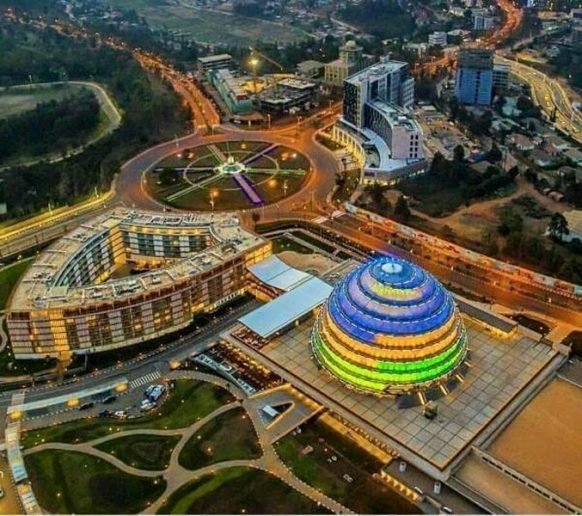
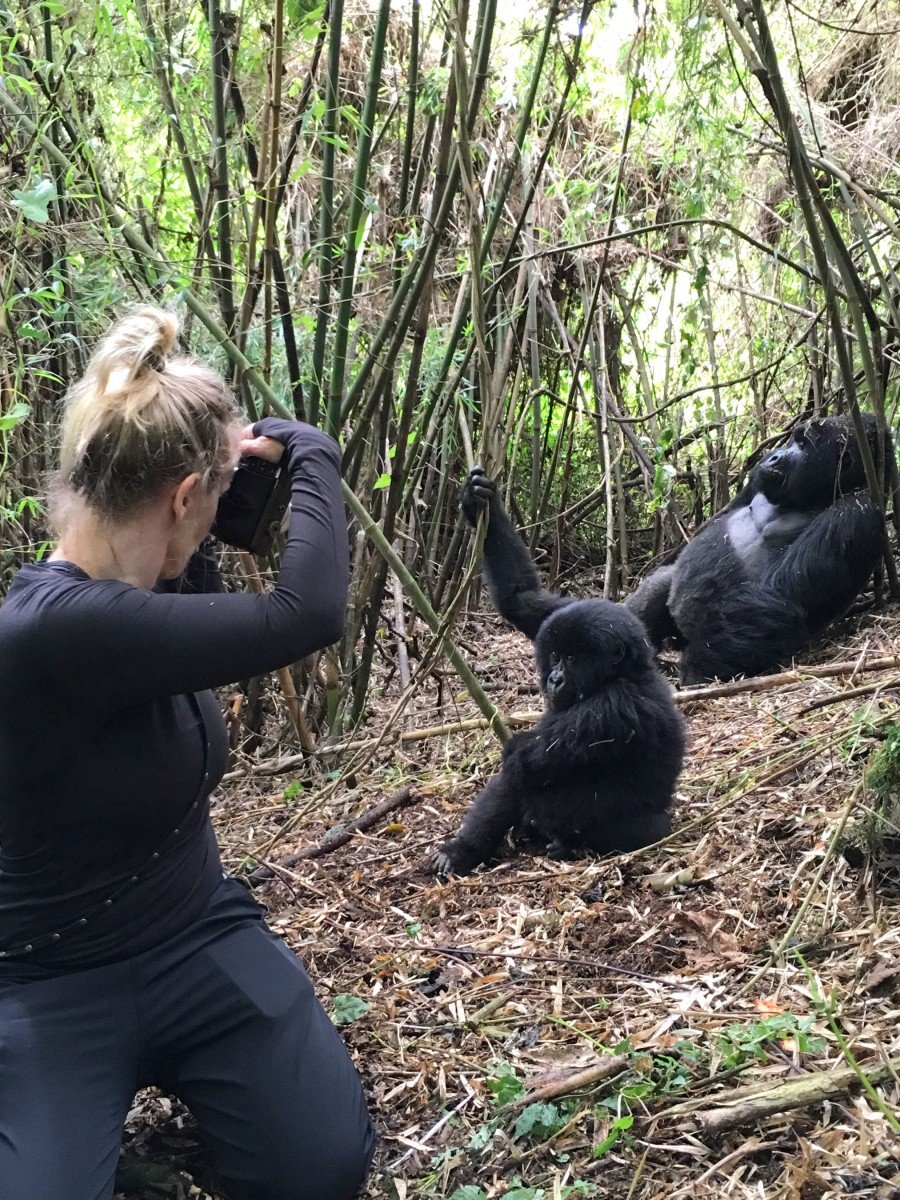
A cross-border itinerary can begin with Kigali, continue into Uganda for gorilla habituation and then return to Rwanda for Volcanoes National Park. What Is Gorilla Habituation Experience in Rwanda? Travellers could therefore experience up to four hours with a family undergoing habituation in Bwindi and later complete a conventional one-hour trek with a fully habituated family in Rwanda. The two days would not be repetitive because they take place in different ecosystems under different tourism formats.
This combination is especially strong for photographers and serious gorilla enthusiasts. The Uganda portion provides extended observation, while Rwanda adds the dramatic Virunga volcanic landscape and easy access to golden monkey trekking, the Dian Fossey trail and other Volcanoes National Park experiences.
Where Does Gorilla Trekking Take Place in Rwanda?
All tourist mountain gorilla tracking in Rwanda takes place within Volcanoes National Park in the country’s northwest. The park forms part of the Virunga Massif shared by Rwanda, Uganda and the Democratic Republic of Congo and protects bamboo-covered volcanic slopes beneath mountains including Karisimbi, Bisoke, Sabyinyo, Gahinga and Muhabura.
Visitors report to the park headquarters area in Kinigi at 7:00 AM for registration, briefing and allocation. Rwanda’s official booking information states that fitness can influence allocation because different gorilla families may require different trekking distances. What Is Gorilla Habituation Experience in Rwanda? Staying near the park the previous night is therefore considerably more comfortable than attempting to begin the day with a long morning journey.
Volcanoes National Park is also worth experiencing beyond the gorilla hour. Travellers can stay several nights and include golden monkeys, a Mount Bisoke hike or the historical Dian Fossey experience. This creates a more complete Virunga journey without pretending that Rwanda currently provides the specialised four-hour gorilla habituation product available in Uganda.
What Makes Rwanda Gorilla Trekking Different From Uganda Habituation?
Rwanda’s greatest practical advantage is its compact routing. Travellers can arrive in Kigali and reach the Volcanoes region by road without dedicating an entire day to a cross-country transfer. This makes Rwanda especially appealing for short safaris, honeymoon extensions and combinations with Kenya or Tanzania. The forests sit beneath spectacular volcanoes, and some of Africa’s most celebrated luxury gorilla lodges are located around the park.
Uganda’s habituation advantage is time. What Is Gorilla Habituation Experience in Rwanda? A maximum four-hour viewing period gives visitors far more opportunity to settle into the environment and observe how behaviour changes during the encounter. Photographers can work through different lighting conditions, while wildlife enthusiasts may witness feeding, movement, resting, grooming and social interactions within one extended session.
Neither experience makes the other unnecessary. Travellers primarily seeking efficiency and a premium Virunga itinerary may prefer Rwanda. Travellers whose biggest priority is prolonged gorilla observation may choose Uganda. Those wanting the deepest possible gorilla-focused safari can combine both countries, gaining two forests, two tourism formats and several separate gorilla encounters within one East African journey.
Is Gorilla Habituation Better for Photography?
For many serious wildlife photographers, the extended viewing time available during Uganda’s habituation experience can be extremely valuable. Four hours provides more opportunity for gorillas to move through different positions and for forest light to change. Instead of trying to photograph every individual immediately, the photographer can observe behaviour and wait for clearer compositions.
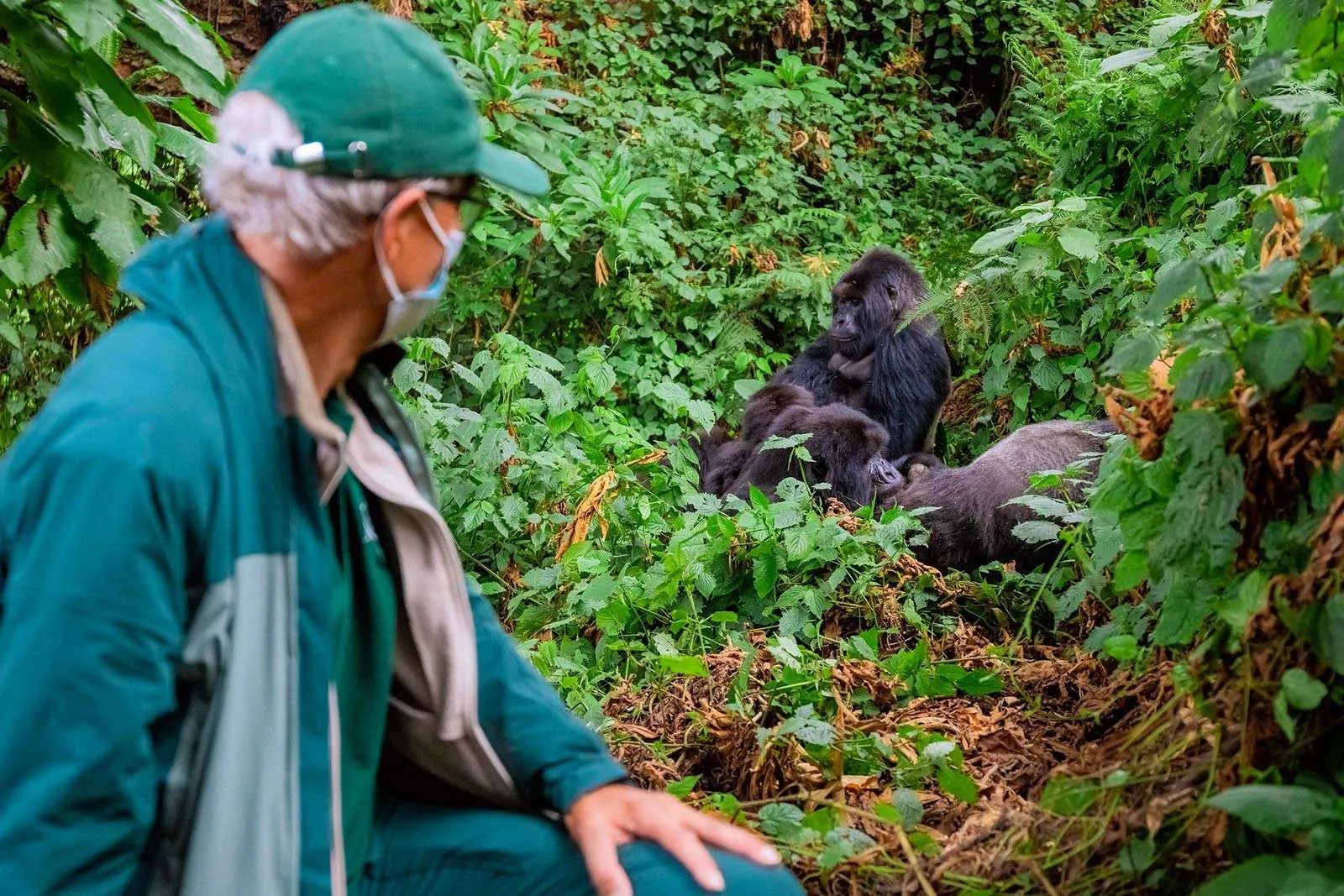
That does not mean Rwanda is unsuitable for gorilla photography. Volcanoes National Park provides spectacular photographic opportunities, and the one-hour encounter can produce extraordinary portraits, environmental images and family behaviour. Travellers can also book two Rwanda gorilla trekking days, effectively creating two separate photographic opportunities with potentially different trekking conditions and gorilla groups.
Photographers choosing between the two should think beyond the number of hours. Rwanda offers Virunga volcano scenery and a convenient high-end safari infrastructure, while Bwindi provides thick rainforest and the specialised habituation product. A dedicated photography journey can include gorilla trekking in Rwanda followed by gorilla habituation in Uganda rather than choosing only one.
Can You Spend More Than One Hour With Gorillas in Rwanda?
Under Rwanda’s standard tourism regulations, an individual gorilla trekking permit provides a maximum of one hour with the assigned family once it has been found. RDB’s current visitor rules clearly state the one-hour limit and maximum of eight visitors per group.
Travellers wanting more Rwanda gorilla time can book an additional permit for another day. This does not extend one encounter to two hours; instead, it creates a second independent trek. For many photographers and gorilla enthusiasts, this can be an excellent solution because each day may produce completely different family behaviour, trekking conditions, weather and photographic opportunities.
Another option is combining Rwanda with Uganda. Travellers can spend a standard hour with fully habituated gorillas in Volcanoes National Park and then cross into Uganda for the longer Gorilla Habituation Experience. This offers considerably more variety than simply repeating exactly the same itinerary.
What Other Primate Experiences Can You Add in Rwanda?
Golden monkey tracking is one of the easiest additions because it also takes place in the Volcanoes region. Golden monkeys move rapidly through bamboo and produce a completely different experience from observing the much larger mountain gorillas. Travellers with limited time can consider a 3-Day Rwanda Gorilla and Golden Monkey Trekking Safari.
Those with more time can travel south toward Nyungwe National Park for chimpanzee trekking in Rwanda. Nyungwe Forest National Park adds an entirely different rainforest ecosystem, additional primates, birds and forest experiences. A longer primate safari can therefore include gorillas, golden monkeys and chimpanzees without leaving Rwanda.
These additional activities are particularly useful for travellers who initially search What Is Gorilla Habituation Experience in Rwanda? because what they may really want is a deeper primate-focused safari rather than specifically the scientific habituation process. Rwanda can deliver an exceptional multi-primate itinerary even though the specialised four-hour gorilla habituation activity itself is presently in Uganda.
Can You Combine Gorilla Trekking With Lake Kivu?
Lake Kivu is one of the best destinations to visit after gorilla trekking because it provides a complete change of pace. After early mornings and mountain trails in Volcanoes National Park, travellers can descend toward the lake for boating, scenic views and slower lodge time.
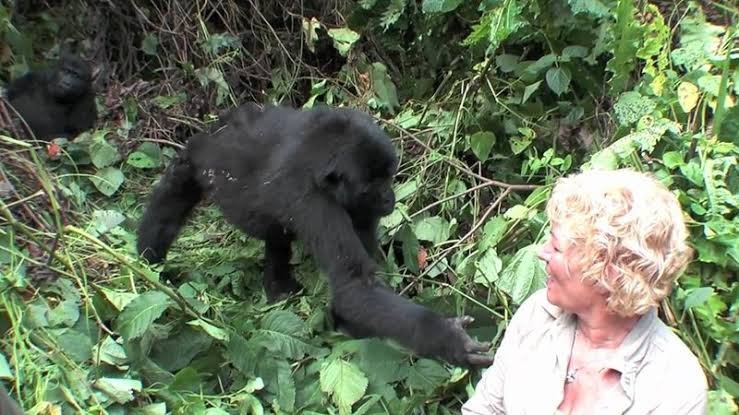
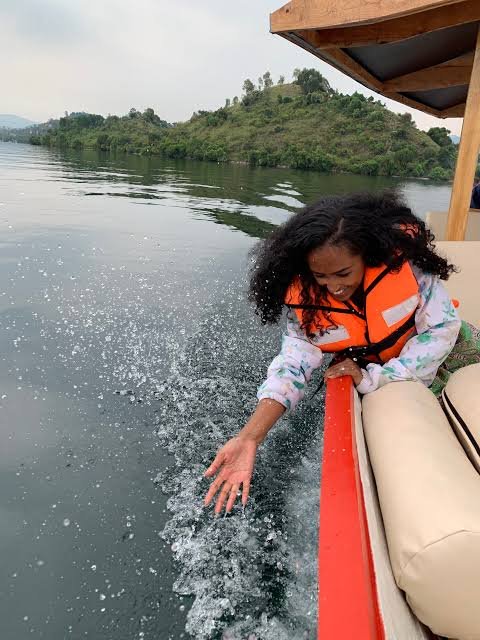
The combination works particularly well for honeymooners and luxury travellers who do not want every day of the safari to involve another physically demanding activity. Two nights beside Lake Kivu can provide valuable recovery before continuing toward Nyungwe or returning to Kigali.
For cross-border travellers, Lake Kivu can also be incorporated between Rwanda and Uganda experiences depending on the overall route. Visit Rwanda Safaris can therefore use gorilla trekking as the central activity while surrounding it with scenery and relaxation rather than filling every available day with another primate trek.
Can You Combine Gorillas With Akagera National Park?
Yes. Akagera National Park provides the strongest contrast to Volcanoes National Park within Rwanda. Instead of bamboo forest and mountain gorillas, travellers encounter open savannah, wetlands, lakes and traditional safari wildlife.
This combination is ideal for first-time Africa visitors who want mountain gorillas but also want a conventional game-drive experience. The safari can begin in Akagera and then travel west toward Volcanoes or place the gorilla trek first and finish with several nights of savannah wildlife.
Adding Akagera also helps answer the larger travel question behind What Is Gorilla Habituation Experience in Rwanda? Not every additional day needs to provide more time with gorillas. A well-balanced Rwanda safari can give the gorilla encounter room to remain special while introducing a completely different ecosystem afterward.
What Should You Wear for Gorilla Trekking in Rwanda?
Rwanda Development Board recommends long trousers and long shirts to protect against vegetation and stinging nettles. Solid walking shoes or hiking boots are essential, and rain protection remains useful because weather in the mountains changes quickly. Gloves and gaiters can also improve comfort when trails are muddy or heavily vegetated.
A small daypack should carry drinking water, a light snack, rain gear and camera equipment. Eating and drinking are not permitted beside the gorillas, and flash photography is prohibited. Porters can be hired to carry bags and provide valuable assistance on steep or slippery sections.
Travellers crossing into Uganda for habituation should prepare even more carefully because the forest day can be substantially longer. Comfortable boots, waterproof layers and realistic camera equipment become especially important when the total activity may occupy much of the day.
Who Should Choose Rwanda Gorilla Trekking?
Rwanda is particularly well suited to travellers with limited time, luxury travellers, couples, honeymooners and anyone combining gorillas with another East African destination. Its road connection from Kigali to Volcanoes National Park allows the gorilla experience to fit naturally into relatively short itineraries.
It is also an excellent choice for travellers who want a highly structured and well-regulated encounter with fully habituated families. The current maximum of eight visitors per group and one-hour viewing rule keeps daily tourism exposure limited.
Visitors who specifically want four hours with gorillas, however, should consider Uganda instead. This is why understanding the difference before booking is so important. Rwanda and Uganda are both exceptional gorilla destinations, but their tourism products are not identical.
Who Should Choose the Uganda Gorilla Habituation Experience?
The Uganda habituation experience is particularly suitable for travellers whose primary reason for visiting East Africa is mountain gorillas. Wildlife photographers, conservation enthusiasts, repeat gorilla trekkers and travellers who want extended behavioural observation are likely to appreciate the additional time.
Participants should also be prepared physically and mentally for a long forest day. The activity begins earlier than normal trekking and may require substantial hiking before the gorilla family is located. The four-hour maximum refers to viewing time after contact rather than the entire duration of the excursion.
Travellers can combine it with a standard Bwindi trek through the 4 Days Gorilla Trekking and Habituation Safari or cross into Rwanda afterward for a second gorilla experience beneath the Virunga volcanoes. This provides one of the richest gorilla-focused itineraries available in East Africa.
Frequently Asked Questions About What Is Gorilla Habituation Experience in Rwanda?
1. What Is Gorilla Habituation Experience in Rwanda?
What Is Gorilla Habituation Experience in Rwanda? The important clarification is that Rwanda currently offers standard mountain gorilla tracking in Volcanoes National Park rather than a separate public four-hour Gorilla Habituation Experience. Rwanda’s tourism gorilla families are already fully habituated, and visitors spend a maximum of one hour with their assigned family after locating them.
Travellers specifically looking for a four-hour gorilla habituation experience can do this in Uganda, where the activity is officially recognised by Uganda Wildlife Authority.
2. Does Rwanda Offer a Gorilla Habituation Experience?
No separate tourism product called Gorilla Habituation Experience is currently listed by Rwanda Development Board. Rwanda instead offers mountain gorilla tracking with fully habituated gorilla families in Volcanoes National Park.
This means travellers searching What Is Gorilla Habituation Experience in Rwanda? should distinguish it from the dedicated four-hour habituation experience offered in Uganda.
3. What Is the Difference Between Gorilla Trekking and Gorilla Habituation?
Standard gorilla trekking takes visitors to a family that is already fully habituated to controlled human presence. Rwanda currently follows this model, allowing visitors a maximum of one hour with the gorillas after locating them.
Gorilla habituation involves joining researchers and habituation teams around gorillas that are still undergoing the process of becoming accustomed to controlled human presence. Uganda Wildlife Authority permits a maximum of four hours of viewing during its Gorilla Habituation Experience.
4. How Long Do You Spend With Gorillas in Rwanda?
Visitors on a standard Rwanda gorilla trek spend a maximum of one hour with their assigned gorilla family after it has been located.
The actual trek can take considerably longer because the gorillas move freely through the forest. Trekking time depends on the location of the family, terrain and weather conditions.
5. How Long Does the Gorilla Habituation Experience Last?
In Uganda, the official Gorilla Habituation Experience allows a maximum of four hours of viewing after visitors reach the gorillas. Uganda Wildlife Authority distinguishes this from normal tracking, where viewing time is limited to one hour.
The complete forest activity can take longer because tracking time before reaching the gorillas is separate from the four-hour viewing period.
6. How Much Is Gorilla Trekking in Rwanda?
The standard Rwanda gorilla permit currently costs USD 1,500 per foreign visitor. Rwanda Development Board also sets the minimum trekking age at 15 years.
This permit provides access to one standard gorilla tracking experience and should not be confused with Uganda’s separate Gorilla Habituation Experience.
7. Where Does Gorilla Trekking Take Place in Rwanda?
Gorilla trekking in Rwanda takes place in Volcanoes National Park in the country’s northwest. Visitors report to the registration centre at Kinigi in the morning before being allocated to a habituated gorilla family.
Travellers can learn more through gorilla trekking in Rwanda and Volcanoes National Park.
8. How Many Gorilla Families Can Tourists Visit in Rwanda?
Visit Rwanda currently states that 12 gorilla families in Volcanoes National Park are fully habituated for tourism. Eight visitor permits are issued per family per day, giving a maximum of 96 tourism permits under the current structure.
Other gorilla families are habituated specifically for scientific research rather than ordinary tourist visits.
9. What Is the Minimum Age for Gorilla Trekking in Rwanda?
The minimum age is 15 years. Rwanda Development Board applies this requirement to mountain gorilla tracking in Volcanoes National Park.
Families travelling with younger children can arrange other Rwanda activities while eligible members participate in the gorilla trek.
10. Can I Spend More Than One Hour With Gorillas in Rwanda?
A single standard Rwanda gorilla permit allows a maximum of one hour with the gorillas after locating them.
Travellers who want more gorilla time in Rwanda can book a second permit for another trekking day. This creates two separate one-hour encounters rather than extending one visit.
Book Your Rwanda Gorilla Trekking and Uganda Habituation Safari
So, What Is Gorilla Habituation Experience in Rwanda? The most important answer is that Rwanda presently offers standard mountain gorilla tracking with fully habituated families rather than a public four-hour Gorilla Habituation Experience. International visitors currently pay USD 1,500 for a Rwanda trekking permit and receive a maximum one-hour encounter after finding their assigned family. The specialised habituation experience, with a maximum four-hour viewing period, is available through Uganda Wildlife Authority.
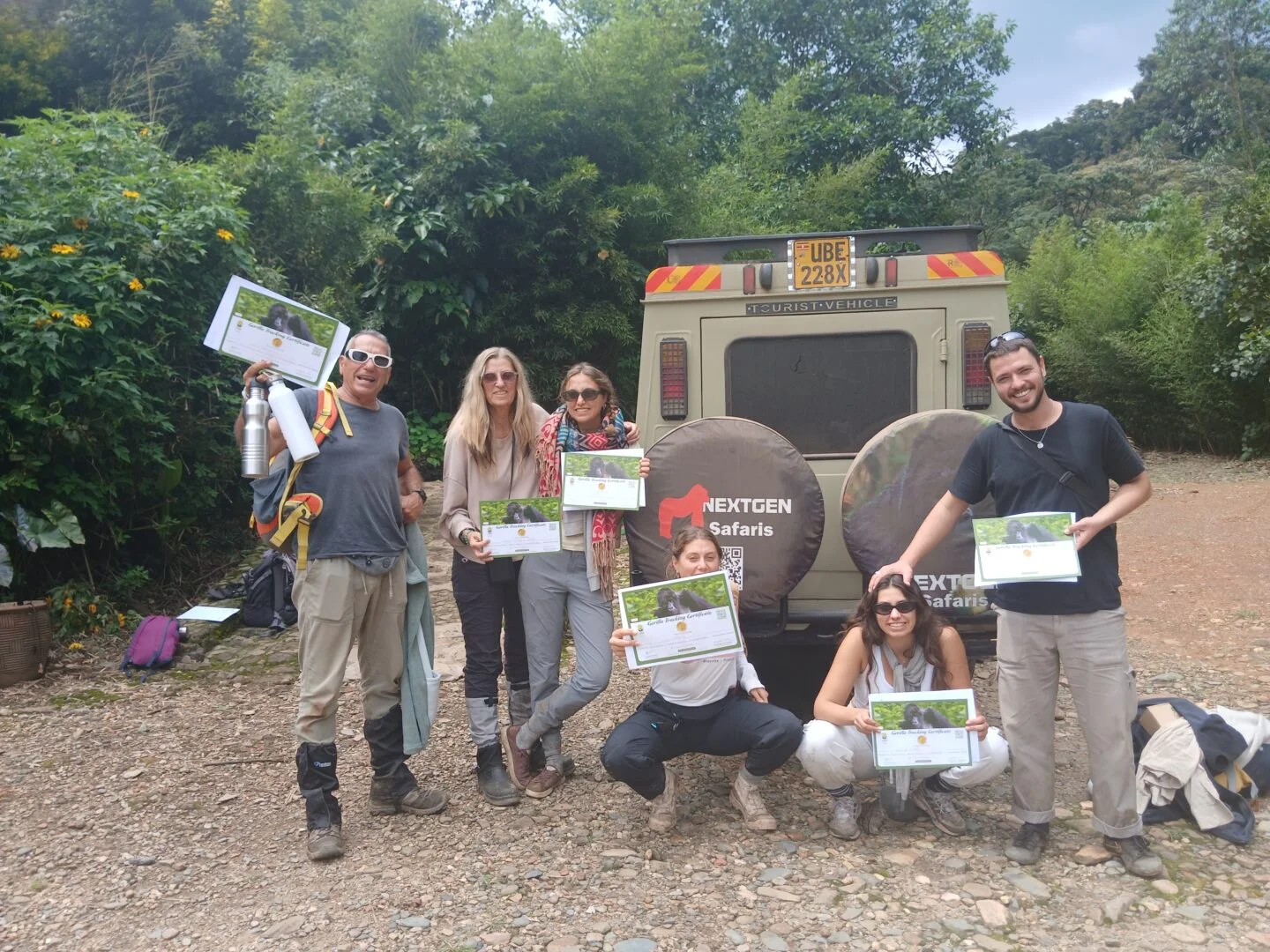
That distinction creates an excellent opportunity rather than a limitation. Visit Rwanda Safaris can arrange a Rwanda-focused journey built around gorilla trekking in Volcanoes National Park, golden monkey trekking, Lake Kivu and Akagera National Park. Travellers who want the extended habituation experience can then cross into Uganda and continue to Bwindi Impenetrable National Park for the specialised four-hour encounter.
For the most complete gorilla journey, consider experiencing both countries rather than treating Rwanda and Uganda as competitors. Spend one morning with fully habituated mountain gorillas beneath Rwanda’s Virunga volcanoes, then enter Uganda’s ancient Bwindi rainforest for the longer habituation experience. You can begin planning through our safari booking page and share your dates, number of travellers, preferred accommodation and whether you want standard gorilla trekking, habituation or both. Visit Rwanda Safaris can then create a carefully paced cross-border primate journey that gives you exactly the gorilla experience you are looking for—without confusing two very different activities.