
Ultimate Magashi vs Magashi Peninsula – Which Luxury Akagera Safari Experience Suits You?
The Magashi vs Magashi Peninsula comparison brings together two exceptional Wilderness safari experiences within Rwanda’s Akagera National Park, yet they have been designed for noticeably different styles of luxury traveller. Both provide access to the same remarkable savannah ecosystem, both overlook Lake Rwanyakazinga, and both place guests inside a private part of Akagera where wildlife viewing can feel far removed from the busier sections of the national park. The biggest differences are found in accommodation scale, privacy, private pools, personal guiding, design, family configuration and price.
Wilderness Magashi is the original camp and offers a more traditional luxury safari atmosphere through eight spacious tented suites overlooking Lake Rwanyakazinga. Guests have access to a central swimming pool, sophisticated communal spaces, game drives, boating, birding, fishing and an intimate social atmosphere where it is still possible to meet other safari travellers. Wilderness currently describes Magashi as occupying Akagera’s private-access area, providing a quieter game-viewing environment within Rwanda’s only savannah national park.
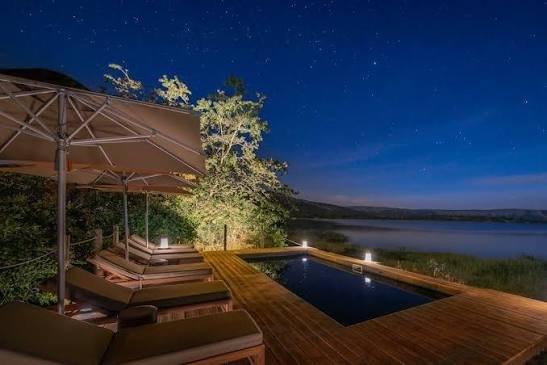
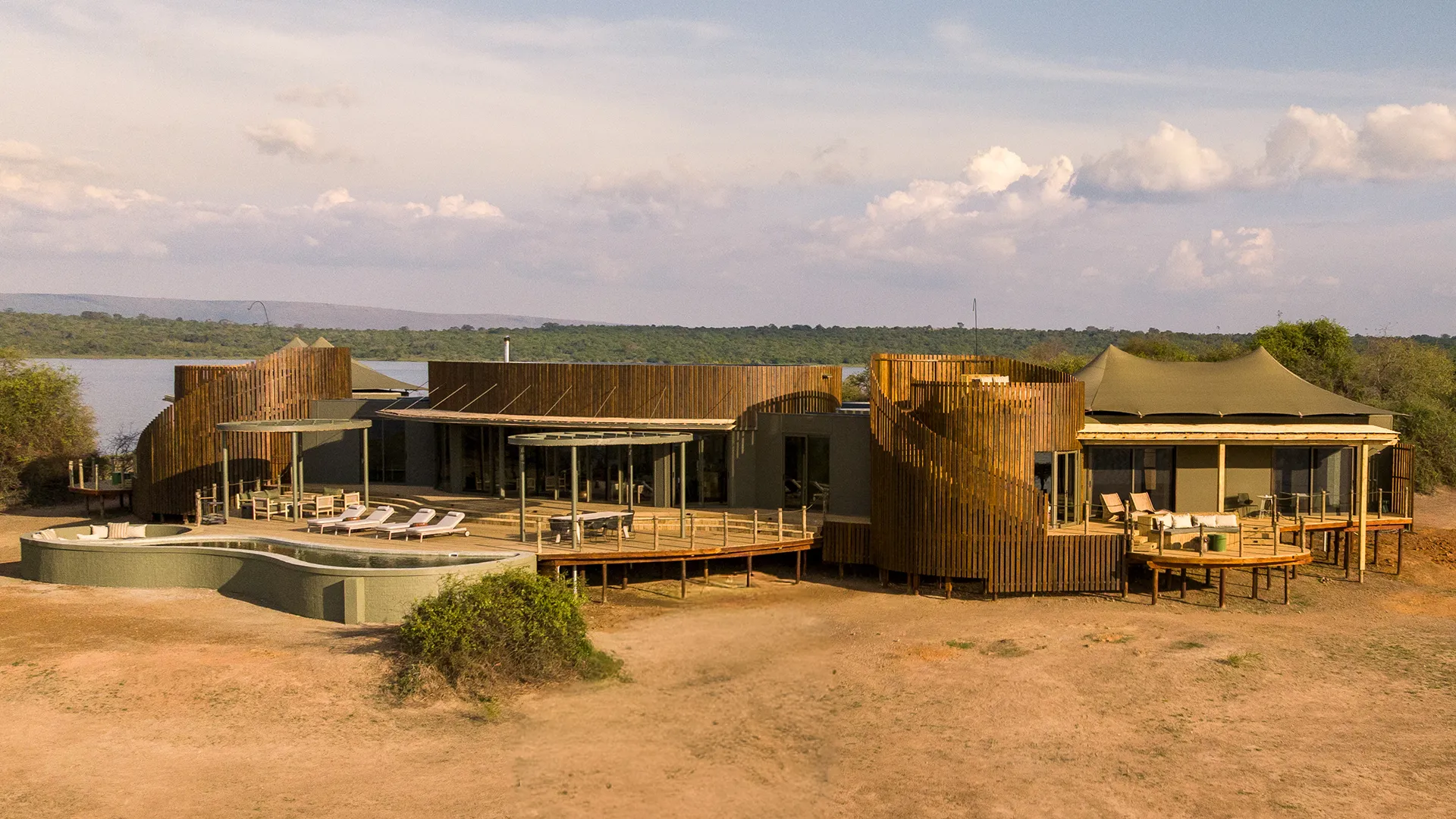
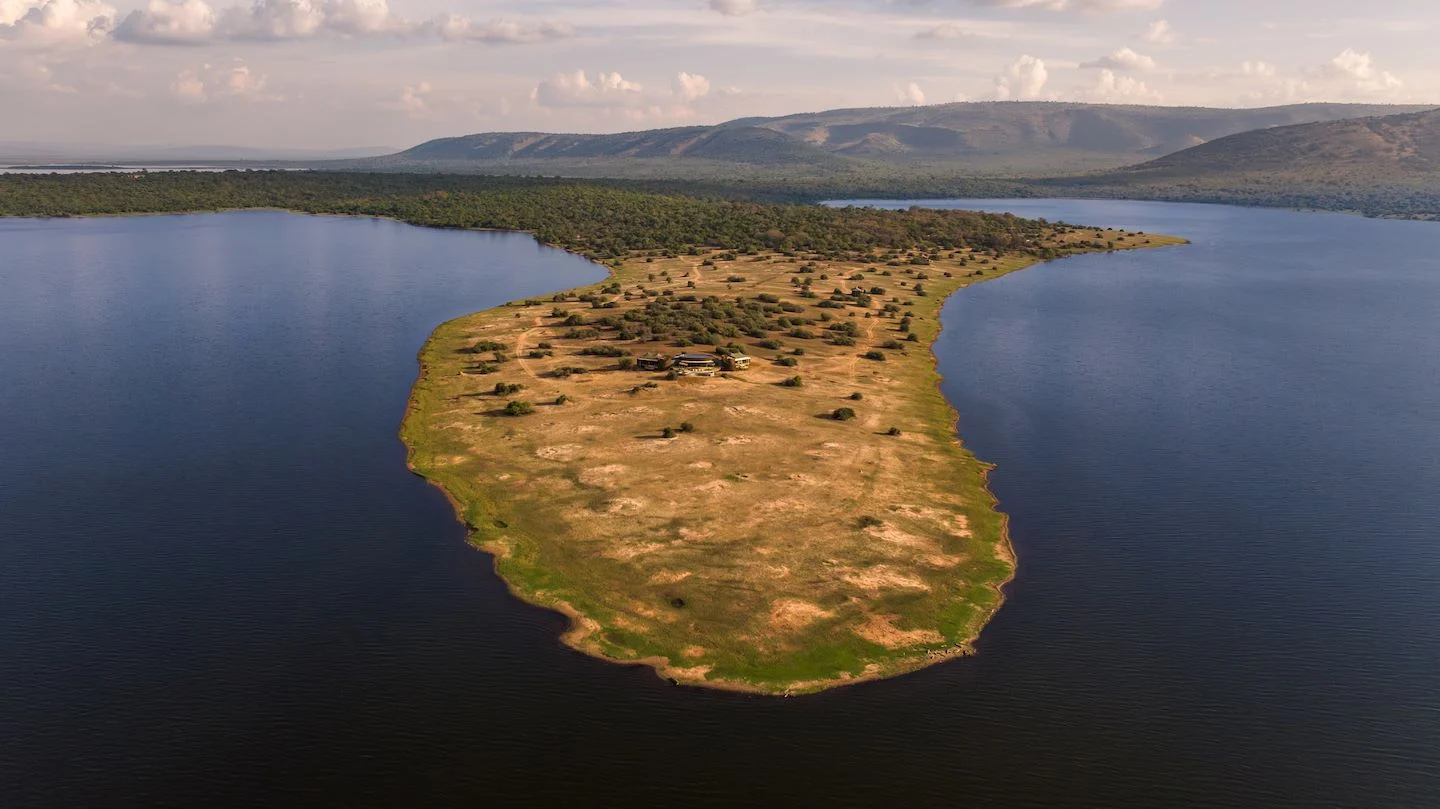
Magashi Peninsula is the newer and considerably more exclusive interpretation of the same wilderness experience. Opened in late 2025, it occupies a private peninsula within a 4,287-hectare wilderness area and has just two luxurious suites together with one exclusive-use villa. Each accommodation has private water-based relaxation facilities, while the suites also include rooftop Star Beds. The villa takes the privacy further with private dining, personalised guiding and extensive living spaces.
The important point when comparing Magashi vs Magashi Peninsula is that the wildlife does not suddenly become more impressive simply because the accommodation is more expensive. Both properties draw on the same extraordinary Akagera ecosystem. Magashi Peninsula commands its premium because it provides considerably greater exclusivity, private facilities and personal space around that safari experience.
Magashi vs Magashi Peninsula: What Is the Main Difference?
The simplest difference is that Magashi is an intimate luxury safari camp, while Magashi Peninsula is a much smaller ultra-luxury retreat designed around privacy.
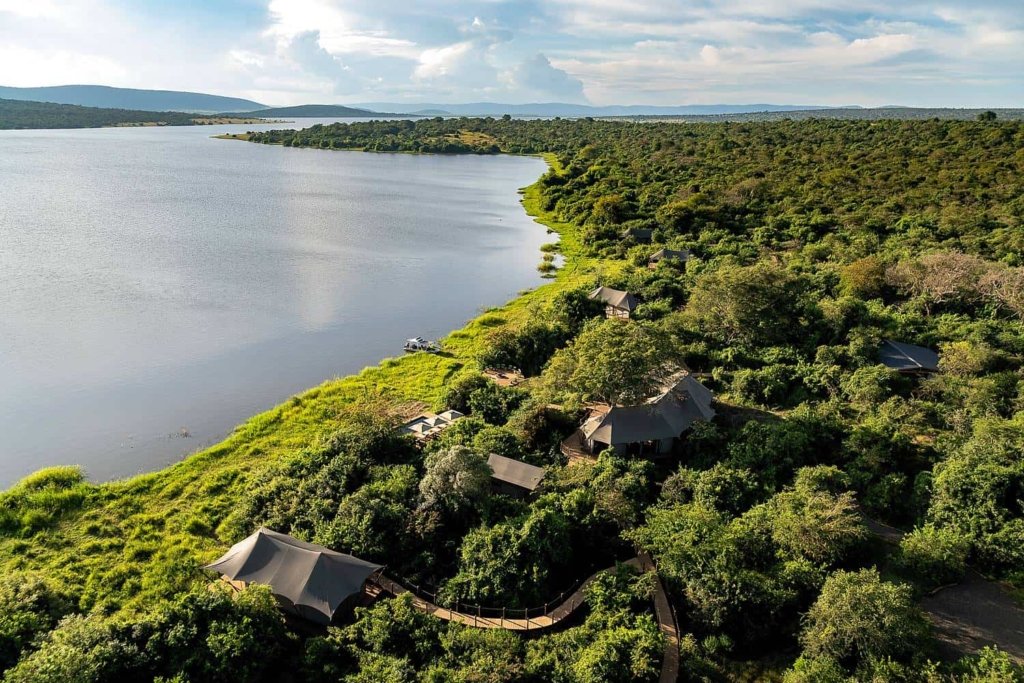
Current Wilderness information lists eight spacious tented suites at Magashi. The tents sit along Lake Rwanyakazinga and connect guests with water, savannah and wildlife while maintaining the familiar rhythm of a traditional high-end safari camp. There is a central swimming pool, dining and lounge environment, and opportunities to gather with other guests between activities.
Magashi Peninsula has only two couple-oriented suites and one private villa. The two suites are positioned about 200 metres apart, deliberately limiting visual and social contact between guests. The villa is designed for families or private groups and adds its own lounge, dining and kitchen areas together with dedicated services. Wilderness describes the Peninsula as its more exclusive, higher-luxury Akagera option.
This distinction affects almost every aspect of the stay. At Magashi, guests experience a luxurious but recognisably social safari camp. At Magashi Peninsula, guests can spend much more of the safari in their own private environment and engage with other guests only when they choose.
Location at Magashi vs Magashi Peninsula

Both properties are situated within Akagera National Park in eastern Rwanda and draw their safari experience from the same wider Magashi concession.
Magashi overlooks Lake Rwanyakazinga from a private-access part of Akagera. Wilderness describes the area as combining open savannah, woodland, lakes, wetlands and rolling terrain, which helps explain why guests can experience such varied wildlife within one stay. The camp’s waterside position also means elephants, hippos and birds can sometimes become part of the experience without guests even leaving camp.
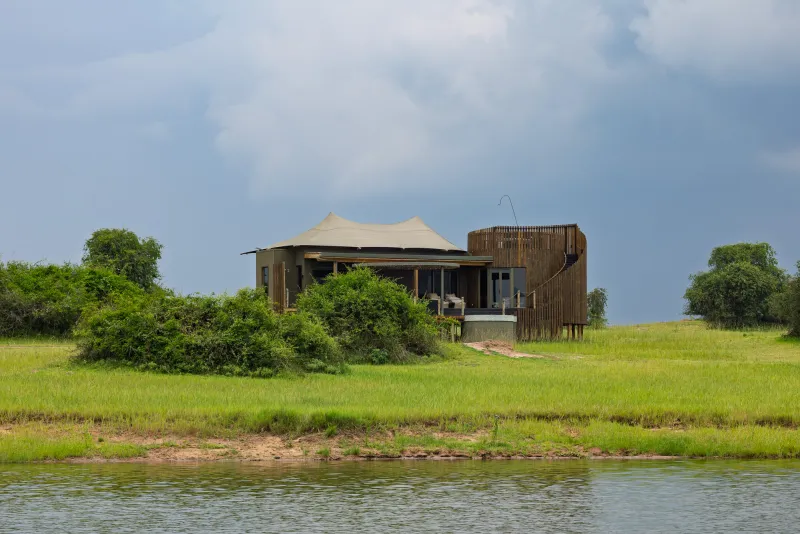
Magashi Peninsula sits farther out on its own private peninsula overlooking the same lake, with the Mutumba Mountains rising beyond. Wilderness describes its immediate wilderness area as approximately 4,287 hectares, or 10,590 acres, giving the camp an exceptional sense of separation from the rest of the park.
The result is an important atmospheric difference. Magashi feels remote and exclusive already, but Magashi Peninsula intensifies that feeling because water surrounds much of the accommodation setting and the extremely low room count means there are very few people sharing the landscape.
Accommodation at Magashi vs Magashi Peninsula
Accommodation is one of the clearest differences in the Magashi vs Magashi Peninsula comparison.
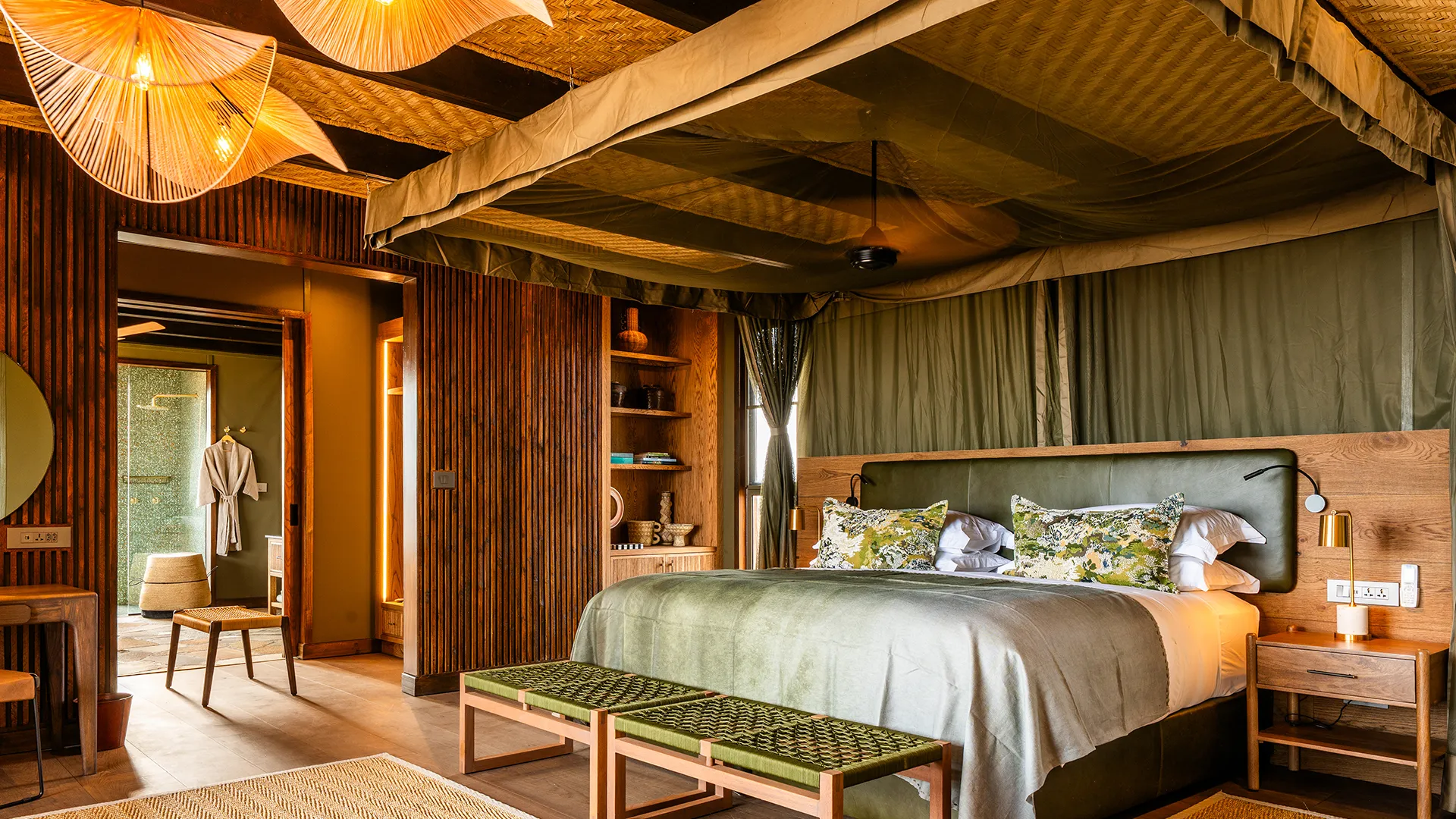
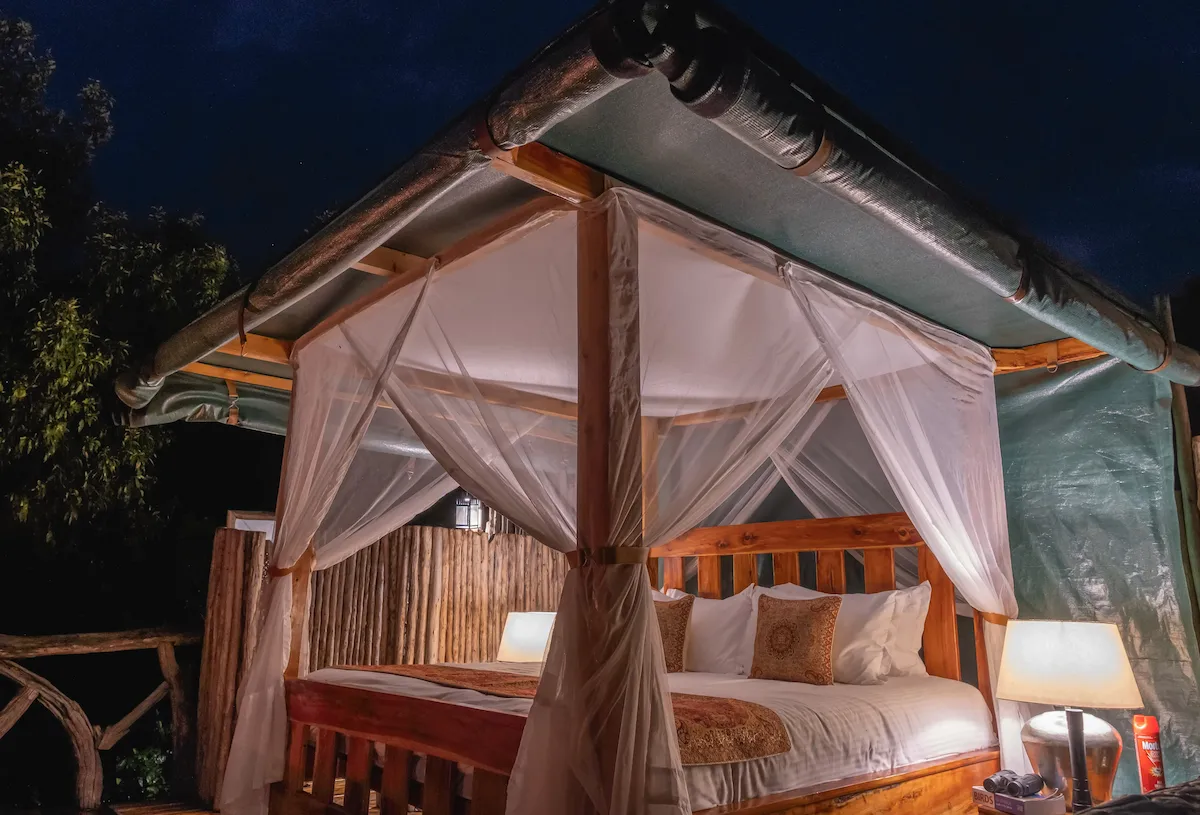
Magashi currently offers eight spacious tented suites positioned along Lake Rwanyakazinga. The design retains the traditional idea of a luxury East African tented safari camp while providing generous interiors and lake-facing views. Guests remain constantly aware that they are living within the national park rather than staying in a conventional hotel.
This tented design is particularly attractive to travellers who want classic safari character. Canvas, natural sounds, birds and the movement of animals around the lake reinforce the connection with Akagera’s wilderness.
Magashi Peninsula approaches accommodation much more like private safari residences. Its two suites are deliberately spaced approximately 200 metres apart and include private plunge pools, expansive views and rooftop Star Beds. The private villa adds two en-suite bedrooms as well as an additional adaptable space that can function as a children’s room, office or gym.
The villa also contains its own lounge, dining and kitchen areas, creating a very different sense of independence from a traditional safari tent.
The difference is therefore not that one property provides comfortable rooms while the other does not. Both are highly luxurious. Magashi provides an elegant tented-camp experience, while the Peninsula moves towards private villa-style safari living.
Star Beds at Magashi Peninsula
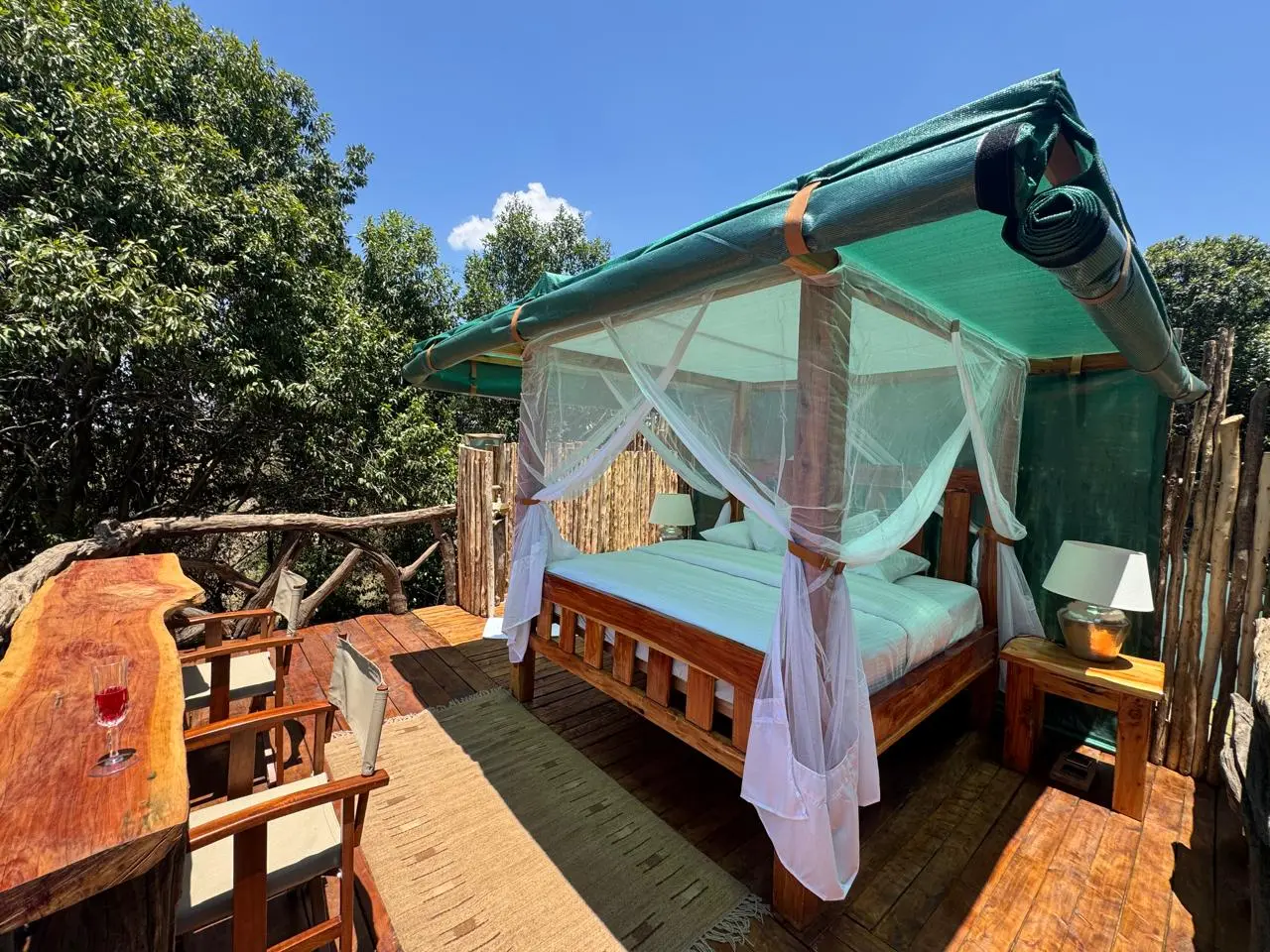
One of the most distinctive features separating the properties is the Star Bed experience integrated directly into Magashi Peninsula accommodation.
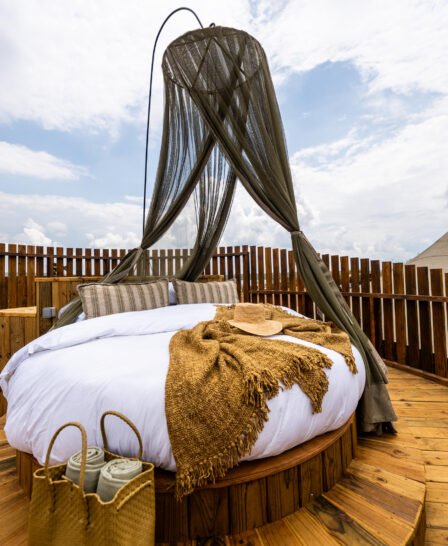
Wilderness currently states that every Peninsula room includes a Star Bed, allowing guests to sleep outdoors beneath Rwanda’s night sky in a carefully prepared setting.
The suites incorporate rooftop Star Beds, creating an especially appealing experience for honeymooners and couples. Instead of organising a completely separate sleep-out excursion, guests can incorporate sleeping beneath the stars into their own accommodation.
The villa also includes an alfresco Star Bed area, extending this experience to private families or groups.
The original Magashi page does not currently list private Star Beds as a standard tent amenity. This makes the Peninsula particularly interesting for travellers who consider outdoor sleeping one of the memorable elements they want from an African safari.
Wildlife Experience at Magashi vs Magashi Peninsula
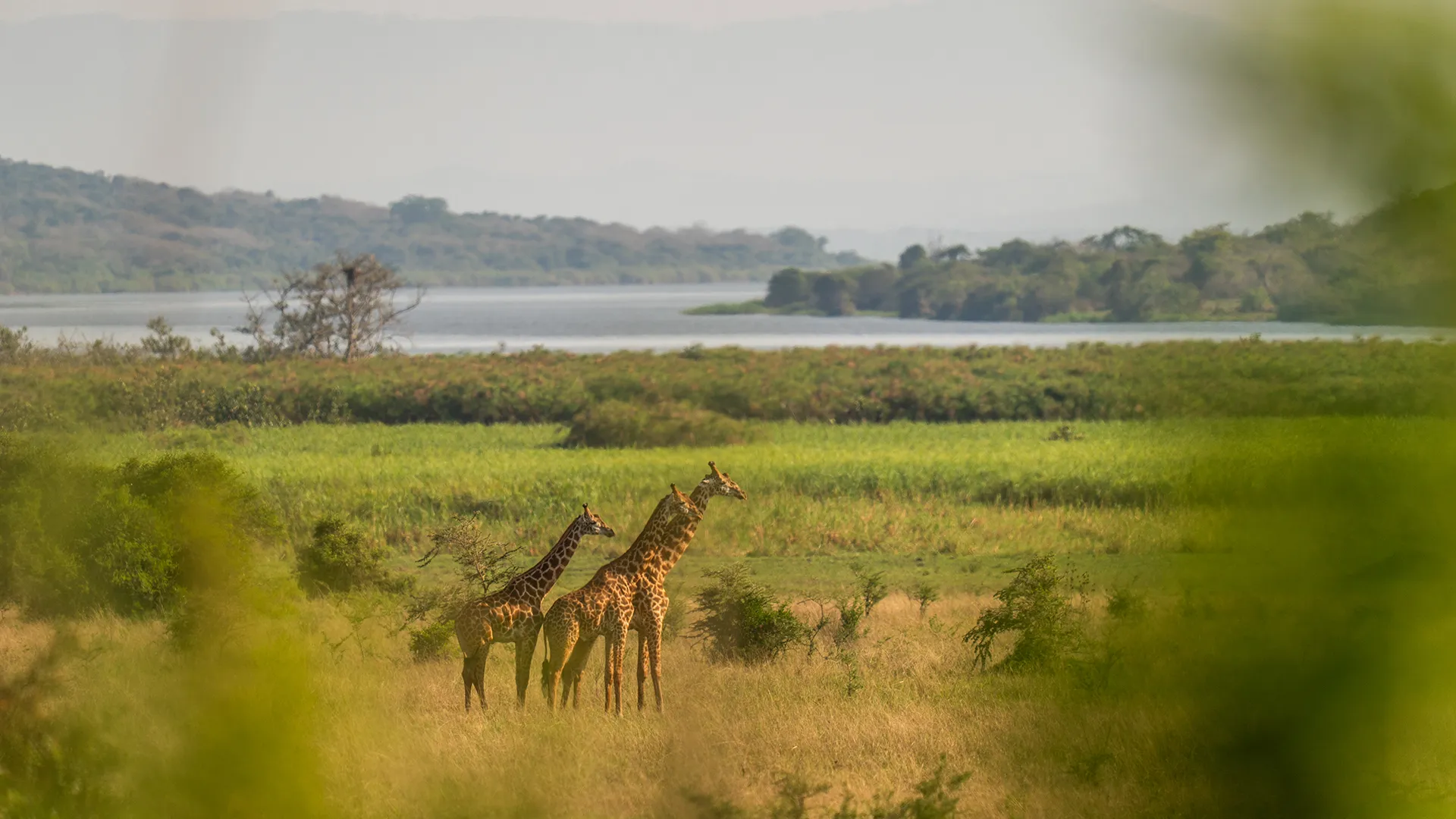
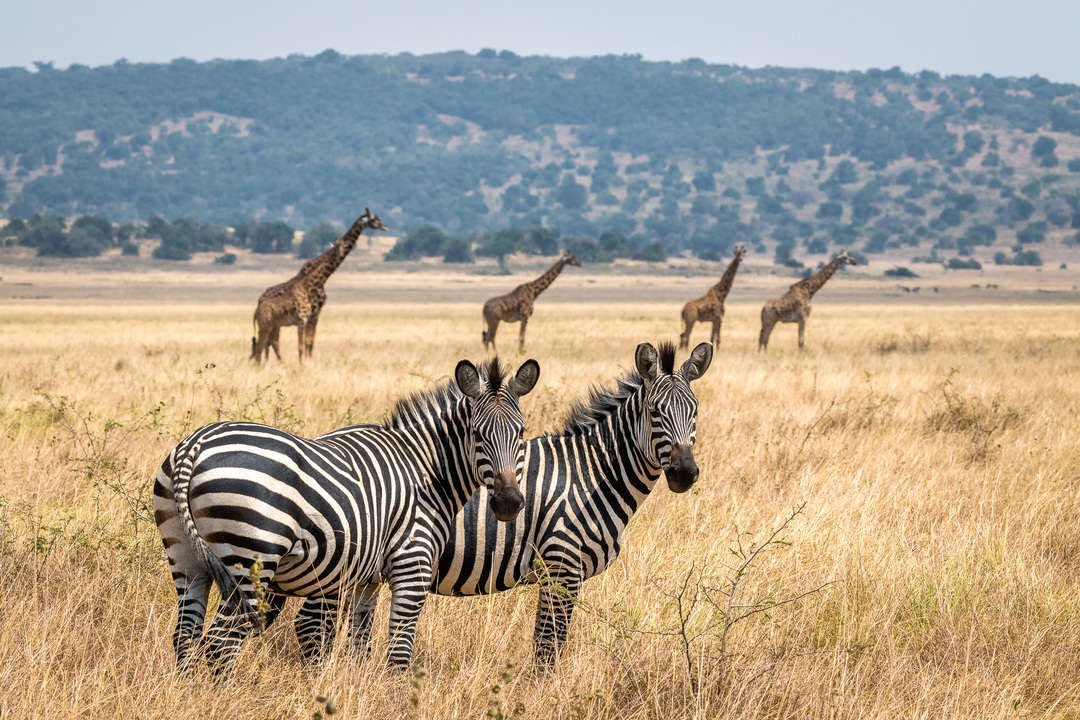
The most important fact about the wildlife comparison is that both properties operate within the same exceptional Akagera ecosystem.
Akagera is home to lions, leopards, black and white rhinos, elephants, buffalo, giraffes, zebras, hippos, crocodiles and a remarkable diversity of antelope and birdlife. Wilderness also highlights species such as sitatunga and tree-climbing lions as distinctive elements of the Magashi environment.
Magashi’s current property information describes encounters with lions, black and white rhinos, buffalo, elephants, giraffes and other wildlife across the concession. Lake Rwanyakazinga adds another dimension because elephants can approach the water while hippos and crocodiles occupy the lake itself.
Magashi Peninsula accesses the same broader wildlife environment. Paying the considerably higher Peninsula rate should therefore not be interpreted as paying for different animals.
What guests are paying for is how privately and luxuriously they experience that wildlife.
A lion sighting can potentially occur on either itinerary. The difference is that Peninsula guests may return afterwards to a private plunge pool, rooftop Star Bed and much smaller camp.
Game Drives at Magashi vs Magashi Peninsula
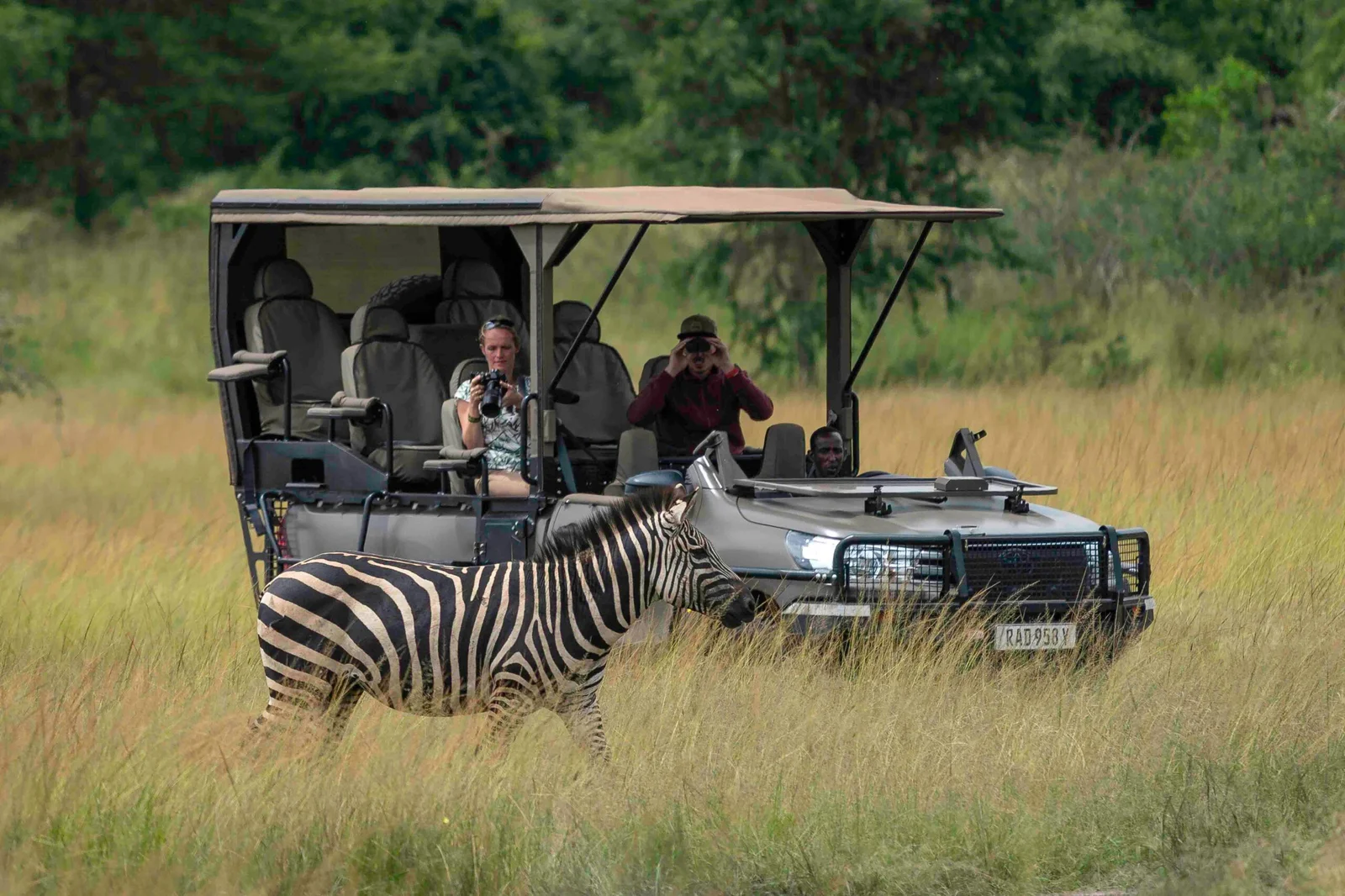
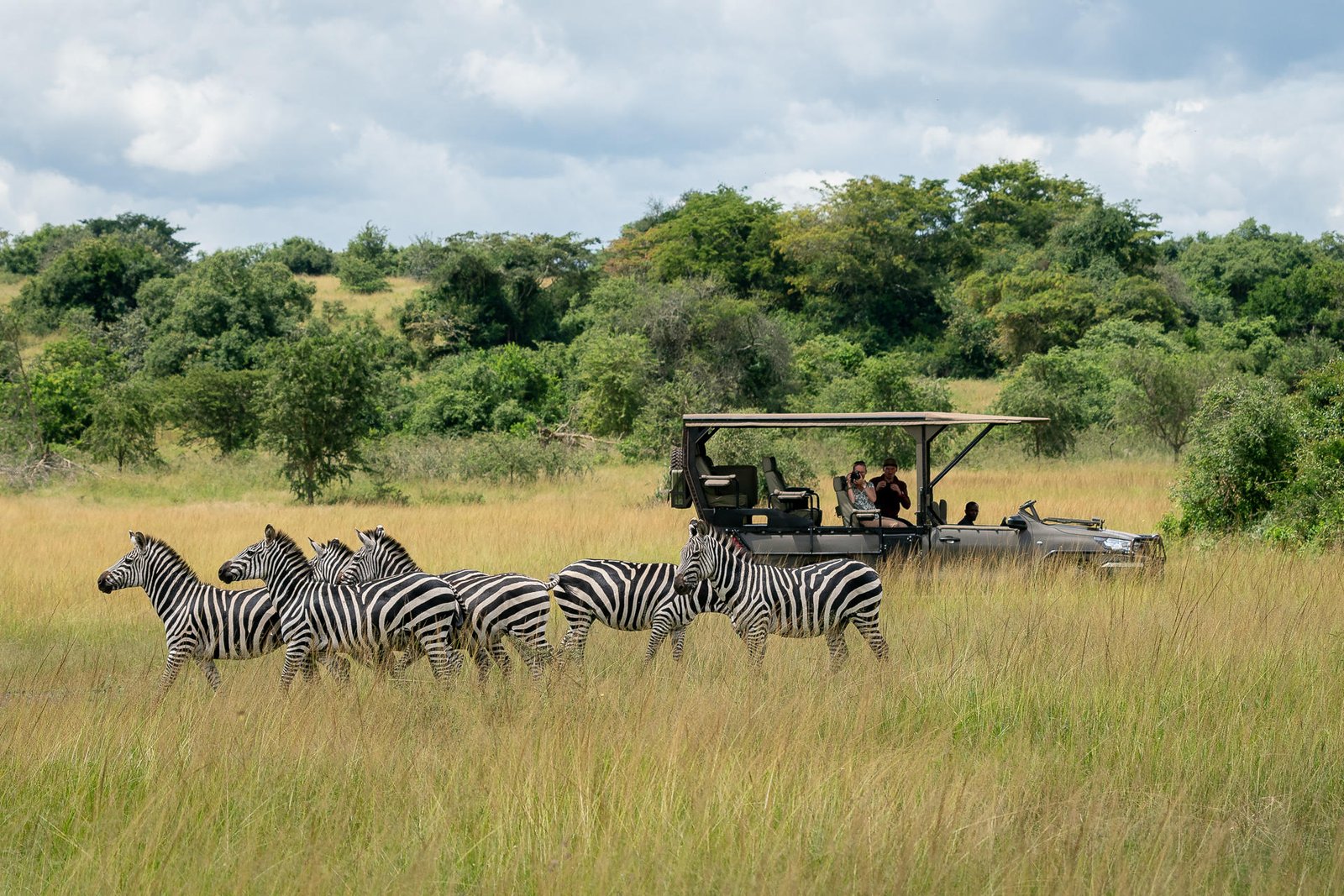
Game drives are central to both properties.
Because the Magashi concession operates within a private-access part of Akagera, Wilderness emphasises the ability to explore large areas with relatively little outside traffic.
This can be especially valuable during predator sightings. Instead of the experience being defined by numerous safari vehicles competing for viewing positions, the private concession creates greater potential for quieter wildlife encounters.
At Magashi, guests normally participate within the classic safari-camp model, heading out with Wilderness guides to track wildlife and interpret the ecosystem.
At Magashi Peninsula, the guiding experience becomes especially private for guests staying in the villa, where Wilderness specifically lists a private guide as part of the exclusive-use setup.
Private guiding gives a family or group greater control over timing and photographic priorities. A photographer may want to remain with a lion pride for longer, while a family may prefer a shorter outing before returning for lunch.
For couples staying in the individual Peninsula suites, the exceptionally low guest count still means game drives naturally operate within a highly intimate environment.
Night Game Drives at Magashi Peninsula
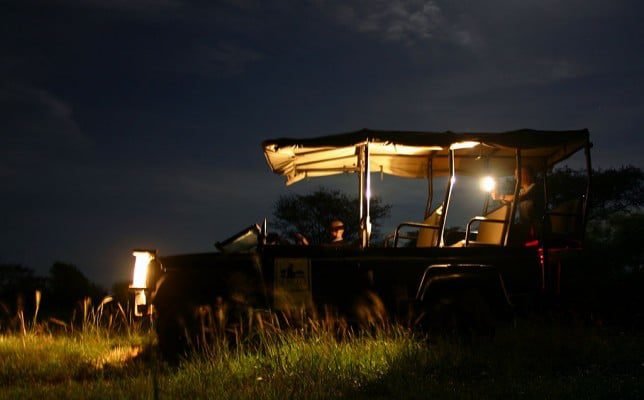
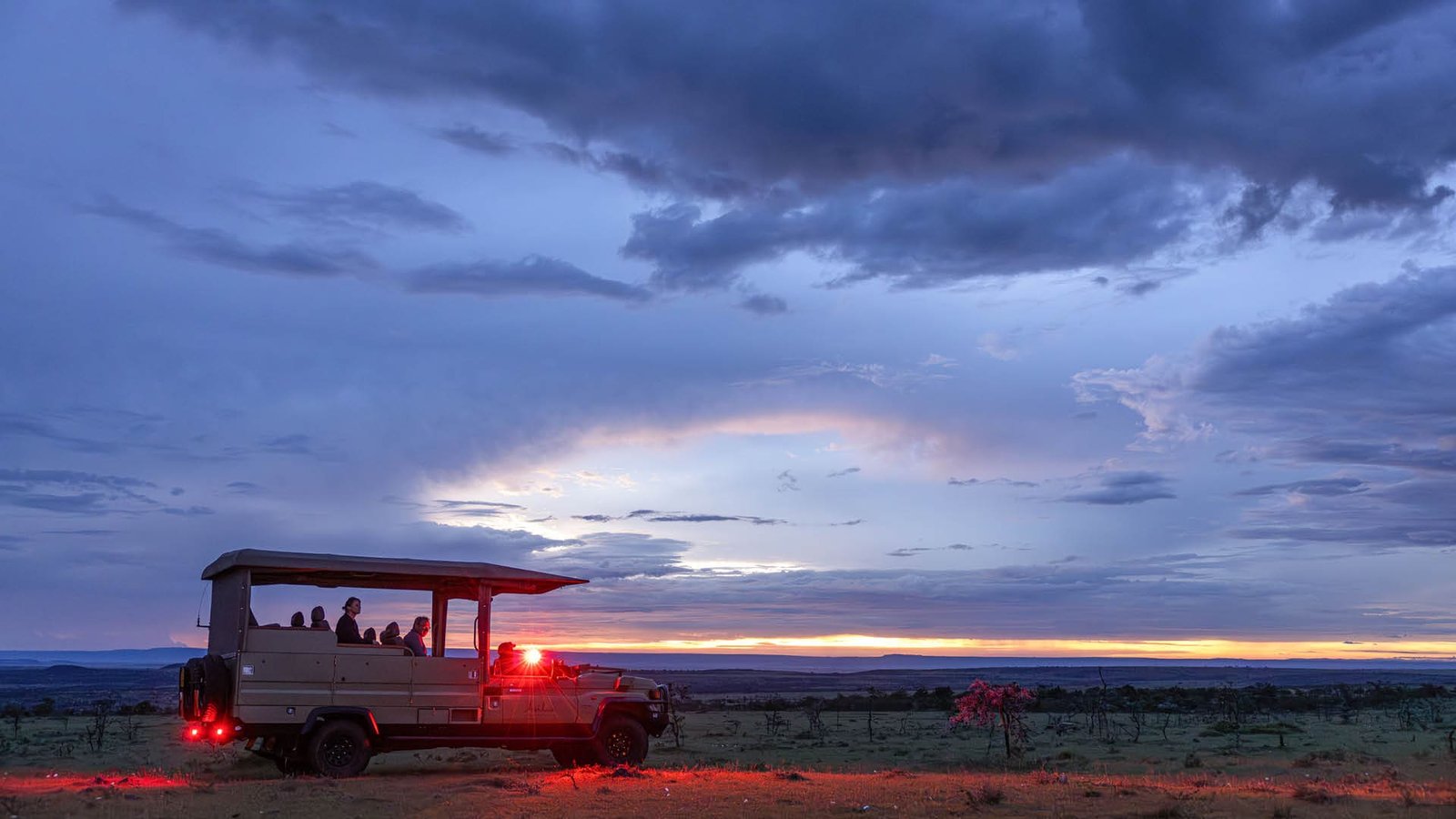
Night drives are specifically included among Magashi Peninsula’s promoted safari experiences.
Once daylight disappears, Akagera changes dramatically. Species that remain difficult to see during the heat of the day become active, and guides can use filtered spotlights to search for nocturnal wildlife. Wilderness currently lists night game drives directly among the Peninsula activities.
The experience also introduces sound in a different way. Lions calling after dark, elephants moving through vegetation and nocturnal animals crossing tracks can create a completely different atmosphere from a daytime safari.
This is one of the advantages of staying within a private concession rather than simply making a quick daytime visit to Akagera.
Travellers interested in photography, predators and nocturnal ecology should therefore leave at least one evening sufficiently flexible for an after-dark experience where operationally available.
Boat Safaris on Lake Rwanyakazinga
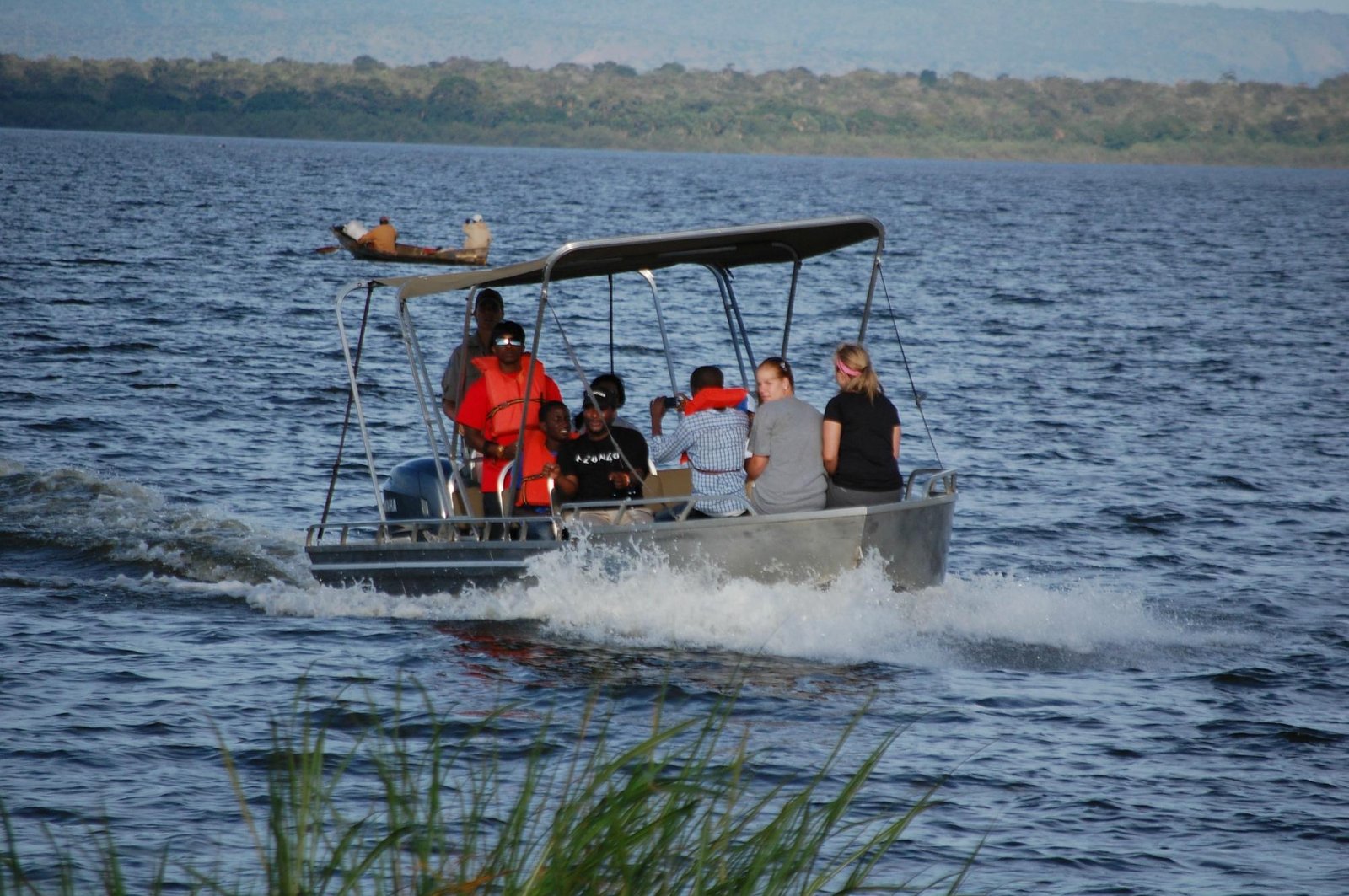
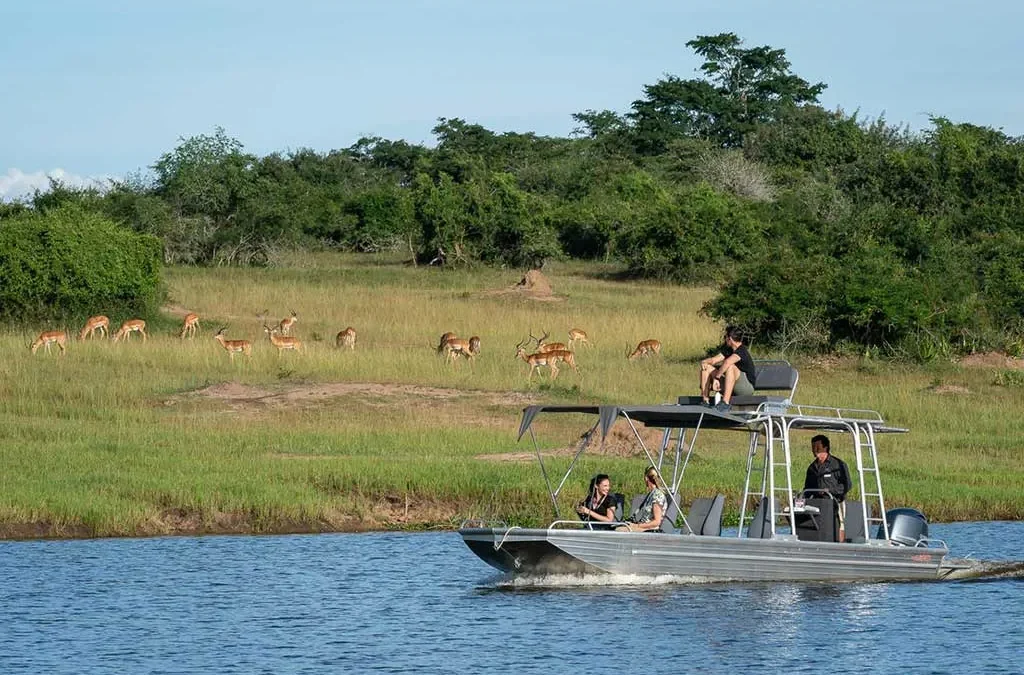
Boating is one of the strongest shared experiences in the Magashi vs Magashi Peninsula comparison.
Both properties sit beside Lake Rwanyakazinga, allowing guests to experience Akagera from a completely different perspective from a safari vehicle.
Wilderness highlights hippos, crocodiles and abundant birdlife as major attractions of boating in this area. Elephants can sometimes be observed around the shoreline, while the wetland environment creates opportunities to search for more elusive species associated with papyrus and water systems.
This diversity is important because Akagera is not simply a dry savannah safari. Lakes and wetlands are fundamental to the national park’s ecology.
A morning game drive may involve lions, giraffes and antelope in open country, while an afternoon boat trip shifts attention towards hippos, crocodiles, fish eagles and waterbirds.
The Peninsula’s position extending directly into the lake makes water feel especially dominant in the accommodation experience, but the underlying boating opportunity is available from both properties.
Birding at Magashi vs Magashi Peninsula
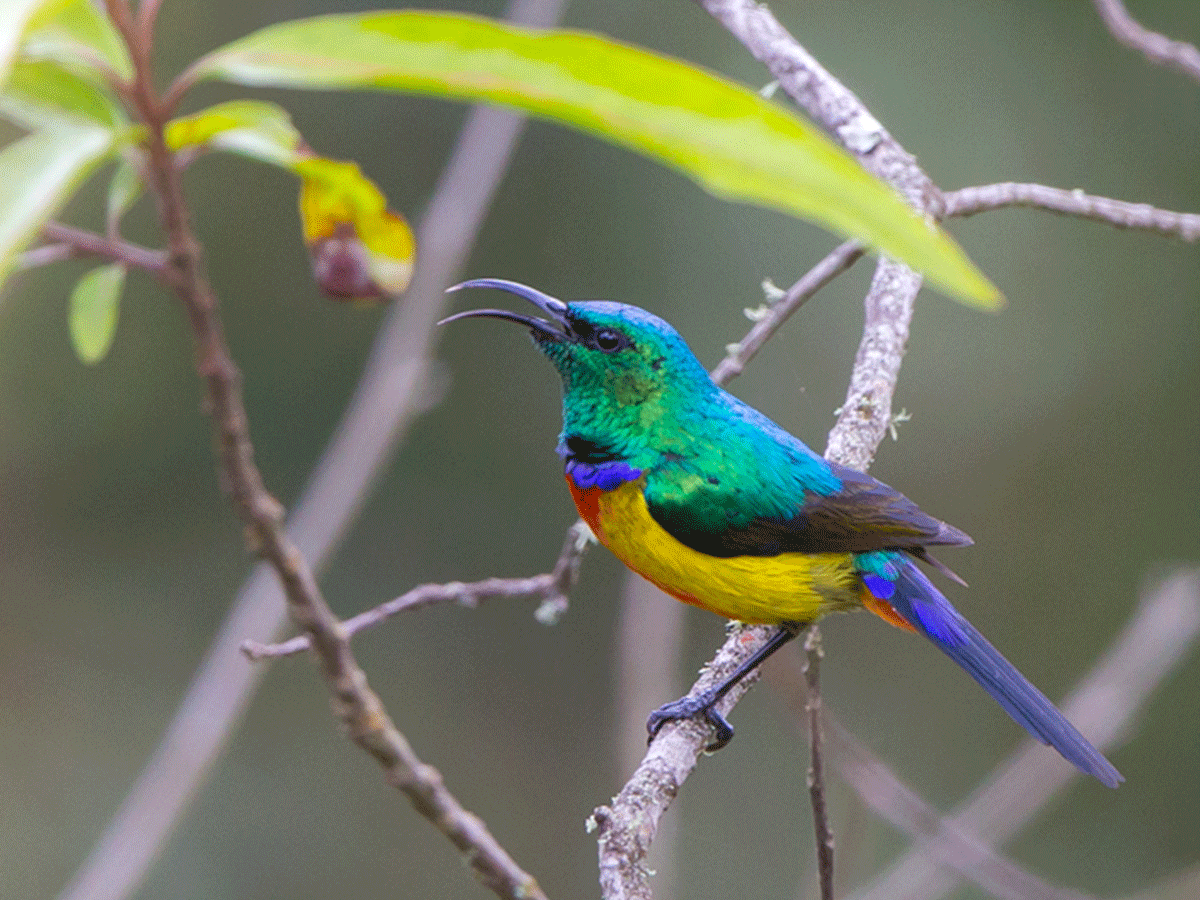
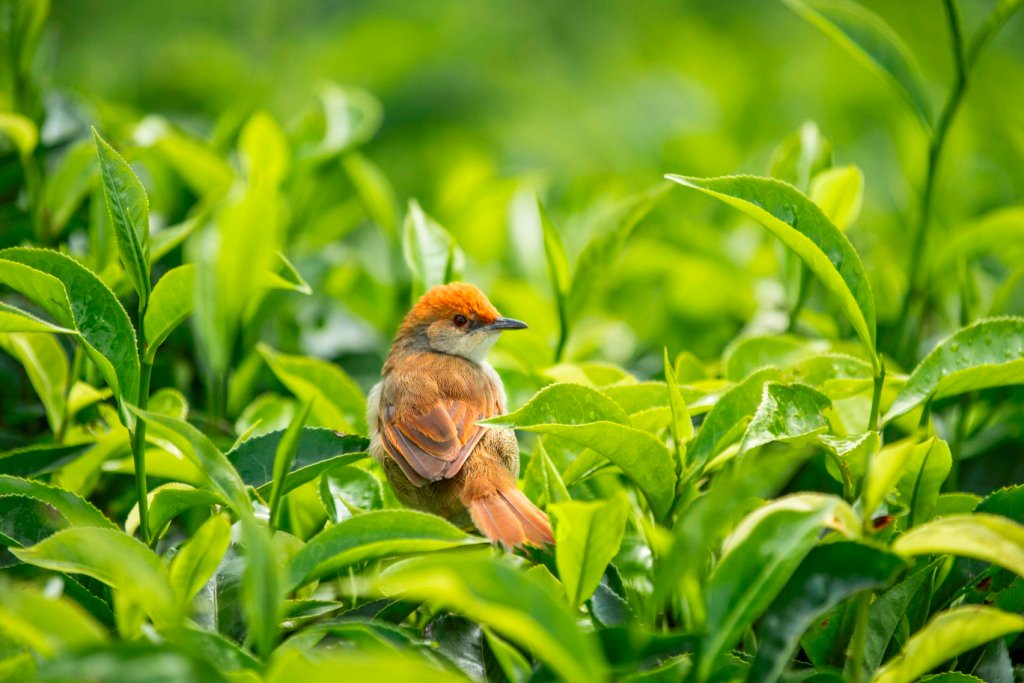
Akagera is an excellent destination for serious birdwatchers.
The current Wilderness Magashi page states that the national park supports more than 520 bird species.
The ecological diversity explains this richness. Open grasslands, woodland, wetlands, papyrus, lakes and hills support very different bird communities within relatively short distances.
Around the lake, photographers and birders can look for African fish eagles and a wide range of waterbirds, while the wider wetlands also create the possibility of searching for highly sought-after species associated with papyrus environments.
Both Magashi and Magashi Peninsula therefore work exceptionally well for travellers whose interests extend beyond the Big Five.
The Peninsula’s very private setting may be especially attractive to dedicated bird photographers who appreciate being able to spend long periods quietly observing lake and shoreline activity from their own accommodation.
Magashi vs Magashi Peninsula for Photographers
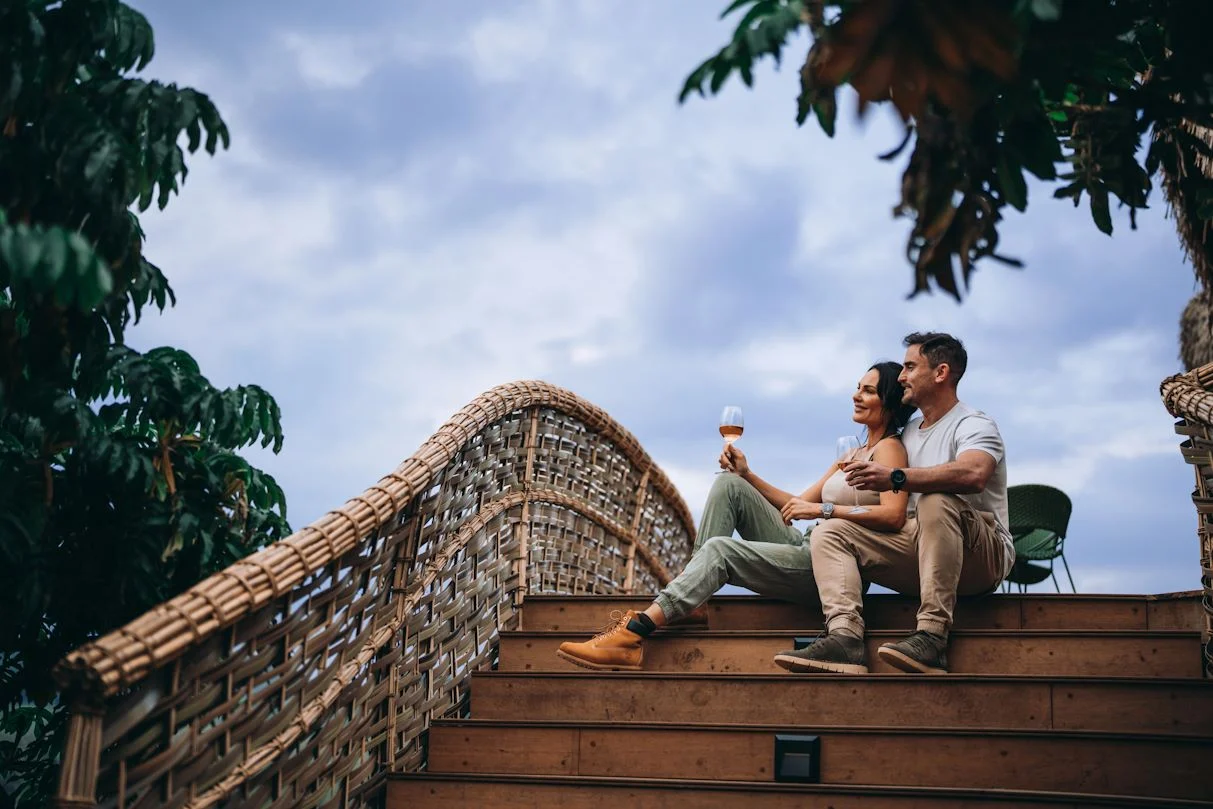
Photography is another area where the same wildlife can produce noticeably different lodge experiences.
At Magashi, the lake, tented suites, central pool and wildlife around the camp provide strong opportunities for classic safari photography. Guests can photograph elephants around the water, birds from camp and sunsets over the surrounding landscape without always needing to be inside a safari vehicle.
Magashi Peninsula provides the same underlying subjects but gives photographers more private foregrounds and viewing areas. Each suite has its own outdoor spaces and plunge pool, while the peninsula setting creates broad views towards Lake Rwanyakazinga and the Mutumba Mountains.
The extremely low room count can also benefit photographers who prefer quiet observation.
For serious wildlife photographers staying in the Peninsula villa, private guiding is particularly valuable because the game-drive schedule can potentially be shaped around photographic priorities rather than a larger vehicle’s combined preferences.
The wildlife itself remains shared. The difference is the degree of control over the photographic experience.
Magashi vs Magashi Peninsula for Honeymooners
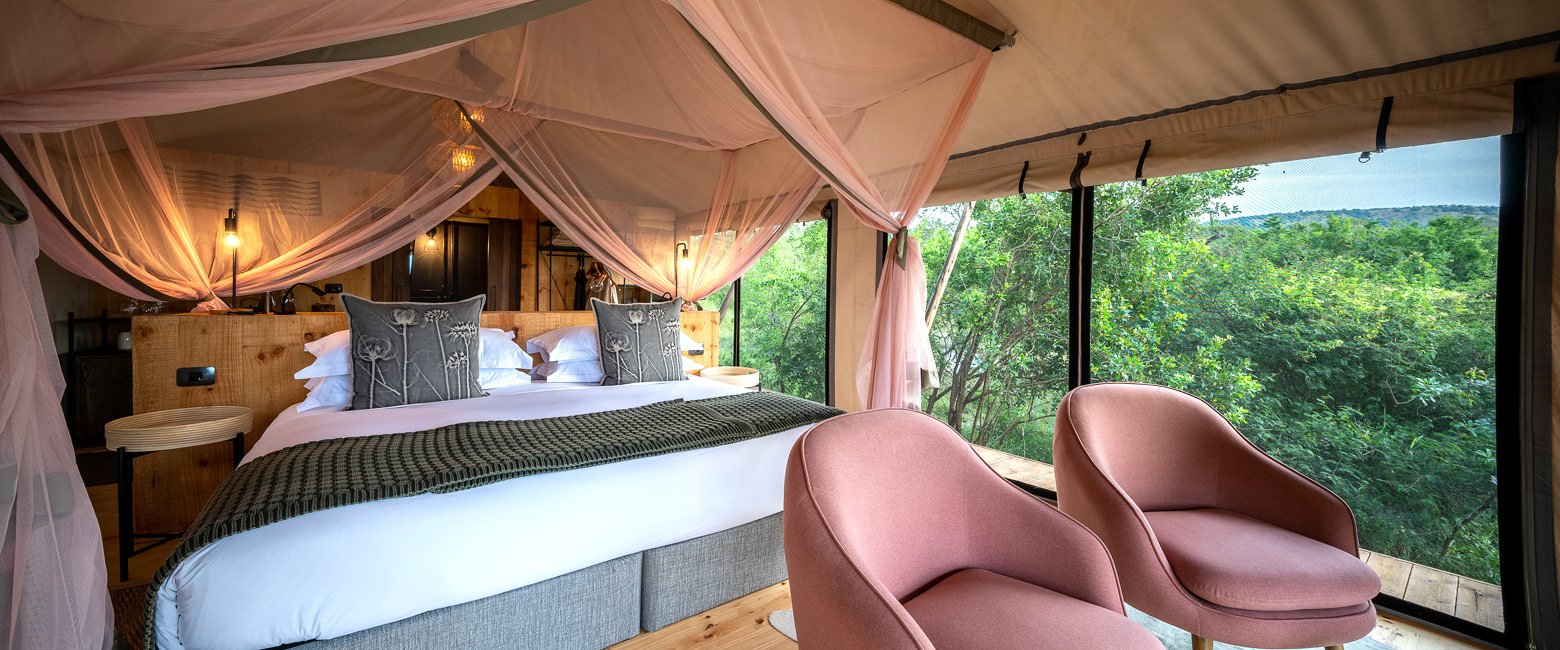

Both properties can work beautifully for honeymooners, but the experience is substantially different.
Magashi is romantic in the traditional safari sense. Couples stay in tented accommodation beside an African lake, head out on wildlife drives and boat trips, share drinks around camp and return to a comfortable private tent surrounded by wilderness.
Magashi Peninsula makes the honeymoon considerably more private. The two suites are widely separated, each has its own plunge pool, and every room includes a Star Bed experience.
A couple can spend the afternoon in complete privacy, cool off in their own pool and later sleep beneath the stars without having to transfer to another part of the reserve.
For honeymooners whose priority is exclusivity and private facilities, the Peninsula offers a very strong proposition.
For couples who enjoy the atmosphere of a classic safari camp and would rather allocate more of the honeymoon budget towards additional destinations or gorilla trekking, Magashi can provide the same core Akagera wildlife experience at a considerably lower accommodation cost.
Dining at Magashi vs Magashi Peninsula
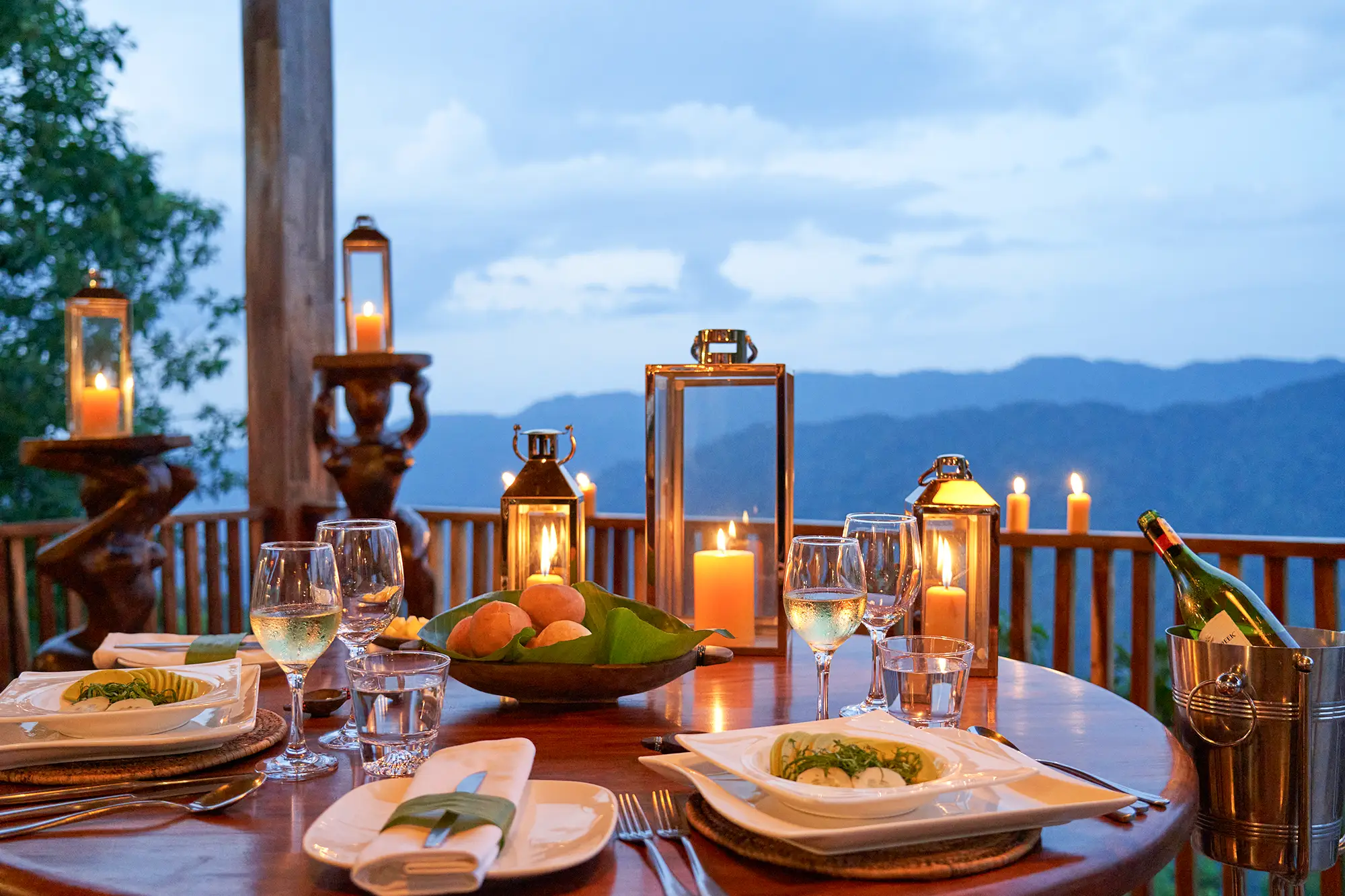
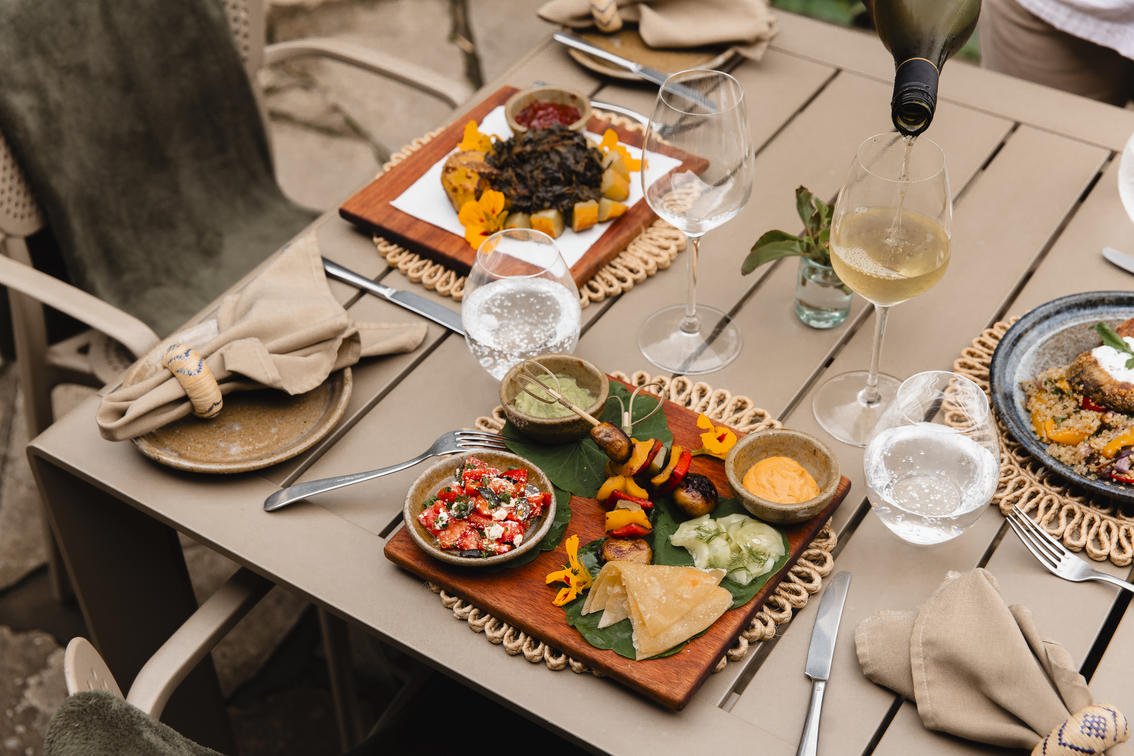
Both properties connect their cuisine with Rwanda rather than presenting a generic international safari menu.
Wilderness describes Magashi meals as sustainability-led, using indigenous ingredients, local dishes and fresh produce. The experience includes dishes such as the well-known Rwandan Rolex-style breakfast wrap and the Kugisha dinner, which combines food with traditional stories and songs.
Magashi Peninsula follows the same broad philosophy, using local ingredients and Rwandan culinary references while elevating the experience through greater privacy and personalised service. The Peninsula also features its own version of the Kugisha dining experience.
The major difference is how meals are experienced.
At Magashi, dining contributes to the intimate but social rhythm of the main camp. Guests may share stories from game drives and interact with other travellers.
At the Peninsula, the villa specifically allows dedicated in-villa meals and private dining.
Travellers therefore do not need to choose between the properties according to food quality alone. The real difference is whether meals form part of the shared safari atmosphere or are experienced more privately.
Safari Atmosphere at Magashi vs Magashi Peninsula
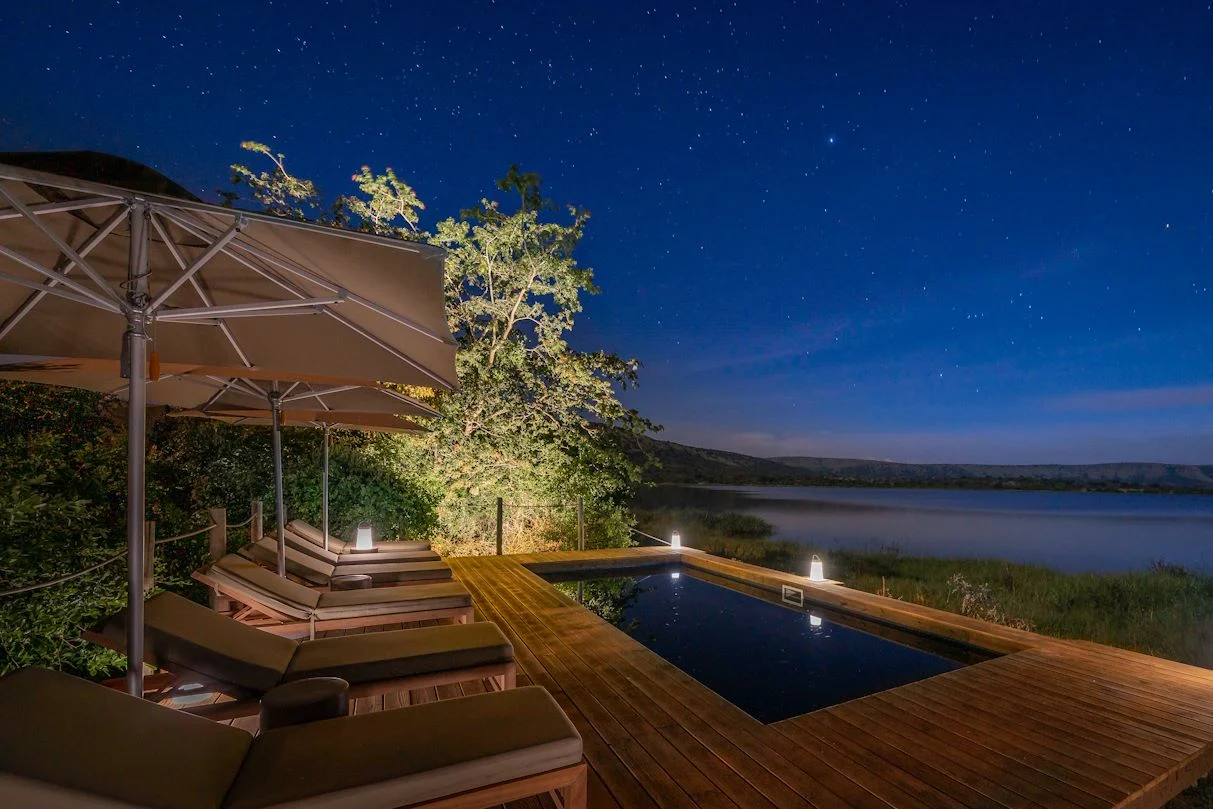
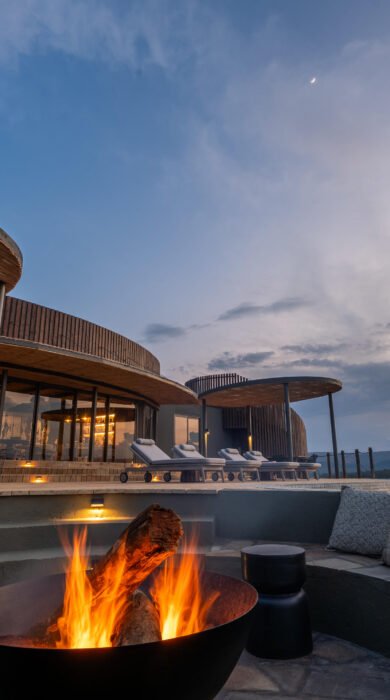
The safari atmosphere is one of the clearest differences in the Magashi vs Magashi Peninsula comparison because both properties offer exclusivity, but they create it in very different ways. Magashi retains the social rhythm and romance of a classic luxury safari camp, while Magashi Peninsula deliberately moves toward a much more private and residential style of wilderness experience.
At Magashi, the eight tented suites still create a very intimate environment, especially when compared with conventional hotels or larger safari lodges. Guests can enjoy quiet accommodation and private-concession wildlife viewing while still meeting other travellers around dinner, sharing stories about sightings and spending time around the central swimming pool. For many safari enthusiasts, this sense of community is part of the experience. The tented accommodation also preserves the traditional atmosphere of safari, with birds, hippos and other sounds from the surrounding wilderness reinforcing the feeling of temporarily living inside Akagera National Park.
Magashi Peninsula reduces the social element considerably and places much greater emphasis on personal space. With only two independent suites and one private villa, the property can feel remarkably secluded even when fully occupied. The accommodation is widely spaced, while the lake, open landscape and private outdoor areas create an even greater sense of separation. Honeymooners can spend long periods privately within their suite, while families staying in the villa can dine in their own space and benefit from dedicated guiding without needing to follow the rhythm of other guests.
When comparing the safari atmosphere at Magashi vs Magashi Peninsula, Magashi is especially appealing to travellers who enjoy the established traditions of a small luxury safari camp, including shared meals, conversation and the romance of tented living. Magashi Peninsula is better suited to guests who want the safari to feel closer to a private wilderness retreat, with minimal interaction, extensive personal space and much greater control over the pace of each day. Both remain deeply connected to Akagera, but the social character of the stay is distinctly different.
Combining Magashi With Gorilla Trekking
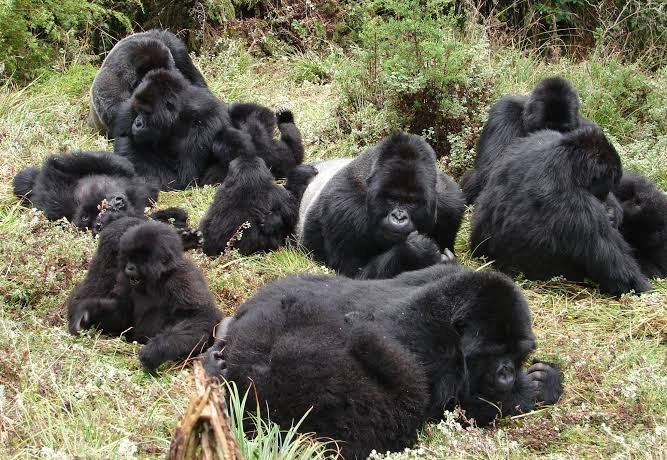
One of the strongest ways to use either property is to combine Akagera with Volcanoes National Park.
This creates one of Rwanda’s most complete wildlife journeys.
Akagera delivers classic African savannah safari experiences with lions, elephants, rhinos, buffalo, giraffes and boating, while Volcanoes National Park provides the completely different experience of entering montane forest in search of mountain gorillas.
Wilderness itself positions both Magashi properties as natural complements to its Bisate properties in the Volcanoes region.
A luxury itinerary can therefore begin or finish with several nights in Akagera before transitioning towards the Virunga Mountains.
The contrast is exactly what makes the combination powerful: open savannah and lakes followed by dense volcanic forest and primates.
Frequently Asked Questions About Magashi vs Magashi Peninsula
1. What is the main difference between Magashi and Magashi Peninsula?
The main difference in the Magashi vs Magashi Peninsula comparison is the level of privacy and accommodation style. Magashi offers eight luxury tented suites and retains the social atmosphere of a small traditional safari camp. Magashi Peninsula has only two suites and one private villa, with private pools, Star Beds and a much more secluded residential-style experience.
2. Which is better for honeymooners, Magashi or Magashi Peninsula?
Both can work beautifully for honeymooners, but Magashi Peninsula offers significantly more privacy. Its very low guest numbers, private plunge pools, widely spaced suites and rooftop Star Beds create a particularly secluded atmosphere. Magashi is also romantic, but it is better suited to couples who enjoy the social rhythm and classic tented atmosphere of a luxury safari camp.
3. Do Magashi and Magashi Peninsula offer the same wildlife experiences?
Yes, both properties access the wider Magashi wilderness area within Akagera National Park, so the core wildlife experience is very similar. Guests can look for lions, rhinos, elephants, buffalo, giraffes, hippos and other wildlife while enjoying game drives and boating on Lake Rwanyakazinga. The higher rate at Magashi Peninsula mainly reflects greater privacy, accommodation space and personalised service rather than access to different wildlife.
4. Which is better for families, Magashi or Magashi Peninsula?
Magashi Peninsula can be especially attractive for families because its private villa provides multiple bedrooms, private living and dining areas, a private pool and dedicated guiding. This allows the safari schedule to be adapted more easily around the family. Magashi can also work well for families, especially those who enjoy a more traditional camp atmosphere and do not require a completely private villa experience.
5. How many nights should I stay when comparing Magashi vs Magashi Peninsula?
Three nights is a good minimum at either property because it allows time for several game drives, a boat safari and relaxation around camp. Four nights can be even better for photographers, wildlife enthusiasts and travellers staying at Magashi Peninsula who want enough time to enjoy private pools, Star Beds and the quieter pace of the accommodation rather than spending nearly every hour away on activities.
Book a Magashi vs Magashi Peninsula Luxury Rwanda Safari

Booking a Magashi vs Magashi Peninsula safari should begin with your travel dates, number of guests and the balance you want between wildlife viewing and private lodge time. If your priority is an intimate tented safari with excellent game viewing, boating and a classic luxury atmosphere, we can structure the Akagera stay around Magashi. If private pools, extremely low guest numbers, Star Beds, private guiding or an exclusive family villa are central to the journey, Magashi Peninsula can be incorporated instead.
We can arrange the complete Rwanda safari around your preferred Akagera accommodation, including private transportation, professional guiding, national park arrangements and additional nights elsewhere in the country. The journey can continue to Volcanoes National Park for mountain gorilla trekking, Lake Kivu for relaxation or Nyungwe for chimpanzees and rainforest experiences, allowing Akagera’s savannah wildlife to become one distinct chapter of a much broader Rwanda itinerary.
Because Magashi Peninsula has only two suites and one villa, its availability is naturally much more limited than a conventional safari property. Early planning is especially important for honeymoon dates, festive travel, private family journeys and travellers wanting the exclusive-use villa. Share your intended dates, number of travellers and preferred safari style, and the Magashi vs Magashi Peninsula comparison can be translated into a personalised itinerary that gives you the right balance of wildlife, privacy and luxury.