
Unforgettable Guide: What Are the Hidden Gems in Rwanda?
What Are the Hidden Gems in Rwanda? Beyond Rwanda’s famous mountain gorillas, Akagera safaris and the best-known sections of Lake Kivu lies another side of the country made up of quiet volcanic lakes, sacred forests, underground lava caves, restored rainforest, tea-covered hills, heritage towns and scenic trails where travellers can experience Rwanda at a slower pace. The Twin Lakes of Burera and Ruhondo, Gishwati-Mukura National Park, the Congo Nile Trail, Musanze Caves, Buhanga Eco-Park, Nyanza’s King’s Palace, Huye’s Ethnographic Museum and the quieter landscapes around western Rwanda are among the places that can transform a standard safari into a much deeper journey.
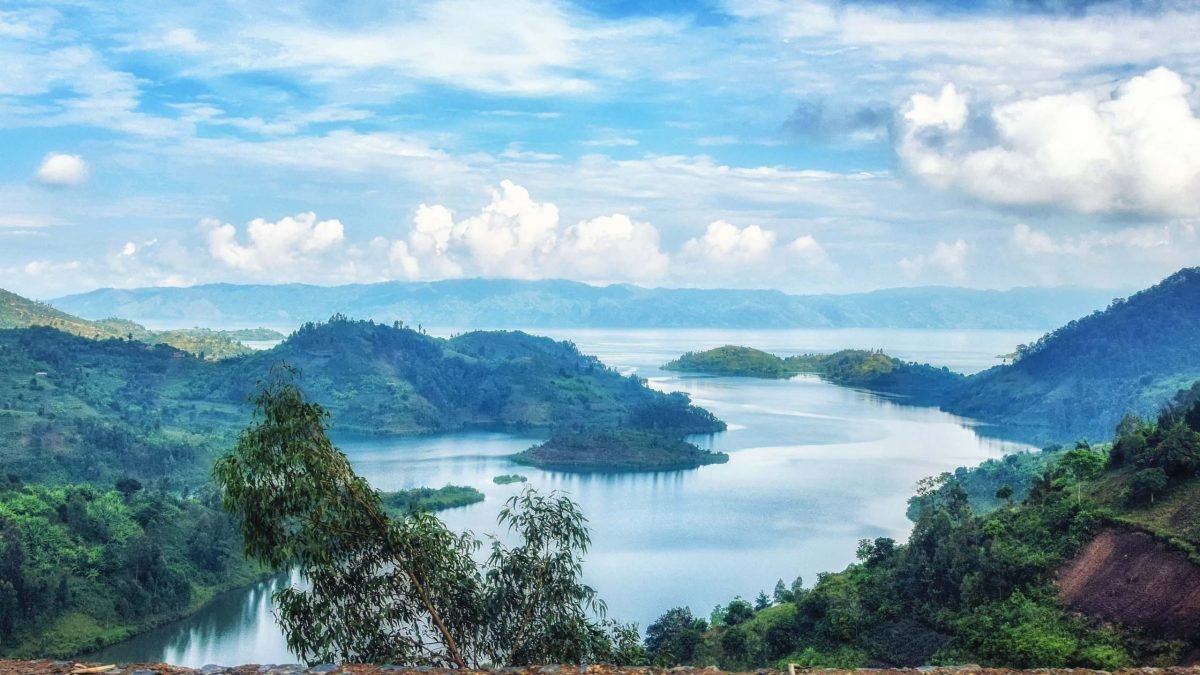
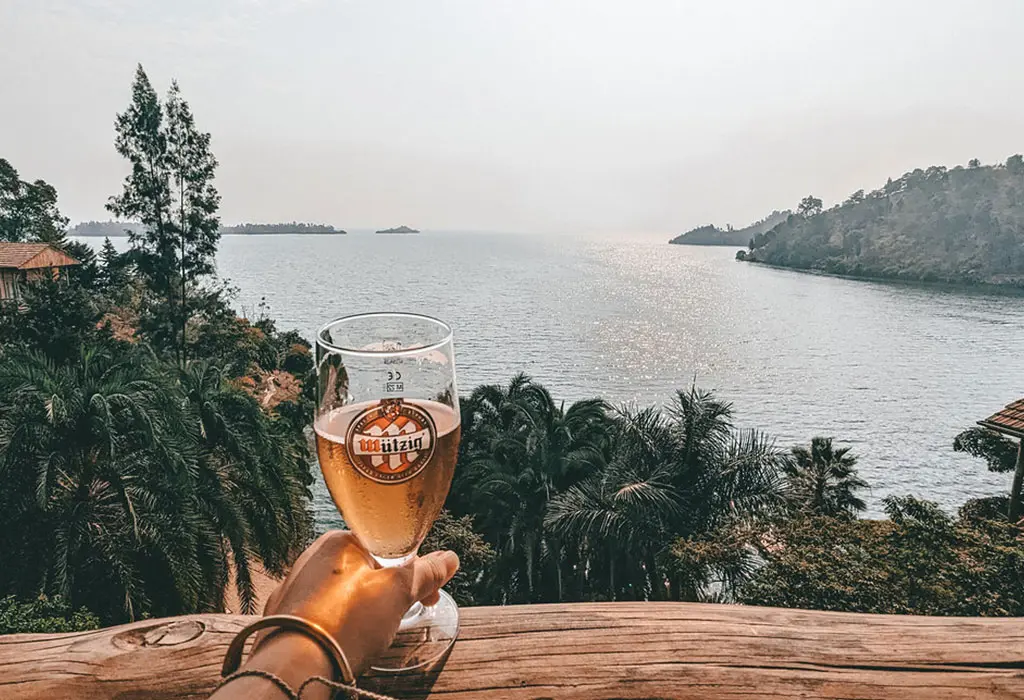
Rwanda’s hidden gems are especially attractive to travellers who have already decided to experience the major highlights but do not want every day to follow the same well-known route. What Are the Hidden Gems in Rwanda? A journey can still include gorilla trekking in Rwanda and the wildlife of Akagera National Park, but an additional afternoon exploring a sacred forest, walking beside tea plantations or taking a boat across one of northern Rwanda’s volcanic lakes can completely change the character of the safari. These places often provide the quieter photographs, cultural encounters and unplanned moments that travellers remember long after the headline wildlife experiences.
The answer to What Are the Hidden Gems in Rwanda? also depends on how far a traveller wants to move beyond the obvious. Some hidden gems sit only a short drive from major tourism centres. Musanze Caves and Buhanga Eco-Park can be added while staying near Volcanoes National Park, while the Twin Lakes can complement a gorilla-focused northern Rwanda itinerary. What Are the Hidden Gems in Rwanda? Others, such as Gishwati-Mukura or sections of the Congo Nile Trail, deserve to become destinations in their own right. The strongest itinerary therefore uses these experiences selectively rather than adding them simply to make the safari longer.
Twin Lakes of Burera and Ruhondo – One of Northern Rwanda’s Best-Kept Scenic Secrets
The Twin Lakes of Burera and Ruhondo are among Rwanda’s most rewarding additions for travellers who want dramatic scenery without another demanding wildlife trek. Located within the volcanic landscape of northern Rwanda, the lakes sit beneath the wider Virunga mountain system and are surrounded by intensely cultivated hills, small settlements and green slopes. What Are the Hidden Gems in Rwanda? Rwanda’s official tourism information describes Burera and Ruhondo among the lesser-known lakes around Musanze, making them particularly convenient for visitors already staying near Volcanoes National Park.
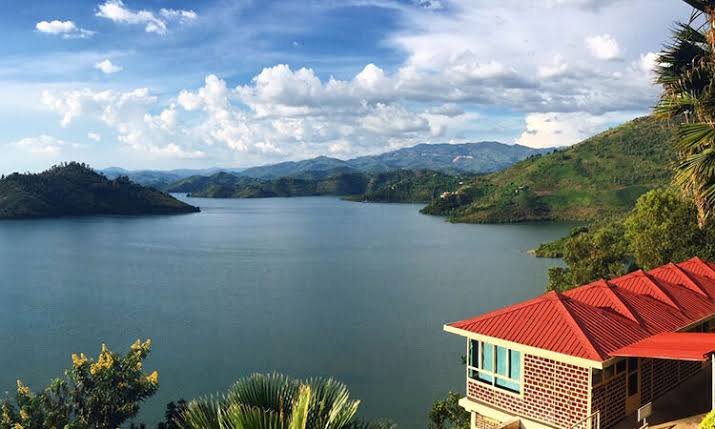
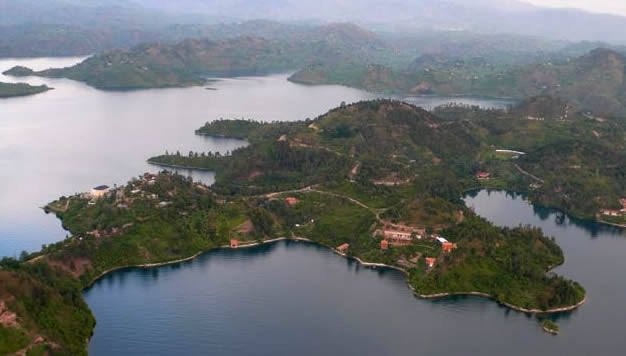
The attraction is not simply the lakes themselves but the relationship between water, mountains and everyday rural life. From elevated viewpoints, travellers can see fields descending toward the shoreline while volcanic peaks rise behind the landscape. Boat or canoe experiences can introduce quieter corners of the lakes, islands and waterside communities. On clear mornings the mountain views can be spectacular, while mist and low cloud create a completely different atmosphere. What Are the Hidden Gems in Rwanda? This makes the Twin Lakes particularly attractive to photographers who want more environmental and landscape imagery after concentrating heavily on wildlife.
The lakes also fit naturally into a broader northern Rwanda journey. Travellers can spend one day on gorilla trekking in Volcanoes National Park, another tracking golden monkeys and then use the following morning for a quieter lake excursion. This variation is valuable because it prevents a short Volcanoes stay from becoming a sequence of physically demanding activities. For couples, photographers and travellers who simply enjoy scenery, the Twin Lakes can be one of the most satisfying answers to What Are the Hidden Gems in Rwanda?
Gishwati-Mukura National Park – Rwanda’s Quiet Fourth National Park
Gishwati-Mukura National Park remains much less internationally recognised than Volcanoes, Akagera or Nyungwe, yet it offers one of Rwanda’s most interesting conservation landscapes. Rwanda’s official tourism platform describes it as the country’s fourth national park, formed by the separate Gishwati and Mukura forests and covering approximately 34 square kilometres plus a surrounding buffer zone. What Are the Hidden Gems in Rwanda? The forests sit on the ridge separating the Congo and Nile drainage systems and contain around 60 recorded tree species, including indigenous hardwoods and bamboo.
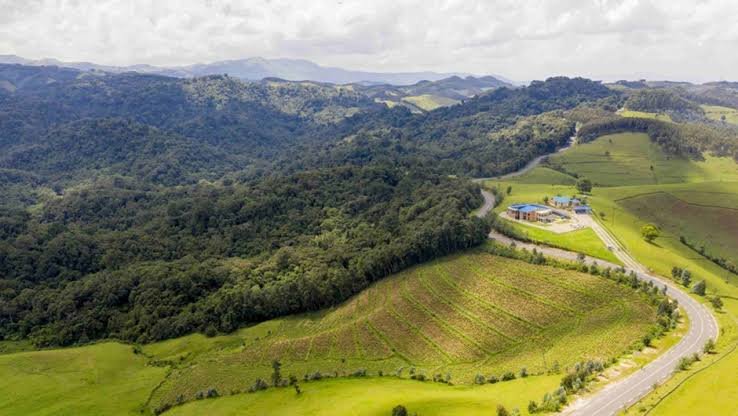
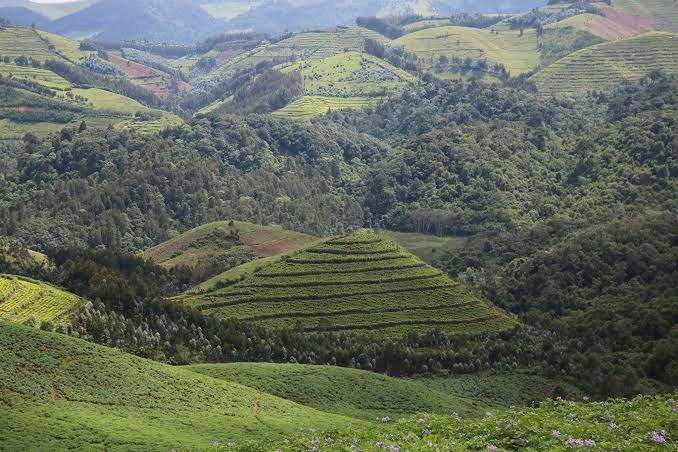
The park supports chimpanzees as well as golden monkeys, L’Hoest’s monkeys and blue monkeys. Visit Rwanda also records 232 bird species at Gishwati and 163 at Mukura, including Albertine Rift endemics and other forest specialists. Current tourism activities include guided nature walks, chimpanzee and monkey tracking, birdwatching and visits to waterfalls. What Are the Hidden Gems in Rwanda? This makes Gishwati-Mukura particularly appealing for repeat Rwanda visitors, birders and travellers who want forest experiences without building the entire journey around the better-known Nyungwe Forest National Park.
Its restoration story adds another layer. The forest experienced severe pressure from resettlement, mining and livestock farming before stronger protection was established, and national-park status was formalised in 2015 as part of efforts to restore ecological function and improve the relationship between conservation and nearby livelihoods. Community-linked experiences currently include activities connected with farming, handicrafts, beekeeping, tea and traditional knowledge. Travellers interested in responsible tourism can therefore see more than wildlife; they can understand how a recovering forest fits into the surrounding human landscape.
The Congo Nile Trail – Rwanda for Travellers Who Want to Leave the Safari Vehicle
The Congo Nile Trail is one of the strongest hidden gems for active travellers because it allows Rwanda to be experienced at walking or cycling pace. Visit Rwanda describes the route as approximately 227 kilometres long, running roughly parallel to the eastern shore of Lake Kivu. It can be tackled as a multi-day itinerary or broken into shorter sections for travellers who want the scenery and village experience without committing to the full route.
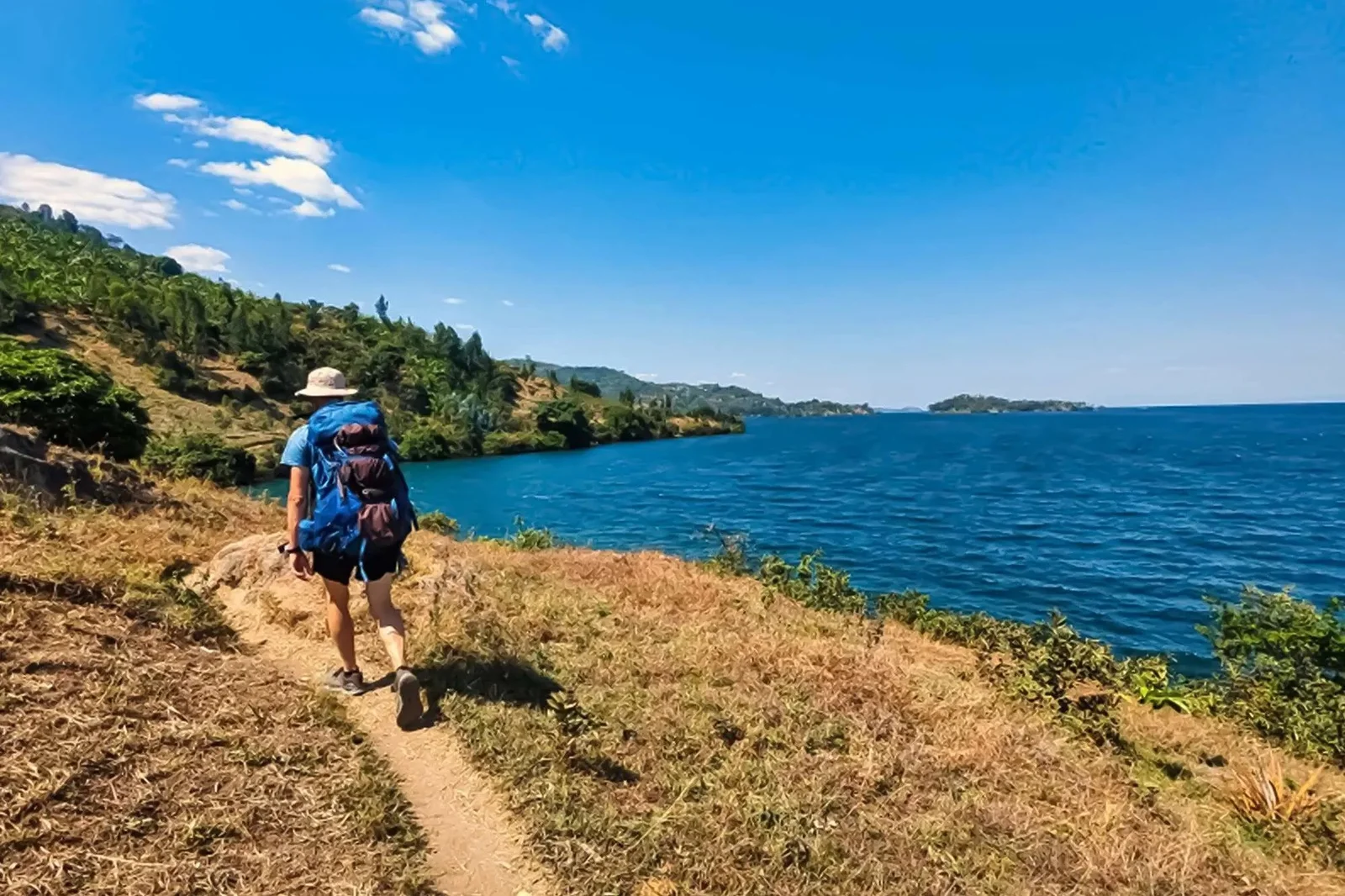
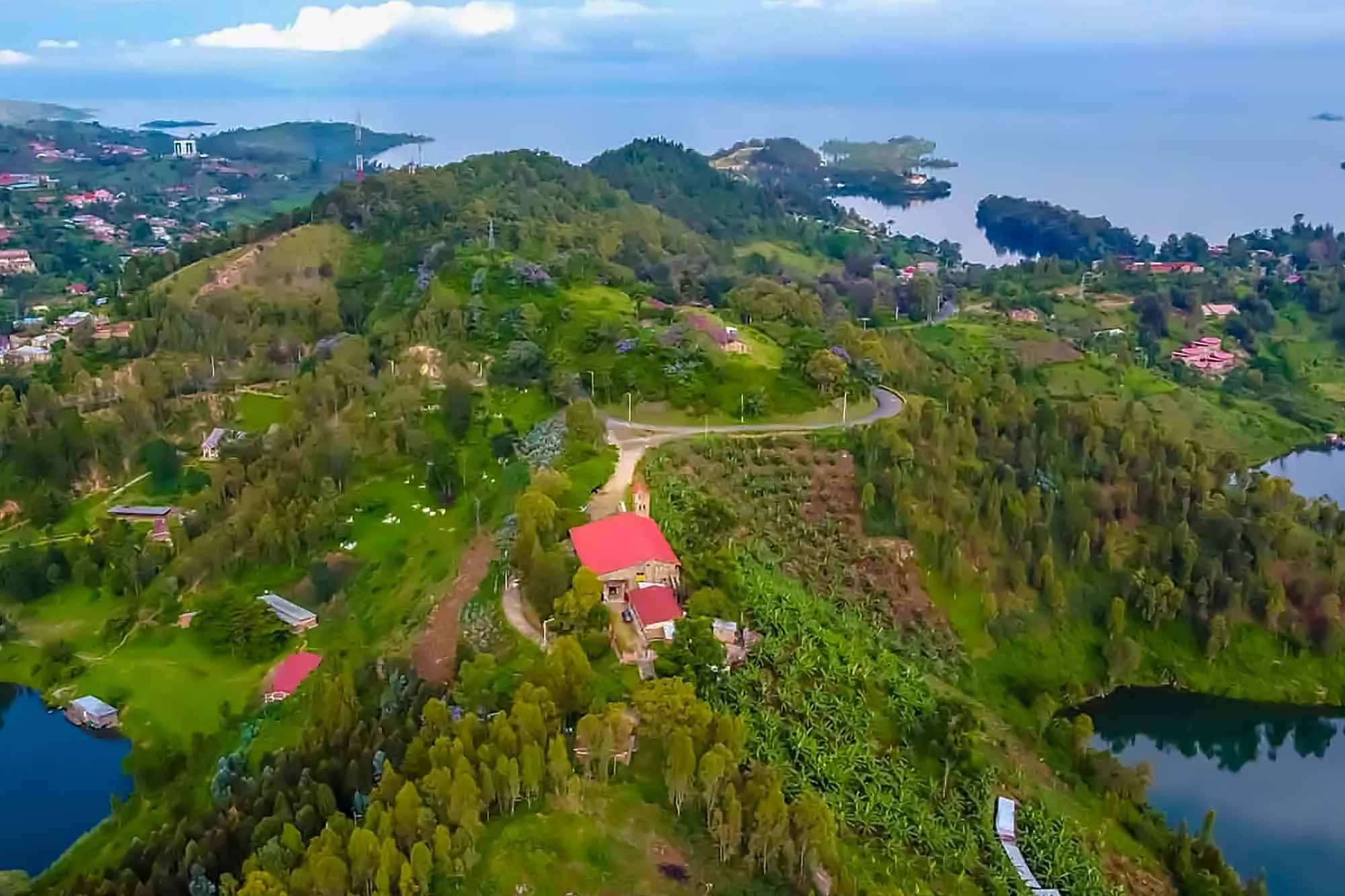
The trail moves through hills, villages, coffee and tea areas, lakeside landscapes, valleys and viewpoints. Rwanda’s official hiking guide highlights rainforests, bamboo, coffee-washing stations, tea plantations, beaches, coves, waterfalls and local communities along the broader trail network. This makes the experience fundamentally different from a conventional safari. Instead of sitting inside a vehicle looking outward, travellers physically move through Rwanda’s rural landscapes and spend much more time observing the details between major attractions.
The Congo Nile Trail can be combined beautifully with Lake Kivu, especially for travellers who already plan to relax along the western side of Rwanda after gorilla trekking. Current travel advice should, however, be checked when choosing individual stages, particularly toward the southern end near Rusizi and the DRC frontier. As of 24 September 2026, the UK FCDO advises against all but essential travel to parts of Rusizi District within 10 kilometres of the DRC border, while the U.S. State Department advises against travel within 10 kilometres of Rwanda’s DRC border. Northern or appropriately selected stages can therefore be planned according to current official guidance rather than assuming the entire 227-kilometre route should automatically be completed.
Musanze Caves – The Underground Side of Rwanda’s Volcanic Landscape
Most visitors to Musanze look upward toward the Virunga volcanoes, but one of the region’s most unusual attractions lies underground. Visit Rwanda states that Rwanda’s Northern Province contains 52 caves with approximately 15.2 kilometres of passages, many created within volcanic rock. Musanze Cave is the most frequently visited and extends for approximately two kilometres. Its lava formations are connected to the volcanic history associated with Bisoke and Sabyinyo.
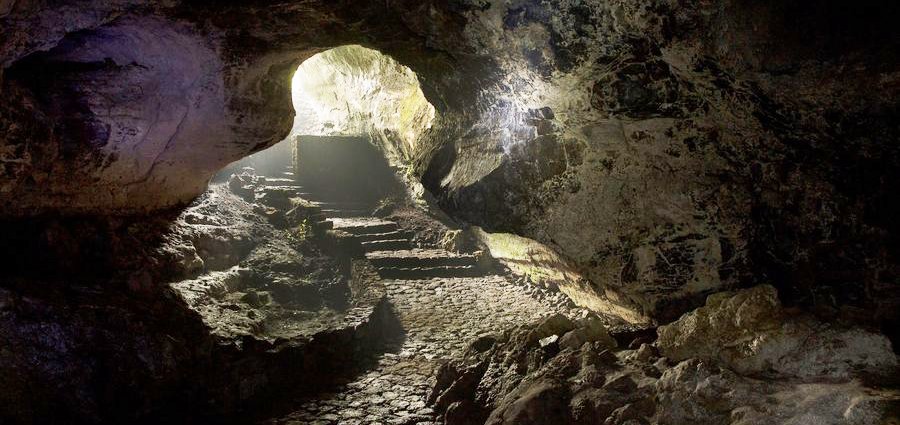
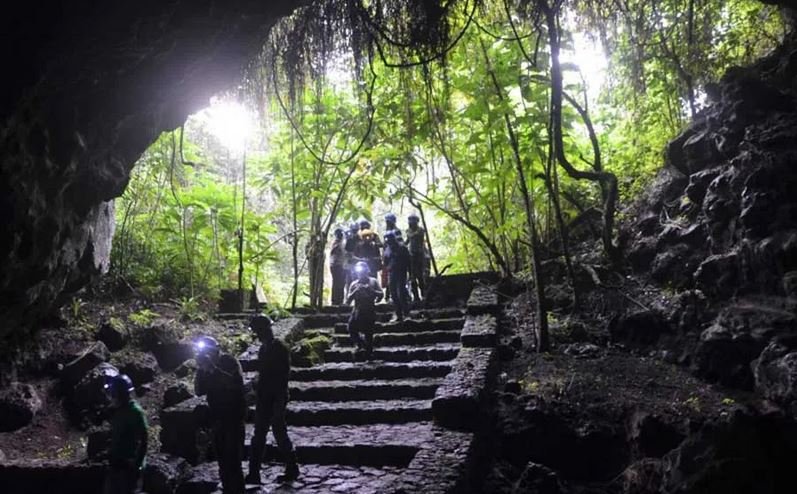
The cave contains 31 entrances, many created by roof collapses, and the main entrance is exceptionally large. These openings allow shafts of natural light to enter the otherwise dark cave and create dramatic contrasts against the volcanic rock. The cave also contains a substantial bat colony. Official guided visits last approximately two and a half hours, and access is managed rather than being an unrestricted independent caving experience. For photographers and adventurous travellers, this creates a completely different activity from anything offered in Rwanda’s national parks.
The caves also hold historical significance. Visit Rwanda notes that Musanze Cave has been used as shelter during periods of conflict and was a site of killings during the Genocide against the Tutsi, meaning the location should be approached respectfully rather than treated purely as an adventure attraction. This combination of geology, history and adventure is what makes it such a distinctive addition for travellers staying near Volcanoes National Park but looking for something beyond gorillas and golden monkeys.
Buhanga Eco-Park – Sacred Forest, Ancient Royal Tradition and Quiet Walking
Buhanga Eco-Park is one of northern Rwanda’s most intriguing places because it combines forest scenery with historical and cultural meaning. Visit Rwanda describes Buhanga as a sacred forest where Rwandan kings were traditionally crowned, and notes that paths made from lava stones pass between old ficus trees, observation areas and vegetation containing rare orchids and butterflies. It is a gentler experience than a volcano hike and can fit easily into a longer stay around Musanze.
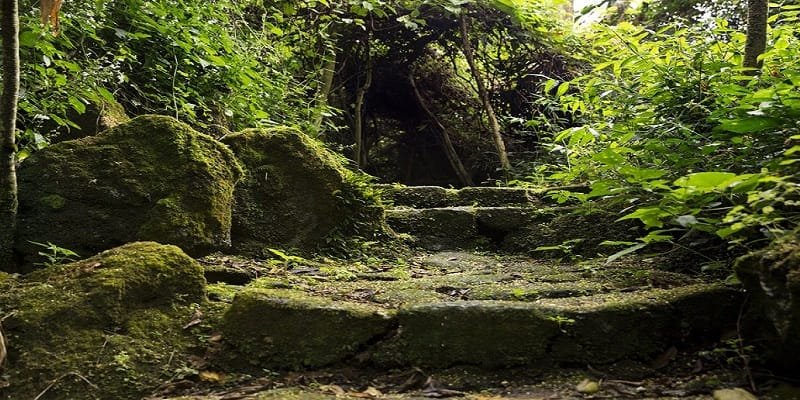
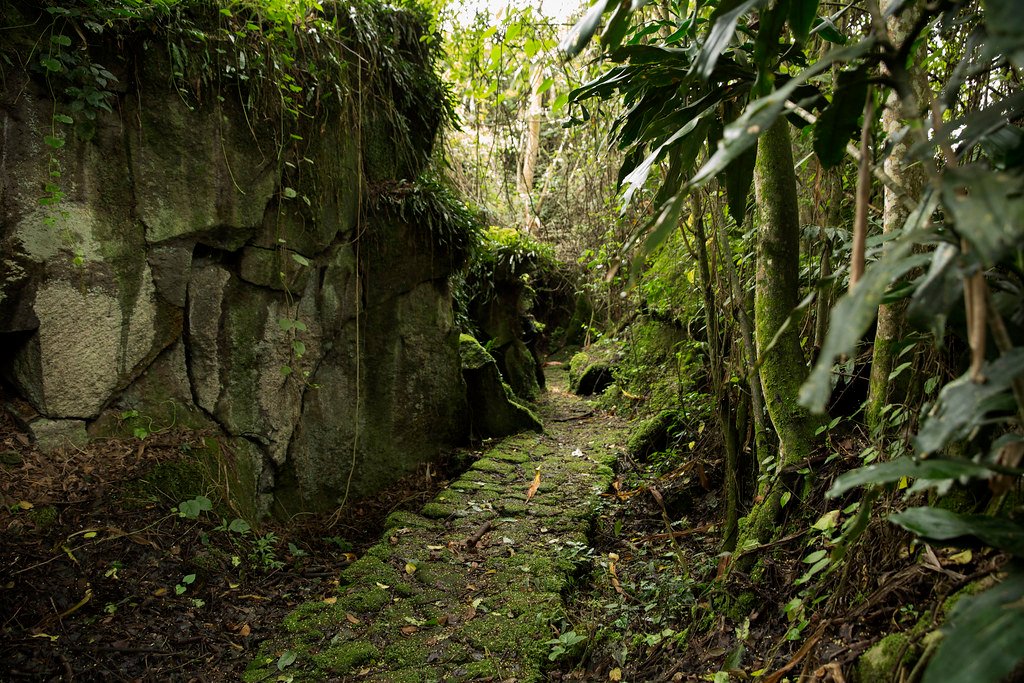
The attraction of Buhanga is its atmosphere. Unlike gorilla trekking, visitors are not walking through the forest with the specific goal of locating one animal. Instead, the experience is about the forest itself, the traditional stories attached to it and the relationship between natural sites and Rwanda’s royal history. The slower pace gives travellers time to notice trees, plants, butterflies and geological features rather than moving continuously toward a headline wildlife encounter.
Buhanga works particularly well after a physically demanding gorilla trek. Travellers can spend their main adventure day on Rwanda gorilla trekking and then use the following day for a combination of Buhanga, Musanze, the Twin Lakes or another lighter excursion. This kind of pacing creates a richer northern Rwanda itinerary and gives visitors a reason to stay three or four nights instead of treating the region as a single-activity destination.
Nyanza and the King’s Palace – Rwanda Beyond Wildlife
For travellers driving toward Nyungwe, Nyanza deserves much more attention than a quick roadside stop. Visit Rwanda identifies the town as an important centre of Rwanda’s royal heritage and notes that it became the permanent royal capital in 1899, remaining closely associated with the monarchy until Rwanda became a republic in 1962. Today, the King’s Palace provides a tangible introduction to the traditions and architecture associated with pre-colonial Rwanda.
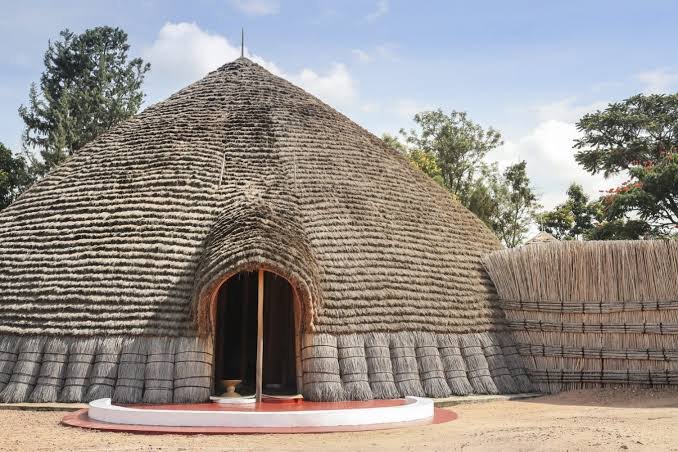
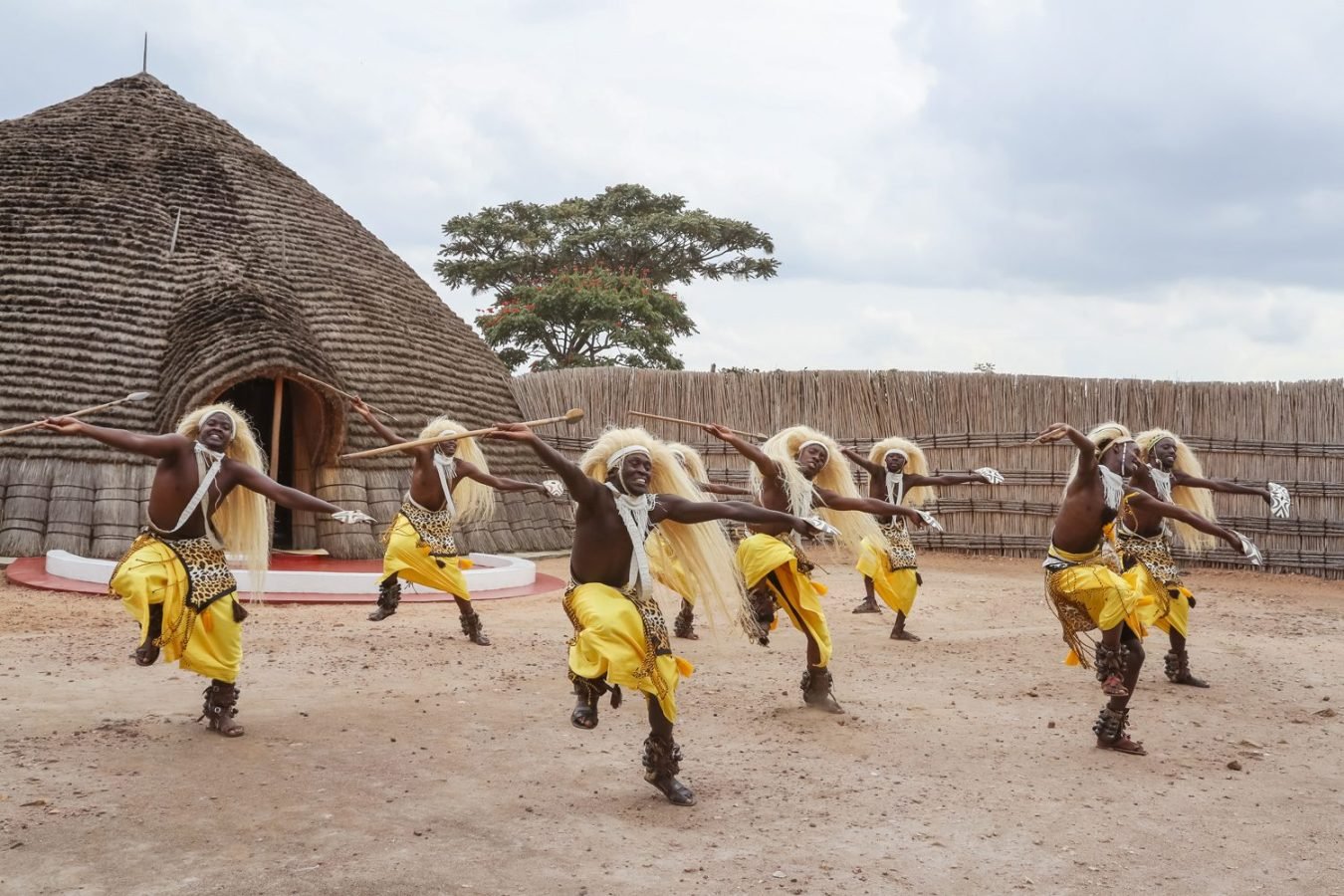
The reconstructed traditional royal residence is built in a distinctive beehive-like form, while long-horned Inyambo cattle descended from the royal herd remain part of the visitor experience. Their keepers preserve traditions involving care, songs and ceremonial presentation. For travellers who have spent several days concentrating on wildlife, this heritage experience adds an entirely different layer and helps explain Rwanda through its political and cultural history rather than only through national parks.
Nyanza also fits naturally into the journey toward southern Rwanda. It can be combined with Huye and the Ethnographic Museum before continuing toward Nyungwe Forest National Park. Rather than regarding the Kigali-to-Nyungwe transfer as an unavoidable driving day, travellers can turn it into a cultural route through some of the country’s most important historical centres.
Tea Country Around Nyungwe – A Hidden Landscape Between Forest and Farm
The landscapes surrounding Nyungwe contain some of Rwanda’s most photogenic cultivated scenery. Tea plantations cover rolling hills in carefully patterned lines, frequently meeting the edge of natural forest in a dramatic contrast between agriculture and wilderness. Even travellers who are not particularly interested in tea production can appreciate the visual experience of passing through intensely green plantations during the journey toward the rainforest.
A tea-focused experience can also give travellers a better understanding of one of Rwanda’s important agricultural industries. Rather than simply photographing the fields from the roadside, visitors can arrange experiences that introduce the process of growing, picking and preparing tea. These slower agricultural encounters can be especially appealing after several days of early wildlife starts because they allow visitors to engage with landscapes and communities rather than search for another animal.
Tea country fits naturally with chimpanzee trekking in Rwanda and other Nyungwe activities. Travellers can dedicate the early morning to primates and spend another part of the stay exploring plantations, birding or forest scenery. The result is a more complete view of southwestern Rwanda and one that shows how protected rainforest exists alongside highly productive cultivated landscapes.
How to Combine Rwanda’s Hidden Gems With the Major Safari Highlights
The best hidden-gems itinerary does not remove Rwanda’s famous attractions. Instead, it uses lesser-known places to deepen the journey between them. A first visit can still begin with Akagera National Park for classic wildlife before moving north to Volcanoes National Park. The gorilla portion can then be expanded with Musanze Caves, Buhanga Eco-Park or the Twin Lakes rather than ending the northern stay immediately after the trek.
From northern Rwanda, travellers can continue toward the Lake Kivu region, where selected sections of the Congo Nile Trail, quieter bays and Karongi create a slower stage of the safari. Gishwati-Mukura can be incorporated according to the route and interests before the journey continues south. Those travelling toward Nyungwe can include Nyanza, Huye and tea-country experiences, turning a multi-hour road journey into a cultural and scenic progression through Rwanda.
Travellers with only seven days should choose perhaps two hidden gems rather than trying to include all of them. Ten to fourteen days creates far more flexibility for places such as Gishwati-Mukura, Nyanza and Nyungwe. A traveller primarily interested in wildlife may select Gishwati-Mukura and the Twin Lakes, while a cultural traveller may prefer Nyanza and Huye. Active visitors can concentrate on caves, cycling and the Congo Nile Trail. The strongest itinerary is therefore curated rather than crowded.
Frequently Asked Questions About What Are the Hidden Gems in Rwanda?
1. What Are the Hidden Gems in Rwanda?
What Are the Hidden Gems in Rwanda? Some of the most rewarding lesser-known places include the Twin Lakes of Burera and Ruhondo, Gishwati-Mukura National Park, Musanze Caves, Buhanga Eco-Park, selected sections of the Congo Nile Trail, Karongi, Nyanza’s King’s Palace, Huye’s Ethnographic Museum and the tea landscapes surrounding Nyungwe.
2. Are the Twin Lakes worth visiting after gorilla trekking?
Yes. Burera and Ruhondo provide quiet volcanic scenery, rural landscapes and beautiful mountain views without requiring another demanding trek. They work particularly well as an additional excursion while staying near Volcanoes National Park.
3. Is Gishwati-Mukura worth visiting?
Yes, especially for travellers interested in primates, birds, forest restoration and quieter protected areas. The park currently offers guided nature walks, primate tracking, birdwatching and waterfall visits.
4. Can I visit Musanze Caves during a gorilla safari?
Yes. Musanze Cave is located in northern Rwanda and can be added while staying in the broader Volcanoes National Park region. Official access is through guided tours, and the cave itself extends for roughly two kilometres.
5. Is the Congo Nile Trail only for experienced hikers?
No. Although the full route is approximately 227 kilometres, shorter sections can be completed by travellers who do not want a multi-day expedition. Current travel advice should be checked when choosing stages, particularly closer to the DRC border.
6. What hidden gems can I combine with Lake Kivu?
Karongi, sections of the Congo Nile Trail, Gishwati-Mukura and quieter lakeside experiences can all complement Lake Kivu. The exact route should be chosen according to available time and current travel guidance.
7. What are the best cultural hidden gems in Rwanda?
Nyanza’s King’s Palace and Huye’s Ethnographic Museum are two of the strongest choices. Together they introduce Rwanda’s monarchy, traditional architecture, cattle culture, crafts, agriculture and wider cultural history.
8. What hidden gems are close to Volcanoes National Park?
The Twin Lakes, Musanze Caves, Buhanga Eco-Park and lesser-known lakes around Musanze can all be added to a northern Rwanda stay. They pair naturally with gorilla trekking in Rwanda and golden monkey tracking.
9. How many days do I need to explore Rwanda’s hidden gems?
Seven to ten days allows one or two hidden gems to be added comfortably to the main safari circuit. Ten to fourteen days is better for travellers wanting to combine Gishwati-Mukura, Lake Kivu, Nyanza, Huye and Nyungwe without rushing.
10. Can Visit Rwanda Safaris include hidden gems in a private itinerary?
Yes. A private journey can combine major destinations with lesser-known places according to your interests, available days and preferred pace. The best hidden gems are selected because they enhance your itinerary rather than simply increasing the number of stops.
Book a Private Safari to Rwanda’s Hidden Gems
If you are asking What Are the Hidden Gems in Rwanda? because you want your journey to go beyond the standard safari route, Visit Rwanda Safaris can design the itinerary around both famous highlights and quieter experiences. Your journey can begin with wildlife in Akagera National Park, continue north for gorilla trekking in Rwanda and then slow down around the Twin Lakes, Musanze Caves or Buhanga Eco-Park rather than immediately returning to Kigali.
Longer journeys can continue toward Lake Kivu, appropriate sections of the Congo Nile Trail and Gishwati-Mukura before moving south through Nyanza and Huye toward Nyungwe. Primate lovers can include chimpanzee trekking in Rwanda, photographers can build extra time around lake and forest landscapes, and premium travellers can combine quieter destinations with luxury gorilla trekking safaris. The route can be adapted around current travel guidance and seasonal conditions rather than relying on a fixed template.
Rwanda’s famous attractions deserve their reputation, but the places between them can reveal just as much about the country. A sacred forest near Musanze, songs drifting across Lake Kivu, long-horned cattle at Nyanza, a waterfall inside a recovering forest or a quiet road through tea-covered hills may become the memory you did not expect before travelling. Explore Rwanda gorilla trekking tours or begin creating your personalised route through our safari booking page. Let Visit Rwanda Safaris take you beyond the obvious and into the quieter landscapes, stories and experiences that make Rwanda far more than its most famous attractions.