
Ultimate Rwanda and Botswana Safari – Gorilla Trekking, Okavango Delta & Chobe Wildlife Adventure
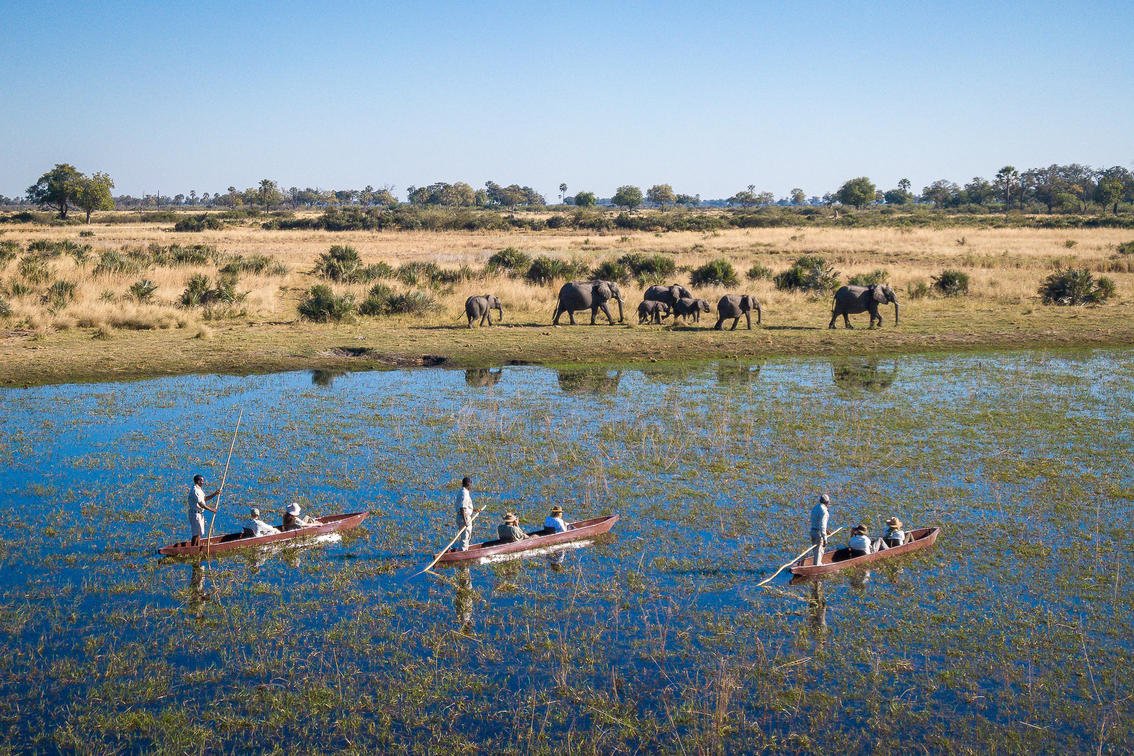
A Rwanda and Botswana Safari brings together two remarkably different sides of Africa within one journey. Rwanda delivers intimate primate encounters among mist-covered volcanoes and ancient rainforest, while Botswana opens into immense wetlands, open savannah, river systems and some of the continent’s most rewarding big-game wilderness. Travellers can spend one morning walking through the forest in search of mountain gorillas and, only a few days later, watch elephants cross the Chobe River or glide silently through the Okavango Delta in a traditional mokoro.
The strength of this combination lies in contrast. Rwanda is compact, green and mountainous, allowing travellers to reach mountain gorillas, golden monkeys, Lake Kivu and Nyungwe Forest without enormous distances between destinations. Botswana feels much more expansive, with wildlife moving through the Okavango Delta, Moremi Game Reserve, Chobe National Park and the Kalahari landscapes. Botswana Tourism states that approximately 38% of the country is devoted to national parks, reserves and wildlife management areas, illustrating how strongly wilderness shapes the country’s safari experience.
For travellers planning a once-in-a-lifetime African holiday, a Rwanda and Botswana Safari removes the need to choose between gorilla trekking and a traditional wildlife safari. The Rwanda section can be built around gorilla trekking in Rwanda, while Botswana can be tailored around Botswana safari packages covering Chobe, Moremi and the Okavango Delta. The result is a journey built around different ecosystems, different wildlife and completely different styles of safari.
Why Choose a Rwanda and Botswana Safari?
A Rwanda and Botswana Safari is especially attractive for travellers who want wildlife diversity rather than several days of similar game drives. Rwanda’s mountain gorillas create an unusually close primate encounter, while Botswana adds elephants, lions, leopards, buffaloes, wild dogs, hippos, crocodiles, antelopes and exceptional birdlife. The combination therefore moves from forest trekking to vehicle safaris, river cruises and wetland exploration.
Botswana is particularly famous for spacious wilderness and relatively low-density safari experiences. Botswana Tourism describes the Okavango Delta as one of the world’s most sought-after wilderness destinations and identifies it as the largest intact inland delta. Its waterways, lagoons, floodplains, islands and woodland support extremely varied wildlife. Rwanda, meanwhile, provides one of Africa’s most specialised wildlife experiences through carefully managed mountain gorilla trekking.
This route also suits couples, honeymooners, photographers, experienced safari travellers and anyone seeking a luxury African journey. Rather than building an itinerary around a single wildlife ecosystem, travellers experience Central-East African mountain forest and Southern African wetlands within the same holiday. That gives the Rwanda and Botswana Safari far greater depth than simply adding another conventional game-drive destination after Rwanda.
Begin Your Rwanda and Botswana Safari in Kigali
Kigali is an excellent gateway for beginning the journey. Arriving in Rwanda first means travellers can enjoy one or two comfortable nights before moving toward the physically active gorilla portion of the trip. The city also provides good-quality accommodation, restaurants and private transfers, making it easier to recover from a long international journey.
A short Kigali stay can be combined with historical and cultural experiences before continuing toward Volcanoes National Park. Rather than treating the capital purely as an airport stop, travellers can use their first day to understand more about modern Rwanda before entering the highlands.
From Kigali, the itinerary normally continues north toward Volcanoes National Park. Travellers wanting a broader understanding of the gorilla region can also explore the specialist guide to gorilla trekking in Volcanoes National Park before deciding how many nights to dedicate to the mountains.
Mountain Gorilla Trekking in Rwanda
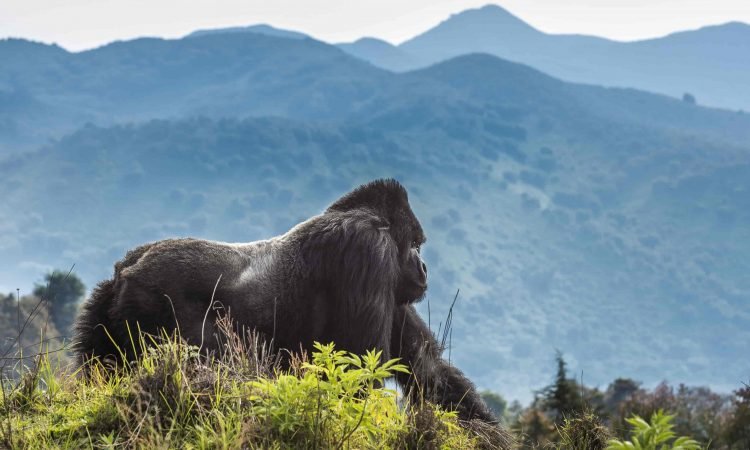
Mountain gorilla trekking is normally the most important Rwanda experience on a Rwanda and Botswana Safari. The activity takes place in Volcanoes National Park, where visitors join professional guides and trackers before entering bamboo and montane forest in search of an assigned habituated gorilla family.
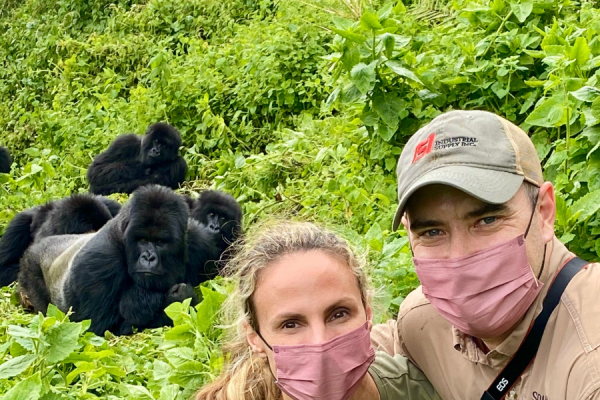
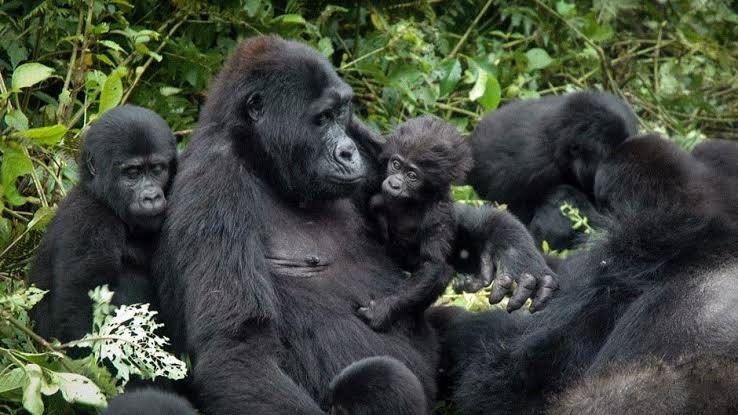
The duration of the trek varies because mountain gorillas move naturally through the forest. Some groups may be found relatively quickly, while other treks involve longer walks across uneven and sometimes muddy terrain. Once the gorillas are located, visitors are allowed a carefully controlled viewing period in which they can observe feeding, resting, grooming and interactions between family members.
Visit Rwanda currently states that twelve gorilla families are fully habituated for tourism in Volcanoes National Park. Trekking groups remain small, helping maintain the intimate nature of the experience. Travellers comparing different ways to experience this can explore dedicated Rwanda gorilla trekking tours
Volcanoes National Park Before Botswana
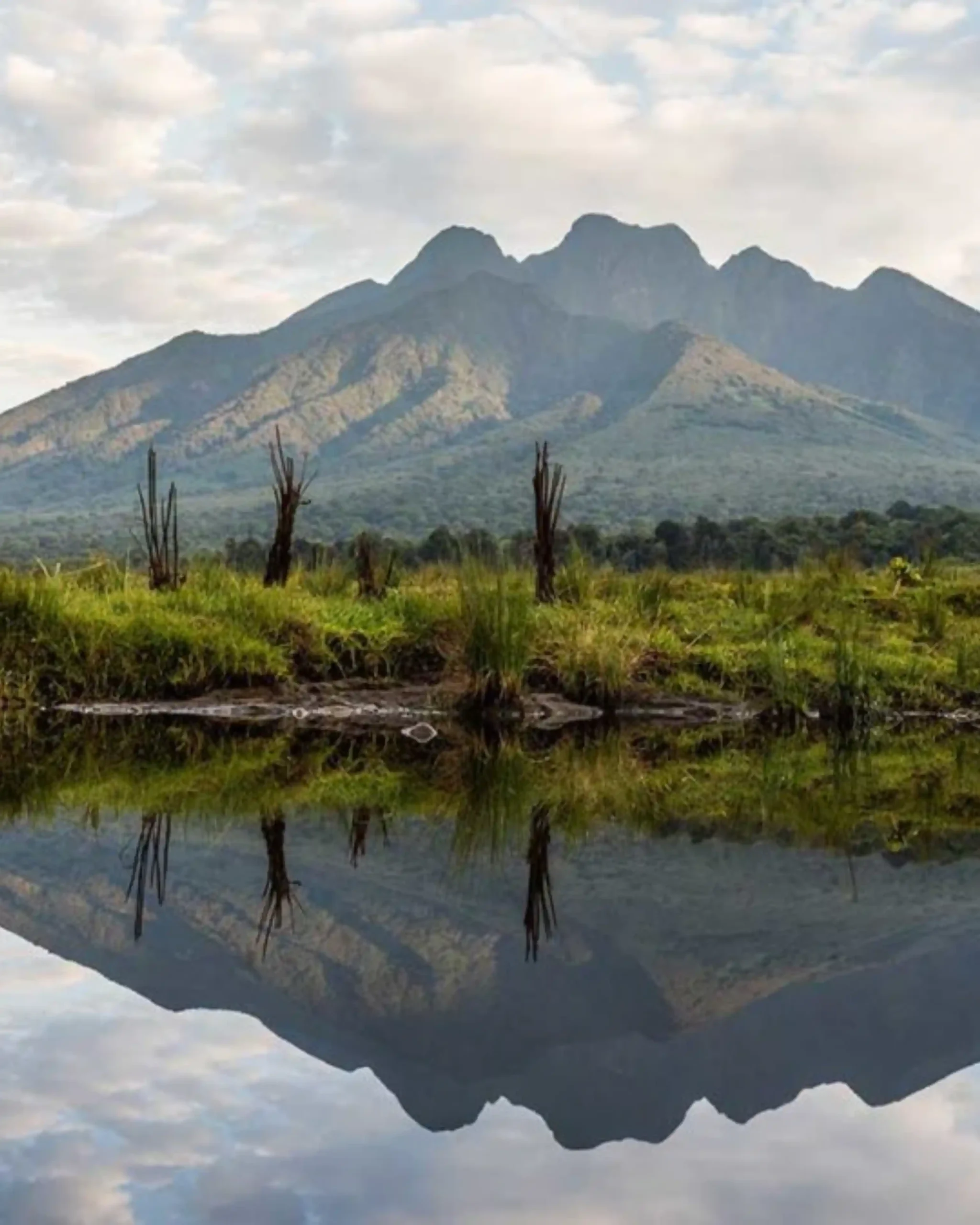
The gorilla region deserves more than one rushed overnight. Staying two or three nights near Volcanoes National Park allows travellers to enjoy the scenery and recover before and after trekking. The mountain landscape, bamboo forest and Virunga volcanoes give Rwanda a visual identity that contrasts dramatically with Botswana’s flatter wetlands and savannah.
Travellers can use an additional morning for golden monkeys, conservation activities or hiking. Others may prefer to enjoy their lodge, mountain views and spa facilities before beginning the longer travel south toward Botswana.
For a compact Rwanda foundation, the 3-Day Rwanda Gorilla and Golden Monkey Trekking Safari can be adapted before a Botswana extension. This works particularly well for travellers whose main Rwanda priority is primates and who want to reserve most of the holiday for Botswana’s wilderness.
Golden Monkey Trekking on a Rwanda and Botswana Safari
Golden monkey trekking adds another specialised primate encounter while travellers are already staying around Volcanoes National Park. Golden monkeys are smaller, quicker and far more energetic than gorillas, so the activity has a distinctly different feeling.
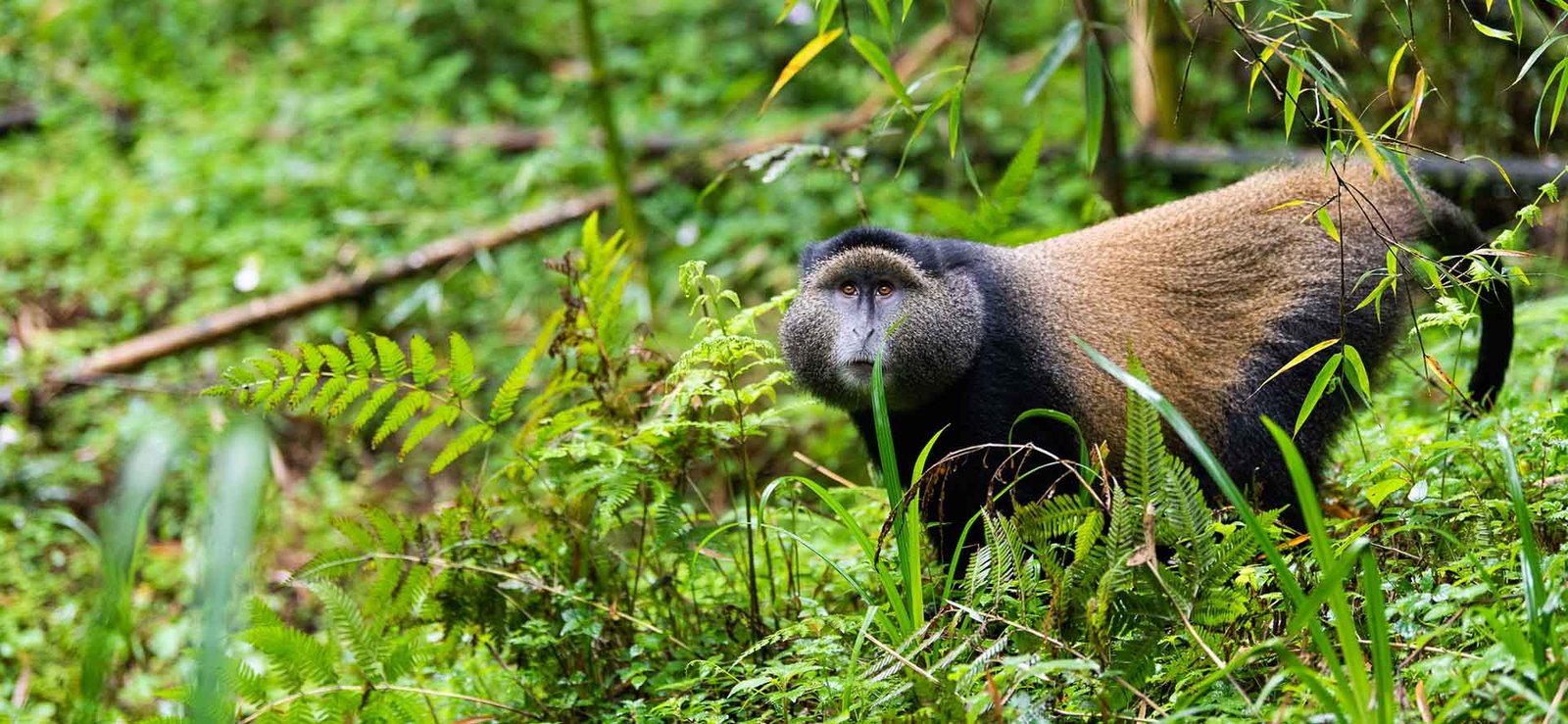
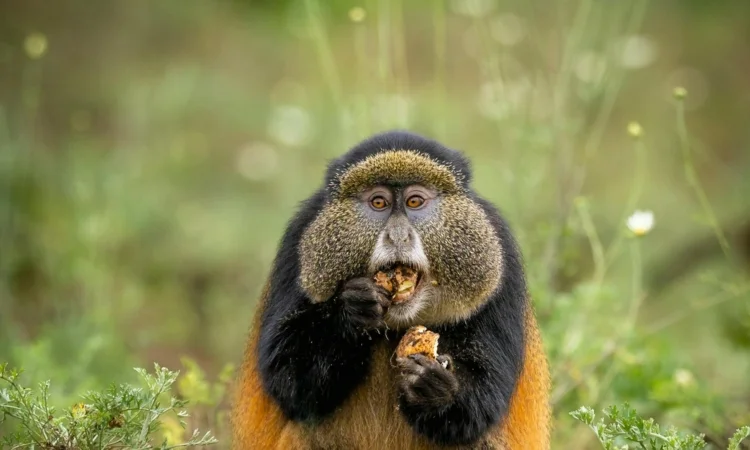
The experience is especially worthwhile for photographers because the monkeys move rapidly through bamboo and vegetation, creating opportunities for action images as well as close portraits. It also makes better use of the journey to northern Rwanda because there is no need to change hotels between gorilla and golden monkey experiences.
Visitors wanting to include this can learn more through the dedicated guide to golden monkeys in Rwanda. Including both primates before Botswana creates a strong wildlife progression from forest species to open-country game.
Add Lake Kivu Before Botswana
A longer Rwanda and Botswana Safari can include Lake Kivu after gorilla trekking. The lake offers a quieter transition after the physical effort of trekking and before the flight-intensive Botswana section begins.
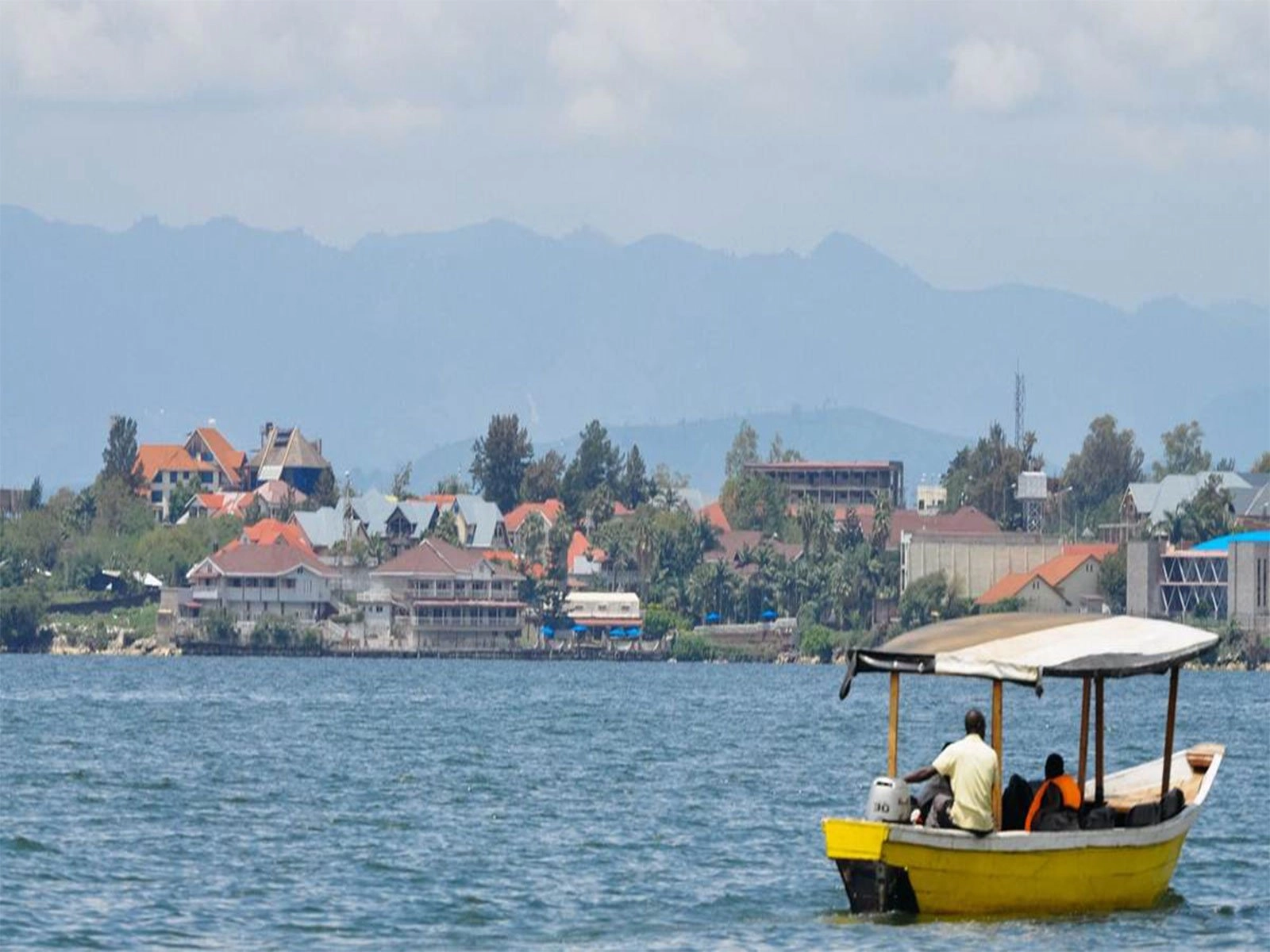
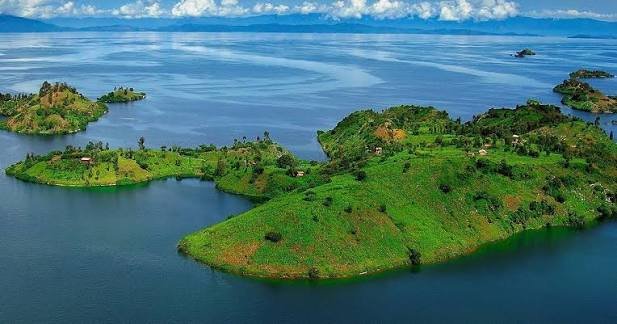
Boat excursions, kayaking, lakeside stays and scenic relaxation can all be built into the itinerary. The atmosphere is completely different from the Okavango Delta even though both destinations involve water. Lake Kivu is a highland lake bordered by steep hills and towns, whereas the Okavango is a vast wildlife ecosystem of channels, floodplains and islands.
Travellers who want something more active can also explore Lake Kivu adventure experiences before returning toward Kigali.
Nyungwe Chimpanzees Before Botswana
Travellers with more time can expand the Rwanda section southward to Nyungwe National Park. Nyungwe introduces dense montane rainforest, chimpanzees, colobus monkeys and some of Rwanda’s richest birdlife, creating another strong contrast with Botswana.
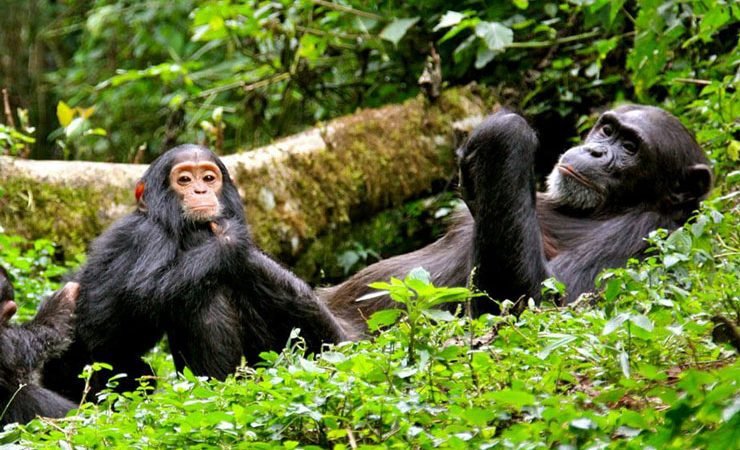
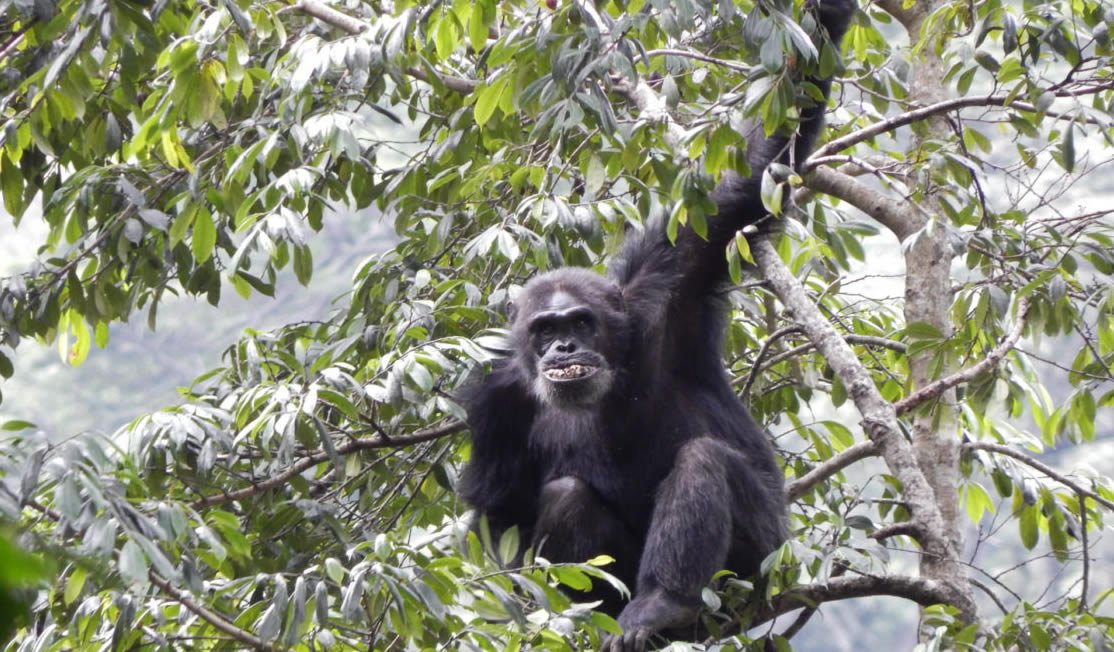
A chimpanzee trek feels very different from gorilla trekking. Chimpanzees can move rapidly through the canopy and forest floor, creating a more energetic and unpredictable experience. Visitors interested in adding this section can explore chimpanzee trekking in Rwanda and the wider Nyungwe Forest National Park guide.
A longer primate programme can also include the canopy walkway and birding before returning toward Kigali. This turns the Rwanda side of the Rwanda and Botswana Safari into a substantial destination in its own right rather than merely a short gorilla extension.
Botswana – The Big-Game Half of the Journey
Botswana transforms the character of the safari immediately. After Rwanda’s cultivated hills, mountain roads and forest trekking, travellers arrive in a country famous for enormous open landscapes and wildlife areas extending far beyond the horizon.
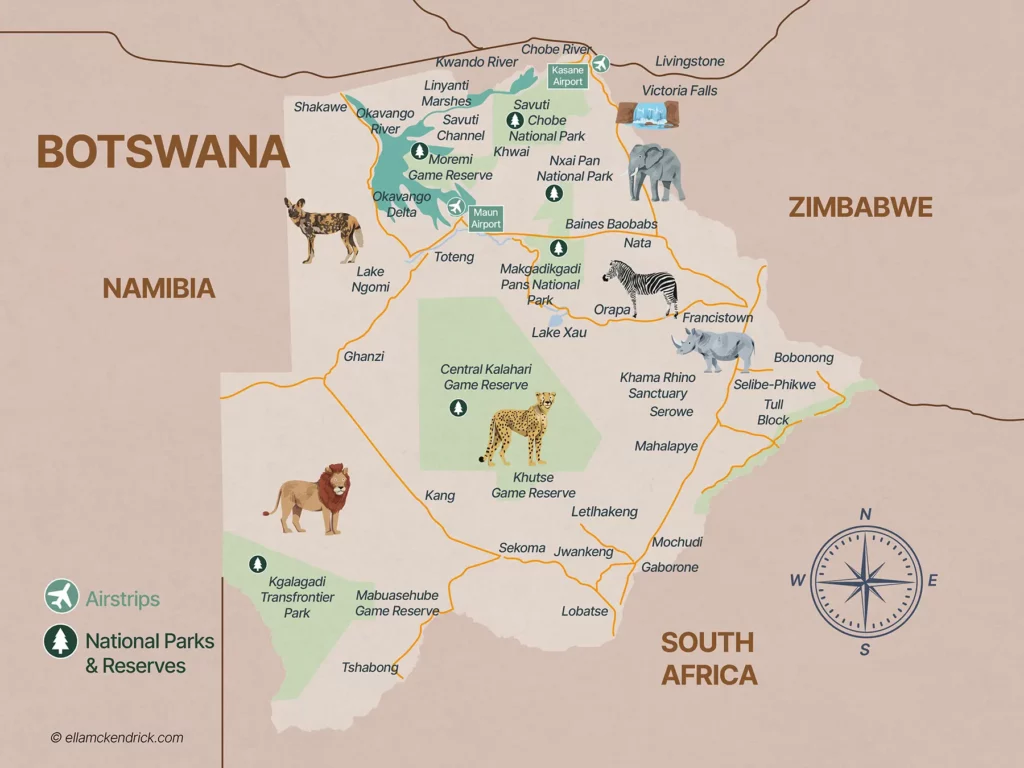
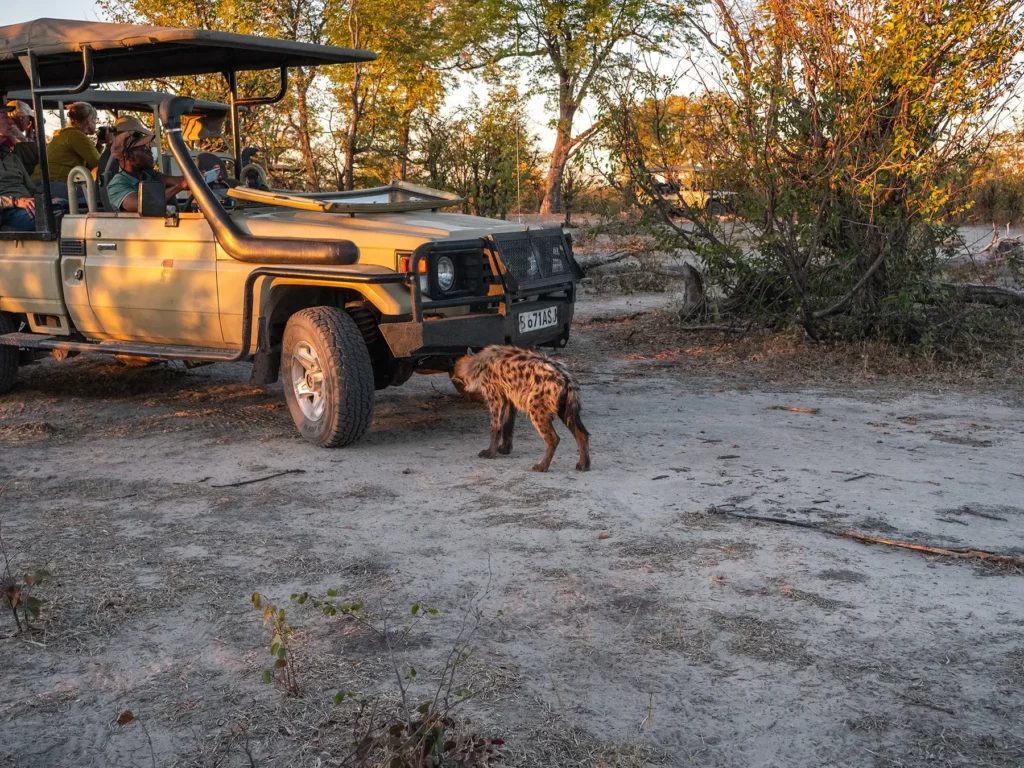
Botswana Tourism states that about 38% of the country is devoted to national parks, reserves and wildlife management areas, many of which remain largely unfenced so wildlife can move through broad ecosystems. This is central to the appeal of Botswana because the safari experience frequently feels deeply connected to wilderness rather than to individual fenced parks.
Travellers can begin comparing the available combinations through Botswana Safaris with Nextgen Safaris. Packages range from compact Chobe and Okavango combinations to longer journeys that include Moremi, Kalahari landscapes or Victoria Falls.
Okavango Delta – The Heart of a Rwanda and Botswana Safari
The Okavango Delta is often the defining Botswana destination on a Rwanda and Botswana Safari. Unlike rivers that eventually reach the ocean, the Okavango spreads into the Kalahari Basin, creating an immense mosaic of permanent waterways, seasonal floodplains, lagoons, islands and dry woodland.
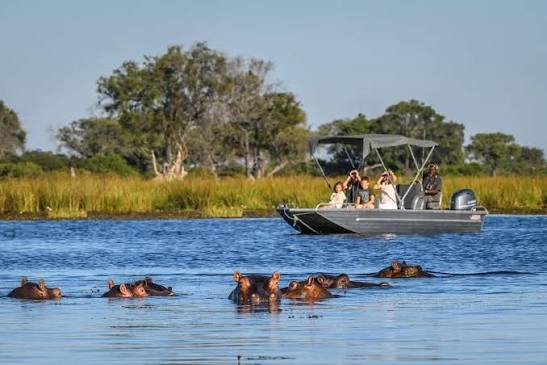
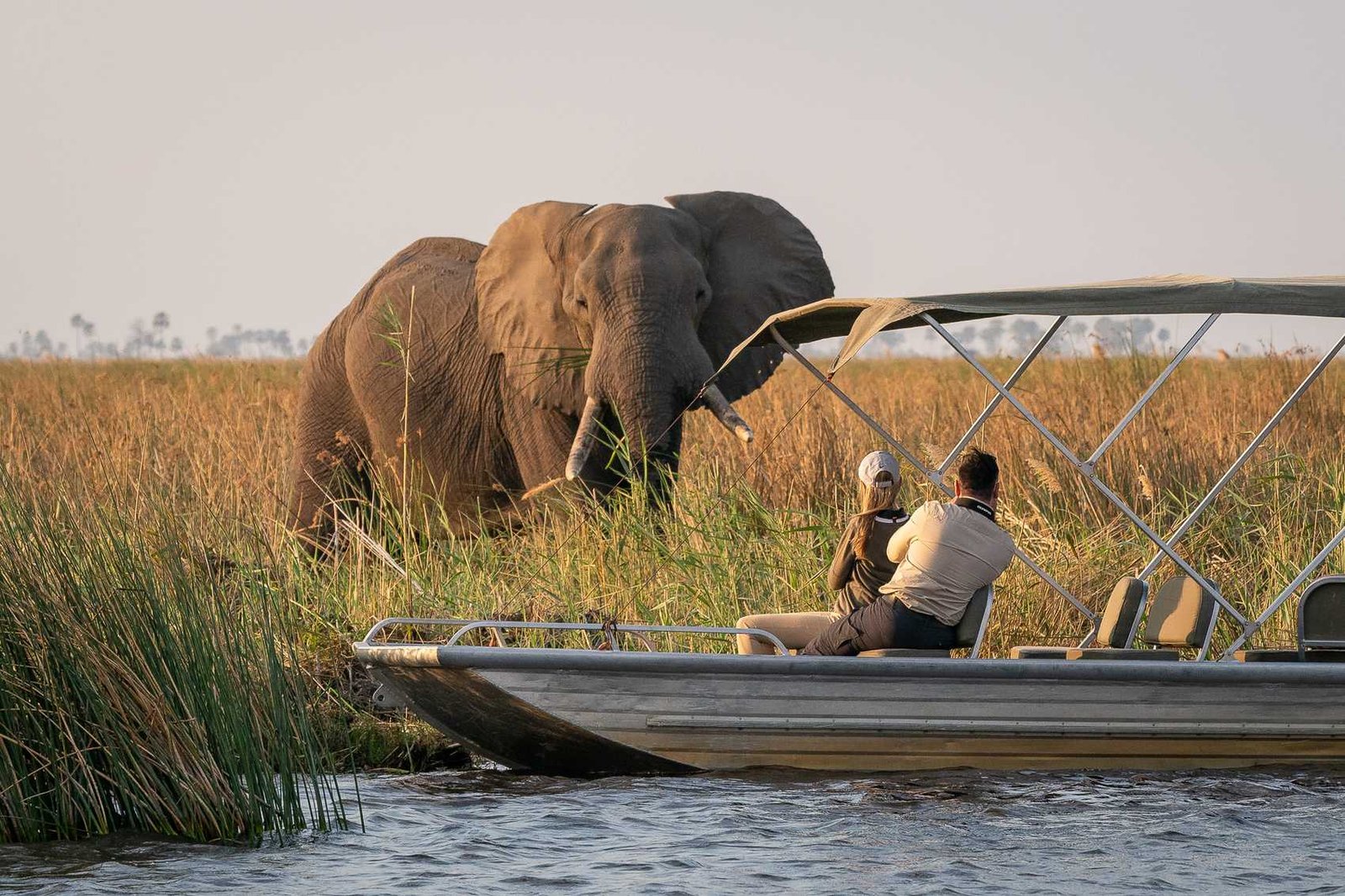
Botswana Tourism describes the Okavango as the world’s largest intact inland delta and notes that its size may vary from roughly 15,000 square kilometres during drier conditions to around 22,000 square kilometres in wetter periods. The wider ecosystem supports elephants, buffaloes, giraffes, zebras, hippos, crocodiles, antelope species and predators including lions, leopards and cheetahs.
This ecosystem creates safari experiences that cannot easily be replicated elsewhere. Game drives can be combined with boat trips, guided walks and mokoro excursions, depending on the individual camp, concession and water levels. For travellers seeking a premium Botswana programme, the 9 Days Botswana Luxury Safari provides a strong example of how Moremi, the Okavango and Kalahari areas can be combined.
Chobe National Park – Land of Elephants
Chobe National Park is another outstanding part of a Rwanda and Botswana Safari. Located in northern Botswana, the park covers approximately 11,700 square kilometres and encompasses the Chobe Riverfront, Ngwezumba Pans, Savuti and Linyanti regions.
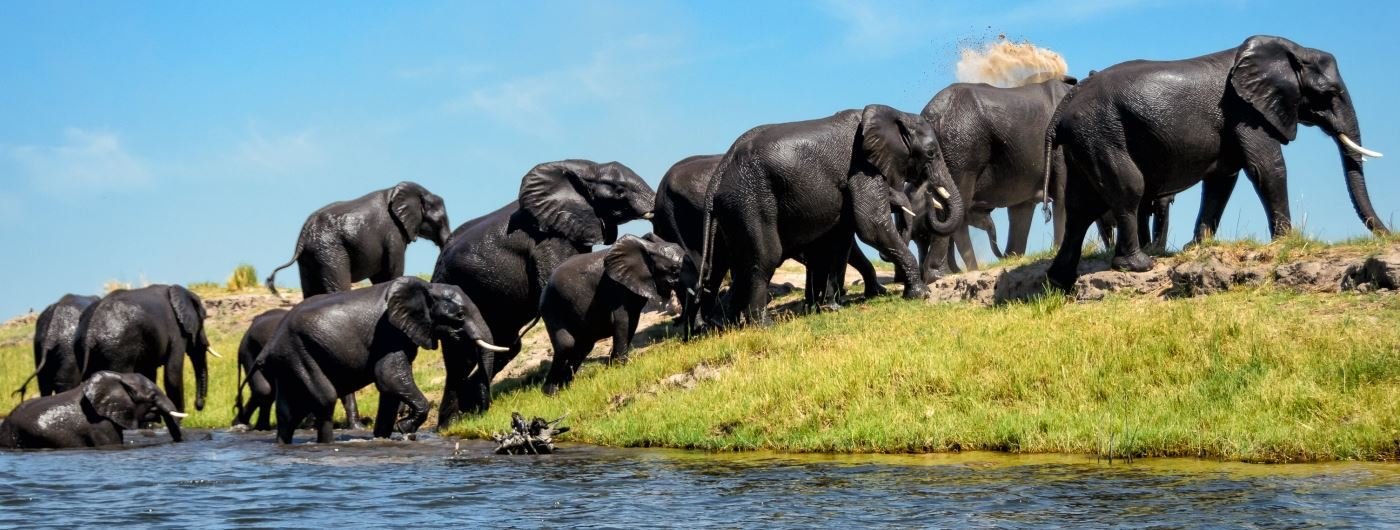
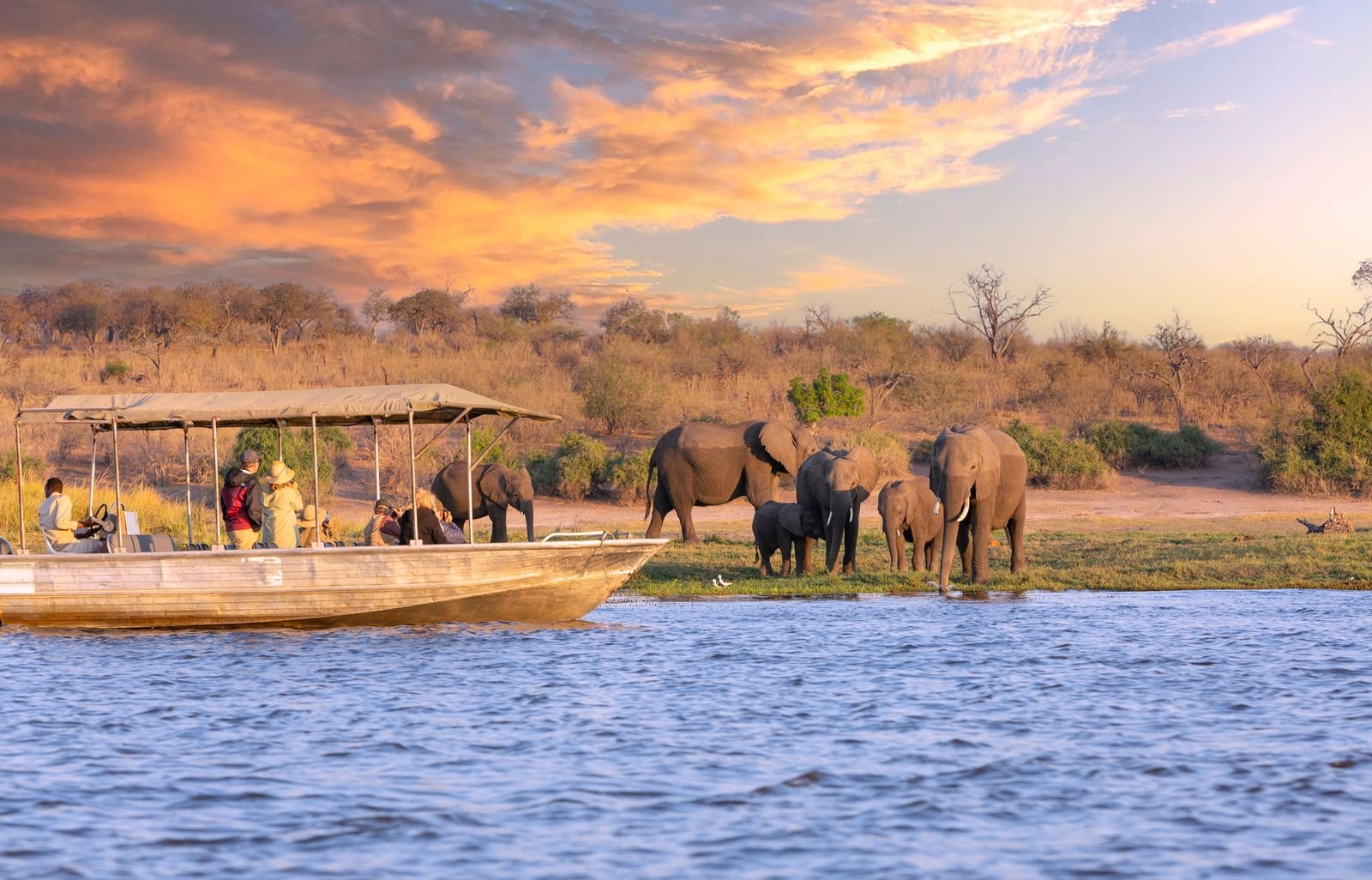
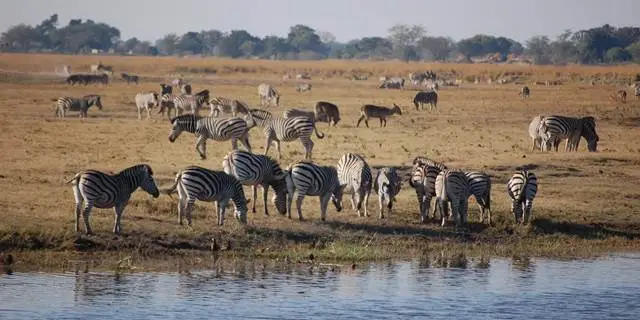
The Chobe Riverfront is especially famous for elephants and buffaloes gathering along the river during the dry season. Botswana Tourism notes that travellers can sometimes encounter very large numbers of elephants moving toward the river to drink and bathe. Lions, leopards, hyenas, antelope species, giraffes and extensive birdlife also occur within the park.
Travellers can learn more through the dedicated Chobe National Park guide or consider the bookable 5 Days Botswana Luxury Tour, which combines Chobe with the Okavango Delta.
Game Drives in Botswana
Traditional game drives remain a major part of the Botswana experience. Open safari vehicles allow guides to explore woodland, savannah, riverfront and floodplain habitats while searching for large mammals and predators.
Botswana Tourism explains that game drives in national parks and reserves follow strict controls, while private concession areas can offer activities such as limited off-road driving and night drives. Many safari lodges normally offer morning and afternoon drives depending on the property and programme.
This means travellers can deliberately select different Botswana camps to obtain different experiences. One camp may emphasise water activities and mokoro excursions, while another may specialise in predator-rich game drives.
Rwanda and Botswana Safari for Honeymooners
The combination is particularly well suited to honeymooners because it delivers memorable experiences without requiring every day to follow the same rhythm. Rwanda offers private mountain lodges, dramatic views and one of the world’s most meaningful wildlife encounters, while Botswana provides remote camps, sundowners, river journeys and nights surrounded by wilderness.
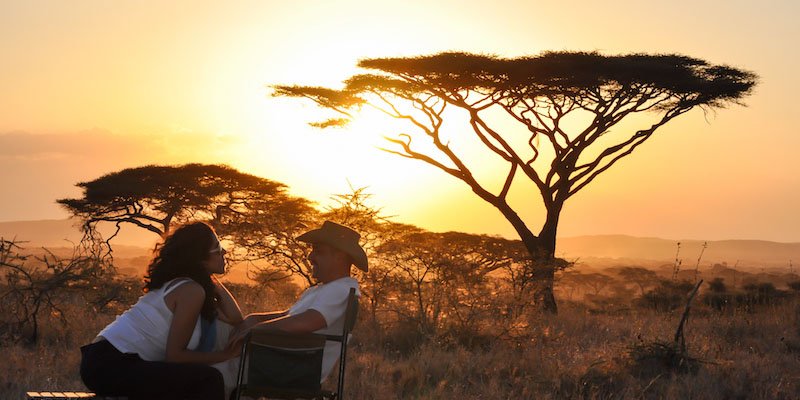
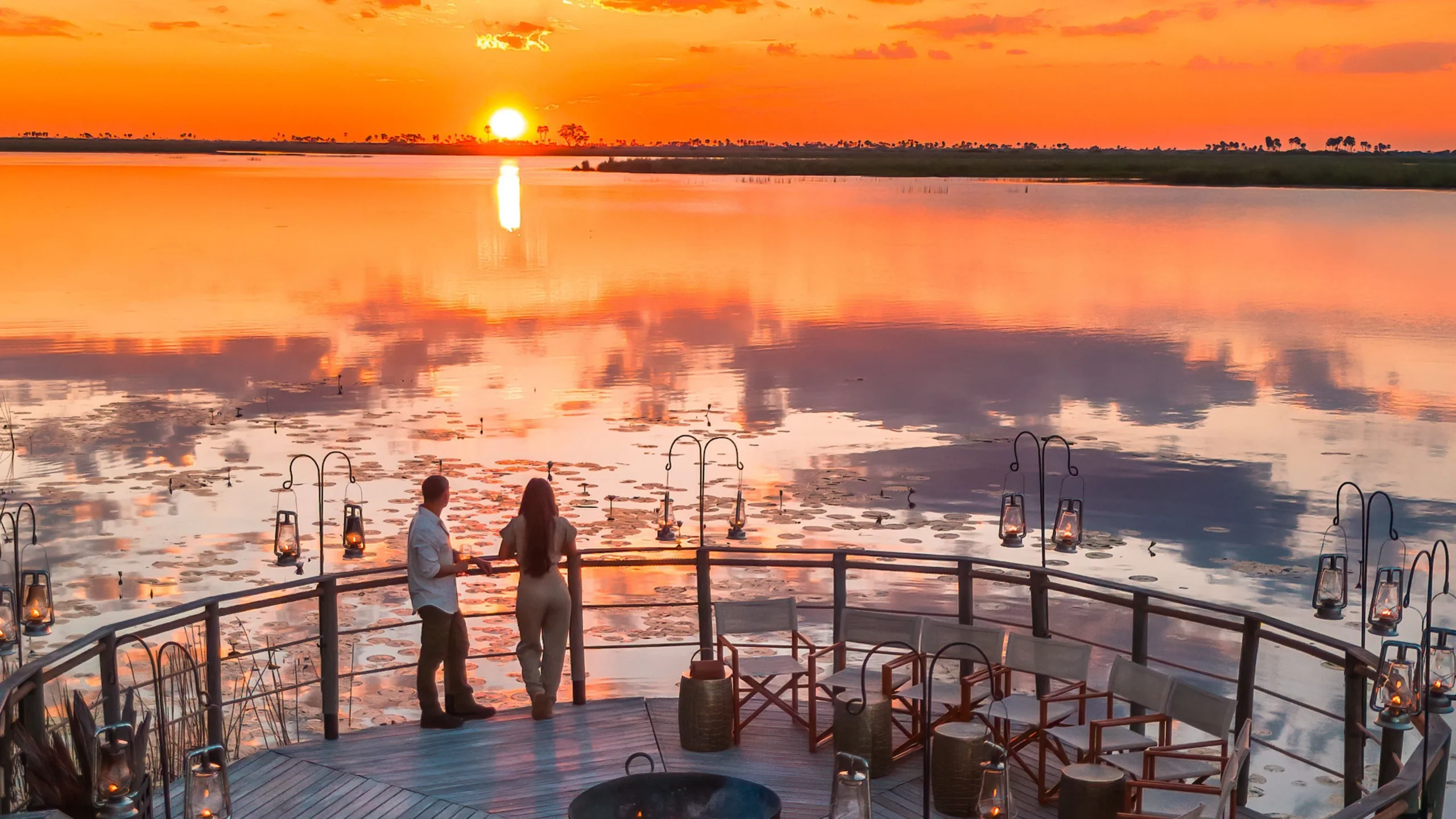
Couples can keep the Rwanda section relatively simple with Kigali, Volcanoes National Park and perhaps Lake Kivu before travelling south. Botswana can then become the slower, more luxurious second half, with several nights split between Chobe and the Okavango Delta.
Private transfers and well-planned light-aircraft connections are worth prioritising for honeymoon travel. Reducing unnecessary road journeys and one-night stops gives the couple more time to enjoy each lodge rather than constantly packing and moving.
Best Time for a Rwanda and Botswana Safari
The Rwanda and Botswana Safari can be organised throughout the year, but Botswana’s seasons strongly influence the style of the experience. Rwanda gorilla trekking operates year-round, although forest conditions vary with rainfall.
Botswana Tourism describes the country as a year-round destination. The wetter green season produces lush vegetation, migratory birds and young plains game, while the drier winter period concentrates wildlife around permanent water sources. For general wildlife visibility, Botswana Tourism identifies roughly April through October as particularly favourable, with May through October strong for dry-season game viewing.
The ideal timing therefore depends on priorities. Travellers wanting classic dry-season wildlife concentrations may choose the middle of the year, while photographers and birders may deliberately prefer greener conditions and dramatic skies.
Is Rwanda or Botswana Better for Safari?
Rwanda and Botswana answer different travel interests, which is why combining them is more useful than treating them as competing destinations. Rwanda is particularly strong for mountain gorillas, chimpanzees, golden monkeys and compact highland travel.
Botswana excels in vast wilderness, elephants, predators, wetlands, river safaris and remote luxury camps. The Okavango Delta and Chobe create classic large-animal safari experiences that complement rather than repeat Rwanda.
A Rwanda and Botswana Safari therefore suits travellers who want the strengths of both. Rwanda provides intimate primate encounters that Botswana cannot offer, while Botswana provides expansive big-game wilderness that makes the second half of the journey feel completely new.
Plan Your Rwanda and Botswana Safari With Visit Rwanda Safaris
Planning should begin with the gorilla permit and desired trekking date. Travellers can first explore gorilla trekking in Rwanda, Rwanda gorilla trekking tours and Volcanoes National Park before deciding how much of Rwanda to include.
Travellers with additional time can extend the Rwanda portion through Lake Kivu, Nyungwe Forest, chimpanzee trekking in Rwanda and golden monkey trekking.
The Botswana section can then be matched to the remaining days and budget. Travellers can compare the full Botswana safari collection, the compact 5 Days Botswana Luxury Tour, the 7 Days Botswana Luxury Safari or the more extensive 9 Days Botswana Luxury Safari.
Frequently Asked Questions About Rwanda and Botswana Safari
1. What is a Rwanda and Botswana Safari?
A Rwanda and Botswana Safari combines Rwanda’s mountain gorillas, primates and scenic highlands with Botswana’s classic wildlife experiences in destinations such as the Okavango Delta, Moremi Game Reserve and Chobe National Park. Travellers can begin with gorilla trekking in Rwanda before continuing south for game drives, mokoro excursions, river safaris and luxury wilderness stays.
2. How many days are best for a Rwanda and Botswana Safari?
Around 10 to 14 days works very well for a Rwanda and Botswana Safari. A shorter journey can focus on Kigali, Volcanoes National Park, one gorilla trek, Chobe and the Okavango Delta, while travellers with 14 to 18 days can also include Lake Kivu, Nyungwe chimpanzees, Moremi, the Kalahari or Victoria Falls.
3. Can I combine gorilla trekking in Rwanda with the Okavango Delta?
Yes. Combining gorilla trekking in Rwanda with the Okavango Delta is one of the strongest ways to experience two completely different African ecosystems. Rwanda provides intimate encounters with mountain gorillas in forested mountains, while Botswana offers elephants, predators, wetlands, game drives, boats and traditional mokoro excursions.
4. How much is a Rwanda gorilla permit?
The standard Rwanda gorilla trekking permit for an international visitor is currently USD 1,500 per person per trek. Because permit availability is limited for each trekking day, travellers planning a Rwanda and Botswana Safari should secure their gorilla date before finalising regional flights and Botswana safari camps.
5. What wildlife can I see in Botswana after Rwanda?
Botswana offers excellent opportunities to see elephants, lions, leopards, buffaloes, giraffes, zebras, hippos, crocodiles, antelopes and, in suitable areas, African wild dogs and rhinoceroses. Chobe is particularly famous for elephants, while Moremi and the Okavango Delta provide excellent predator and general wildlife viewing.
6. Can I include Chobe National Park on a Rwanda and Botswana Safari?
Yes. Chobe is one of the best additions to a Rwanda and Botswana Safari because travellers can combine land-based game drives with wildlife viewing from the Chobe River. Visitors can learn more through our Chobe National Park guide or consider a 5 Days Botswana Luxury Tour combining Chobe and the Okavango Delta.
7. Can I include chimpanzee trekking in Rwanda before Botswana?
Yes. Travellers with additional time can include chimpanzee trekking in Rwanda in Nyungwe National Park before continuing to Botswana. This creates a more complete primate safari with mountain gorillas, chimpanzees and potentially golden monkeys before the big-game section of the journey.
8. Is a Rwanda and Botswana Safari suitable for honeymooners?
Yes. A Rwanda and Botswana Safari is particularly well suited to honeymooners because it combines private gorilla experiences, scenic mountain lodges, remote Botswana camps, river cruises and intimate wilderness settings. Couples can also add Lake Kivu between the gorilla trek and Botswana for extra relaxation.
9. Can I add Victoria Falls to a Rwanda and Botswana Safari?
Yes. Victoria Falls combines naturally with northern Botswana, particularly Chobe National Park. Travellers can extend the journey using a programme such as the 7 Days Botswana and Victoria Falls Luxury Tour to create a broader safari featuring mountain gorillas, Botswana wildlife, the Okavango Delta and Victoria Falls.
10. How do I book a Rwanda and Botswana Safari?
To book a Rwanda and Botswana Safari, share your preferred travel dates, number of travellers, accommodation level, approximate budget and total number of available days with Visit Rwanda Safaris. The journey can then be customised around Rwanda gorilla trekking, golden monkeys, Lake Kivu, Nyungwe chimpanzees, Chobe, Moremi and the Okavango Delta.
Book Your Rwanda and Botswana Safari
A Rwanda and Botswana Safari can be tailored around the exact experiences a traveller values most. A shorter journey may include one gorilla trek followed by Chobe and the Okavango Delta, while a longer safari can add golden monkeys, chimpanzees, Lake Kivu, Moremi, the Kalahari or Victoria Falls.
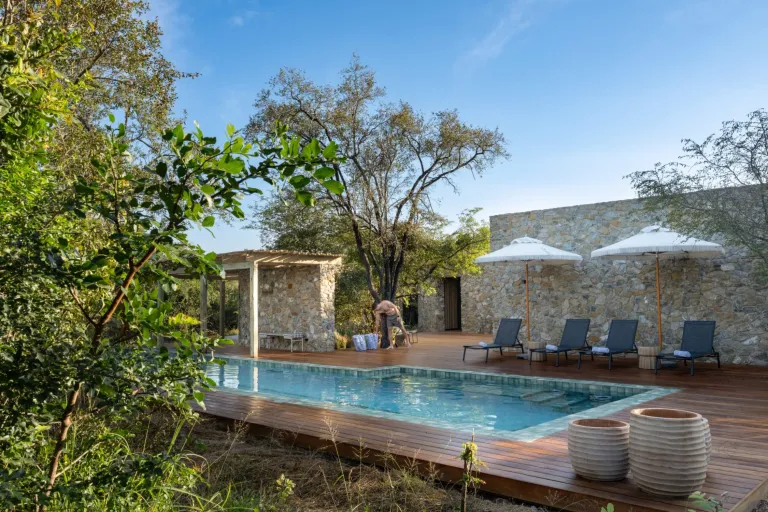
The most important factor is creating a natural rhythm. Forest trekking should not be immediately followed by unnecessary overnight transfers, and Botswana camp changes should be chosen because they introduce a genuinely different habitat rather than simply another lodge.
Travellers ready to begin planning can submit their preferred travel dates, number of travellers, accommodation level and approximate budget through the safari planning and booking page. The itinerary can then be built around confirmed gorilla permits, suitable regional flights and the Botswana regions that best match the traveller’s wildlife priorities.