
Ultimate Rwanda and Kenya Safari – Gorilla Trekking, Big Five & Maasai Mara Adventure
A Rwanda and Kenya Safari brings together two of East Africa’s most extraordinary wildlife experiences within one journey. Rwanda provides intimate encounters with endangered mountain gorillas, golden monkeys, chimpanzees, beautiful volcanic landscapes and the rolling hills that have made the country famous, while Kenya introduces vast savannahs, legendary predators, huge elephant herds and the iconic plains of the Maasai Mara. Together, the two destinations create an African safari that moves naturally from misty rainforest to open grassland, giving travellers two completely different wildlife experiences without needing to choose between primates and traditional game viewing.
For many visitors, the greatest attraction is the contrast. In Rwanda, travellers can walk through bamboo forest inside Volcanoes National Park before spending an extraordinary hour close to a habituated mountain gorilla family. In Kenya, the same journey can continue across the plains of the Maasai Mara in search of lions, cheetahs, elephants, buffaloes, giraffes and, seasonally, the enormous herds associated with the Great Migration. Rwanda currently charges USD 1,500 for a standard international gorilla trekking permit, and visitors spend a regulated hour with the gorillas once the assigned family is located.
A well-designed Rwanda and Kenya Safari should not simply connect two countries for the sake of adding destinations. The journey should use the strengths of each country intelligently. Rwanda should provide meaningful primate encounters, beautiful mountain scenery and carefully paced forest experiences, while Kenya should deliver extended game drives, predator encounters, varied savannah landscapes and classic African safari camps. Visit Rwanda Safaris can combine these elements into one private East African journey suited to couples, families, honeymooners, photographers, solo travellers and luxury safari guests.
Why Choose a Rwanda and Kenya Safari?
A Rwanda and Kenya Safari works particularly well because Rwanda and Kenya complement rather than duplicate one another. Rwanda is one of Africa’s leading mountain gorilla destinations, with Volcanoes National Park protecting the Rwandan section of the Virunga Massif. The park combines bamboo and montane forest, volcanic peaks, golden monkeys and mountain gorillas, creating a forest experience that feels entirely different from Kenya’s open savannahs.
Kenya then introduces one of the world’s most recognisable safari landscapes. Wildlife viewing takes place primarily from 4×4 safari vehicles across destinations such as the Maasai Mara, Amboseli National Park, Lake Nakuru and the Tsavo ecosystem. Kenya Wildlife Service describes Amboseli as one of Africa’s premier destinations for close encounters with large elephant herds, with Mount Kilimanjaro forming its famous backdrop and more than 400 bird species recorded in the area.
The combination means travellers do not need to decide whether they want gorillas or lions, rainforest or savannah, primates or the Big Five. A Rwanda and Kenya Safari can provide all of these within the same holiday. Travellers particularly interested in Rwanda’s primates can begin by exploring our detailed guide to gorilla trekking in Rwanda, while those already considering a longer Kenya extension can examine this 10 Days Kenya Wildlife Tour covering several of Kenya’s most important safari destinations.
Begin Your Rwanda and Kenya Safari in Kigali
Kigali is an excellent starting point for a Rwanda and Kenya Safari, particularly when mountain gorillas are one of the main priorities. Travellers can arrive at Kigali International Airport, spend their first night in the city and then continue north toward Volcanoes National Park. Official Rwanda tourism itineraries place the drive from Kigali to the Volcanoes region at around three hours, making the gorilla experience relatively accessible from the capital.
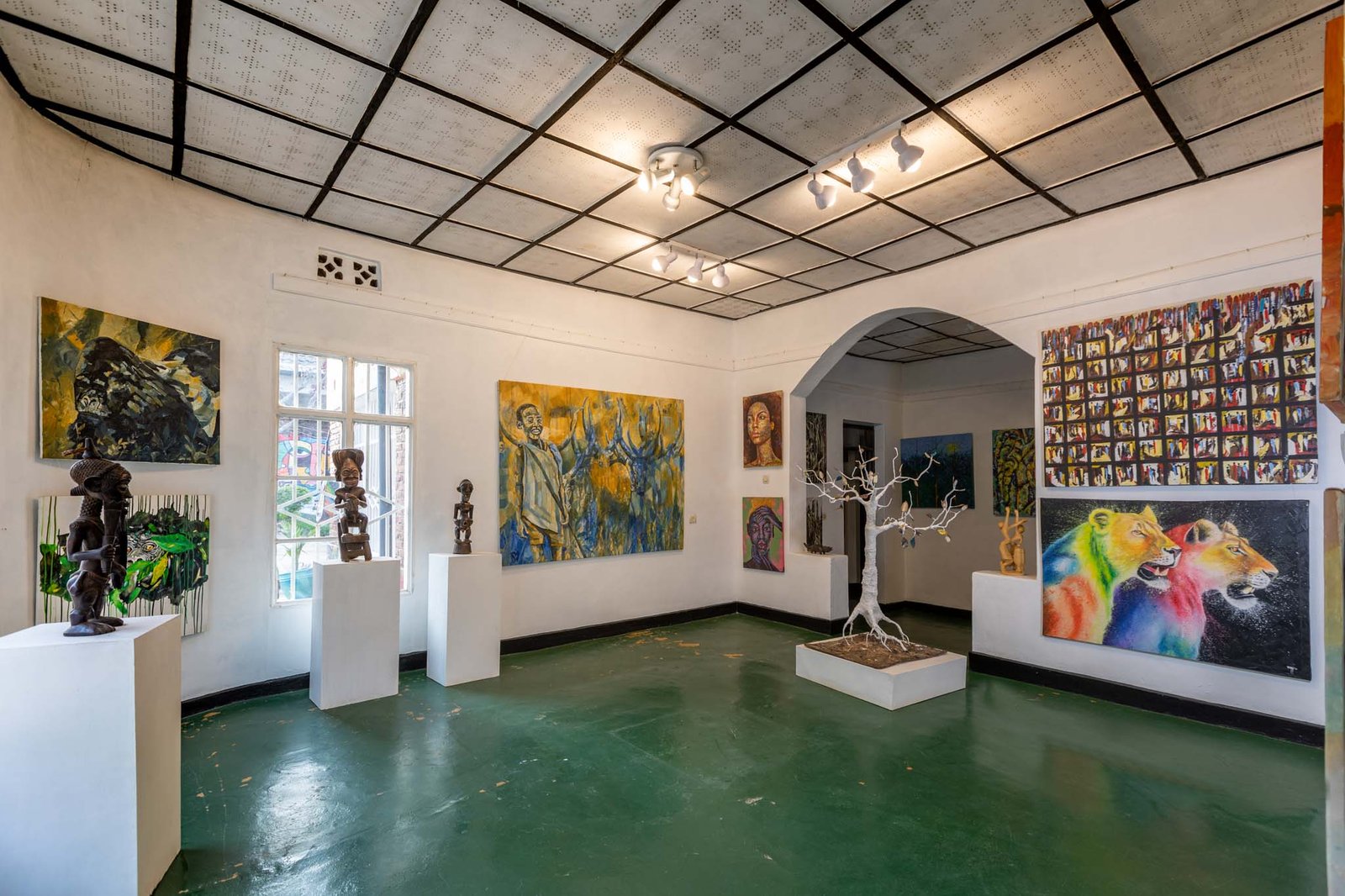
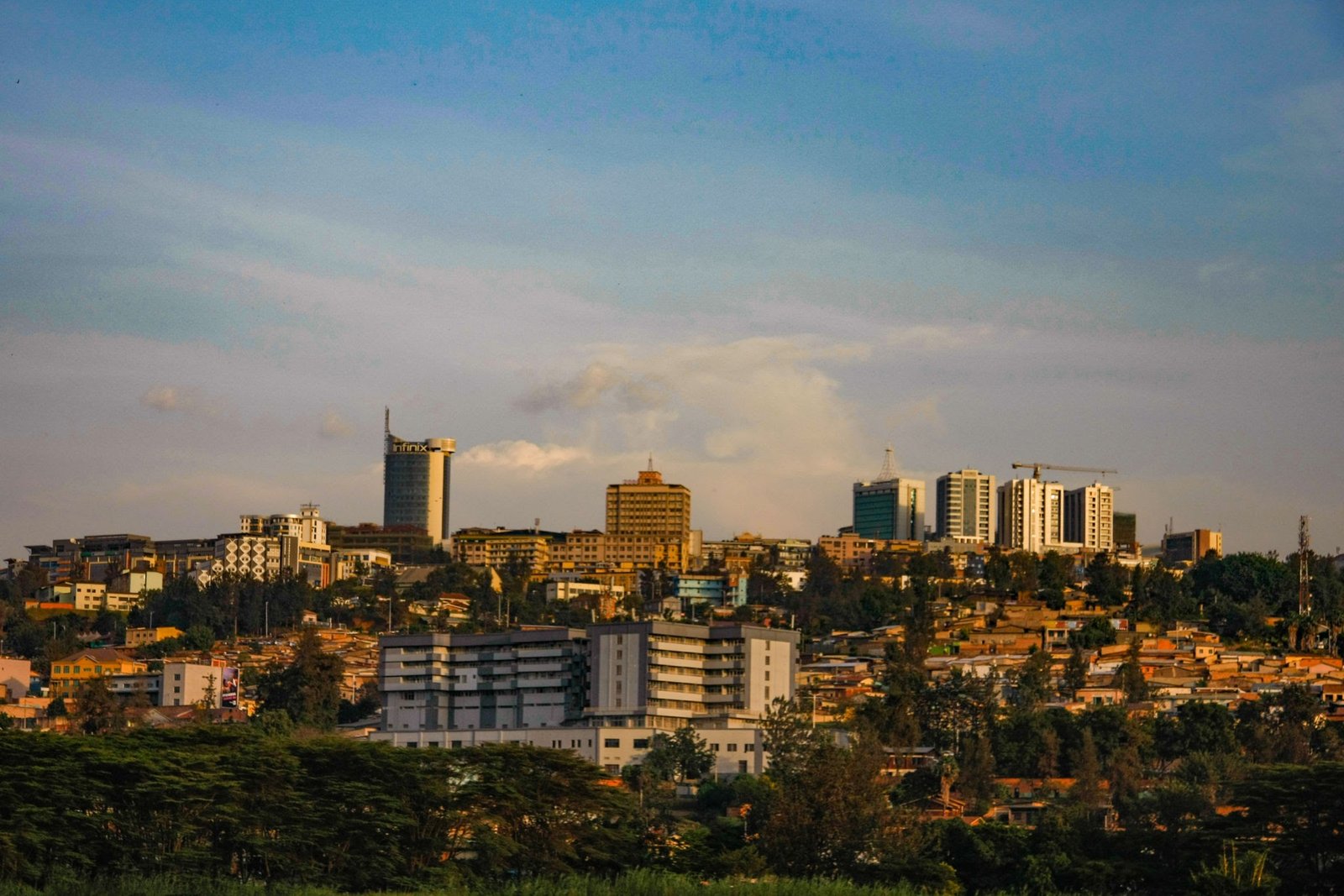
Spending one or two nights in Kigali can also create a more comfortable beginning to an international safari. Travellers have time to recover from long-haul flights, enjoy Rwanda’s restaurants and selected cultural experiences, and prepare properly for the forest portion of the journey. This is particularly useful when the following morning involves trekking rather than sitting comfortably inside a safari vehicle.
Once the Rwanda section is complete, travellers can continue to Kenya through the regional air network. Kenya Airways currently publishes Kigali–Nairobi itineraries, confirming the practical air connection between the two capitals. This makes it possible for a Rwanda and Kenya Safari to move efficiently from gorilla trekking in Volcanoes National Park to Nairobi and onward toward the Maasai Mara, Amboseli or other Kenyan safari destinations.
Mountain Gorilla Trekking During Rwanda and Kenya Safari
Mountain gorilla trekking is usually the most anticipated experience on the Rwanda side of a Rwanda and Kenya Safari. Travellers report for briefing before entering Volcanoes National Park with trackers and guides who lead the group toward a habituated gorilla family. Trekking time varies because the gorillas move naturally through their habitat, but once the family is located, visitors are allowed one carefully managed hour in their presence.
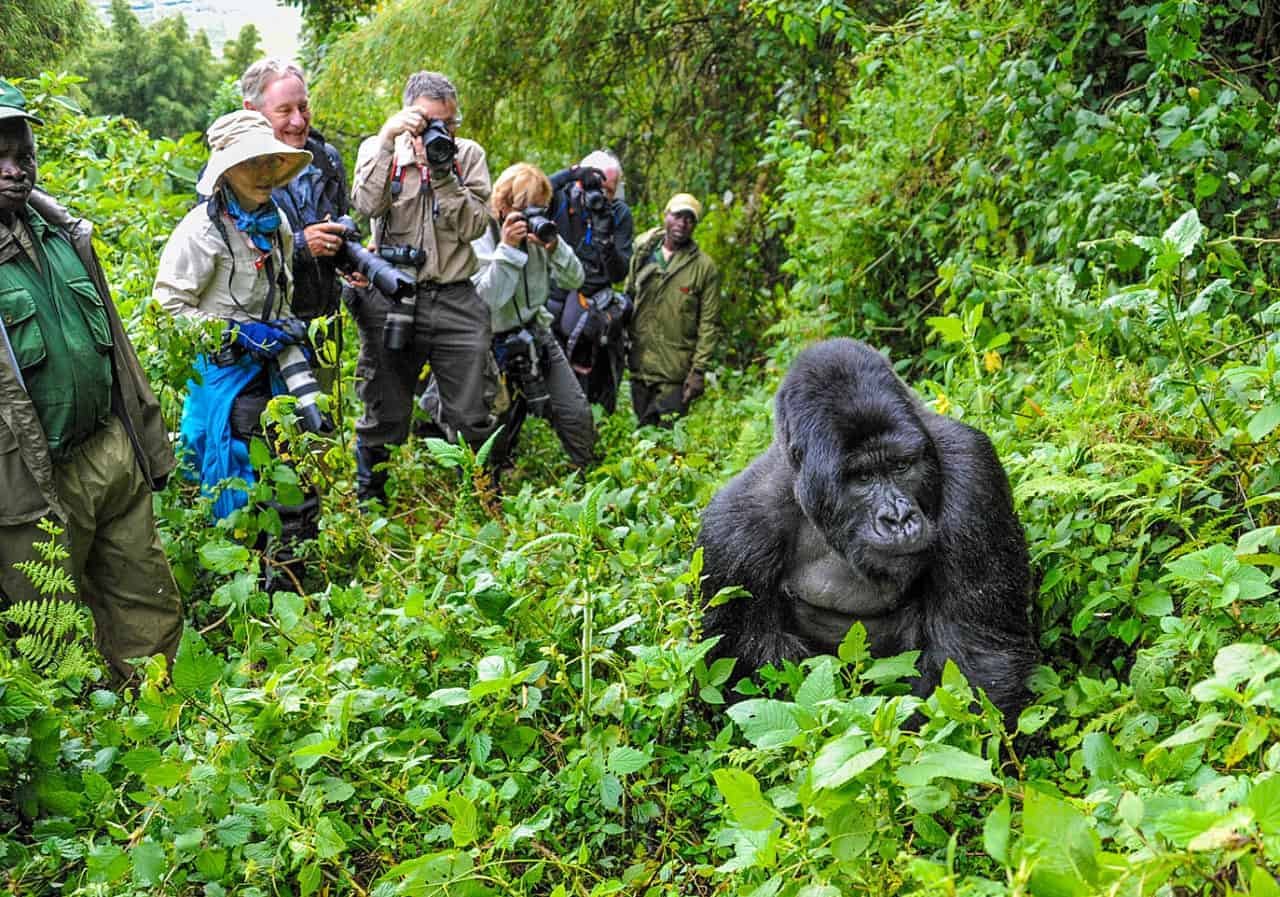
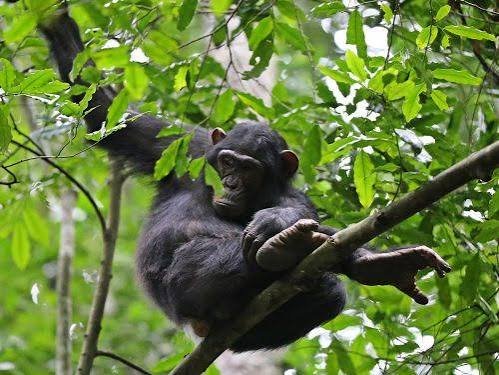
The encounter is fundamentally different from game viewing in Kenya. Instead of watching wildlife from a vehicle, visitors walk directly into the mountain forest. Gorillas may be feeding among bamboo, resting together or interacting with young members of the family only a short distance away. The forest atmosphere, physical effort and intimacy of the experience make it an ideal opening chapter before moving into Kenya’s much broader savannah landscapes.
Travellers researching this part of the journey can explore gorilla trekking in Rwanda, compare dedicated Rwanda gorilla trekking tours or learn specifically about gorilla trekking in Volcanoes National Park. These pages provide natural next steps for visitors whose interest in a Rwanda and Kenya Safari is being driven primarily by mountain gorillas.
Volcanoes National Park – Rwanda’s Gorilla Heartland
Volcanoes National Park is one of the most important destinations within a Rwanda and Kenya Safari because it provides experiences that cannot be replicated on Kenya’s savannahs. The park lies within the Virunga Massif and protects the slopes of Karisimbi, Bisoke, Sabyinyo, Gahinga and Muhabura. Its habitats include bamboo, evergreen forest, grassland, swamp and heath, creating an extraordinary high-altitude landscape.
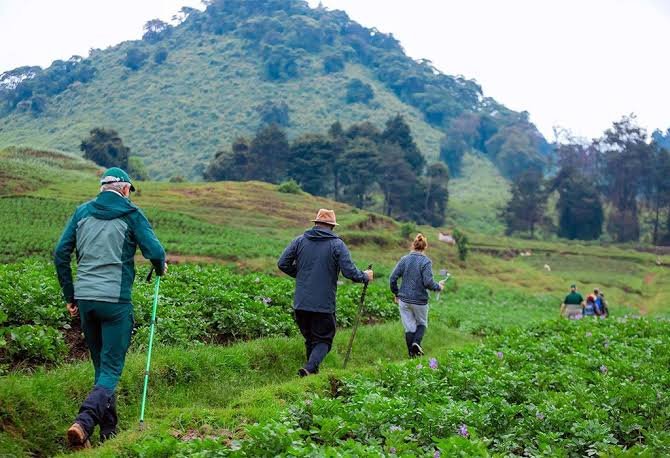
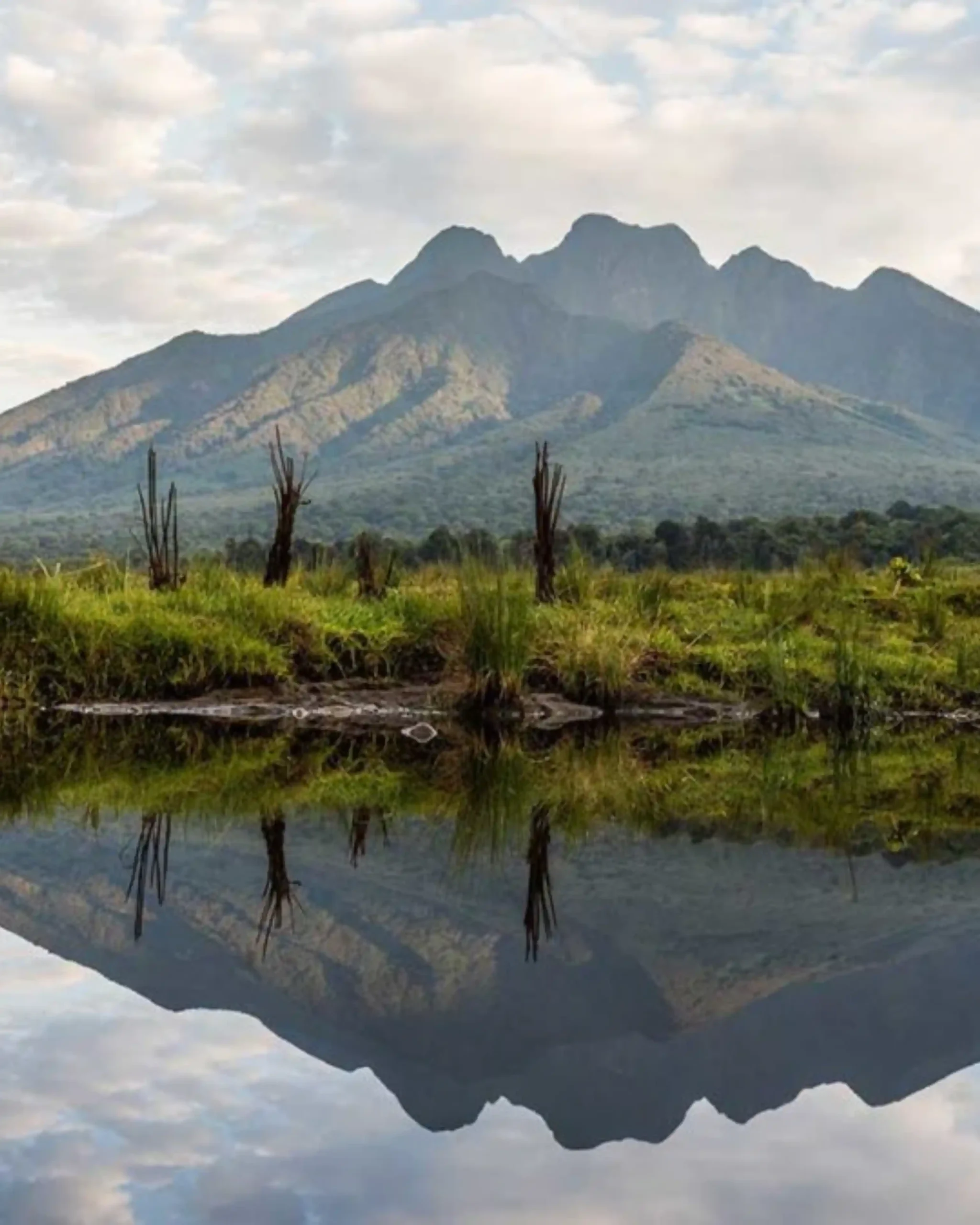
Travellers should consider spending several nights in the region rather than arriving only for the gorilla trek. The landscape itself deserves time, and a relaxed afternoon after trekking allows guests to recover before continuing with the journey. Luxury travellers may also want to select one of the region’s high-end gorilla lodges and make the accommodation an important part of the overall safari.
Another useful destination guide is available through Volcanoes National Park Rwanda. Linking several strong Rwanda experiences around the gorilla region helps travellers move deeper into the planning process rather than leaving the Rwanda and Kenya Safari page after reading only a general overview.
Golden Monkey Trekking Before Kenya
Golden monkey trekking is one of the easiest activities to combine with mountain gorillas before flying to Kenya. The colourful primates live within the bamboo forests of Volcanoes National Park and provide a completely different encounter from gorillas. Official Visit Rwanda itineraries specifically combine gorilla tracking with a separate golden monkey morning during a three-day Volcanoes experience.
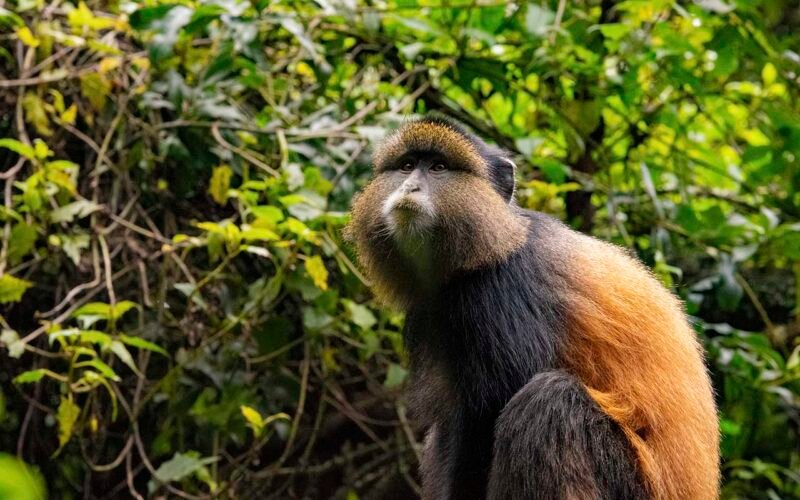
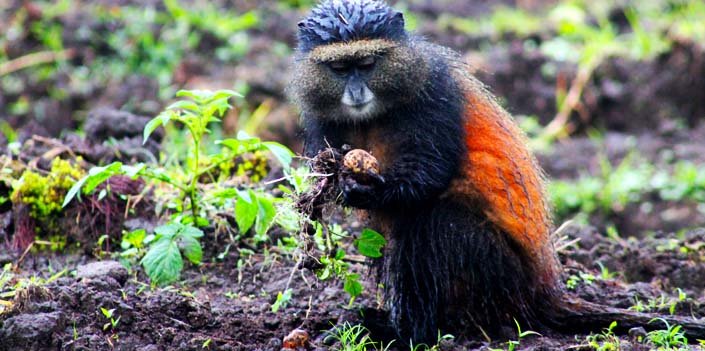
The experience is often more active because golden monkeys move rapidly through bamboo and vegetation. Photographers particularly appreciate the contrast between their orange-gold colouring and the deep green forest. Adding this second primate activity also makes better use of the journey to northern Rwanda rather than leaving the region immediately after the gorilla trek.
Travellers can learn more about golden monkeys in Rwanda or view a ready-made 3-Day Rwanda Gorilla and Golden Monkey Trekking Safari. These links can help turn interest in a general Rwanda and Kenya Safari into a concrete Rwanda safari component before the Kenya extension begins.
Add Akagera National Park Before Kenya
Although Kenya already provides outstanding savannah wildlife, some travellers may still want Akagera National Park included within a longer Rwanda and Kenya Safari. Akagera introduces Rwanda’s own Big Five safari landscape and can create an especially complete Rwanda section for travellers with ten days or more available overall. Rwanda’s official six-day safari-and-gorilla route demonstrates how Akagera and Volcanoes can be connected within one trip.
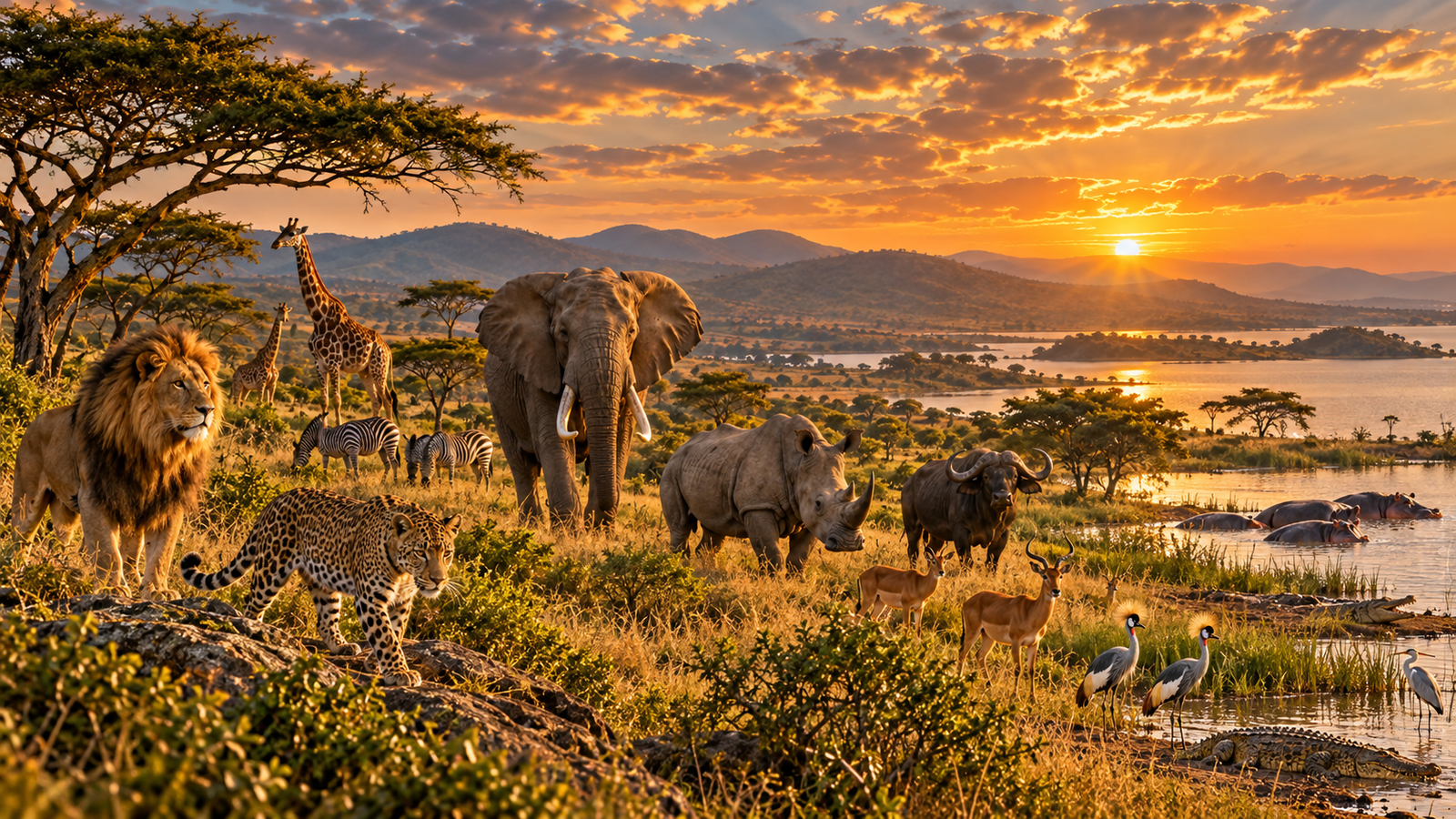
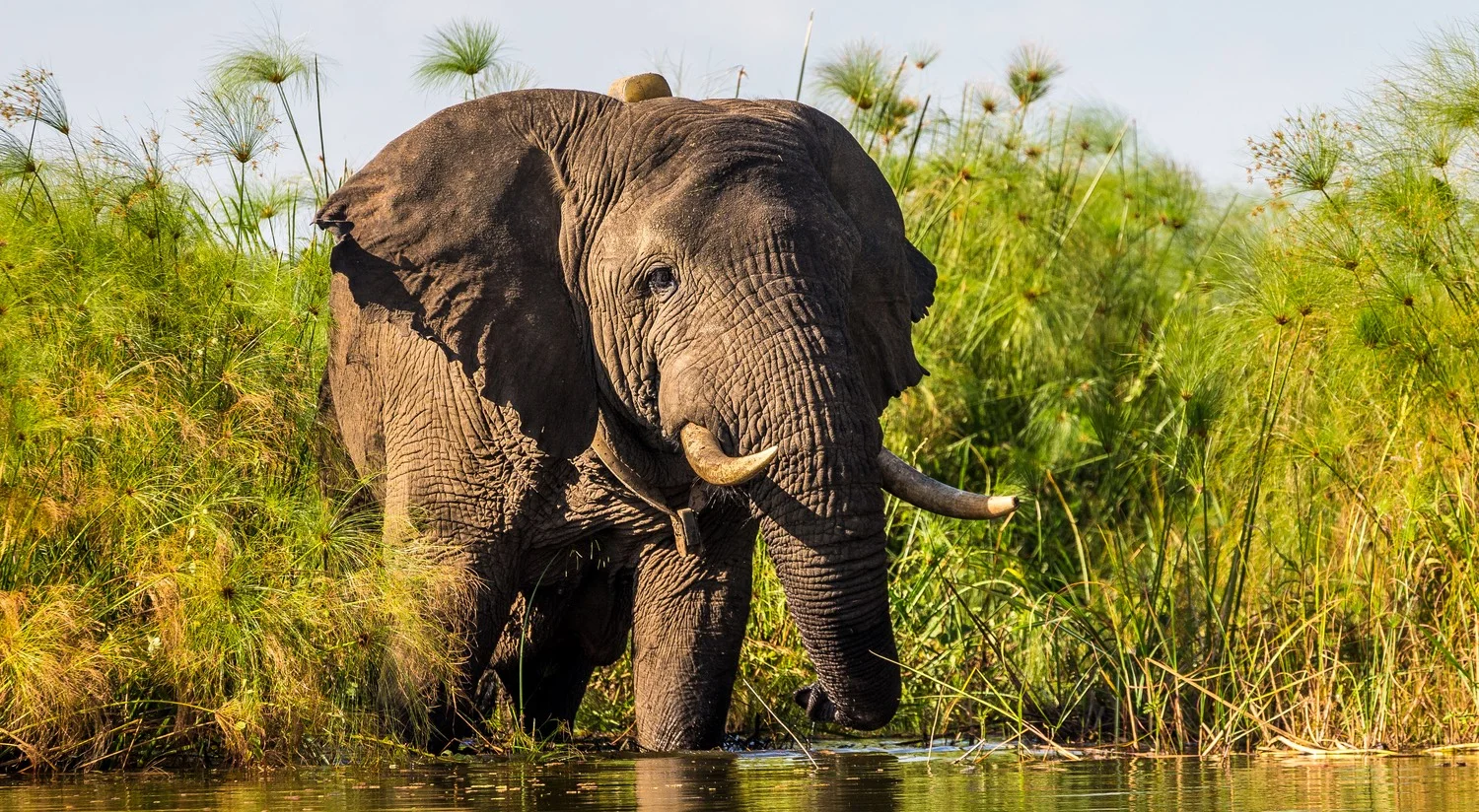
Akagera contains open plains, lakes, woodland and wetlands, providing game drives and boat-based wildlife experiences. Lions were reintroduced in 2015 and black rhinos in 2017, restoring the park’s Big Five status. Adding Akagera before Kenya gives travellers an interesting opportunity to compare two very different East African savannah systems.
For shorter journeys, however, it may be more efficient to concentrate the Rwanda portion on gorillas and allow Kenya to provide the main game-viewing experience. A well-designed Rwanda and Kenya Safari should not add parks simply to increase the number of destinations. Every stop should strengthen the journey.
Flying From Rwanda to Kenya
Combining Rwanda and Kenya is straightforward because Kigali and Nairobi are connected by scheduled regional flights. Current Kenya Airways booking information shows Kigali–Nairobi services for 2026, allowing travellers to complete the primate section in Rwanda before continuing into Kenya’s safari circuit.
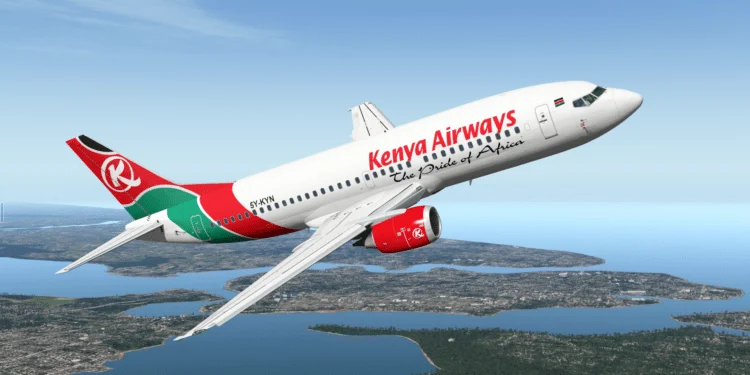
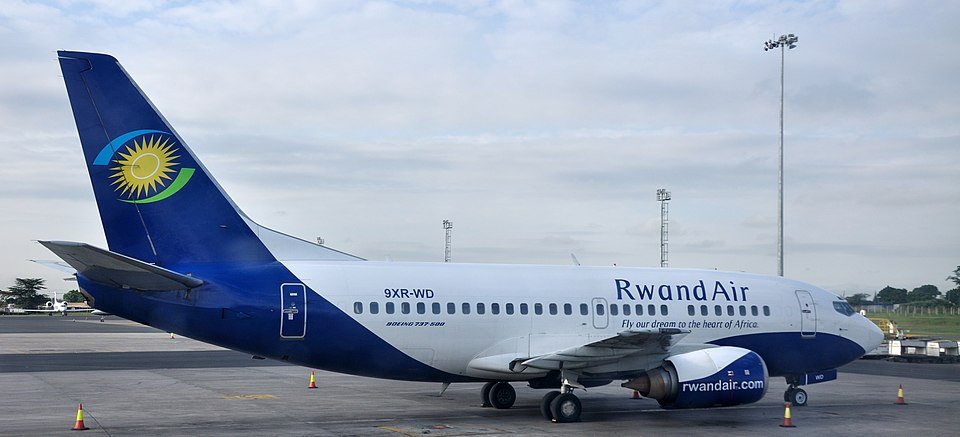
This connection prevents travellers from losing several days to complicated overland travel between the two countries. After gorilla trekking and a final night in Kigali, guests can fly to Nairobi and either overnight in the city or continue toward a safari destination depending on the flight schedule and overall itinerary.
For luxury Rwanda and Kenya Safari journeys, domestic light-aircraft connections can also be considered within Kenya where appropriate. Travellers with more time may instead choose road transfers, especially when combining several Kenyan parks. The correct approach depends on budget, luggage, photography equipment and how much of Kenya the traveller wants to experience.
Maasai Mara – The Classic Kenya Safari Experience
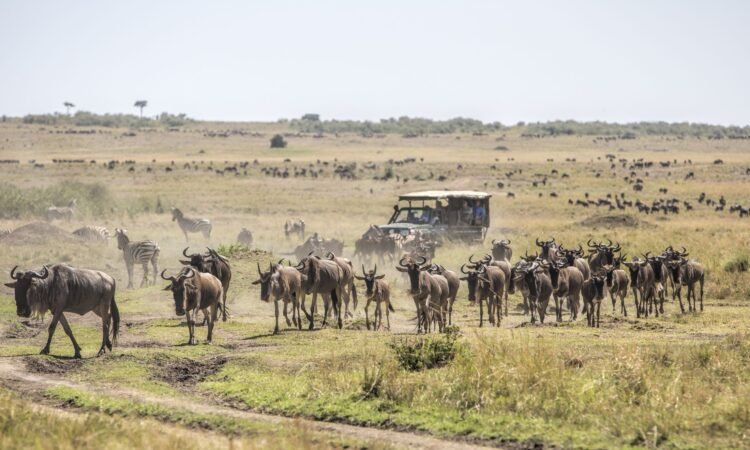
The Maasai Mara is often the centrepiece of the Kenya portion of a Rwanda and Kenya Safari. Its sweeping grasslands provide one of Africa’s most recognisable wildlife environments, supporting lions, elephants, buffaloes, giraffes, cheetahs, leopards, zebras, wildebeest and numerous antelope species. The reserve forms the northern continuation of the wider Serengeti ecosystem and is internationally associated with the Great Migration.
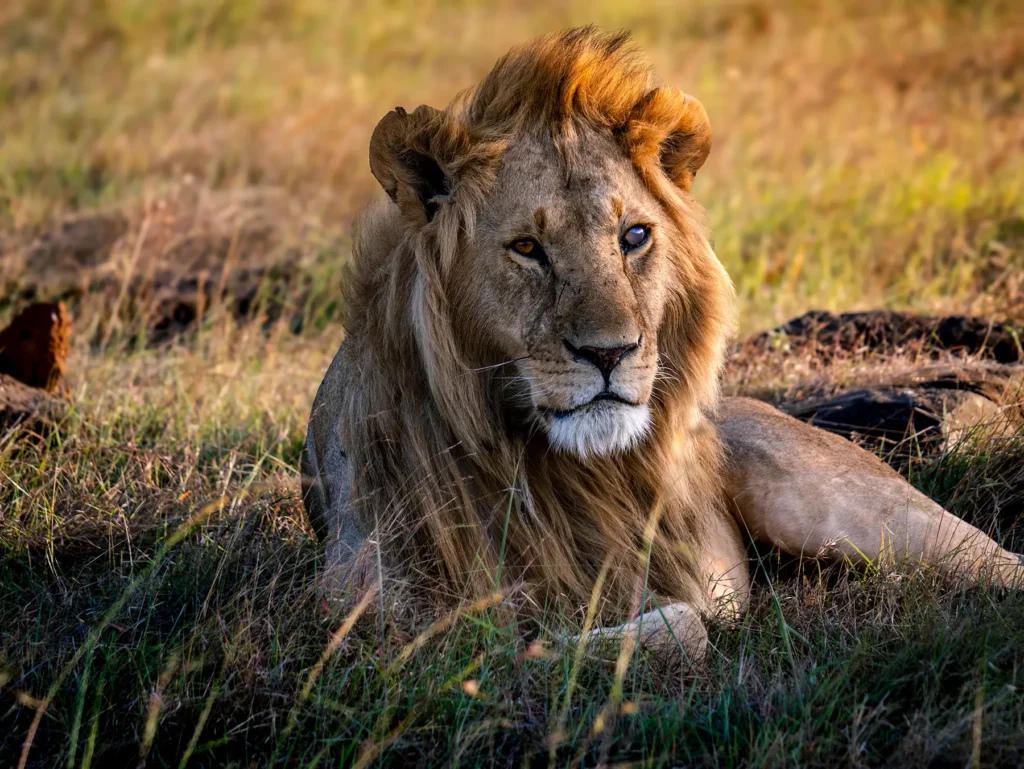
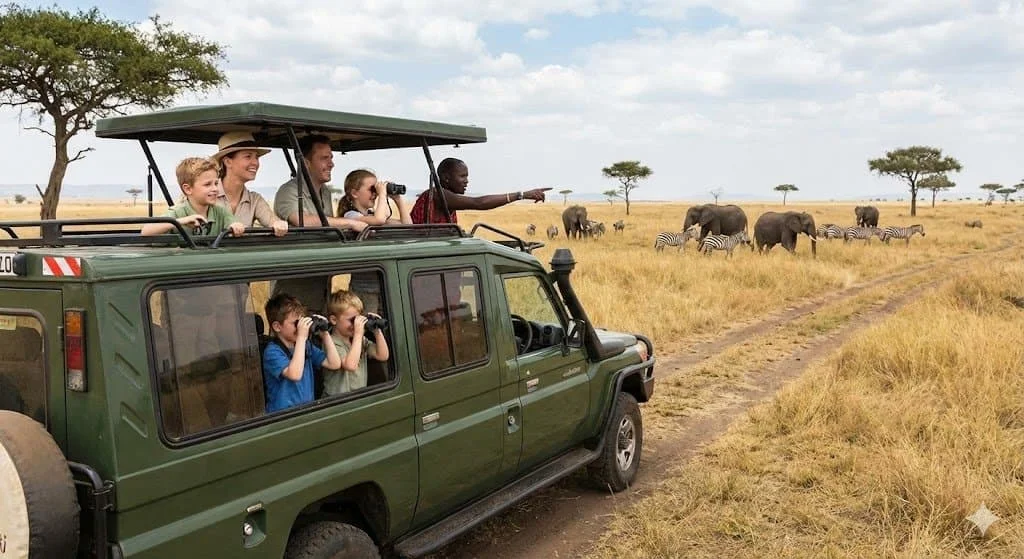
The contrast with Rwanda could hardly be stronger. Only a few days after walking quietly through mountain forest searching for gorillas, travellers can find themselves scanning enormous horizons for lions and cheetahs. This ecological change is one of the main reasons the two-country combination is so rewarding.
Travellers wanting a focused Kenya extension can explore the 3 Days Masai Mara Safari as a starting reference, while those seeking a broader, more premium Kenya experience can consider the 7 Days Kenya Safari combining Samburu and the Maasai Mara.
Big Five Game Drives in the Maasai Mara
Game drives dominate the Maasai Mara portion of a Rwanda and Kenya Safari. Morning and afternoon drives allow travellers to explore different wildlife areas while professional guides interpret animal behaviour and track predators. Open landscapes can provide excellent visibility, especially compared with the enclosed forests experienced during gorilla trekking.
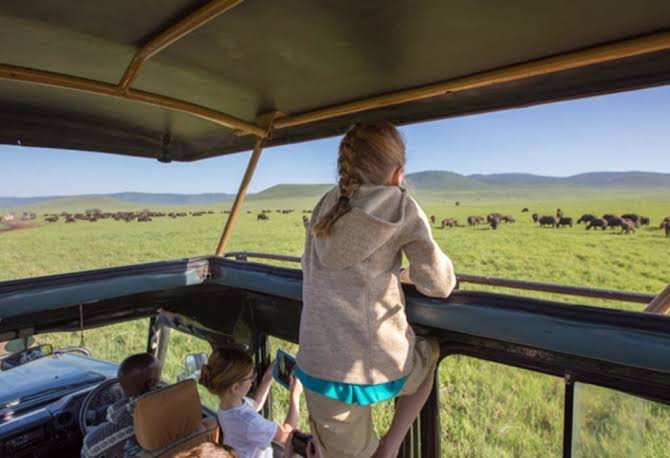
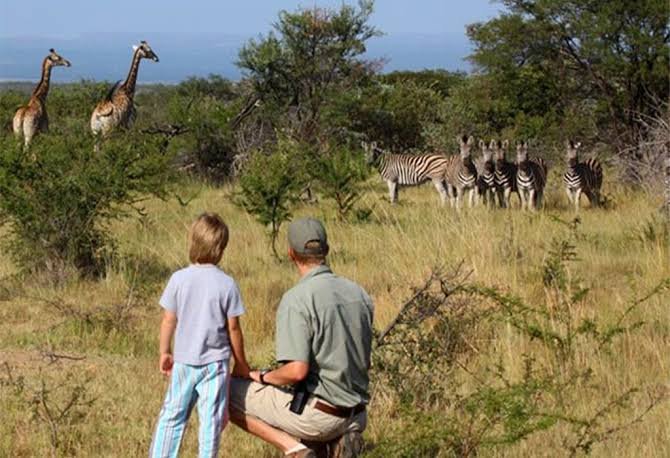
Big cats are among the major attractions. Lions can often be seen resting or moving through grassland, while cheetahs favour open country where they can watch for prey. Leopards may require more patience, particularly around riverine areas and trees. Elephants, giraffes, buffaloes and plains game create a constant stream of additional sightings.
Visitors wanting a Kenya itinerary explicitly focused on major mammals can explore this 4 Days Kenya Big Five Safari. For travellers beginning with gorillas in Rwanda, adding several days of intensive Maasai Mara game viewing produces one of the strongest possible contrasts within a Rwanda and Kenya Safari.
Great Migration During Rwanda and Kenya Safari
The Great Migration can become a spectacular element of a Rwanda and Kenya Safari when travel dates correspond with herd movements through the Maasai Mara ecosystem. The migration is a continuous natural cycle rather than an event occurring on guaranteed dates, so travellers should avoid planning the entire holiday around a promise of a particular river crossing.
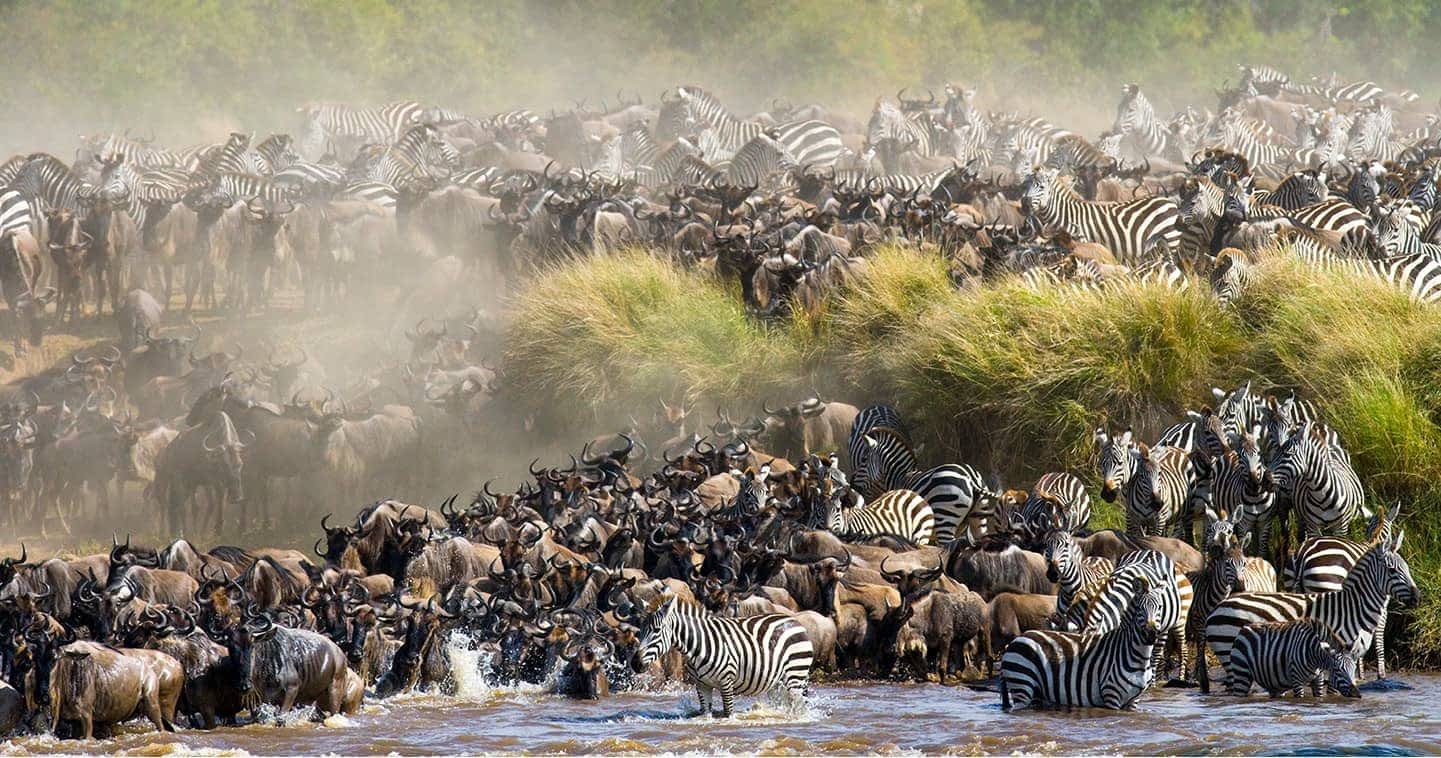
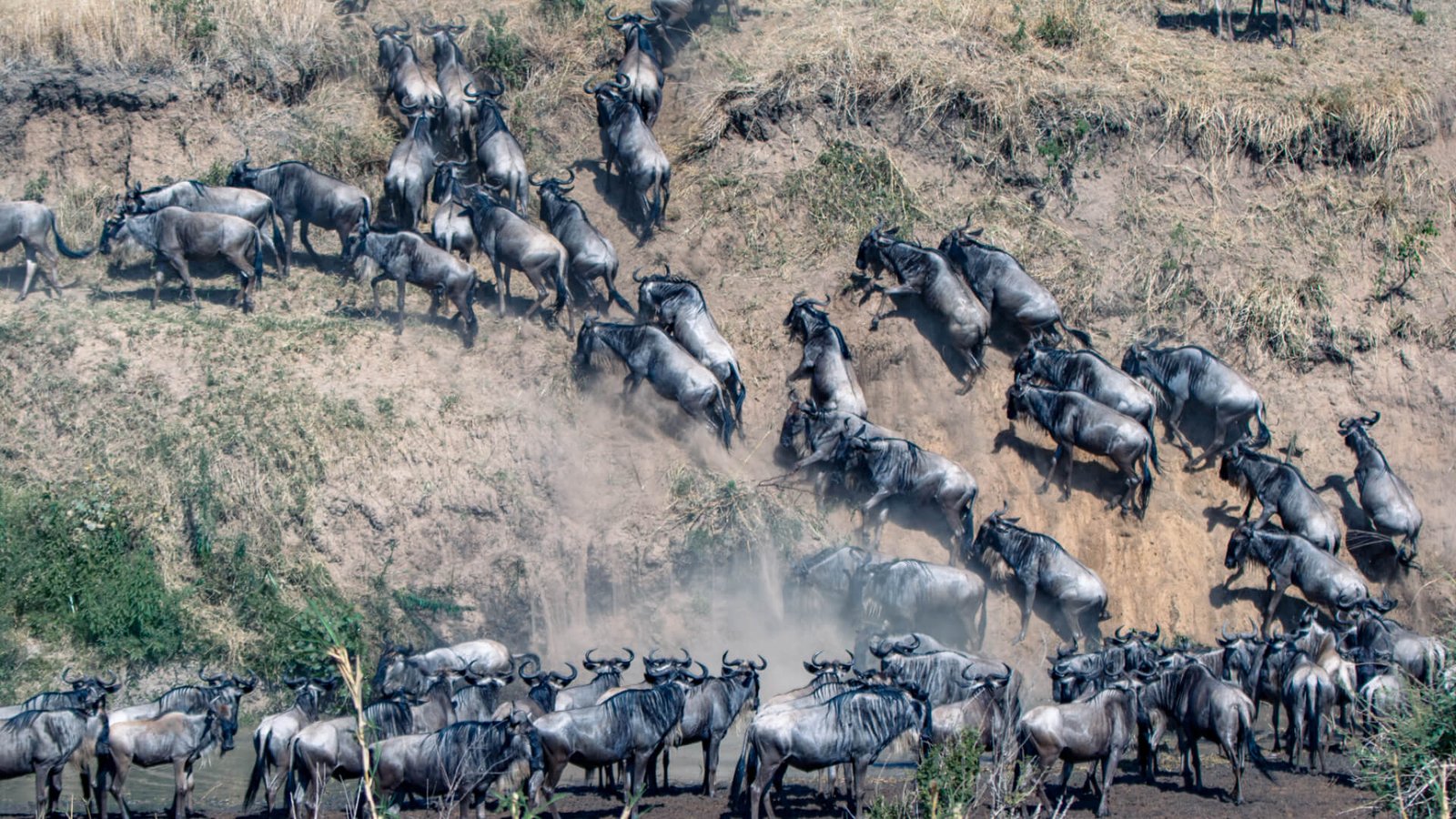
Kenya tourism material identifies the Maasai Mara and wider South Rift as a major migration destination, while the Mara is also rich in resident wildlife outside the migration period. This means the region remains rewarding even when the largest wildebeest herds are elsewhere in the ecosystem.
A good safari planner should therefore treat migration viewing as a seasonal opportunity rather than guaranteeing a dramatic crossing. The strongest Rwanda and Kenya Safari remains valuable regardless of whether one particular wildlife event occurs because gorillas, resident predators, elephants and other wildlife provide exceptional experiences throughout the journey.
Amboseli National Park and Mount Kilimanjaro
Amboseli is an excellent addition for travellers wanting more than the Maasai Mara. Kenya Wildlife Service describes the park as one of Africa’s premier places to see large elephant herds, with open plains, swamps, acacia woodland and the famous Mount Kilimanjaro backdrop. The park also hosts more than 400 bird species.
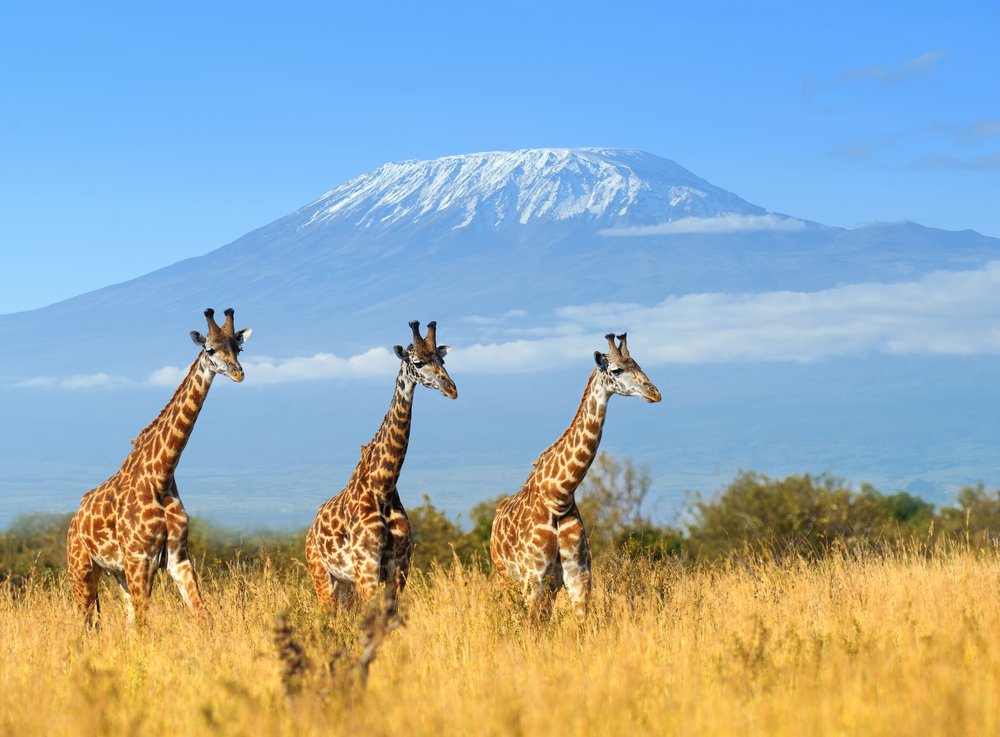
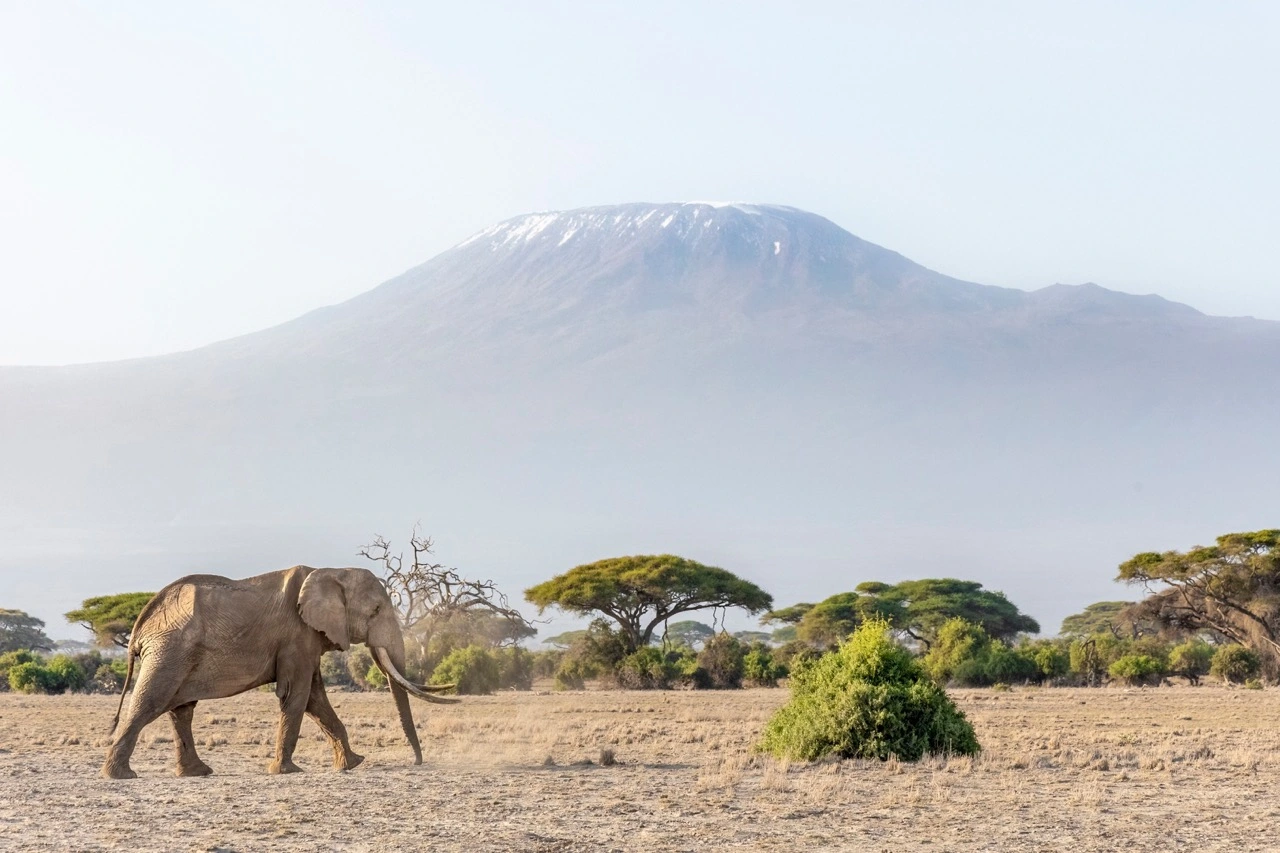
Photography is one of the strongest reasons to include Amboseli in a Rwanda and Kenya Safari. Elephants crossing open landscapes beneath Kilimanjaro can produce some of East Africa’s most iconic wildlife images, while wetlands attract numerous other animals and birds.
Travellers interested in combining Kenya’s main southern parks can explore the 5 Days Amboseli, Lake Nakuru and Masai Mara Safari. This route works particularly well after a shorter Rwanda gorilla section because it adds elephants, rhinos, Rift Valley scenery and Maasai Mara predators within one Kenya extension.
Lake Nakuru National Park
Lake Nakuru can add another valuable wildlife environment to a Rwanda and Kenya Safari, particularly for travellers interested in rhinoceroses and birds. Located within Kenya’s Great Rift Valley, the park provides a smaller and more enclosed wildlife experience than the Maasai Mara, which creates useful variety within a longer Kenya circuit.
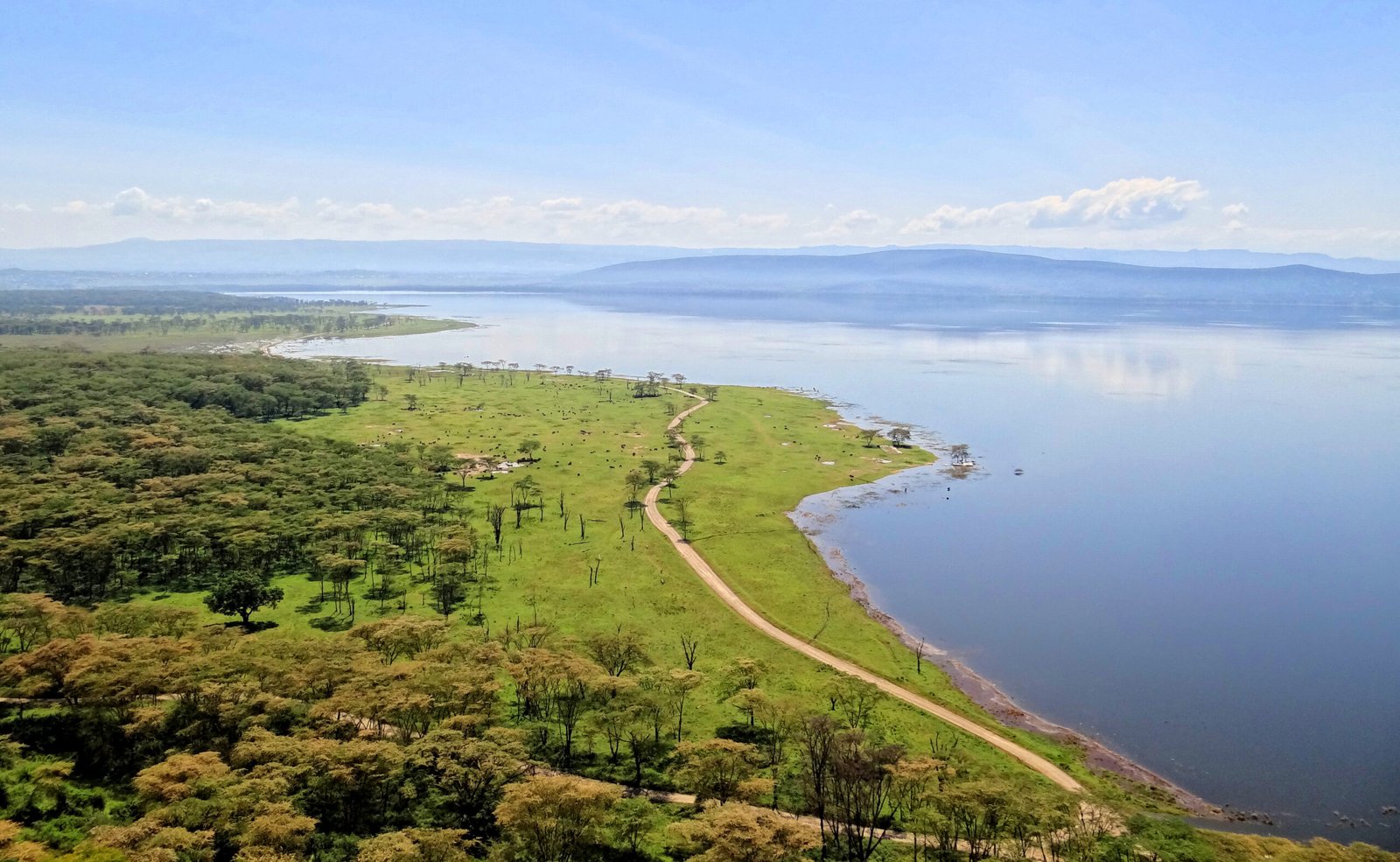
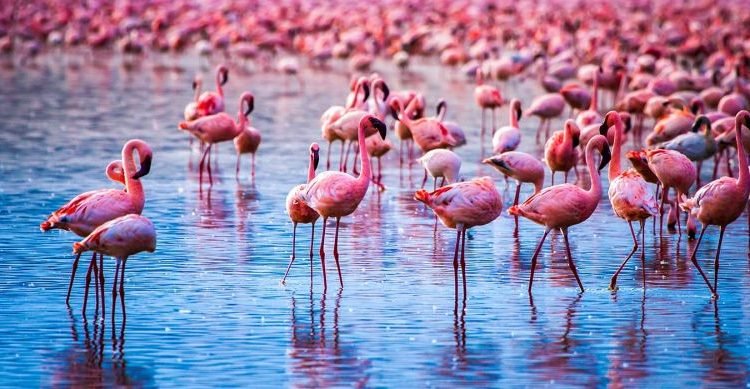
The journey between Kenya’s parks also allows travellers to experience the Great Rift Valley landscapes rather than simply flying over the country. This can be particularly appealing for first-time visitors who want to understand more of Kenya than one famous reserve.
The 4 Days Masai Mara and Lake Nakuru Safari provides another practical Kenya extension option, while travellers wanting Amboseli as well can use the 5 Days Amboseli, Nakuru and Masai Mara Safari as inspiration.
Best Time for a Rwanda and Kenya Safari
A Rwanda and Kenya Safari can be undertaken throughout the year, but the ideal travel period depends on the experiences that matter most. Gorilla trekking takes place year-round in Rwanda, although forest conditions vary and rain can occur in any season. Relatively drier periods can make trekking trails easier, while wetter months create lush forest scenery.
Kenya also offers excellent wildlife viewing throughout the year. The Maasai Mara has substantial resident wildlife even outside the main migration period, while destinations such as Amboseli remain attractive for elephants, landscapes and birdlife. Travellers interested specifically in migration movements should plan with seasonal patterns in mind while understanding that wildlife movements are controlled by rainfall and natural conditions rather than calendars.
The best date for a Rwanda and Kenya Safari should therefore be selected according to the whole journey. Gorilla permit availability, Kenya lodge space, air connections and preferred accommodation can sometimes matter more than trying to identify one supposedly perfect month.
How Many Days Are Best for Rwanda and Kenya Safari?
A shorter Rwanda and Kenya Safari can be completed in around eight to ten days when travellers concentrate on Volcanoes National Park in Rwanda and the Maasai Mara in Kenya. This provides the two signature experiences—mountain gorillas and classic savannah game viewing—without attempting to cover too much territory.
Around twelve to fourteen days creates a much stronger journey. Travellers can include Kigali, gorilla trekking, golden monkeys and perhaps Lake Kivu before flying to Nairobi and continuing to the Maasai Mara plus Amboseli or Lake Nakuru.
Fourteen to eighteen days provides enough time for a truly comprehensive Rwanda and Kenya Safari. Rwanda can include Volcanoes, Lake Kivu or Akagera, while Kenya can include the Maasai Mara, Lake Nakuru, Amboseli and additional Rift Valley experiences. The 10 Days Kenya Wildlife Tour can be combined with a shorter Rwanda primate section for travellers wanting an especially wildlife-rich East African holiday.
Birdwatching Across Rwanda and Kenya
Birdwatchers can find enormous value in combining the two countries. Rwanda’s forests support Albertine Rift species, while Akagera adds savannah and wetland birds. Kenya contributes very different habitats ranging from Amboseli wetlands and Rift Valley lakes to Maasai Mara grasslands.
Travellers wanting a specialised Rwanda birding component can explore Rwanda birding safaris. Amboseli alone is recognised by Kenya Wildlife Service as an Important Bird Area with more than 400 species, demonstrating the birding value of the Kenya portion.
A bird-focused Rwanda and Kenya Safari should move more slowly than a conventional itinerary. Dedicated guides and additional nights allow travellers to search for specialised species instead of treating birds as incidental sightings between lions and gorillas.
Cultural Experiences in Rwanda and Kenya
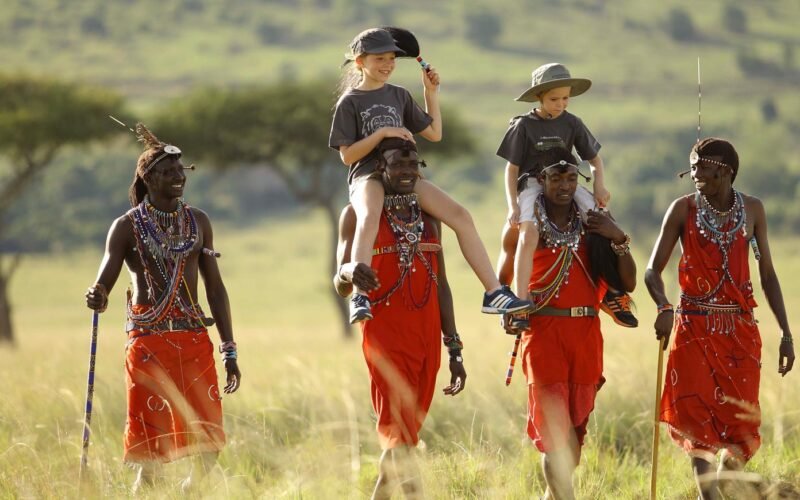
Wildlife may be the main reason for booking a Rwanda and Kenya Safari, but cultural experiences can add valuable context. Rwanda’s countryside, communities and modern cities provide opportunities to learn about the country beyond its national parks, while Kenya’s Maasai communities are closely associated with many of the country’s major southern safari landscapes.
Cultural visits should be selected carefully and respectfully. They work best when travellers have opportunities for genuine conversation and learning rather than experiences created only for photographs. In Kenya, community visits can complement time in the Maasai Mara and Amboseli, while Rwanda offers community experiences around its national parks and urban cultural experiences in Kigali.
The contrast between the two countries also enriches the wider journey. A Rwanda and Kenya Safari becomes far more meaningful when travellers understand that East Africa contains diverse histories, languages, landscapes and traditions rather than one uniform “African safari” culture.
What to Pack for Rwanda and Kenya Safari
Packing for a Rwanda and Kenya Safari requires preparation for two very different environments. Rwanda’s Volcanoes region can be cool, wet and muddy, while Kenya’s savannah parks can be warmer, sunnier and dustier. Lightweight safari clothing should therefore be combined with long trousers, sturdy walking boots, gloves and waterproof protection for gorilla trekking.
Sun protection, binoculars, camera equipment and comfortable neutral-coloured clothing become especially useful in Kenya. Travellers should also carry sufficient medication and personal essentials rather than assuming specialised items can easily be purchased during remote safari stays.
Gorilla trekkers can review our Rwanda gorilla trekking guide before travelling, while those planning extended Kenya game viewing can use the 10 Days Kenya Wildlife Tour to understand the variety of environments they may encounter.
Plan Your Rwanda and Kenya Safari With Visit Rwanda Safaris
Planning a Rwanda and Kenya Safari should begin by identifying the experiences you consider essential. If gorillas are the main priority, secure the Rwanda trekking date first and build the wider safari around it. Visitors can begin with gorilla trekking in Rwanda, Volcanoes National Park and golden monkeys before selecting the ideal Kenya extension.
For Kenya, travellers wanting a concentrated wildlife experience can add a 3 Days Masai Mara Safari, while those wanting several ecosystems can consider the 5 Days Amboseli, Nakuru and Masai Mara Safari, 7-Day Great Rift Valley Kenya Safari or 10 Days Kenya Wildlife Tour.
Visit Rwanda Safaris can then structure the entire journey around available time, accommodation preference, budget and travel style. A honeymooner may prioritise luxury lodges and private flights, while a family may prefer spacious vehicles and slower days. Photographers may want additional game drives, and primate enthusiasts may extend Rwanda with chimpanzee trekking before flying onward to Kenya.
Frequently Asked Questions About Rwanda and Kenya Safari
1. What is a Rwanda and Kenya Safari?
A Rwanda and Kenya Safari is a combined East African journey that brings together Rwanda’s primate experiences with Kenya’s classic savannah wildlife. Travellers can enjoy mountain gorilla trekking in Rwanda before continuing to destinations such as the Maasai Mara, Amboseli National Park or Lake Nakuru for Big Five game viewing and broader wildlife experiences.
2. How many days are best for a Rwanda and Kenya Safari?
A Rwanda and Kenya Safari works well from around 8 to 10 days when focusing mainly on Volcanoes National Park and the Maasai Mara. Travellers with 12 to 16 days can add golden monkey trekking, Lake Kivu, chimpanzees, Amboseli, Lake Nakuru or additional Kenya wildlife destinations without making the journey feel rushed.
3. Can I combine gorilla trekking with the Maasai Mara?
Yes, this is one of the strongest ways to design a Rwanda and Kenya Safari. Travellers can begin with gorilla trekking in Rwanda before flying from Kigali to Nairobi and continuing toward the Maasai Mara for game drives, predators and classic African savannah wildlife.
4. How much is the Rwanda gorilla permit during a Rwanda and Kenya Safari?
The standard Rwanda gorilla trekking permit for an international visitor is currently USD 1,500 per person per trek. This permit should normally be secured early because the gorilla trekking date helps determine the structure of the Rwanda side of the Rwanda and Kenya Safari.
5. Can I see the Big Five on a Rwanda and Kenya Safari?
Yes, a Rwanda and Kenya Safari can provide excellent Big Five opportunities. Kenya’s major safari destinations support lions, leopards, elephants, buffaloes and rhinos, while Rwanda’s Akagera National Park is also a Big Five destination if you choose to include it before travelling to Kenya.
6. What are the best places to visit on a Rwanda and Kenya Safari?
Popular Rwanda destinations include Kigali, Volcanoes National Park, Lake Kivu and Nyungwe National Park. In Kenya, travellers commonly combine the Maasai Mara, Amboseli National Park, Lake Nakuru and the Great Rift Valley depending on their available time.
7. Can I include golden monkey trekking on a Rwanda and Kenya Safari?
Yes, golden monkey trekking is an excellent addition to the Rwanda section of a Rwanda and Kenya Safari. Travellers can learn more about golden monkeys in Rwanda or combine them with gorillas through a 3-Day Rwanda Gorilla and Golden Monkey Trekking Safari.
8. Can I add chimpanzee trekking to a Rwanda and Kenya Safari?
Yes, travellers with additional time can include chimpanzee trekking in Rwanda in Nyungwe National Park before continuing to Kenya. This creates a particularly rich journey combining mountain gorillas, chimpanzees and classic African wildlife.
9. Is a Rwanda and Kenya Safari good for honeymooners?
Yes, a Rwanda and Kenya Safari is excellent for honeymooners because it combines intimate gorilla experiences, luxury lodges, beautiful landscapes and private game drives. Couples can also add Lake Kivu for relaxation before continuing to Kenya’s luxury tented camps and wildlife reserves.
10. Is a Rwanda and Kenya Safari suitable for families?
Yes, families can enjoy a Rwanda and Kenya Safari, although Rwanda’s mountain gorilla trekking minimum age is 15 years. Younger children can still enjoy Kigali, Akagera, Lake Kivu and Kenya’s game drives while older teenagers participate in gorilla trekking where eligible.
Book Your Rwanda and Kenya Safari
A Rwanda and Kenya Safari is ideal for travellers who want their East African journey to offer more than one style of wildlife experience. Rwanda delivers close and deeply personal encounters with mountain gorillas, while Kenya opens the landscape dramatically with endless plains, big cats, elephant herds and some of Africa’s most famous game-viewing regions.
Share your preferred dates, number of travellers, desired accommodation level and total number of days with Visit Rwanda Safaris. We can then determine how much time to allocate to Rwanda’s gorillas, whether to add golden monkeys, Lake Kivu or chimpanzees, and which Kenya destinations provide the best continuation of the journey.
Travellers ready to explore specific experiences can begin with Rwanda gorilla trekking tours, the 3-Day Rwanda Gorilla and Golden Monkey Trekking Safari, the 5 Days Amboseli, Nakuru and Masai Mara Safari or a comprehensive 10 Days Kenya Wildlife Tour. These routes provide strong foundations that can be customised into one seamless two-country journey.