
Unforgettable Rwanda Family Safari – Gorilla, Wildlife & Family Adventure
A Rwanda Family Safari offers parents, teenagers and children an opportunity to discover Africa through wildlife, landscapes, culture and shared experiences within one remarkably compact destination. Rwanda combines the Big Five savannah environment of Akagera National Park with the mountain gorillas of Volcanoes National Park, the ancient rainforest of Nyungwe National Park and the relaxed shores of Lake Kivu. Families can therefore experience several completely different sides of Africa without needing to cross several international borders or spend their entire holiday moving between airports.
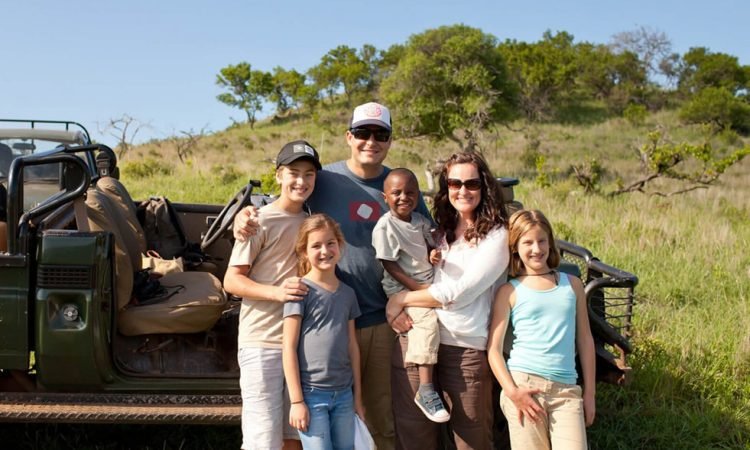
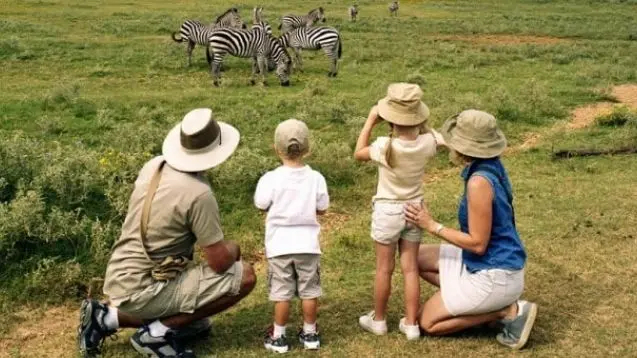
What makes Rwanda particularly attractive for family travel is the variety available between active and relaxed days. One morning can be spent searching for elephants and giraffes from a private 4×4 in Akagera, while another afternoon can be dedicated to a peaceful boat safari. Families with teenagers aged 15 and above can include mountain gorilla trekking, while younger children can enjoy carefully selected alternatives appropriate for their ages. Lake Kivu then provides valuable downtime with scenic shores, boat experiences and water-based activities before the family continues to another region.
A successful Rwanda Family Safari should never feel like an adult safari with children simply added to the booking. The route, drive times, accommodation, meal arrangements and daily activities should reflect the ages and interests of the family members travelling. Visit Rwanda Safaris can therefore build the journey around your individual family, whether you are travelling with younger children, teenagers, adult children or several generations together.
Why Choose Rwanda for a Family Safari?
Rwanda is relatively easy to explore by road, and the official tourism board highlights driving between the country’s national parks as one of the best ways to experience Rwanda’s changing landscapes. This is particularly valuable for families because it reduces dependence on repeated flights and complicated connections. Instead, children can watch the landscape change from Kigali’s hills to Akagera’s savannah, the Virunga highlands and the shores of Lake Kivu.
The country also provides very different wildlife experiences within a comparatively manageable itinerary. Akagera introduces children to familiar African animals including elephants, giraffes, zebras, buffaloes and lions, while Volcanoes National Park provides one of the world’s most extraordinary primate experiences for eligible family members. Nyungwe adds rainforest, primates and canopy adventures, while Lake Kivu offers a slower section where a family can rest instead of undertaking another demanding activity.
For parents, the flexibility of a private Rwanda Family Safari is especially valuable. Departures can be planned at sensible times, rest stops can be incorporated during road transfers and activities can be balanced around the family’s energy levels. A family does not need to follow the pace of unrelated travellers, making the safari much easier to adjust if children become tired or if everyone wants additional time at an exciting wildlife sighting.
Begin Your Rwanda Family Safari in Kigali
Kigali is an excellent starting point for a Rwanda Family Safari because it gives everyone time to settle after an international flight before continuing toward the national parks. Instead of immediately beginning a long transfer, families can spend the first night in a comfortable city hotel, enjoy dinner and recover from the journey. This can be particularly helpful when travelling with younger children who may need time to adjust after a long flight.
Depending on arrival time and the ages of the children, a family can also spend part of the following day exploring Kigali. Markets, art, local food experiences and selected cultural attractions can introduce children to contemporary Rwanda before the safari moves into rural landscapes. The city is also a useful place to purchase anything forgotten at home and prepare for the different environments encountered later in the journey.
The first day should remain intentionally light. A Rwanda Family Safari becomes more enjoyable when parents resist the temptation to fill every available hour with sightseeing. Allowing children to rest, swim at the hotel or have an early night creates a much better foundation for the wildlife experiences that follow.
Akagera National Park – The Heart of a Rwanda Family Safari
Akagera National Park is one of the strongest destinations to include on a Rwanda Family Safari because wildlife is primarily observed from a safari vehicle. This allows both adults and children to enjoy the experience without requiring strenuous hiking. Families can spend the morning searching the grasslands, wetlands and woodland for elephants, giraffes, zebras, buffaloes, antelopes and predators while an experienced guide explains animal behaviour in an engaging and accessible way.
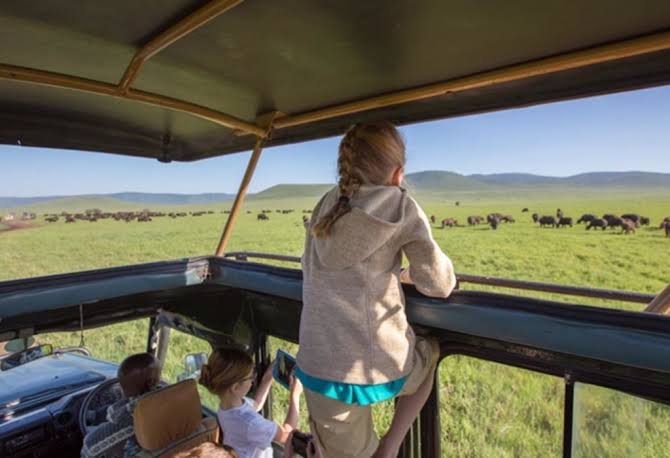
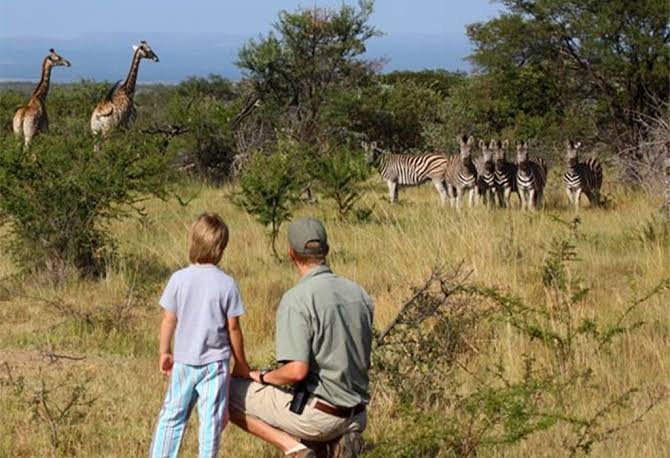
Akagera is once again a Big Five destination, with lion, leopard, elephant, buffalo and rhinoceros living within the park. Its wildlife recovery has been one of Rwanda’s major conservation achievements, including the return of lions and black rhinos and the establishment of a growing southern white rhino population. African Parks reported that another 70 southern white rhinos were added in June 2025.
For children, the excitement often comes from the process of searching rather than simply ticking species from a list. Spotting a giraffe between trees, following elephants moving through the bush or watching zebra on the open plains gives younger travellers a role in the experience. Parents can encourage them to identify animals, keep a wildlife notebook or photograph different species, transforming game drives into an engaging family adventure.
Private Family Game Drives in Akagera
A private vehicle is particularly useful during a Rwanda Family Safari because families can control the pace more easily than on a shared departure. Young children may need additional bathroom or snack breaks, while teenagers interested in photography may want to remain longer at a particularly good sighting. Having a private vehicle allows the guide to respond to these needs without affecting other travellers.
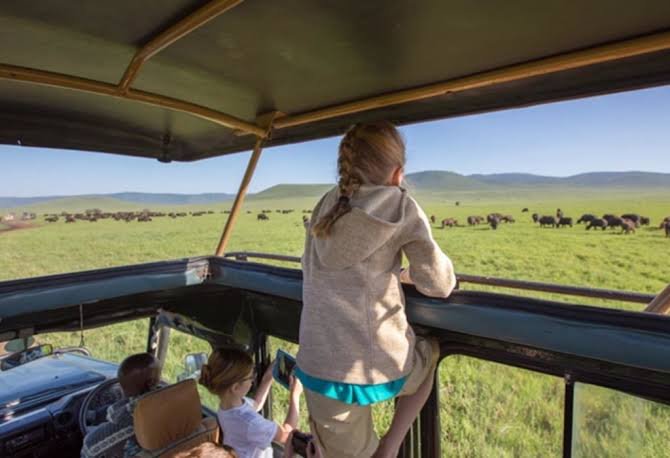
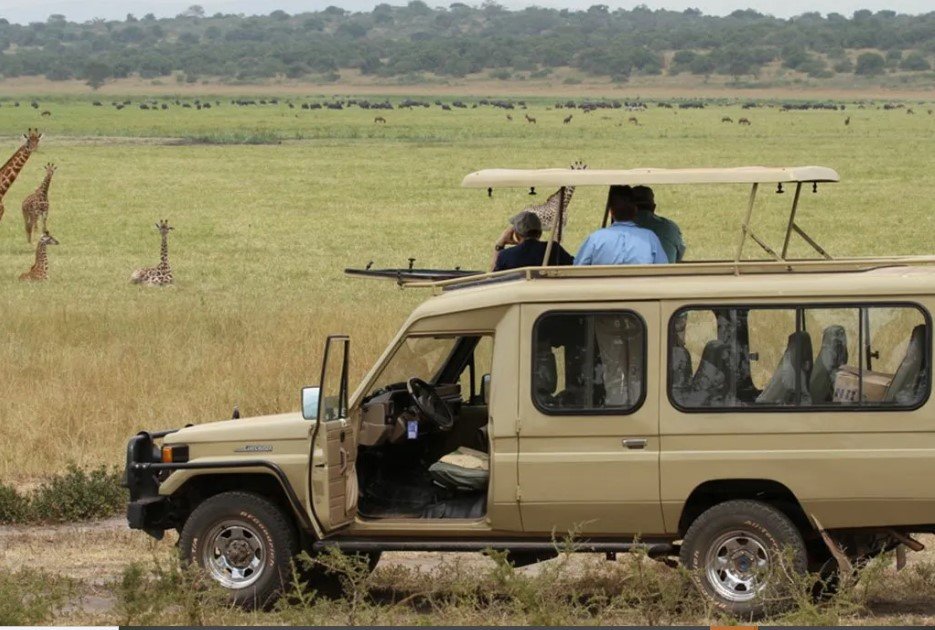
Akagera’s varied landscape also helps keep game drives interesting. The park contains savannah, woodland, lakes, papyrus wetlands and rolling highlands rather than one continuous landscape. Visit Rwanda describes Akagera as slightly over 1,000 square kilometres and highlights its combination of lakes, plains and wetlands, while African Parks records almost 500 bird species within the protected area.
Families do not necessarily need to spend from sunrise until sunset inside the vehicle every day. A morning game drive can be followed by lunch and relaxation at the lodge before another shorter activity later in the day. This approach often creates a better Rwanda Family Safari than asking children to remain seated in a vehicle for ten continuous hours.
Lake Ihema Boat Safari for Families
A boat safari on Lake Ihema provides a refreshing change from game driving and can be one of the most enjoyable experiences for children visiting Akagera. Families move slowly across the water while looking for hippos, crocodiles and waterbirds along the shoreline. The activity creates a completely different perspective of the national park and helps prevent wildlife viewing from feeling repetitive.
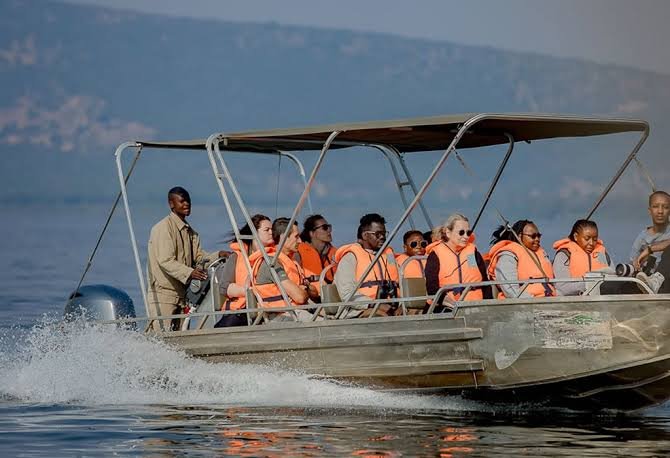
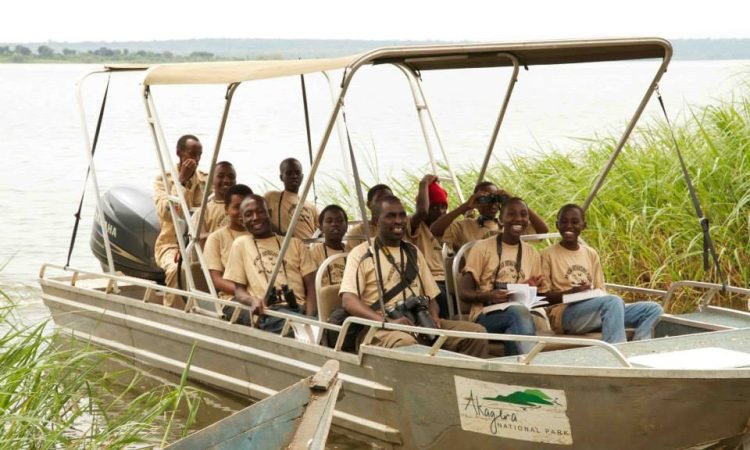
The official Visit Rwanda nine-day circuit combines an Akagera game drive with a Lake Ihema boat experience, demonstrating how naturally these two activities complement one another. The same itinerary highlights animals such as buffaloes, lions, elephants, giraffes, zebras and other wildlife found in the park.
During a Rwanda Family Safari, a boat trip can also work well on the first or second afternoon in Akagera because it requires less concentration than an extended game drive. Families can enjoy the scenery together, watch hippos from the safety of the boat and introduce children to wetland ecosystems in a way that feels more like an adventure than a lesson.
Volcanoes National Park on a Rwanda Family Safari
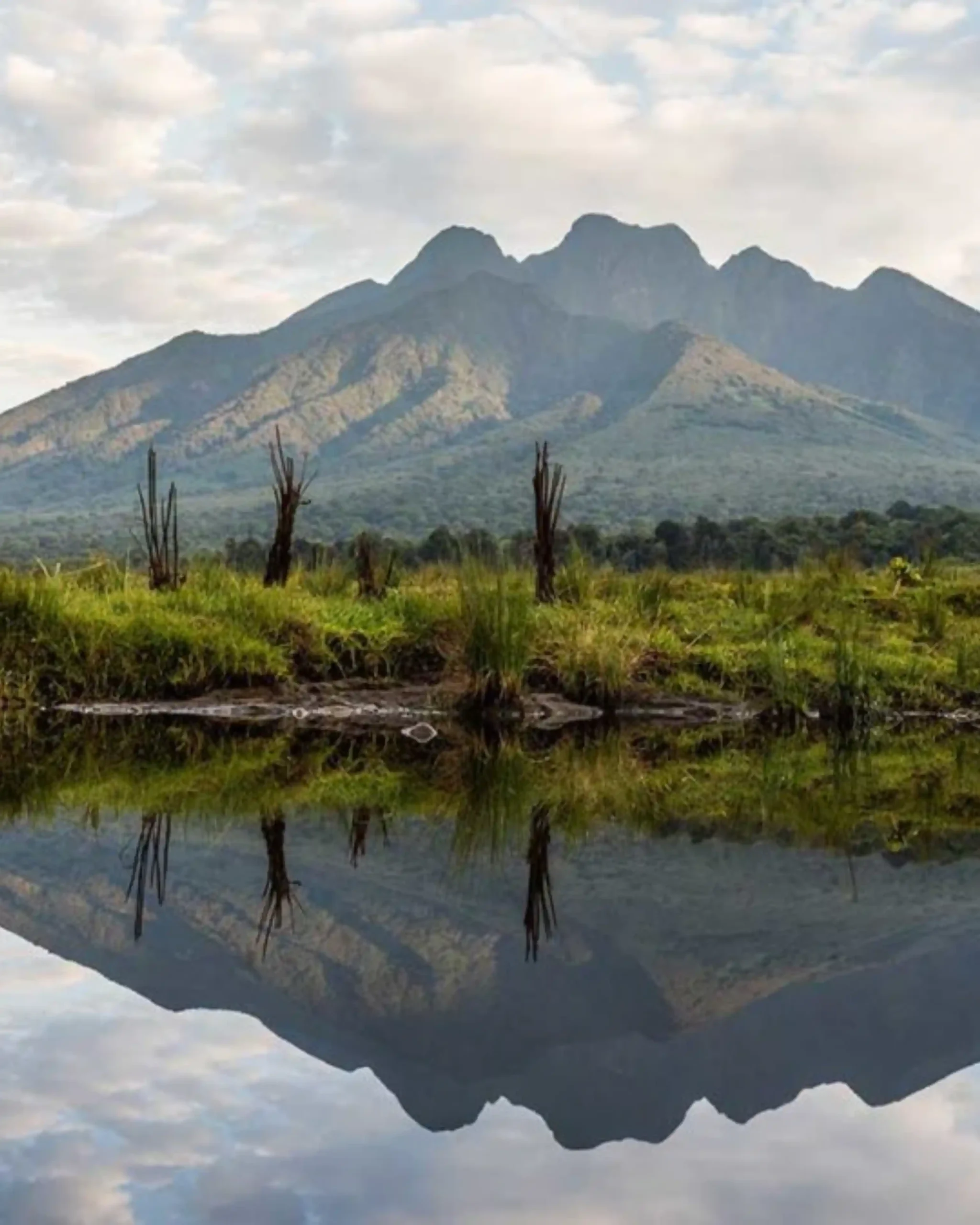
Volcanoes National Park adds dramatic mountain scenery and primate experiences to a Rwanda Family Safari. The landscape is completely different from Akagera, with cool highlands, bamboo forests and the spectacular Virunga volcanoes forming the background. Even family members who are too young for gorilla trekking can appreciate the scenery and the atmosphere of Rwanda’s northern region.
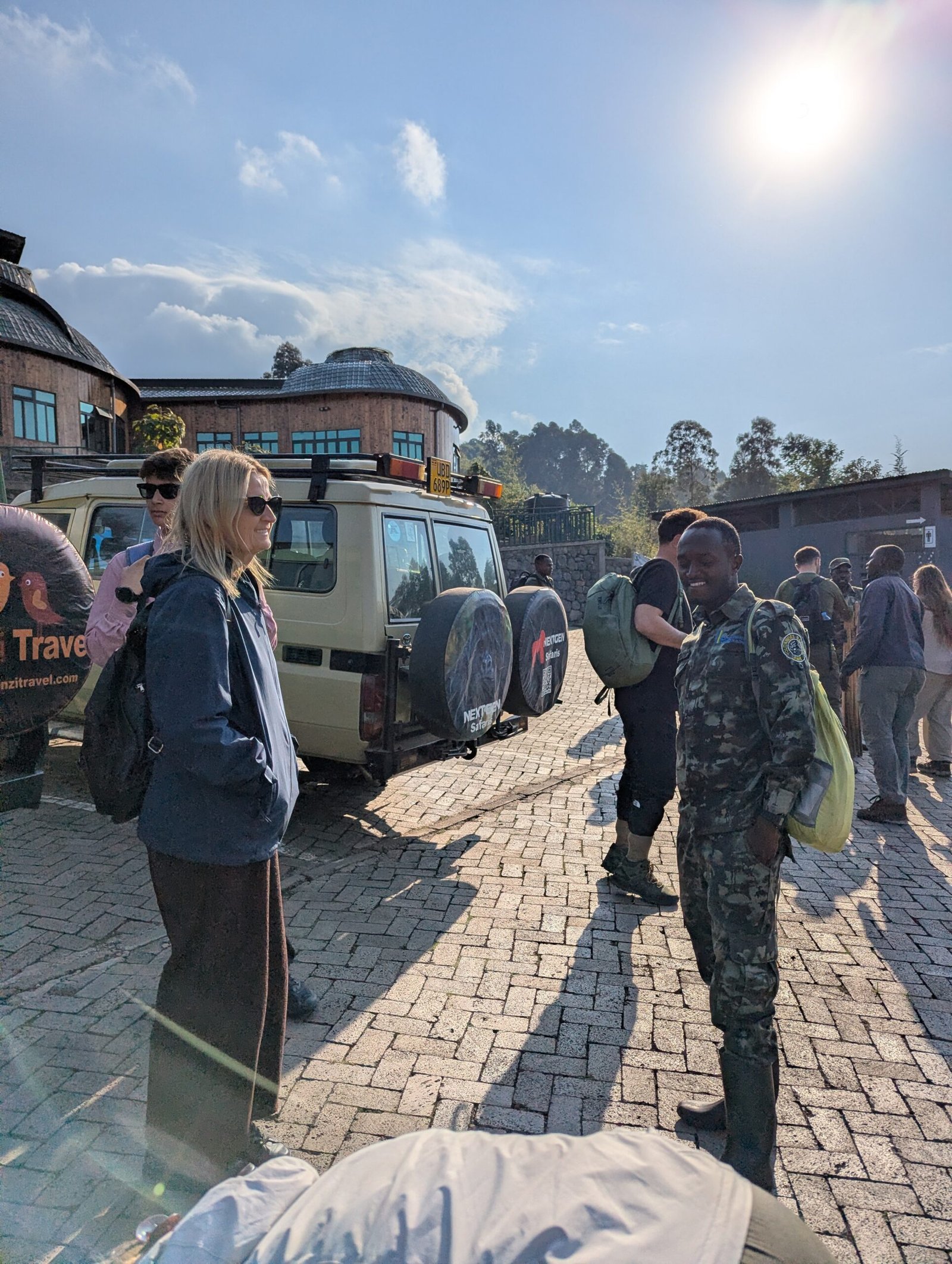
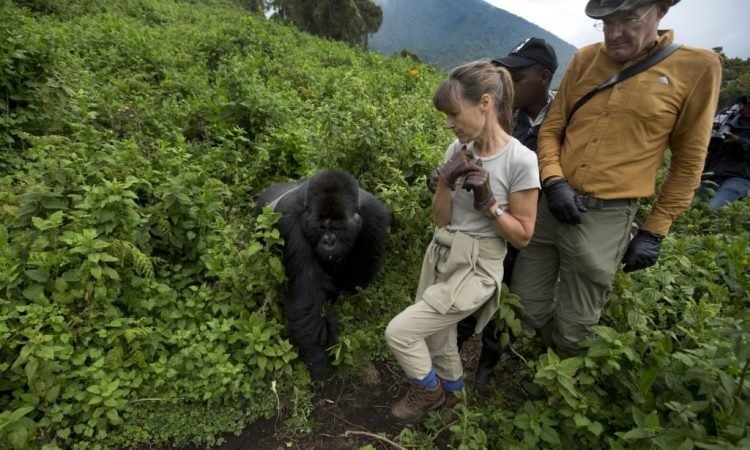
For families with teenagers aged 15 or above, mountain gorilla trekking can become one of the defining experiences of the holiday. Participants report early for briefing before entering the forest with guides and trackers. Trekking time varies according to the gorillas’ location, and once the assigned family is found, the official regulations allow a maximum observation period of one hour.
The Volcanoes section should be carefully planned according to everyone’s ages. A Rwanda Family Safari involving children younger than the trekking age should include suitable alternative arrangements while eligible parents or older siblings are in the forest. This should be organised before arrival rather than decided on the morning of the trek.
Gorilla Trekking With Teenagers in Rwanda
Rwanda Development Board currently sets the minimum age for mountain gorilla trekking at 15 years, making this an excellent experience for families travelling with older teenagers or adult children. The standard international visitor permit is currently USD 1,500 per person, visitors report at 7:00 a.m., and each trekking group is limited to a maximum of eight visitors.
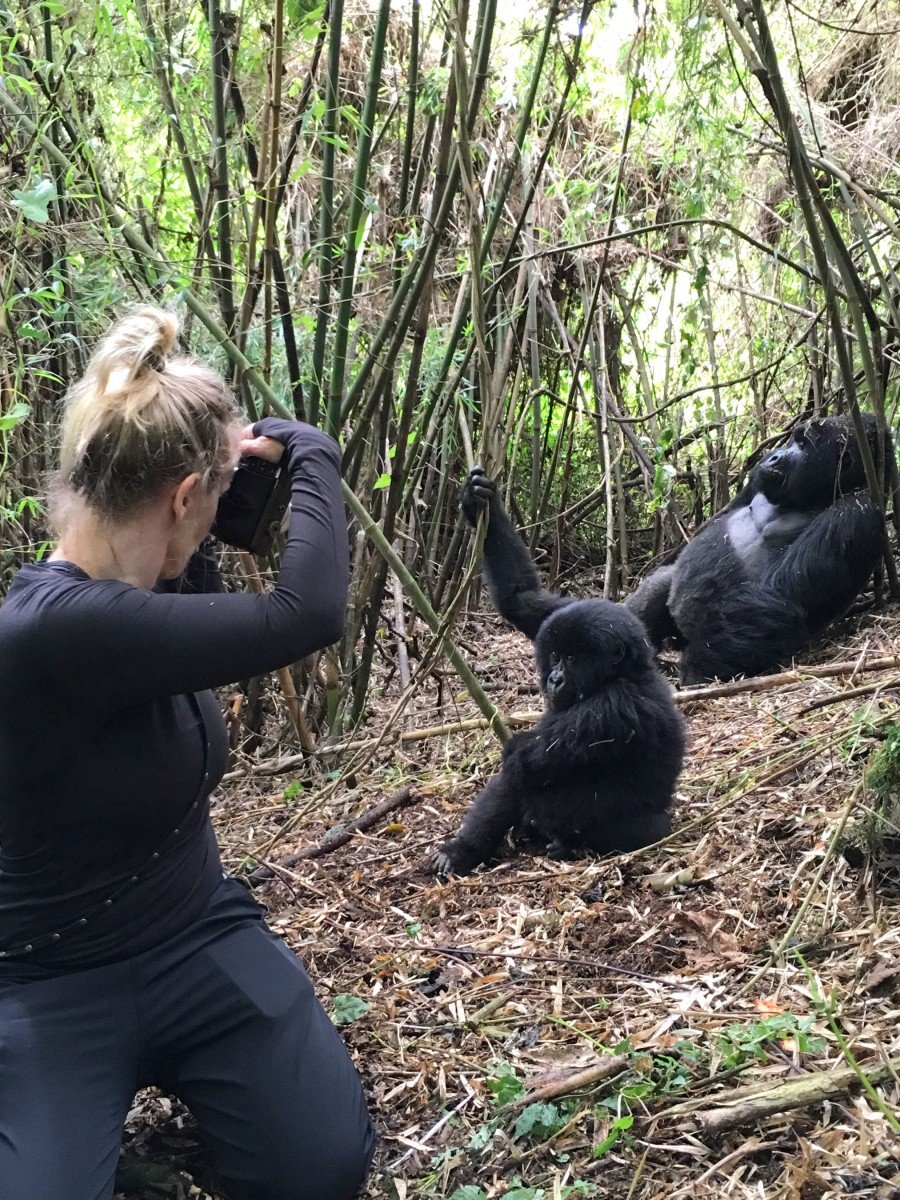
For teenagers interested in animals, conservation or photography, seeing mountain gorillas can be profoundly memorable. The experience involves more than simply observing wildlife because participants walk through the gorillas’ habitat, learn about forest ecology and hear directly from guides involved in protecting the species. Families share the anticipation of the trek and then experience the encounter together.
Parents should still consider the physical ability of each teenager rather than relying solely on the minimum age. Trails can be muddy, steep and uneven, and trekking time cannot be guaranteed in advance. A well-planned Rwanda Family Safari allows everyone participating to wear appropriate hiking footwear, carry rain protection and use a porter where helpful.
Lake Kivu – Relaxation for the Whole Family
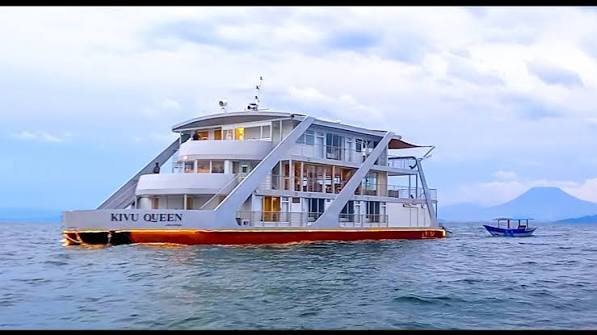
Lake Kivu is one of the best destinations for slowing down during a Rwanda Family Safari. Rwanda’s largest lake covers approximately 2,700 square kilometres and is surrounded by mountains along the country’s western side. Rubavu, on the northern shore, lies roughly an hour from Volcanoes National Park, making it particularly convenient after several active days in the gorilla region.
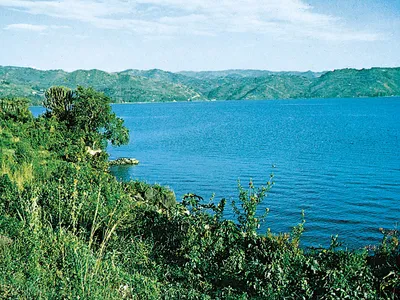
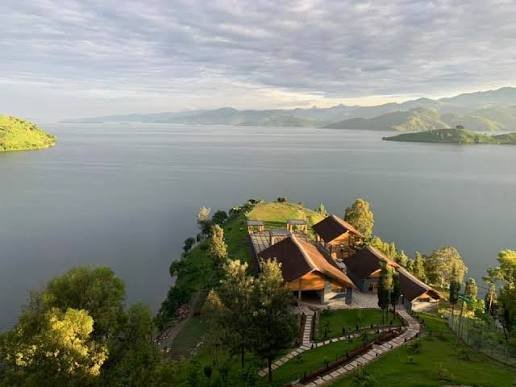
Families can spend time enjoying the lakeside atmosphere, taking boat trips or simply allowing children to have an unstructured afternoon. This break can be extremely valuable because a safari becomes tiring when every day begins before sunrise. Parents can enjoy the scenery while children have time away from the vehicle and structured wildlife activities.
Karongi offers another attractive Lake Kivu base farther south, particularly for families continuing toward Nyungwe National Park. Building Lake Kivu into the middle of a Rwanda Family Safari helps divide the active northern and southern sections and creates a natural transition between gorilla trekking and rainforest experiences. national park activities.
Nyungwe National Park for Families
Nyungwe National Park adds rainforest adventure to a longer Rwanda Family Safari. The forest is dramatically different from both the savannah of Akagera and the volcanic landscapes of the north. Families travel through green mountain scenery into one of Rwanda’s most biologically important protected areas, where primates, birds and forest vegetation become the major attractions.
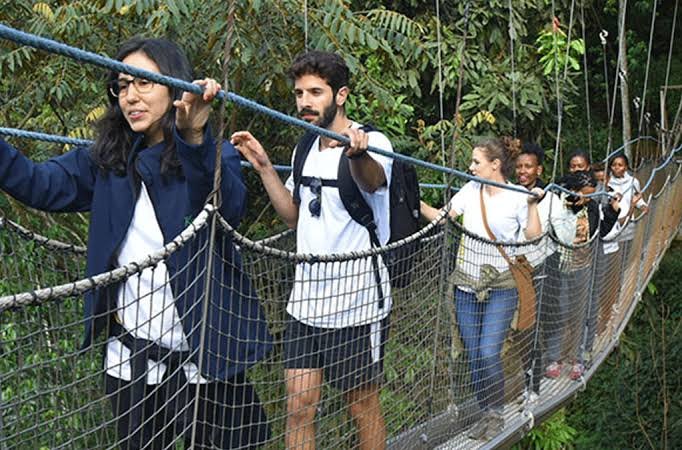
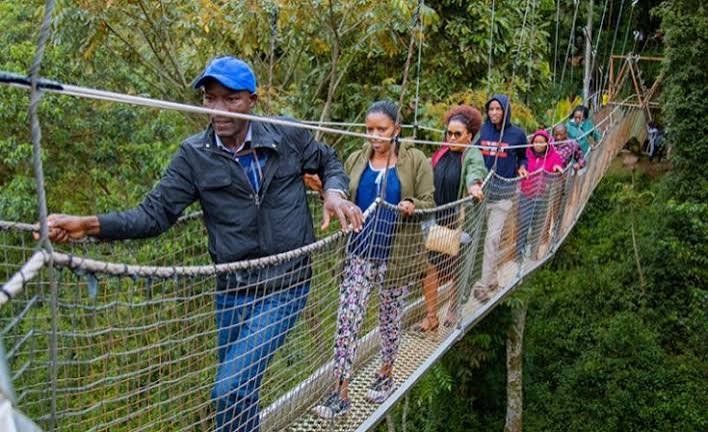
Older children and teenagers often appreciate the sense of adventure found in Nyungwe because forest experiences are more immersive than watching wildlife from a vehicle. Depending on age requirements and current park regulations, families can consider suitable guided forest activities, birding and canopy experiences. Specialist primate tracking should always be planned according to official eligibility rules at the time of booking.
Nyungwe is best included when the Rwanda Family Safari is long enough to avoid rushing. Attempting to combine Akagera, Volcanoes, Lake Kivu and Nyungwe within too few days can result in long transfers followed immediately by early morning activities. Families generally benefit from additional nights that provide time for meals, rest and unexpected schedule changes.
Educational Experiences During a Rwanda Family Safari
A family safari can be highly educational without feeling like school. Children naturally learn about animal behaviour while listening to an Akagera guide, discover rainforest ecology while walking through Nyungwe and begin understanding endangered-species conservation around Volcanoes National Park. These experiences are often easier to remember because children encounter the subjects directly rather than reading about them in a classroom.
Parents can encourage children to keep a small safari journal, record the wildlife they identify or create their own photographic collection throughout the journey. Younger travellers may enjoy comparing animal tracks and bird species, while teenagers can become interested in conservation questions and photography. The same journey can therefore engage different ages in different ways.
Rwanda’s conservation achievements provide particularly valuable discussion points. Akagera’s restoration has included major wildlife reintroductions and extensive community conservation programmes, while more than 2,300 students are reached through Akagera eco-club activities annually according to African Parks. A Rwanda Family Safari can consequently become both an enjoyable holiday and a meaningful introduction to modern conservation.
Cultural Experiences for Families in Rwanda
Wildlife should not be the only focus of a Rwanda Family Safari. Rwanda’s people, communities and cultural traditions form an equally important part of understanding the country. Carefully selected cultural experiences can introduce children to local crafts, food, dance, farming traditions and everyday life without making the visit feel staged or overwhelming.
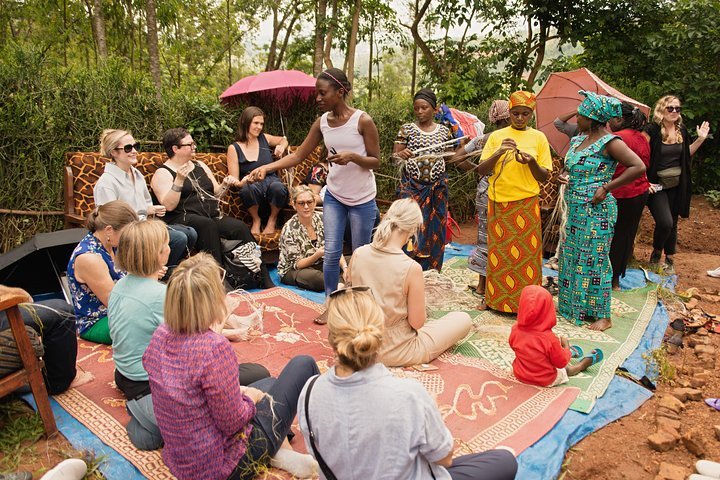
Kigali can provide an introduction to modern Rwandan life, while community experiences around the national parks allow families to understand how tourism and conservation connect with local livelihoods. Older children may particularly appreciate opportunities to ask questions and interact directly rather than spending every day looking through a vehicle window.
Cultural activities also provide useful variety between demanding wildlife days. A relaxed afternoon learning about crafts or visiting a community can be easier for children than immediately completing another major trek. The strongest Rwanda Family Safari therefore balances animals, landscapes, culture and ordinary family time rather than focusing exclusively on wildlife.
Family-Friendly Accommodation in Rwanda
Accommodation can have a major influence on the success of a Rwanda Family Safari. Families may prefer interconnected rooms, family cottages or larger suites that allow parents and children to remain close while still having enough personal space. Where available, swimming pools and open areas can also become surprisingly important after several hours travelling or wildlife viewing.
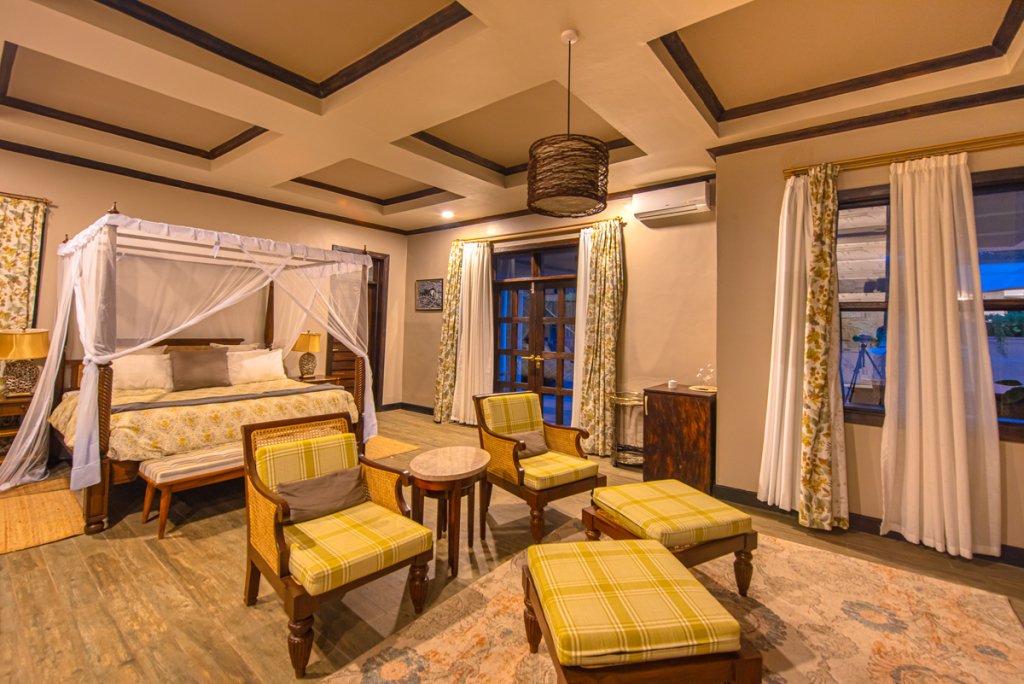
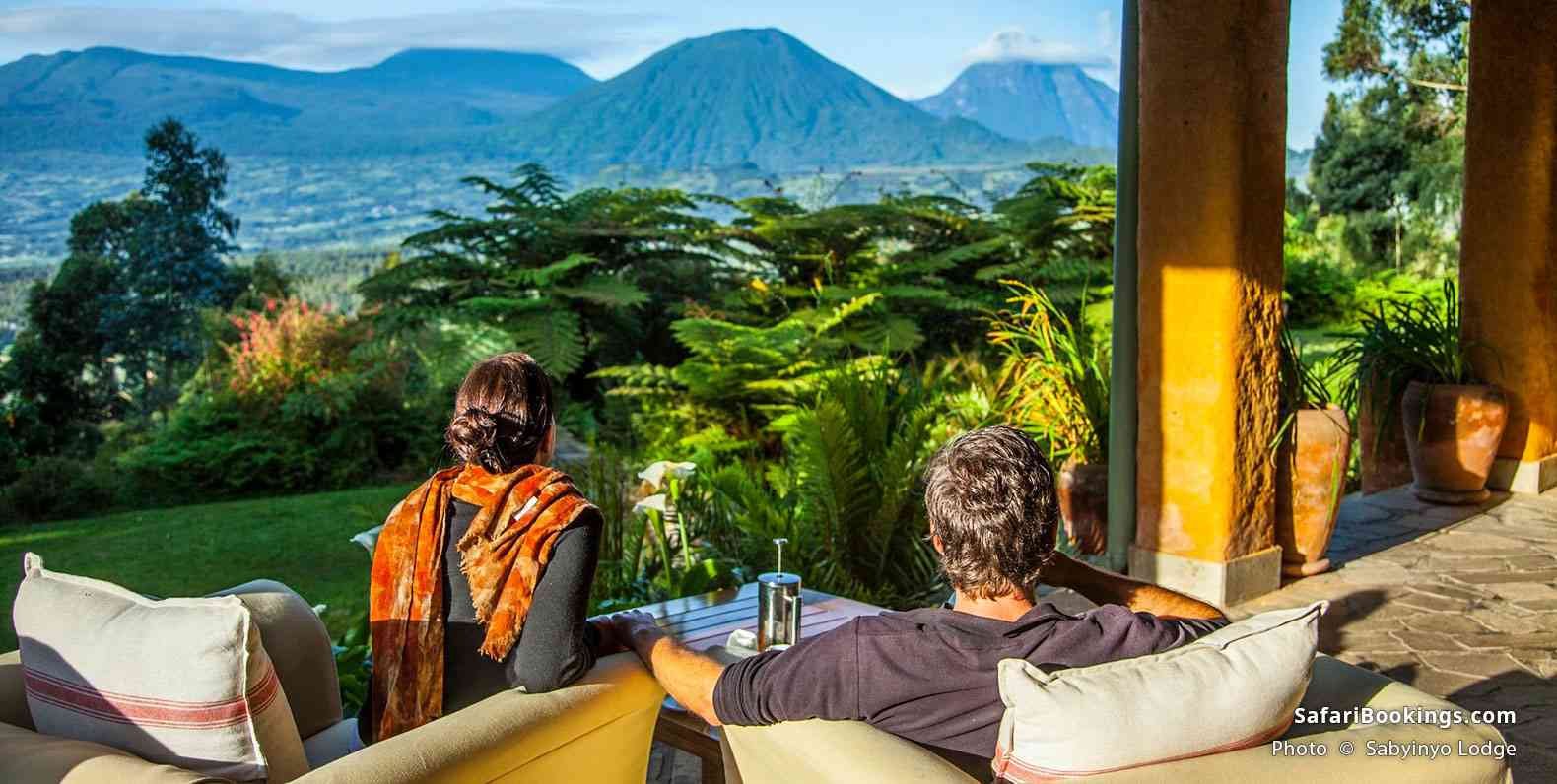
The ideal lodge is not necessarily the most expensive one. A luxury property designed primarily for quiet adult couples may be less convenient for a family than a comfortable lodge offering flexible room arrangements and relaxed meal service. Accommodation should therefore be selected according to the children’s ages, number of family members and each destination’s daily schedule.
For multigenerational families, room configuration becomes even more important. Grandparents may require easier access and fewer stairs, while parents may want rooms close to younger children. Visit Rwanda Safaris can consider these practical needs when designing the Rwanda Family Safari instead of choosing accommodation based only on star rating.
Luxury Rwanda Family Safari
A luxury Rwanda Family Safari can provide exceptional comfort while maintaining the sense of adventure children expect from Africa. Private 4×4 transportation, carefully selected family accommodation and experienced guiding remove many of the logistical pressures parents normally face when moving between several destinations.
Around Volcanoes National Park, families can combine spectacular lodges with gorilla trekking for eligible members and suitable alternatives for younger travellers. In Akagera, intimate safari properties place families close to wildlife while maintaining high standards of accommodation and dining. Kigali and Lake Kivu can then provide comfortable transitional stays between the wilderness sections.
Luxury is particularly useful when it creates flexibility. Early dinners for younger children, private transfers and additional rest time may be more valuable to a family than elaborate formal experiences. A successful luxury Rwanda Family Safari should feel effortless while still giving children a genuine connection with wildlife and the outdoors.
Private Transportation for a Rwanda Family Safari
Private transport is strongly suited to family travel because it gives parents much greater control over the daily schedule. A Rwanda Family Safari often includes several road transfers between Kigali and the national parks, and having a dedicated vehicle means the family can stop when necessary rather than following a fixed group schedule.

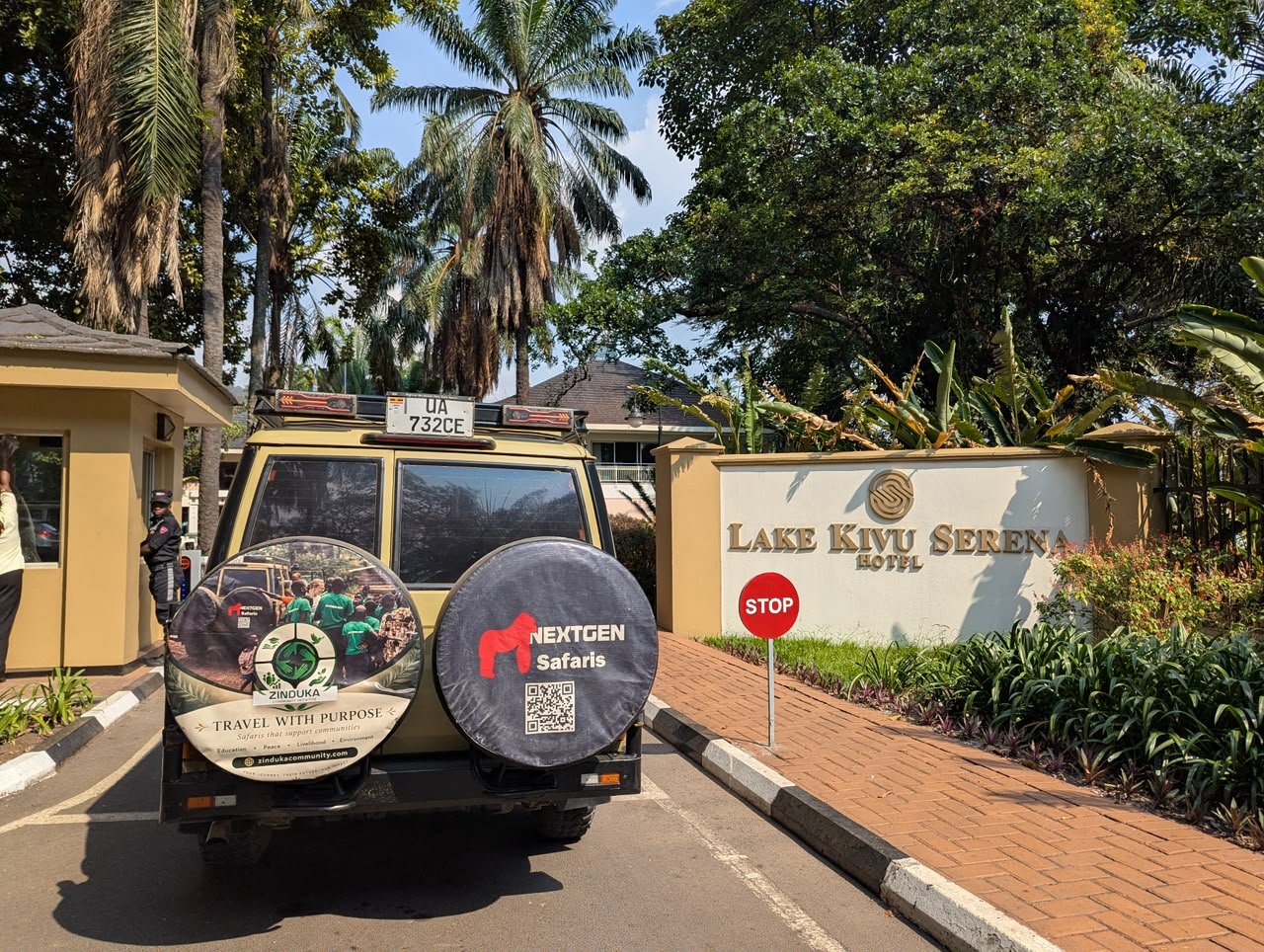
Children can stretch their legs during planned breaks, and families can stop for photographs or refreshments along the way. The guide also becomes a familiar person throughout the safari rather than changing repeatedly between destinations, which can make children more comfortable and help the guide understand their interests.
A good private safari vehicle also provides useful space for luggage, cameras, snacks and personal belongings. When the family reaches Akagera, the same private approach gives travellers greater flexibility during game drives. These details may appear minor during initial planning, but together they make a considerable difference to the overall quality of a Rwanda Family Safari.
Best Time for a Rwanda Family Safari
A Rwanda Family Safari can be planned throughout the year, although school holidays naturally influence many families’ travel dates. Relatively drier periods can make forest trails easier and provide convenient conditions for outdoor activities, but Rwanda’s mountain and rainforest regions can experience rain at any time.
Families travelling during greener periods can enjoy exceptionally lush landscapes, strong birding opportunities and beautiful photographic conditions. Akagera remains rewarding across different seasons because changes in water and vegetation simply influence where wildlife may be found. Weather should therefore be considered together with school calendars, accommodation availability and permit dates.
For families requiring several rooms or particular family units, booking early can be especially important. The most convenient accommodation configurations are often more limited than ordinary double rooms. Gorilla permits for family members aged 15 and over are also date-specific and subject to availability, making early planning valuable for popular school-holiday periods.
Rwanda Family Safari for Teenagers
Teenagers can be an excellent age group for a Rwanda Family Safari because many of Rwanda’s most significant experiences become accessible or more meaningful as children grow older. Those who have reached the official minimum age of 15 can participate in mountain gorilla tracking, giving parents and teenagers the opportunity to share one of Africa’s most remarkable wildlife encounters.
Photography, kayaking, wildlife identification and conservation discussions can also provide teenagers with more independence within the family journey. Instead of merely accompanying their parents, they can develop their own interests and perspectives on each destination. A teenager interested in photography may particularly enjoy Akagera, while another fascinated by primates may prefer Volcanoes or Nyungwe.
Parents should involve teenagers in planning before departure. Allowing them to choose certain activities or research particular animals can create greater excitement about the holiday. The best Rwanda Family Safari is one where each family member feels that at least part of the journey was designed around something they genuinely wanted to experience.
What to Pack for a Rwanda Family Safari
Packing for a Rwanda Family Safari should reflect the fact that the family will encounter several climates and environments. Lightweight clothing works well for many daytime activities, but Volcanoes and Nyungwe can be cooler and wetter than Akagera. Families should therefore carry rain protection, warm layers and suitable walking shoes rather than packing only traditional hot-weather safari clothing.
For children, comfort matters more than appearance. A small personal backpack, sun protection, reusable water bottle and binoculars can make wildlife days more engaging. Families including eligible gorilla trekkers should also pack sturdy footwear, long trousers, gloves and lightweight waterproof clothing appropriate for forest conditions.
Parents may also want simple entertainment for longer transfers, although Rwanda’s landscapes often provide plenty to observe along the way. Packing efficiently becomes easier when accommodation is selected with laundry opportunities in mind. Visit Rwanda Safaris can provide destination-specific packing guidance once the final Rwanda Family Safari route and activities have been confirmed.
Conservation and Responsible Family Travel
A Rwanda Family Safari creates a valuable opportunity to introduce younger travellers to responsible tourism. Wildlife encounters are governed by rules designed to protect animals and habitats, and children can learn why visitors must follow instructions rather than treating national parks like ordinary entertainment venues.
Mountain gorilla trekking is one clear example. Rwanda Development Board restricts visitor numbers, requires trekkers to remain at an appropriate distance and limits viewing to one hour after the gorillas are located. Visitors who are ill with contagious conditions may be denied access because human illnesses can threaten gorillas.
Akagera provides another conservation lesson because its current wildlife populations reflect years of restoration, protection and community involvement. A family safari can therefore help children understand that lions, rhinos, gorillas and forests survive because people actively protect them. This can become one of the most meaningful long-term memories of the journey.
Frequently Asked Questions About Rwanda Family Safari
1. What is a Rwanda Family Safari?
A Rwanda Family Safari is a private or customised journey designed for parents, children, teenagers or multigenerational families travelling together. It can combine wildlife viewing in Akagera National Park, Lake Kivu, Kigali, rainforest experiences and gorilla trekking for family members who meet the required age limit.
2. Is Rwanda a good safari destination for families?
Yes, Rwanda is an excellent destination for families because it combines wildlife, primates, culture and beautiful scenery within a relatively compact country. A Rwanda Family Safari can include private game drives, boat safaris, comfortable lodges and relaxed travel days, making it possible to design the journey around different ages and interests.
3. Can children go gorilla trekking on a Rwanda Family Safari?
Children must be at least 15 years old to participate in mountain gorilla trekking in Rwanda. Families travelling with younger children can still enjoy a Rwanda Family Safari by arranging alternative activities while eligible parents or older teenagers undertake the gorilla trek in Volcanoes National Park.
4. What are the best places to visit on a Rwanda Family Safari?
Popular destinations for a Rwanda Family Safari include Kigali, Akagera National Park, Volcanoes National Park, Lake Kivu and Nyungwe National Park. Akagera is especially suitable for families because wildlife is mainly viewed from safari vehicles, while Lake Kivu provides a relaxing break between more active destinations.
5. Can families see the Big Five on a Rwanda Family Safari?
Yes, families can search for the Big Five in Akagera National Park during a Rwanda Family Safari. Lions, elephants, buffaloes, leopards and rhinoceroses live within the park, alongside giraffes, zebras, antelopes, hippos, crocodiles and numerous bird species.
6. How many days are best for a Rwanda Family Safari?
Around 7 to 10 days is a good length for many families, allowing time for Kigali, Akagera, Volcanoes National Park and Lake Kivu without rushing. A Rwanda Family Safari of 10 to 14 days can also include Nyungwe National Park and additional relaxation days.
7. Is a Rwanda Family Safari suitable for teenagers?
Yes, a Rwanda Family Safari is particularly rewarding for teenagers because older children can participate in activities such as wildlife photography, hiking and, from age 15, mountain gorilla trekking. Teenagers interested in animals, conservation and adventure can find Rwanda especially engaging.
8. Can Lake Kivu be included in a Rwanda Family Safari?
Yes, Lake Kivu is an excellent addition to a Rwanda Family Safari because it provides time for relaxation between national park experiences. Families can enjoy scenic boat trips, lakeside accommodation and other suitable water-based activities depending on children’s ages and operator requirements.
9. Is a private Rwanda Family Safari better for families?
A private Rwanda Family Safari offers greater flexibility because the vehicle, transfer schedule and many activities can be adapted around the family. Parents can include extra stops, shorter game drives or additional rest time without needing to follow the schedule of unrelated travellers.
10. What accommodation is best for a Rwanda Family Safari?
The best accommodation for a Rwanda Family Safari depends on the children’s ages and family size. Family cottages, interconnected rooms, villas and larger suites are often convenient because they allow parents and children to stay close while still having enough personal space.
Book Your Rwanda Family Safari
A Rwanda Family Safari can introduce children and parents to some of Africa’s most extraordinary wildlife while creating experiences they share long after returning home. Elephants in Akagera, mountain gorillas for eligible family members, misty rainforest, Lake Kivu and Rwanda’s beautiful countryside ensure that the journey continually changes as the family moves around the country.
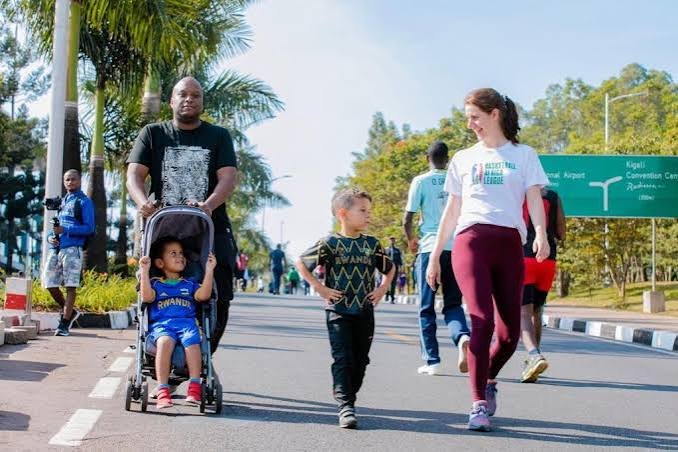
To begin planning, share your preferred travel dates, number of adults and children, each child’s age, number of available days and preferred accommodation level with Visit Rwanda Safaris. These details allow the itinerary to be designed around the correct age restrictions and make it easier to recommend suitable rooms and activities from the beginning.
Families interested in primates can also explore our gorilla trekking in Rwanda information, while those looking for relaxation between wildlife experiences can discover more about Lake Kivu. Combining these experiences thoughtfully creates a Rwanda Family Safari that balances adventure, education, wildlife and valuable time together.