
Ultimate Rwanda All National Parks Safari – Complete Four-Park Wildlife & Primate Adventure
A Rwanda All National Parks Safari takes travellers beyond Rwanda’s famous mountain gorillas and reveals just how varied the country truly is. Within one private journey, visitors can walk through mist-covered volcanic forest in search of mountain gorillas, cross savannah looking for lions and rhinos, enter ancient rainforest to track chimpanzees and then explore the quieter conservation landscape of Gishwati-Mukura. The distances between these environments are relatively manageable compared with many larger African safari destinations, making Rwanda particularly well suited to travellers who want several very different wildlife experiences within one holiday.
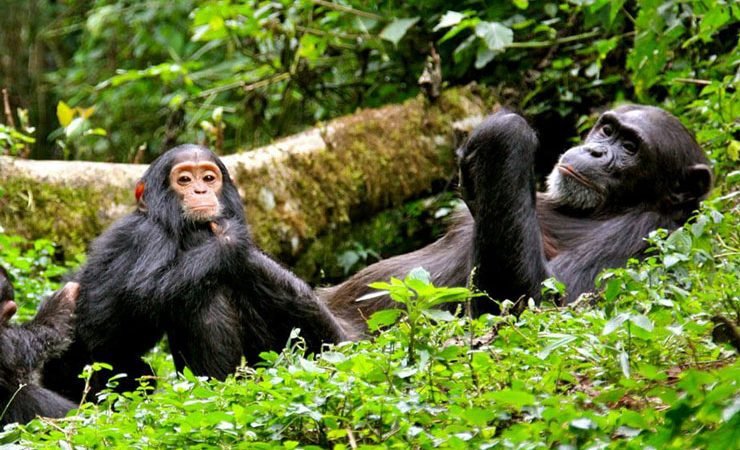
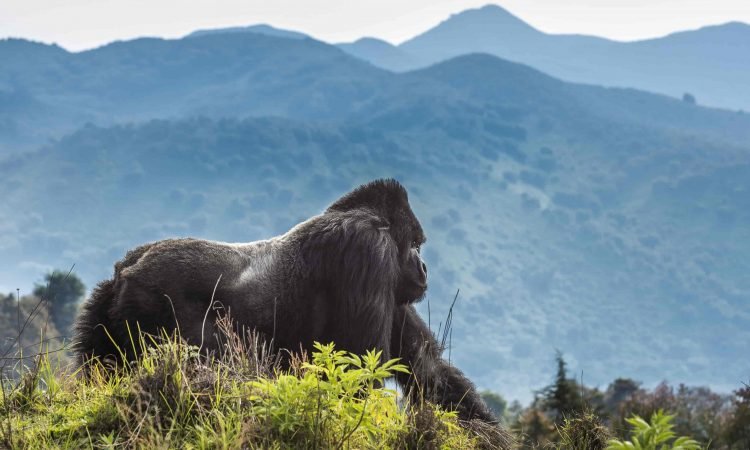
The variety is what makes this journey exceptional. Volcanoes National Park introduces dramatic Virunga scenery and endangered mountain gorillas. Akagera National Park changes the setting completely with open plains, woodland, lakes and wetlands supporting Rwanda’s Big Five. Nyungwe National Park brings travellers into an ancient mountain rainforest filled with chimpanzees, colobus monkeys, birds and adventurous forest experiences. Gishwati-Mukura completes the circuit with chimpanzees, golden monkeys, forest hiking and community-based tourism in Rwanda’s fourth national park.
Travelling through all four parks also creates a deeper understanding of Rwanda’s conservation story. Each protected landscape faces different ecological challenges and has developed its own tourism character. A thoughtfully planned Rwanda All National Parks Safari therefore becomes more than a collection of wildlife sightings; it is a journey through Rwanda’s volcanoes, savannahs, wetlands, rainforests, communities and conservation initiatives.
Rwanda’s Four National Parks
Rwanda’s four national parks protect remarkably different landscapes. Volcanoes National Park lies in the far northwest and forms part of the Virunga Massif, protecting evergreen forest, bamboo, grassland, swamp and heath on the slopes of five major volcanoes. Akagera lies along the eastern border with Tanzania and protects savannah, woodland, lakes and Central Africa’s largest protected wetland. Nyungwe occupies Rwanda’s southwestern highlands and preserves one of Africa’s oldest and most biodiverse rainforests.
Gishwati-Mukura is Rwanda’s fourth national park and has a very different scale and atmosphere. It consists of two separate forests, Gishwati and Mukura, covering about 34 square kilometres plus a buffer zone. The forests lie along the Congo-Nile divide within the biologically rich Albertine Rift and protect chimpanzees, golden monkeys, blue monkeys, L’Hoest’s monkeys and significant birdlife.
Together these four protected areas make a Rwanda All National Parks Safari unusually diverse for a relatively compact country. A single journey can include great apes, Big Five mammals, rare primates, hundreds of bird species, volcano hiking, boating, canopy adventures and community encounters. Instead of choosing between a gorilla safari and a traditional African wildlife safari, travellers can experience both while also discovering two additional rainforest ecosystems.
Volcanoes National Park – Mountain Gorilla Heartland
Volcanoes National Park is often the most anticipated destination on a Rwanda All National Parks Safari because it protects Rwanda’s section of the magnificent Virunga Massif and is internationally associated with mountain gorilla trekking. The park lies in Rwanda’s far northwest and includes the slopes of Karisimbi, Bisoke, Sabyinyo, Gahinga and Muhabura. Mount Karisimbi rises to 4,507 metres, while Mount Bisoke is famous for its beautiful crater lake.
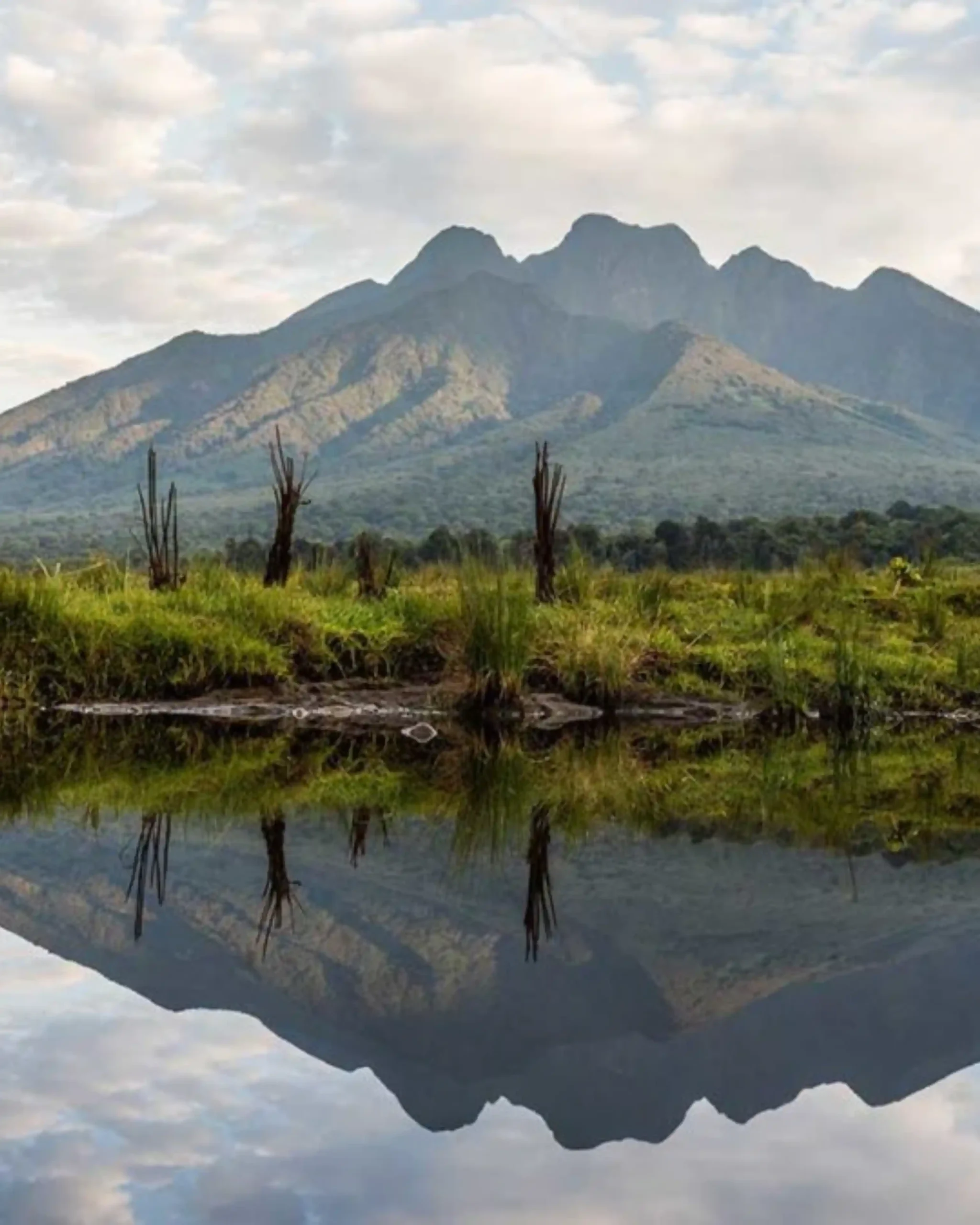
The landscape is dramatically different from the classic African savannah image. Travellers enter an environment of bamboo, evergreen forest, open grassland, heath and swamp beneath enormous volcanic peaks that frequently disappear behind clouds. The park is also home to rare golden monkeys and around 200 recorded bird species, while nearby attractions include Buhanga Eco-Park and the volcanic Musanze Caves.
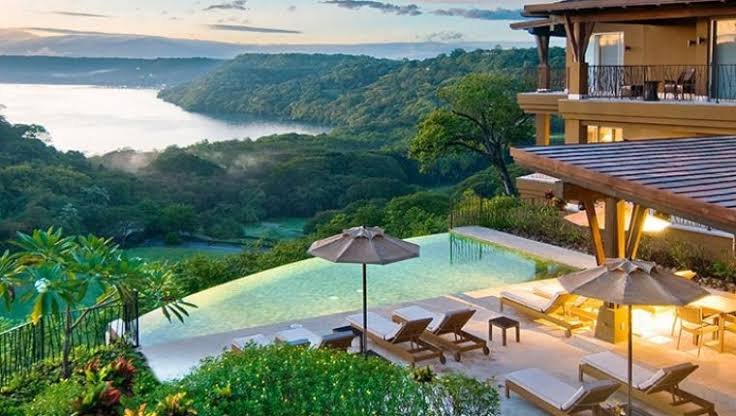
Volcanoes National Park deserves more than a rushed overnight stop during a Rwanda All National Parks Safari. Gorilla trekking may be the central experience, but additional time allows travellers to explore golden monkeys, hike through volcanic scenery, learn about conservation and enjoy some of Rwanda’s most spectacular luxury lodges. Spending several nights also gives the journey time to slow down after the physical and emotional intensity of encountering mountain gorillas.
Mountain Gorilla Trekking During Rwanda All National Parks Safari
Mountain gorilla trekking is usually the defining primate experience of a Rwanda All National Parks Safari. Expert trackers and guides lead small groups into the bamboo-covered slopes of Volcanoes National Park in search of habituated gorilla families. Once a family is located, visitors are allowed a carefully managed period observing gorillas as they feed, rest, groom and interact within their natural forest environment.
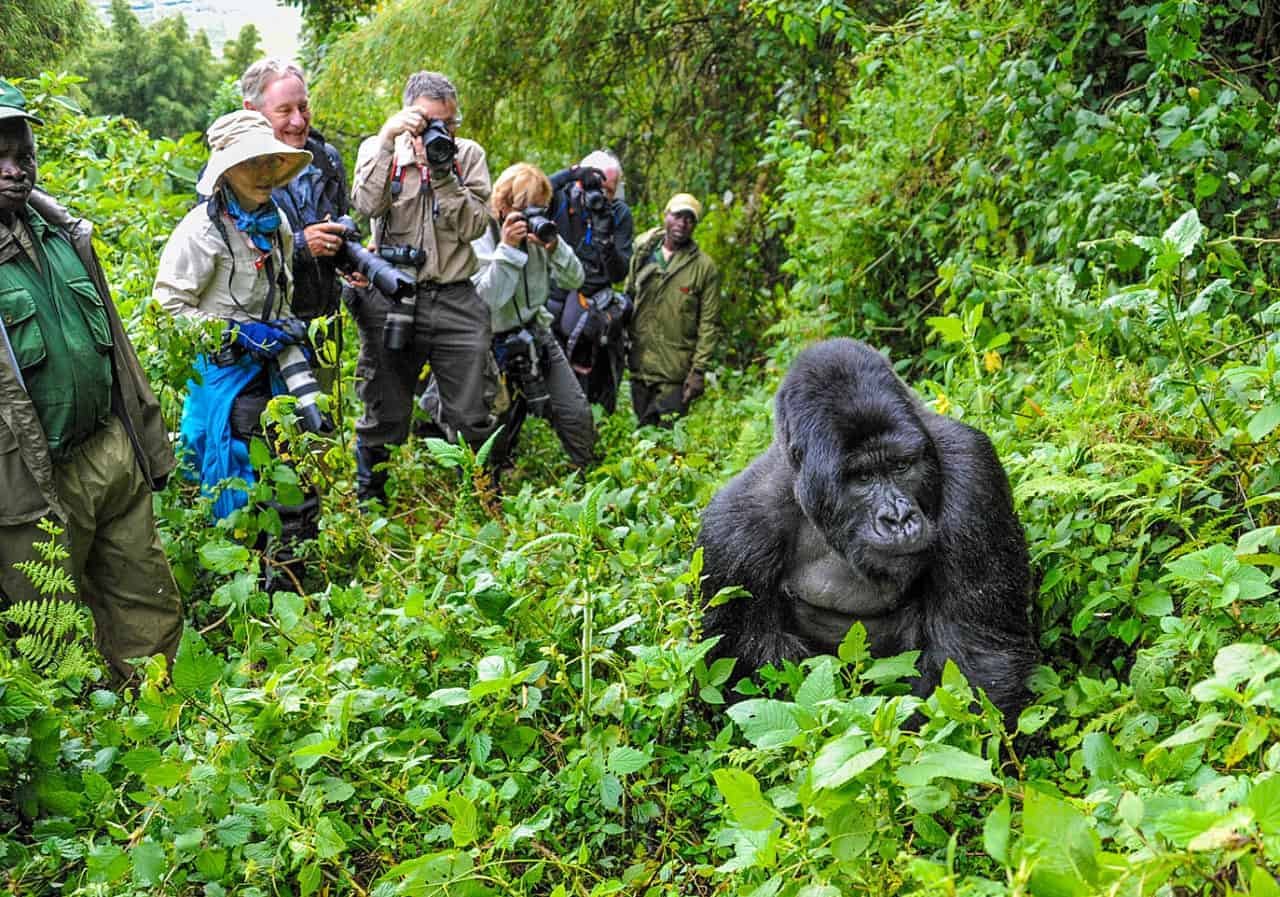
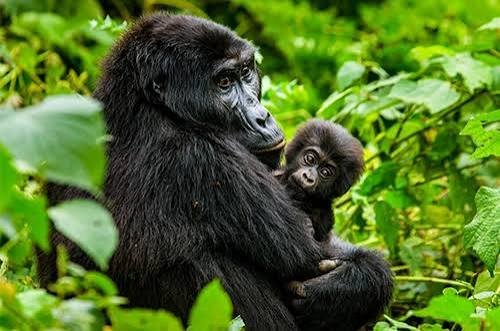
What makes the encounter particularly powerful is its intimacy. Unlike watching wildlife from a safari vehicle, gorilla trekking places travellers inside the gorillas’ mountain habitat. The forest may be wet and muddy, trails may climb steep slopes and the trek duration depends on where the assigned family has moved. These physical elements contribute to the sense that visitors are entering a genuine wilderness rather than attending a predictable wildlife display.
The gorilla experience also introduces travellers to Rwanda’s wider conservation efforts. Visit Rwanda notes that tourism revenue from gorilla permits contributes to conservation and communities around Volcanoes National Park, while Rwanda is also undertaking a major programme to expand and restore the park’s habitat. A Rwanda All National Parks Safari therefore provides an opportunity not only to photograph gorillas but also to understand the conservation framework supporting their long-term protection.
Golden Monkeys and Volcano Adventures
Golden monkey trekking provides a wonderful second primate experience in Volcanoes National Park and fits naturally into a longer Rwanda All National Parks Safari. These colourful and highly active monkeys inhabit bamboo forest and move very differently from mountain gorillas. Visitors often see them jumping between bamboo stems, feeding quickly and travelling through vegetation in lively groups.
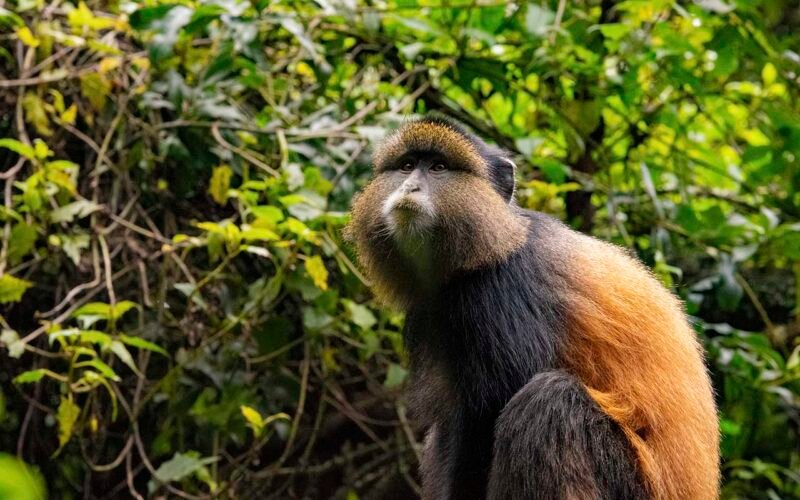
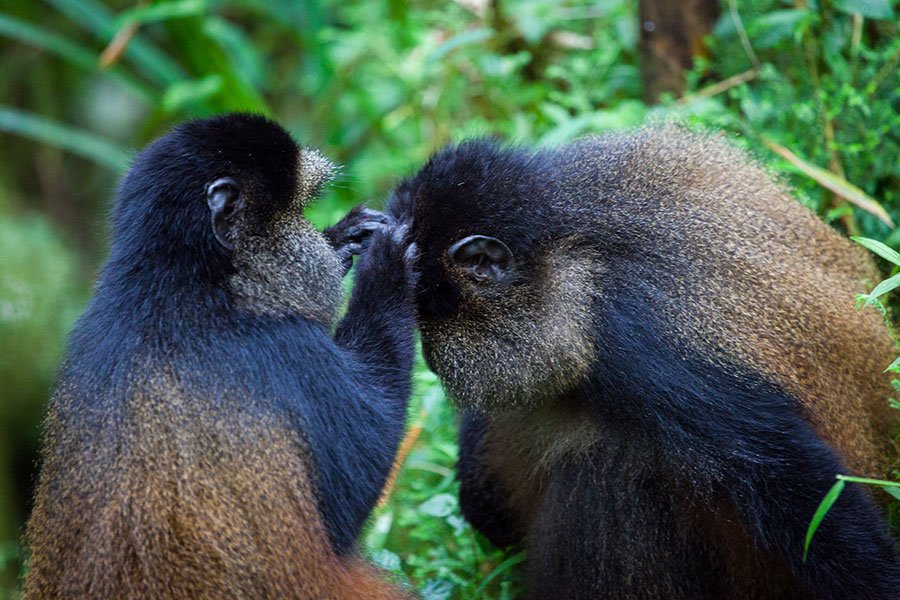
Volcanoes National Park also offers possibilities for travellers interested in hiking. The volcanic landscape includes peaks such as Bisoke and Karisimbi, while broader activities around the region include hiking, cycling and community experiences. The combination of primates and dramatic mountain scenery means the park can easily justify several days rather than being treated exclusively as the location of a single gorilla trek.
Adding these experiences makes the Volcanoes section of a Rwanda All National Parks Safari feel significantly richer. Gorilla trekking can remain the major highlight while golden monkeys, volcano scenery, cultural encounters and lodge relaxation create variety around it. This pacing is especially important on longer safaris because not every day needs to contain another physically demanding headline experience.
Akagera National Park – Rwanda’s Big Five Safari Destination
Akagera National Park introduces a completely different environment during a Rwanda All National Parks Safari. Located in eastern Rwanda beside Tanzania, Akagera is characterised by open savannah, woodland, lakes, wetlands and rolling highlands. African Parks identifies it as Rwanda’s last remaining refuge for savannah-adapted wildlife and Central Africa’s largest protected wetland.
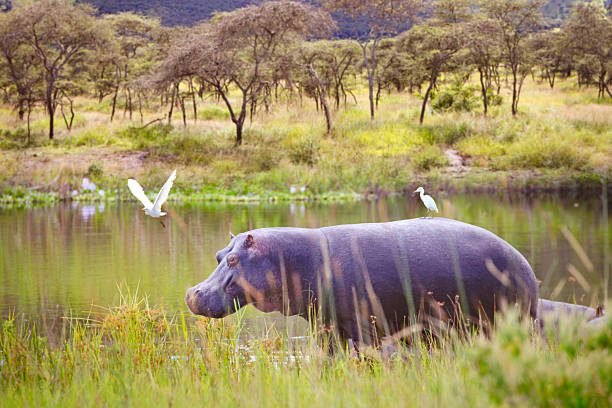
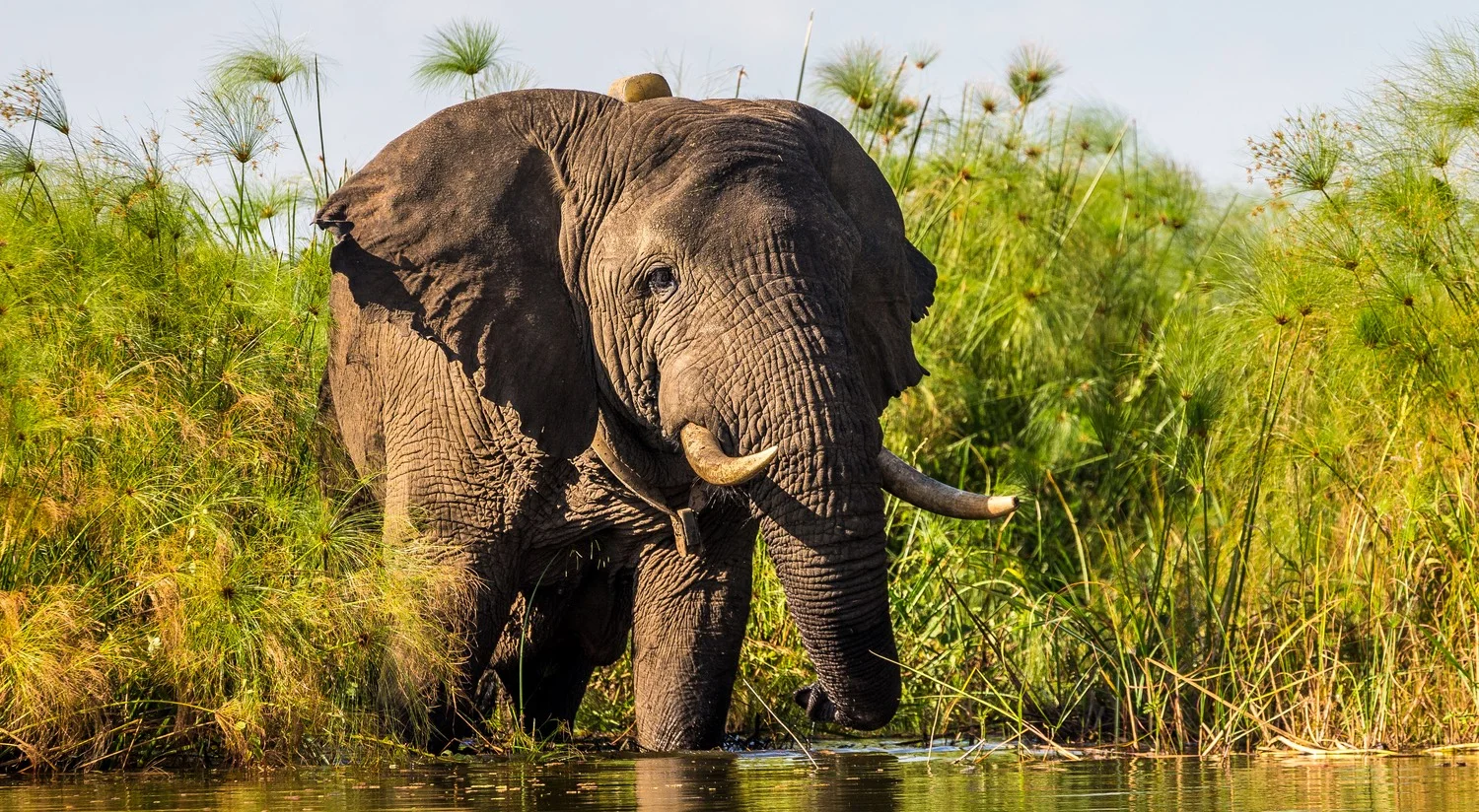
The park is now home to Africa’s iconic Big Five: lion, leopard, elephant, buffalo and rhinoceros. Its restoration is one of Rwanda’s most significant modern conservation stories. Lions were reintroduced in 2015, eastern black rhinos returned beginning in 2017, southern white rhinos were introduced in 2021 and another 70 southern white rhinos were added in June 2025.
These conservation achievements have transformed Akagera into the classic game-viewing component of a Rwanda All National Parks Safari. Travellers who spent previous days walking through misty gorilla forest now find themselves driving across broad plains in search of elephants, lions, giraffes, zebras and rhinos. The dramatic ecological change between Volcanoes and Akagera is one of the greatest strengths of an all-parks journey.
Game Drives and Big Five Wildlife in Akagera
Game drives form the heart of the Akagera experience. Early morning and late afternoon drives provide opportunities to search for predators while also observing elephants, buffaloes, giraffes, zebras, antelopes and numerous smaller species. Visit Rwanda also identifies leopard, spotted hyena and side-striped jackal among the park’s predators, alongside an extensive selection of plains game.
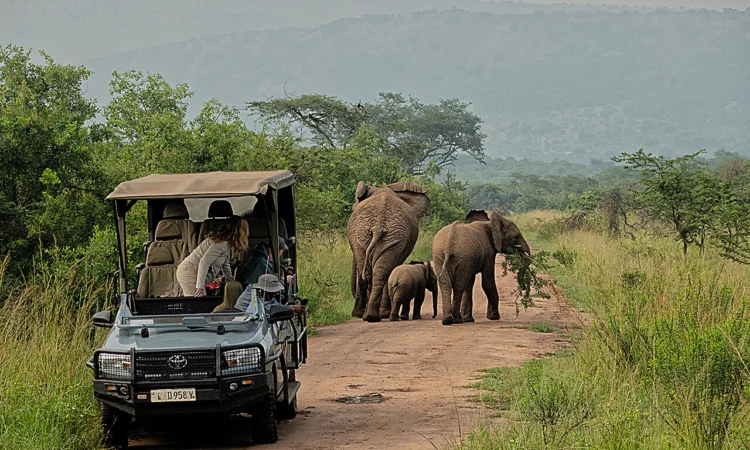
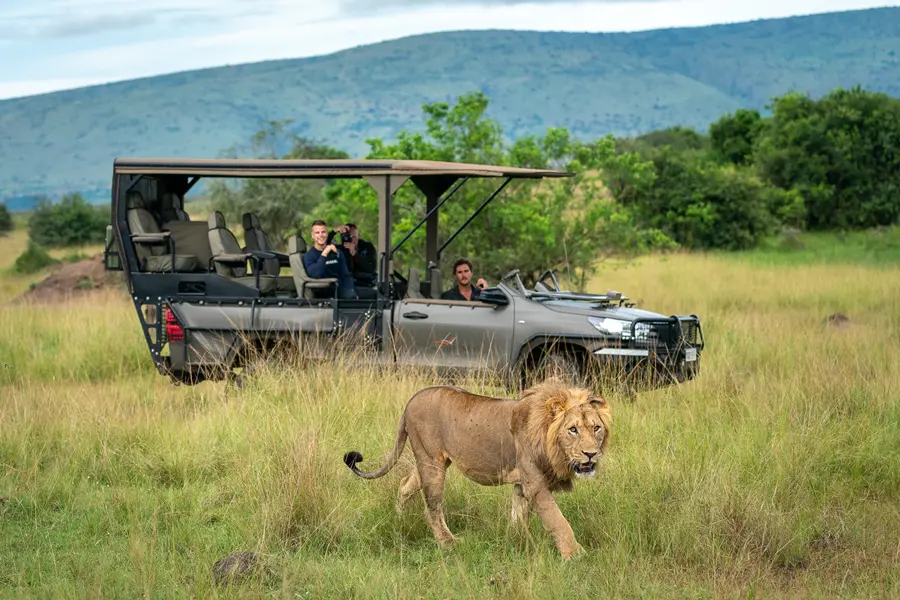
Wildlife viewing in Akagera should not be approached solely as an exercise in finding the Big Five. The park’s varied habitats make the entire landscape interesting. A drive may begin beside a lake populated by waterbirds, continue through woodland where elephants browse and eventually open onto grassland filled with zebra, antelope and giraffe. This ecological variety makes even quieter periods between major sightings rewarding.
Including at least two nights in Akagera makes a Rwanda All National Parks Safari considerably more satisfying. Wildlife is unpredictable, and spending several periods on game drives provides a more realistic opportunity to observe different species and behaviours. Photographers and dedicated wildlife enthusiasts may benefit from staying even longer, especially when using a private vehicle that allows the pace to be adapted around sightings.
Lake Ihema Boat Safari in Akagera
A boat safari on Lake Ihema adds an aquatic dimension to Akagera and provides a valuable contrast to game drives. From the water, visitors can observe hippos, Nile crocodiles and numerous waterbirds occupying the lake and its surrounding vegetation. Visit Rwanda specifically highlights Lake Ihema boating as one of the best ways to experience this part of the park.
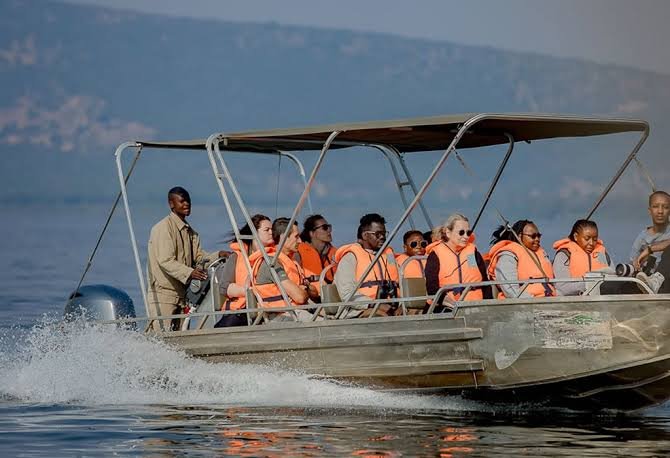
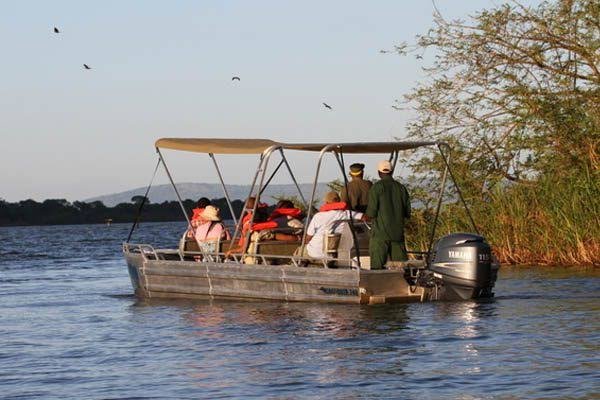
The activity is especially enjoyable after several hours in a safari vehicle. Instead of searching across the landscape for animals, travellers move slowly through a watery ecosystem where wildlife approaches the lake on its own schedule. Birds can be seen nesting, fishing or flying between wetland vegetation, while hippos and crocodiles introduce another group of animals not encountered in the same way on land.
For a Rwanda All National Parks Safari, the boat cruise also illustrates why Akagera cannot be understood only as a savannah reserve. Wetlands and lakes are fundamental to the park’s identity and biodiversity. The transition from the volcanic forest of northern Rwanda to the lakes and open plains of Akagera shows just how dramatically Rwanda’s ecosystems can change within relatively short travel distances.
Nyungwe National Park – Ancient Rainforest and Chimpanzees
Nyungwe National Park introduces another dramatic environmental transformation on a Rwanda All National Parks Safari. Located in southwestern Rwanda, Nyungwe is an ancient mountain rainforest recognised for exceptional biodiversity. Visit Rwanda describes it as one of Africa’s oldest rainforests, while African Parks records a remarkable range of primates, mammals, plants and birds within the protected landscape.
Chimpanzees are the most famous residents, but Nyungwe is much more than a chimpanzee destination. Visitors can encounter Rwenzori black-and-white colobus, L’Hoest’s monkeys and other primates while exploring forest trails. Birdwatching, hiking and rainforest scenery create an entirely different style of wildlife experience from Akagera, where animals are commonly observed from a vehicle.
A well-paced Rwanda All National Parks Safari should give Nyungwe several nights. Chimpanzee tracking typically begins early, and other activities deserve their own time rather than being crowded into the same afternoon. Spending longer also allows travellers to experience the atmosphere of the rainforest itself, including mist, birdsong, giant trees, streams and views across forested mountain ridges.
Chimpanzee Trekking in Nyungwe National Park
Chimpanzee trekking is one of the major highlights of a Rwanda All National Parks Safari and complements the mountain gorilla experience beautifully. Whereas gorillas can spend significant time resting and feeding within a relatively concentrated area, chimpanzees are often much faster and more vocal. Their calls may travel through the forest before the animals become visible, creating an exciting sense of anticipation during tracking.
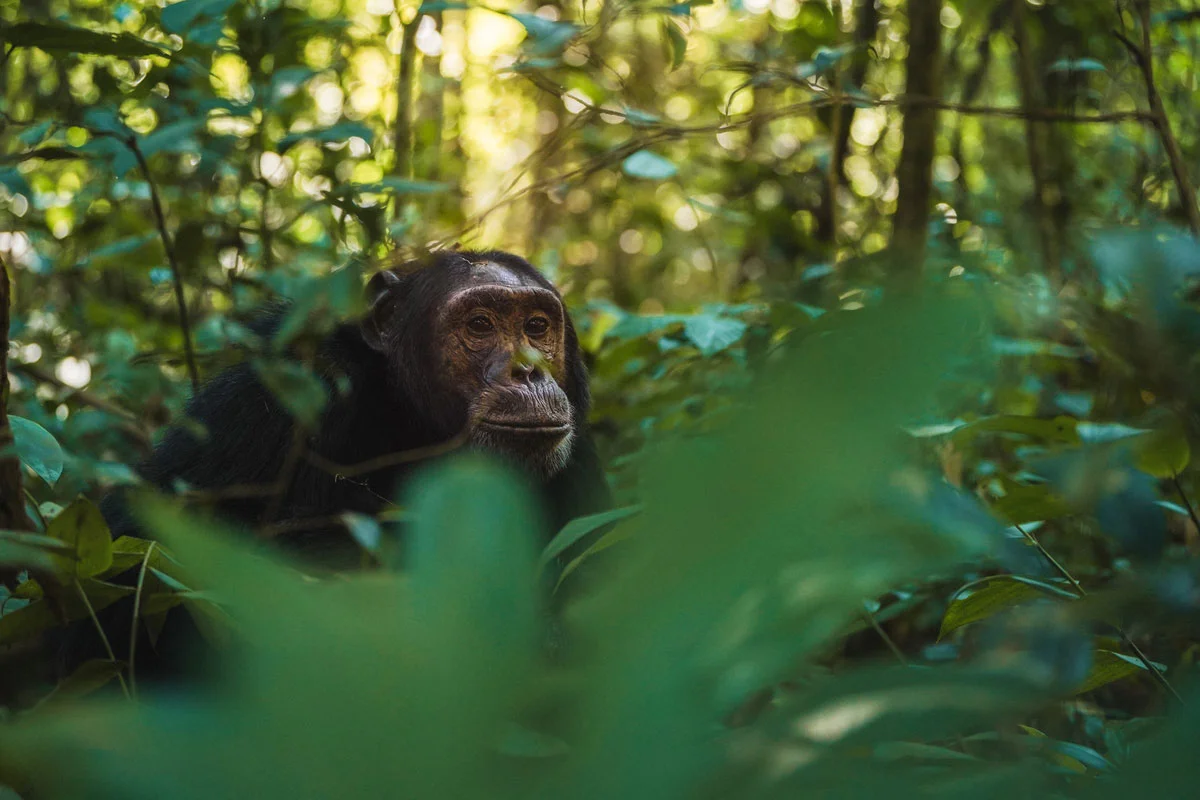
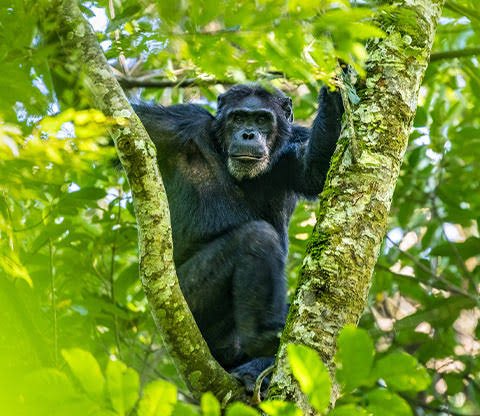
Guides and trackers lead visitors through the forest searching for signs of habituated chimpanzee communities. Terrain can be steep, damp and uneven, making appropriate footwear and reasonable fitness important. Once chimpanzees are located, visitors can observe social behaviour, feeding, climbing and interactions within the group according to the conditions and park regulations.
Experiencing both chimpanzees and mountain gorillas significantly strengthens a Rwanda All National Parks Safari because the two encounters demonstrate how different great apes can be even within the same country. Volcanoes provides high-altitude volcanic forest, while Nyungwe offers a vast ancient rainforest ecosystem. The combination is one of Rwanda’s greatest advantages for travellers interested in primates.
Nyungwe Canopy Adventures, Hiking and New Experiences
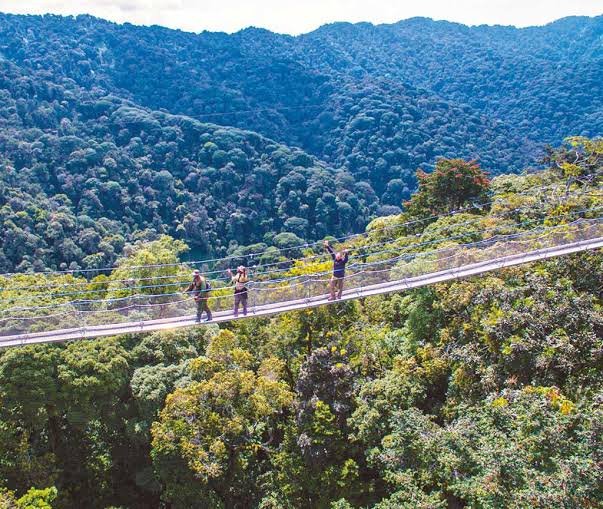
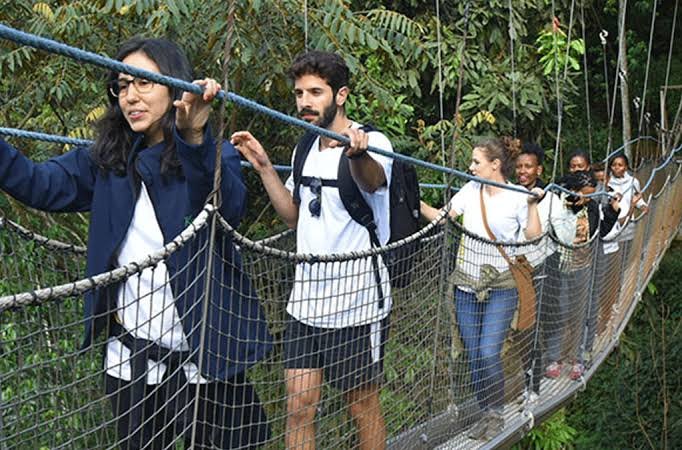
The famous canopy walkway provides another perspective of Nyungwe by taking travellers high above a forested ravine. Instead of observing the rainforest only from ground level, visitors can look across treetops and surrounding mountain slopes. The experience combines hiking with an aerial view of the forest and works particularly well on a separate day from chimpanzee trekking.
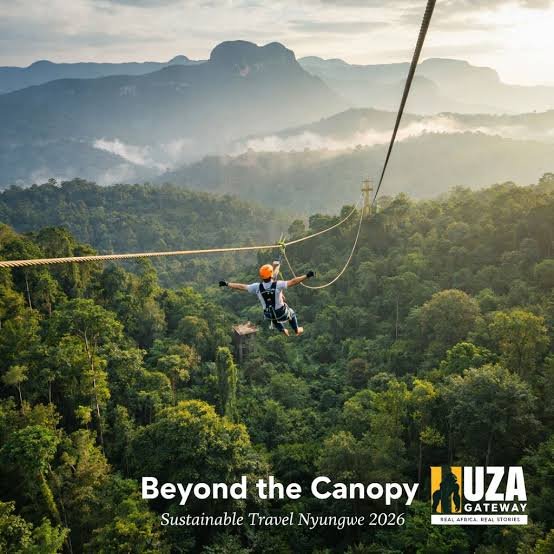
Nyungwe’s tourism offering expanded further in August 2025 with the opening of the Nyungwe Canopy Zipline, the Gisakura Rope Course and Munazi Eco Lodge. African Parks describes the zipline as approximately 1,935 metres long and divided into three sections above the rainforest, while the rope course contains 21 aerial elements.
These additions mean the Nyungwe portion of a Rwanda All National Parks Safari can now appeal to travellers seeking both wildlife and adventure. Chimpanzees may remain the main attraction, but hiking, birdwatching, canopy experiences and new aerial adventures make it possible to build several varied days around the forest without repeating the same type of activity.
Gishwati-Mukura National Park – Rwanda’s Fourth National Park
Gishwati-Mukura National Park is the smallest and least conventional destination on a Rwanda All National Parks Safari, which is precisely why it deserves inclusion. The park consists of two separate forests, the larger Gishwati and smaller Mukura, totalling approximately 34 square kilometres plus a buffer zone. They lie on the ridge dividing the Congo and Nile catchments within the Albertine Rift in western Rwanda.
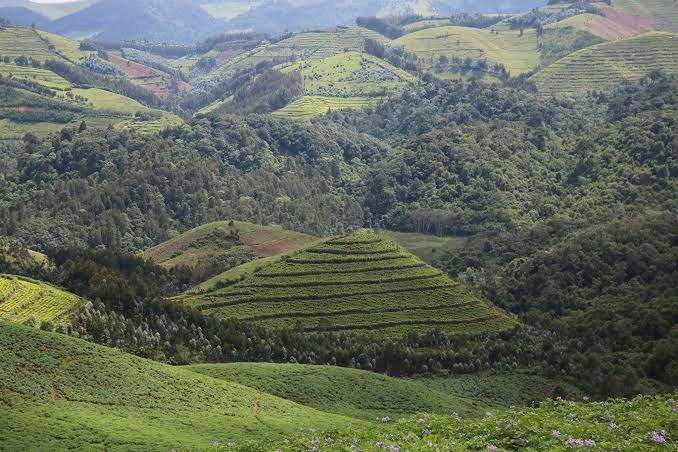
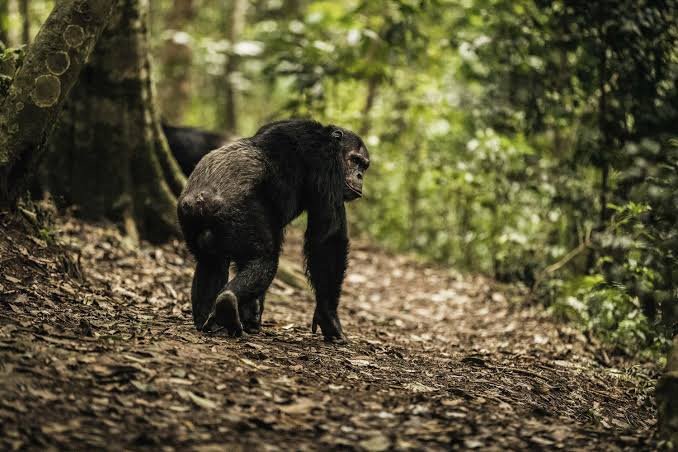
The landscape protects around 60 recorded tree species, including indigenous hardwoods and bamboo. Visit Rwanda reports chimpanzees in Gishwati alongside golden monkeys, blue monkeys and L’Hoest’s monkeys. Birdlife is another major attraction, with 232 species reported in Gishwati and 163 in Mukura, including Albertine Rift endemics and specialist forest species.
Compared with Volcanoes, Akagera and Nyungwe, Gishwati-Mukura provides a smaller-scale and more conservation-focused experience. Visitors should not arrive expecting the infrastructure or wildlife-viewing intensity of Rwanda’s larger parks. Instead, the forest provides an opportunity to explore a recovering ecosystem, enjoy guided walks and understand another chapter of Rwanda’s conservation story.
Chimpanzees, Monkeys and Forest Walks in Gishwati-Mukura
Primate tracking is one of the leading wildlife experiences associated with Gishwati-Mukura National Park. Visit Rwanda notes that chimpanzees live in Gishwati alongside golden, blue and L’Hoest’s monkeys, creating an interesting primate complement to both Nyungwe and Volcanoes National Parks.
Guided nature hikes and birdwatching allow travellers to explore the forest more broadly rather than focusing exclusively on chimpanzees. Visit Rwanda also identifies waterfall visits among activities that began in the park from 2019. The smaller forest environment can create a more intimate experience for travellers who enjoy walking, vegetation, birds and the subtleties of rainforest ecology.
For a Rwanda All National Parks Safari, this final forest experience prevents the journey from becoming only a sequence of famous headline attractions. Gishwati-Mukura encourages visitors to slow down and appreciate rehabilitation, forest recovery and community involvement. It can be especially rewarding for repeat African travellers, dedicated birders and people interested in conservation beyond the most famous parks.
Community Experiences Around Gishwati-Mukura
Community-based tourism is particularly important around Gishwati-Mukura. Visit Rwanda identifies experiences including farm stays, cultural dance, handicraft making, beekeeping, tea plantation visits and opportunities to learn about traditional uses of plants. These experiences help connect forest conservation with the people living around the protected landscape.
The history of the forest makes that connection especially relevant. Gishwati and Mukura suffered considerable pressure from resettlement, livestock farming and illegal mining before receiving stronger protection. National park status was formalised in 2015 partly to support ecological restoration, stabilise slopes, protect waterways and improve the prospects of surrounding communities.
Including community experiences gives a Rwanda All National Parks Safari more depth. Wildlife remains important, but a complete Rwanda journey should also explain how conservation interacts with local livelihoods. Visitors begin to understand that protecting forests, gorillas, chimpanzees and other wildlife depends on successful relationships between protected areas and neighbouring communities.
Birdwatching Across Rwanda’s National Parks
Birdwatching is one of the most underestimated reasons to plan a Rwanda All National Parks Safari. The country’s four parks protect very different elevations and habitats, allowing travellers to encounter savannah species, wetland birds, montane forest specialists and Albertine Rift endemics within the same journey. This habitat diversity makes Rwanda especially attractive to birders who also want primates and large mammals.
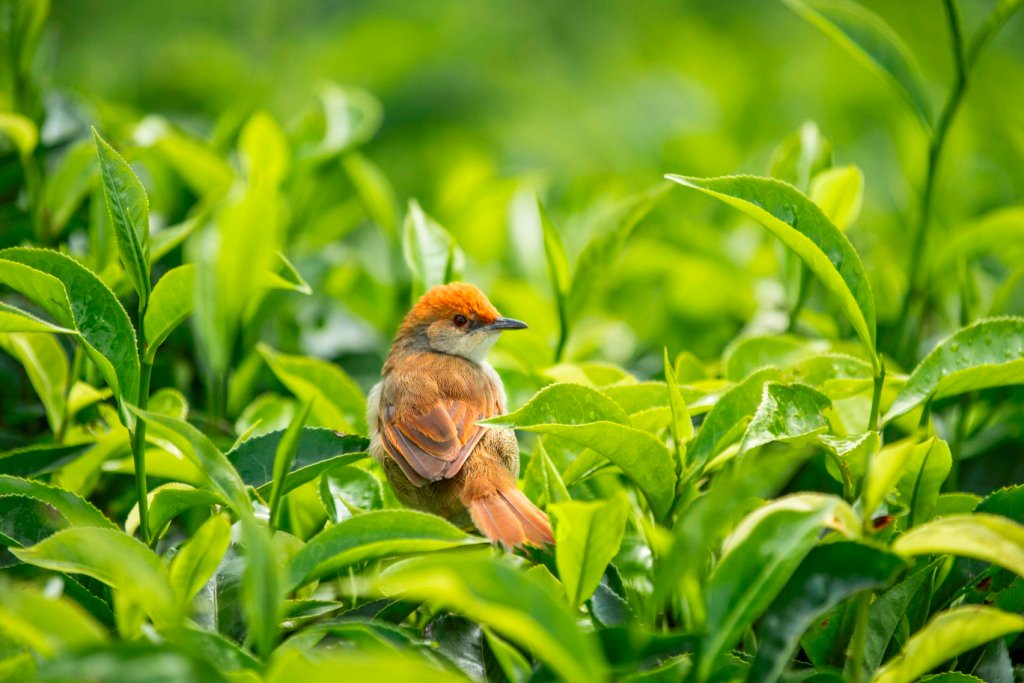
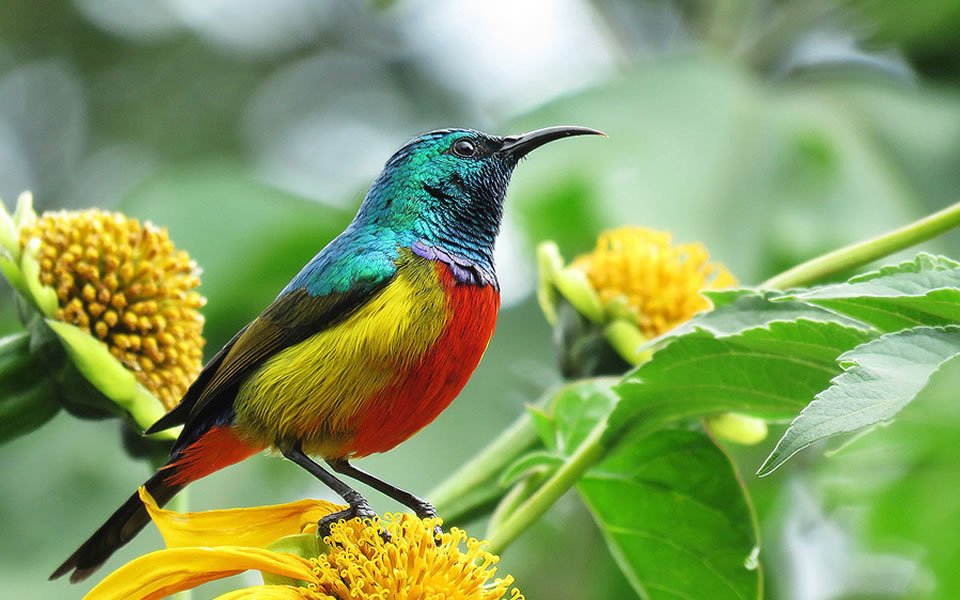
Akagera is particularly productive because of its mixture of lakes, papyrus wetlands, woodland and grasslands. African Parks currently reports almost 500 bird species documented in Akagera. Nyungwe adds a completely different forest assemblage, while Gishwati-Mukura contributes several Albertine Rift endemics and forest specialists.
Volcanoes National Park completes the picture with high-altitude forest and bamboo habitats where around 200 bird species have been recorded according to Visit Rwanda. Birdwatchers undertaking a Rwanda All National Parks Safari should therefore consider private guiding and additional time in each park, because dedicated birding often requires slower travel than a conventional wildlife itinerary.
Best Time for a Rwanda All National Parks Safari
A Rwanda All National Parks Safari can be undertaken throughout the year, but travellers should understand that the four parks respond differently to Rwanda’s seasonal rainfall. Forest destinations such as Volcanoes, Nyungwe and Gishwati-Mukura can receive rain at almost any time, and this moisture is essential to the lush vegetation that makes the parks so spectacular.
Relatively drier periods are often popular for trekking because forest trails may be easier to negotiate and outdoor activities more predictable. Akagera can also provide excellent wildlife viewing during drier conditions as animals concentrate more consistently around reliable water sources. However, greener periods bring beautiful landscapes, excellent birding, fewer dusty conditions and atmospheric photography.
For this reason, there is no single month that is objectively perfect for every Rwanda All National Parks Safari. Gorilla permit availability, lodge preferences, birding interests and the amount of hiking planned should all influence the travel dates. A well-designed itinerary remains flexible enough to accommodate changing mountain and rainforest weather regardless of the season.
How Many Days Do You Need for Rwanda All National Parks Safari?
A genuine Rwanda All National Parks Safari deserves considerably more time than a short gorilla holiday. Travellers attempting to visit Volcanoes, Akagera, Nyungwe and Gishwati-Mukura in only a few days would spend too much of the journey transferring between parks and too little actually experiencing them.
Around twelve to fourteen days provides a comfortable starting point for travellers who want meaningful time in all four national parks. Several nights can be dedicated to Volcanoes and Nyungwe because of the primate activities, while Akagera benefits from at least two nights for multiple game-viewing periods. Gishwati-Mukura can then be integrated into the western Rwanda section according to current activity arrangements and accommodation preferences.
Travellers with fifteen days or more can make the Rwanda All National Parks Safari considerably richer by including Kigali and Lake Kivu without rushing. Additional nights also give photographers, birdwatchers and honeymooners time to enjoy lodges and landscapes instead of treating every morning and afternoon as another compulsory activity.
Add Lake Kivu to Rwanda All National Parks Safari
Although Lake Kivu is not a national park, it fits beautifully into a Rwanda All National Parks Safari because of its position along Rwanda’s western tourism circuit. The lake creates a natural change of pace between forest destinations and provides opportunities for boat cruises, kayaking, island exploration, coffee experiences and relaxed waterfront stays.
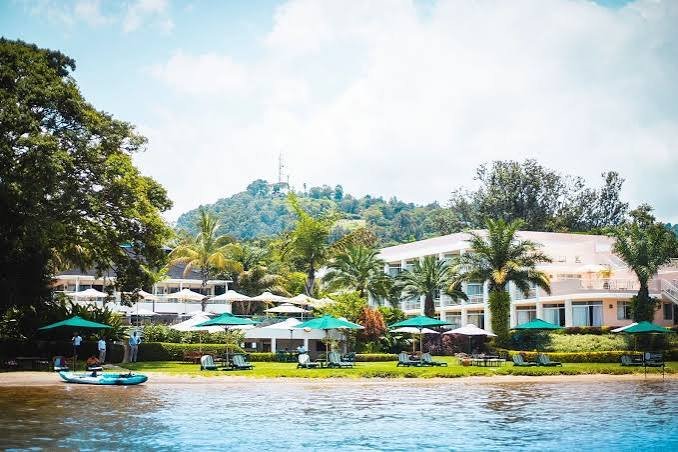
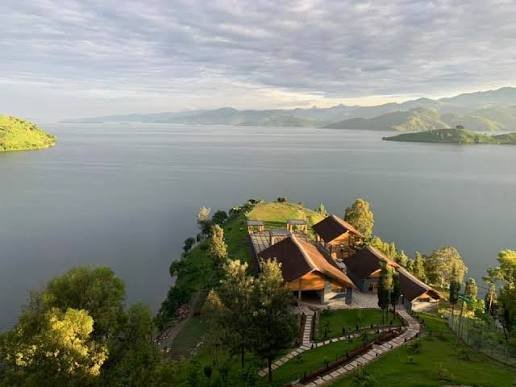
Lake Kivu is especially useful between Volcanoes National Park and the southern or western forests. Travellers can move toward Rubavu or Karongi after gorilla trekking, spend several nights beside the water and then continue toward Gishwati-Mukura or Nyungwe. This prevents the journey from becoming a continuous sequence of demanding trekking experiences.
Adding Lake Kivu also gives honeymooners and luxury travellers valuable downtime during a Rwanda All National Parks Safari. After gorilla trekking, game drives and chimpanzee tracking, a slower morning beside the lake can be as important to the quality of the journey as another wildlife excursion.
Rwanda All National Parks Safari for Families and Couples
Families with older children can enjoy a Rwanda All National Parks Safari because every park offers something different. Akagera introduces classic wildlife that younger travellers often recognise immediately, while Volcanoes and Nyungwe provide immersive forest experiences. Lake Kivu or comfortable lodge days can be added between active sections to prevent the itinerary from becoming exhausting.
Age requirements must be considered carefully for specialist primate activities such as gorilla and chimpanzee trekking. Families travelling with younger children may need alternative activities for certain mornings, while eligible teenagers can find primate tracking exceptionally educational. Private transportation is particularly useful because daily departure times and rest stops can be adapted to the family.
Couples and honeymooners benefit from the same diversity for different reasons. A Rwanda All National Parks Safari can move from intimate gorilla lodges to wilderness camps, rainforest retreats and lakeside accommodation. The combination of adventure, wildlife, scenery and relaxation creates a romantic journey that feels much more varied than staying in one ecosystem throughout the holiday.
Conservation Behind Rwanda’s Four National Parks
Conservation connects every destination on a Rwanda All National Parks Safari, although each park has its own story. Akagera’s restoration has included the reintroduction of lions and rhinos and reached an important milestone in 2025 when African Parks reported that the park covered its operating costs through self-generated revenue.
Volcanoes National Park remains central to mountain gorilla conservation, and Rwanda is undertaking a major restoration and expansion programme intended to enlarge available gorilla habitat. Nyungwe is managed through a long-term partnership between the Government of Rwanda and African Parks and continues to develop conservation-focused tourism infrastructure.
Gishwati-Mukura demonstrates another side of conservation: the recovery of heavily pressured forest fragments and efforts to connect ecological restoration with surrounding communities. A Rwanda All National Parks Safari therefore allows travellers to see conservation at different stages, from internationally famous gorilla protection to large-scale savannah restoration and smaller forest rehabilitation.
Frequently Asked Questions About Rwanda All National Parks Safari
1. What is a Rwanda All National Parks Safari?
A Rwanda All National Parks Safari is a complete wildlife journey covering Rwanda’s four national parks: Volcanoes National Park, Akagera National Park, Nyungwe National Park, and Gishwati-Mukura National Park. It combines mountain gorillas, chimpanzees, Big Five wildlife, forest walks, birding, and diverse landscapes within one itinerary.
2. How many national parks are included in a Rwanda All National Parks Safari?
A Rwanda All National Parks Safari includes all four of Rwanda’s national parks. These are Volcanoes National Park, Akagera National Park, Nyungwe National Park, and Gishwati-Mukura National Park, each offering a very different wildlife and landscape experience.
3. How many days are best for a Rwanda All National Parks Safari?
A Rwanda All National Parks Safari works best over about 12 to 14 days, although longer itineraries can be even more comfortable. This allows enough time for gorilla trekking, chimpanzee trekking, Akagera game drives, Gishwati-Mukura exploration, and scenic travel between destinations.
4. Can I see the Big Five on a Rwanda All National Parks Safari?
Yes, a Rwanda All National Parks Safari includes Akagera National Park, Rwanda’s Big Five destination. Travellers can search for lions, elephants, buffaloes, leopards, and rhinoceroses while also seeing giraffes, zebras, hippos, crocodiles, and many other species.
5. Does a Rwanda All National Parks Safari include gorilla trekking?
Yes, mountain gorilla trekking in Volcanoes National Park is one of the main highlights of a Rwanda All National Parks Safari. Visitors trek through montane forest with professional guides to encounter habituated mountain gorilla families in their natural habitat.
6. Can I see chimpanzees during a Rwanda All National Parks Safari?
Yes, a Rwanda All National Parks Safari can include chimpanzee trekking in Nyungwe National Park and primate experiences in Gishwati-Mukura National Park. Nyungwe is especially well known for chimpanzees, colobus monkeys, and other forest primates.
7. Can Lake Kivu be added to a Rwanda All National Parks Safari?
Yes, Lake Kivu can be added easily to a Rwanda All National Parks Safari, especially between Volcanoes National Park, Gishwati-Mukura, and Nyungwe. It provides a relaxing break with boat cruises, kayaking, scenic stays, and lakeside experiences.
8. Is a Rwanda All National Parks Safari suitable for luxury travellers?
Yes, a Rwanda All National Parks Safari can be designed as a luxury private journey with premium lodges, private 4×4 transportation, personalised guiding, fine dining, spa experiences, and carefully paced travel between Rwanda’s national parks.
9. What is the best time for a Rwanda All National Parks Safari?
A Rwanda All National Parks Safari can be enjoyed throughout the year. Relatively drier periods are often preferred for trekking and game drives, while greener months provide lush scenery, excellent birdwatching, and beautiful photography conditions across Rwanda’s national parks.
10. How do I book a Rwanda All National Parks Safari?
To book a Rwanda All National Parks Safari, share your preferred travel dates, number of travellers, accommodation level, and interests with Visit Rwanda Safaris. Your itinerary can then be customised with gorilla permits, chimpanzee trekking, Akagera wildlife activities, Gishwati-Mukura experiences, Lake Kivu, and private transportation.
Book Your Rwanda All National Parks Safari
A Rwanda All National Parks Safari is ideal for travellers who do not want to choose between Rwanda’s gorillas, chimpanzees, Big Five wildlife and lesser-known forest destinations. It brings together the country’s four protected national parks in one complete journey, revealing just how dramatically the landscape changes from east to west and north to south.
Share your preferred travel dates, number of travellers, accommodation category and the amount of time you have available with Visit Rwanda Safaris. We can then structure the route around Volcanoes National Park, Akagera National Park, Nyungwe National Park and Gishwati-Mukura National Park while incorporating Kigali and Lake Kivu where they improve the flow of the journey.
Whether you are planning a private luxury expedition, an extended honeymoon, a wildlife photography journey or your first complete exploration of Rwanda, the Rwanda All National Parks Safari provides one of the richest ways to experience the country. From mountain gorillas beneath the Virunga volcanoes to lions on Akagera’s plains, chimpanzees in ancient rainforest and the recovering forests of Gishwati-Mukura, every park contributes something entirely different to the adventure.